A Spanish Adventure Aboard the Transcantábrico Gran Lujo: A Journey of Luxury
April 16, 2024 – May 1, 2024
Back in 2023, my friend Stephen posed a life-changing question: “Want to come with me to Spain and travel aboard the Transcantábrico Gran Lujo, a luxury train from Chamartín to Bilbao?” It didn’t take me long to say yes—how could I refuse? It was a dream trifecta: my first time in Spain, traveling with a seasoned globetrotter, and experiencing the magic of exploring a country by luxury train.
And the best part? Stephen planned everything! My only contribution? Convincing him that we deserved to splurge on first-class flights (because if you’re going to go big, why not go all the way?).
Here’s what our unforgettable adventure looked like:
Day 1
Our journey started with a smooth and seamless arrival at the Minneapolis-Saint Paul Airport. Thanks to PreCheck and Global Entry, we breezed through security like seasoned jet-setters (seriously, it felt like VIP treatment!). With plenty of time before boarding, we made our way to the Delta Sky Lounge near Gate G17 in the G Concourse—and wow, what a place to kick off a trip!
Perched on the second level, the lounge overlooks a stunning, sunlit rotunda that bathes the concourse in natural light. It felt like the perfect prelude to our adventure, a mix of modern luxury and calm before the excitement of Spain. We couldn’t have asked for a better way to start our journey!
Having had a drink and a quick bite to fuel us, we made our way to the gate, ready to board in true first-class style—one of the best perks of flying internationally! Skipping the lines and boarding first made the experience feel extra special, setting the tone for the incredible journey ahead.
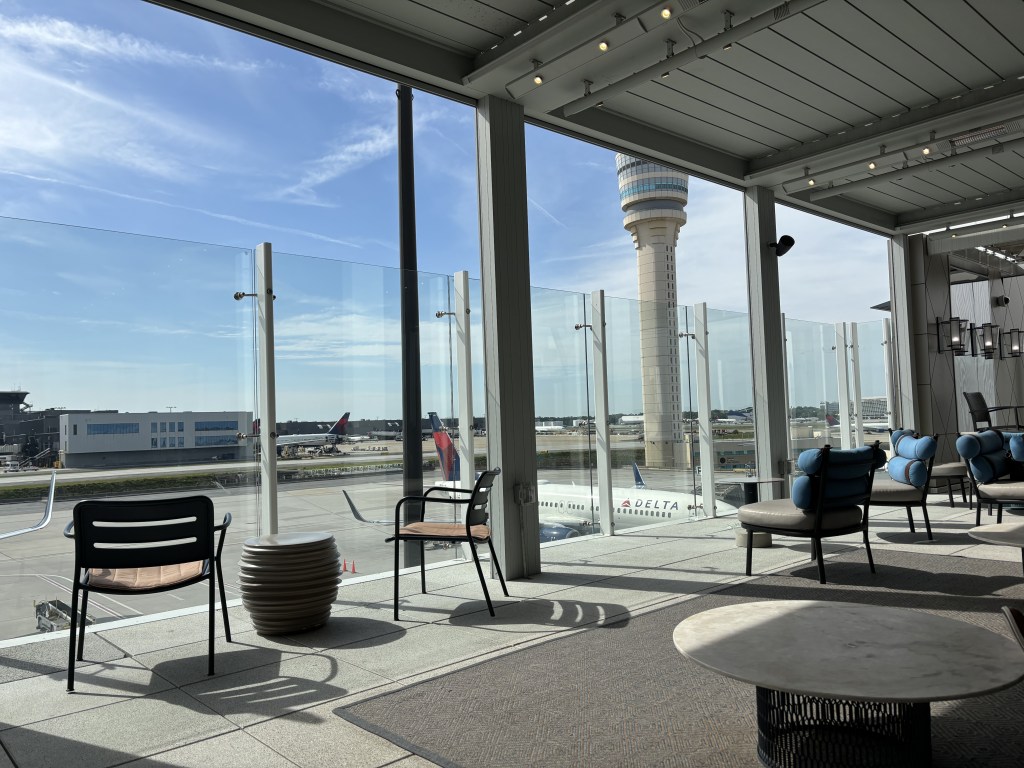
Our first flight was right on time, taking us from MSP to ATL with ease. After touching down in Atlanta, we had just under two hours before our next leg, so we headed straight for the Delta Sky Lounge in Terminal 2. And wow—this lounge didn’t disappoint! The highlight? A fantastic outdoor patio where we could sip our drinks, relax, and watch the planes come and go on the tarmac. It was the perfect blend of energy and calm as we counted down the minutes to the next leg of our adventure!
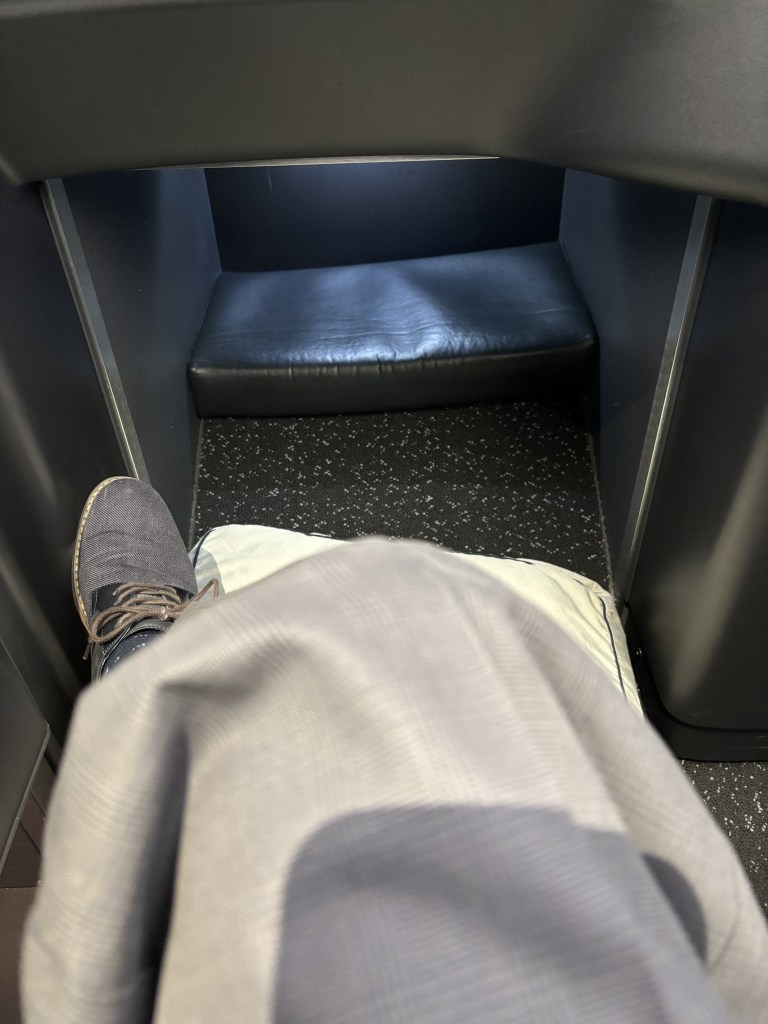
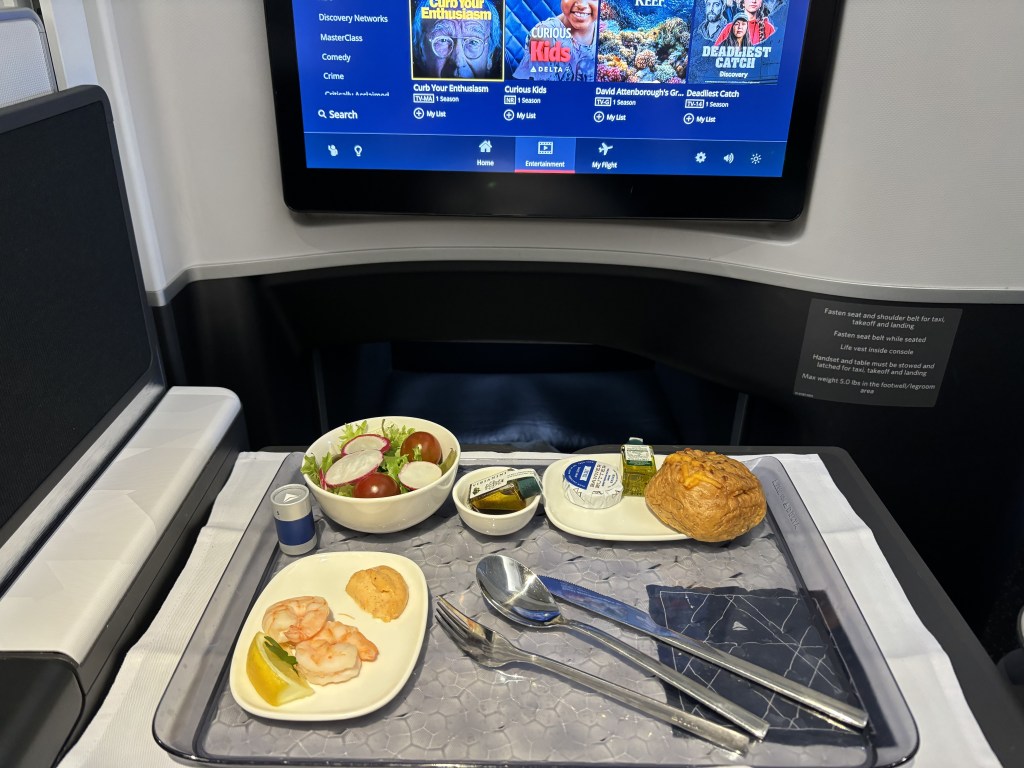
Our international flight kicked off with pure luxury—lay-flat seat pods that felt like our own little slice of heaven in the sky! As soon as we settled in, the stewardess greeted us with a glass of champagne, setting the tone for what was bound to be an unforgettable journey. With over eight hours ahead of us, we cozied up, ready to relax and dream of our exciting arrival in Madrid, set to land just after 8 AM.


Day 2
Touchdown in Madrid—right on time! We made our way through the sprawling Madrid Airport, breezing through customs with surprising ease. Next stop? Finding a taxi to whisk us into the heart of the city. While public transportation is usually our go-to (we’ve mastered it in cities like New York and Chicago), the language barrier here added an exciting twist. With our limited Spanish skills—let’s just say stringing together a coherent sentence would have been a team effort—we opted for the comfort of a taxi. Our driver was incredibly friendly, chatting with us as best he could, and we soaked in our first glimpses of Madrid during the quick 25-minute ride.
“They say that there is no greater freedom than travelling the world untethered. Walking. Running. Flying. But that’s not always the case. For some, freedom is having a home to go to. A safe place to be oneself. Without fear. Without difficulties. Without giving anyone explanations. Where we can celebrate with other people that we exist, that we co-exist, and that we are living the life we want to live.” –From the Axel Website
Our home base in Madrid? The vibrant and stylish Axel Hotel Madrid, one of four Axel hotels in Spain, designed for LGBTQ+ travelers. Perfectly located at Atocha 49 in the heart of the city, it promised to be the ideal starting point for our adventures.
When we arrived just before 10 AM, we fully expected to leave our bags at the desk and dive straight into exploring Madrid while waiting for our rooms to be ready. But to our delight, both rooms were ready to go! We couldn’t believe our luck—this unexpected perk gave us the chance to check in, freshen up, and recharge before stepping out to discover the wonders of this fascinating and historic city.
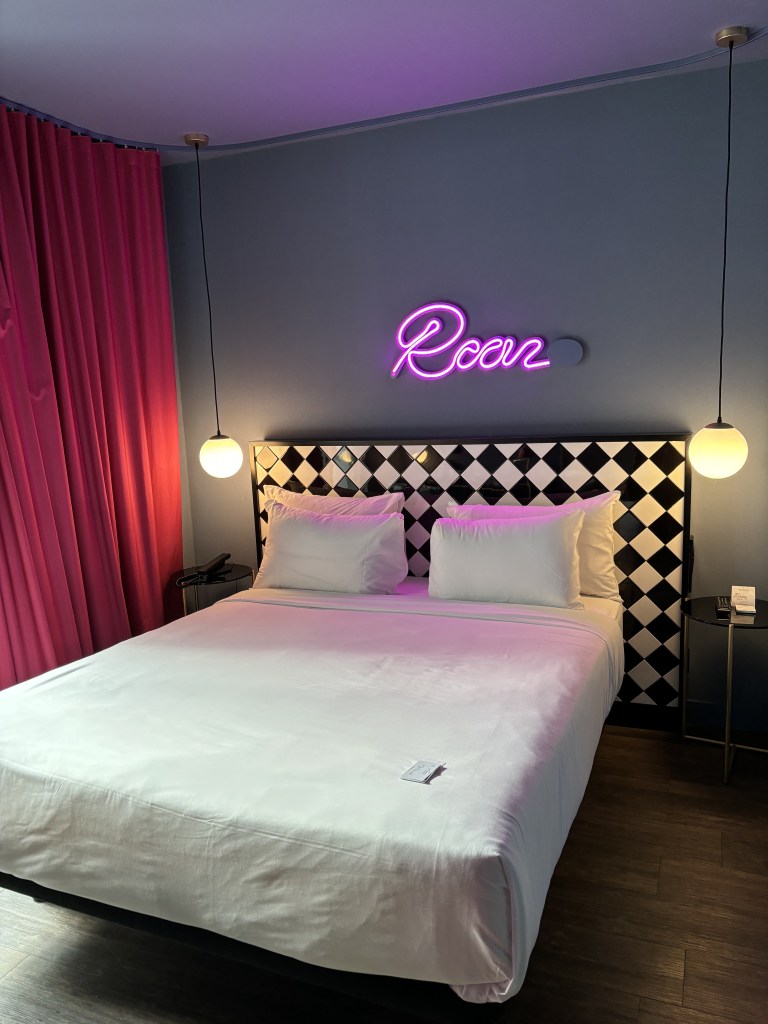
My room 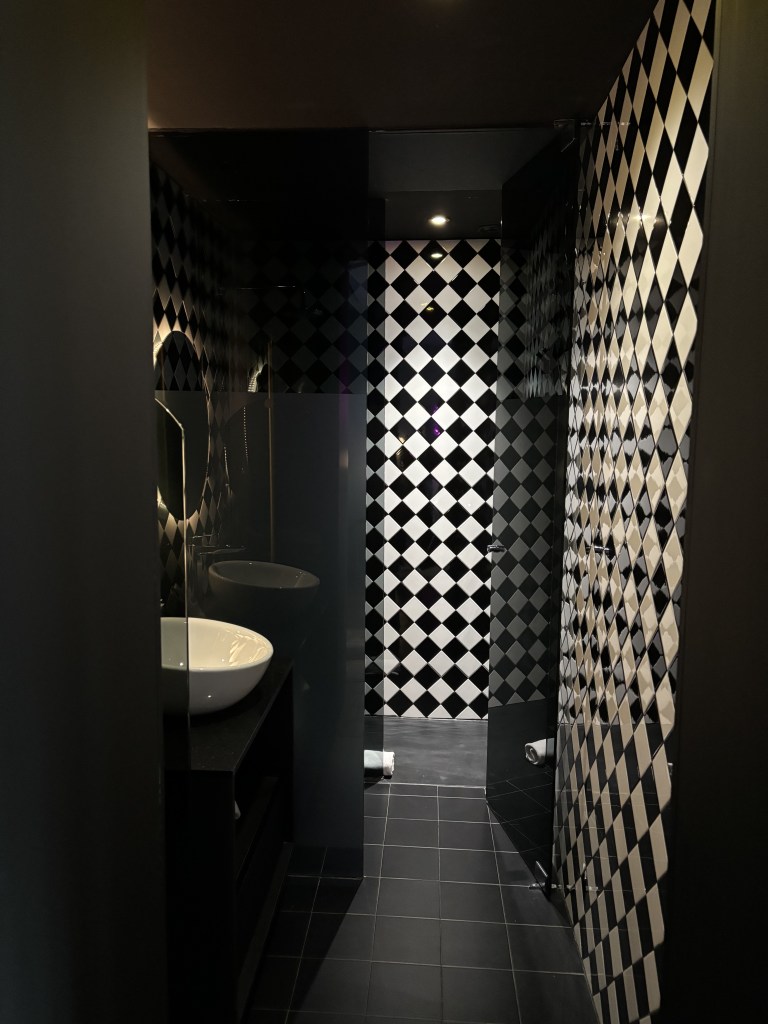
The Bath 
Ammenities 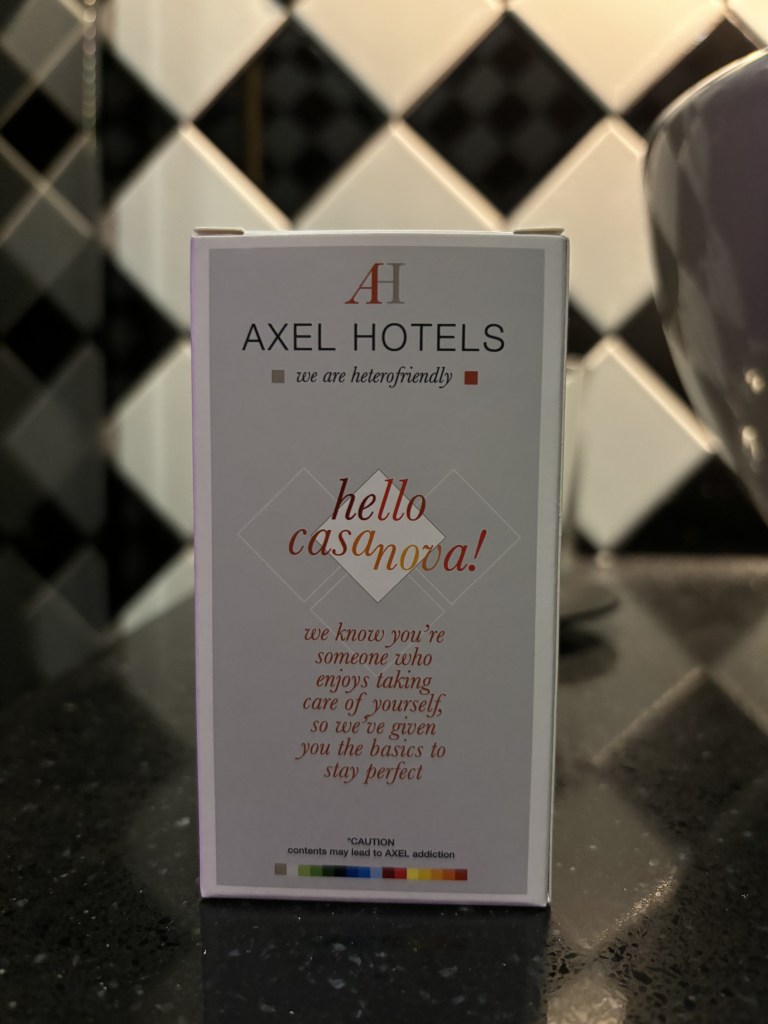
Ammenities 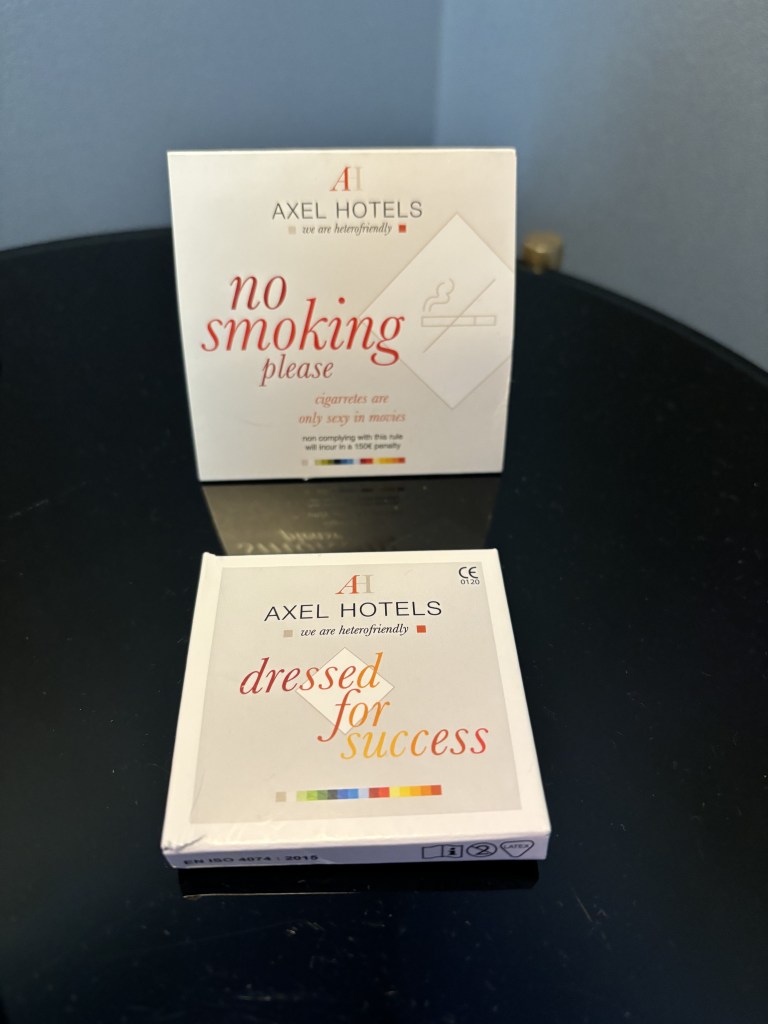
Ammenities 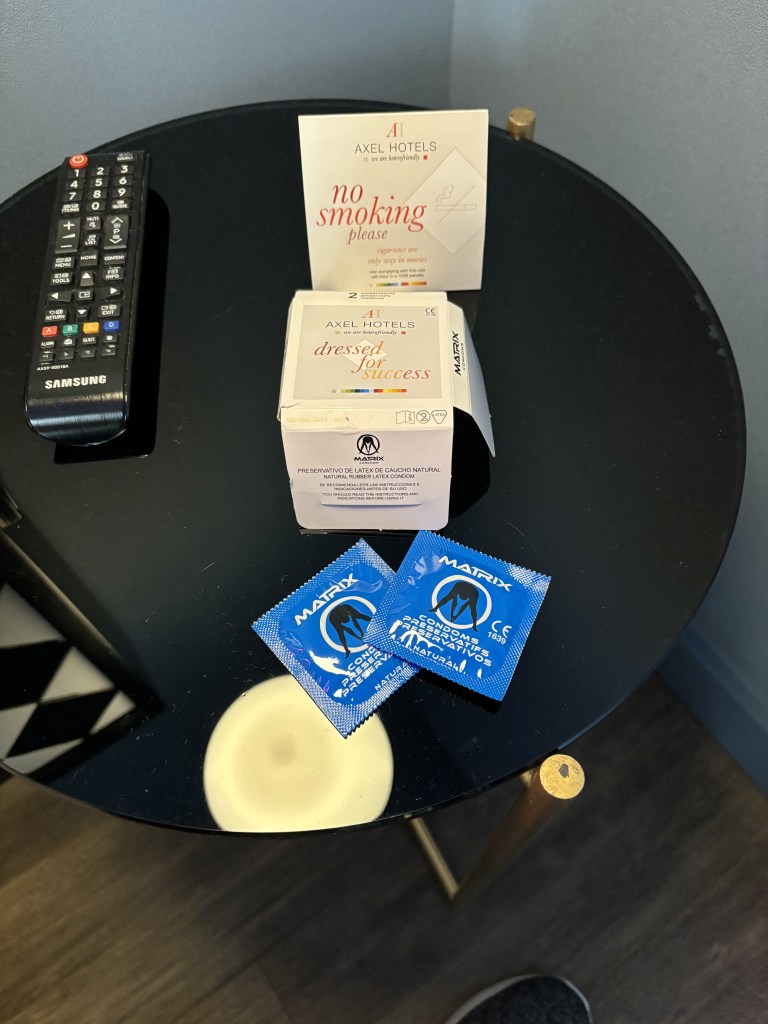
Not that I would be using these 
Inside the hotel 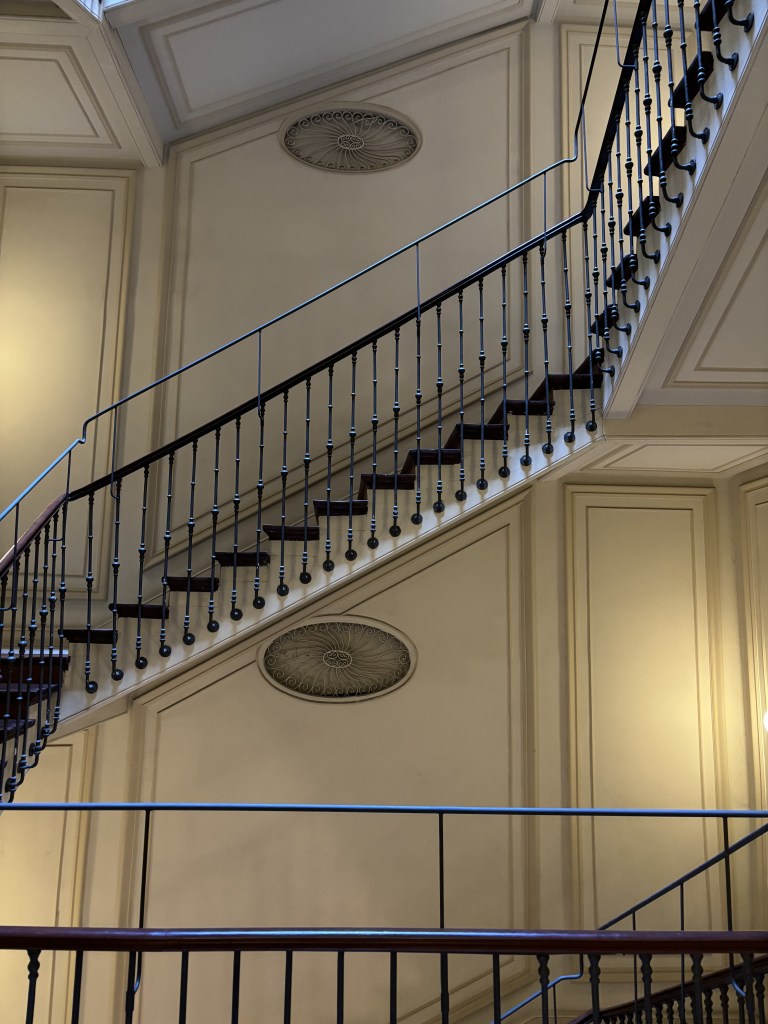
Inside the hotel 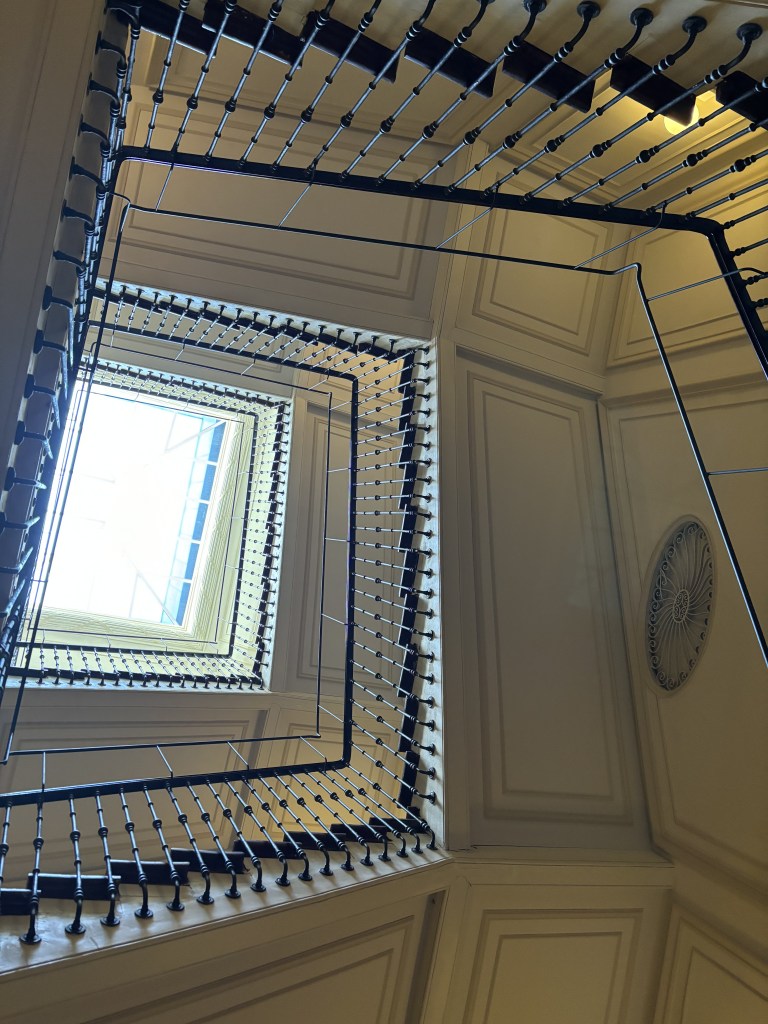
Inside the hotel 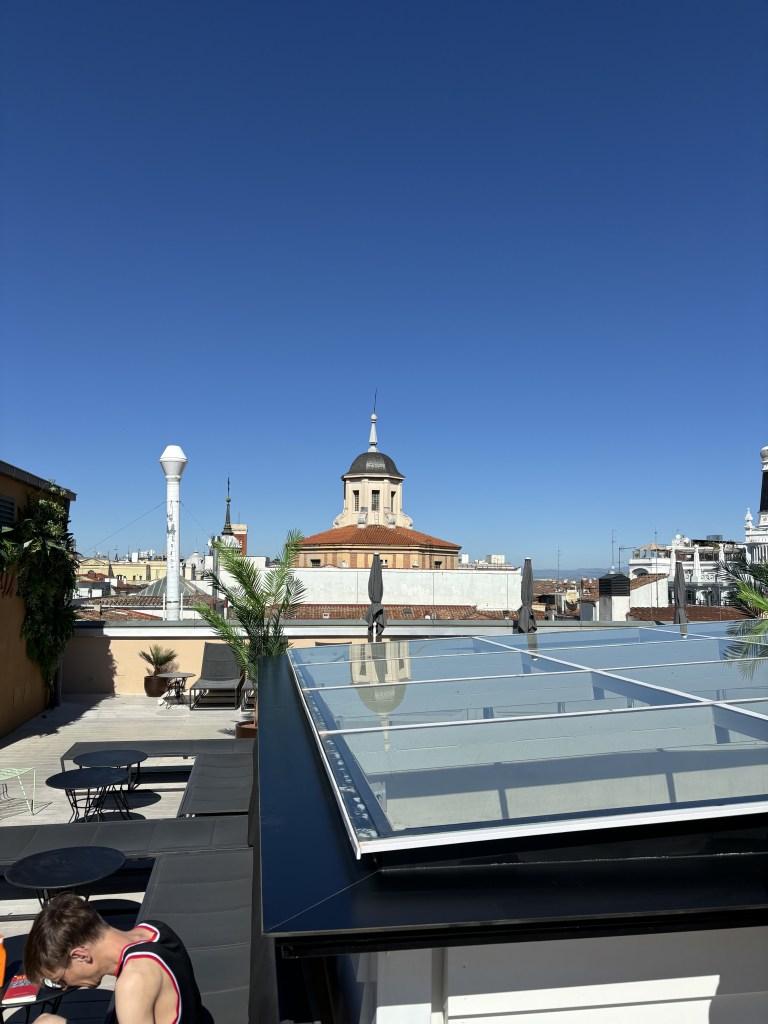
Hotel rooftop pool 
A beer before walking around the city 
Madrid 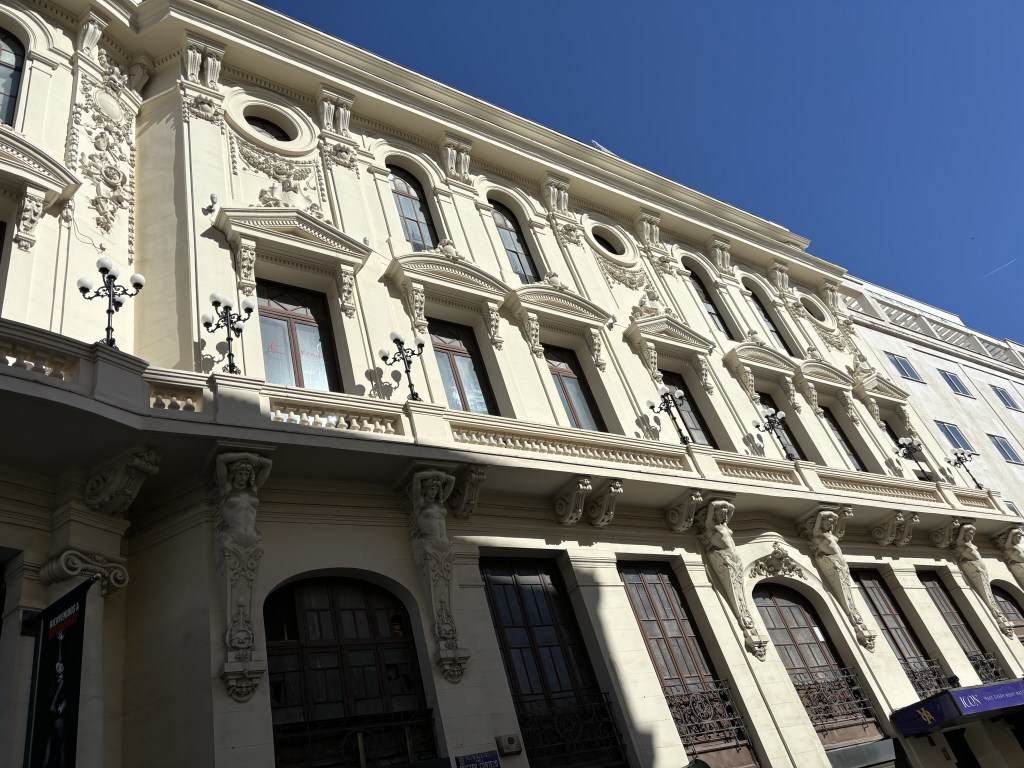
Madrid 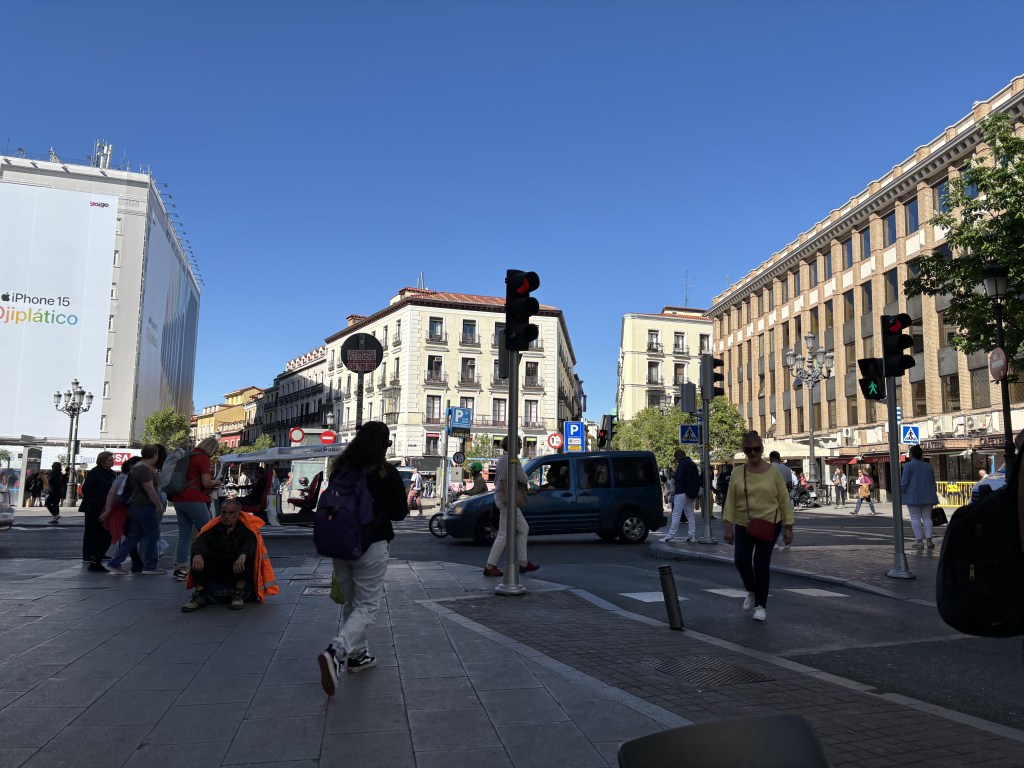
Madrid 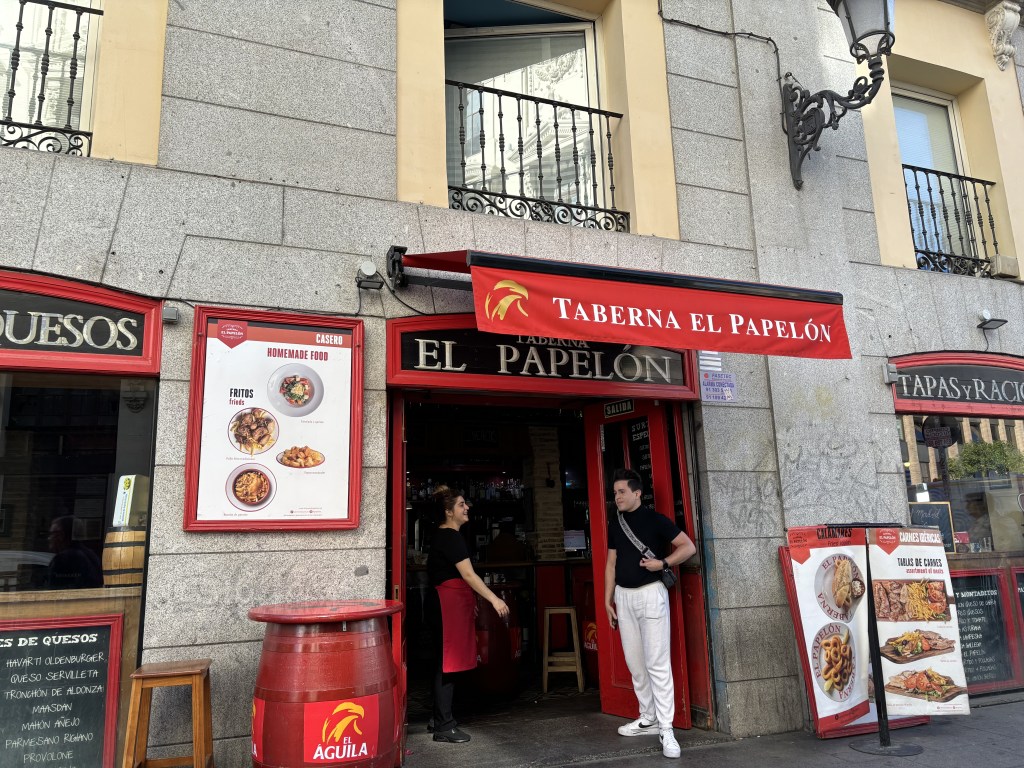
Madrid 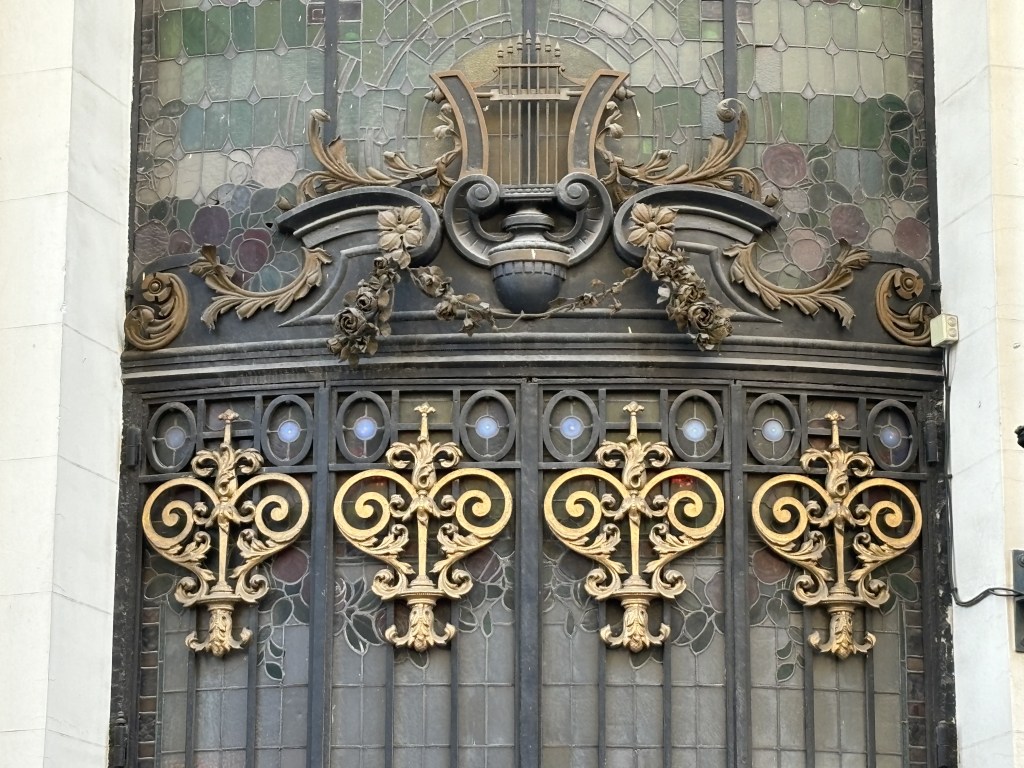
Madrid 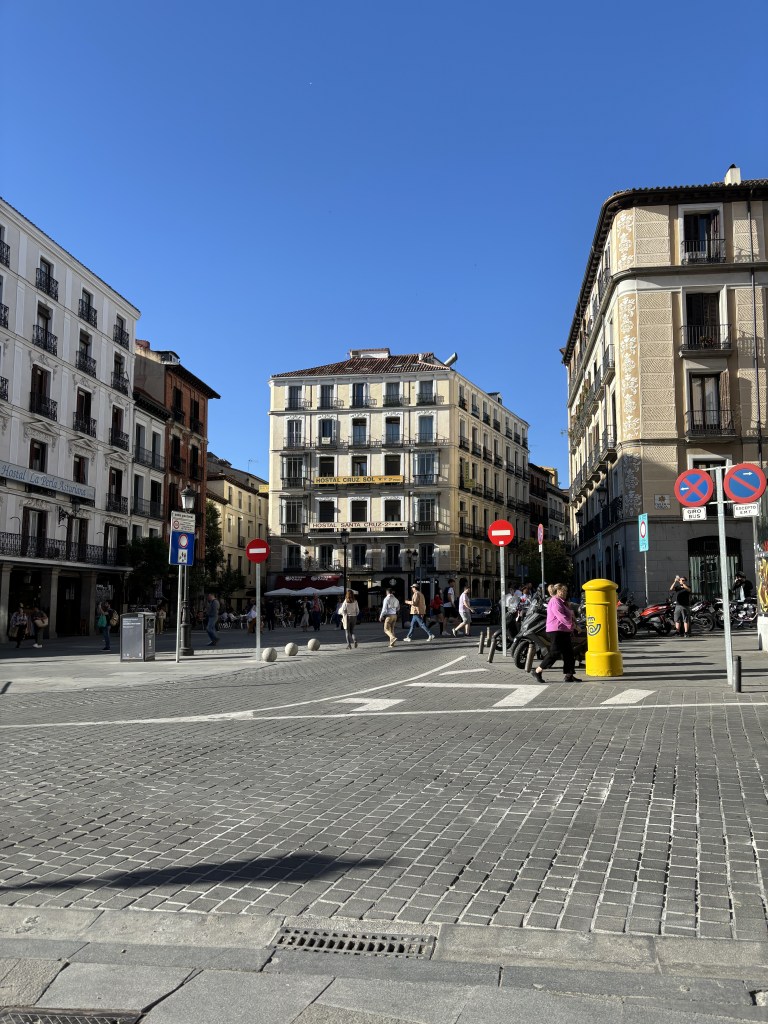
Madrid 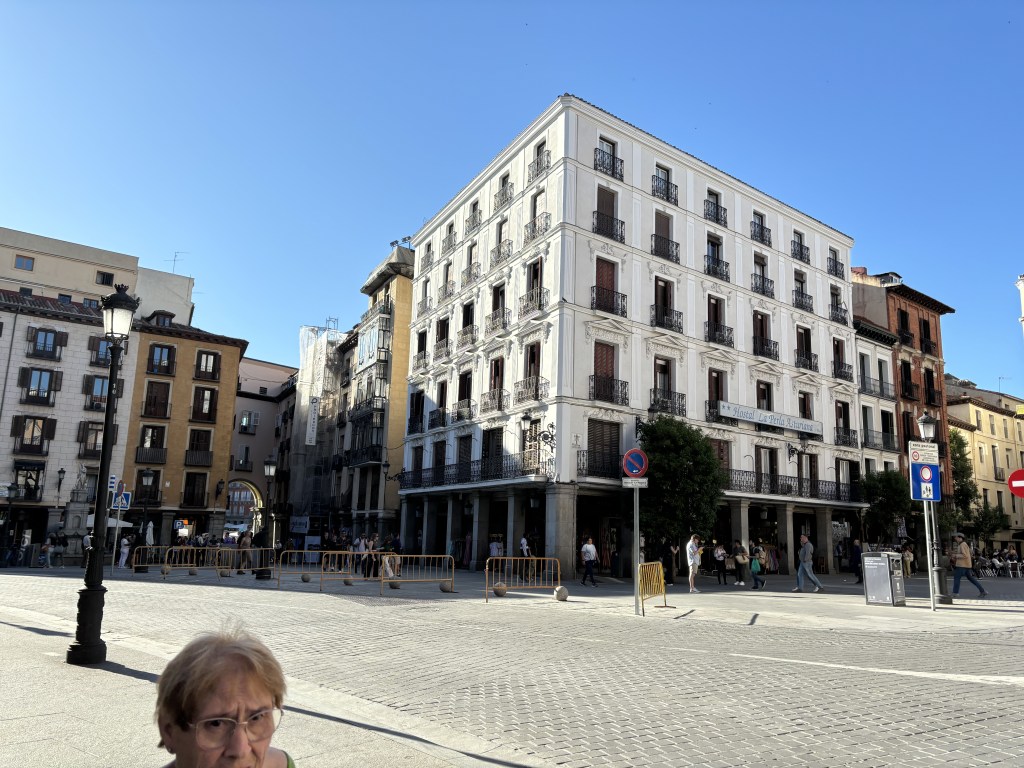
Madrid 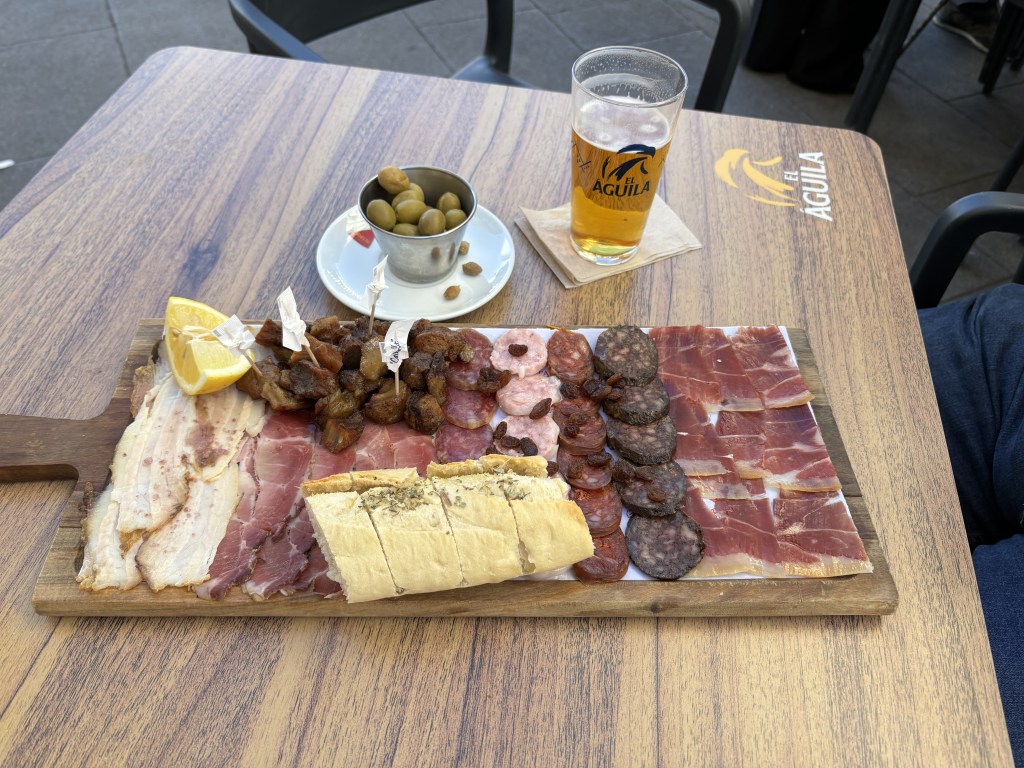
A bite… 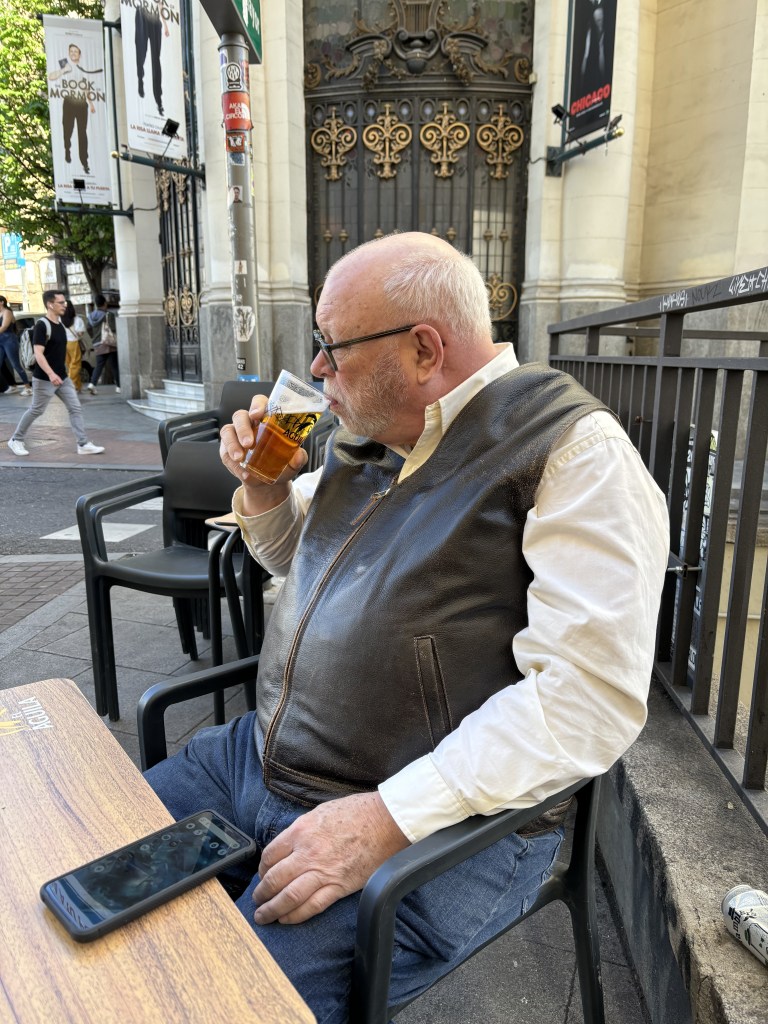
…and a beer 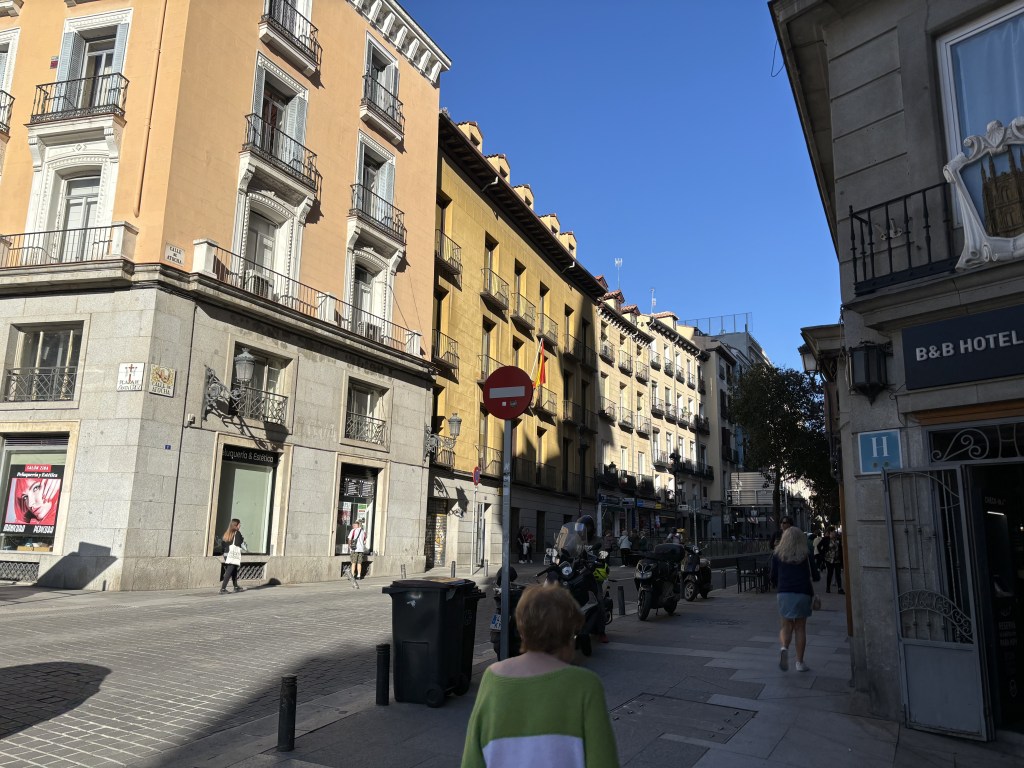
Madrid 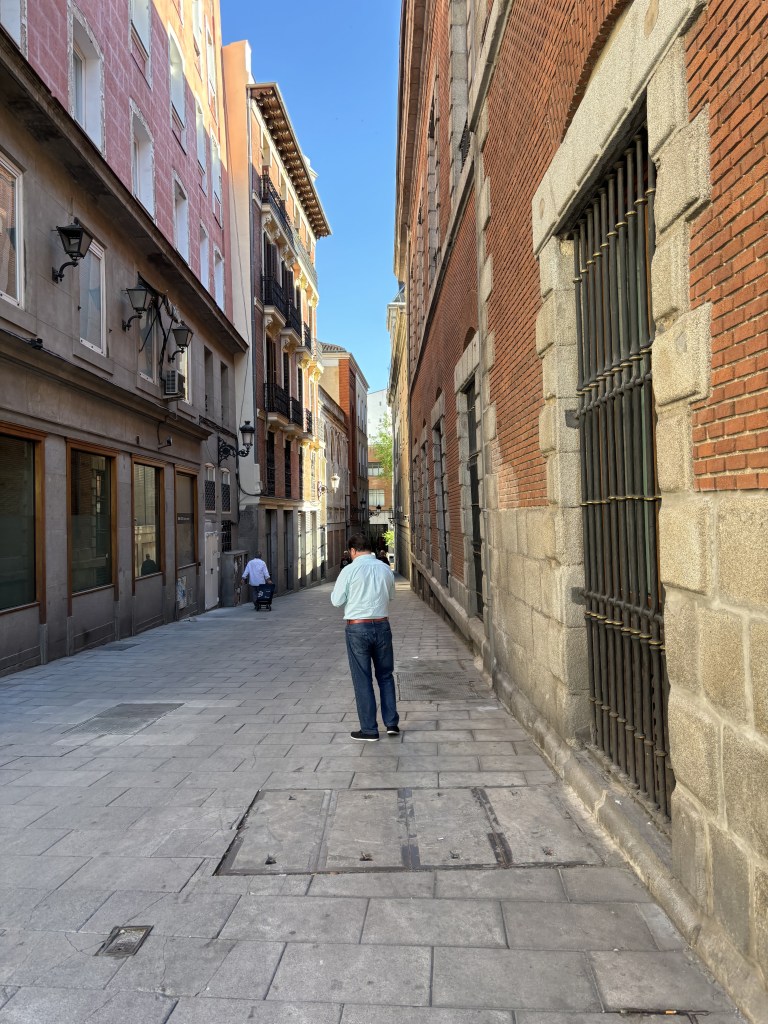
Madrid 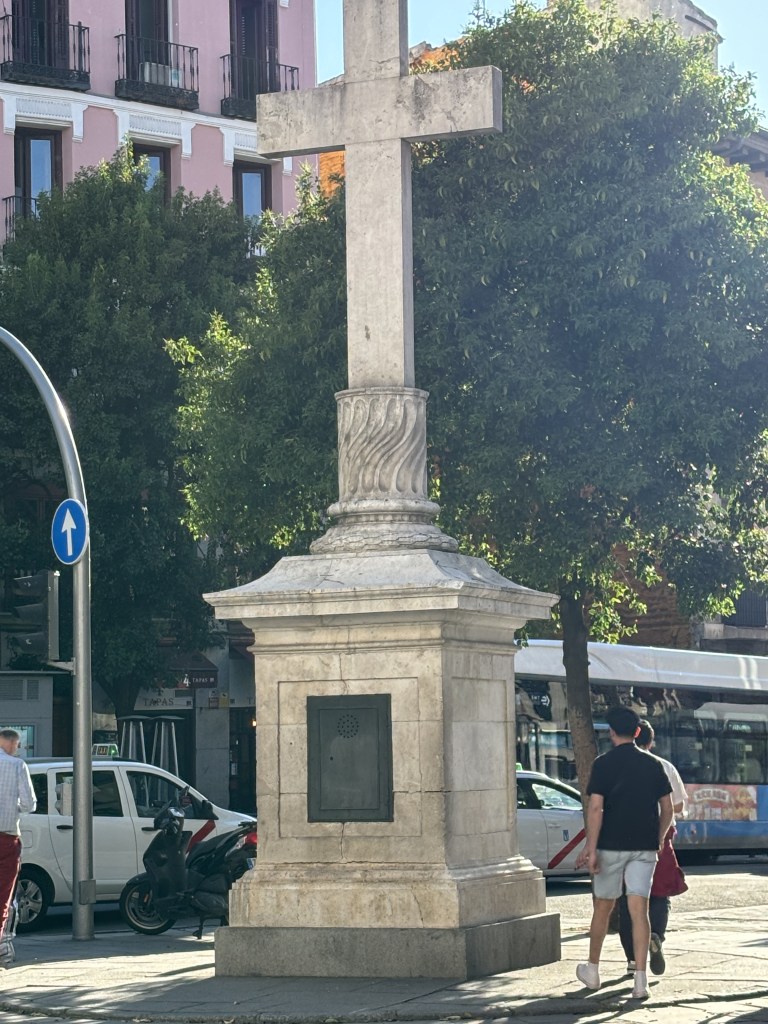
Madrid 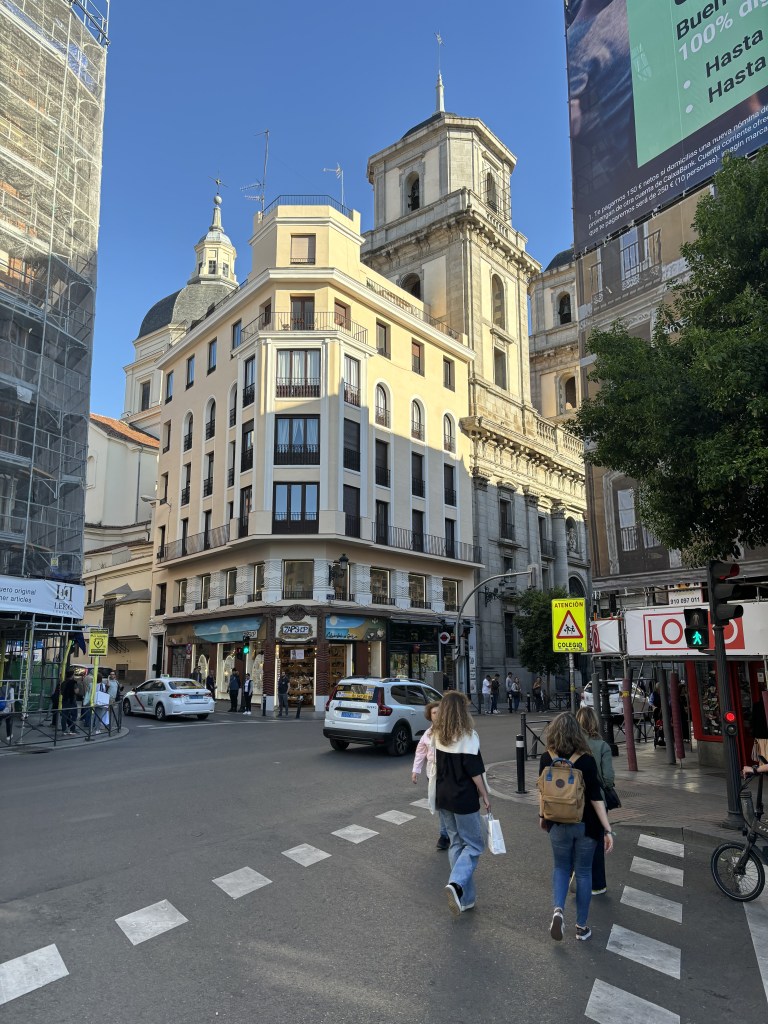
Madrid 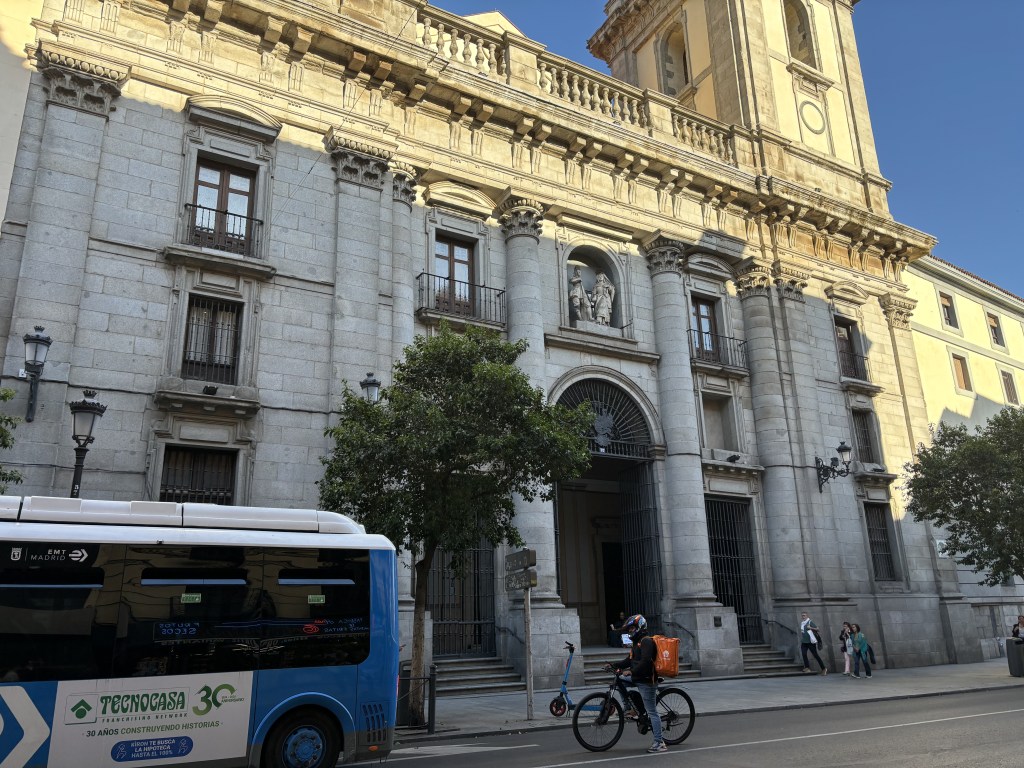
Madrid 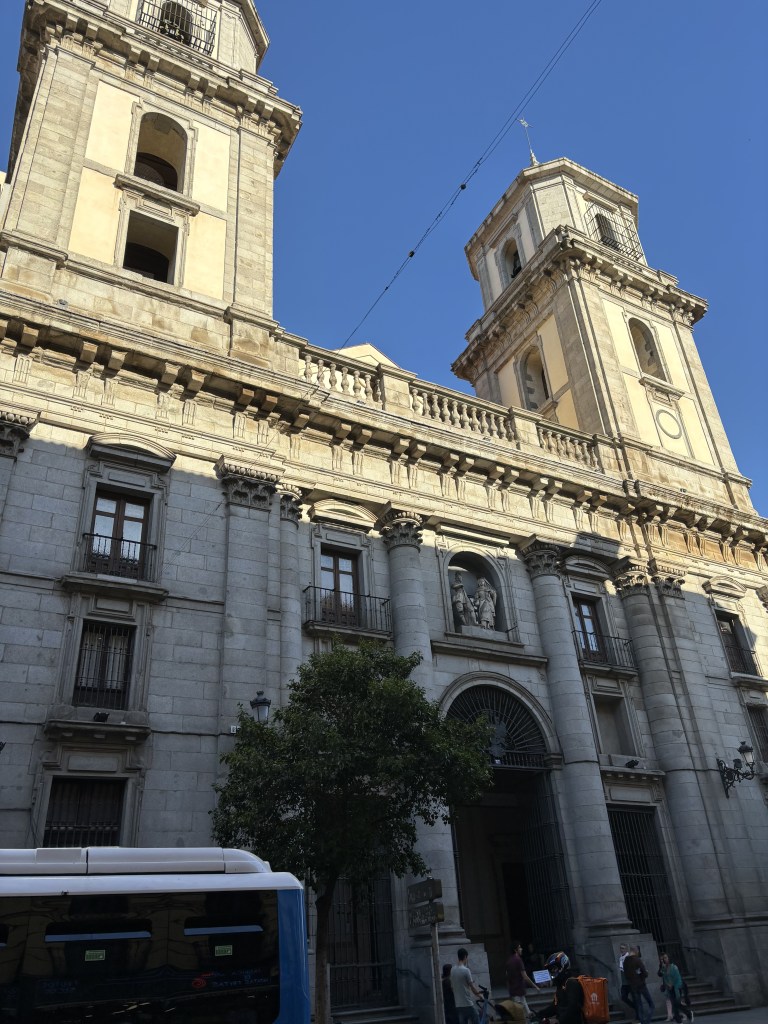
Madrid 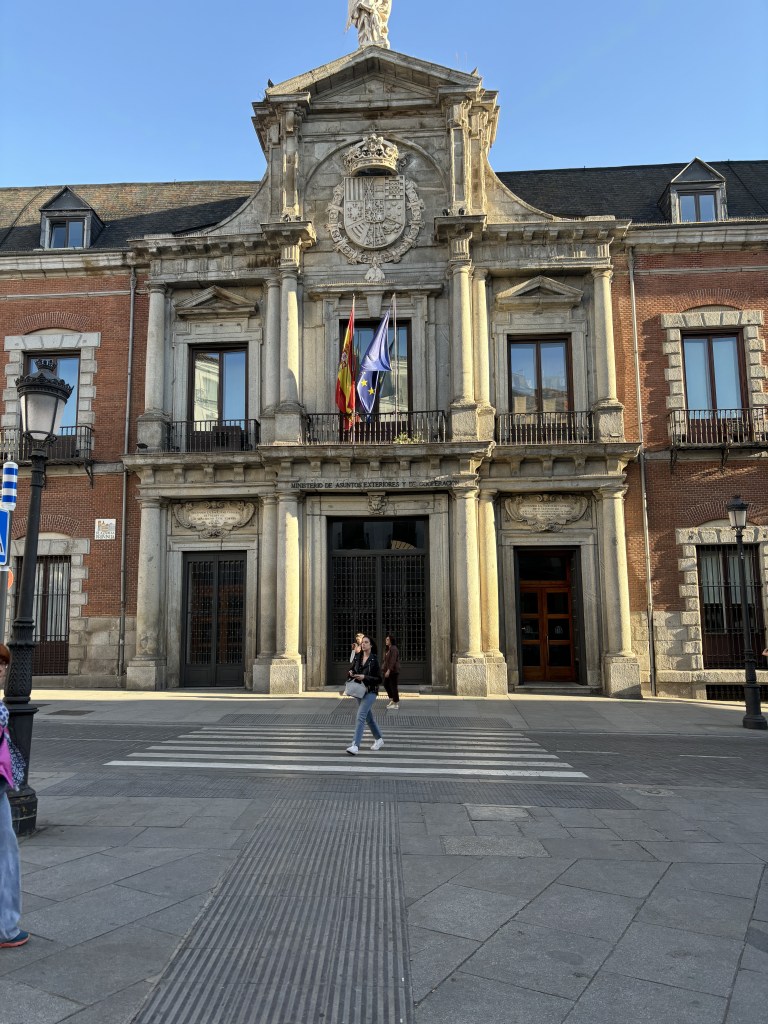
Madrid 
Madrid 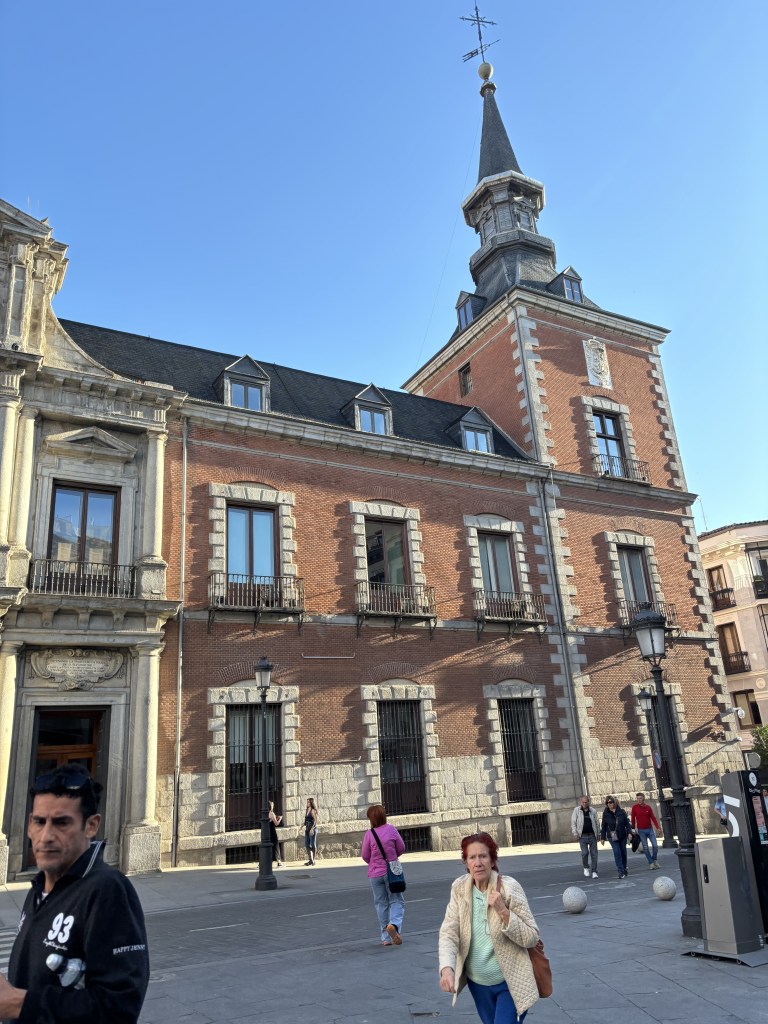
Madrid 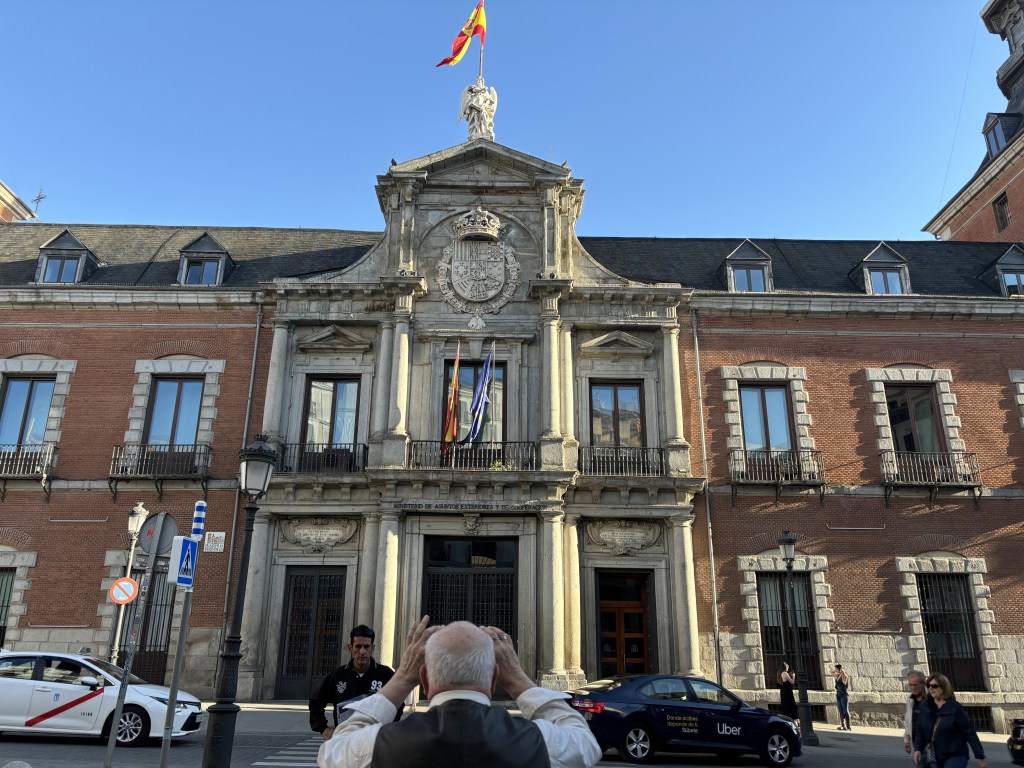
Madrid 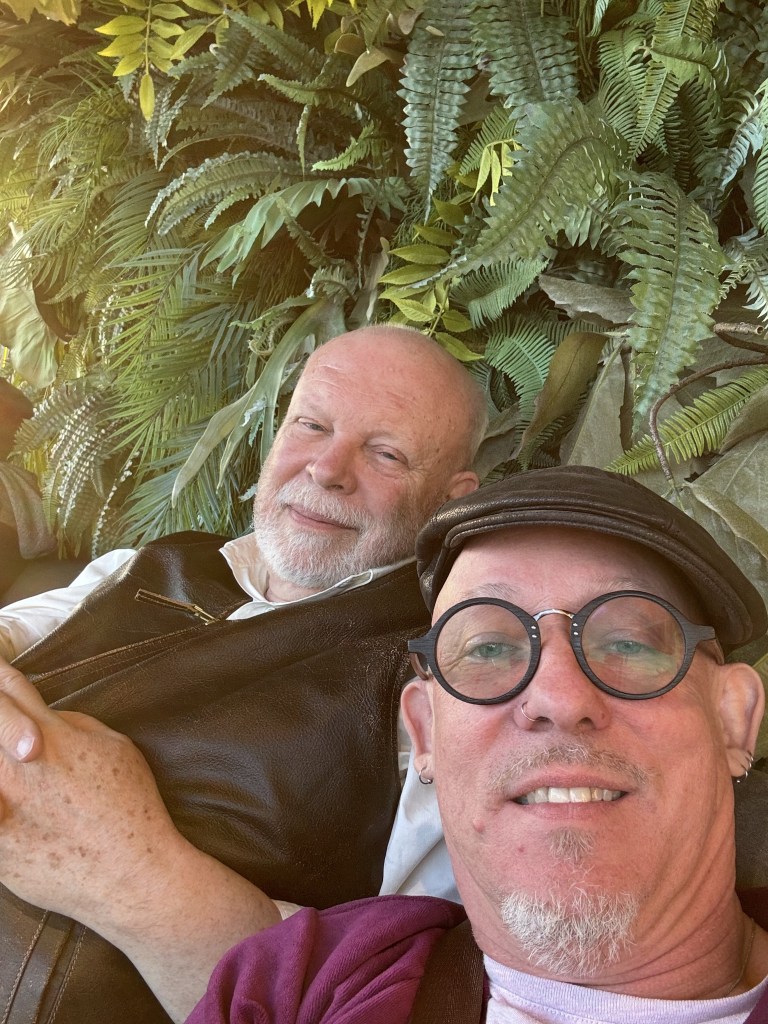
Great day in Madrid!
Day 3
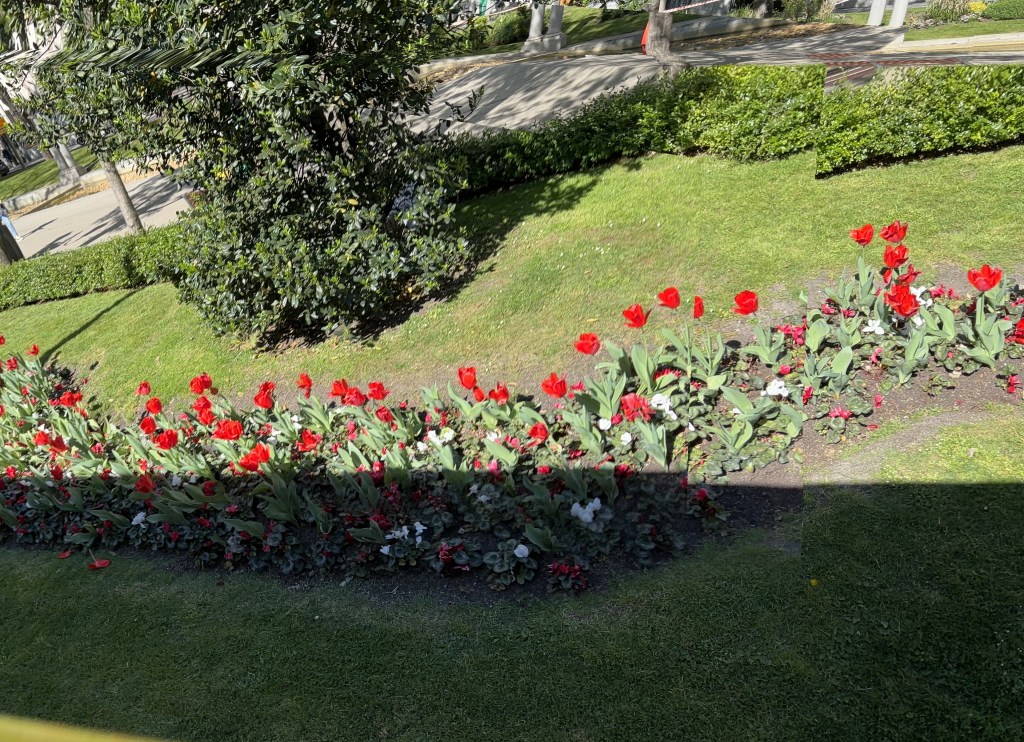
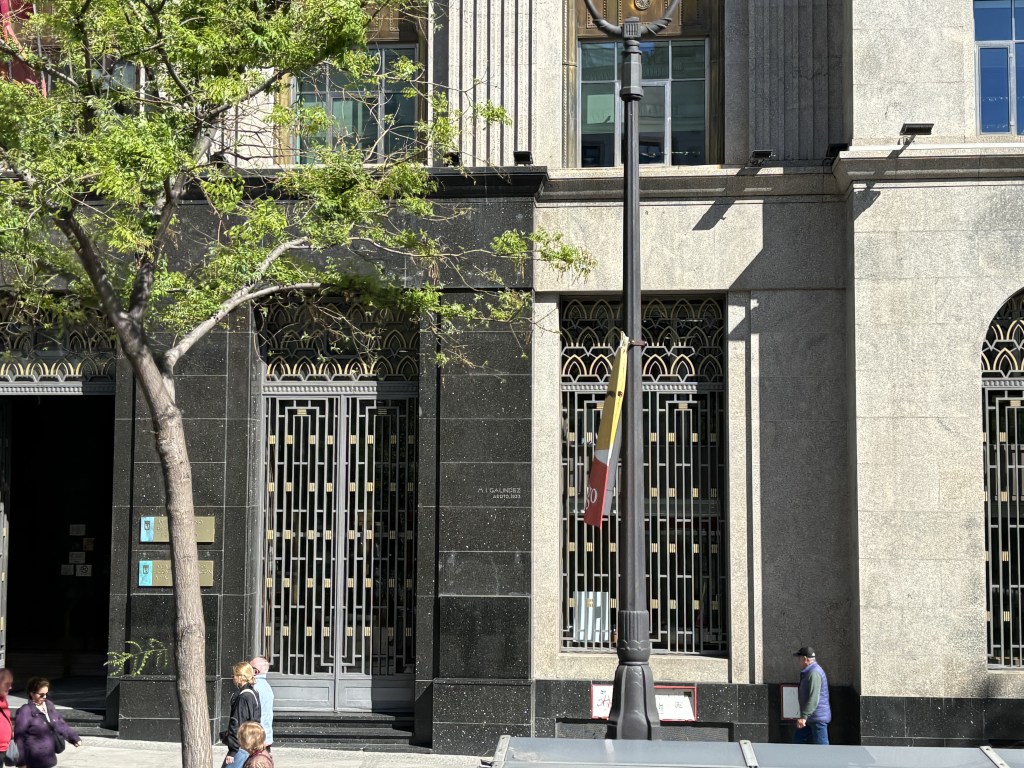
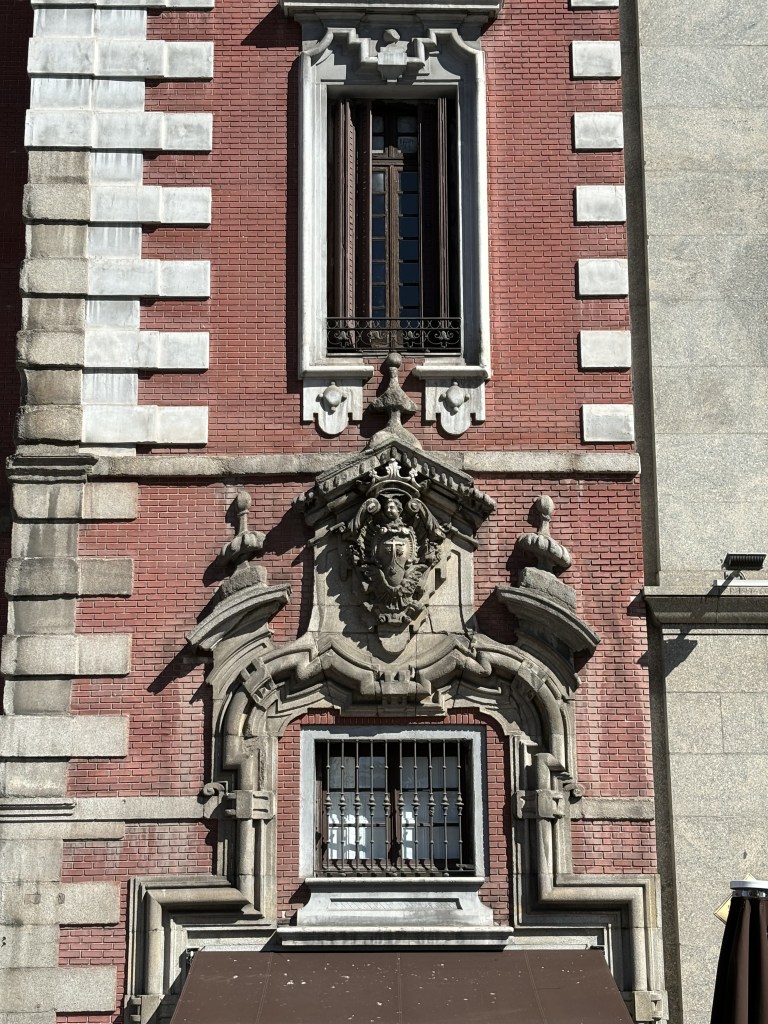
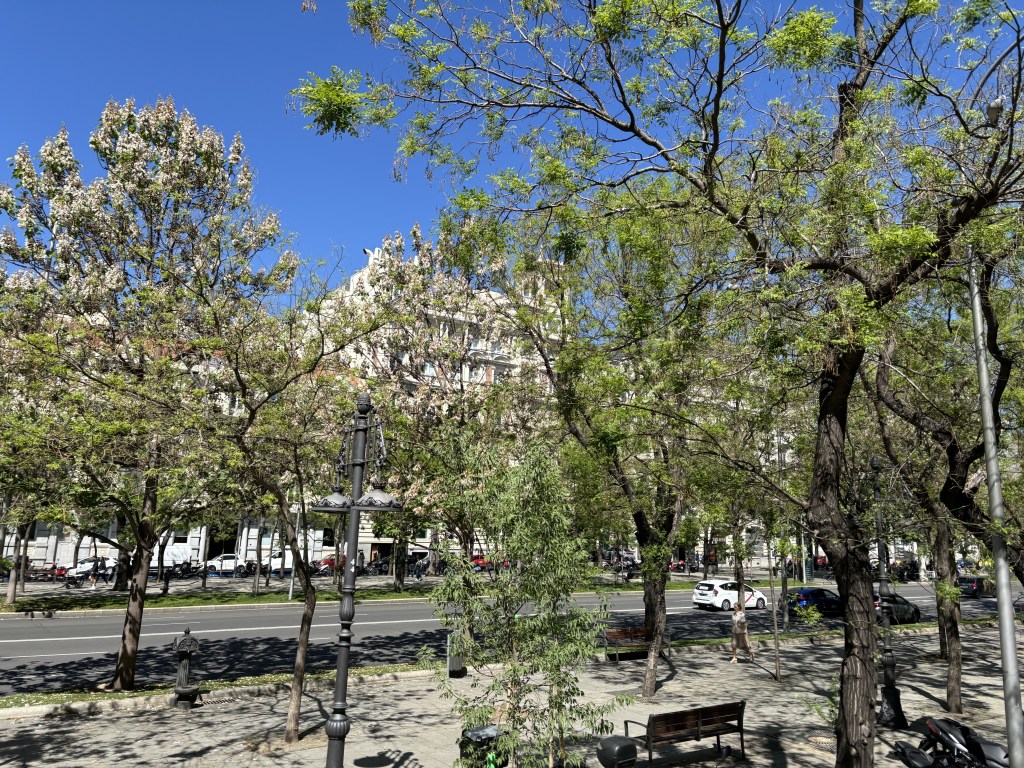
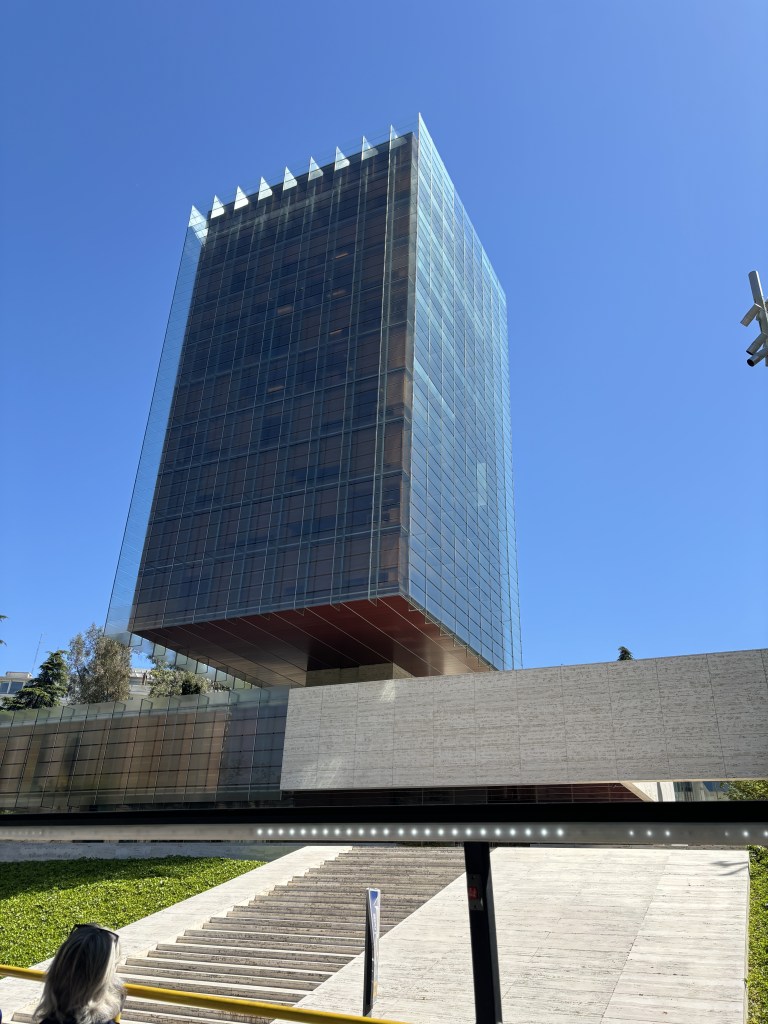
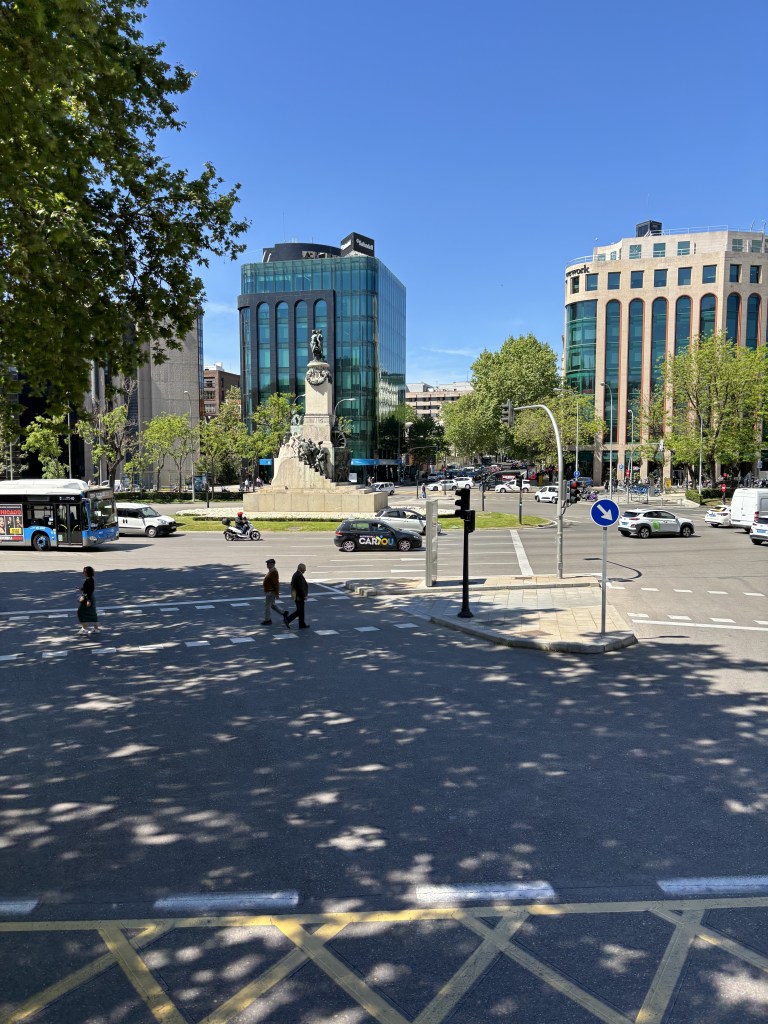
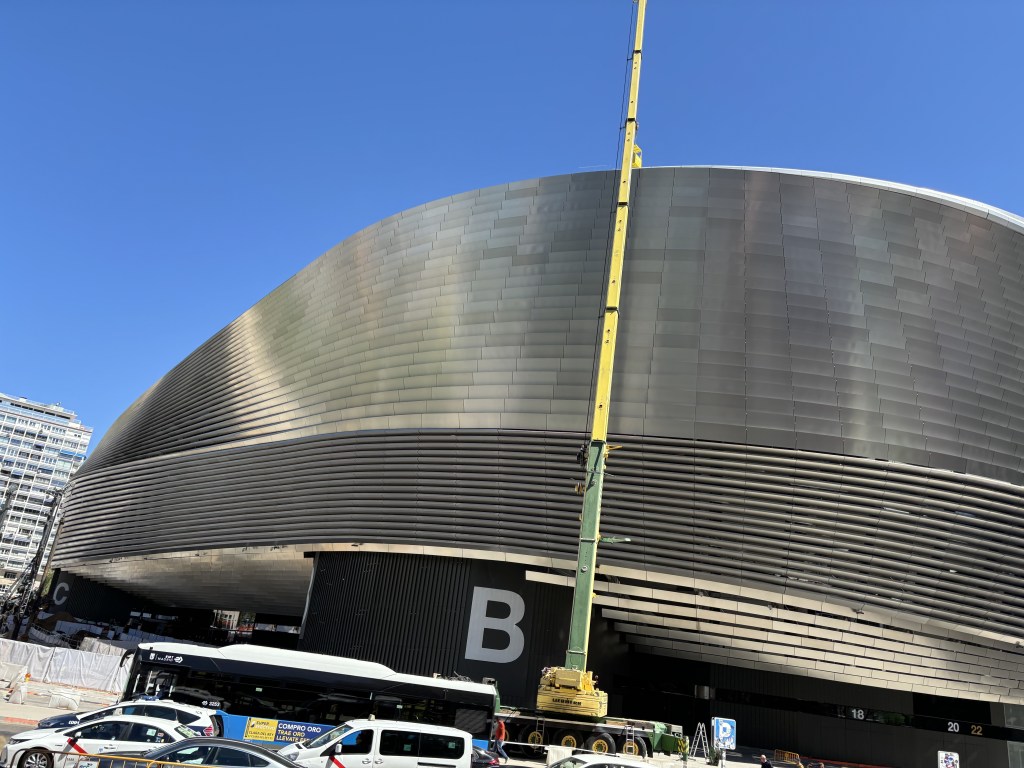
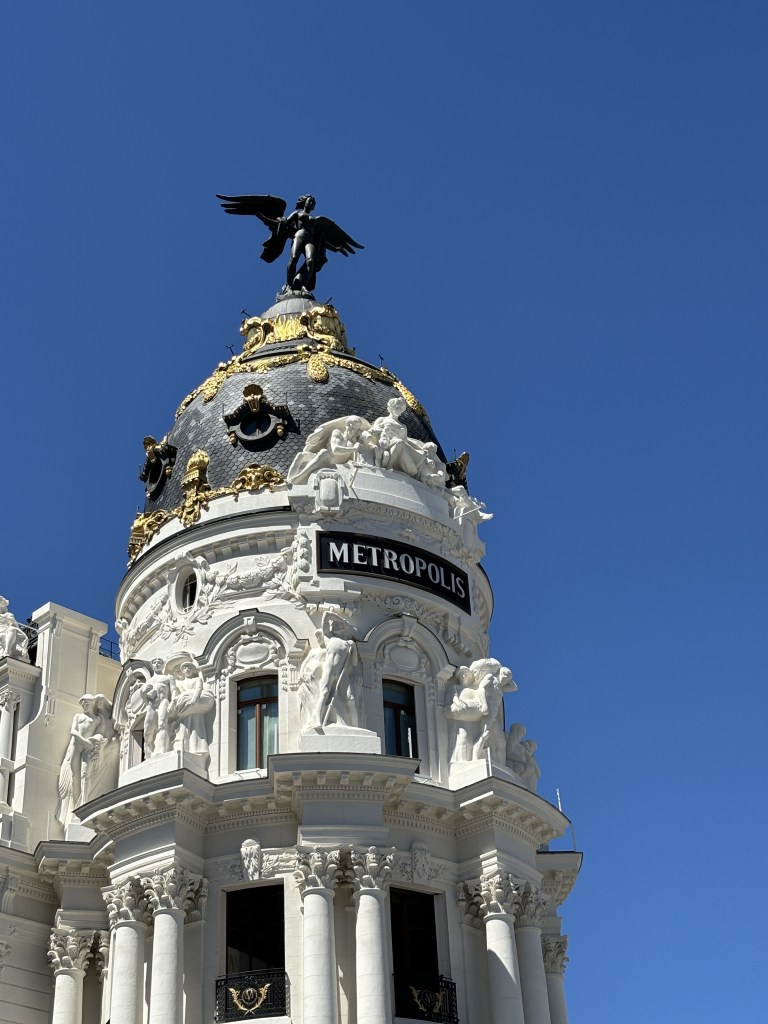
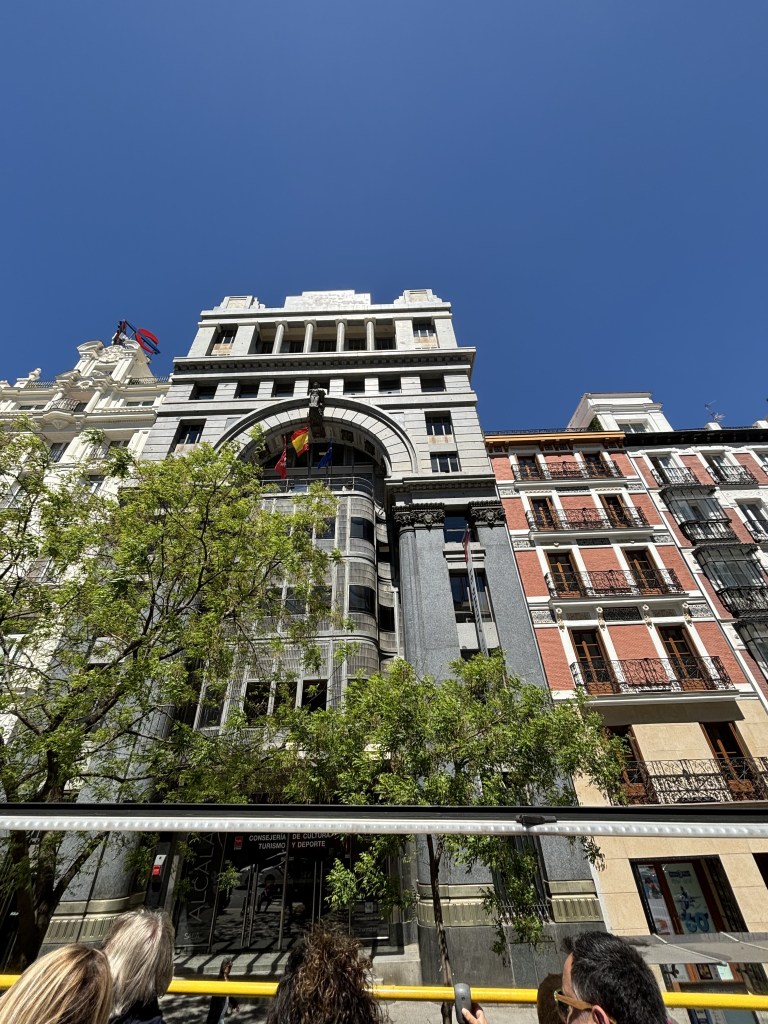
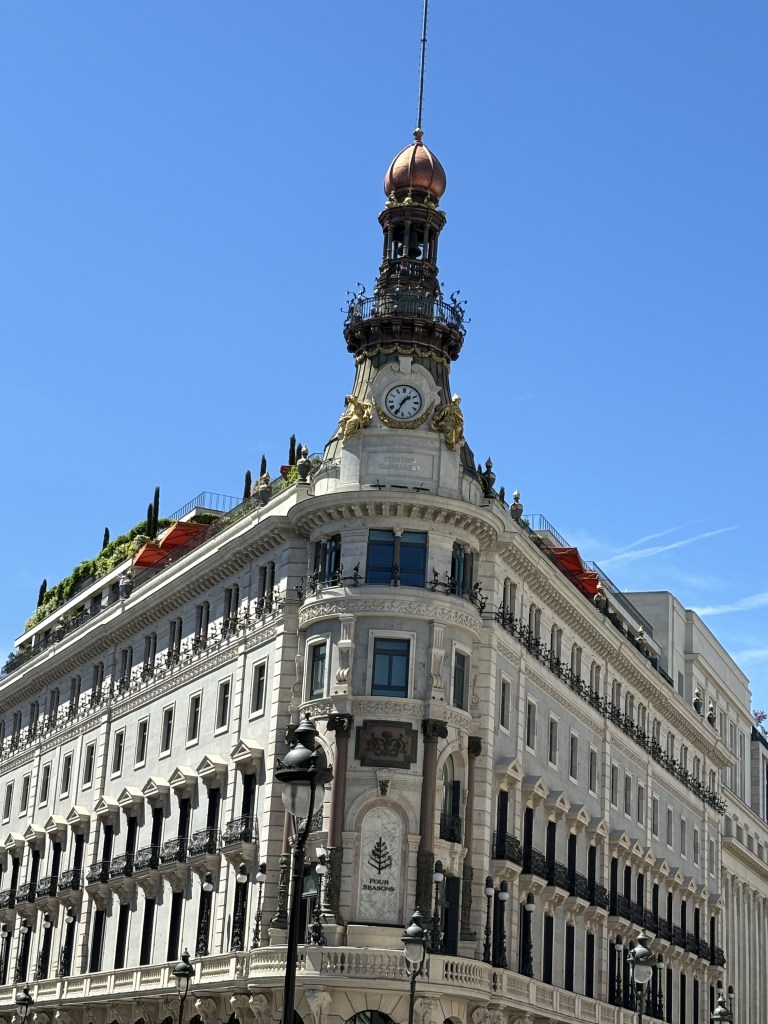
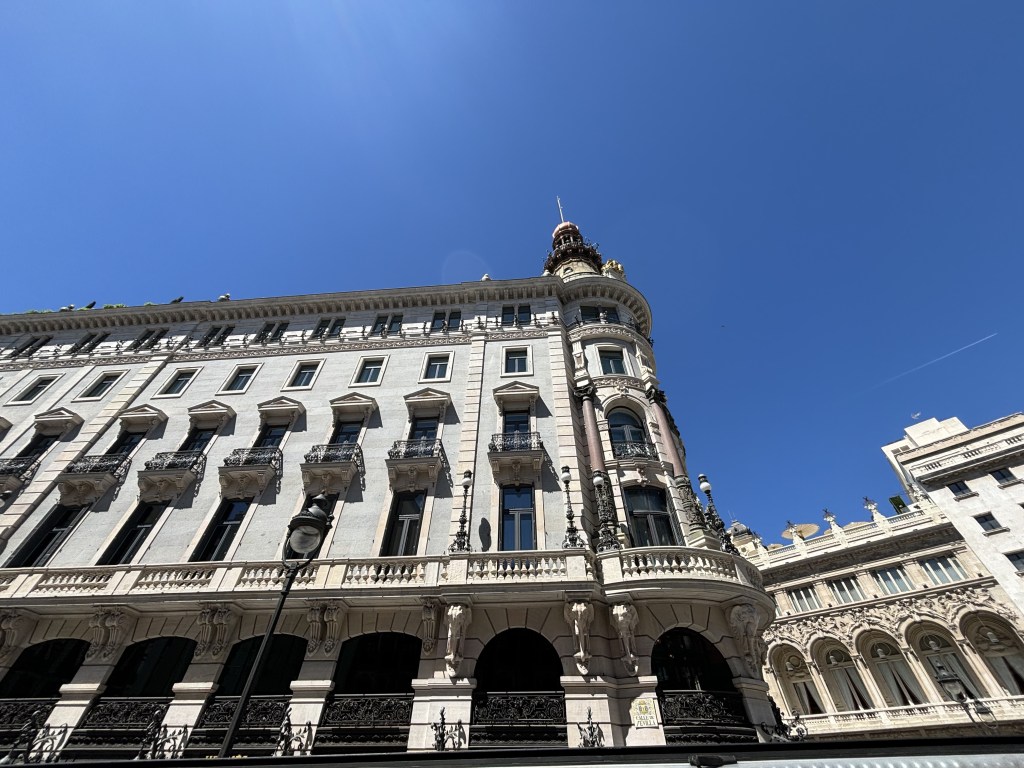
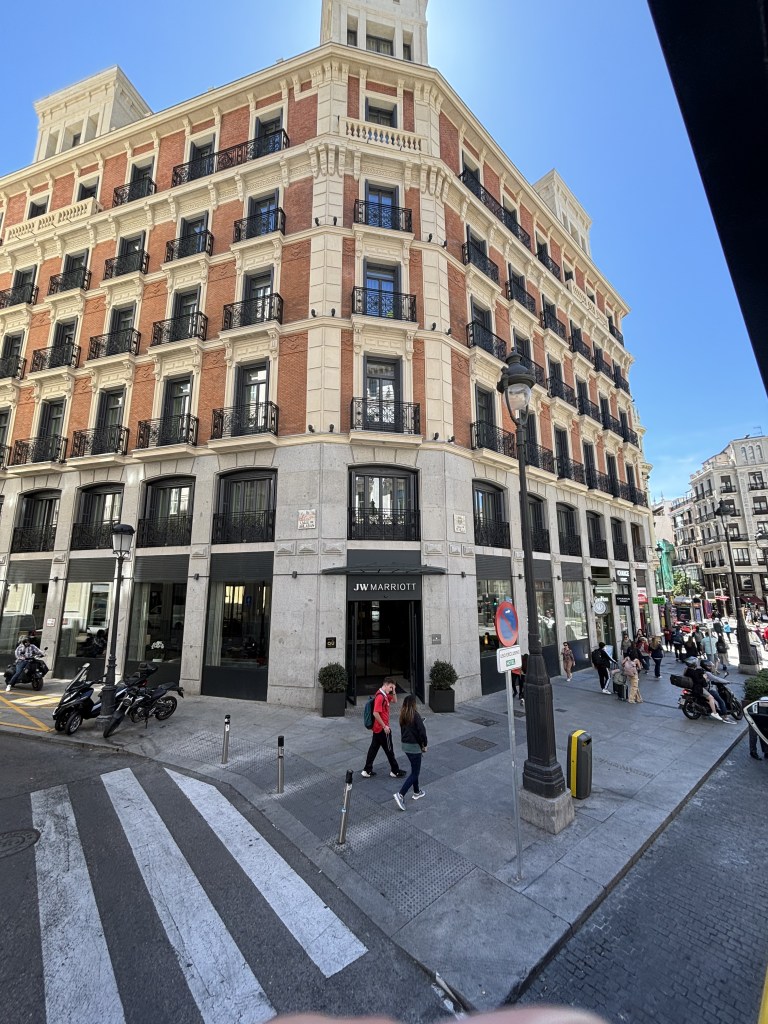
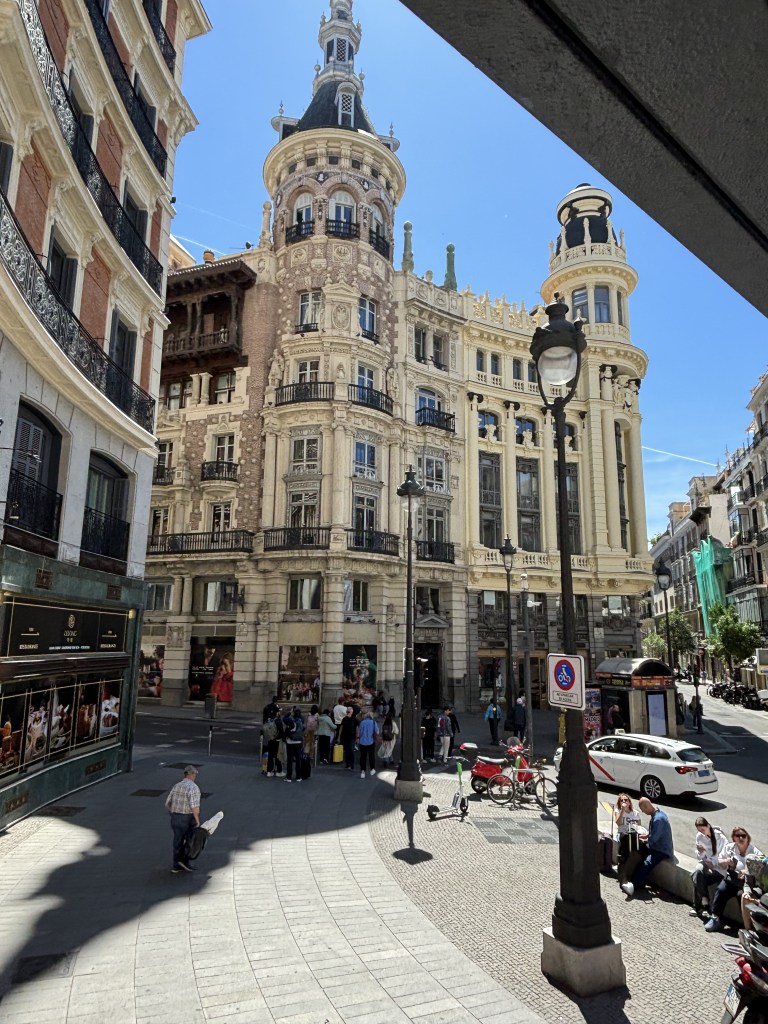
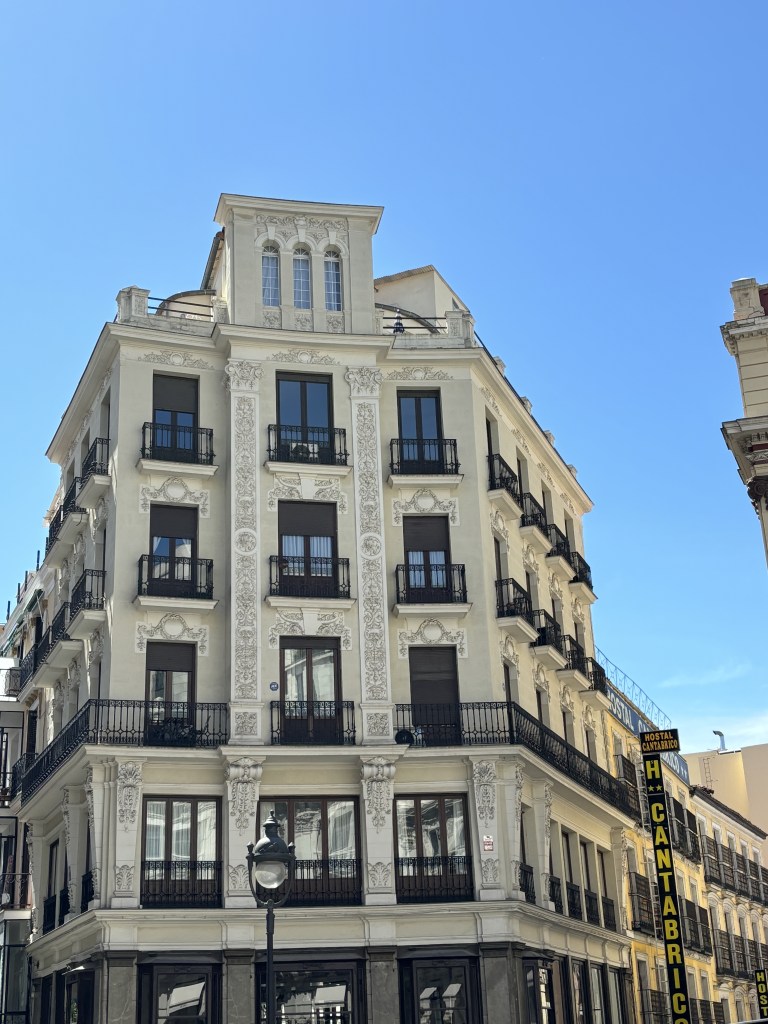
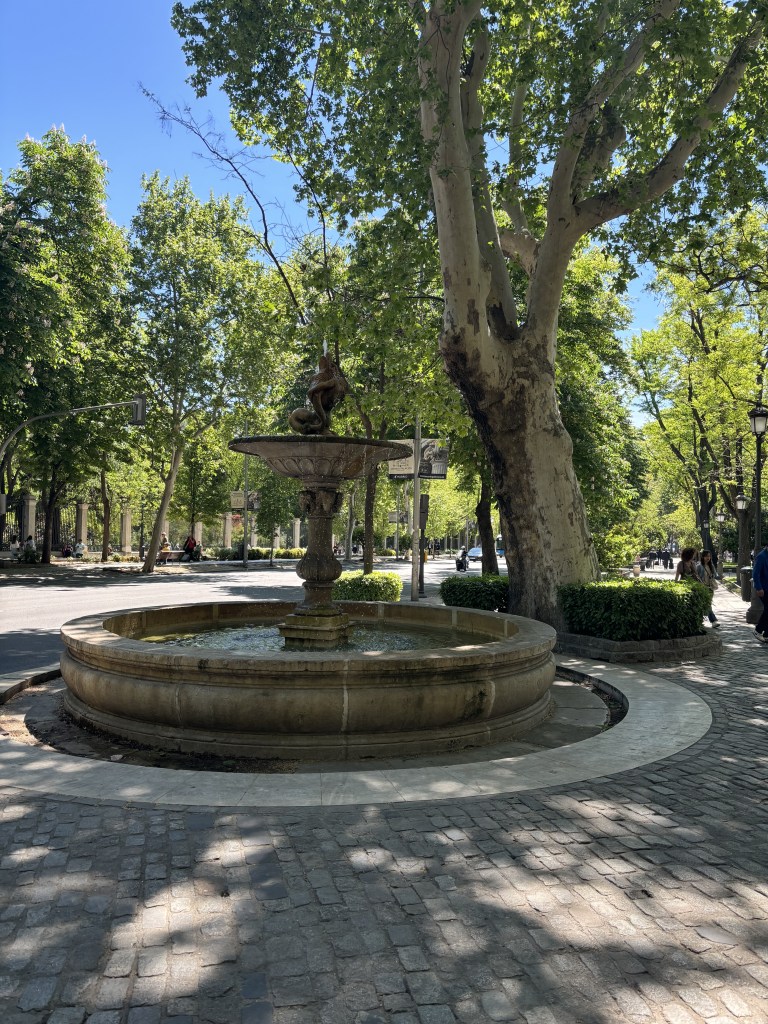
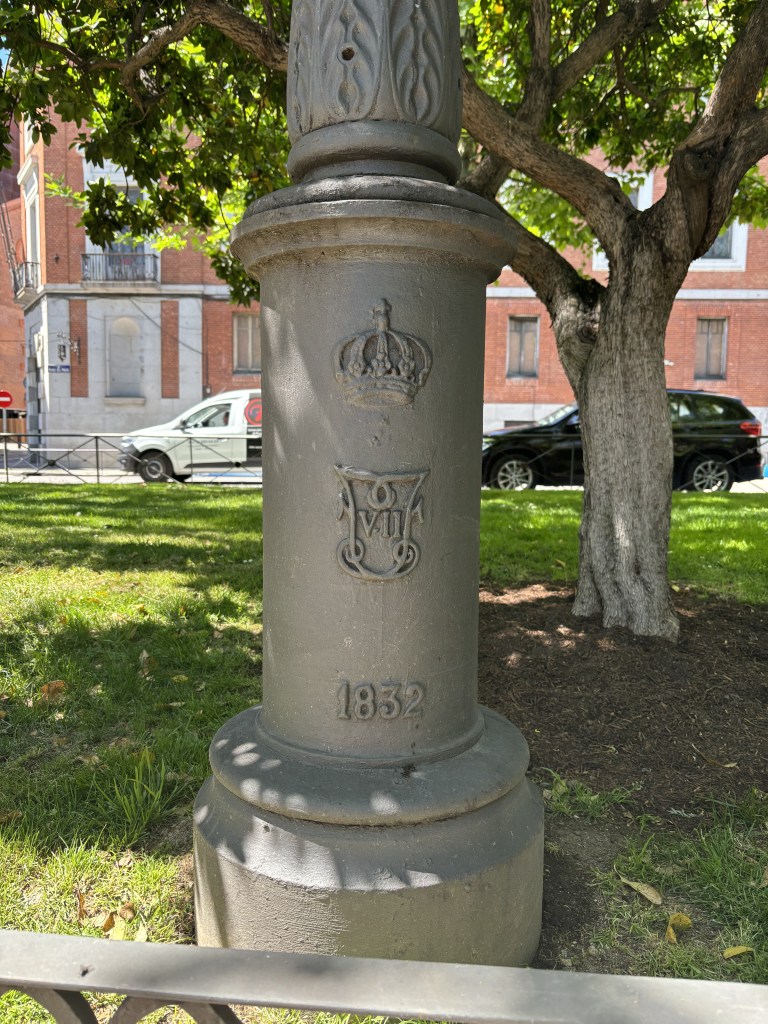
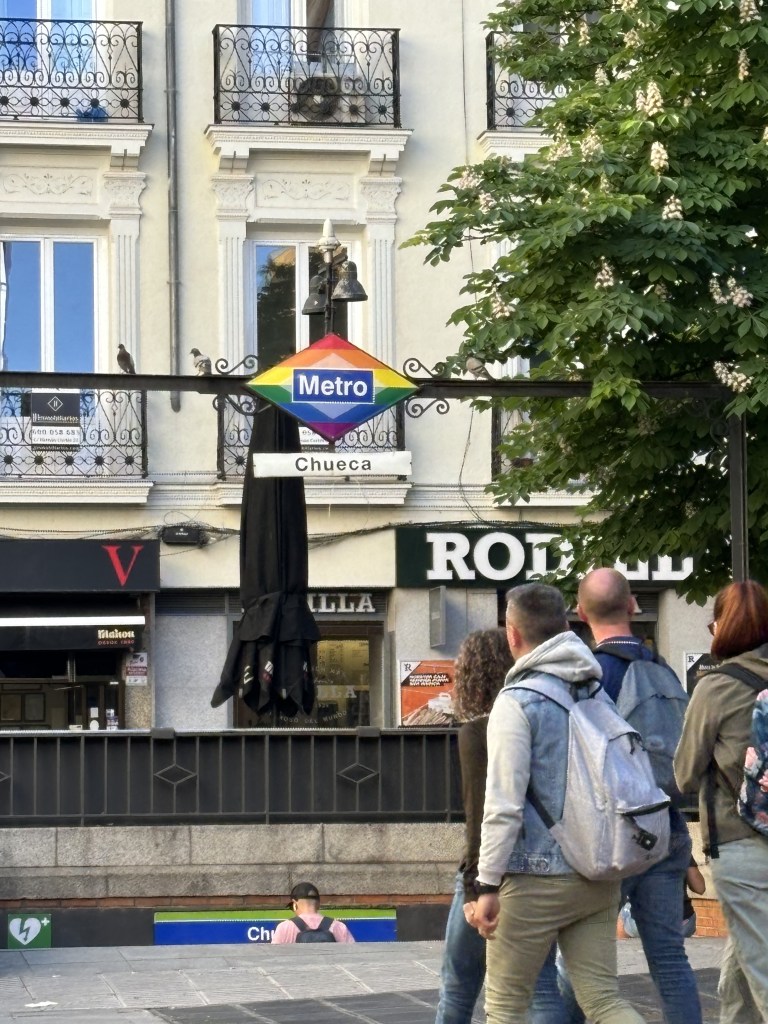
Day two in Madrid was all about adventure, so we hopped on the iconic Big Red Bus Tour to explore the city! While Madrid is incredibly walkable, it’s also vast, with many must-see sights scattered across its stunning neighborhoods. The hop-on, hop-off feature was an absolute game-changer, giving us the freedom to explore at our own pace.
The pre-recorded narration added a fun and informative touch, guiding us through the city’s highlights and sharing the stories behind them. Thanks to the bus, we packed more into our day than we ever could have on foot, soaking up the vibrant energy and stunning sights of Madrid. It was the perfect way to take it all in!

Day 4
On our final day in Madrid we decided to do some walking and found ourselves in the Parque del Retiro.
The Retiro Park (Spanish: Parque del Buen Retiro, literally “Good Retreat Park”), also known as Buen Retiro Park or simply El Retiro, is one of the largest city parks in Madrid, Spain. The park belonged to the Spanish monarchy until 1868, when it became a public park following the Glorious Revolution. The park is located at the edge of the city centre, near both the Puerta de Alcalá and the Museo del Prado, and covers 1.4 km2 (350 acres). It has gardens, monuments, galleries, an artificial lake, and event-hosting venues. In 2021, Buen Retiro Park became part of a combined UNESCO World Heritage Site that also includes Paseo del Prado.From Wikipedia, the free encyclopedia
Parque del Retiro 
Parque del Retiro. 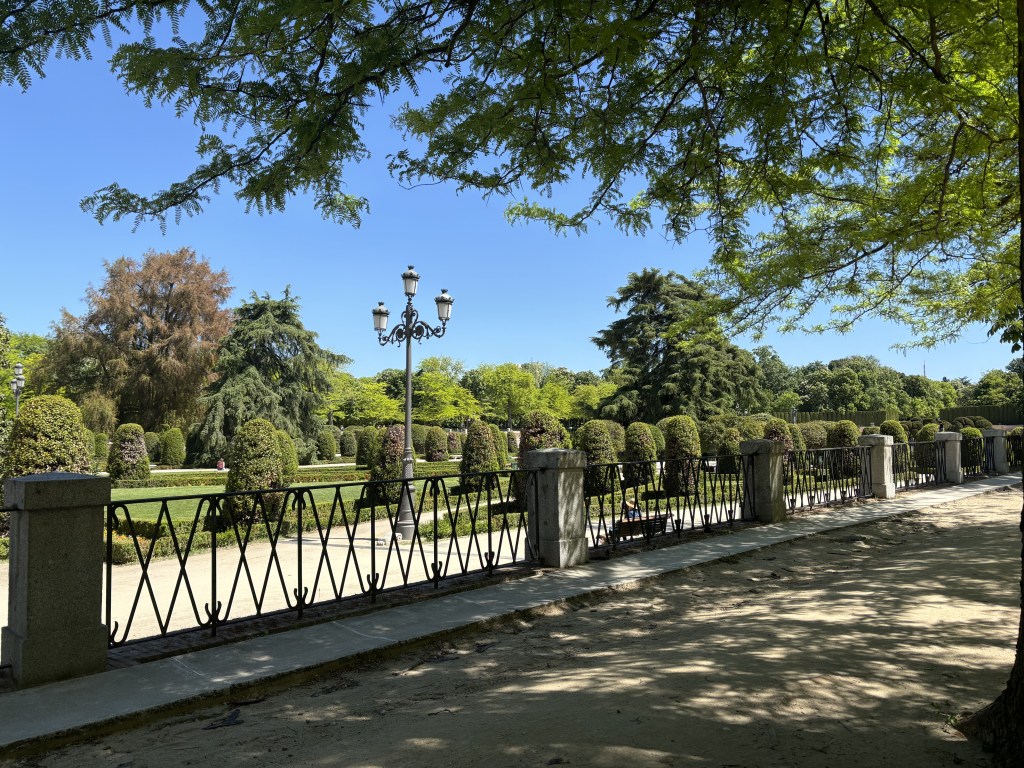
Parque del Retiro. 
Parque del Retiro. 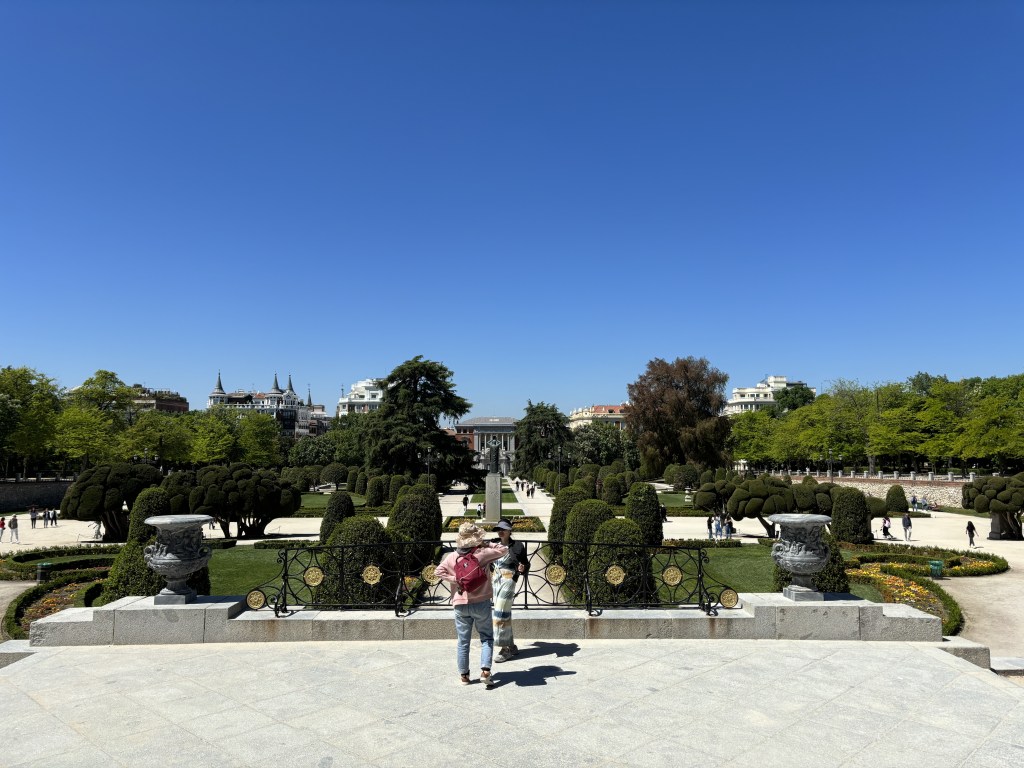
Parque del Retiro. 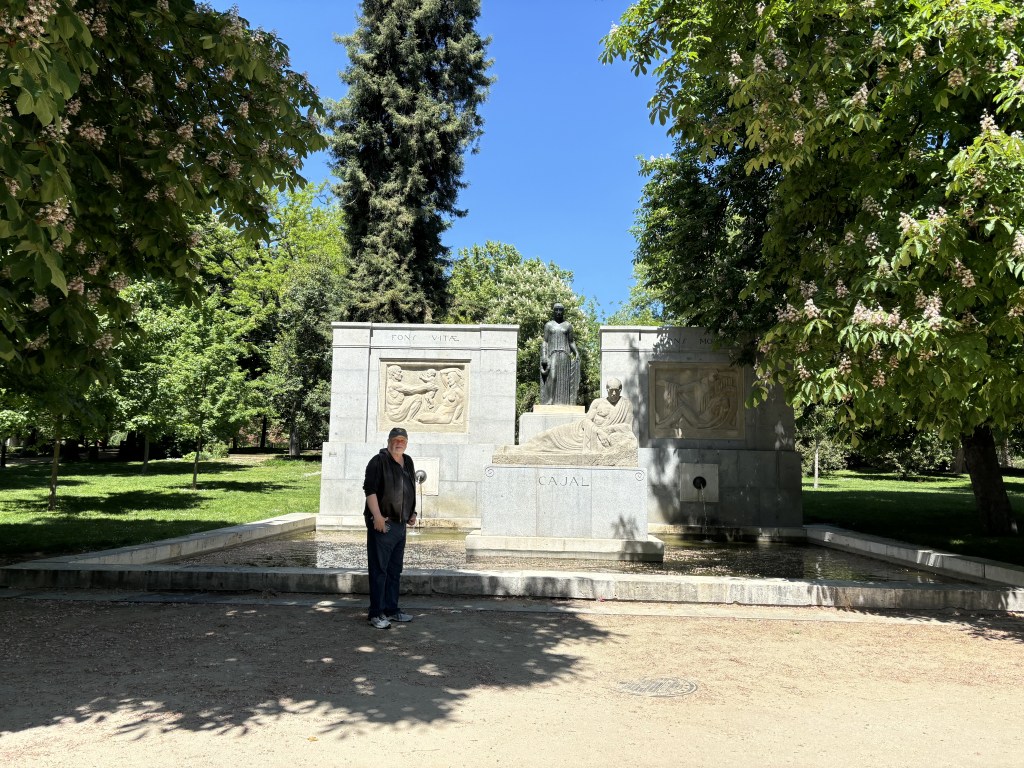
Parque del Retiro. 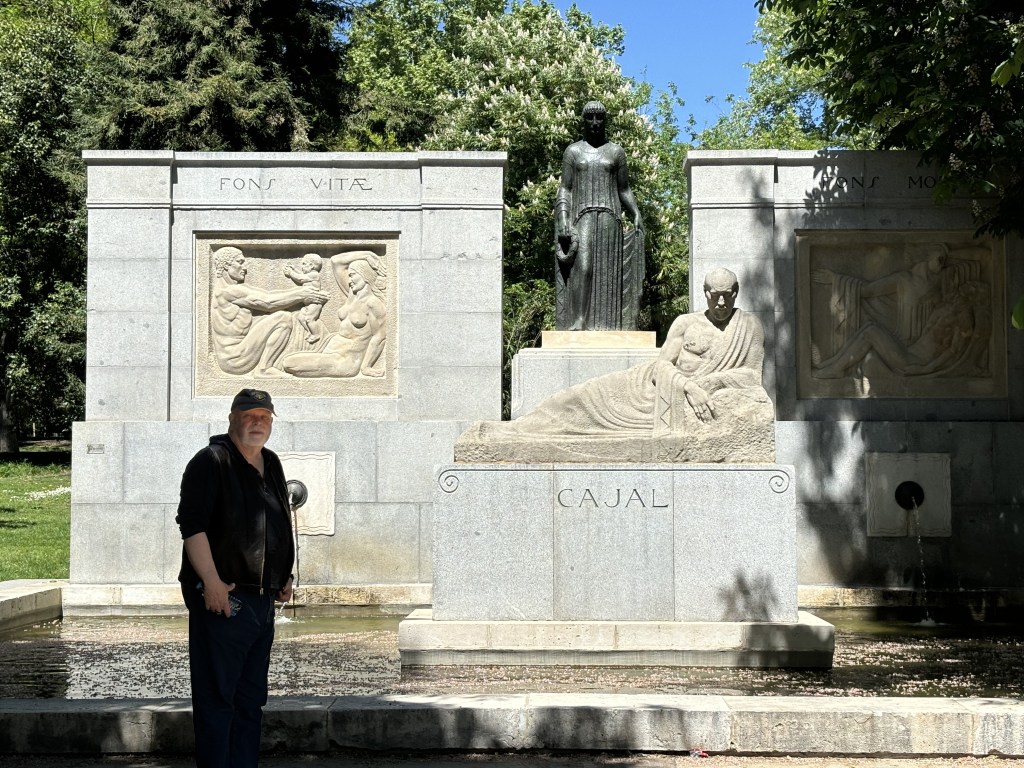
Parque del Retiro. 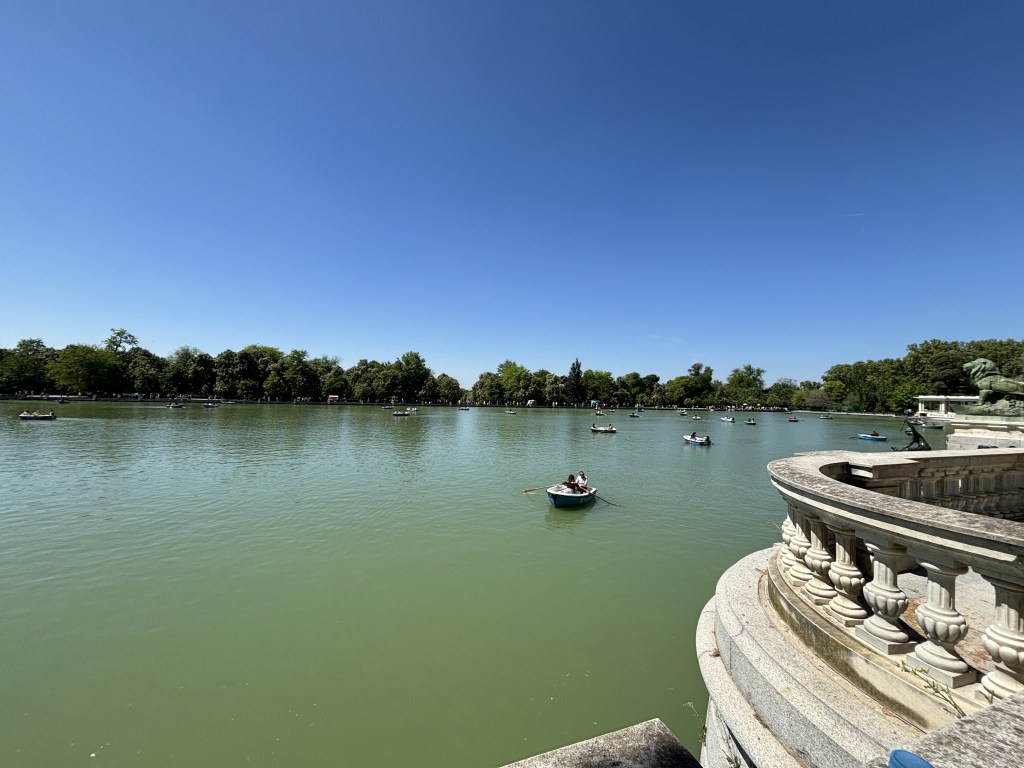
Parque del Retiro. 
Parque del Retiro. 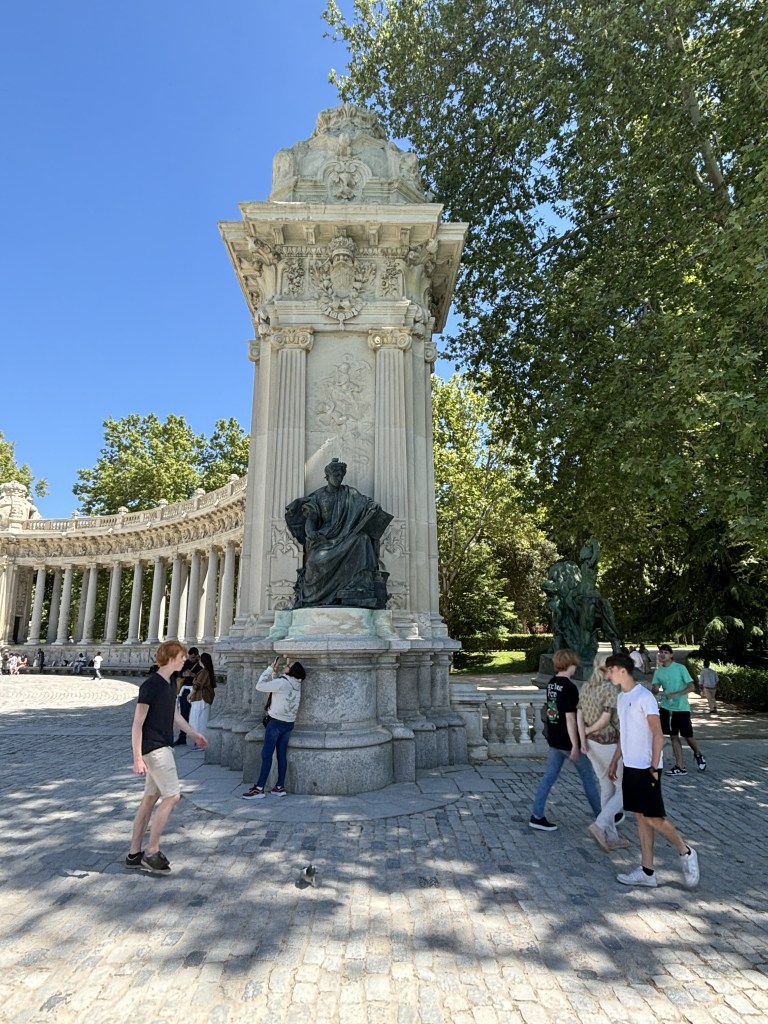
Parque del Retiro. 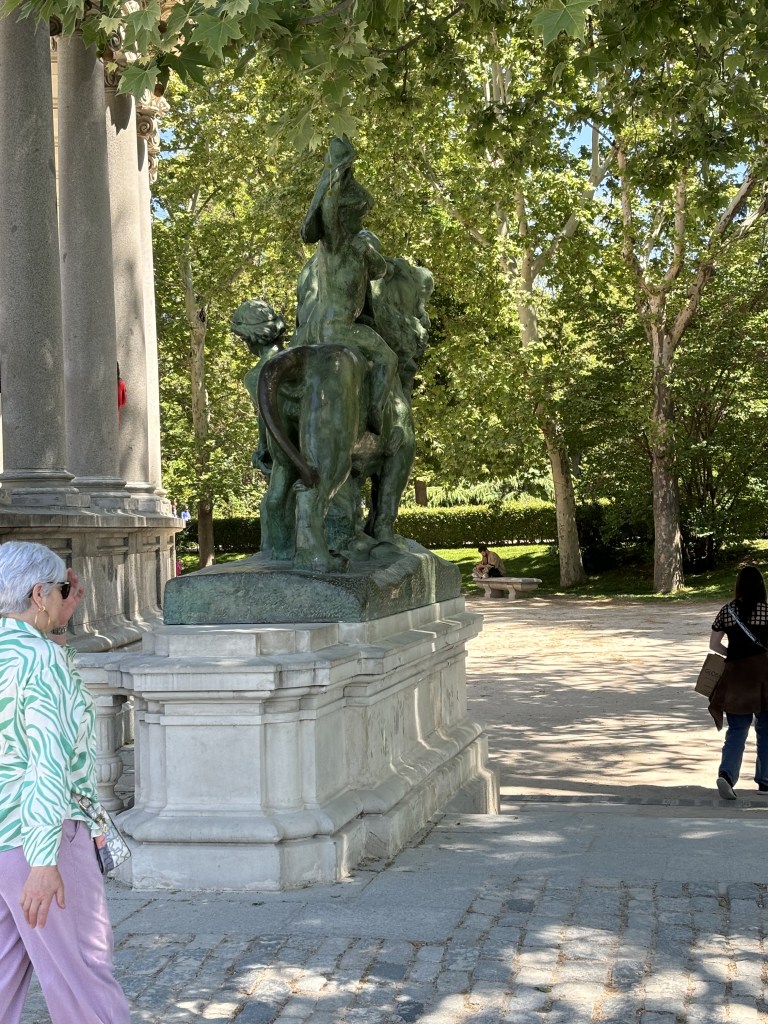
Parque del Retiro. 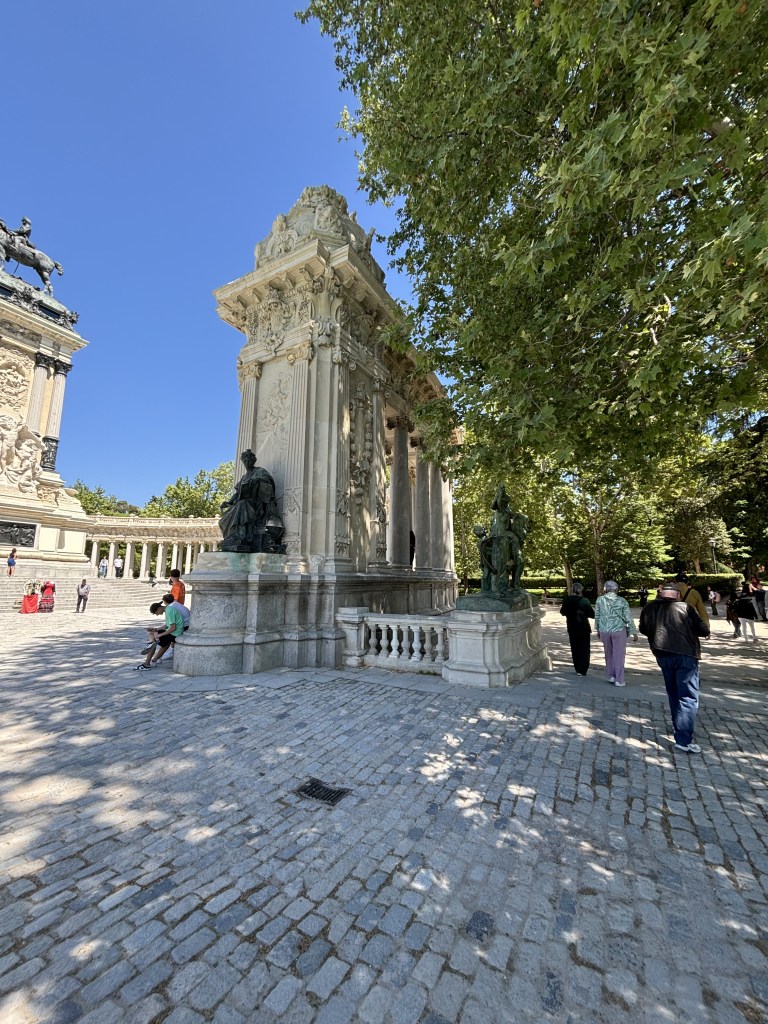
Parque del Retiro. 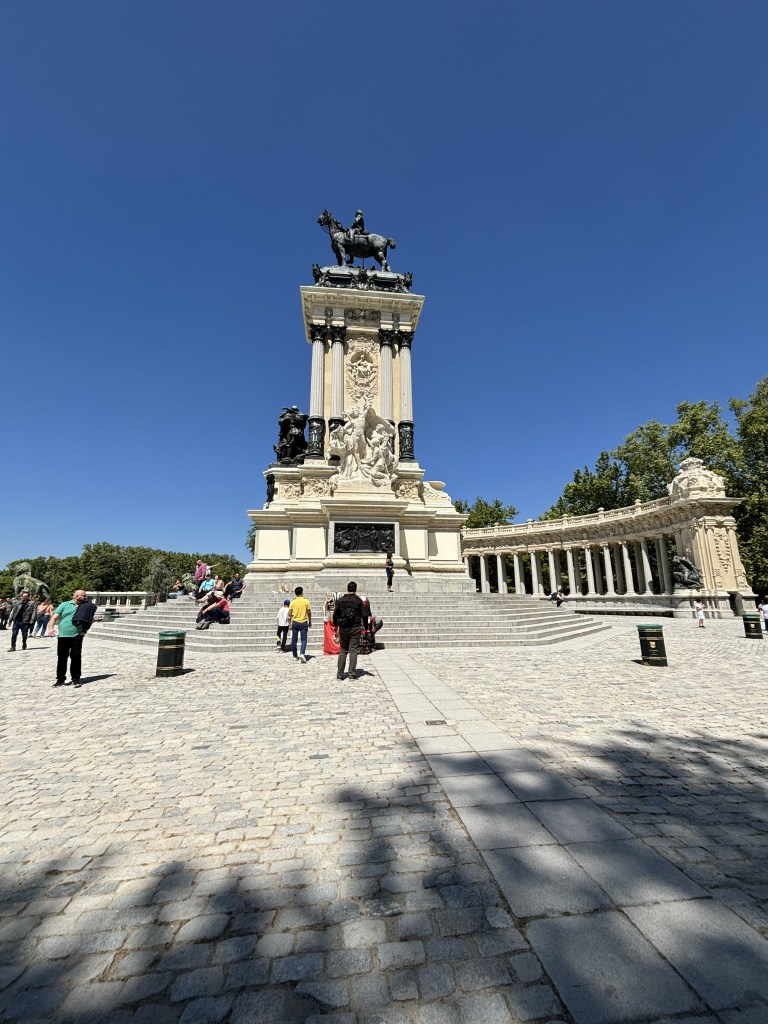
Parque del Retiro. 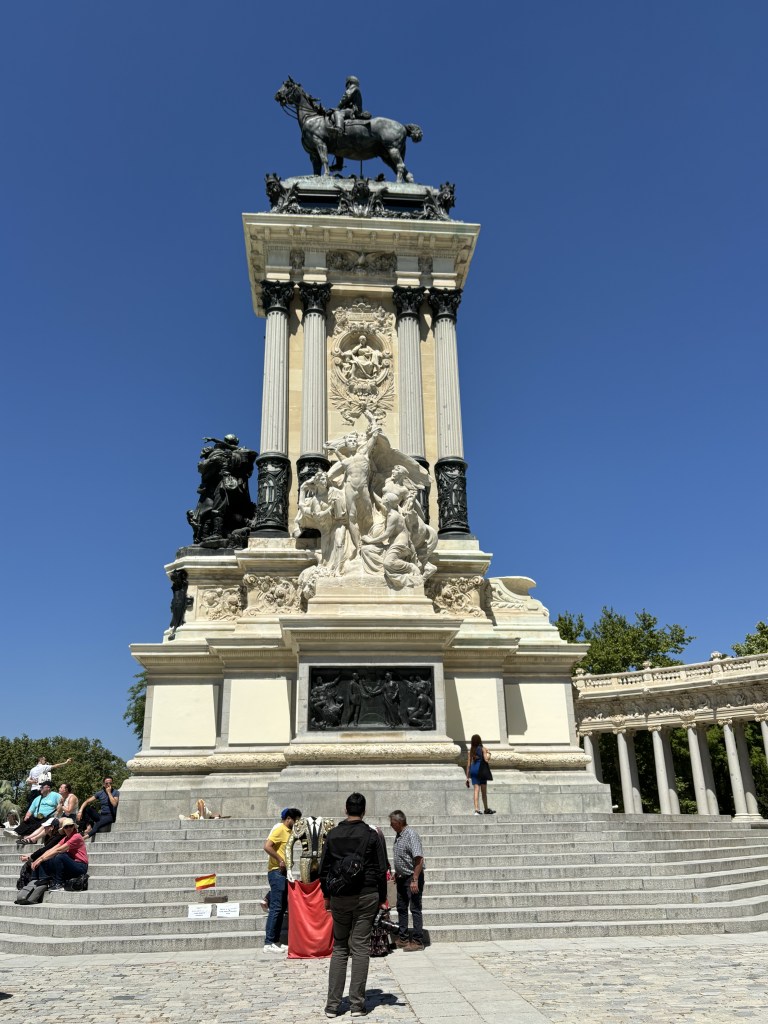
Parque del Retiro. 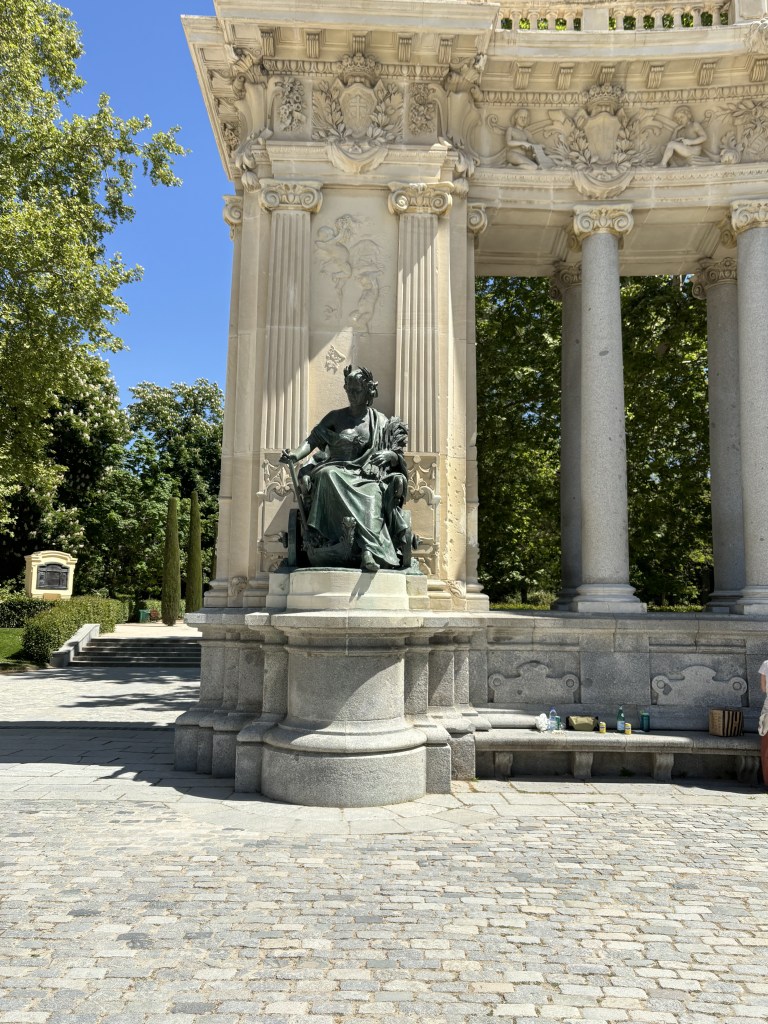
Parque del Retiro. 
Parque del Retiro. 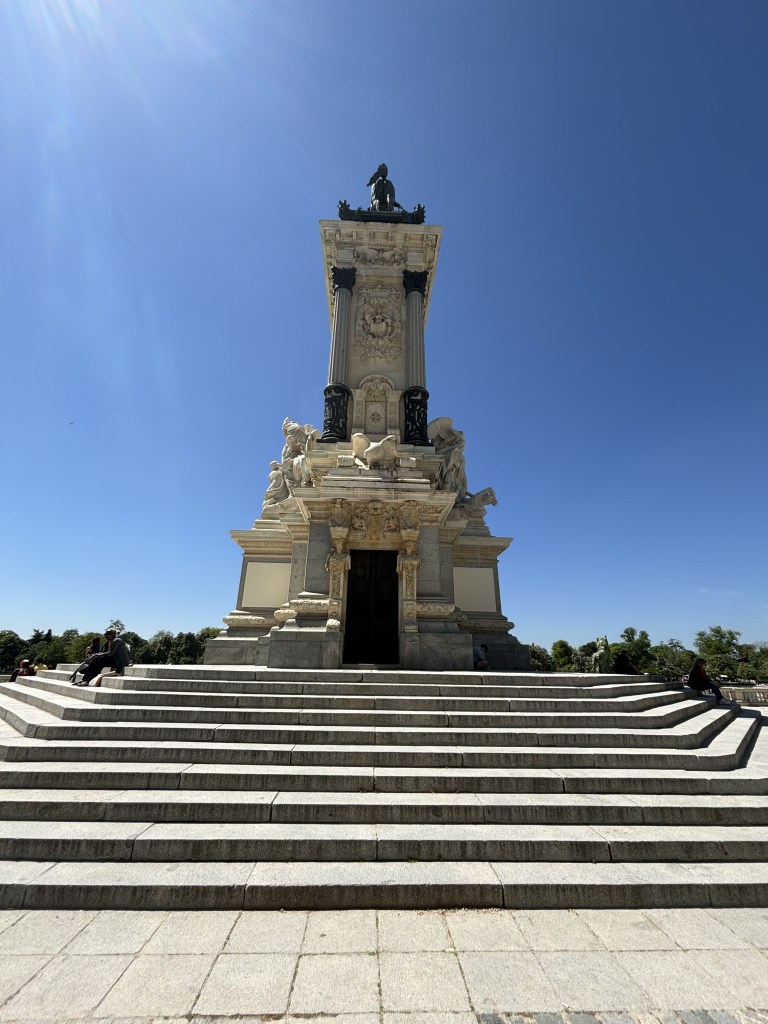
Parque del Retiro. 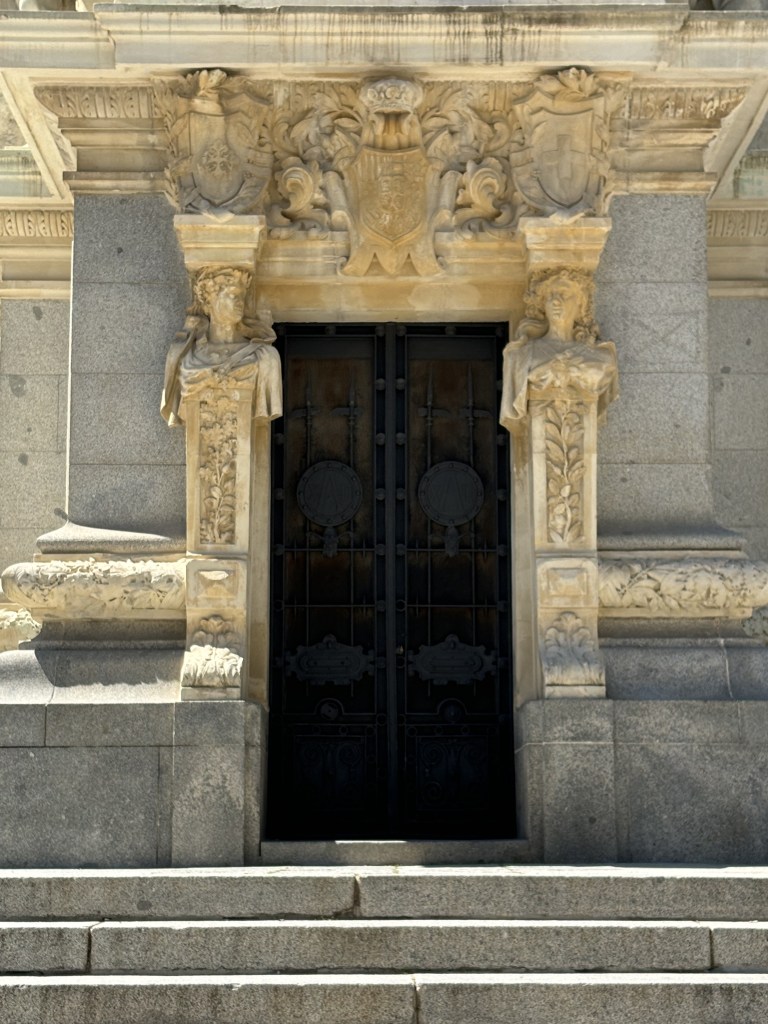
Parque del Retiro. 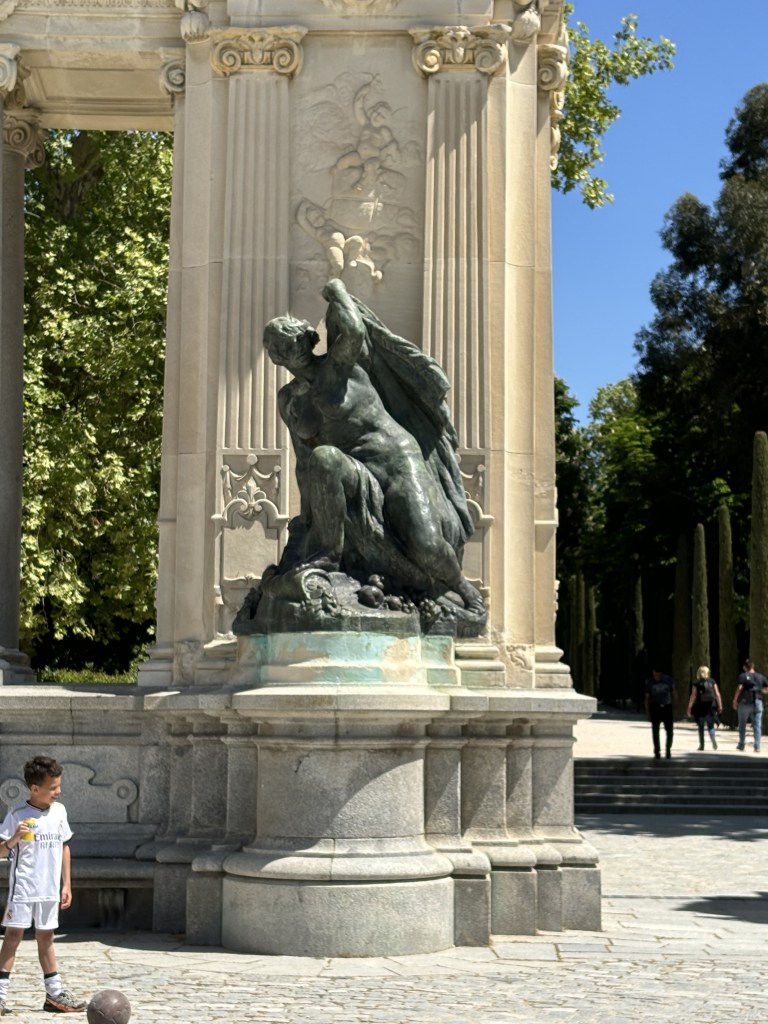
Parque del Retiro. 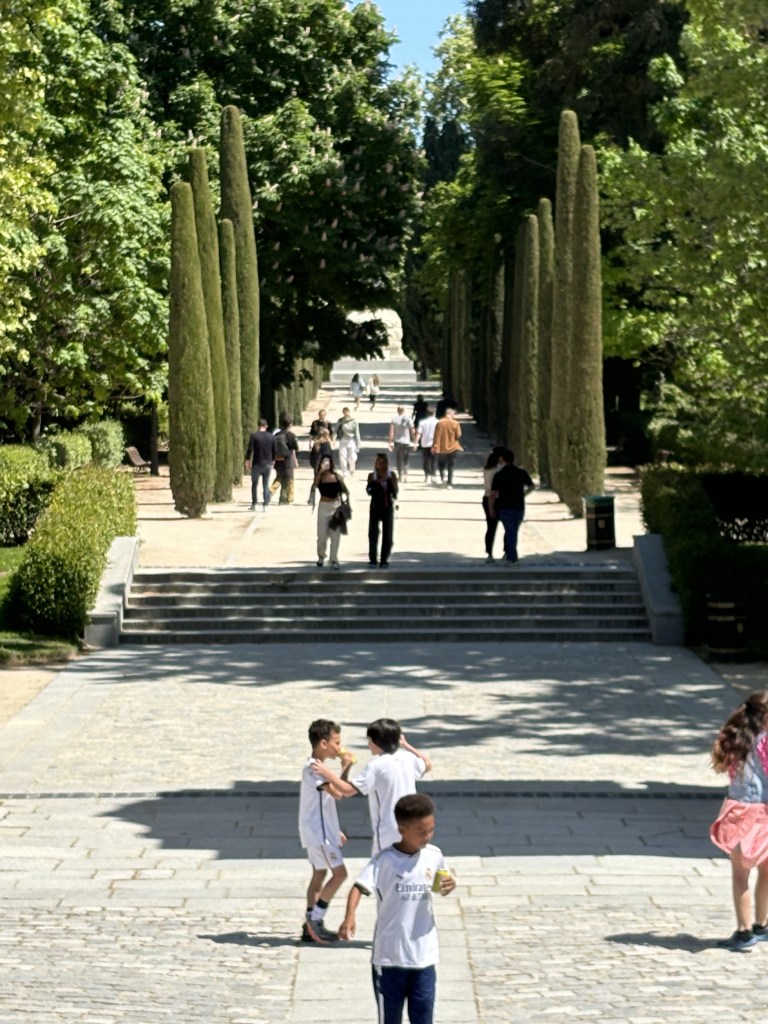
Parque del Retiro. 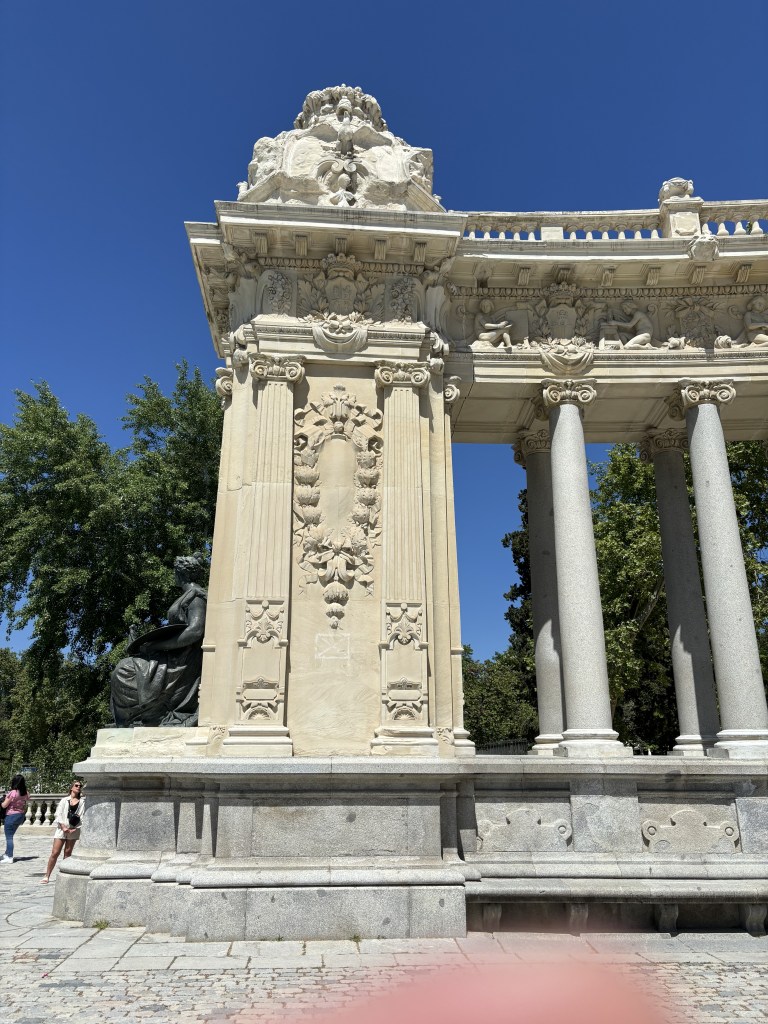
Parque del Retiro. 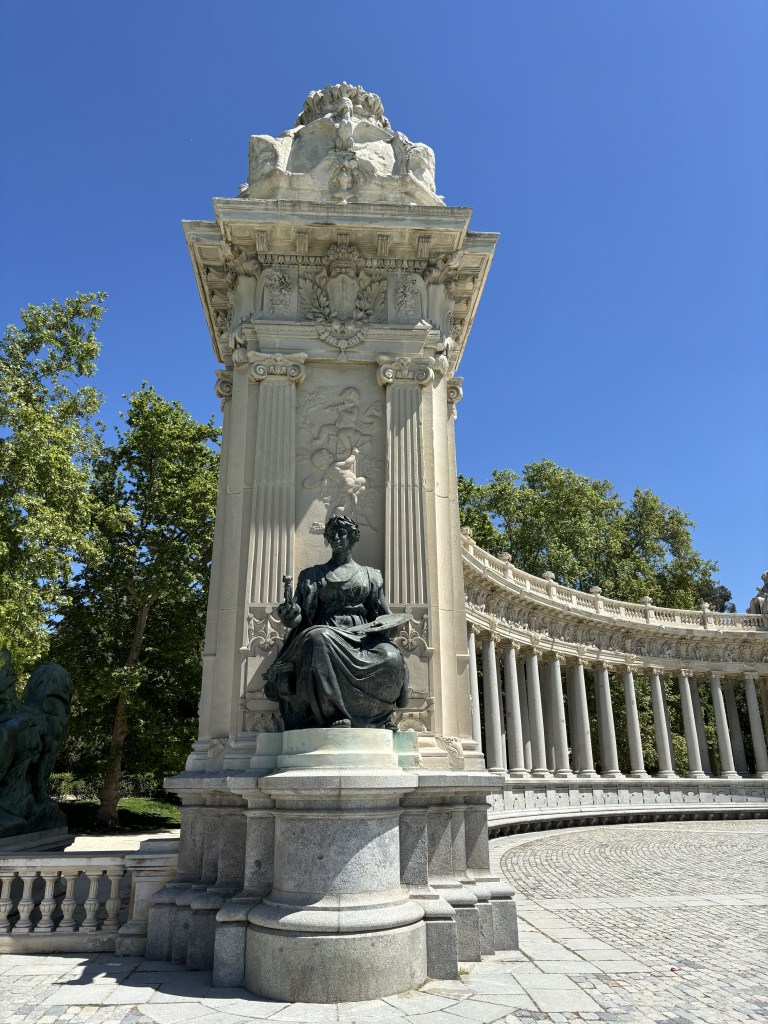
Parque del Retiro. 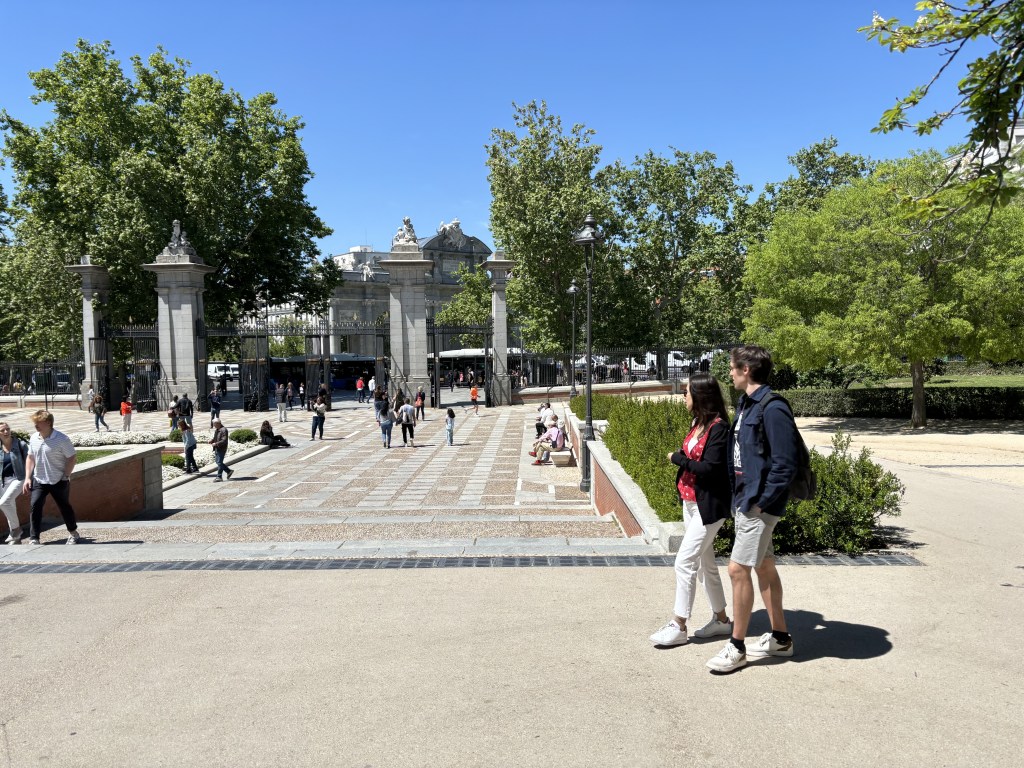
Parque del Retiro. 
Parque del Retiro. 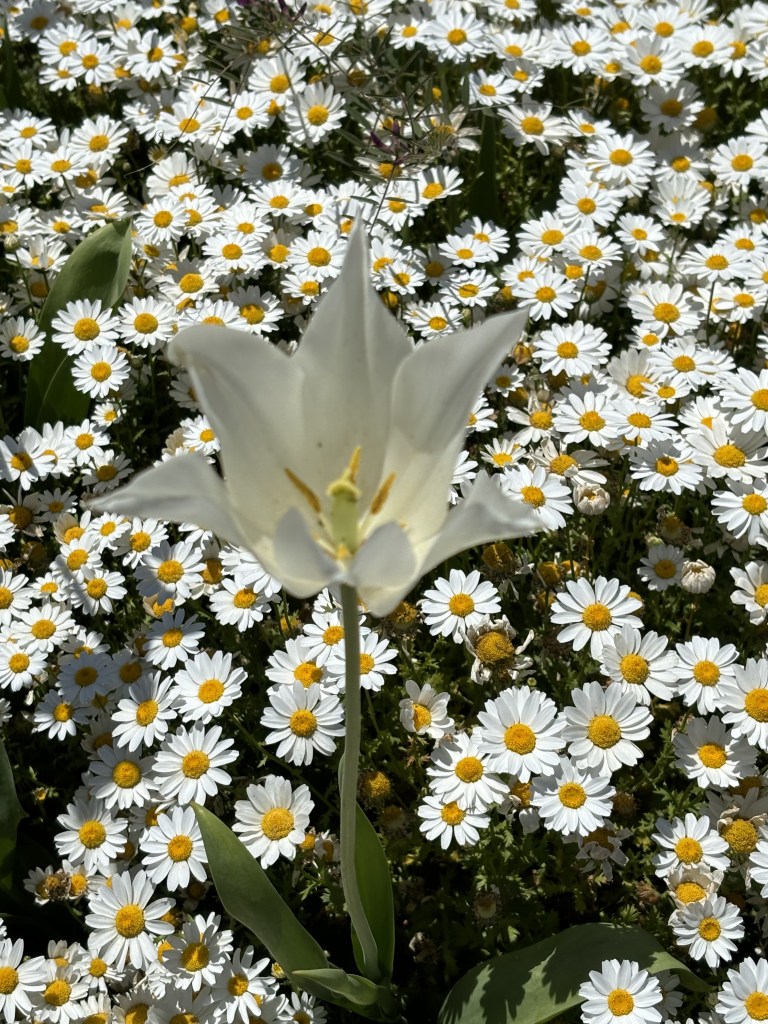
Parque del Retiro.
Later that day we would make our way to the XXX train station where we would board a higher speed train to Santiago de compostela where we would meet up with our tour to begin the most amazing time aboard the Transcantabrico GRAN LUJO train.
Once we arrived we grabbed a taxi to take us to our hotel The San Francisco Hotel Monumento.
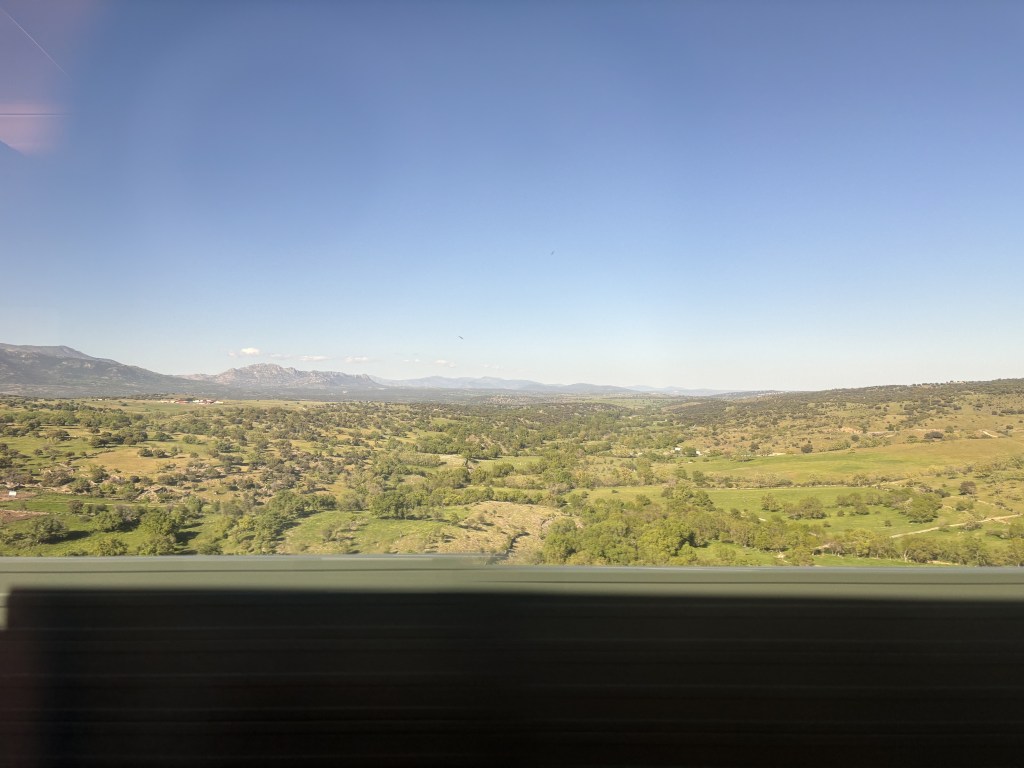
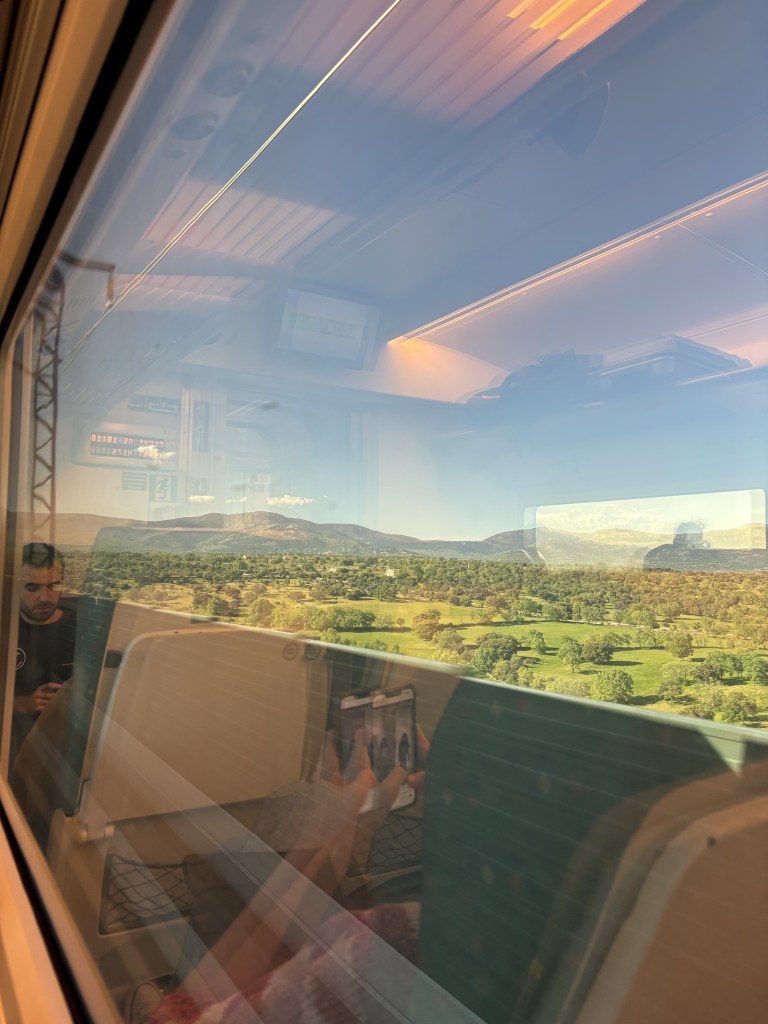
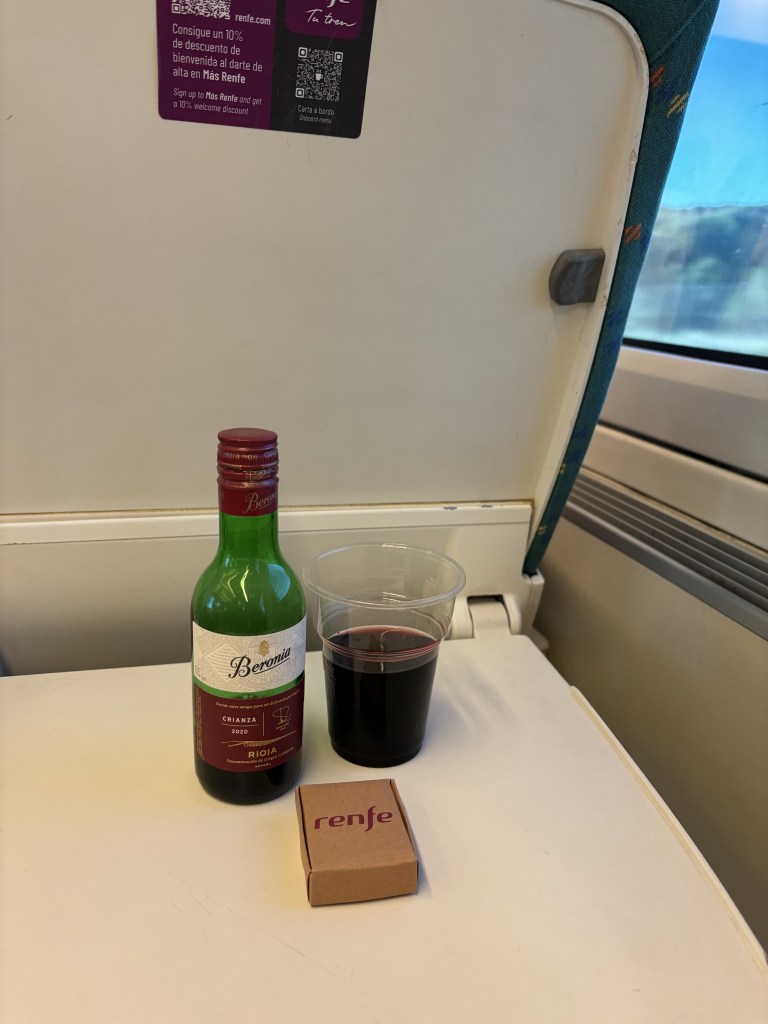
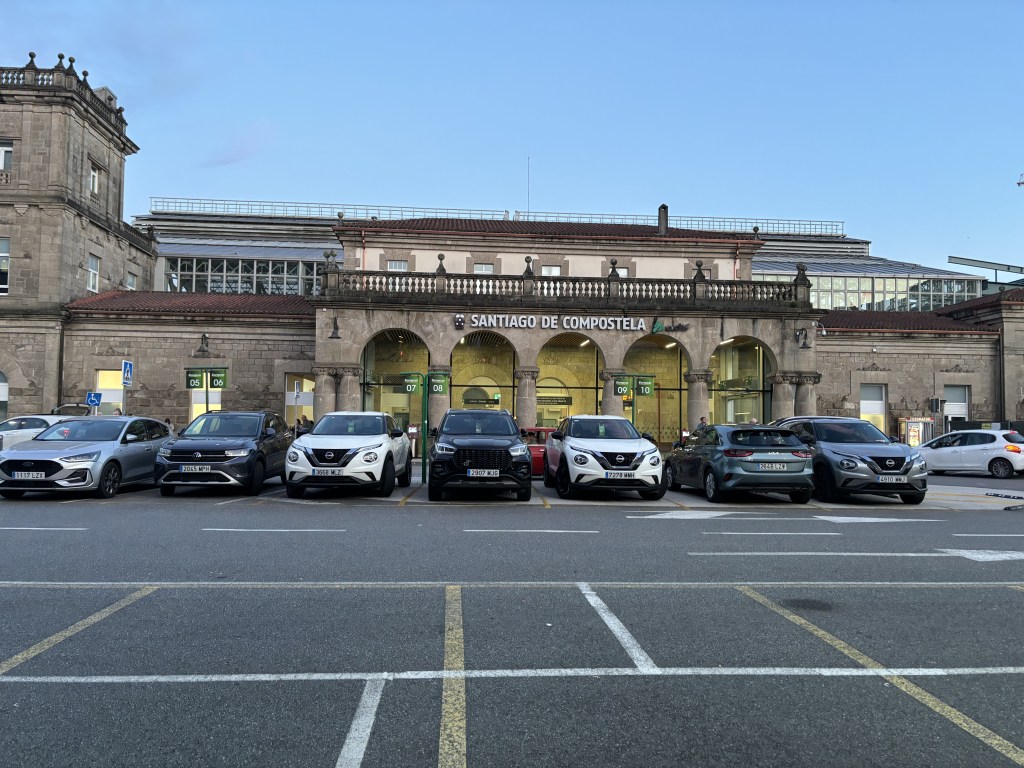
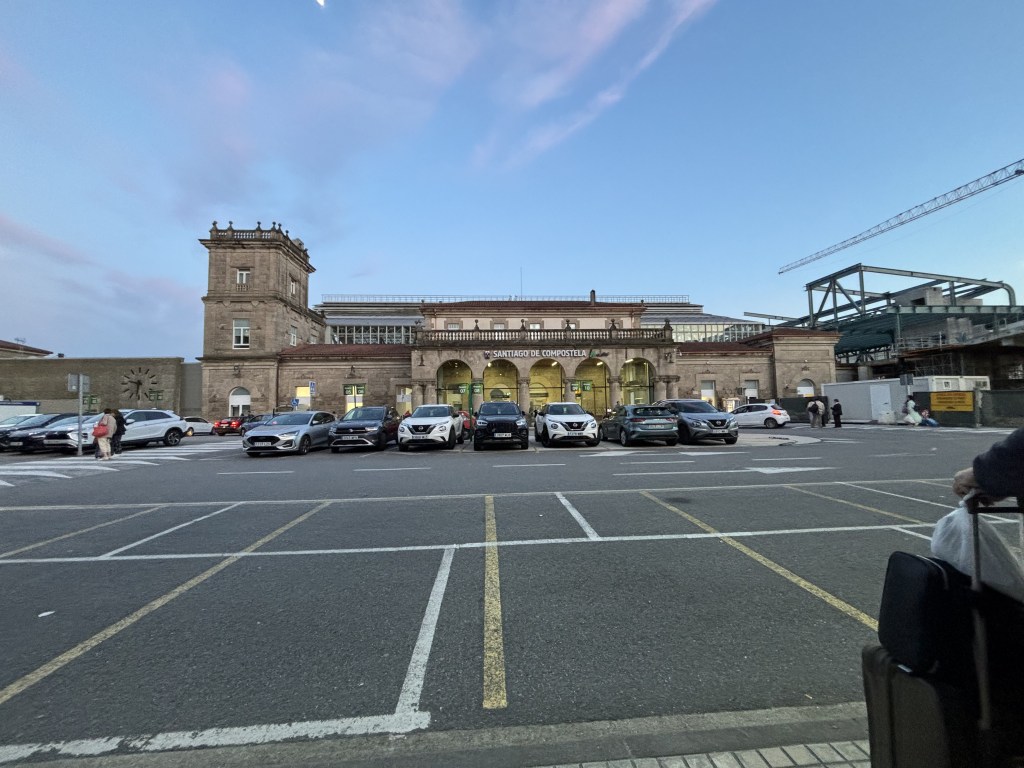
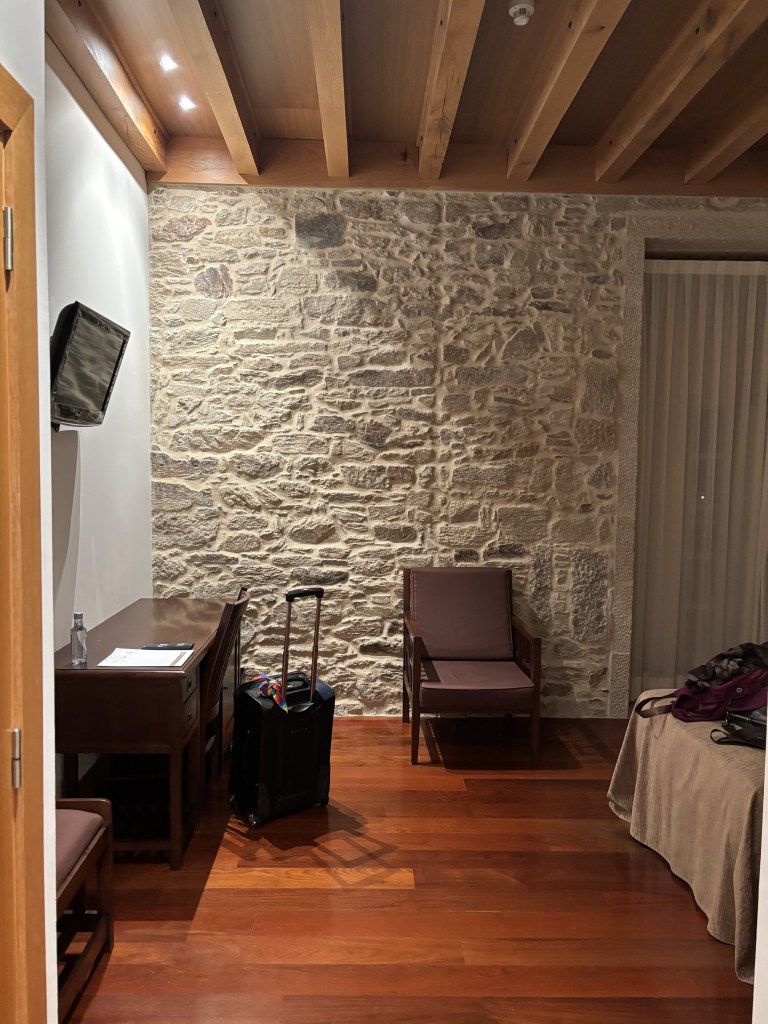
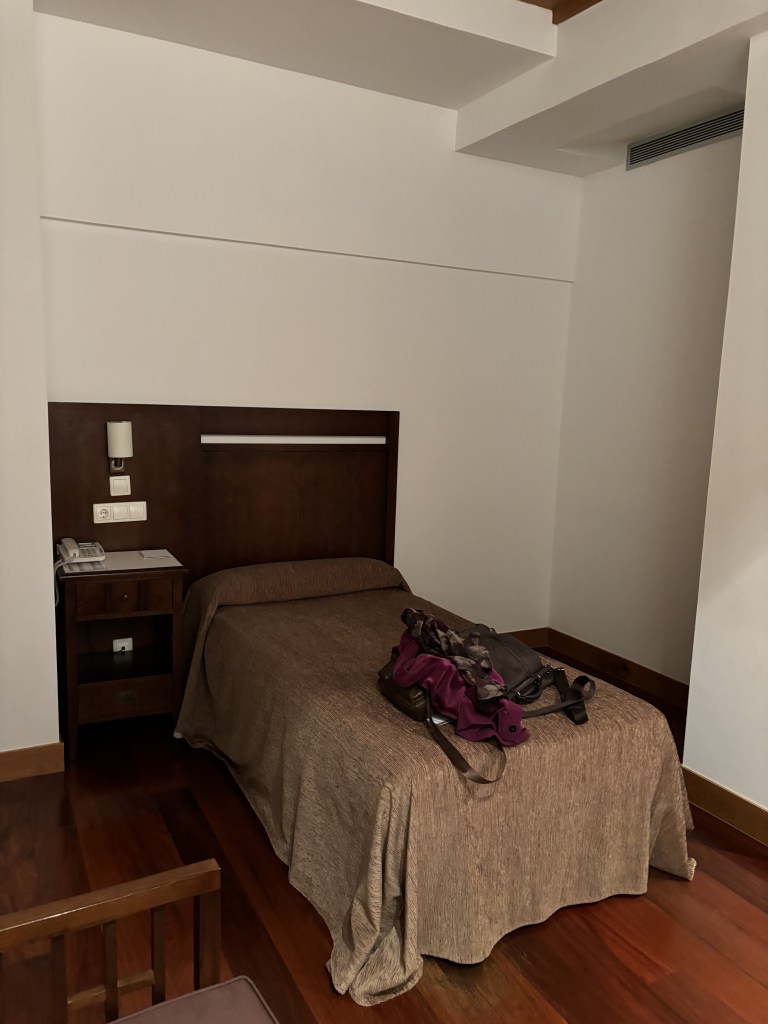
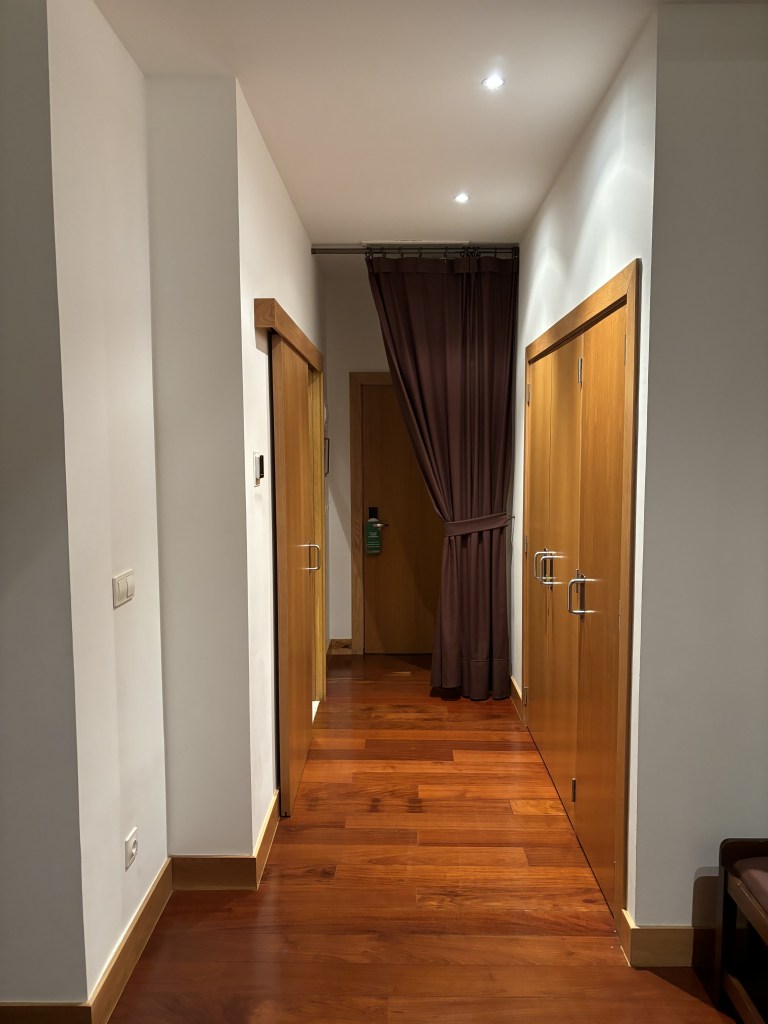
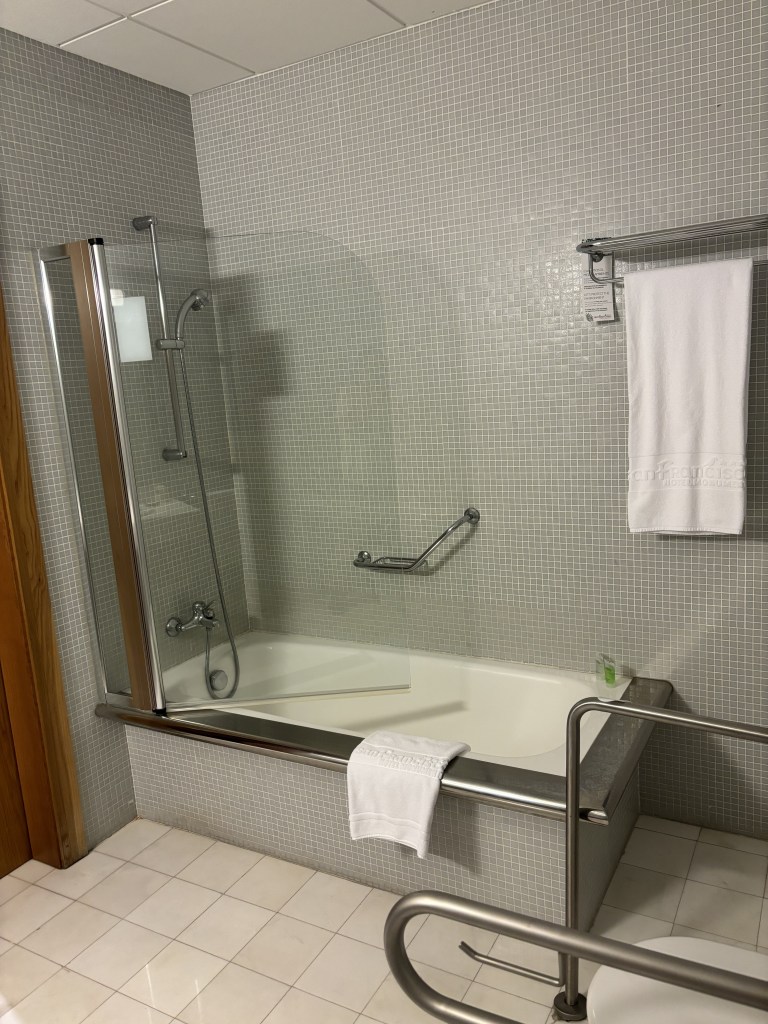
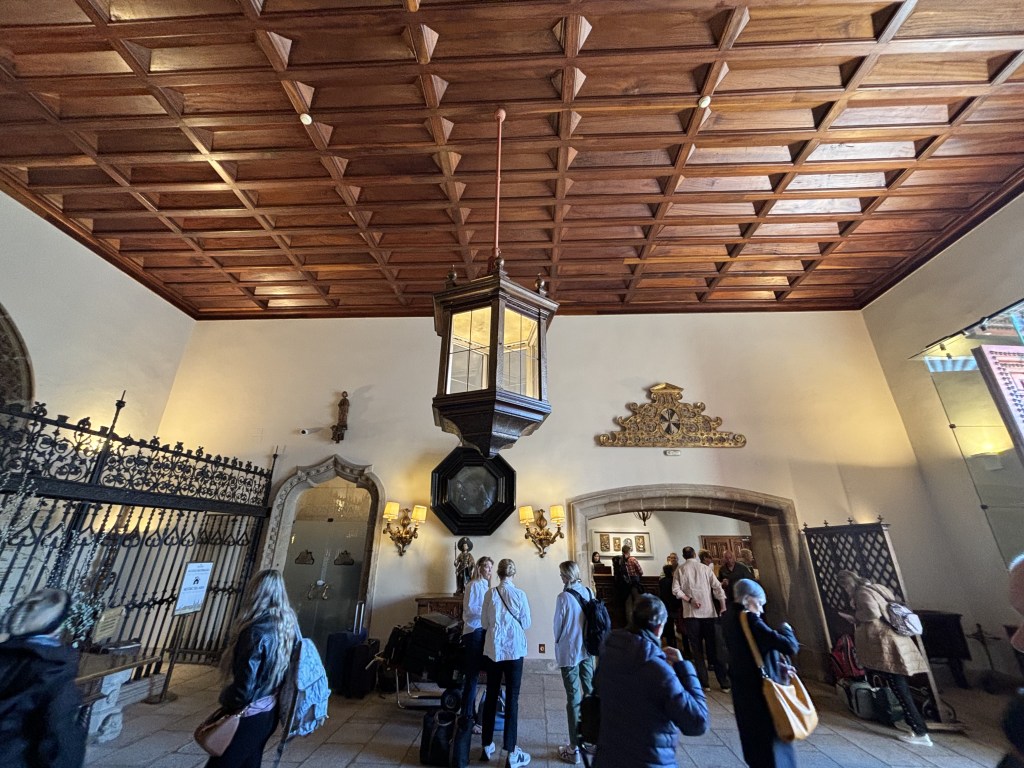
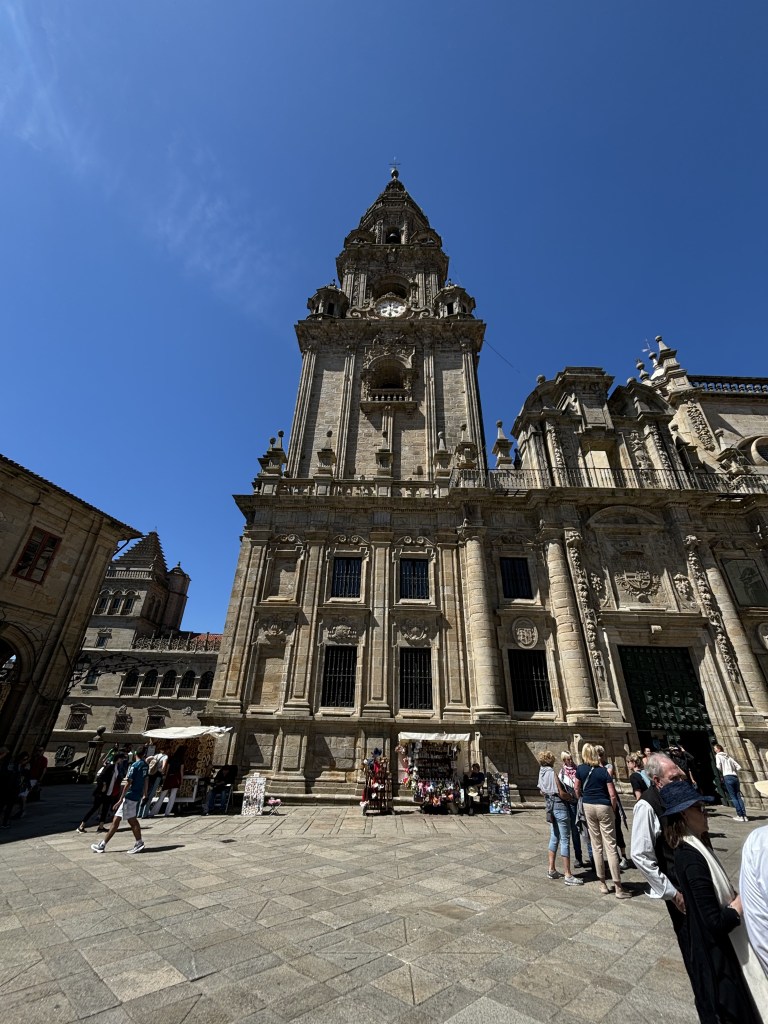
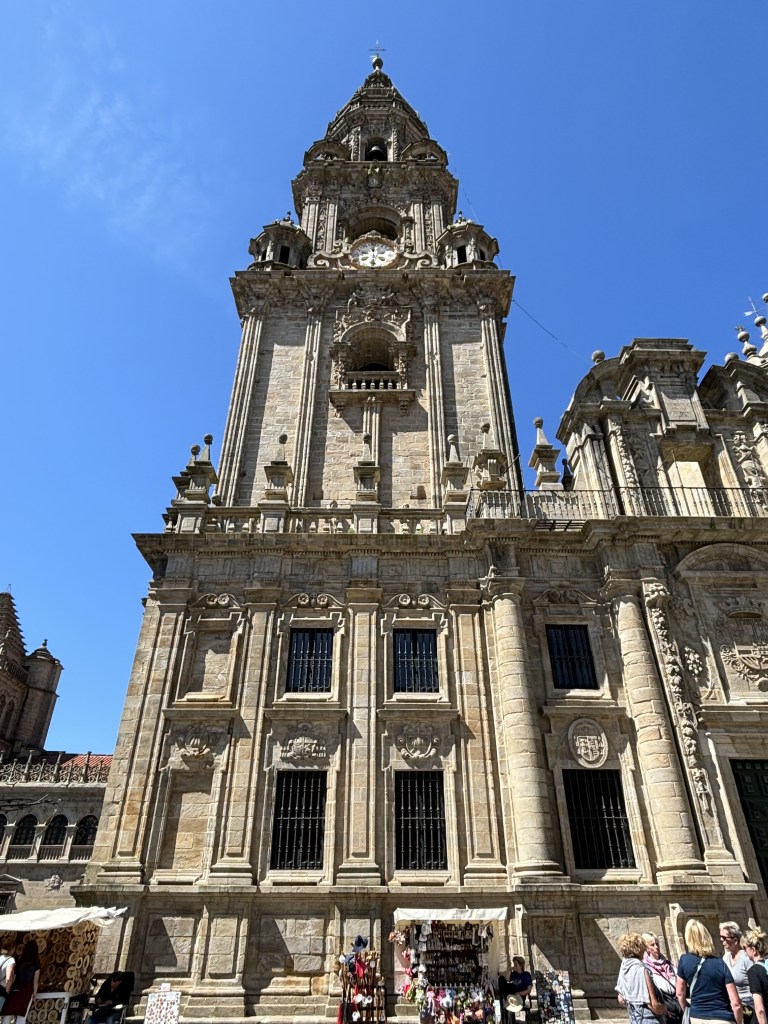
Located 150 m from the cathedral, in the historic heart of Santiago de Compostela, you will find San Francisco Hotel Monumento. Situated within the Convent of San Francisco, the building has been declared as a Cultural Heritage Site. It offers its guests the tranquillity of an eighteenth-century convent, combined with all the services and amenities of a 4-star hotel. – From the hotel site.
Day 5

San Francisco Hotel Monumento – From my room 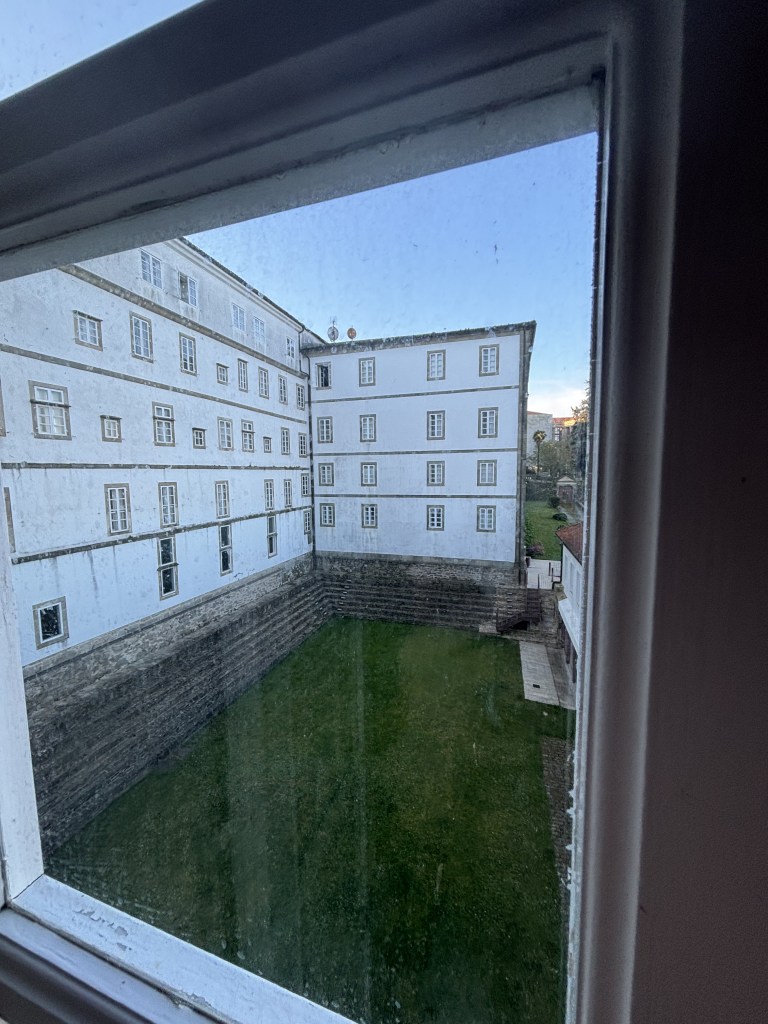
San Francisco Hotel Monumento – From my room 
San Francisco Hotel Monumento – Courtyard 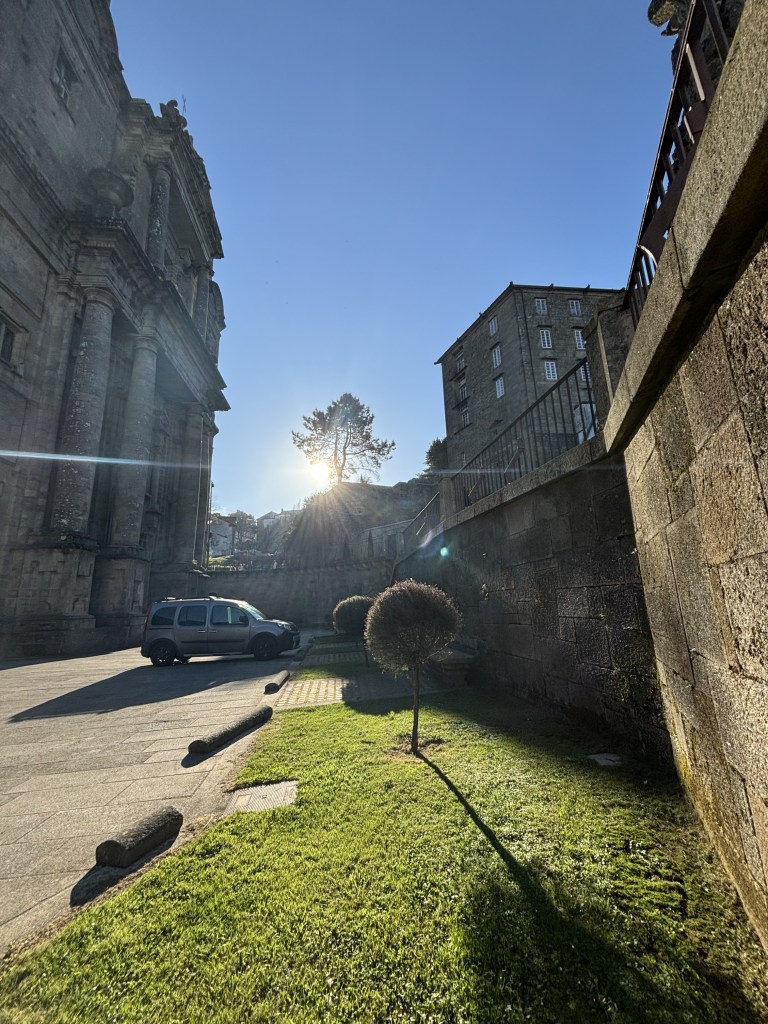
San Francisco Hotel Monumento – Front 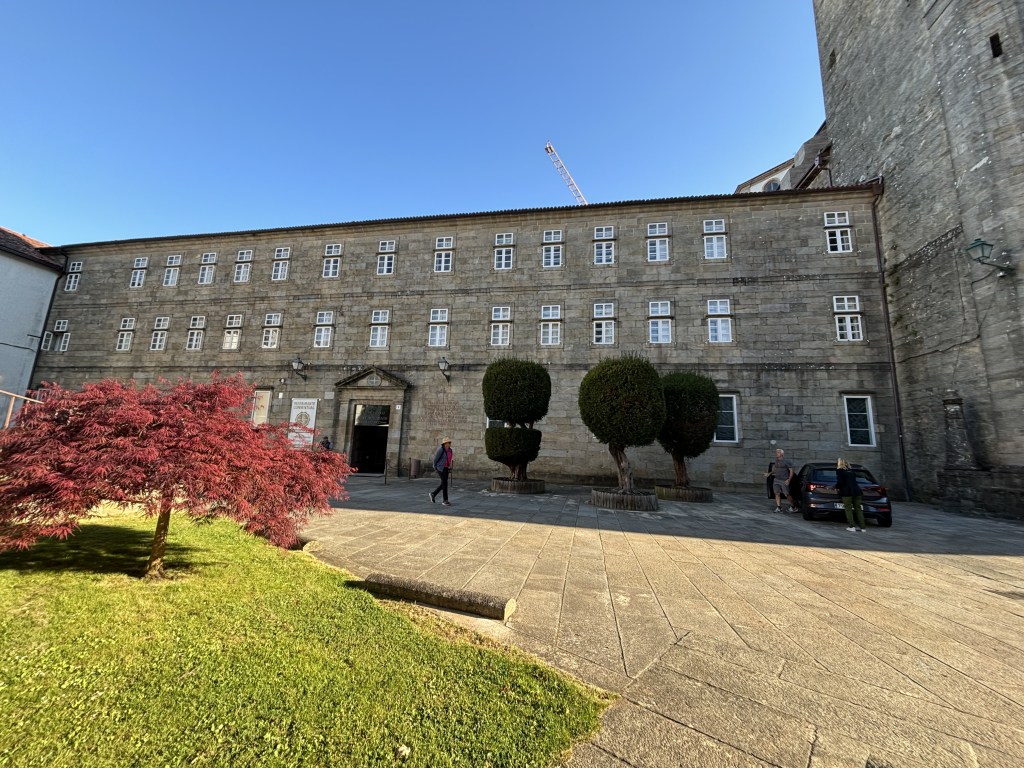
San Francisco Hotel Monumento – Front 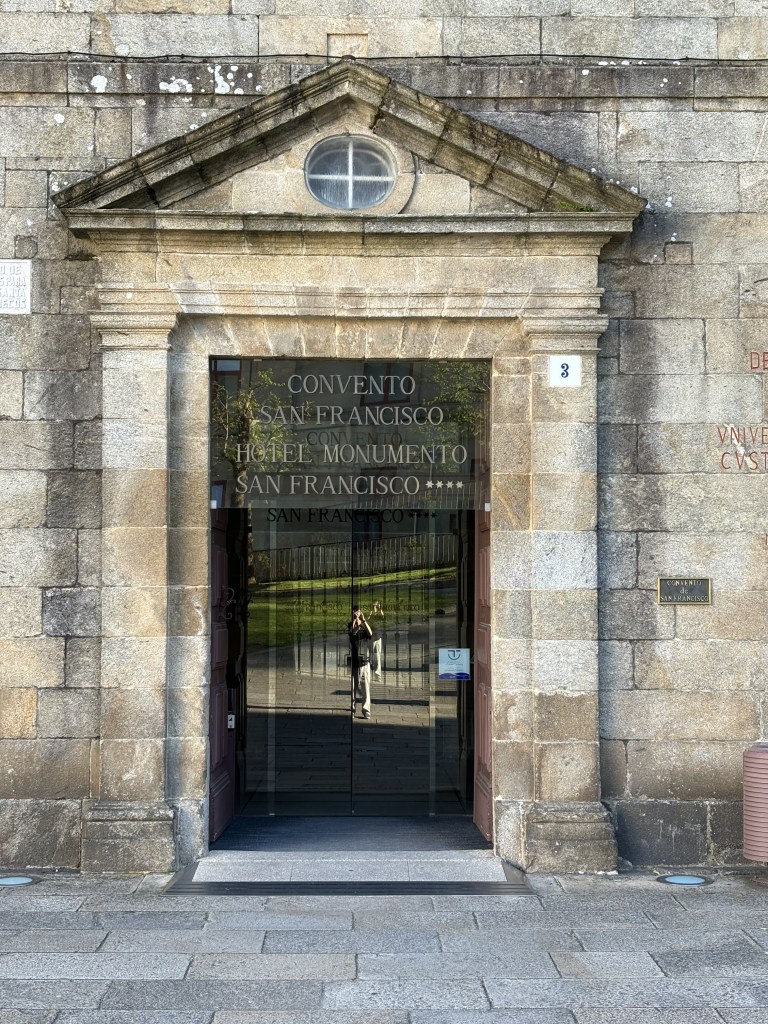
San Francisco Hotel Monumento – Entrance 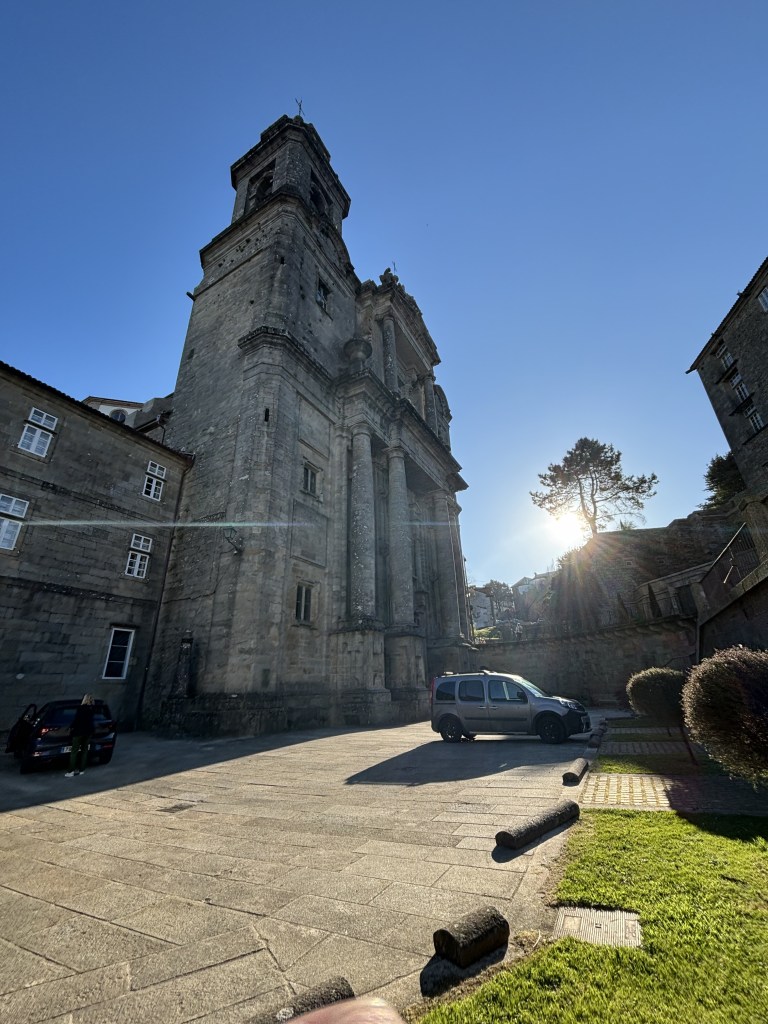
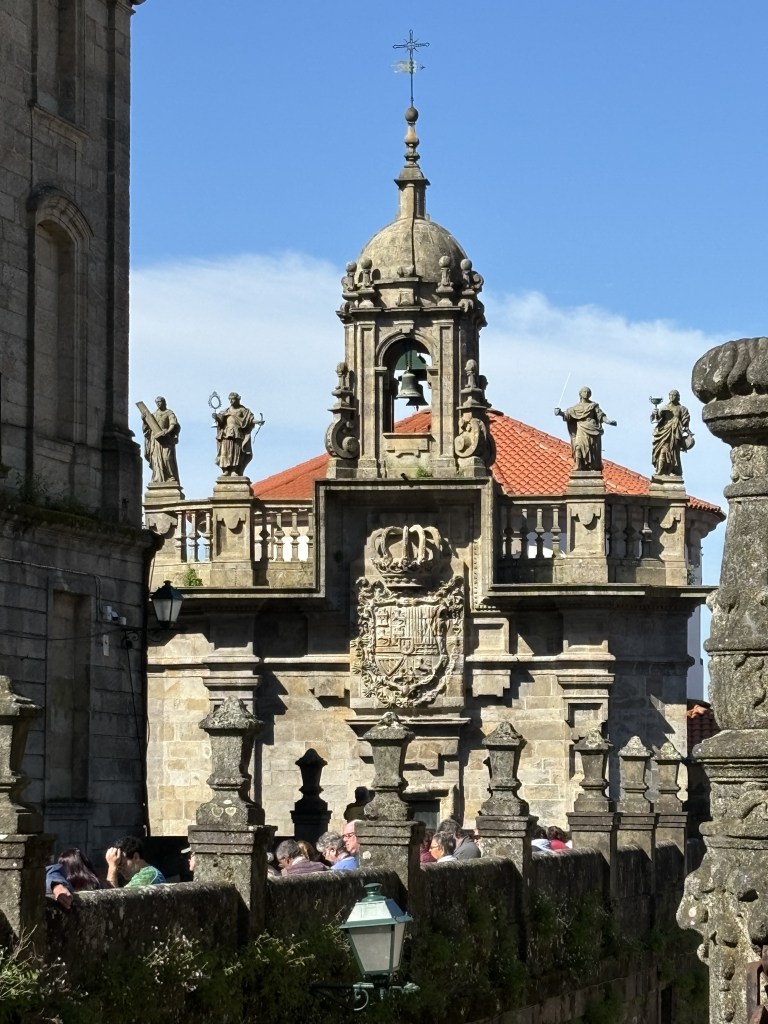
San Francisco Hotel Monumento – Cathedral 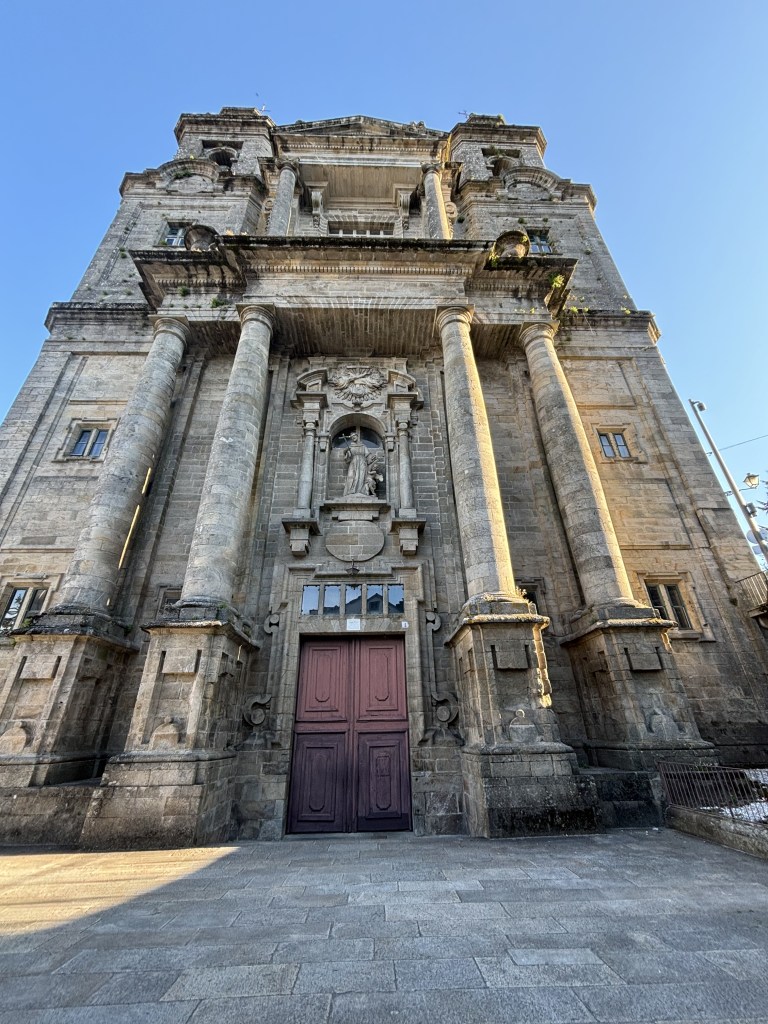
San Francisco Hotel Monumento – Cathedral 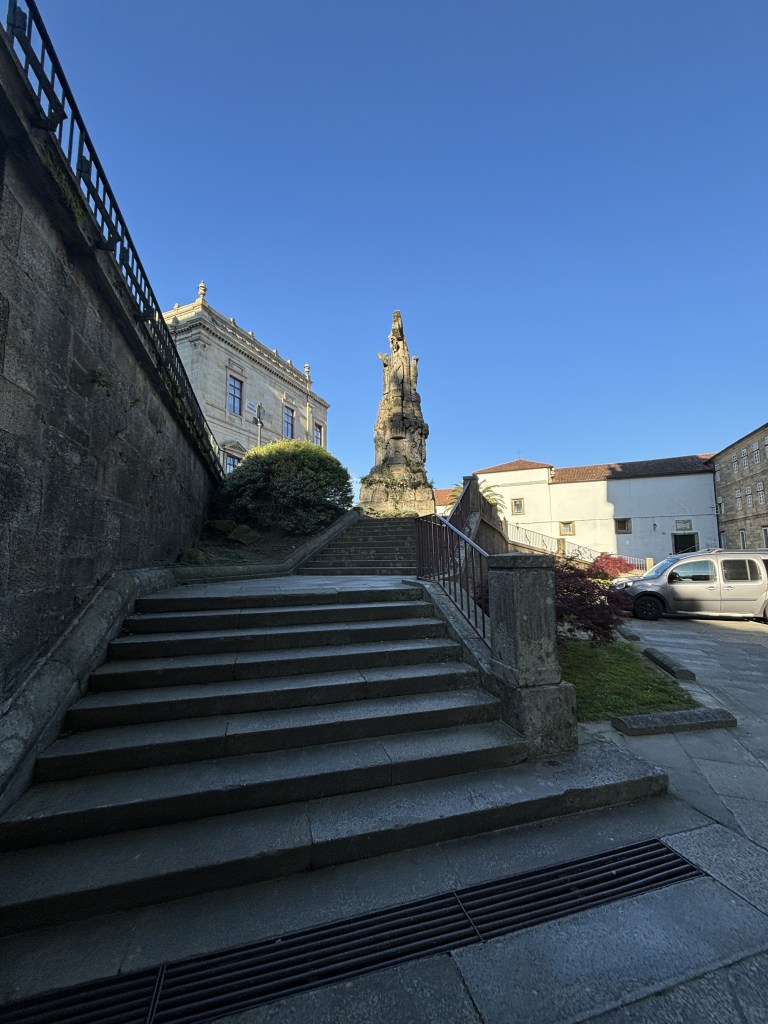
San Francisco Hotel Monumento 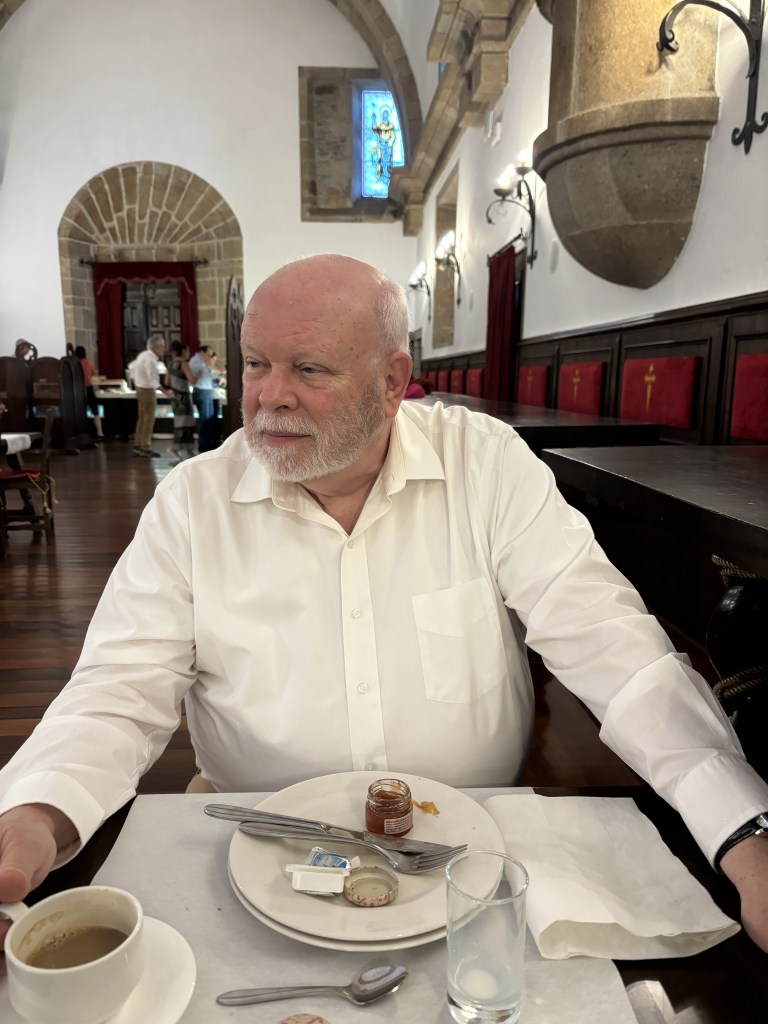
San Francisco Hotel Monumento – Breakfast in the old chapel 
San Francisco Hotel Monumento – Old chapel 
San Francisco Hotel Monumento – Old chapel 
San Francisco Hotel Monumento – Old chapel 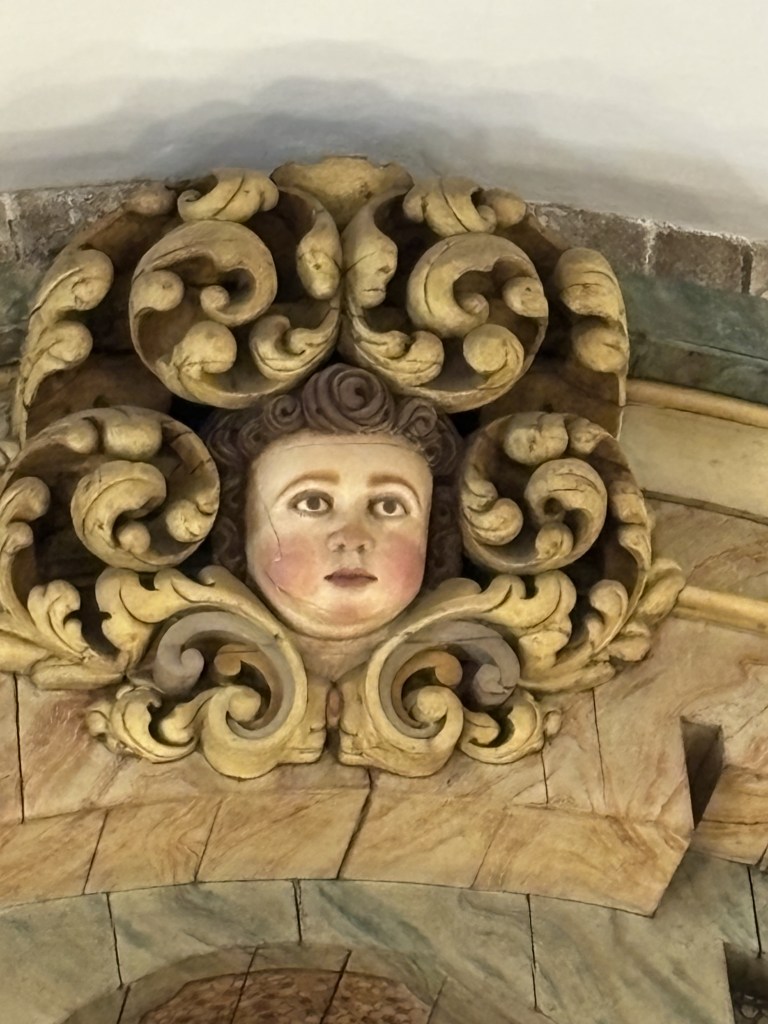
San Francisco Hotel Monumento – Old chapel
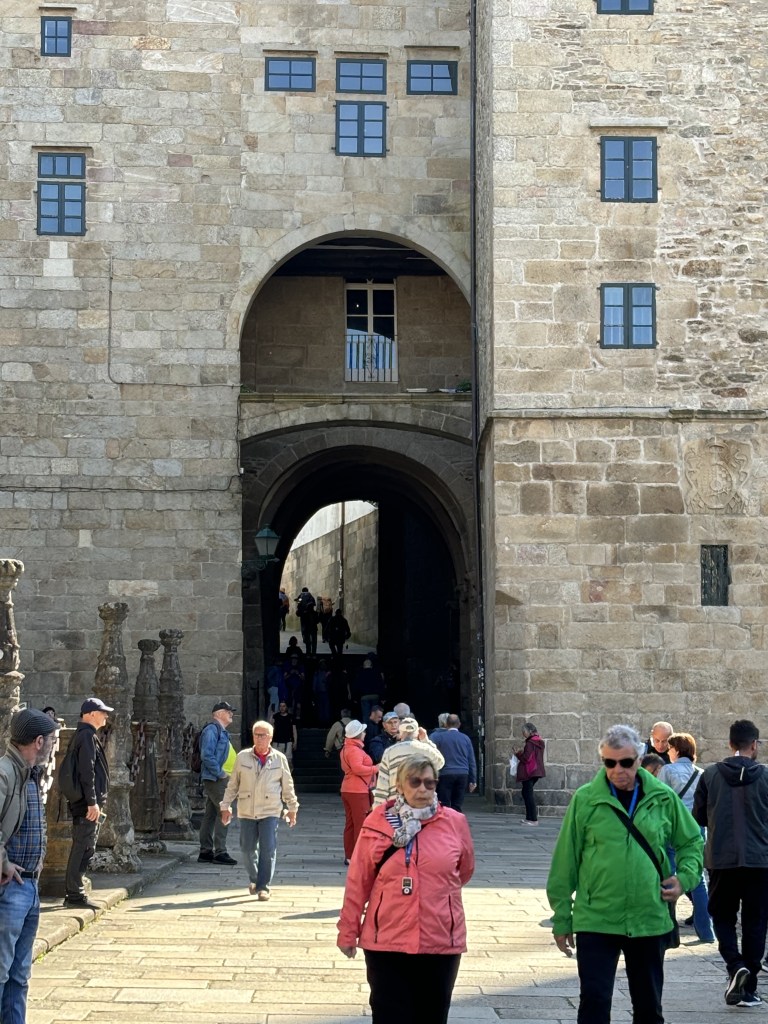
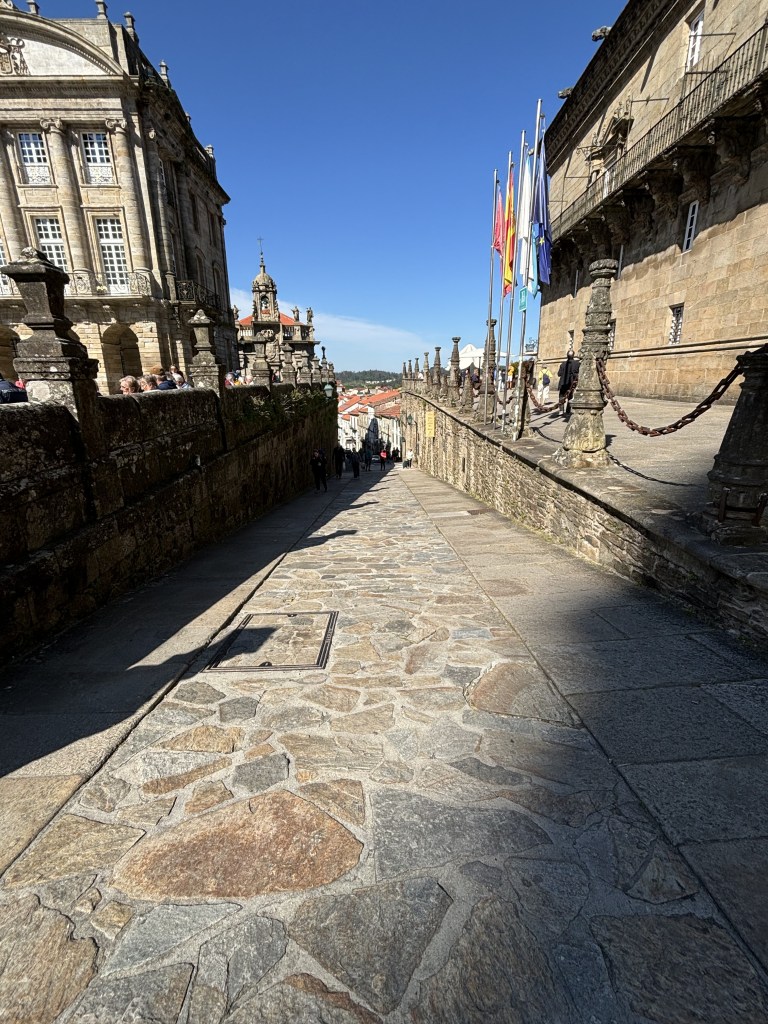
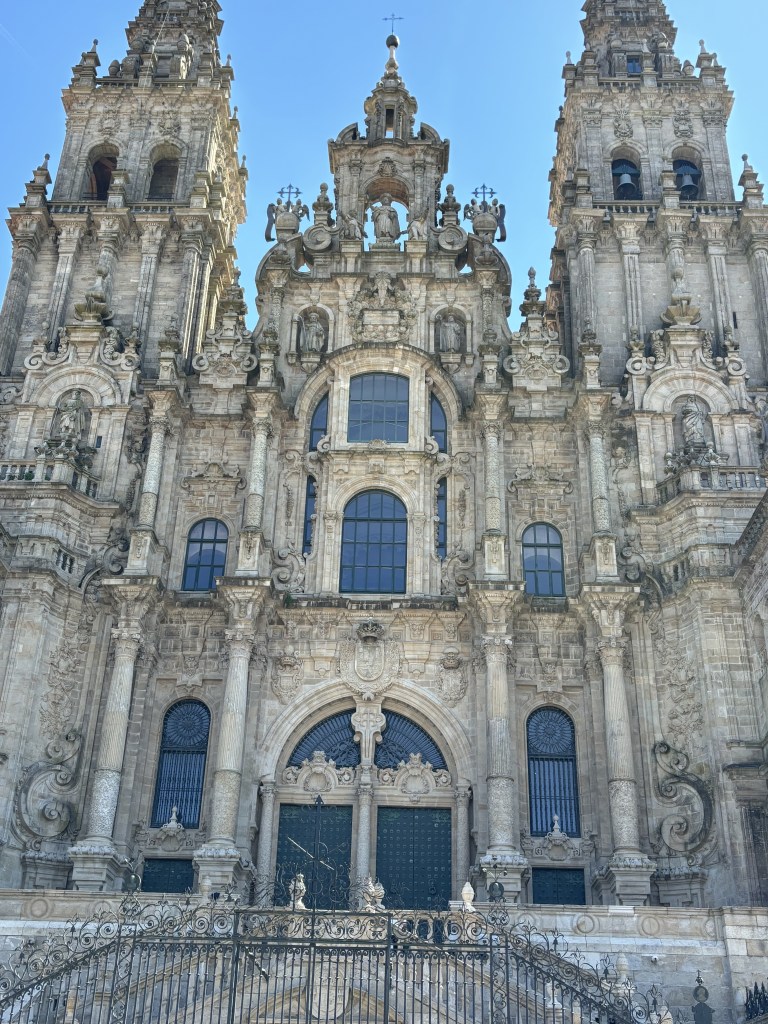
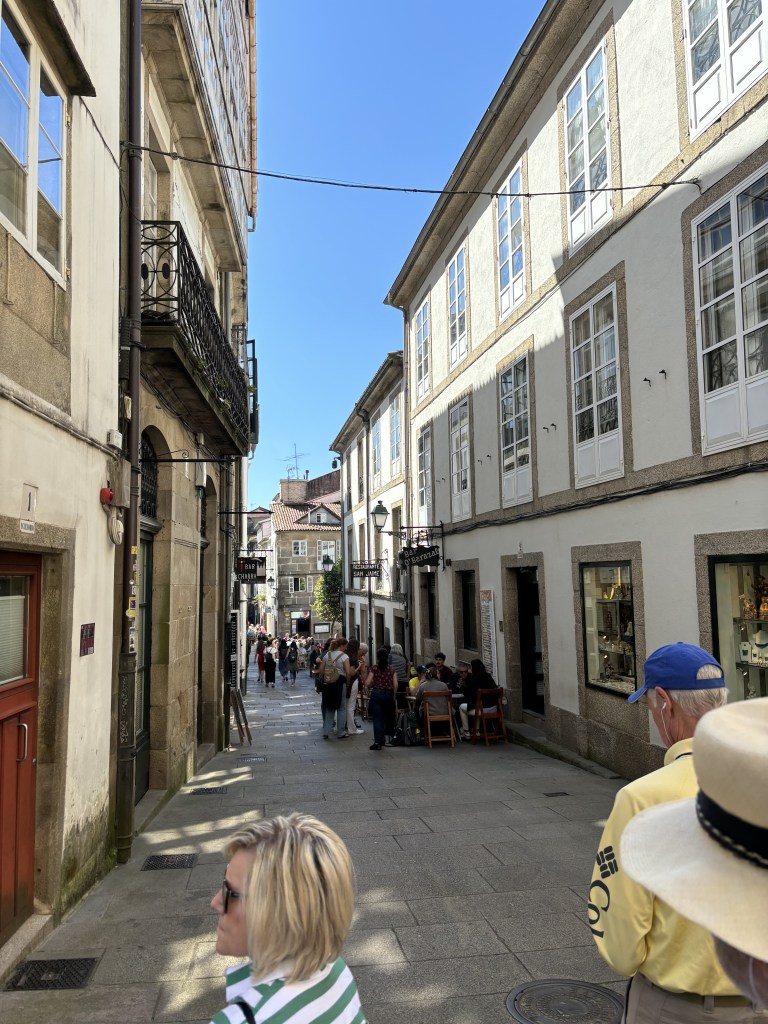
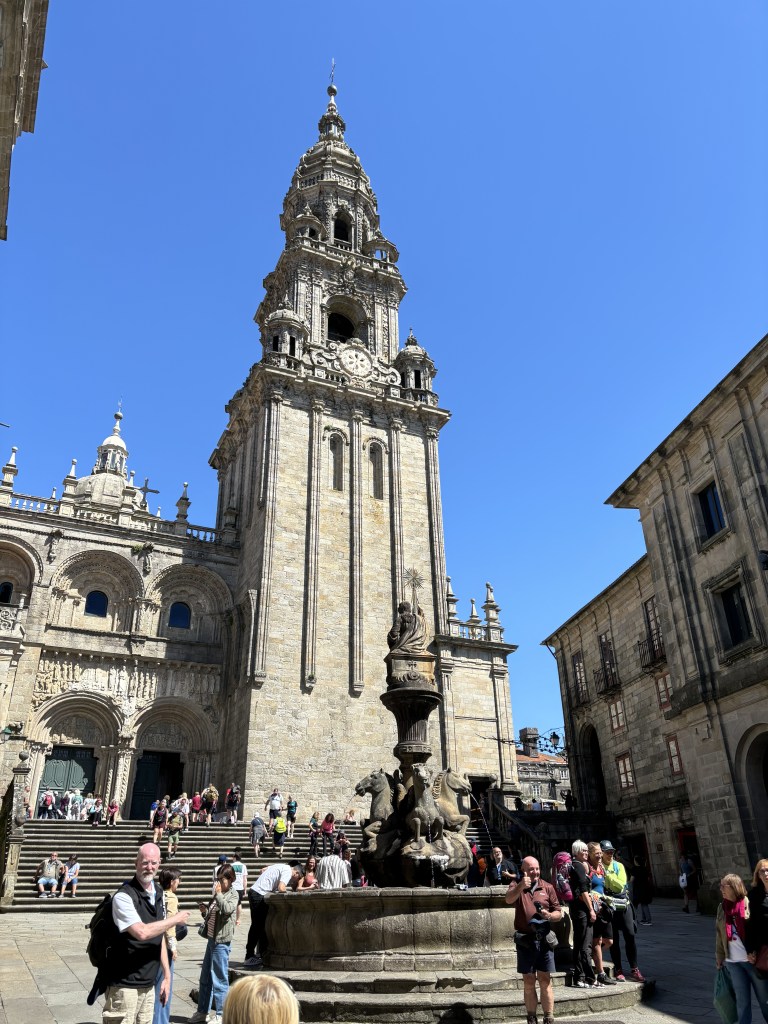
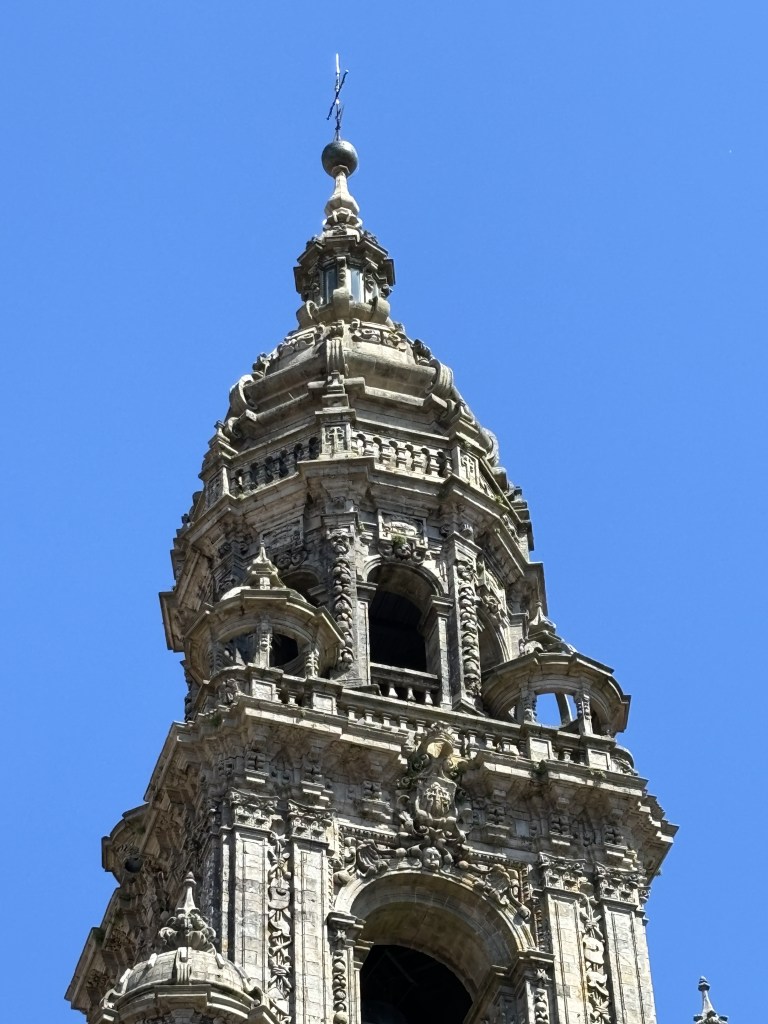
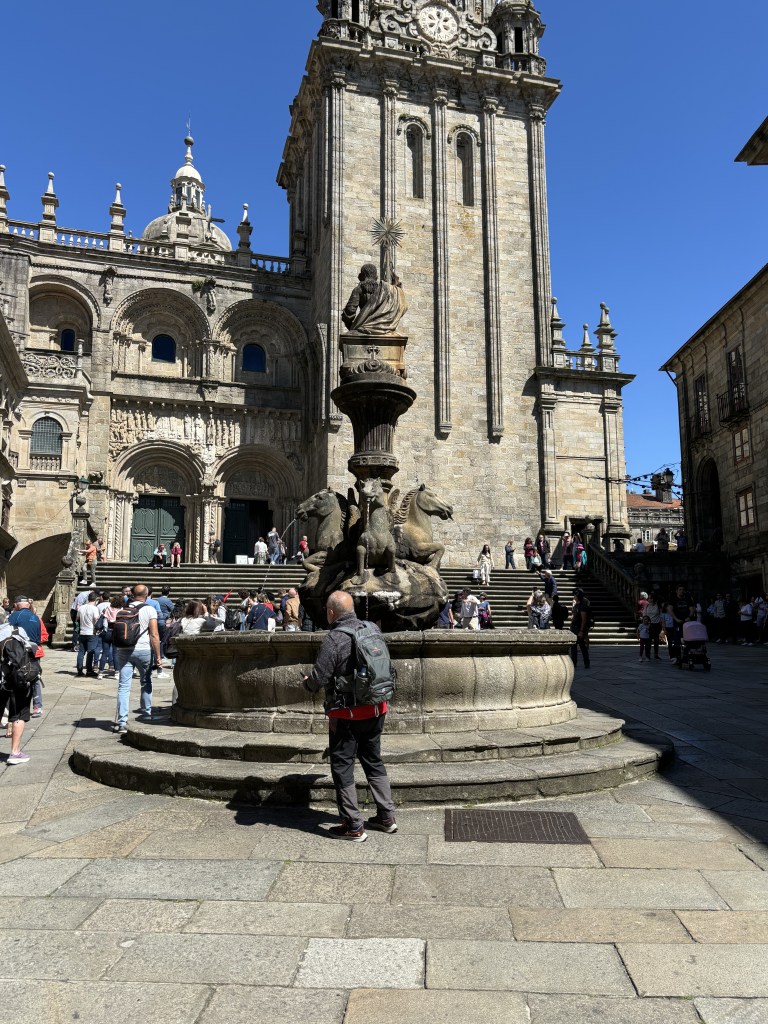
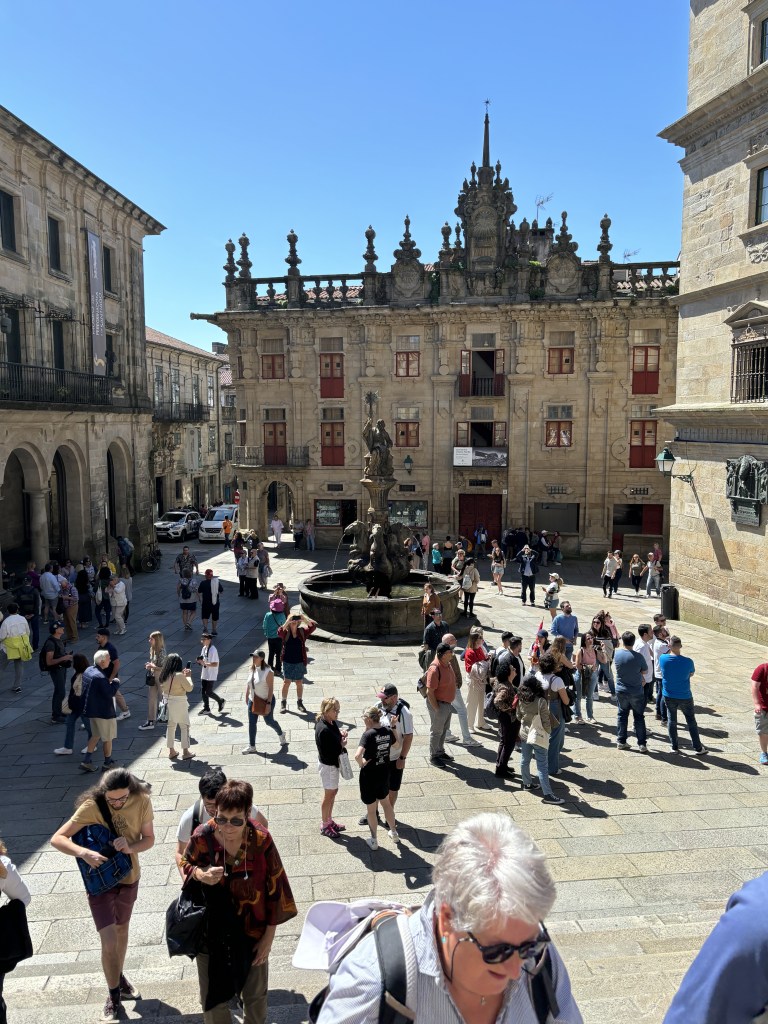
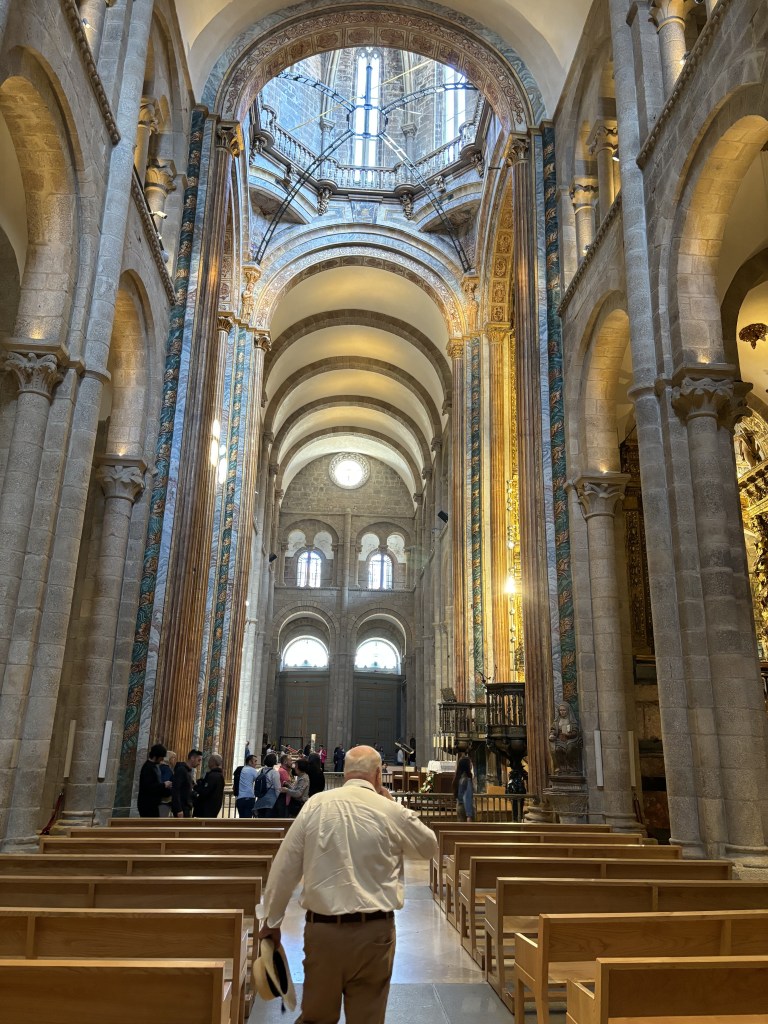
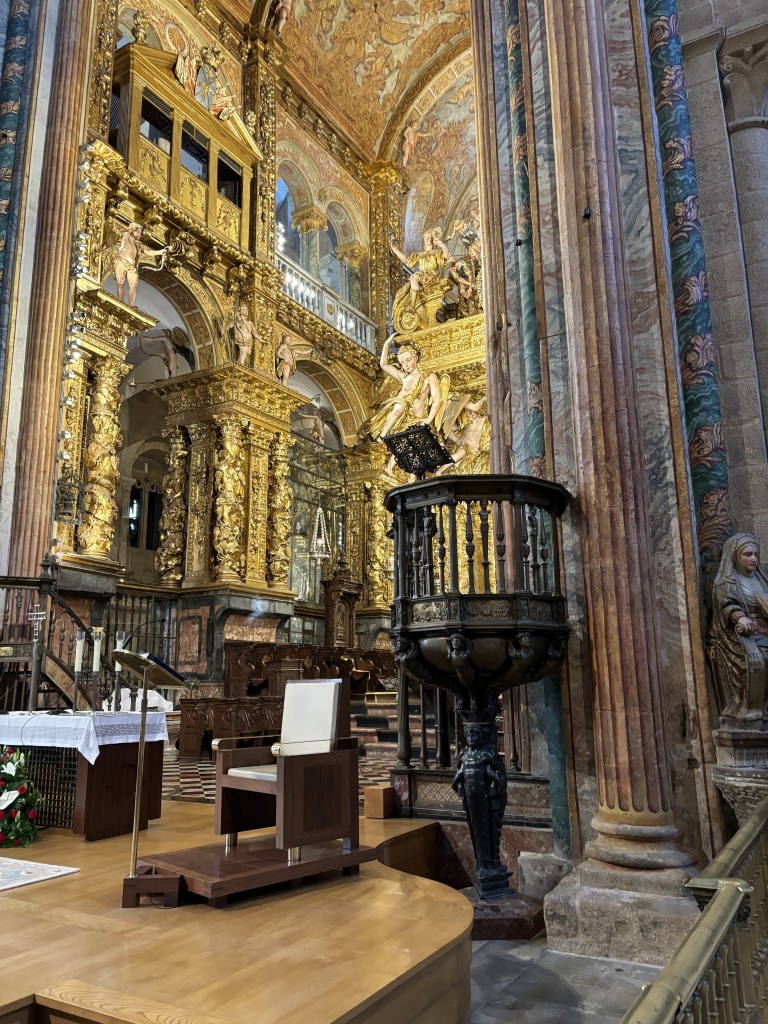
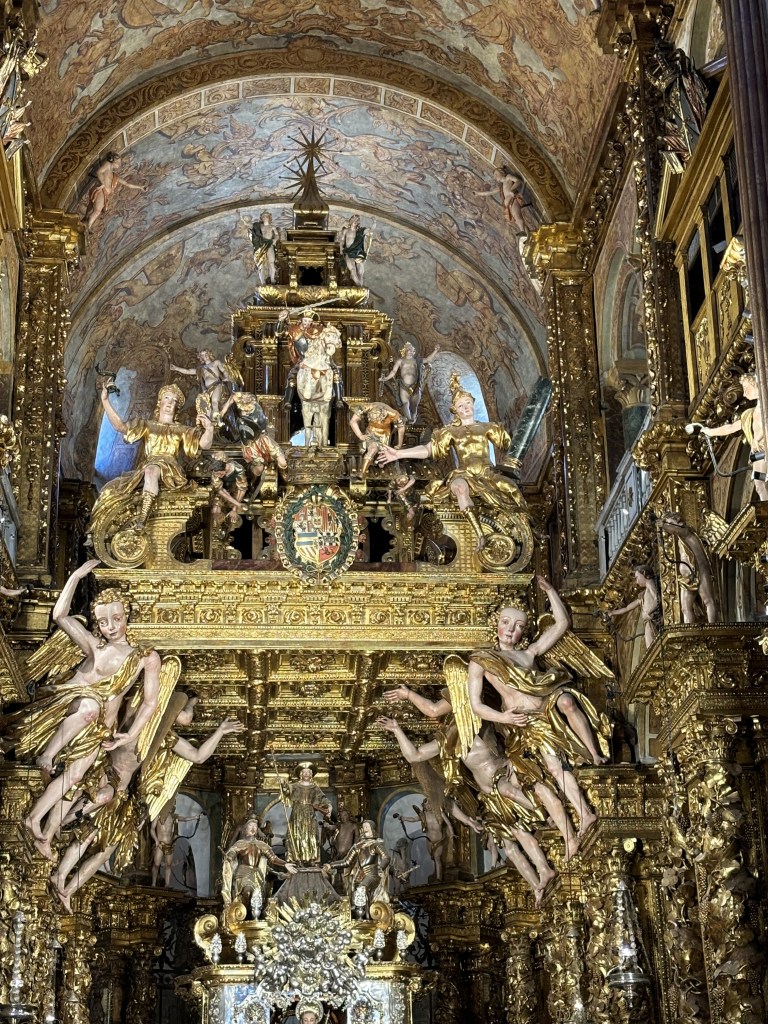
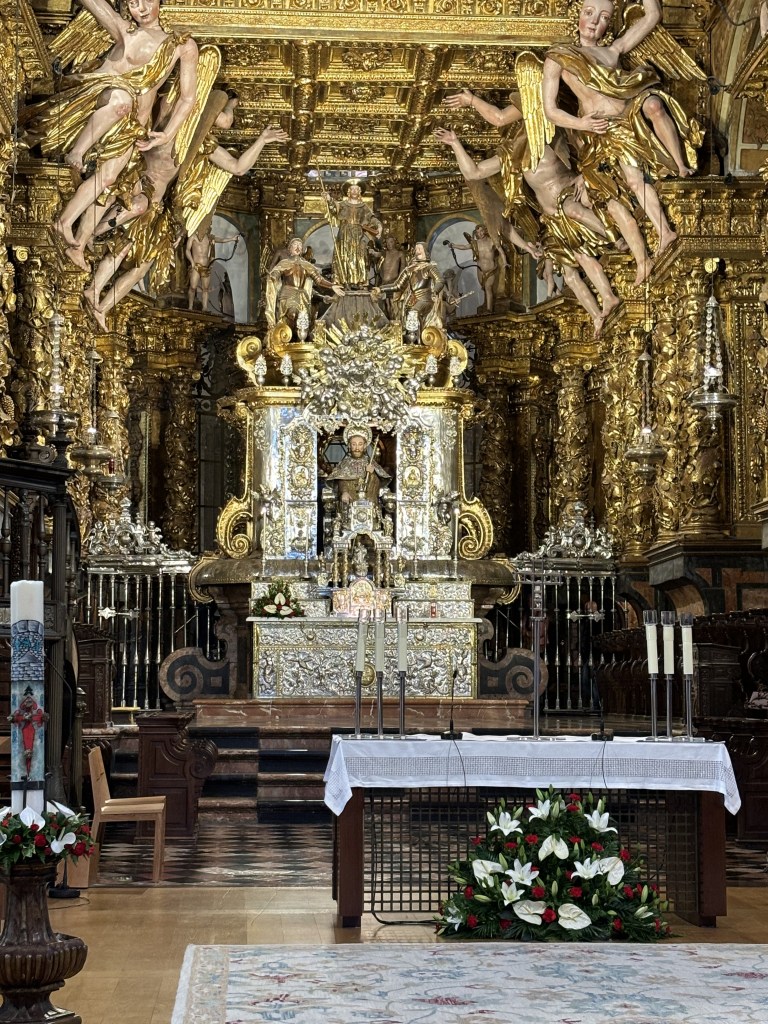
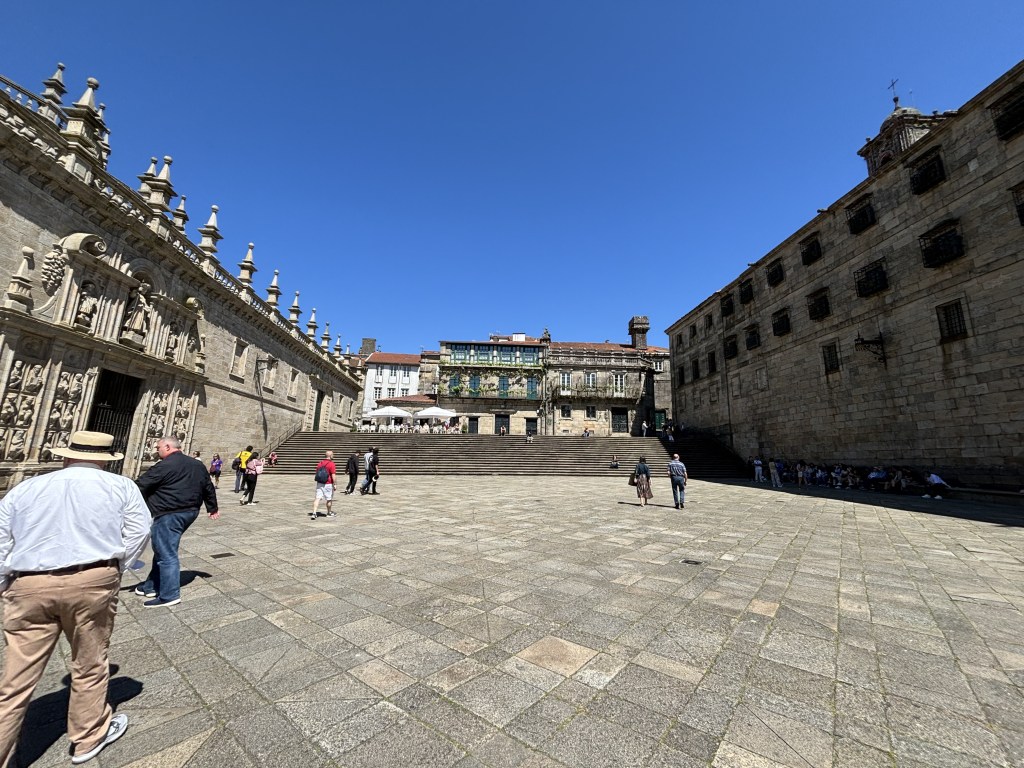
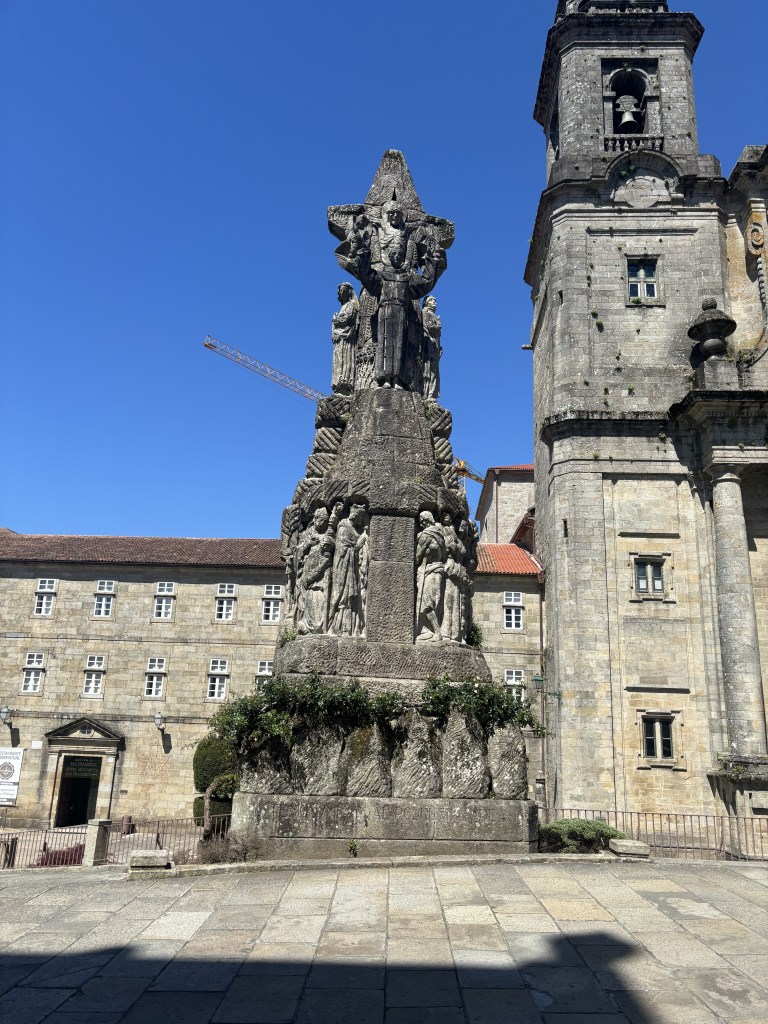
Santiago de Compostela, simply Santiago, or Compostela, in the province of A Coruña, is the capital of the autonomous community of Galicia, in northwestern Spain. The city has its origin in the shrine of Saint James the Great, now the Cathedral of Santiago de Compostela, as the destination of the Way of St. James, a leading Catholic pilgrimage route since the 9th century. In 1985, the city’s Old Town was designated a UNESCO World Heritage Site. From Wikipedia, the free encyclopedia
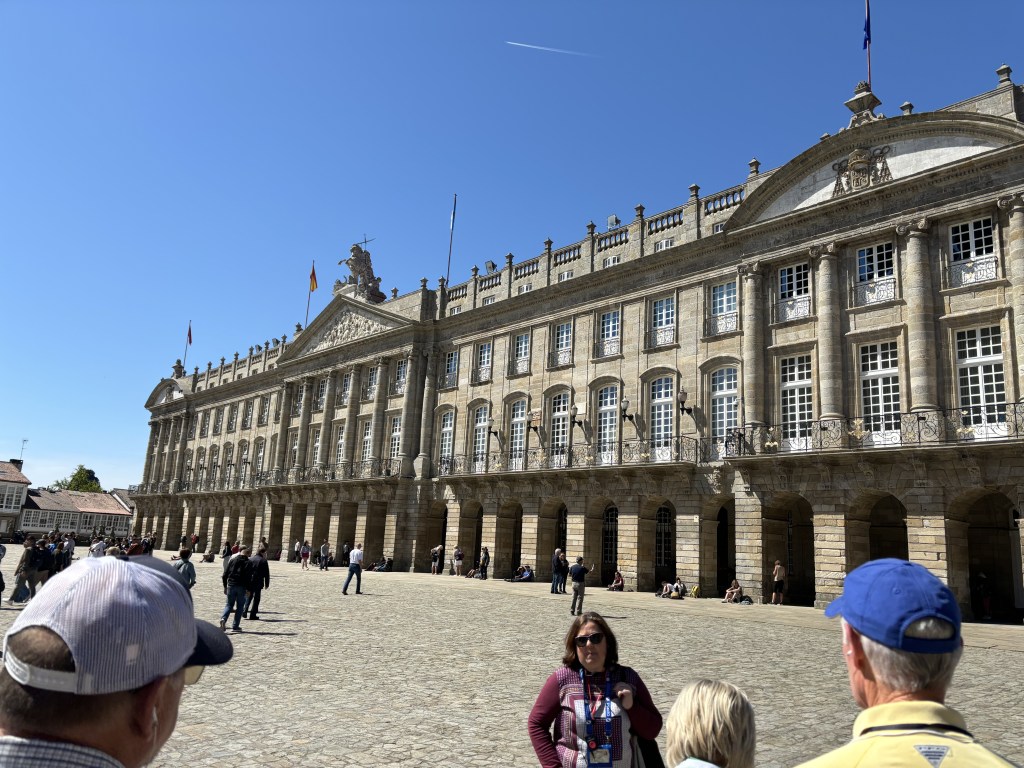
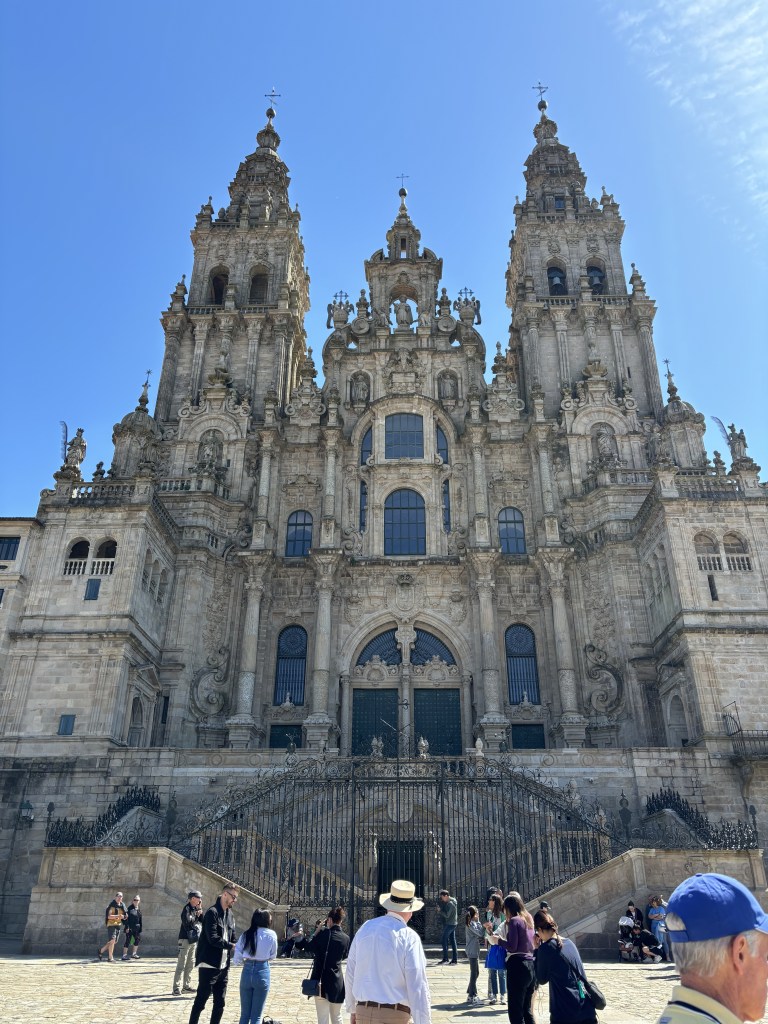
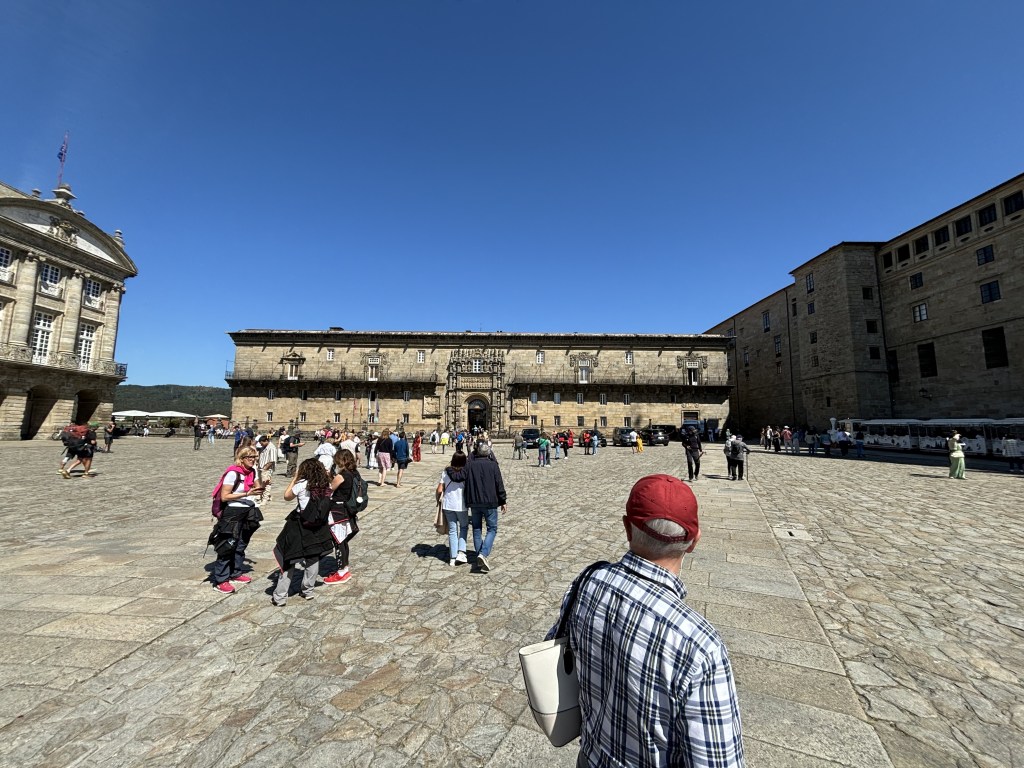
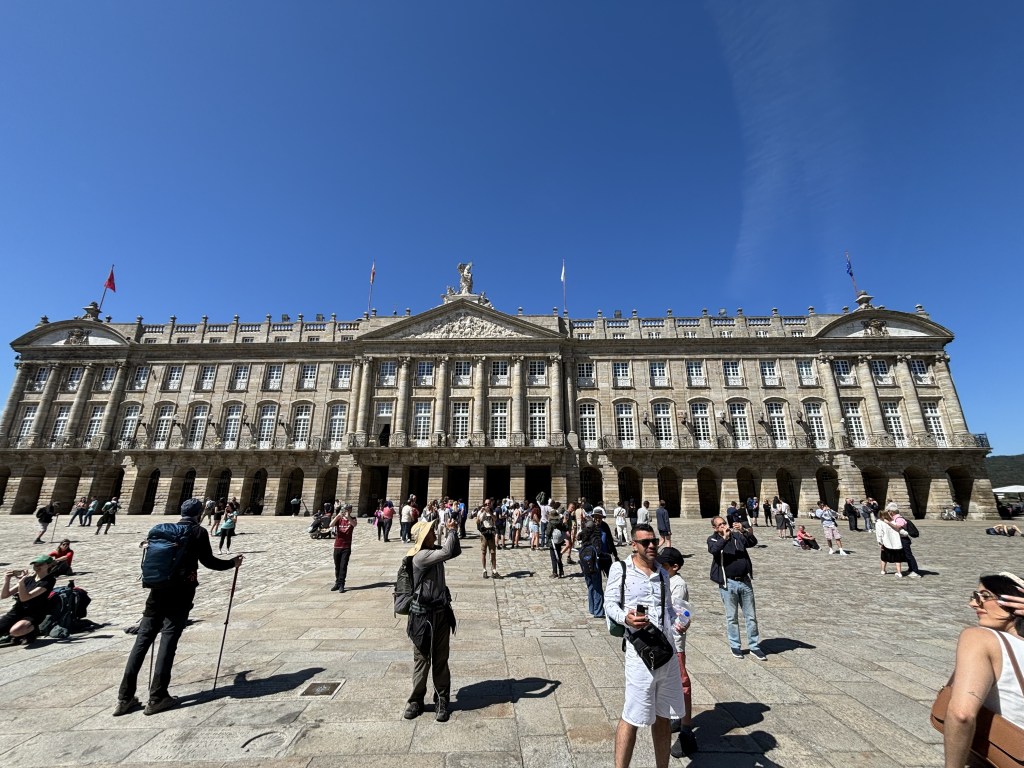
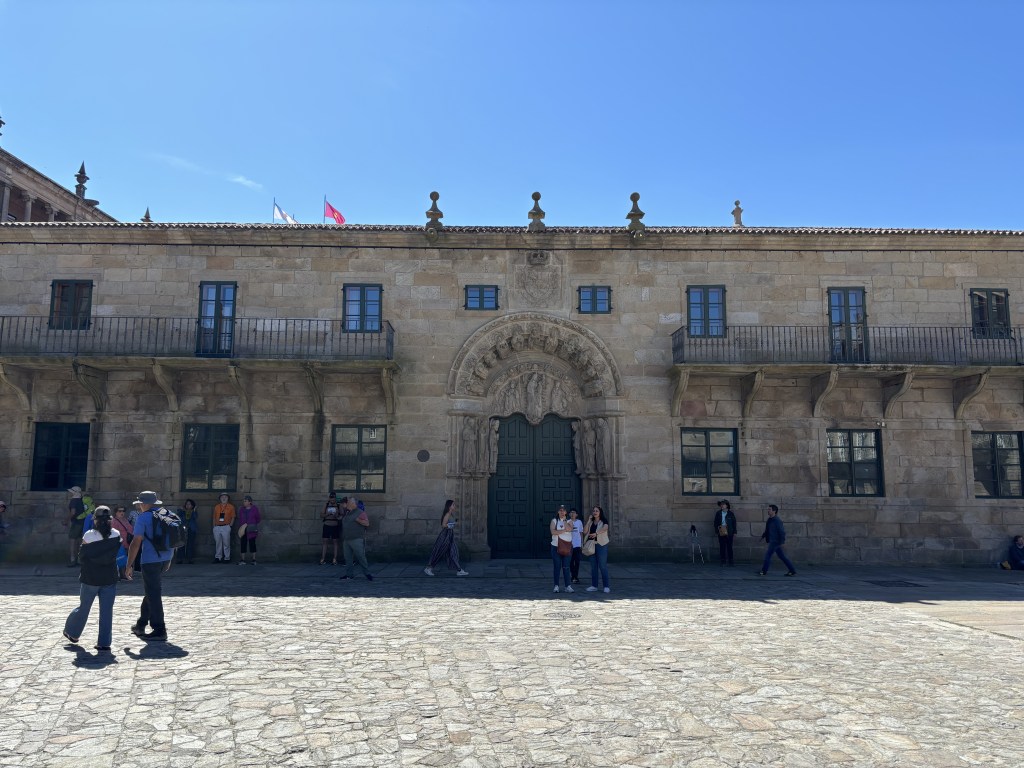
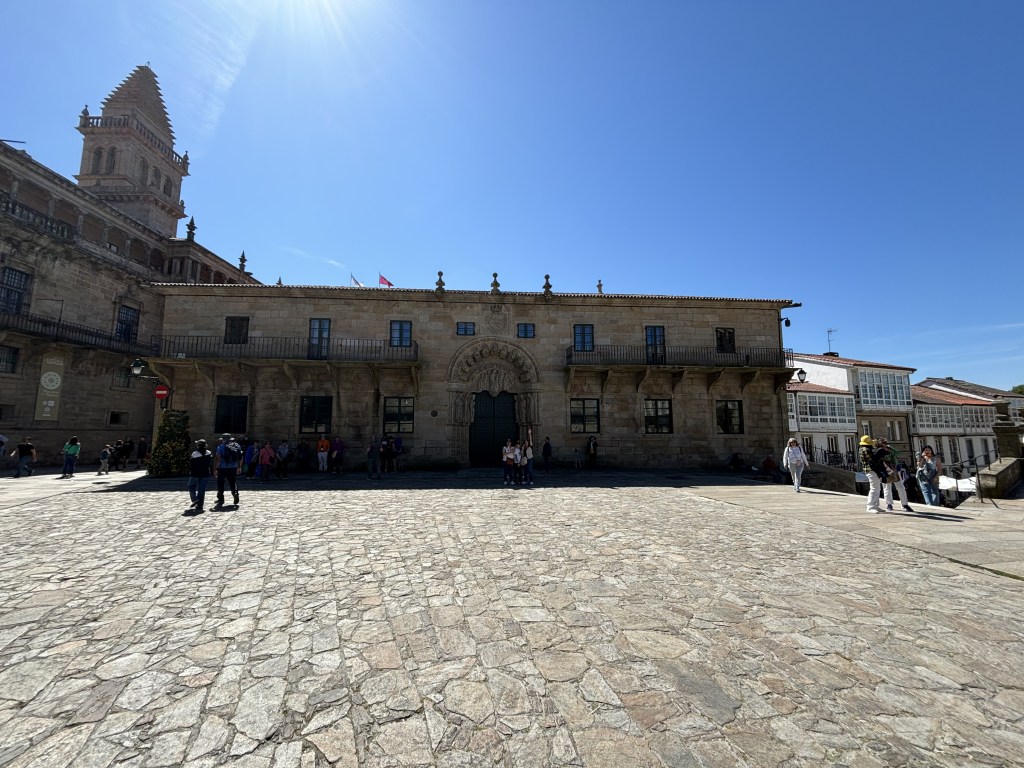
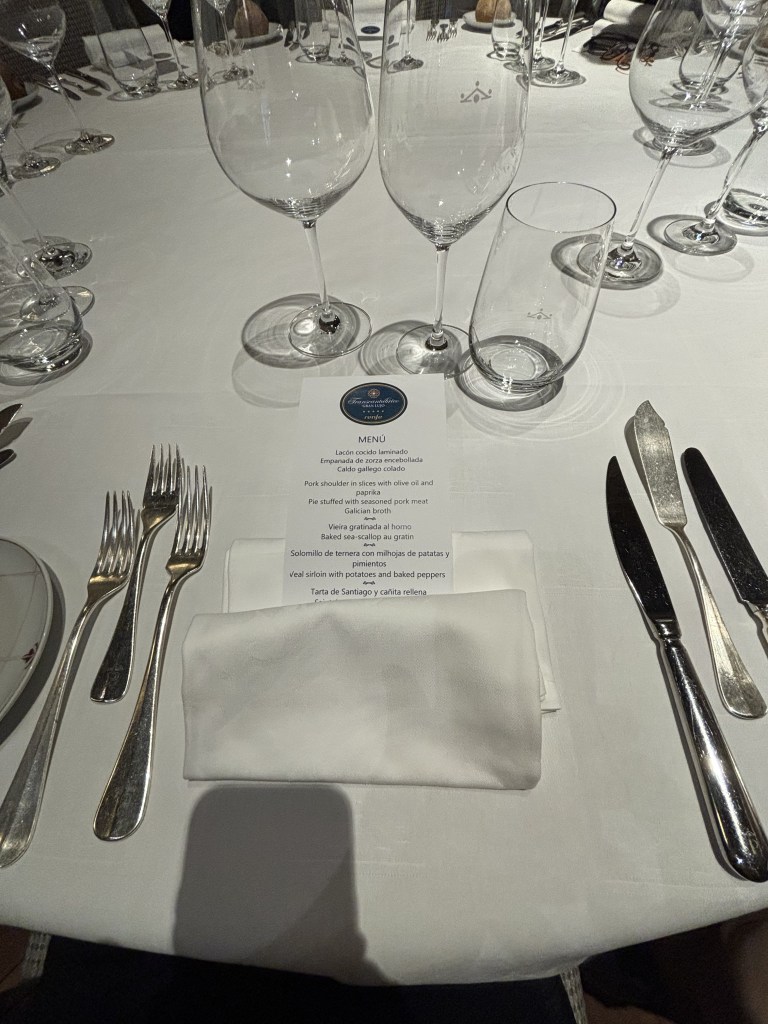
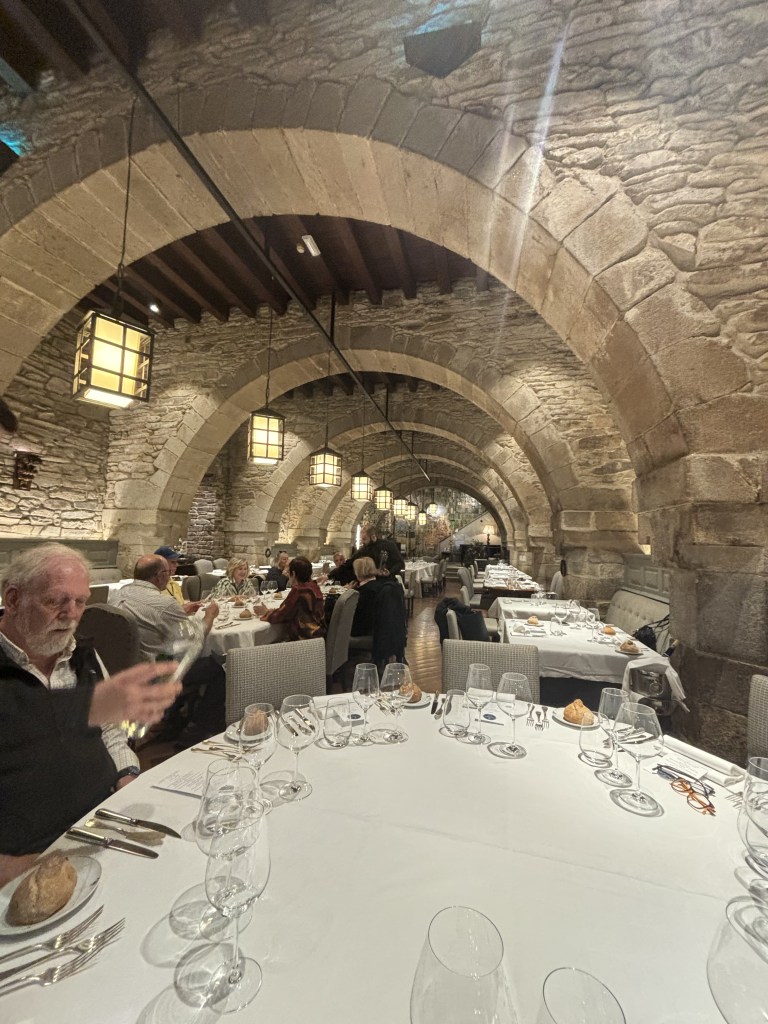
“Rendezvous at 12:00 pm at hotel Parador de los Reyes Católicos in Santiago de Compostela. Following the reception, enjoy a city tour in this historical town, goal of devotees for over a thousand years, and admire its countless artistic jewels such as the Cathedral. After lunch, our luxury coach will take us to Ferrol, where El Transcantábrico is waiting for us. The crew will offer a welcome drink while the train takes us to the historic town of Viveiro. Enjoy a tour of its beautiful old town. Dinner and overnight in Viveiro.“
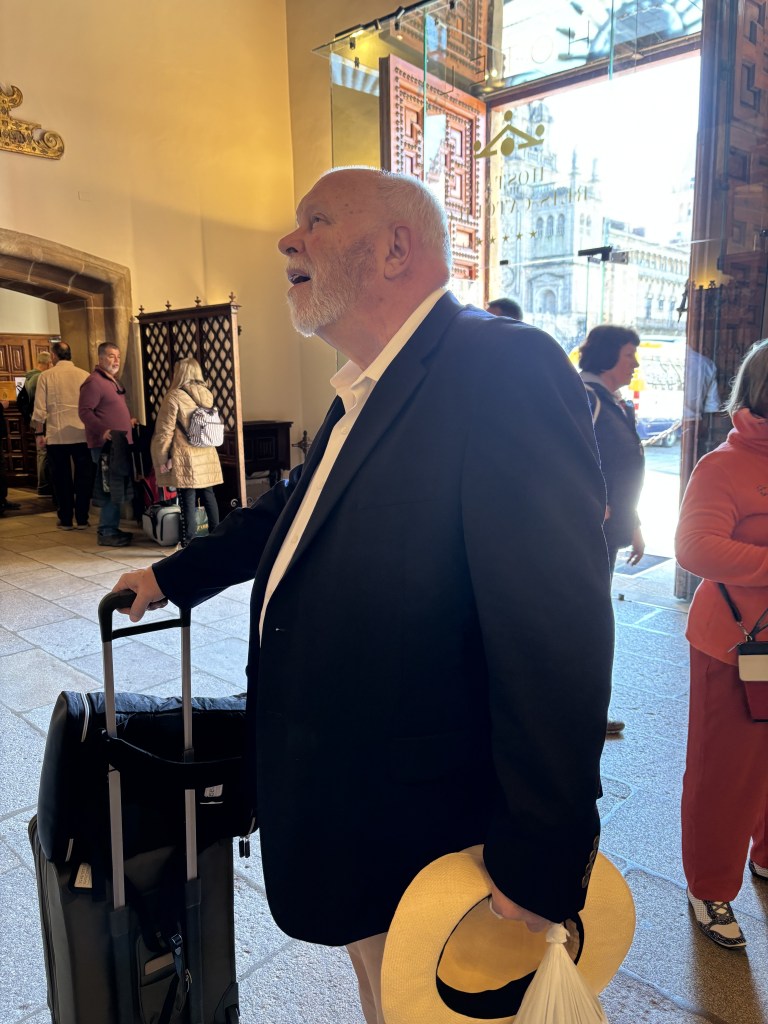


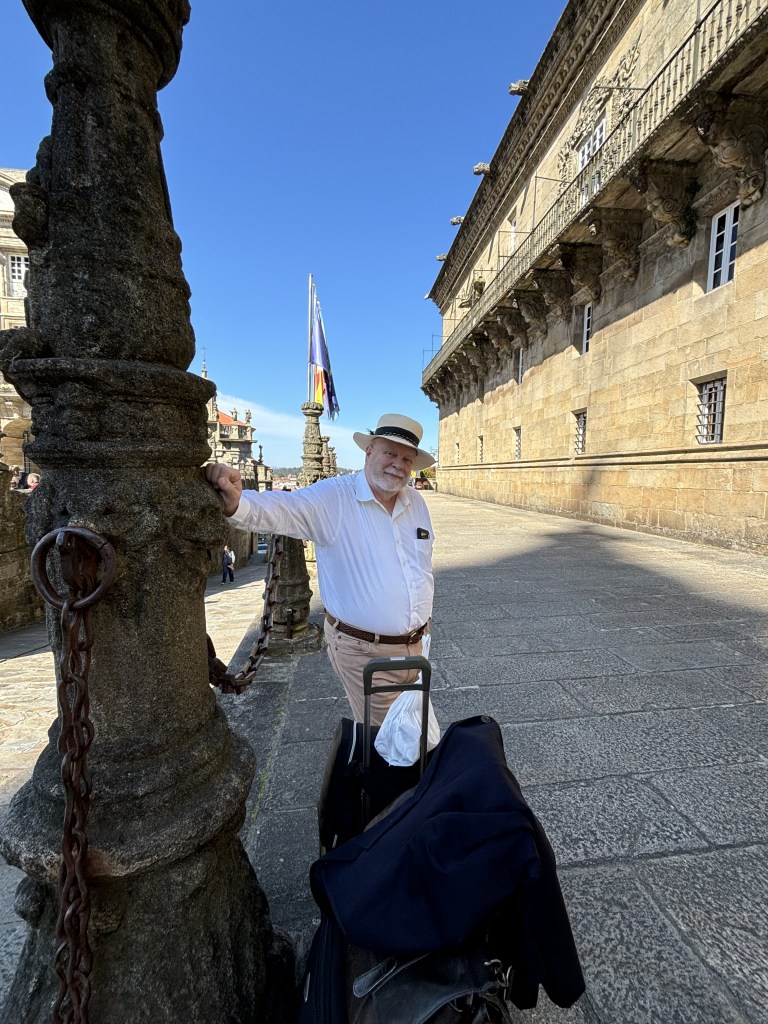
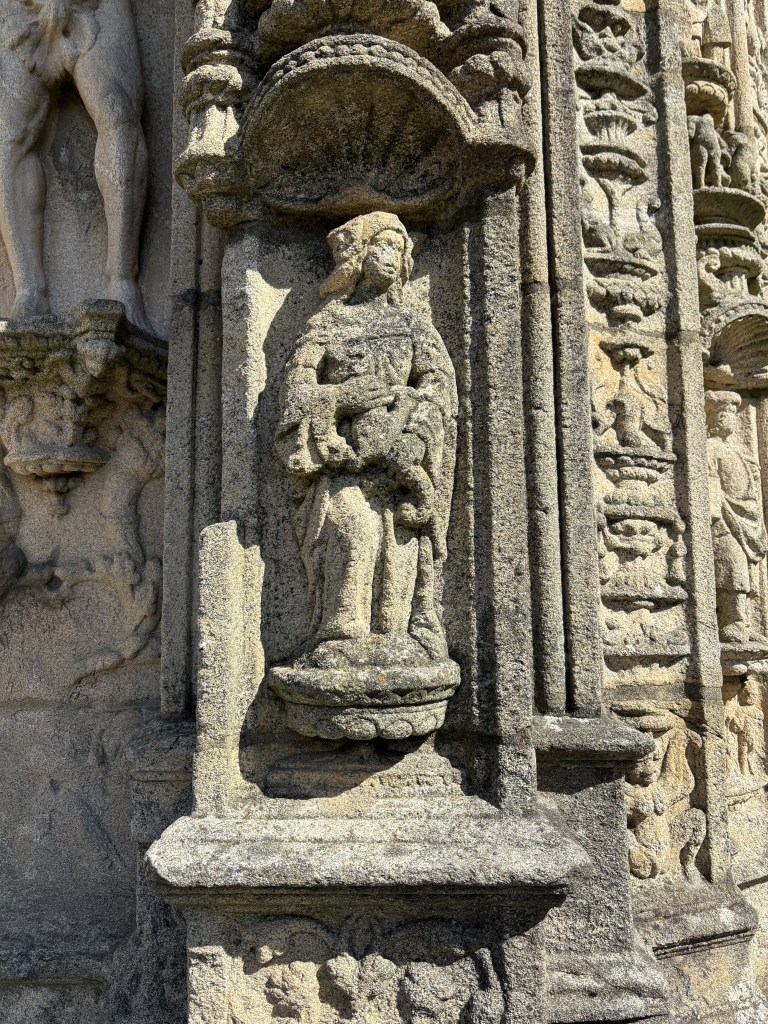
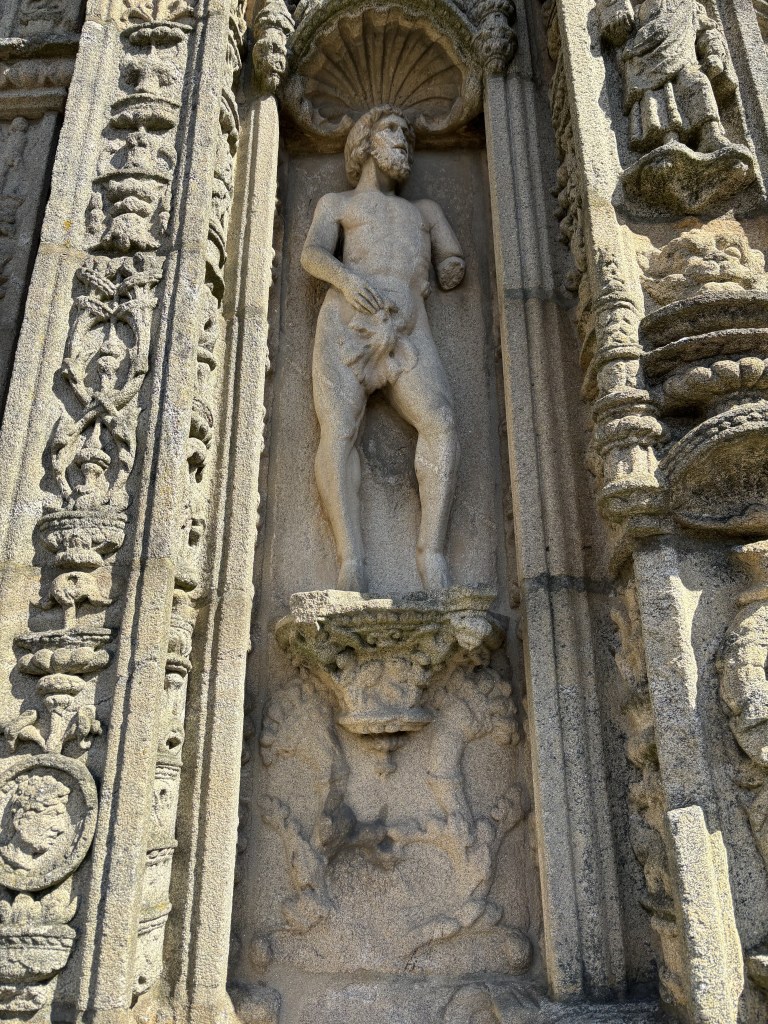
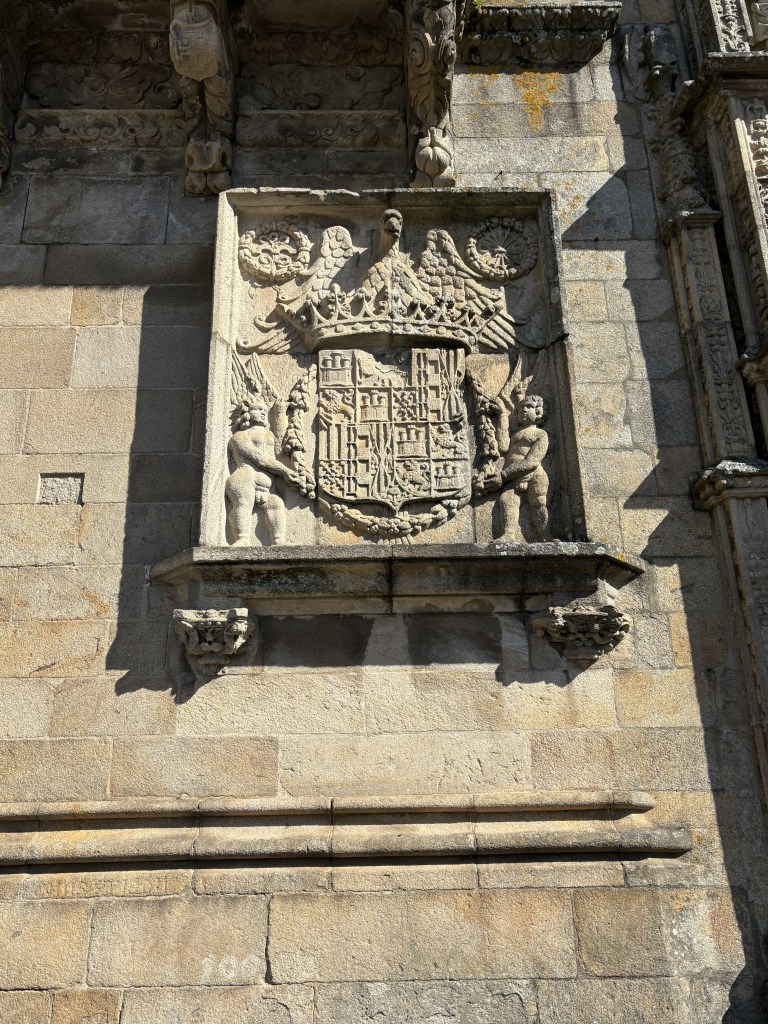
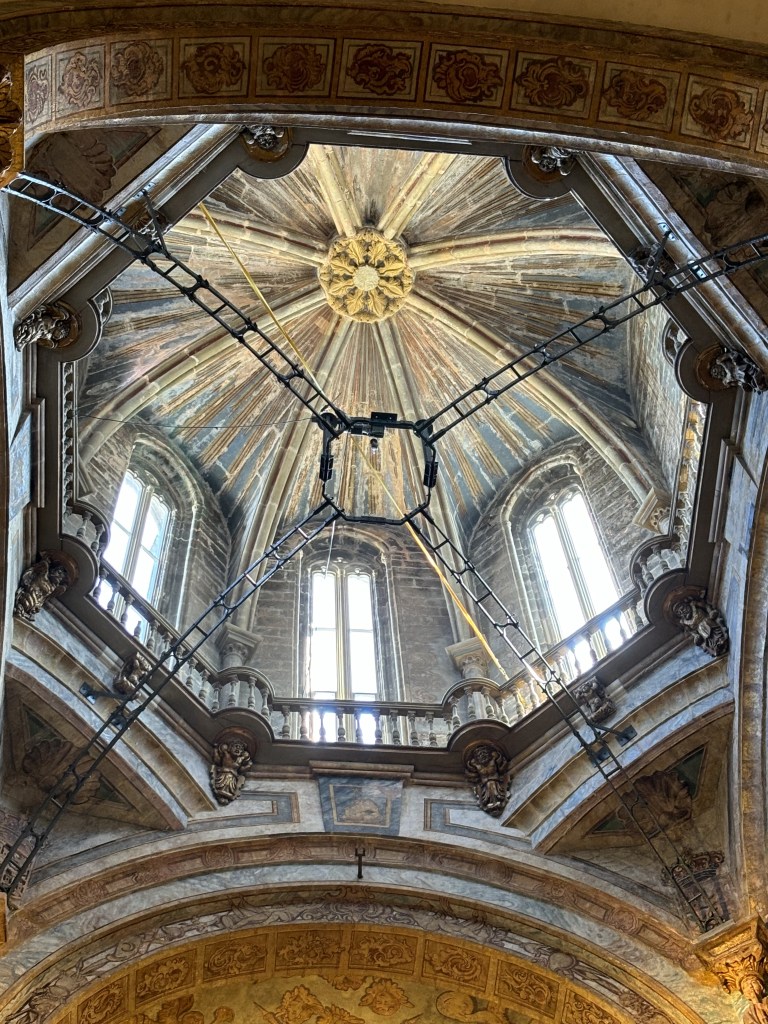
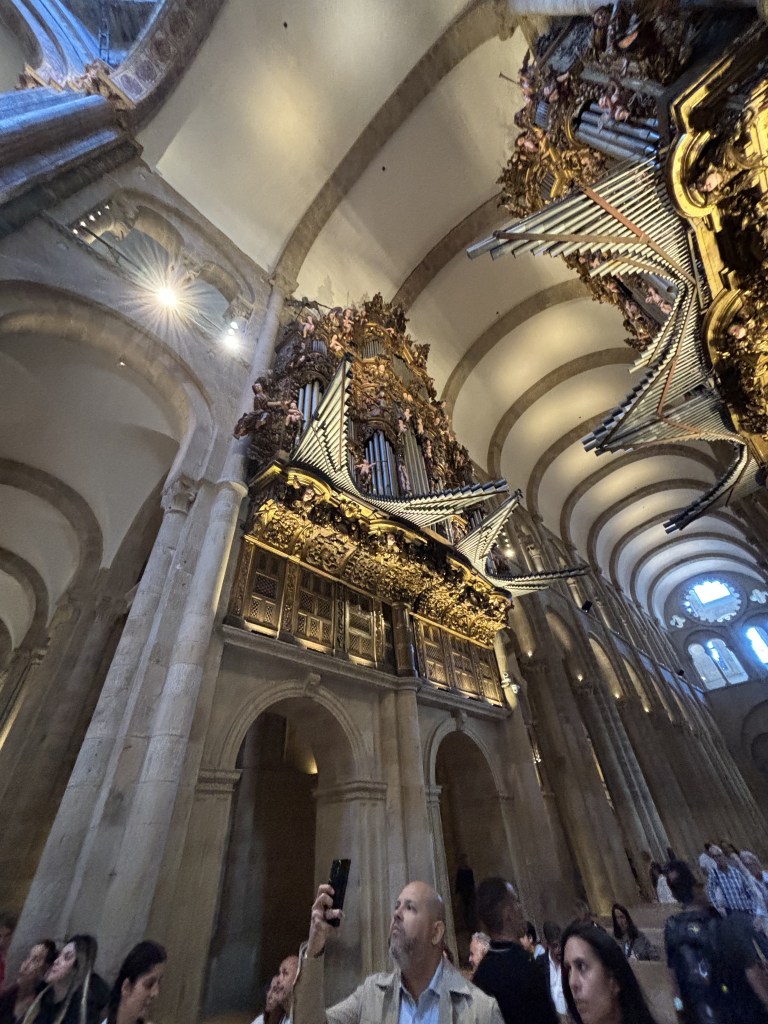
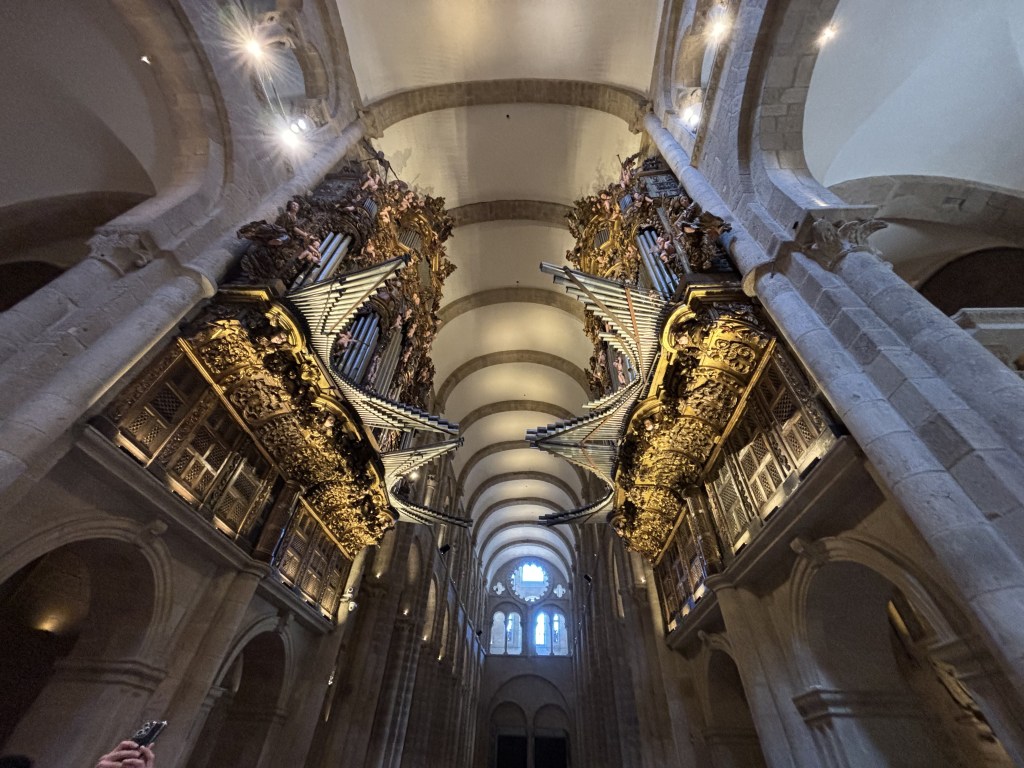
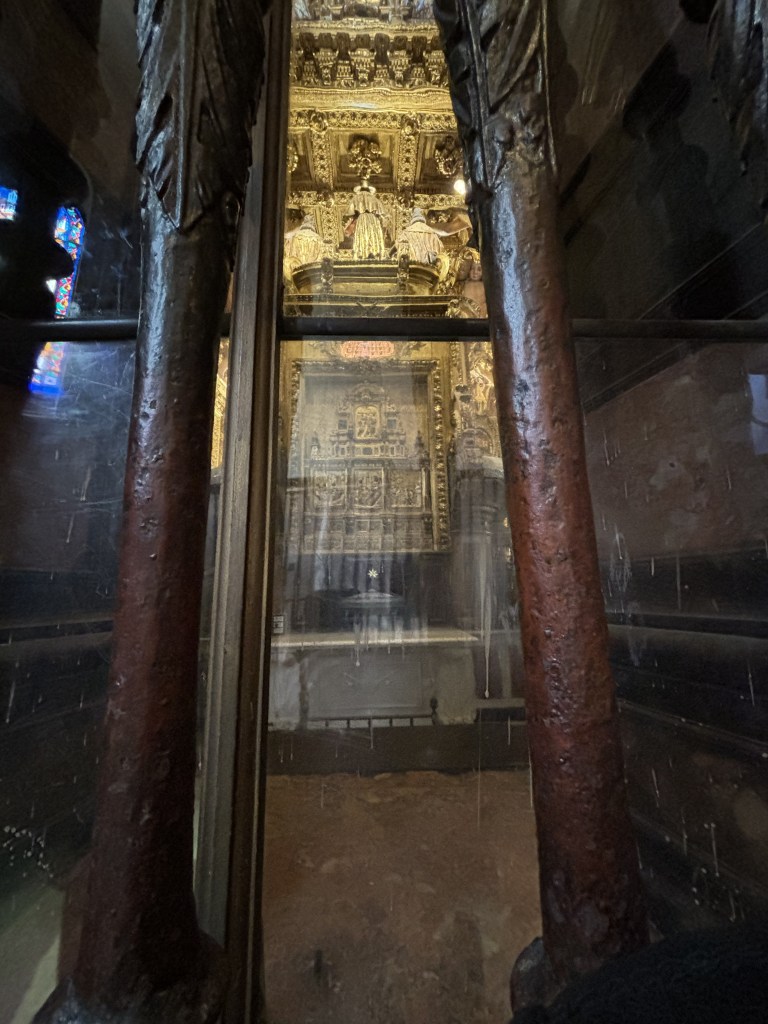
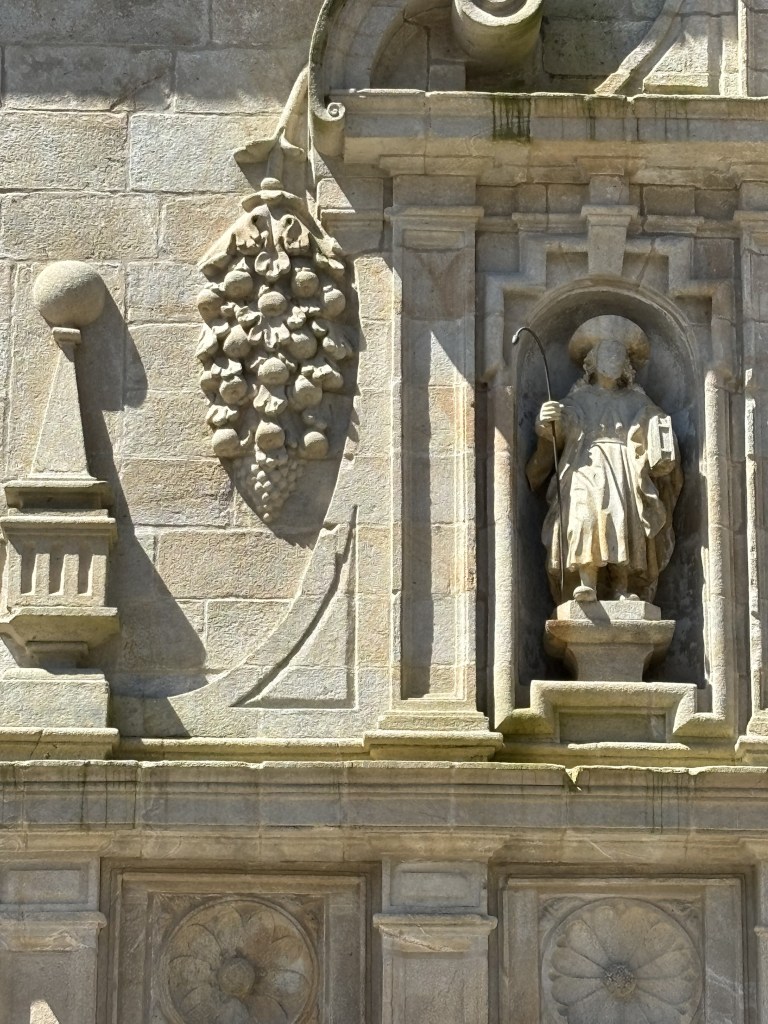


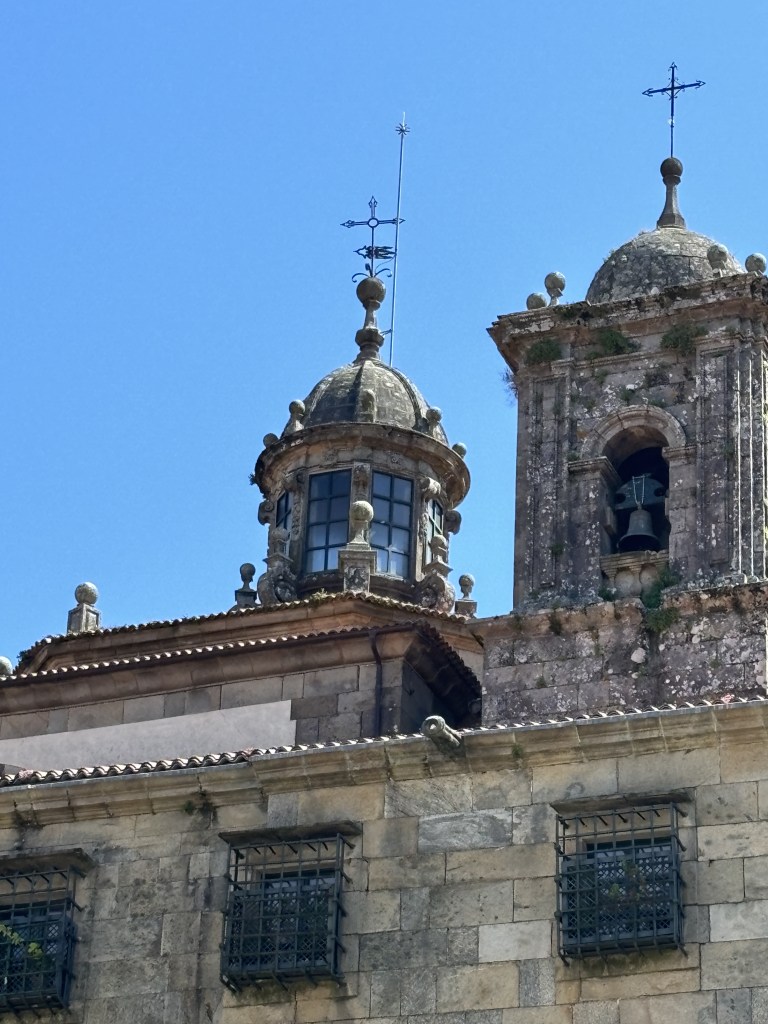
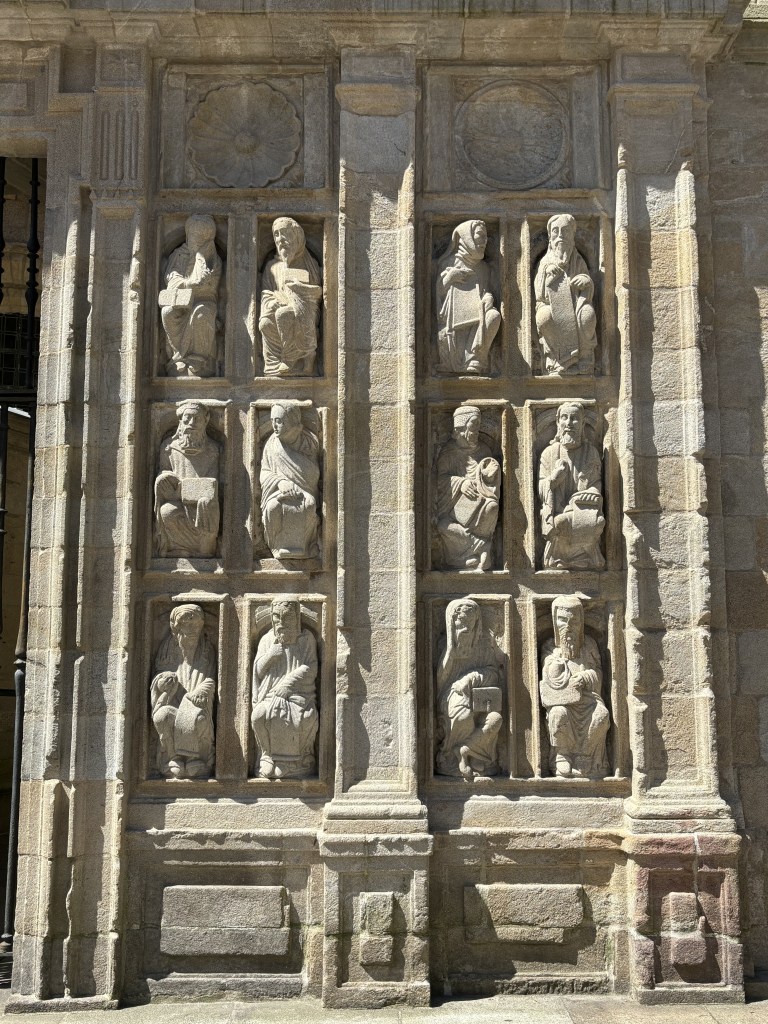

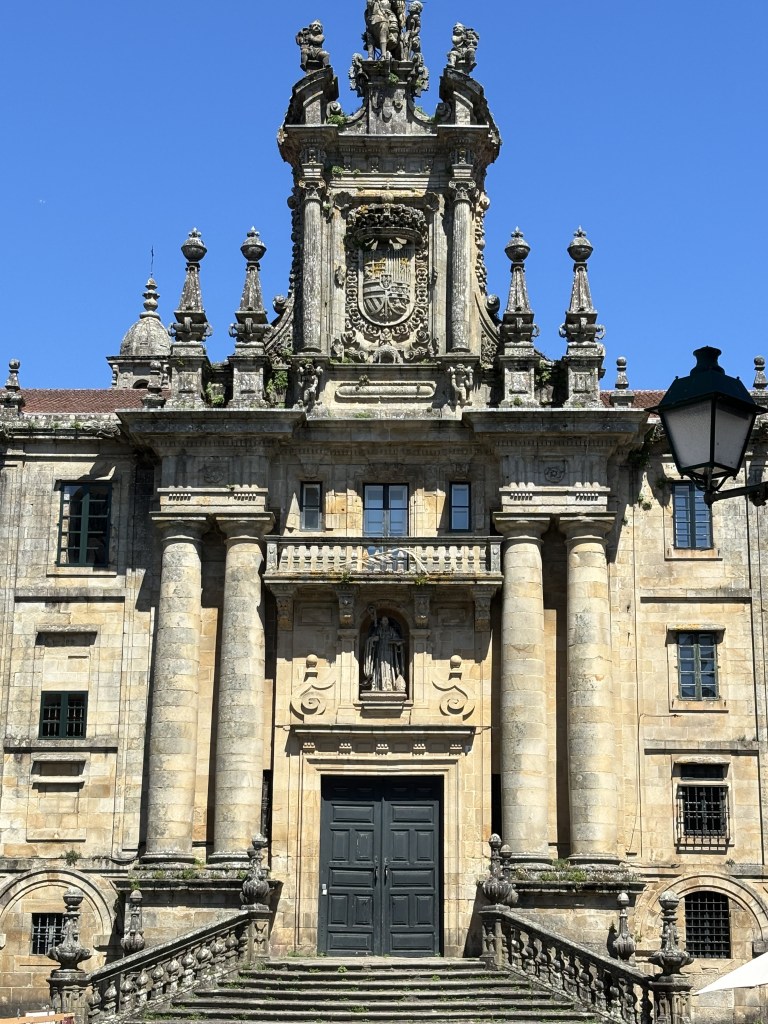

The Train

The train and the crew 
The train and the crew 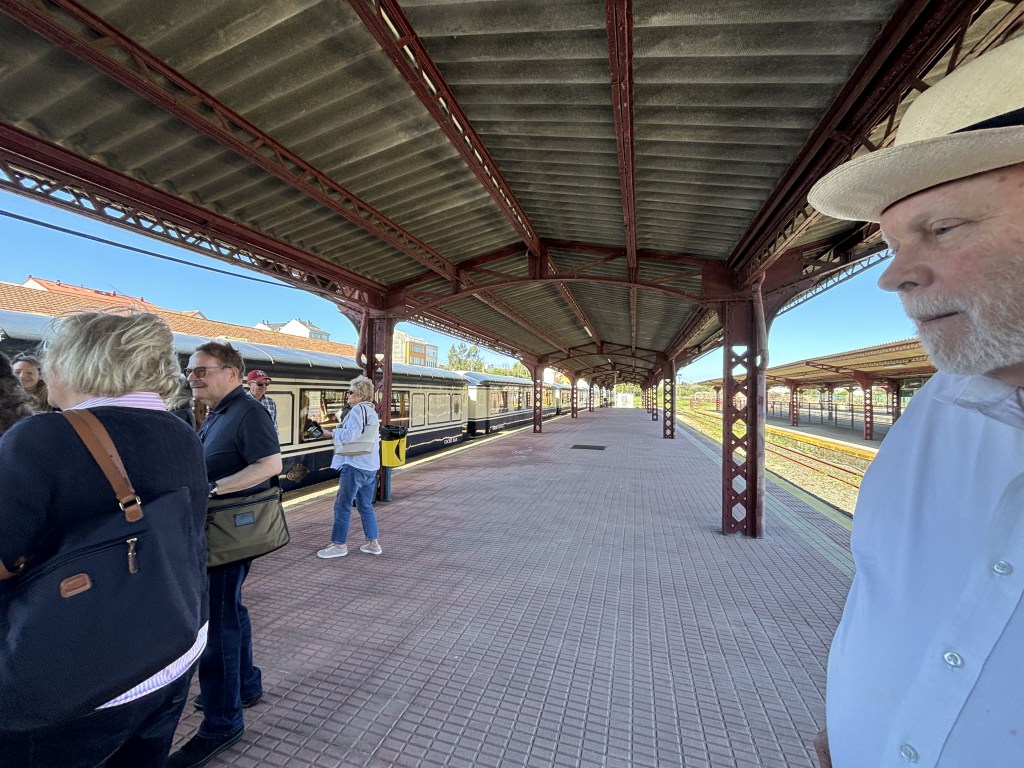
Boarding 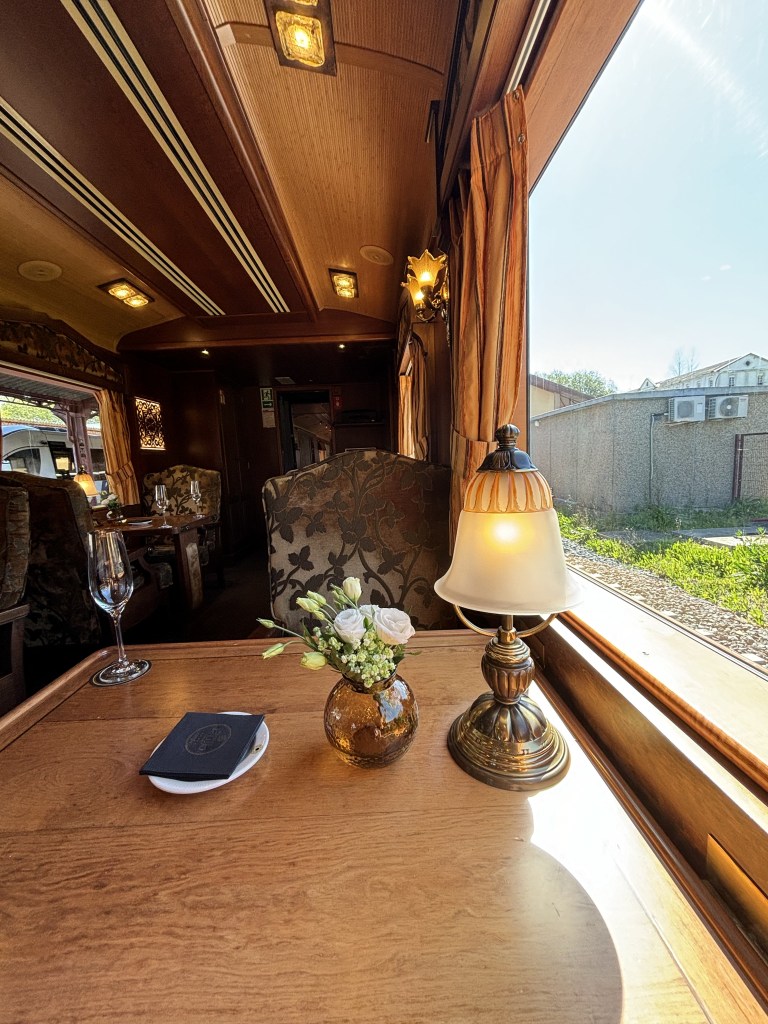
Welcome Reception 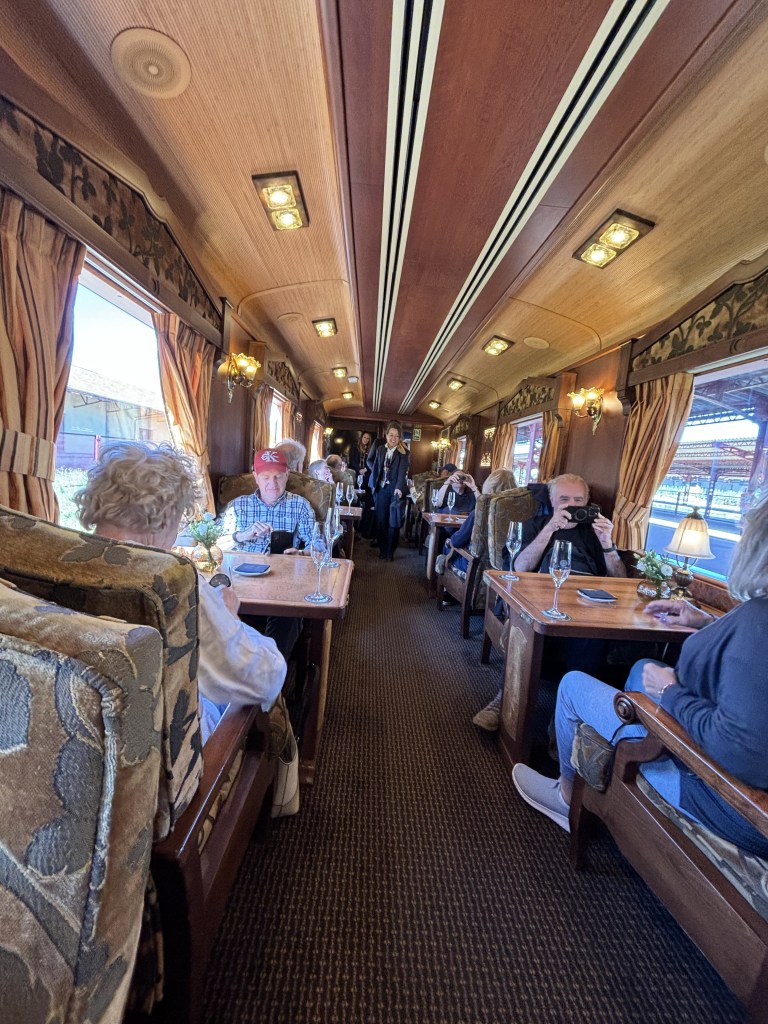
Welcome Reception 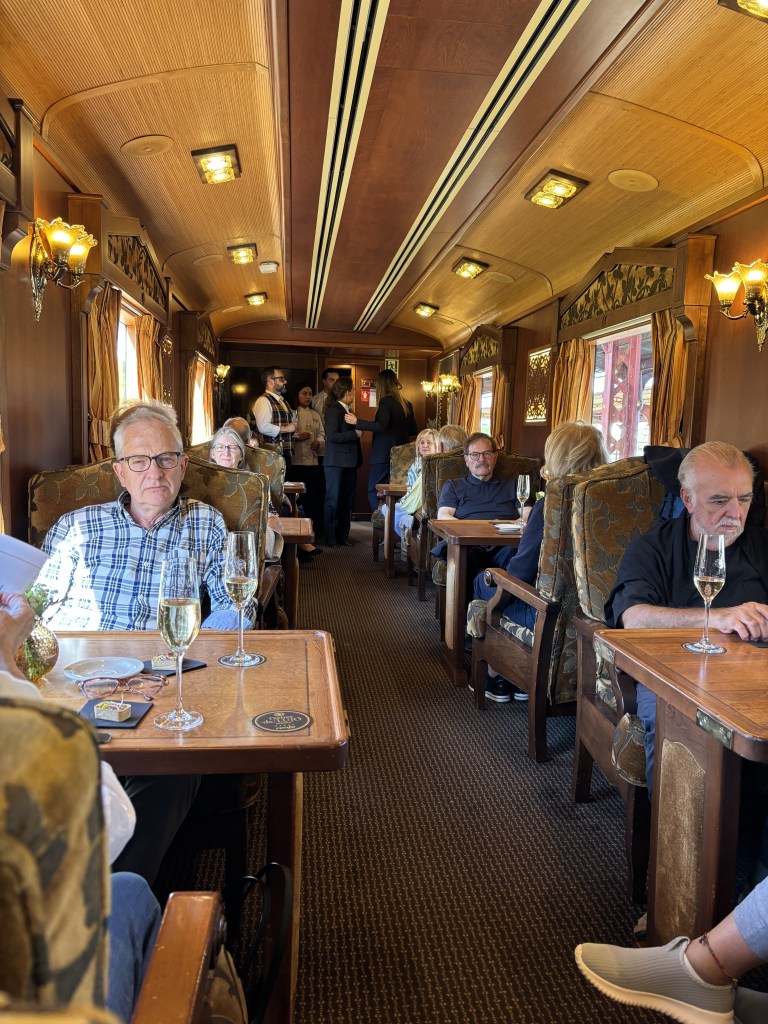
Welcome Reception 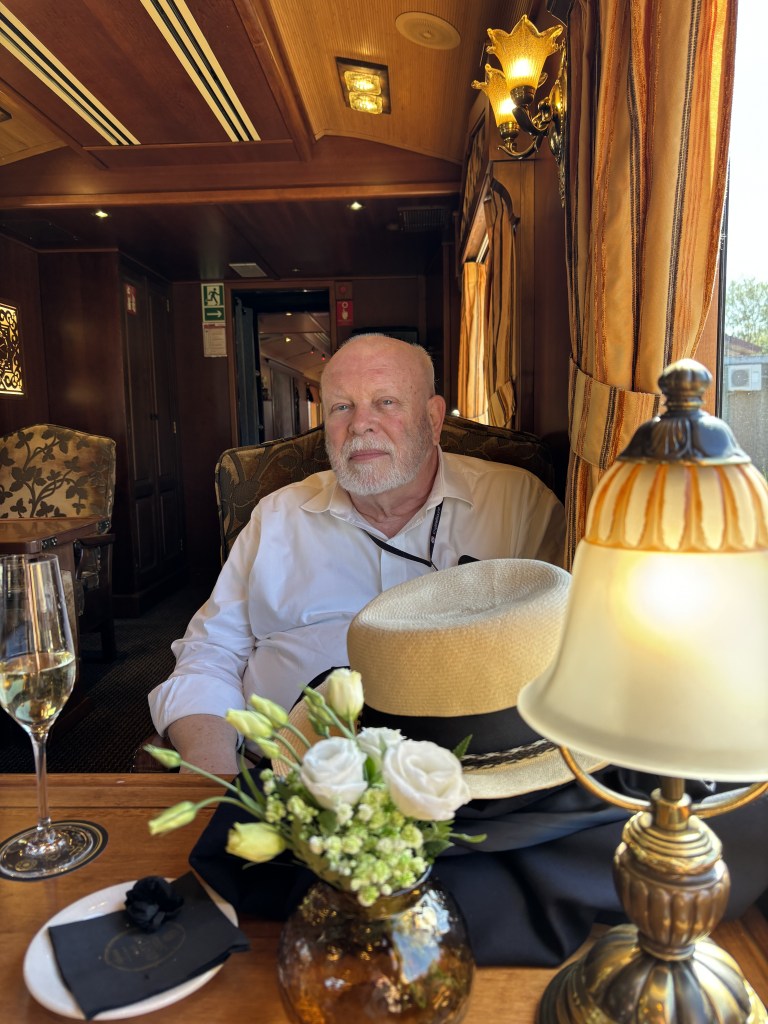
Welcome Reception 
Welcome Reception 
Welcome Reception 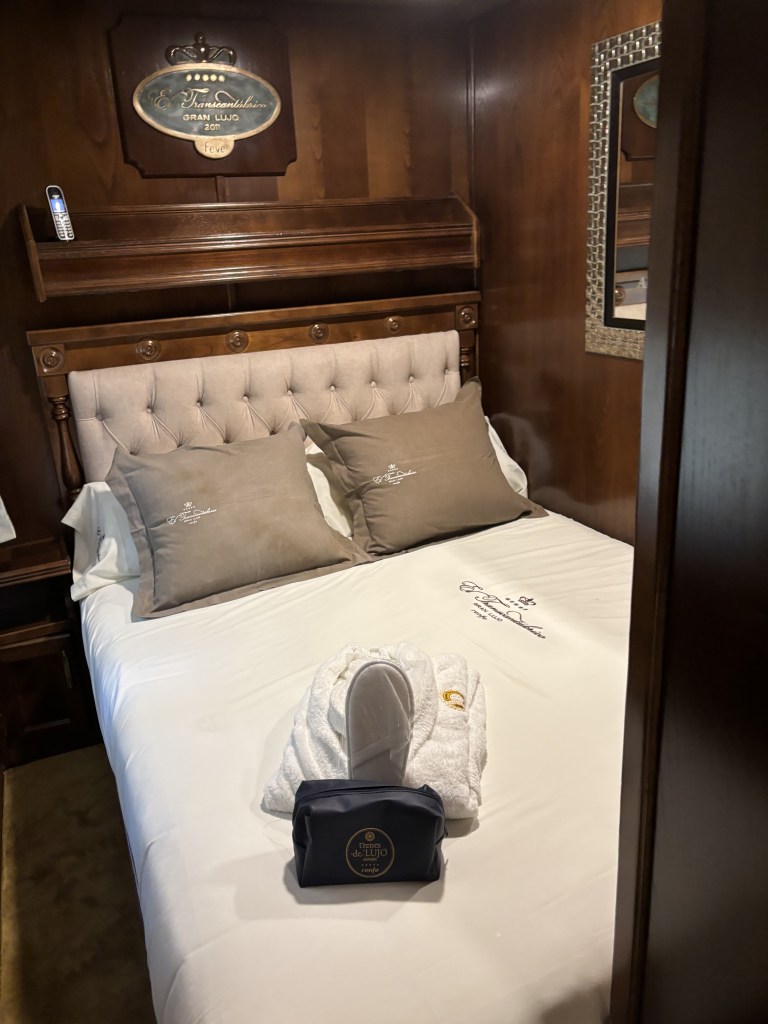
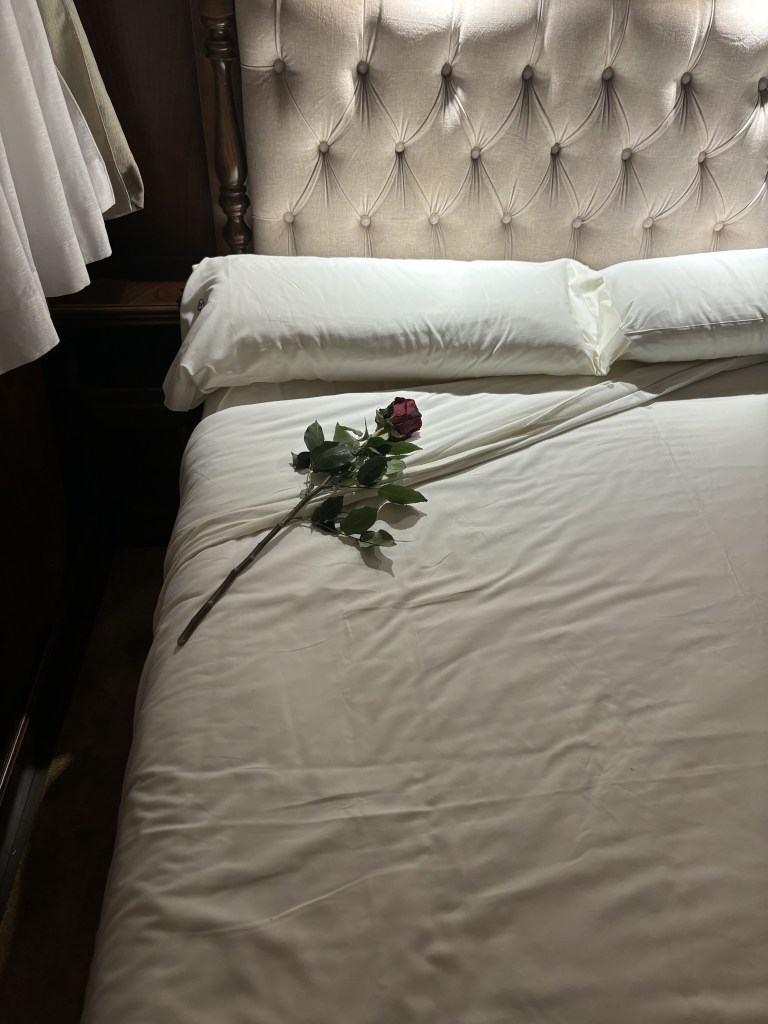
My room – Bed Area 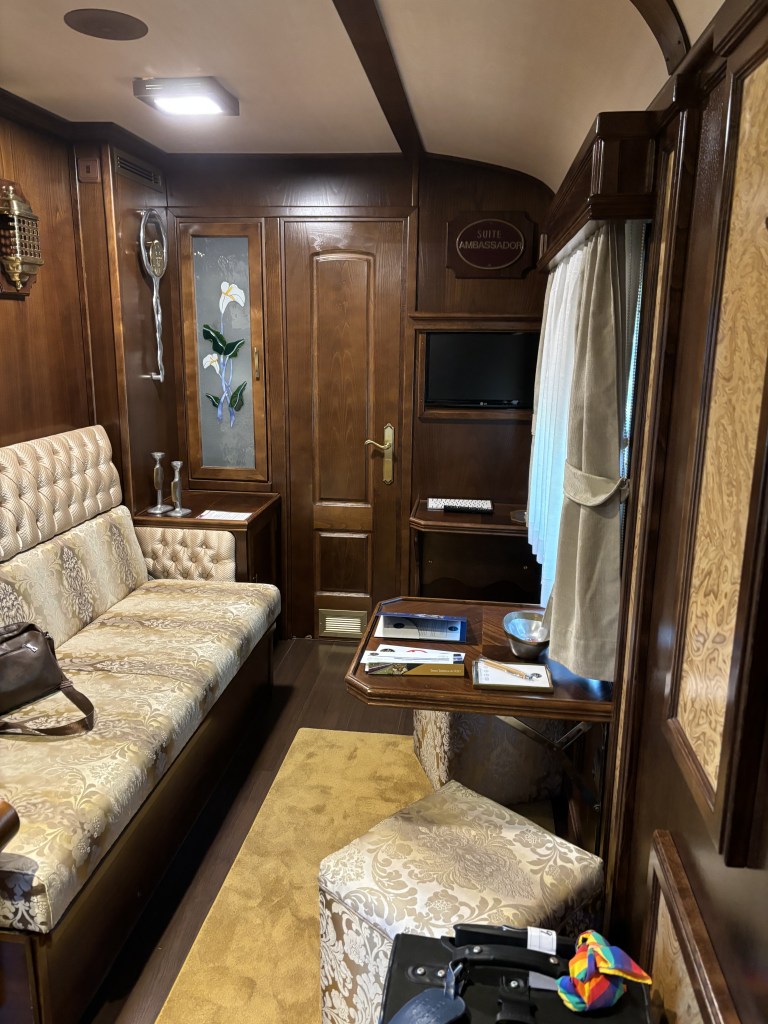
My room – Sitting Area 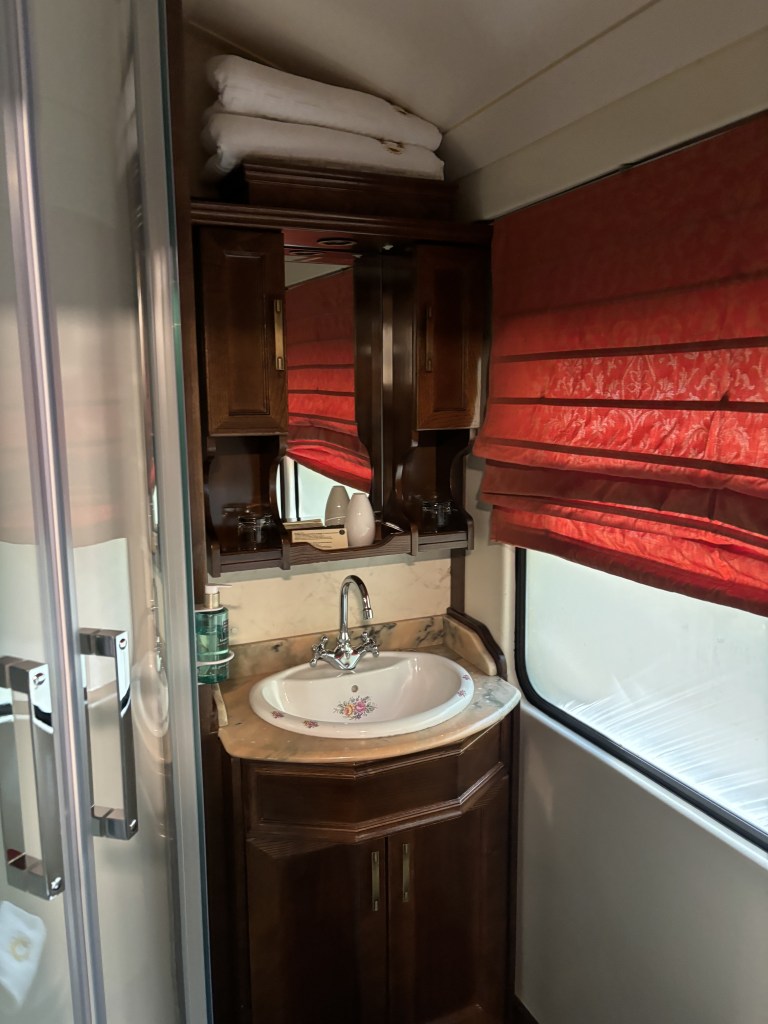
My room – The Bath 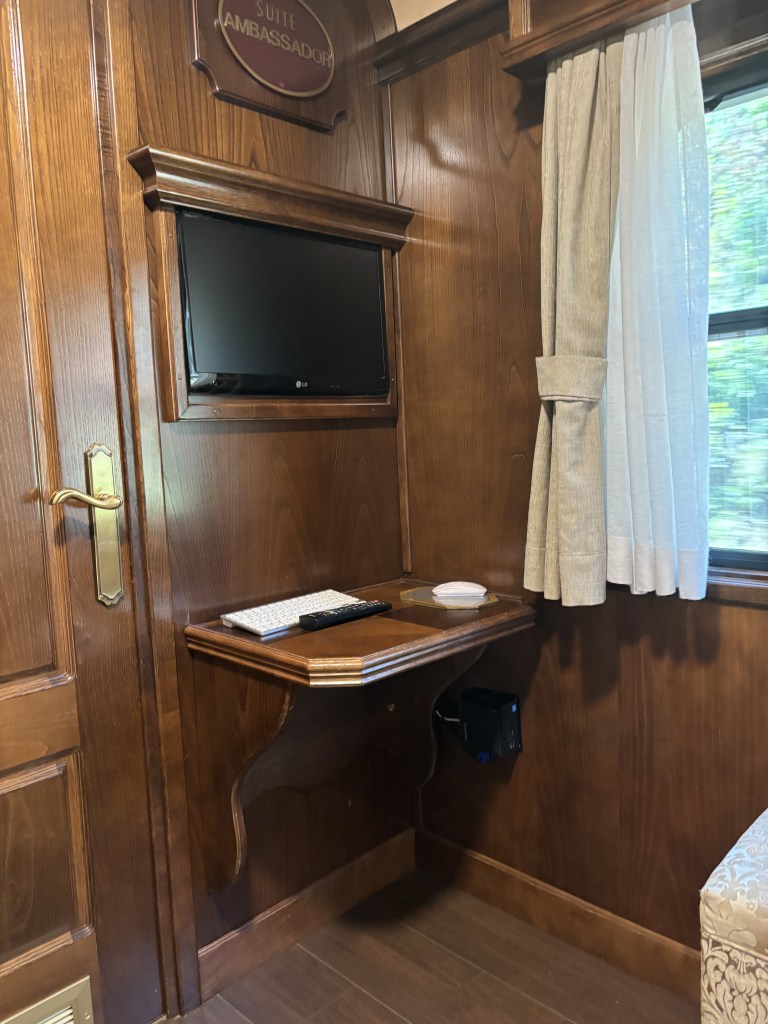
My room – Small Desk and TV 
Embroidered on the duvet 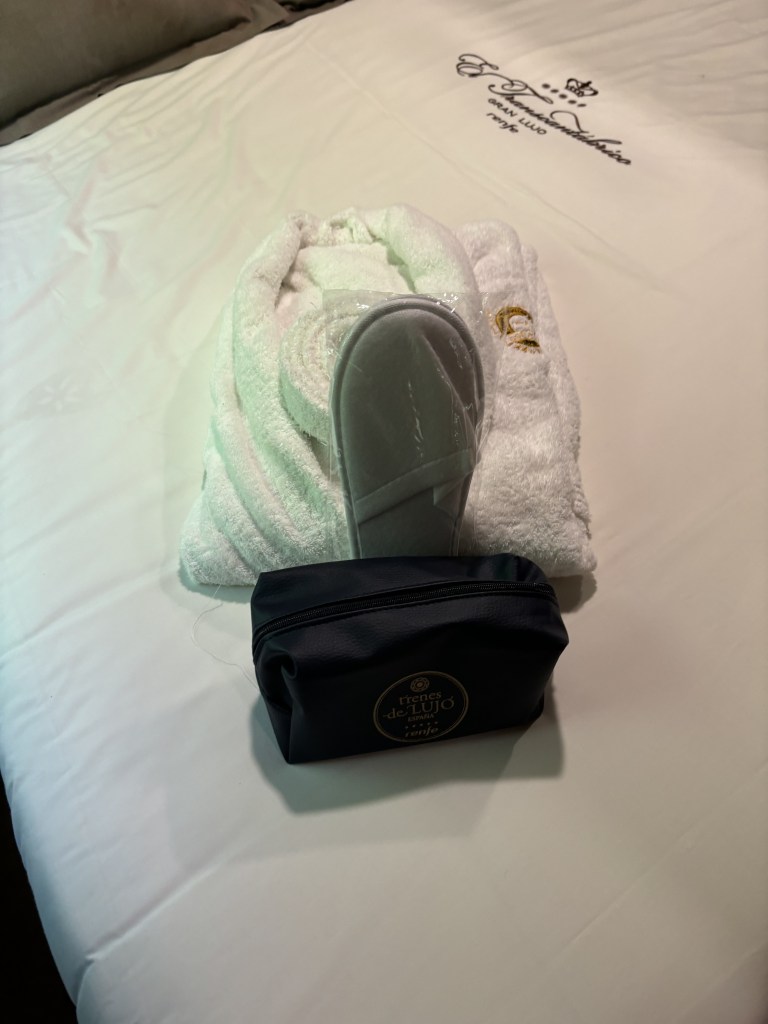
Amenity Kit 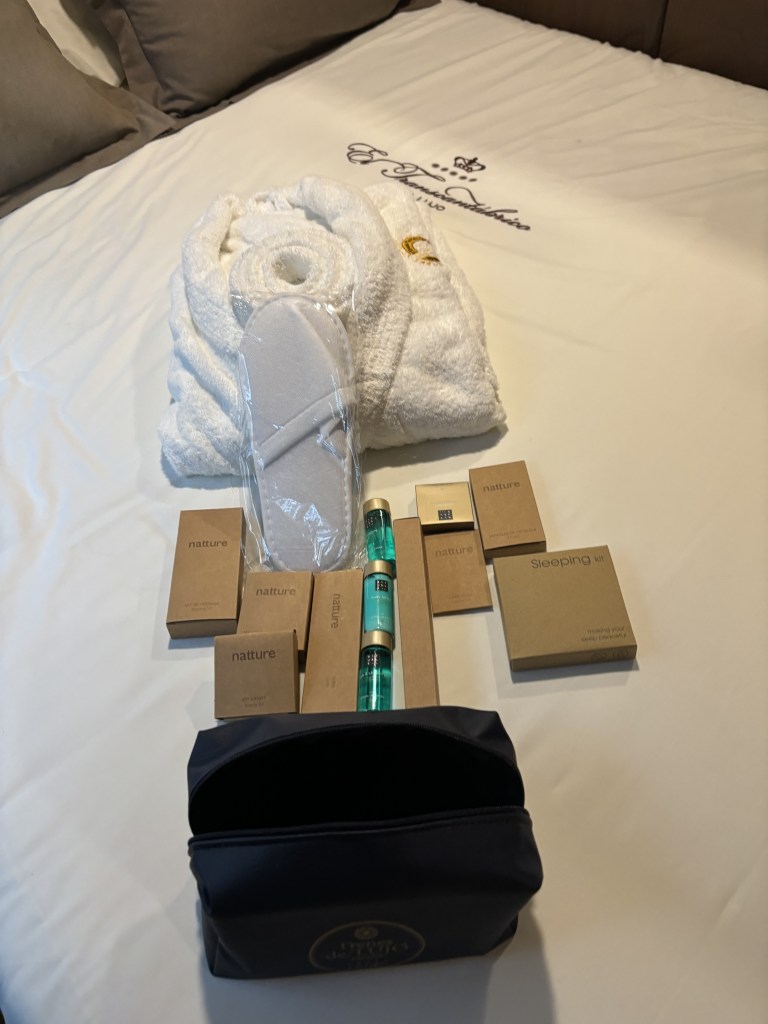
Amenity Kit 
Headed to Viveiro 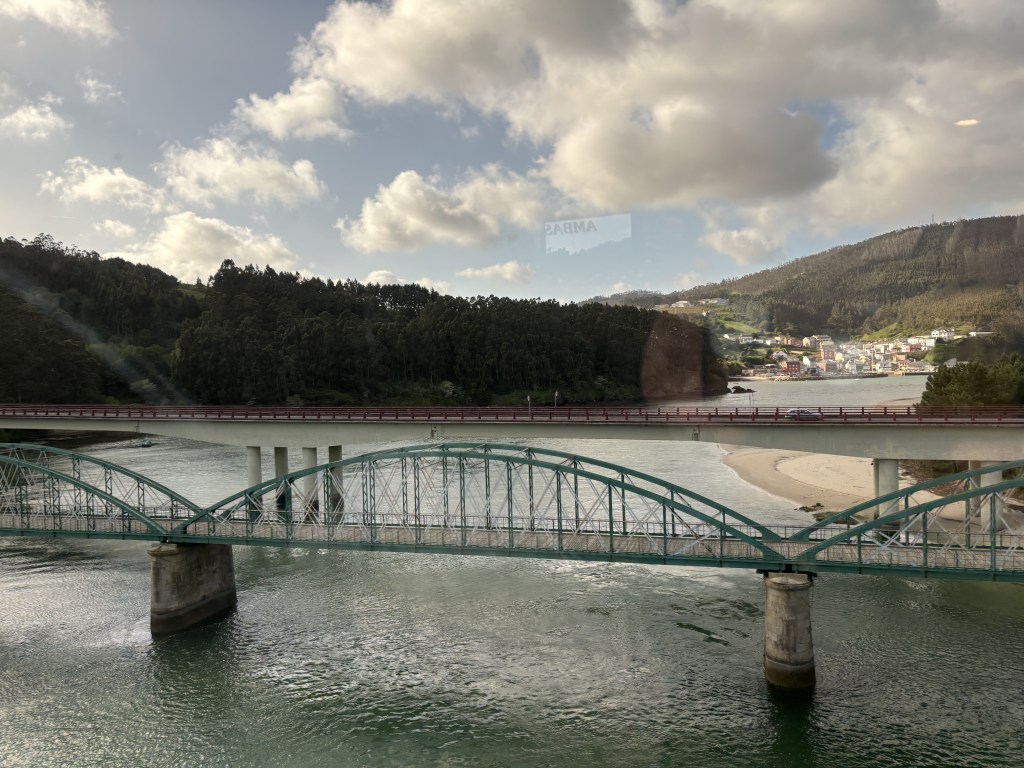
Headed to Viveiro 
Headed to Viveiro 
Headed to Viveiro 
Headed to Viveiro 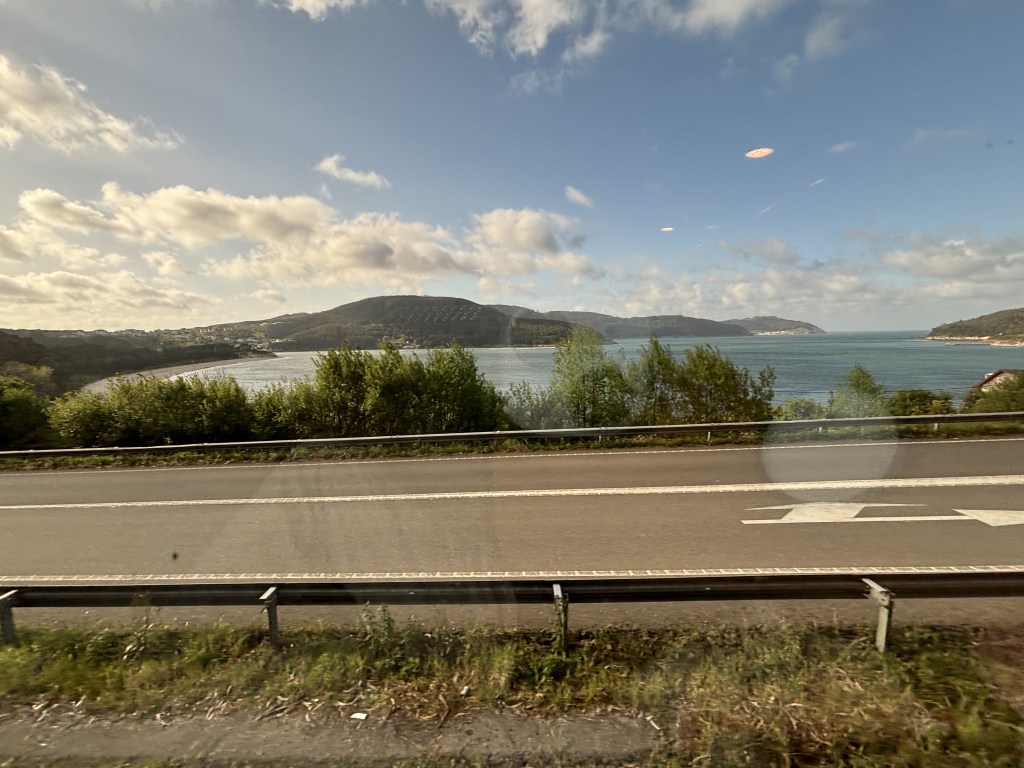
Headed to Viveiro 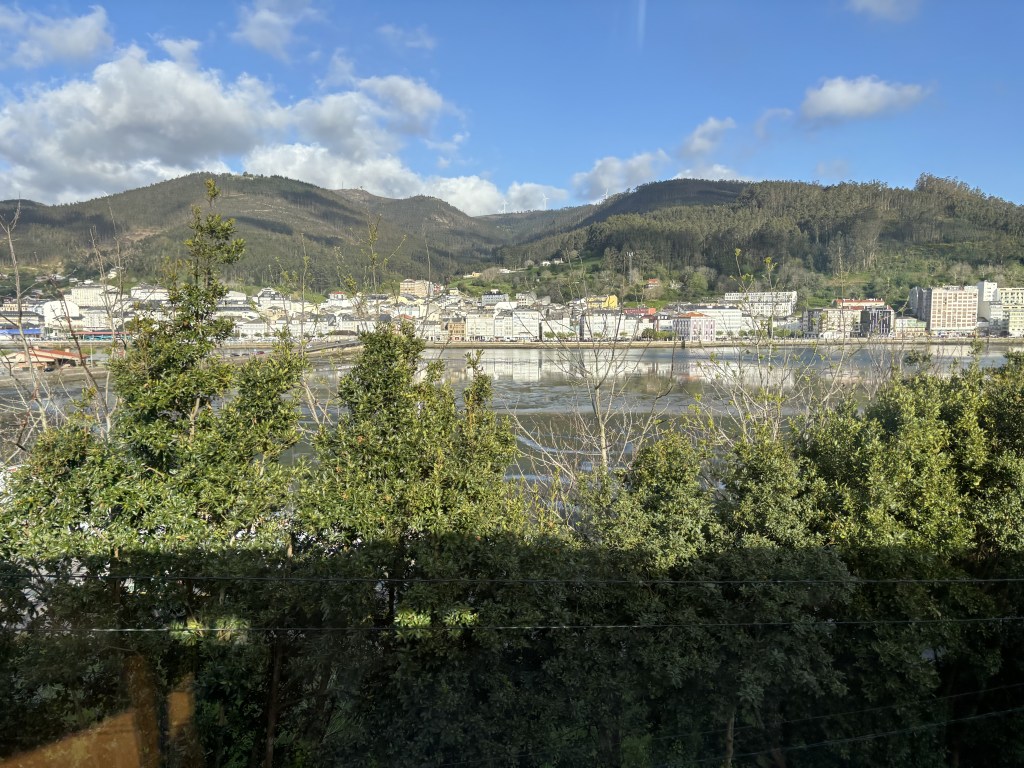
Headed to Viveiro 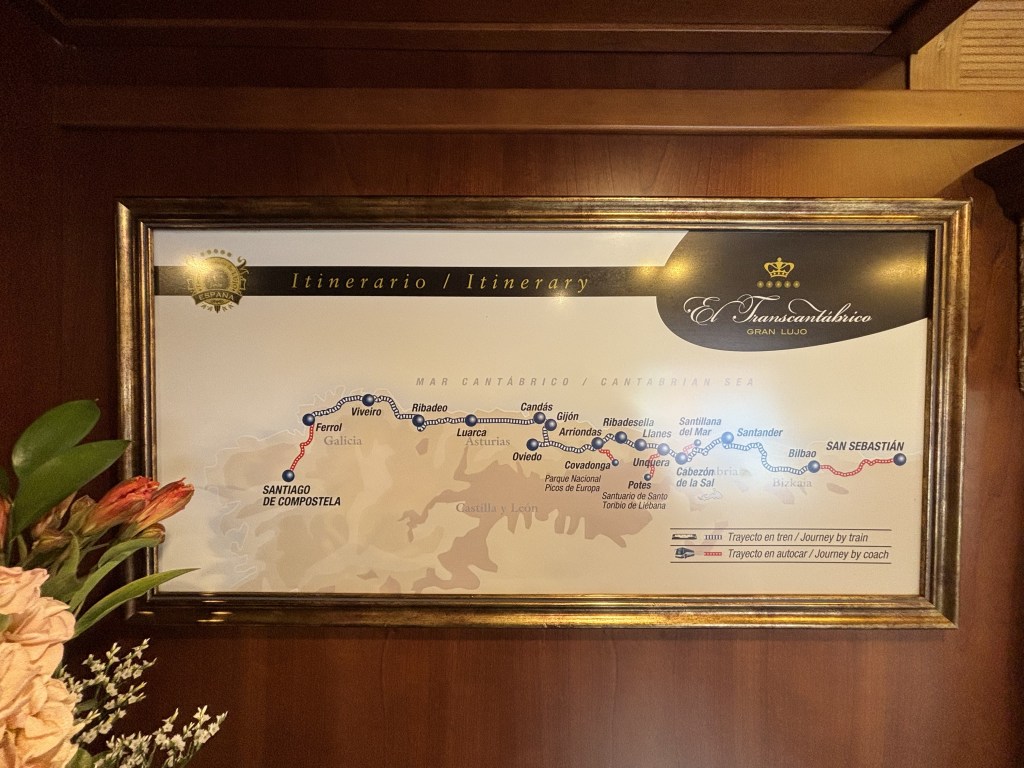
The Train – Rout Map 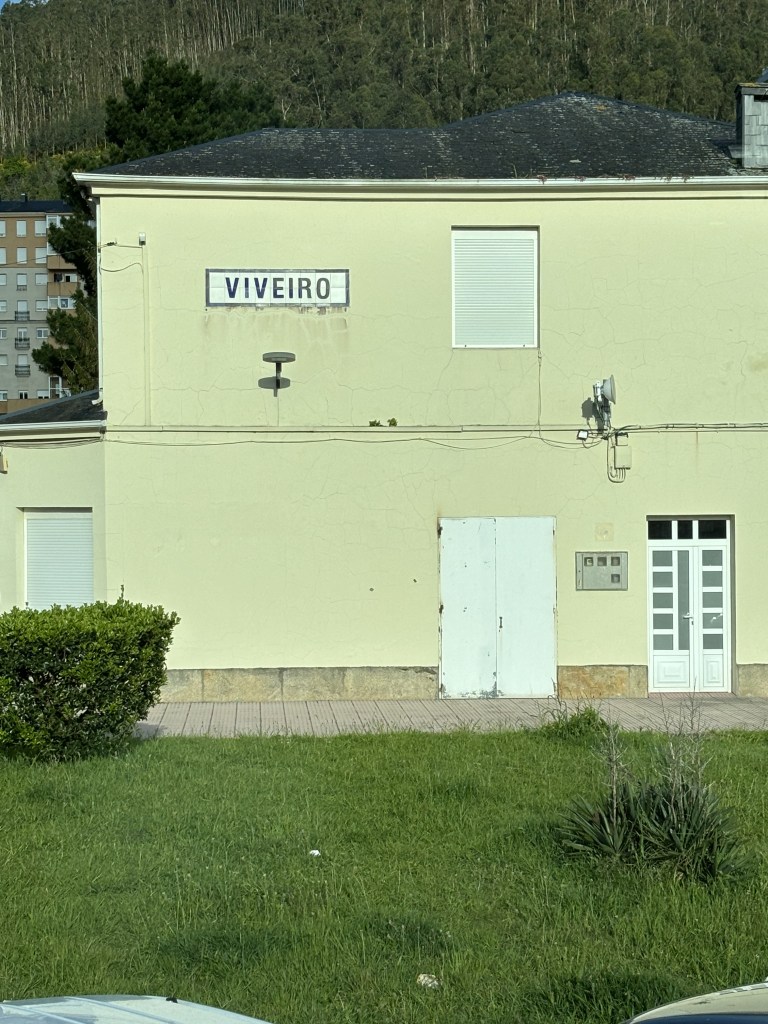

Low tide in Viveiro 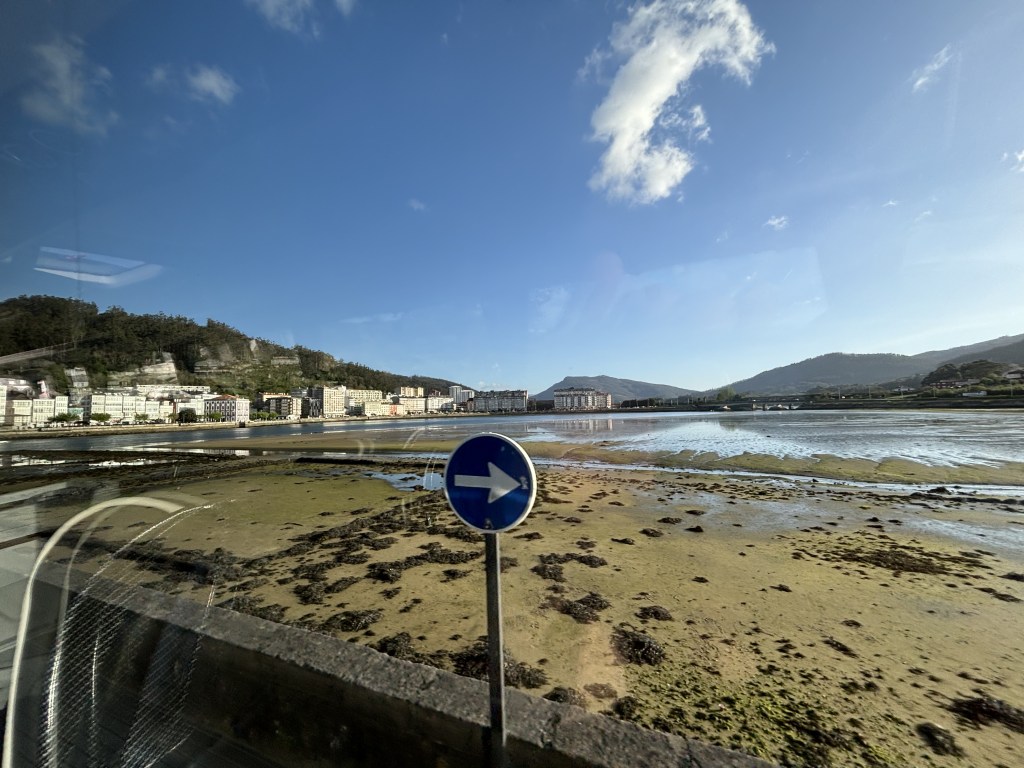
Low tide in Viveiro 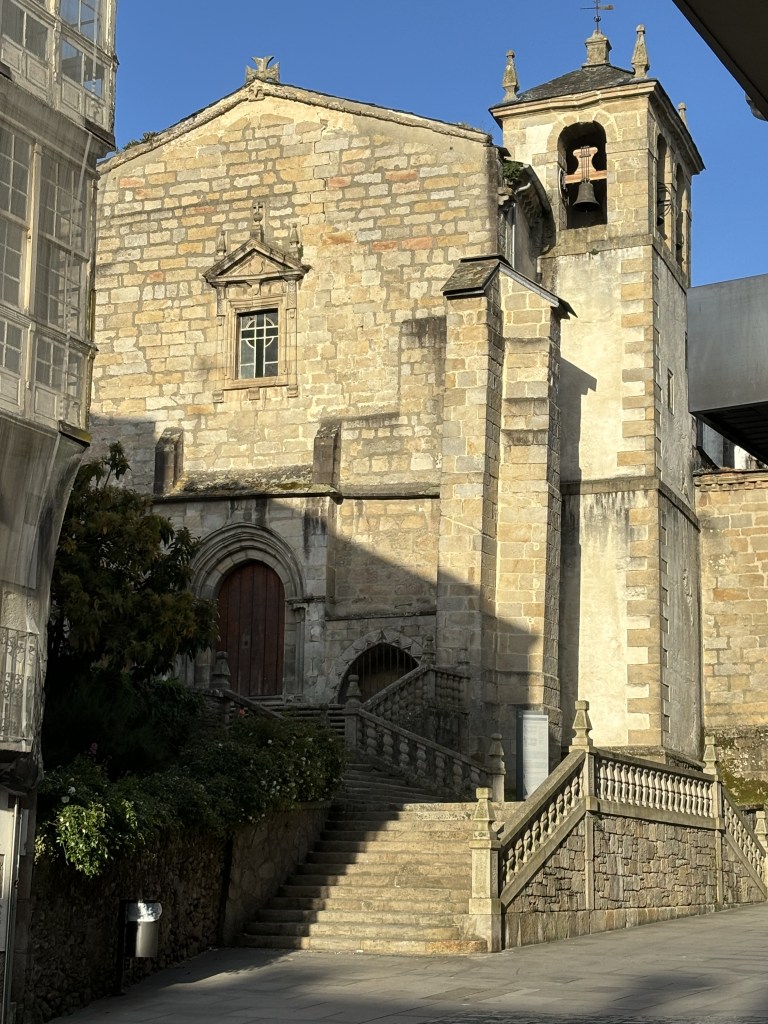
The town of Viveiro 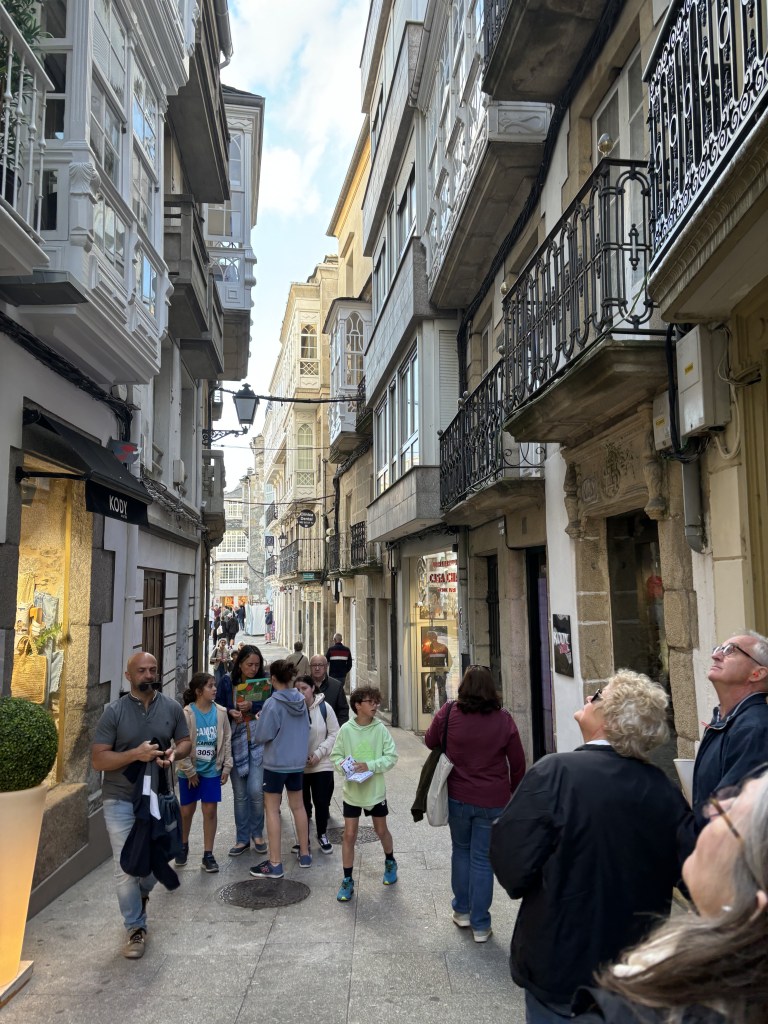
The town of Viveiro 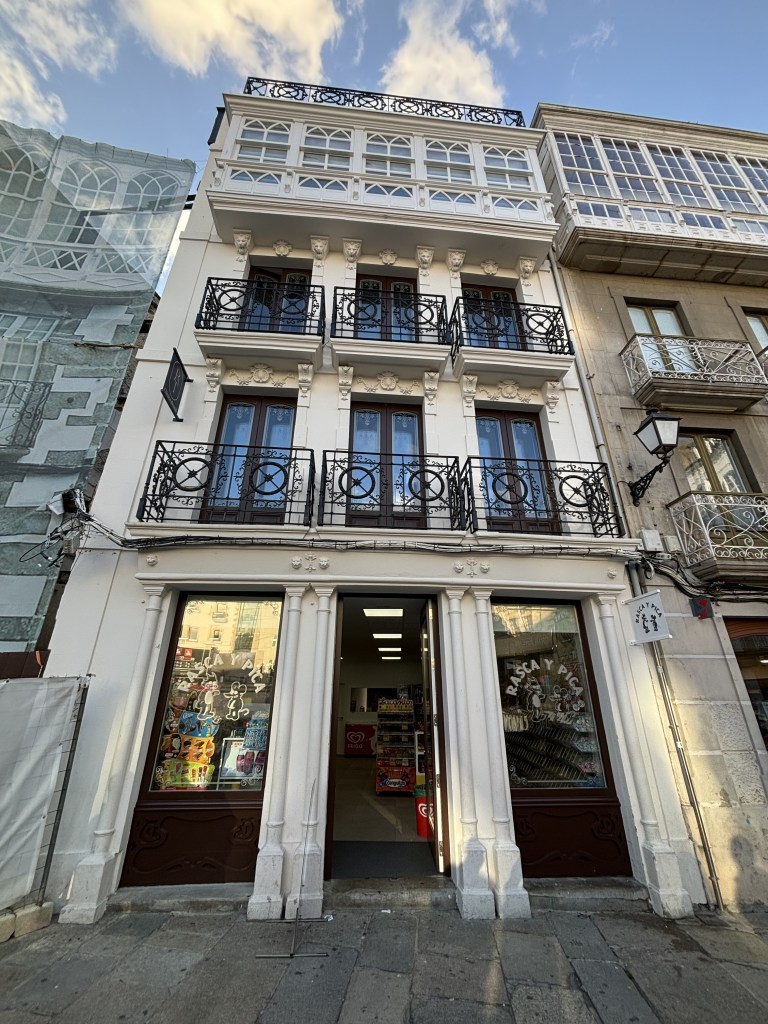
The town of Viveiro 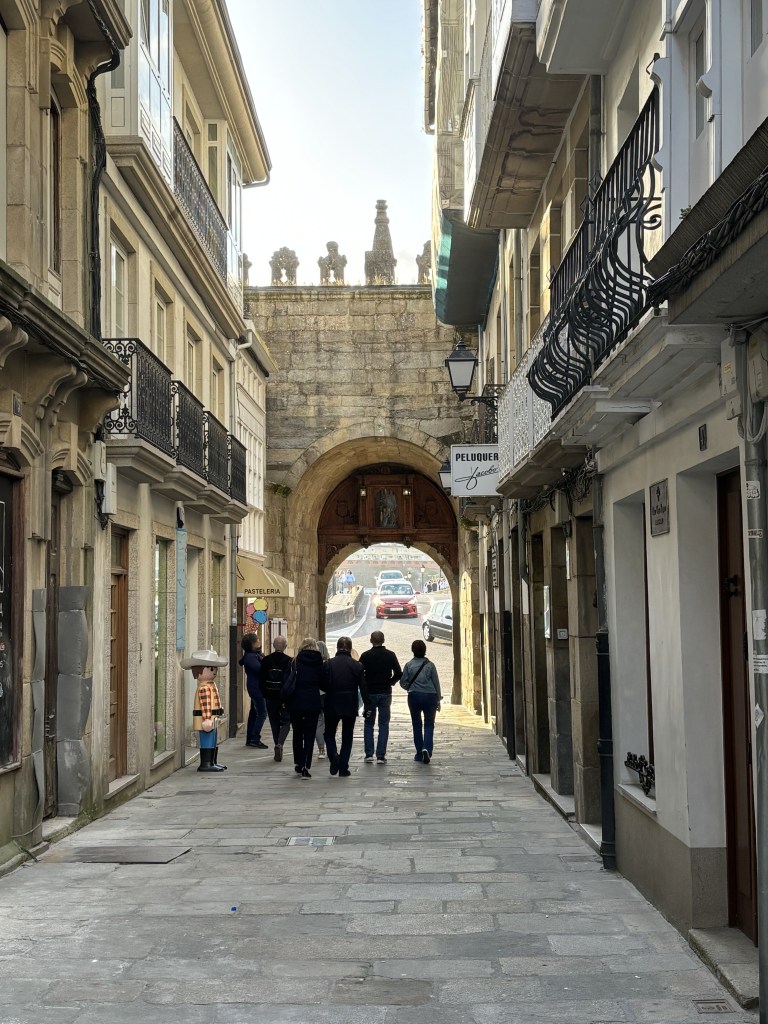
The town of Viveiro 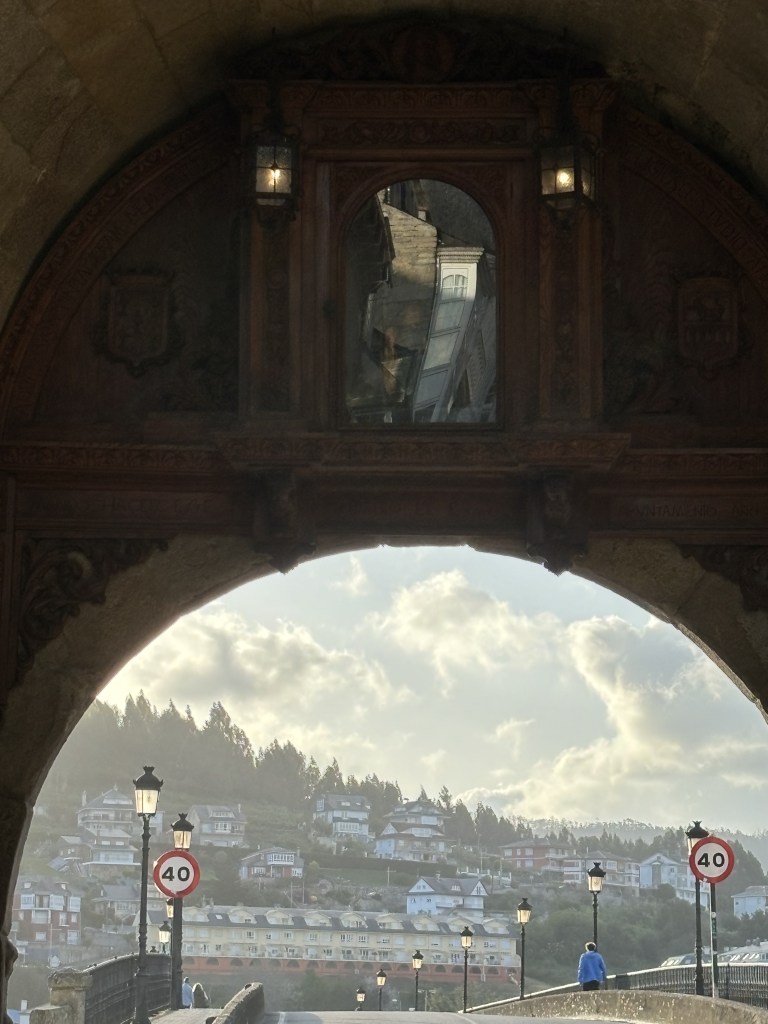
The town of Viveiro 
The town of Viveiro 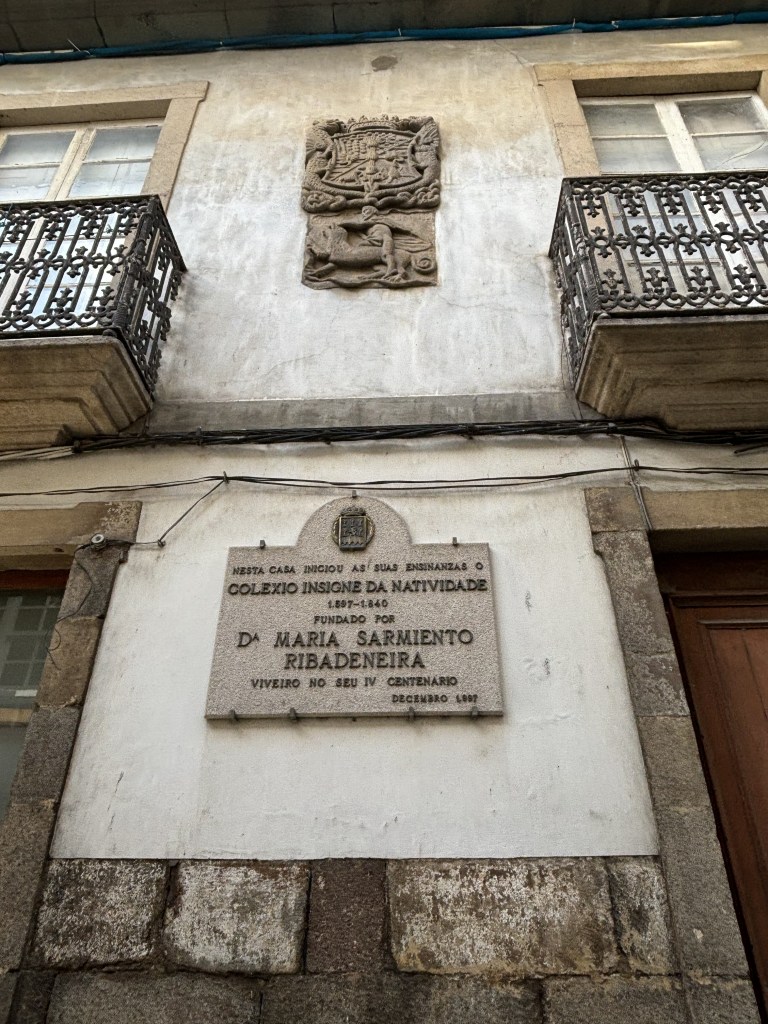
The town of Viveiro 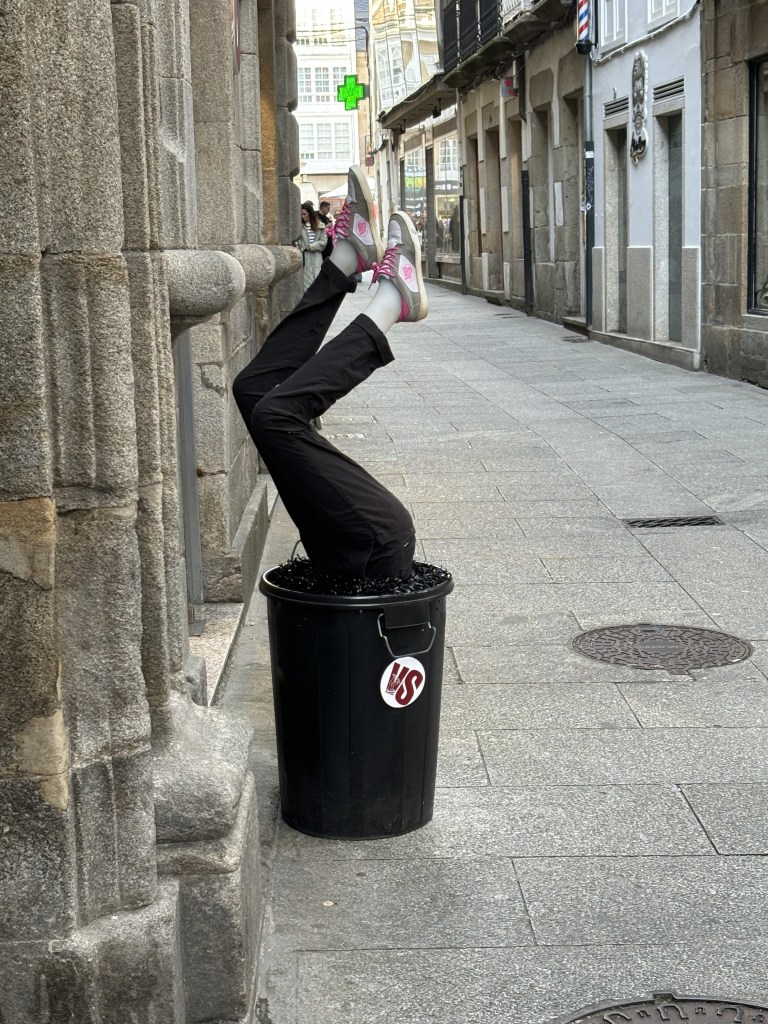
The town of Viveiro 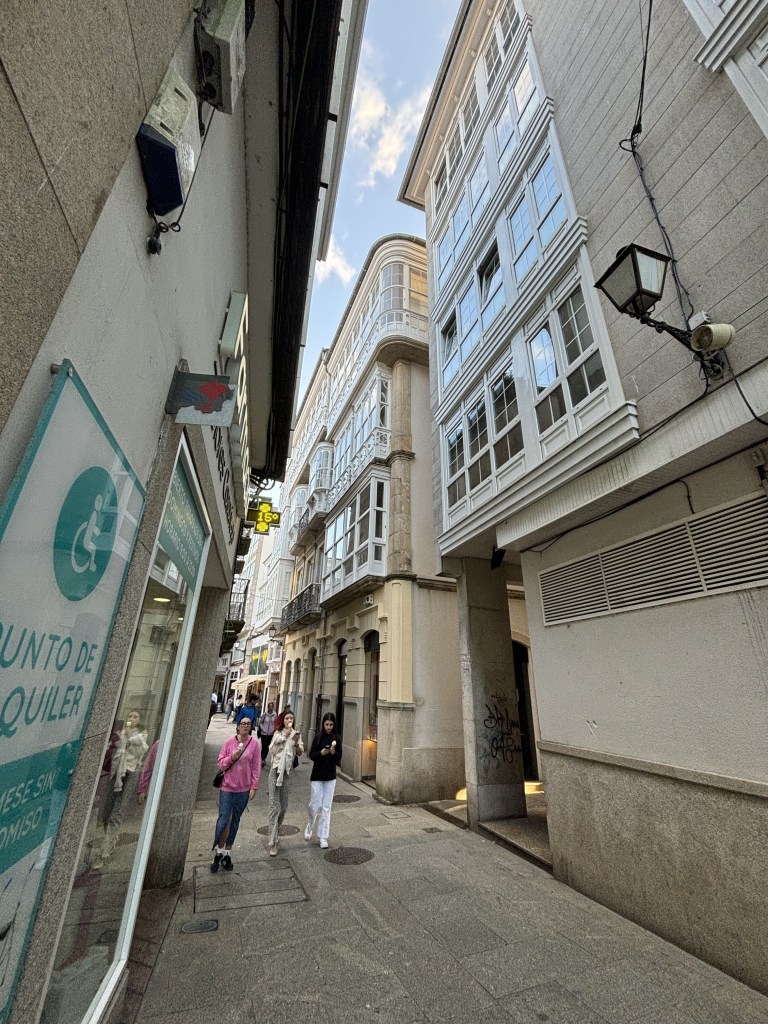
The town of Viveiro 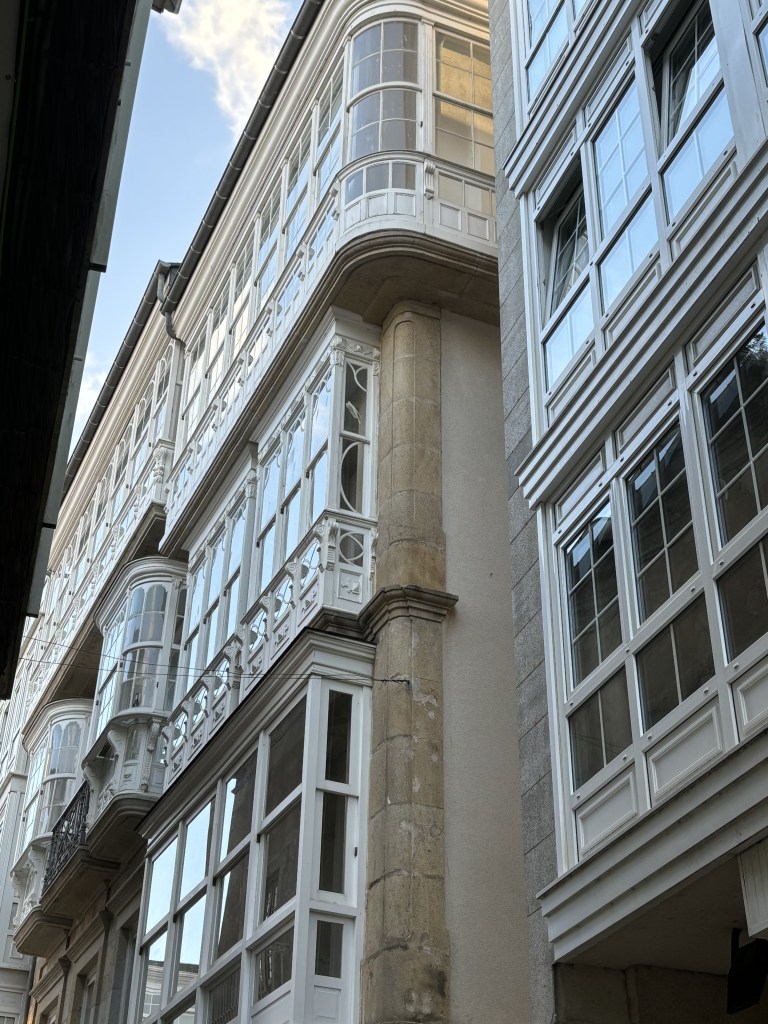
The town of Viveiro 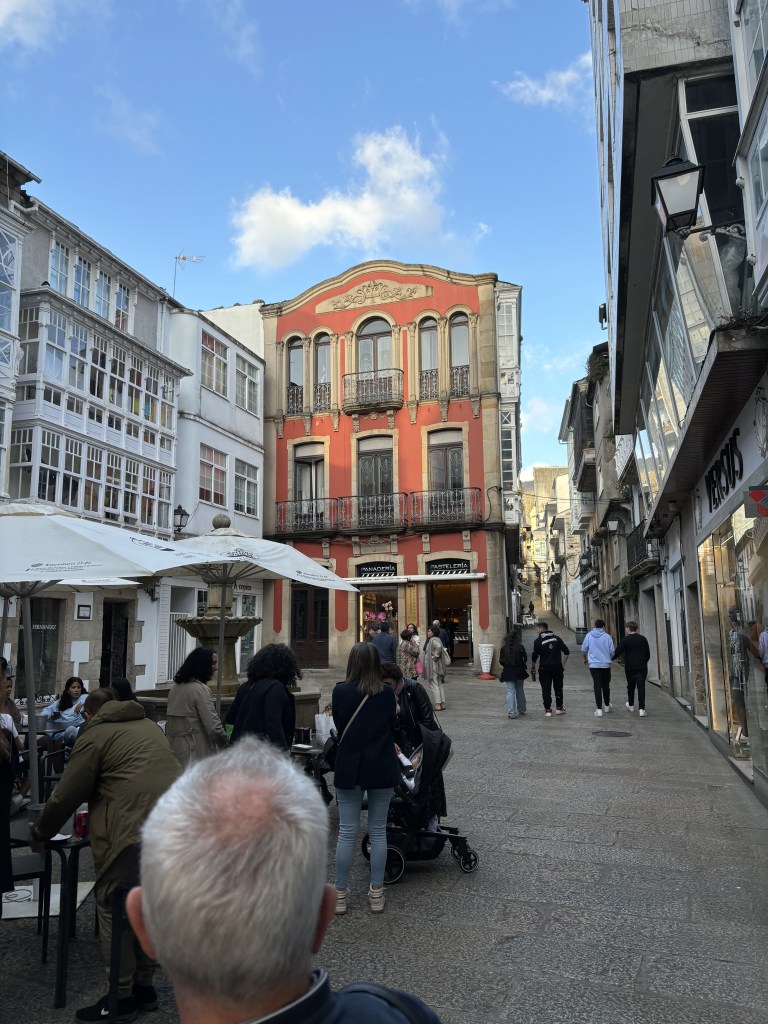
The town of Viveiro 
The town of Viveiro 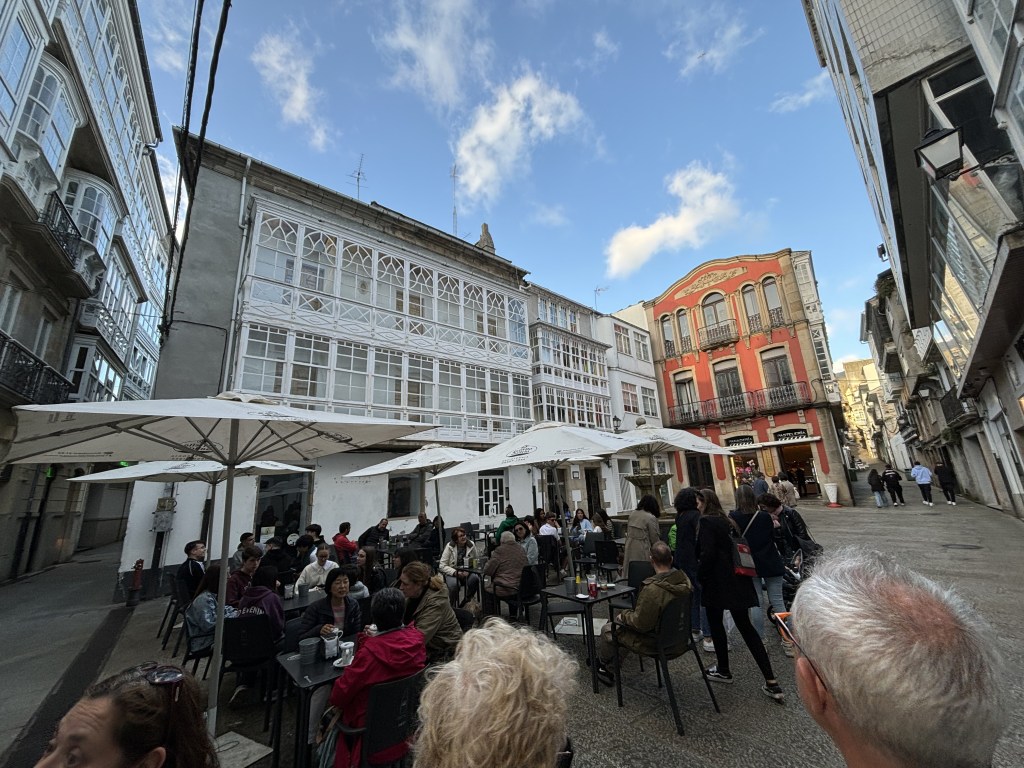
The town of Viveiro 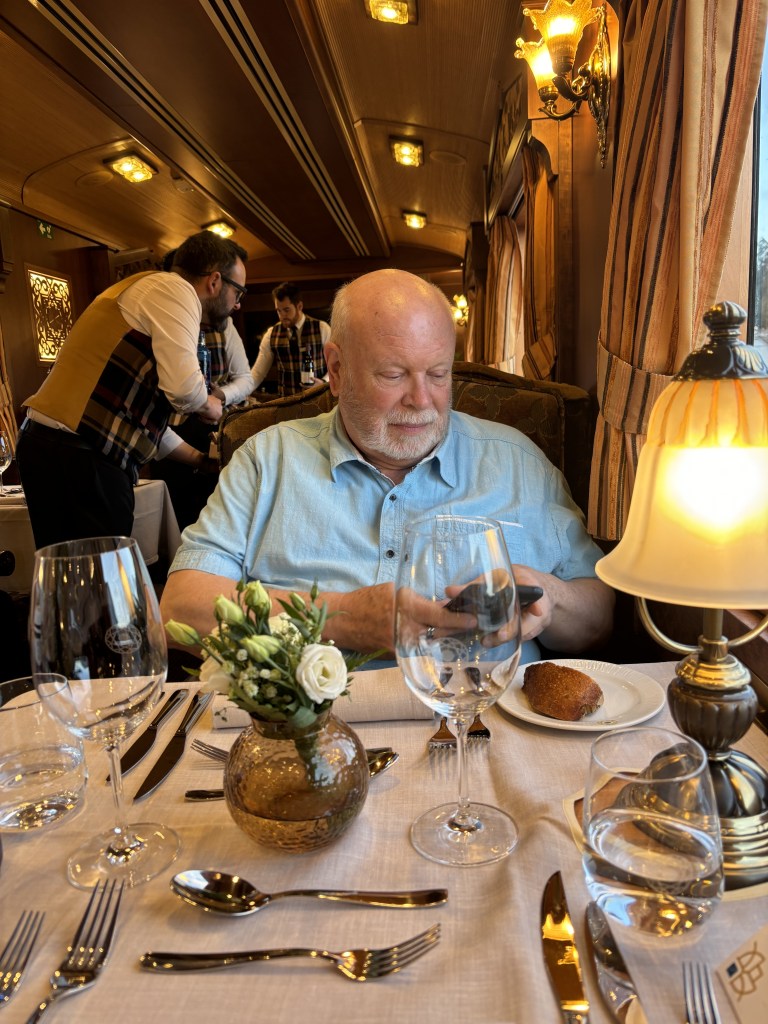
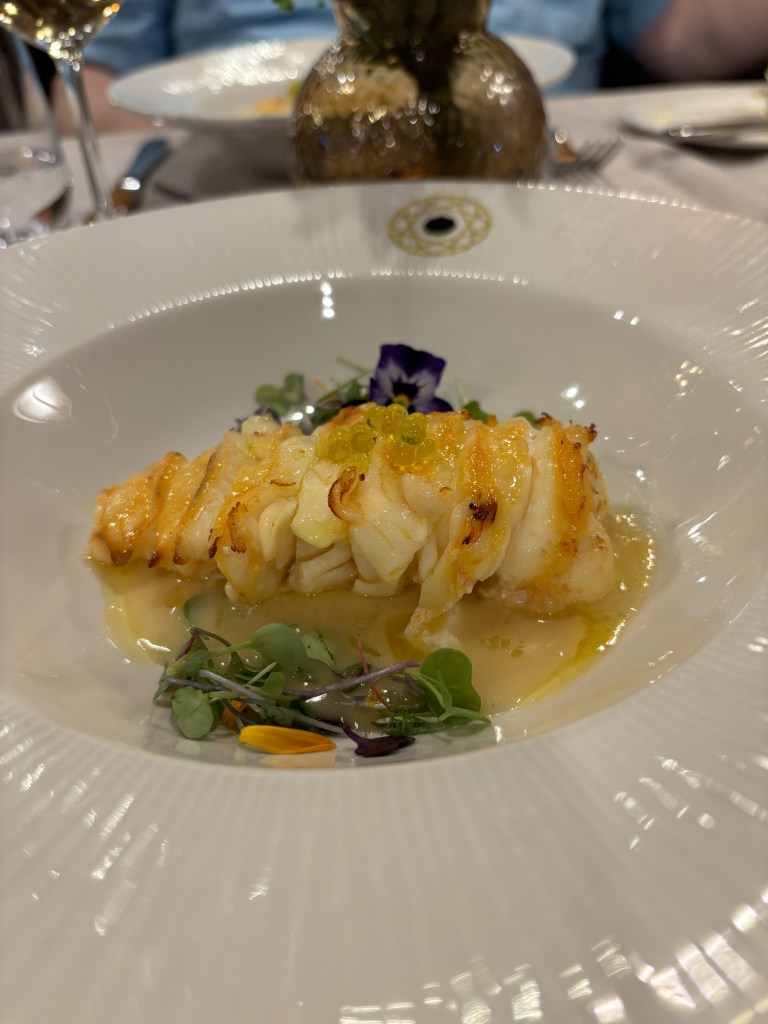
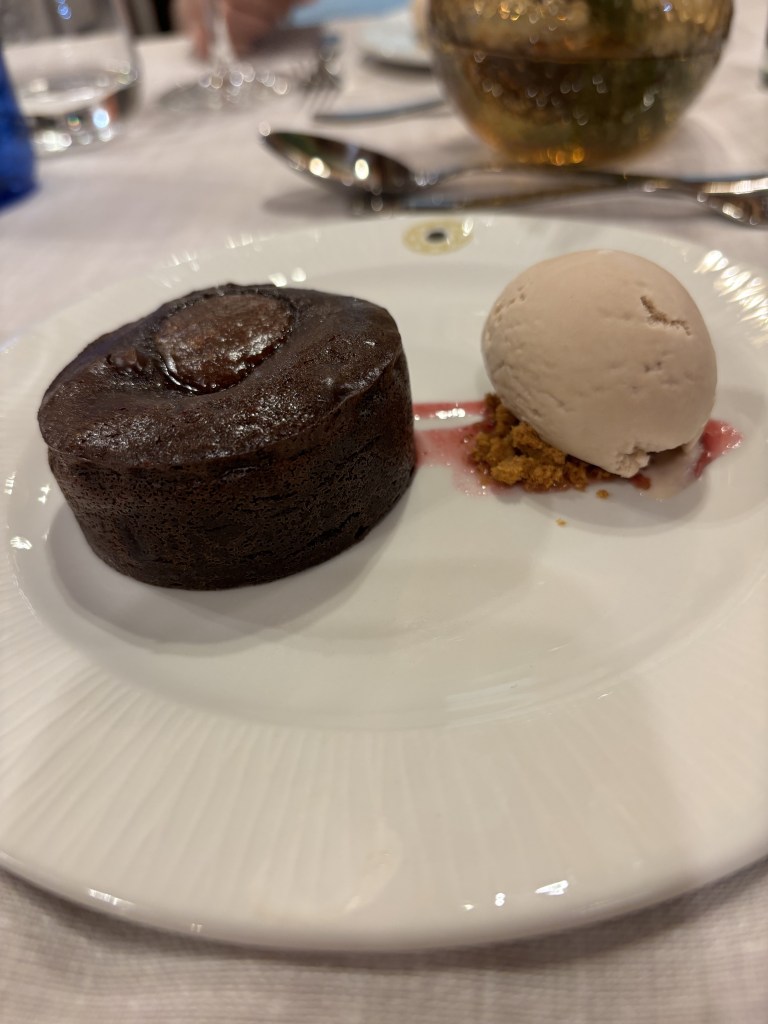
Dinner on the train 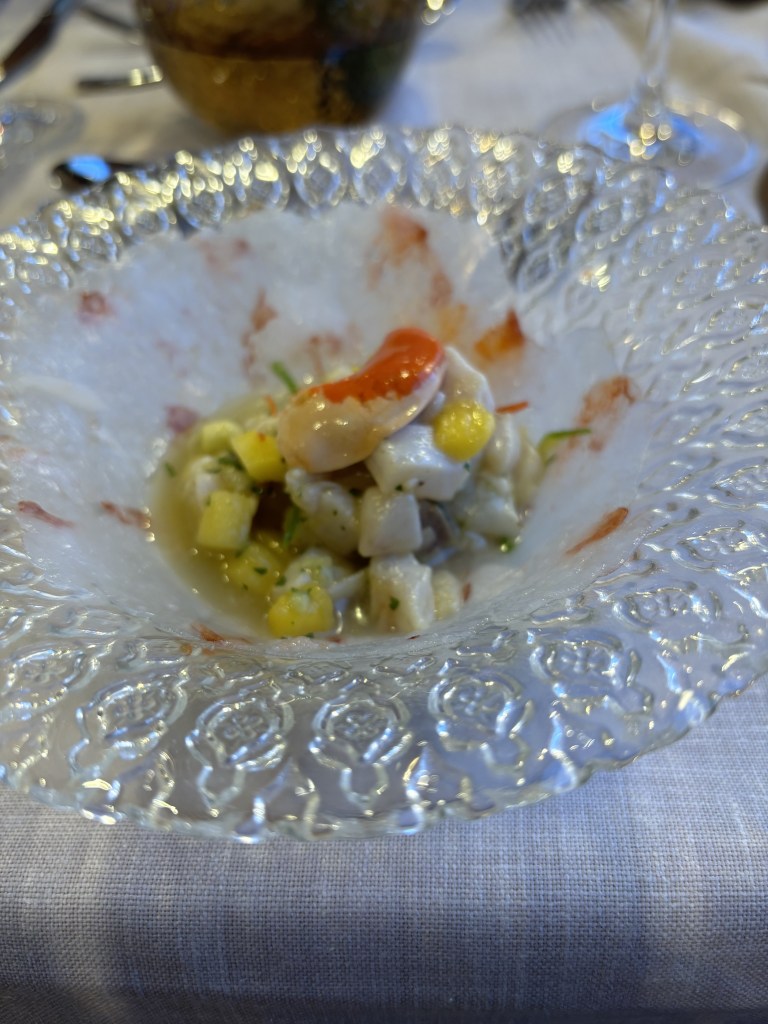
Ceviche 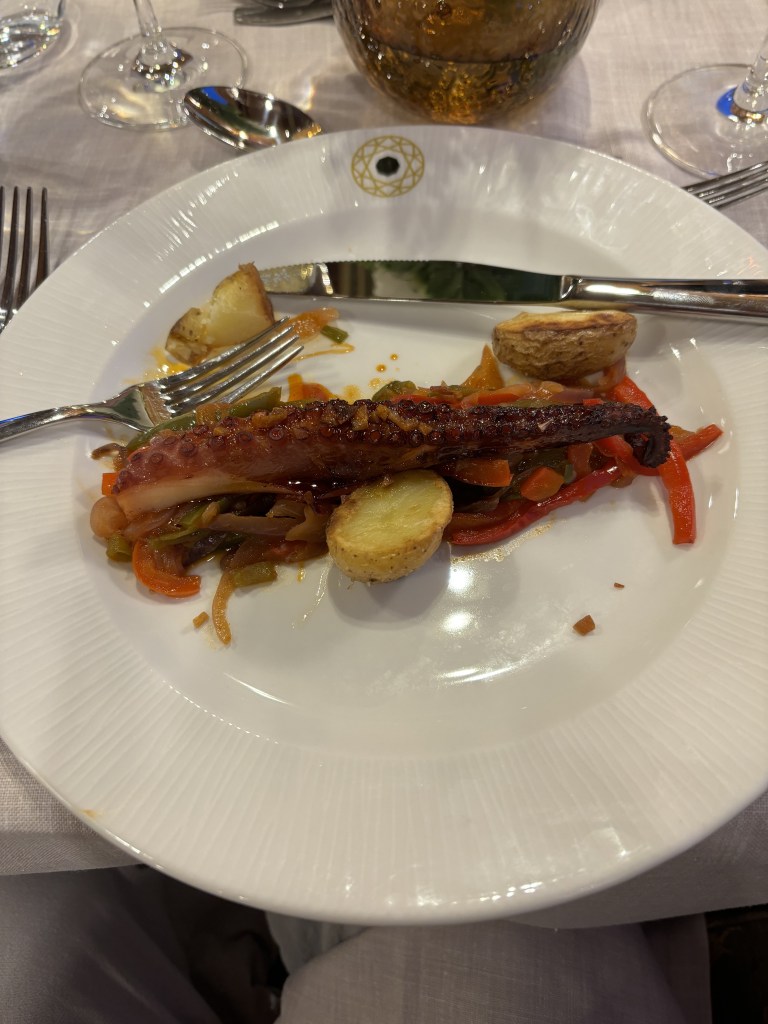
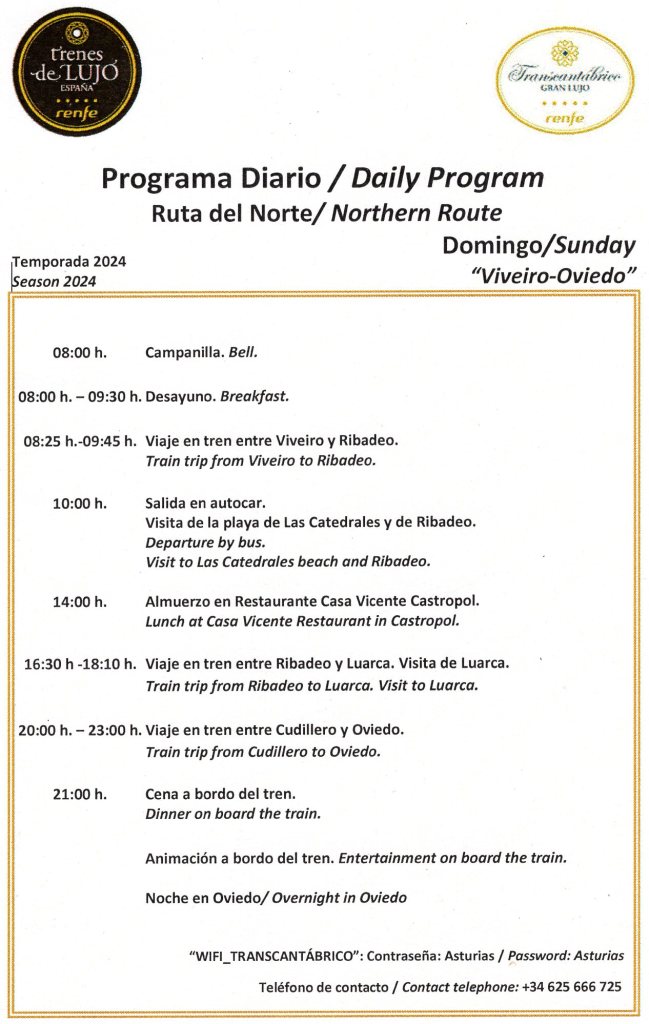
Day 6 – Viveiro-Oviedo
Viveiro (Galician pronunciation: [biˈβejɾʊ]; Spanish: Vivero [biˈβeɾo]) is a town and municipality in the province of Lugo, in the autonomous community of Galicia, Spain. It belongs to the comarca of A Mariña Occidental. It borders on the Cantabrian Sea, to the west of Xove and to the east of O Vicedo. It has a residential population of over 16,000 (2010 figures), which however triples in the summer months with visitors to the coastal region. From Wikipedia, the free encyclopedia
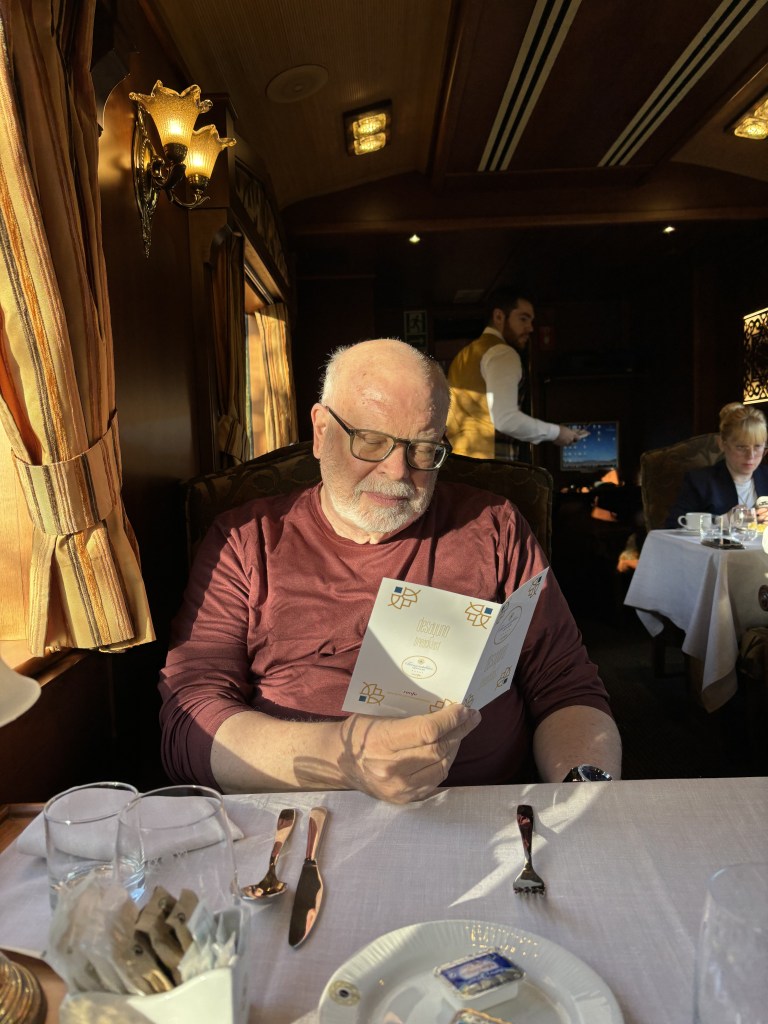
What an unforgettable day this turned out to be! We kicked things off with a delightful Spanish breakfast—a feast of cured meats, creamy cheeses, juicy fresh fruit, and an array of small bites. To top it all off, we savored cooked-to-order dishes like eggs, perfectly made to our liking.
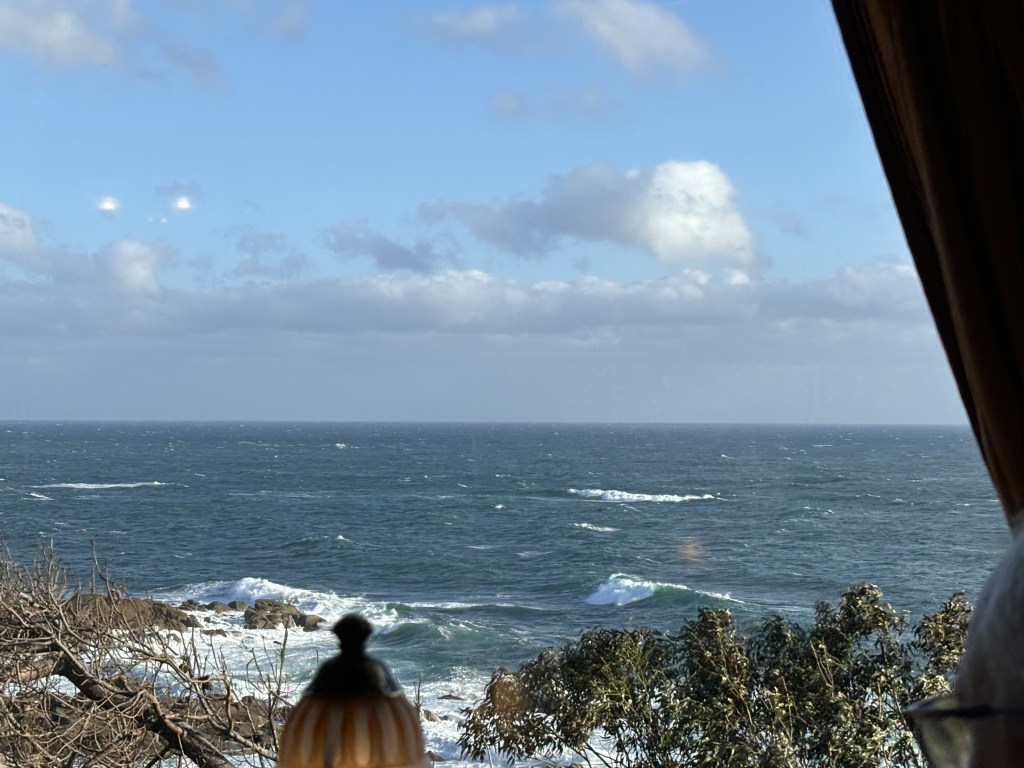
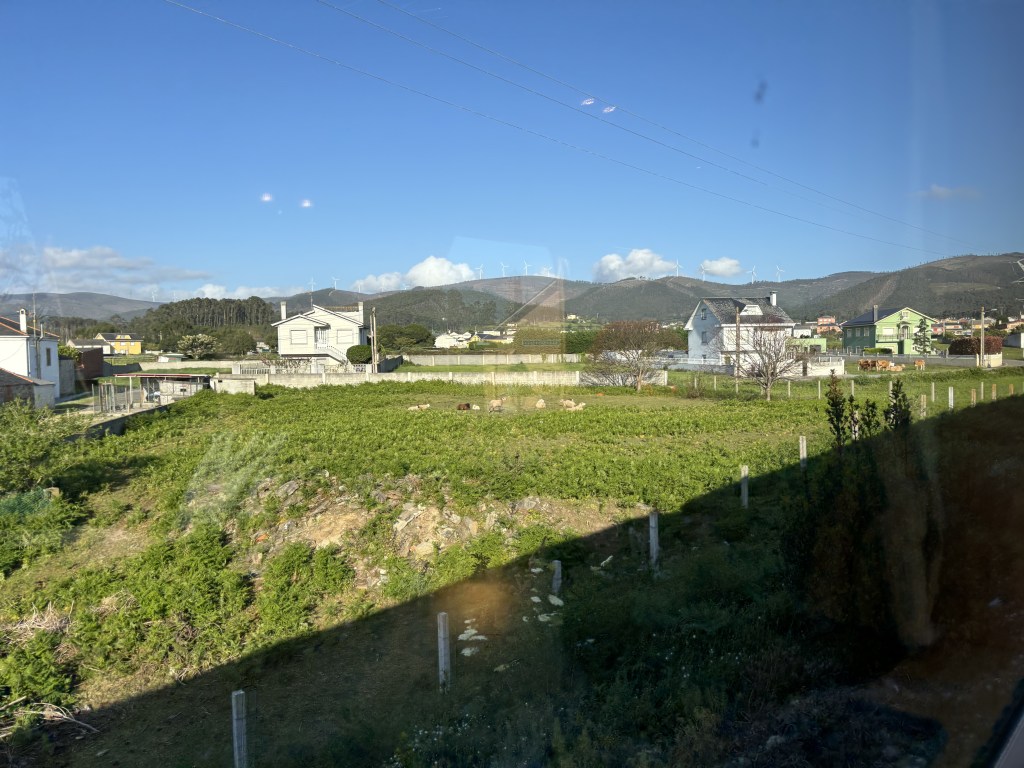
As we indulged in our meal, our train glided through the stunning landscapes from Viveiro to Ribadeo. Imagine sipping coffee while watching rolling hills and charming villages pass by—it was pure magic!

Once we arrived in Ribadeo, we hopped onto our motor coach, which faithfully followed the train throughout our adventure. Our first stop? The coast and old mines before making our way to the breathtaking Playa de las Catedrales, or Los Catedrales Beach, a place as awe-inspiring as its name suggests.
I quickly realized I hadn’t dressed quite right for northern Spain’s cool, breezy weather, but who cares about a little chill when you’re about to step onto such an iconic beach? With low tide revealing the majestic rock arches and hidden caves, we eagerly made our way down, excitement overpowering any discomfort. It was the kind of moment that made every little hiccup worth it!
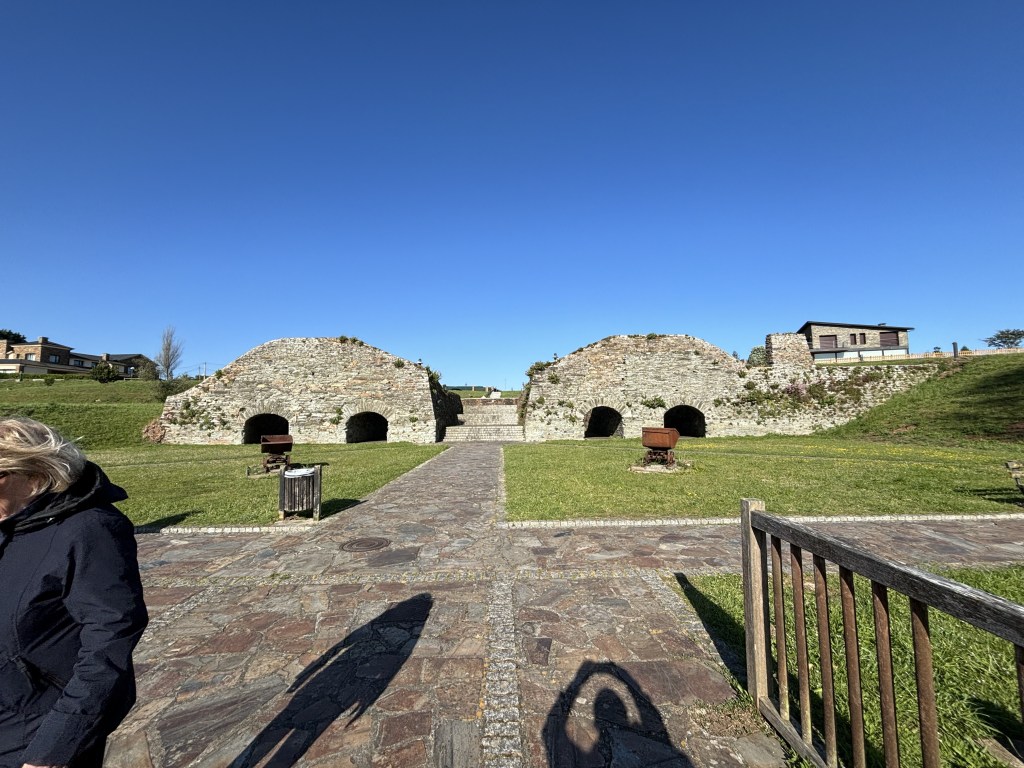
The old mines 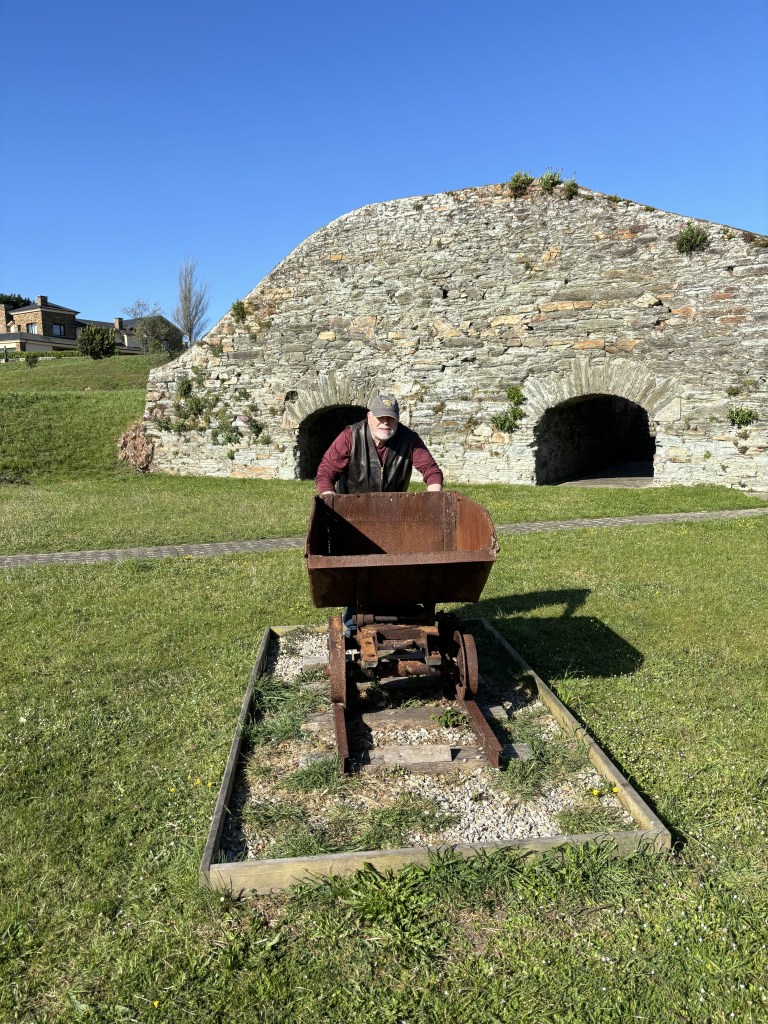
The old mines 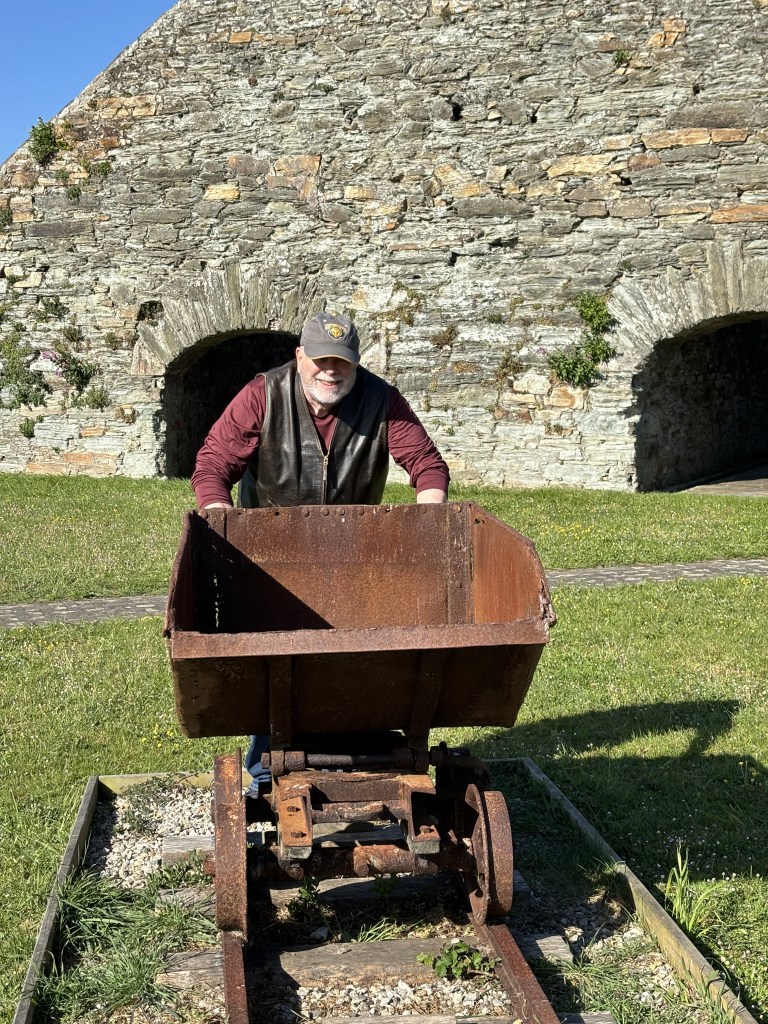
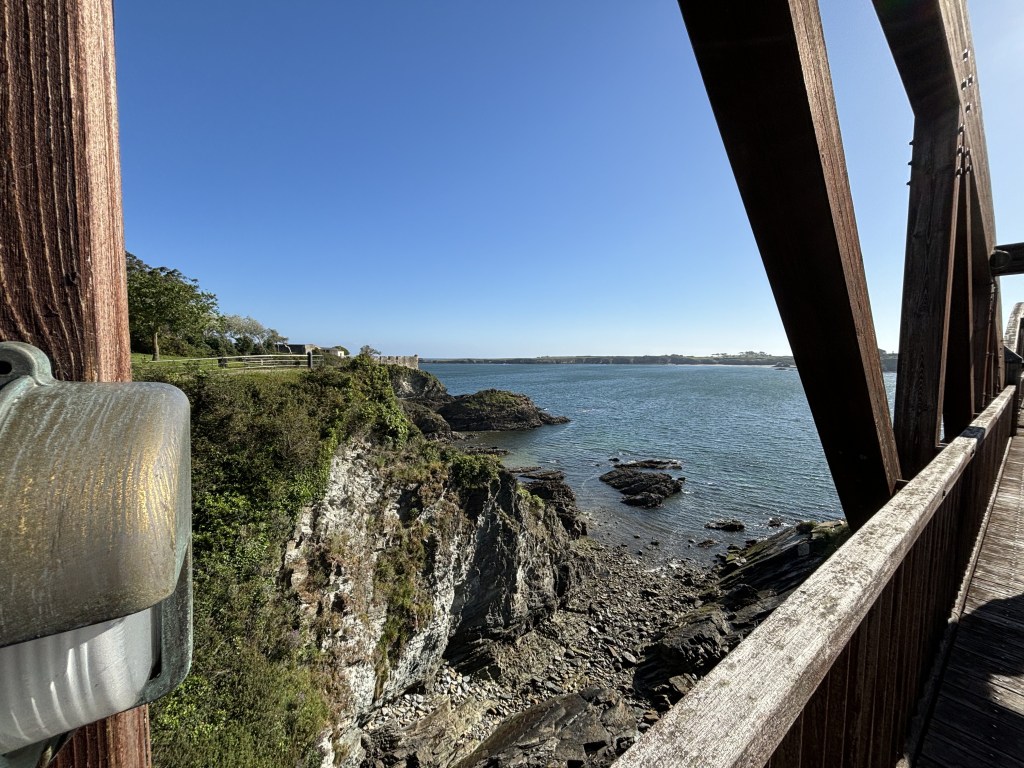
The old mines looking over the cliffs 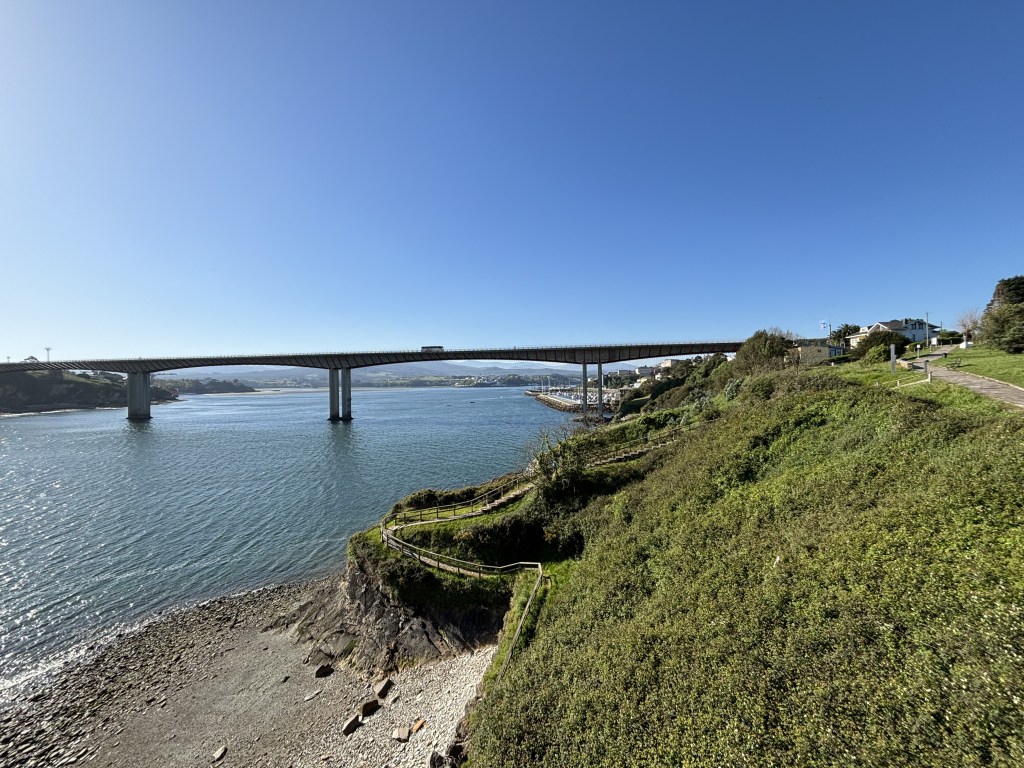
The old mines looking over the cliffs 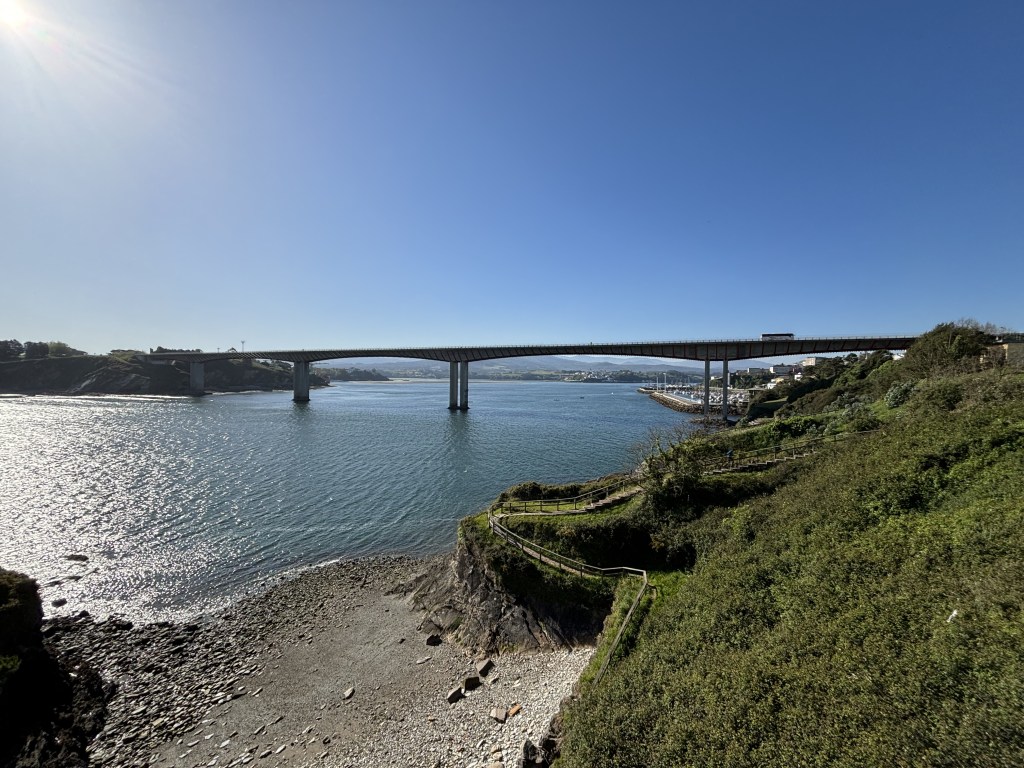
The old mines looking over the cliffs 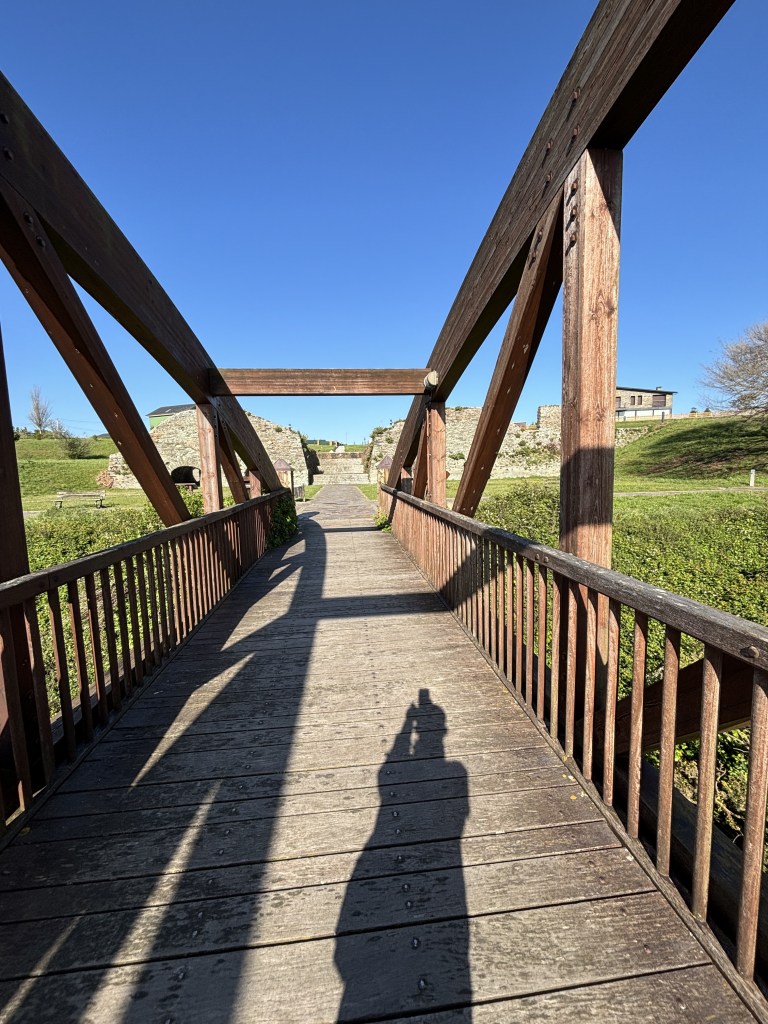
The old mines the pier 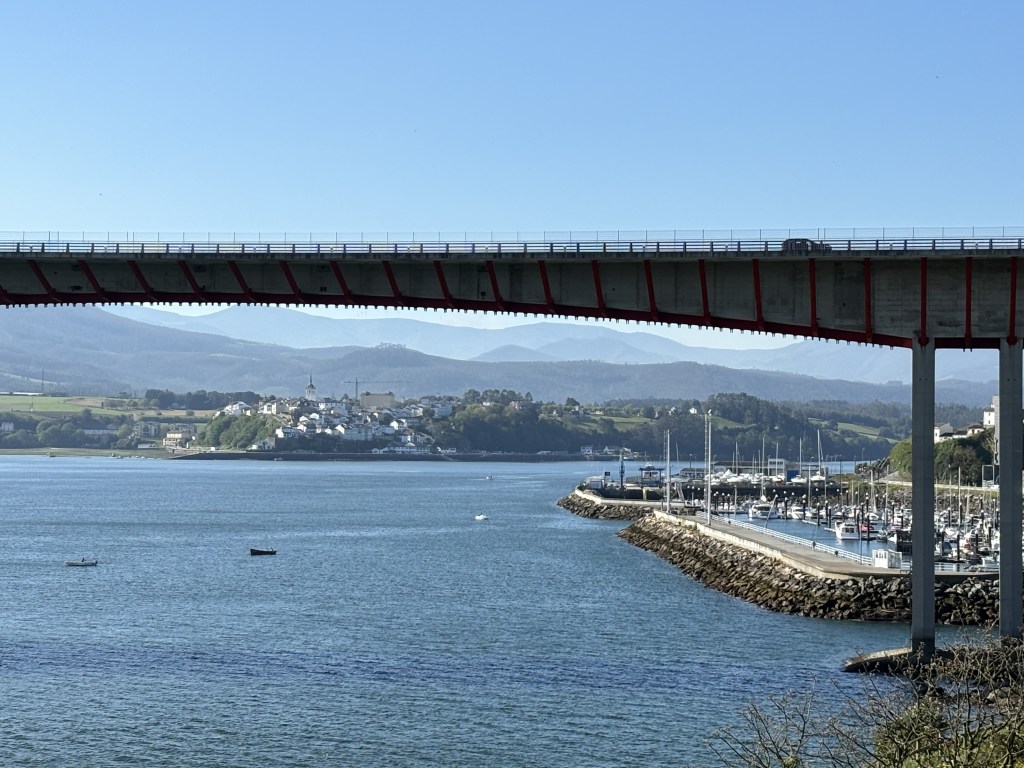
The old mines looking over the cliffs 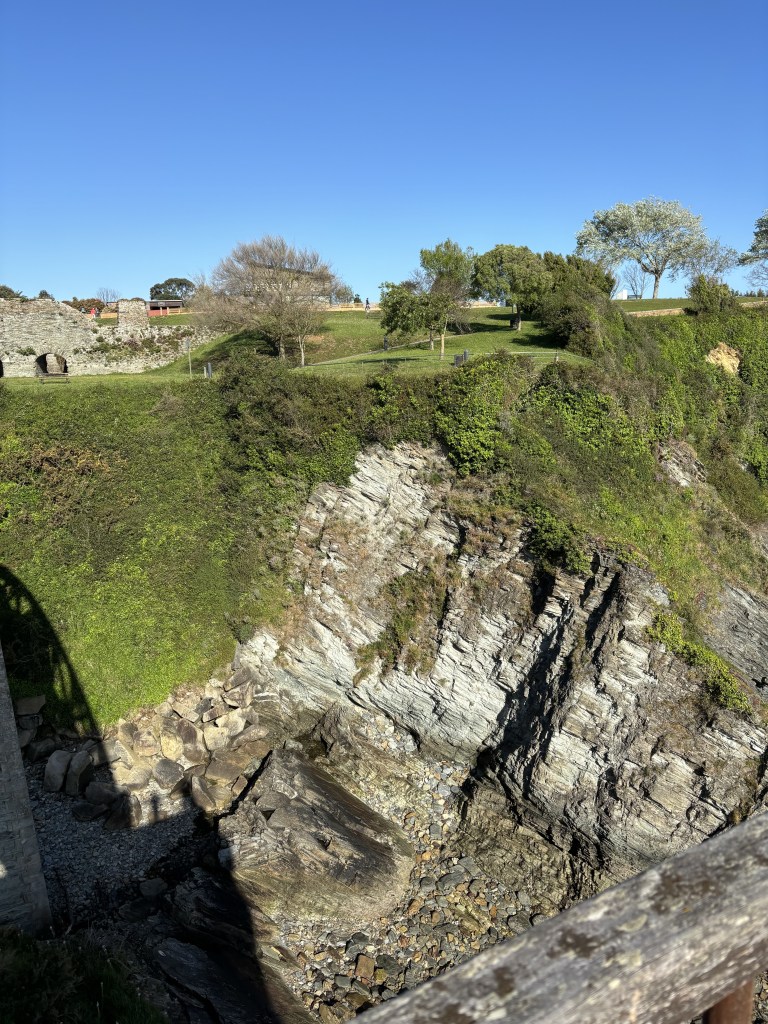
The old mines looking over the cliffs 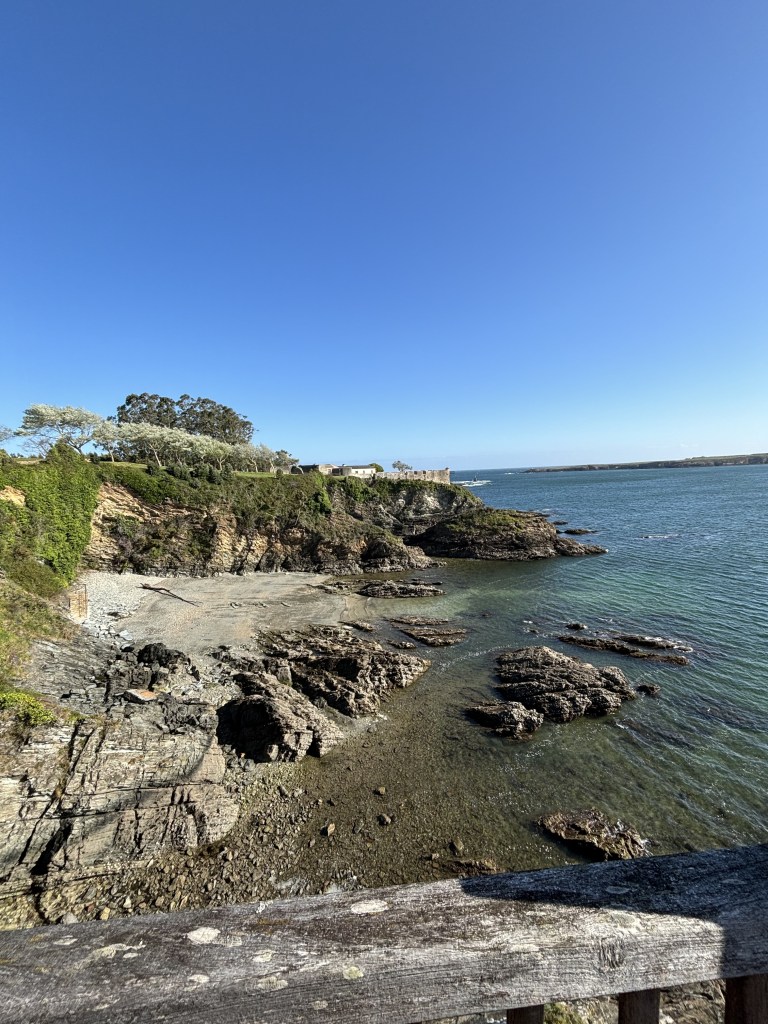
The old mines looking over the cliffs 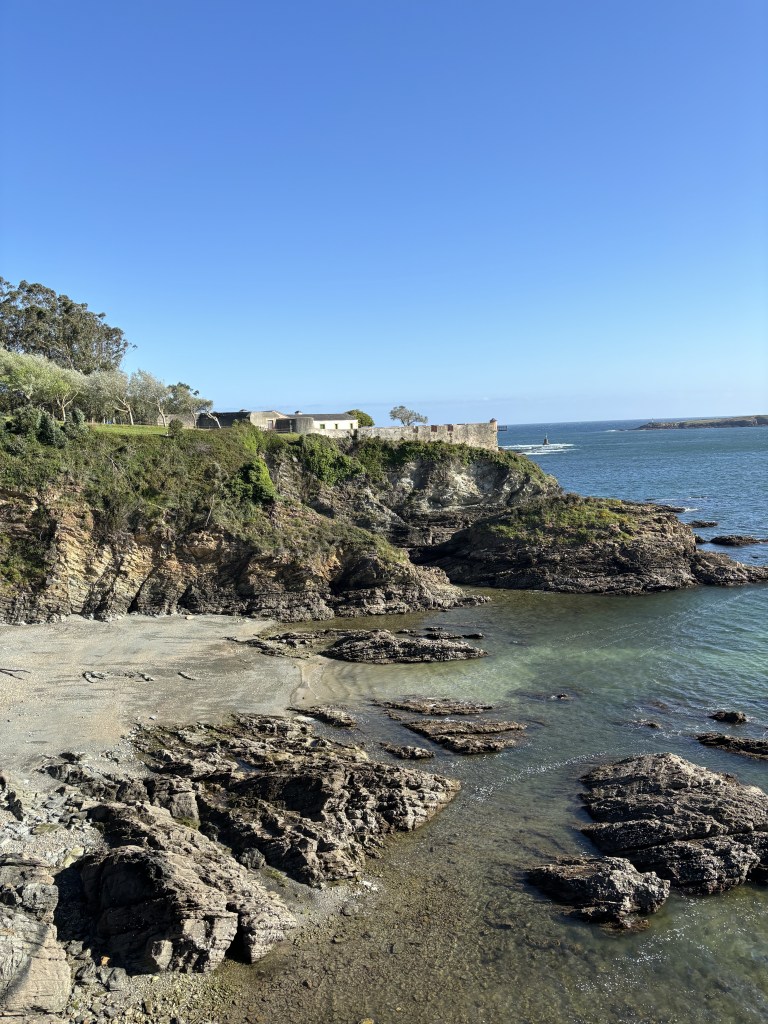
The old mines looking over the cliffs 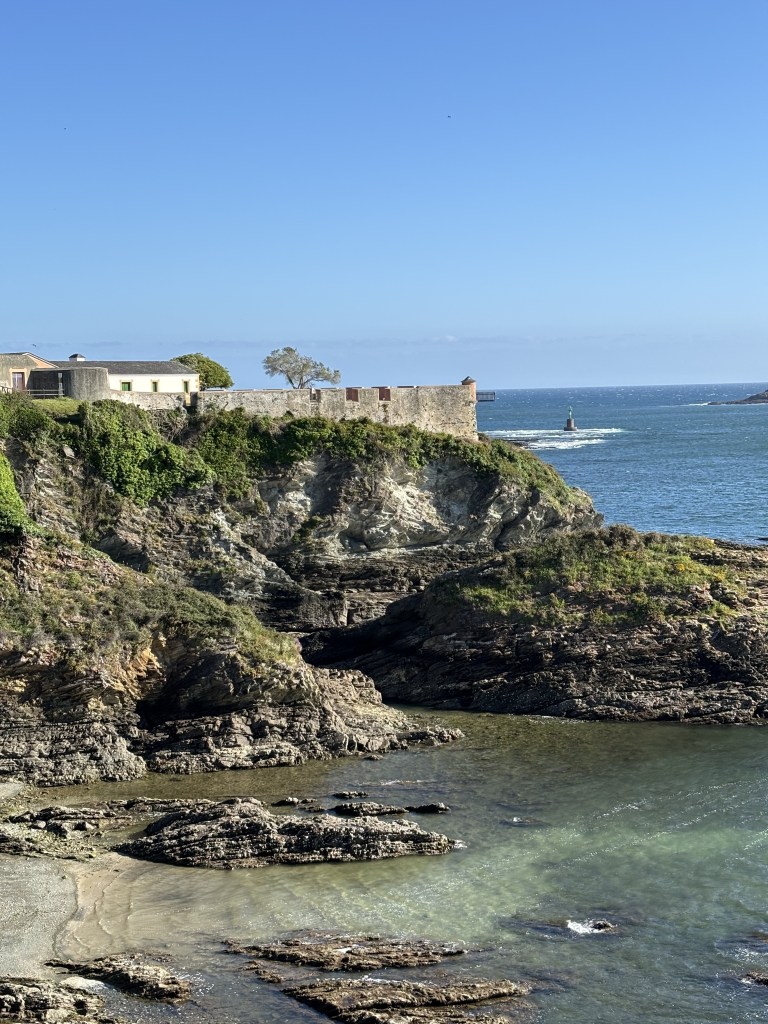
The old mines looking over the cliffs
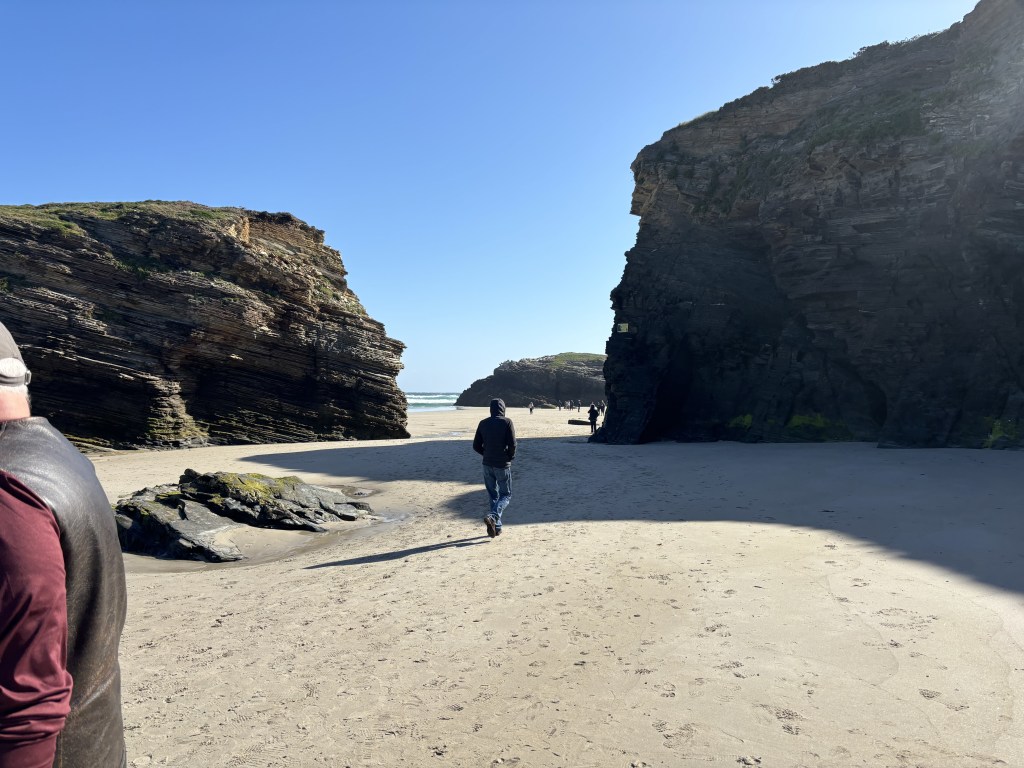
Playa de las Catedrales, or Los Catedrales Beach 
Playa de las Catedrales, or Los Catedrales Beach 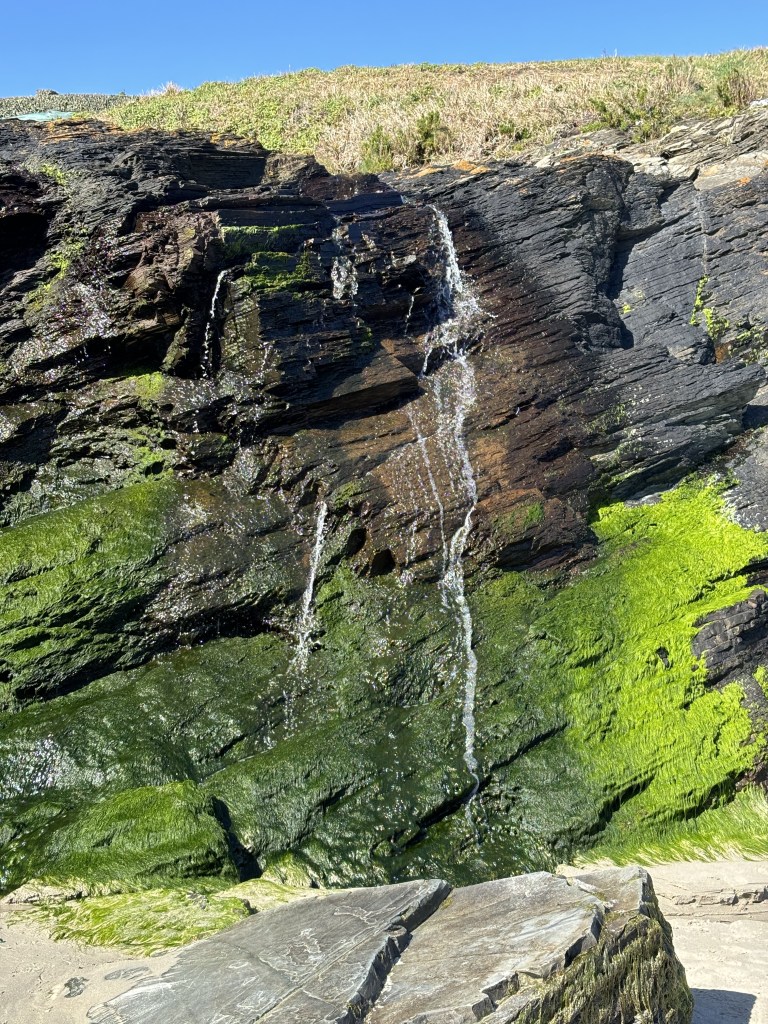
Playa de las Catedrales, or Los Catedrales Beach 
Playa de las Catedrales, or Los Catedrales Beach 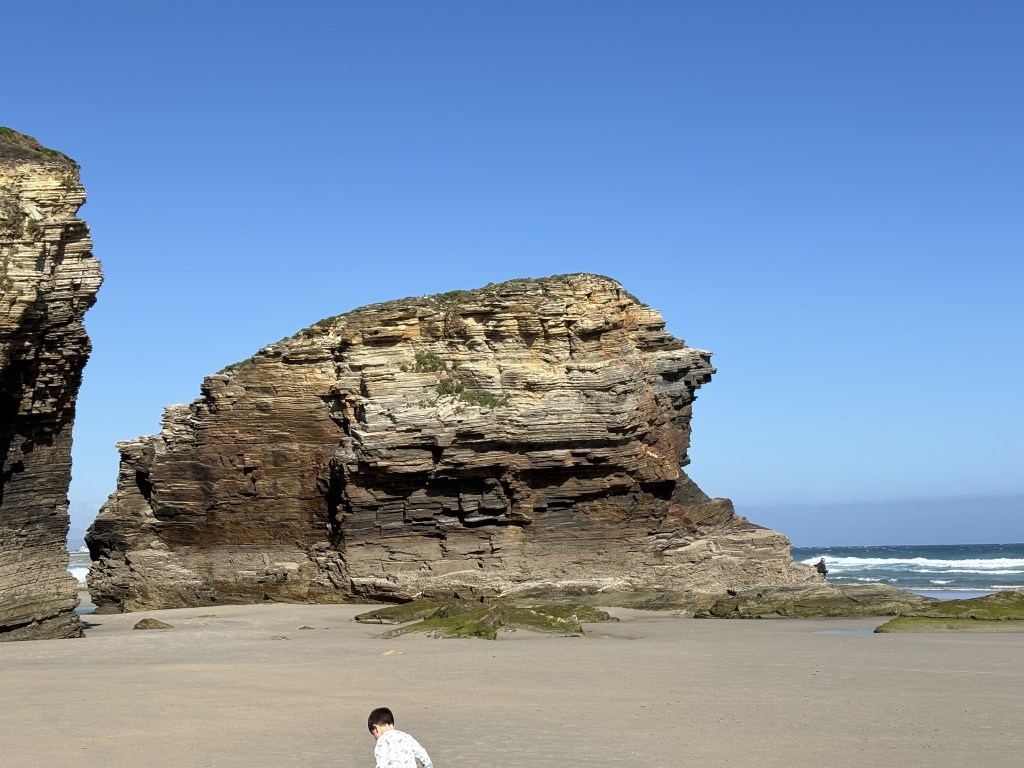
Playa de las Catedrales, or Los Catedrales Beach 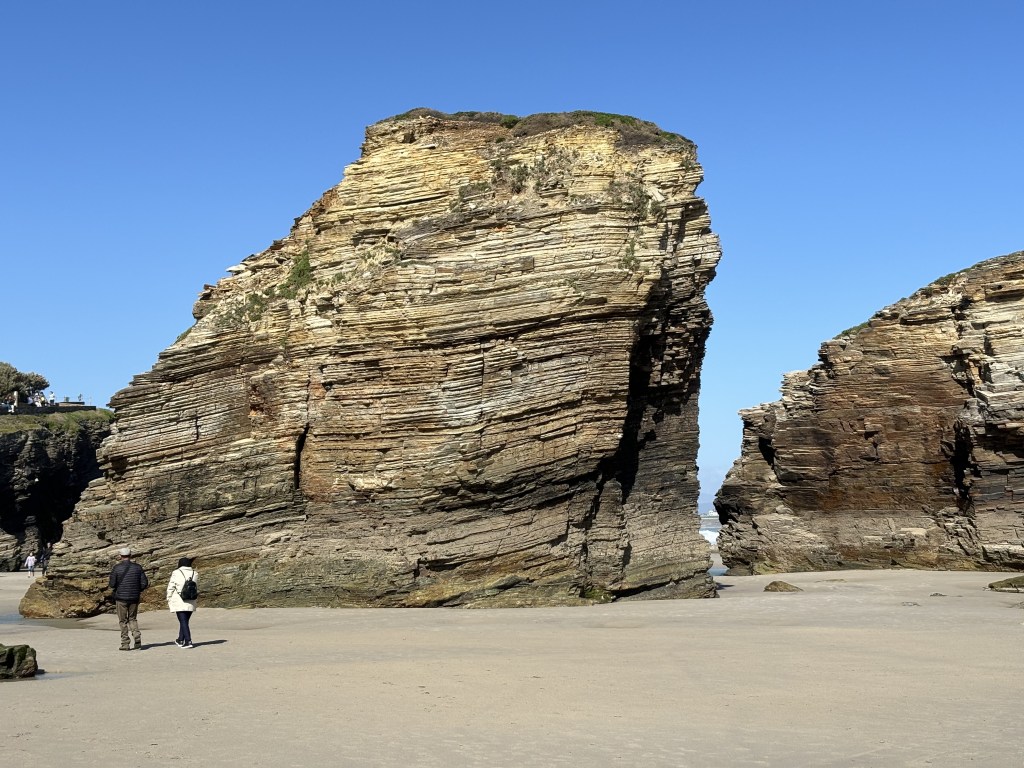
Playa de las Catedrales, or Los Catedrales Beach 
Playa de las Catedrales, or Los Catedrales Beach 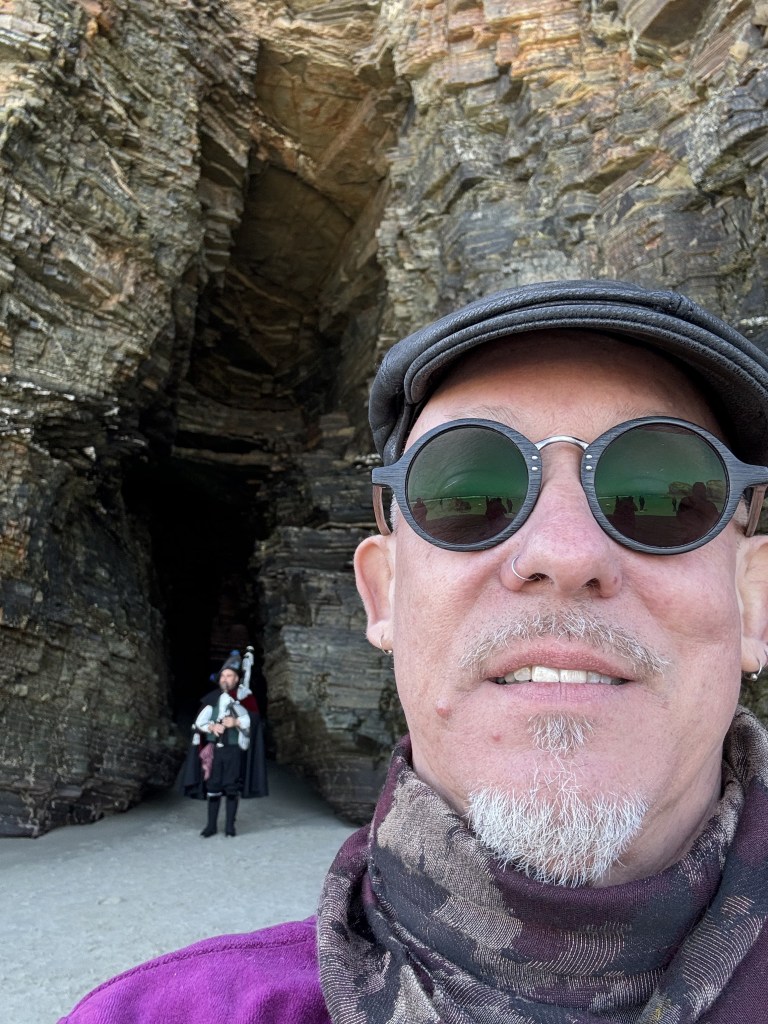
Playa de las Catedrales, or Los Catedrales Beach 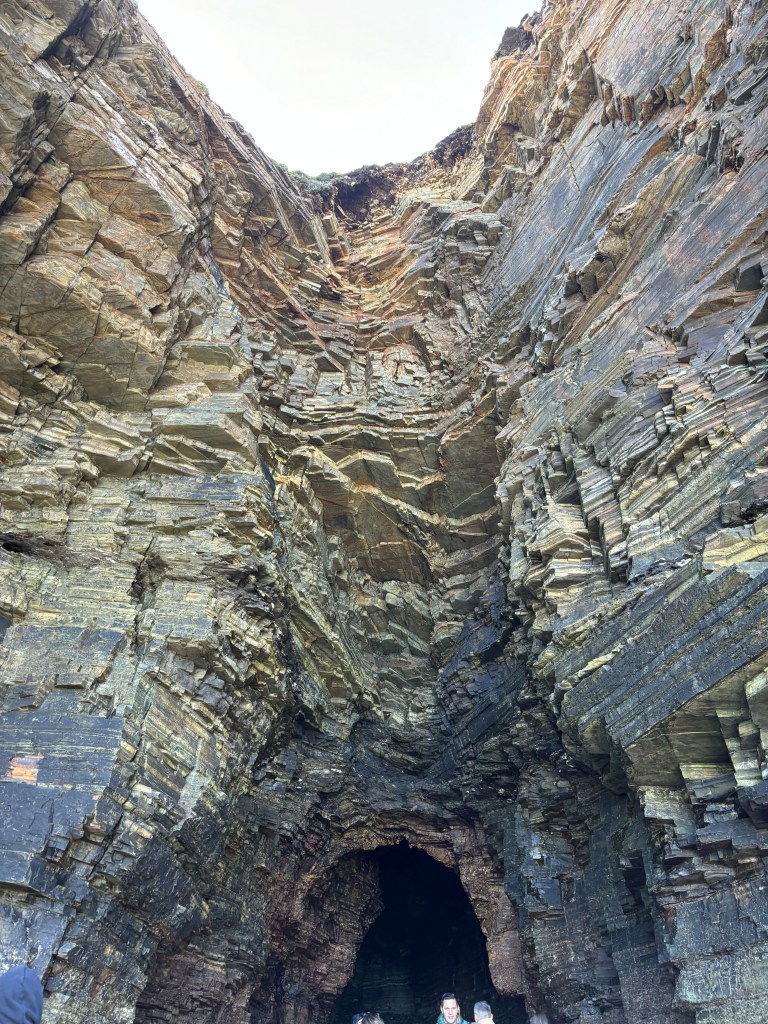
Playa de las Catedrales, or Los Catedrales Beach 
Playa de las Catedrales, or Los Catedrales Beach 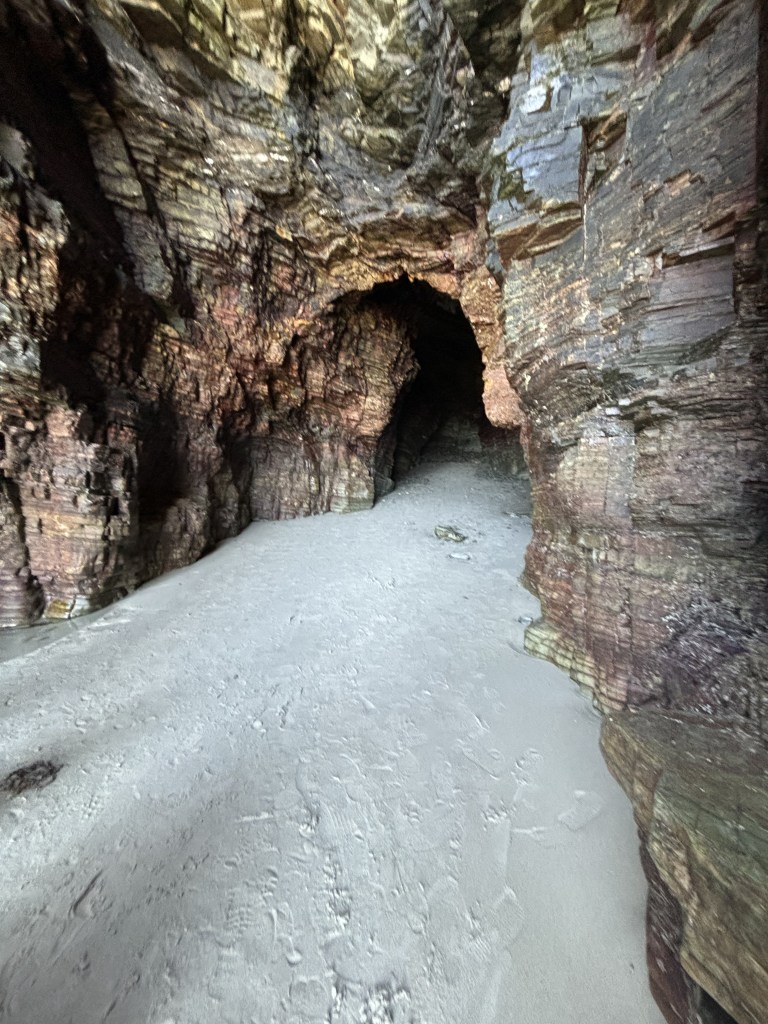
Playa de las Catedrales, or Los Catedrales Beach 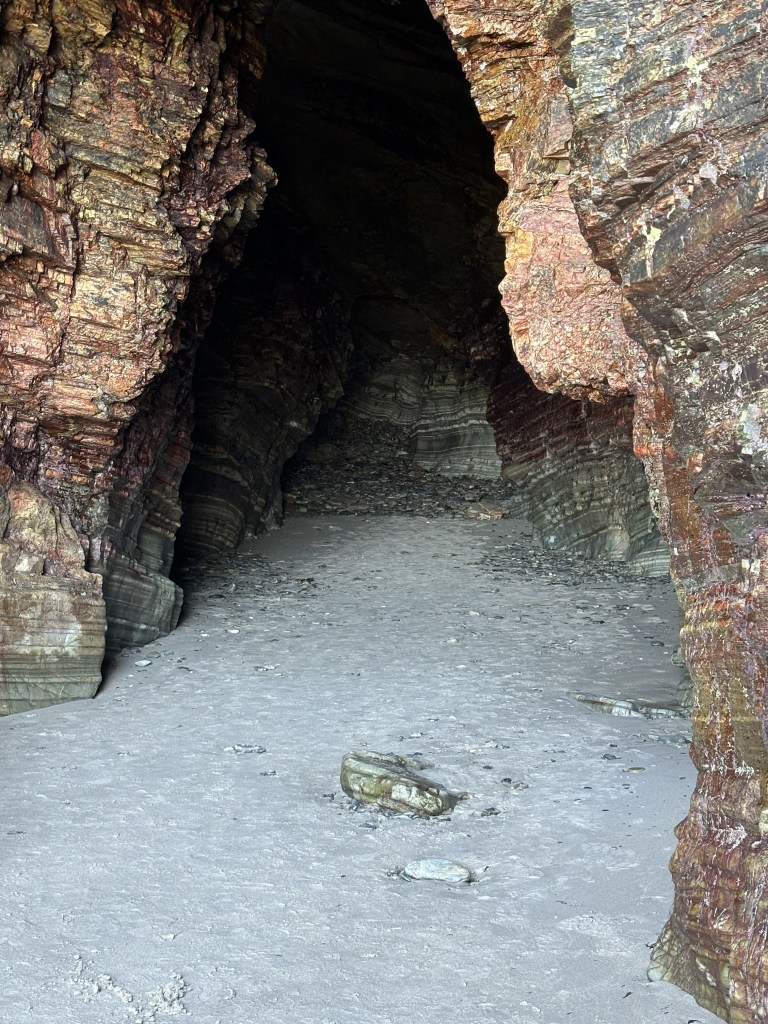
Playa de las Catedrales, or Los Catedrales Beach 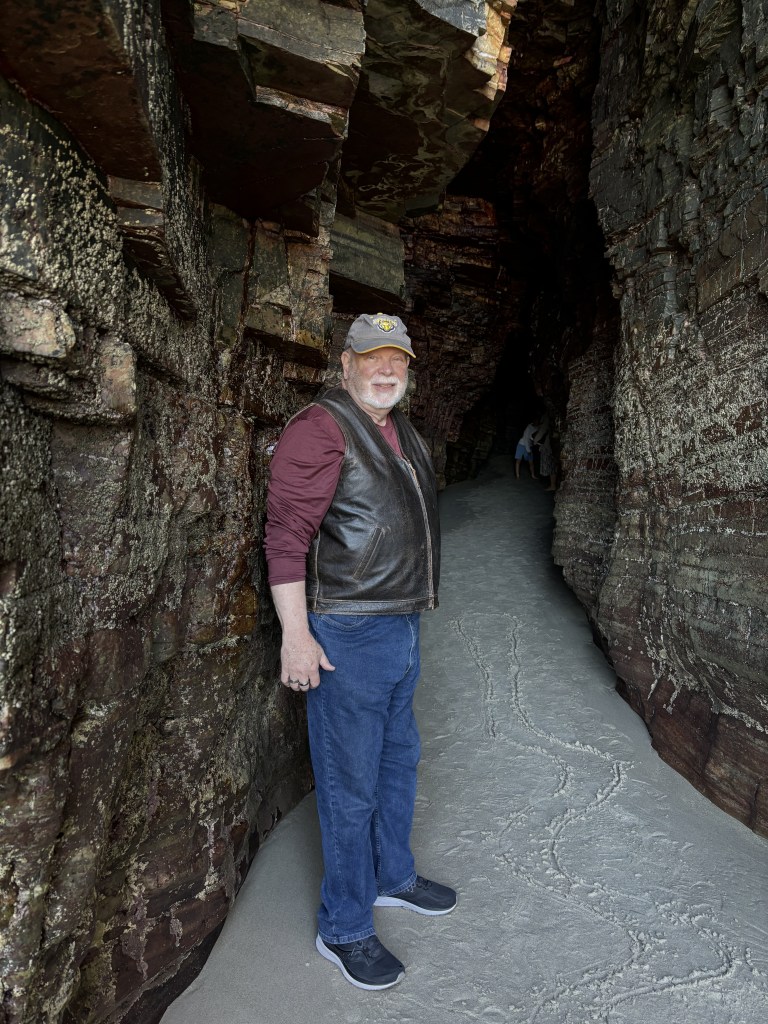
Steven at one of the cave entrances 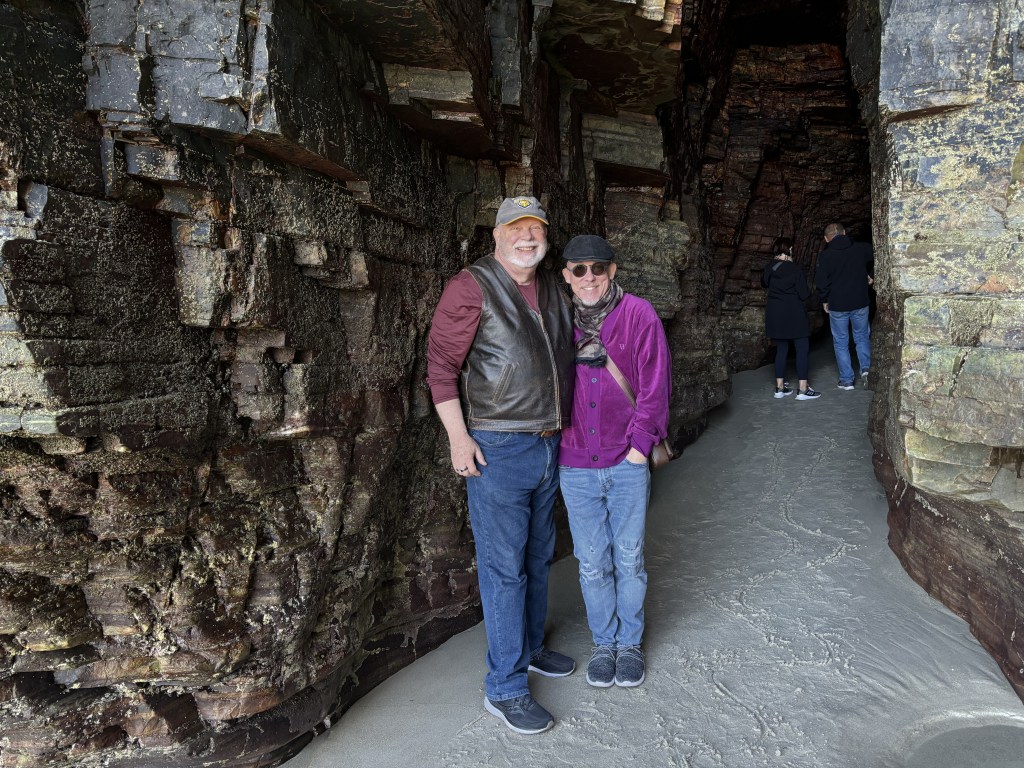
Steven and I in the cave 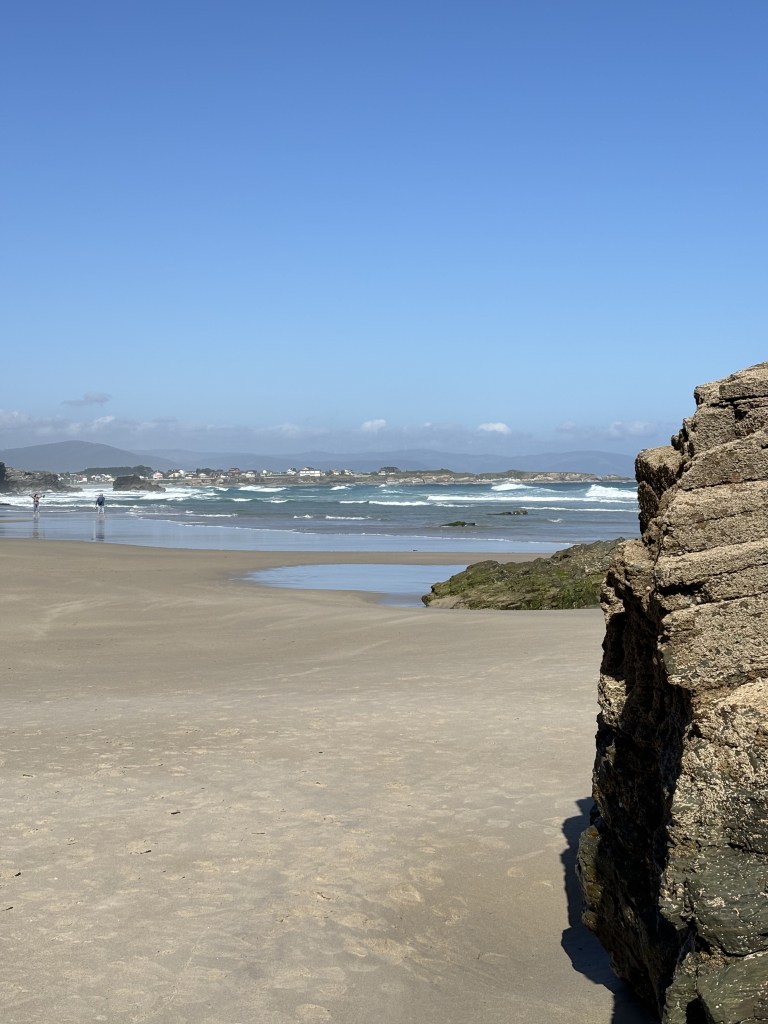
Playa de las Catedrales, or Los Catedrales Beach 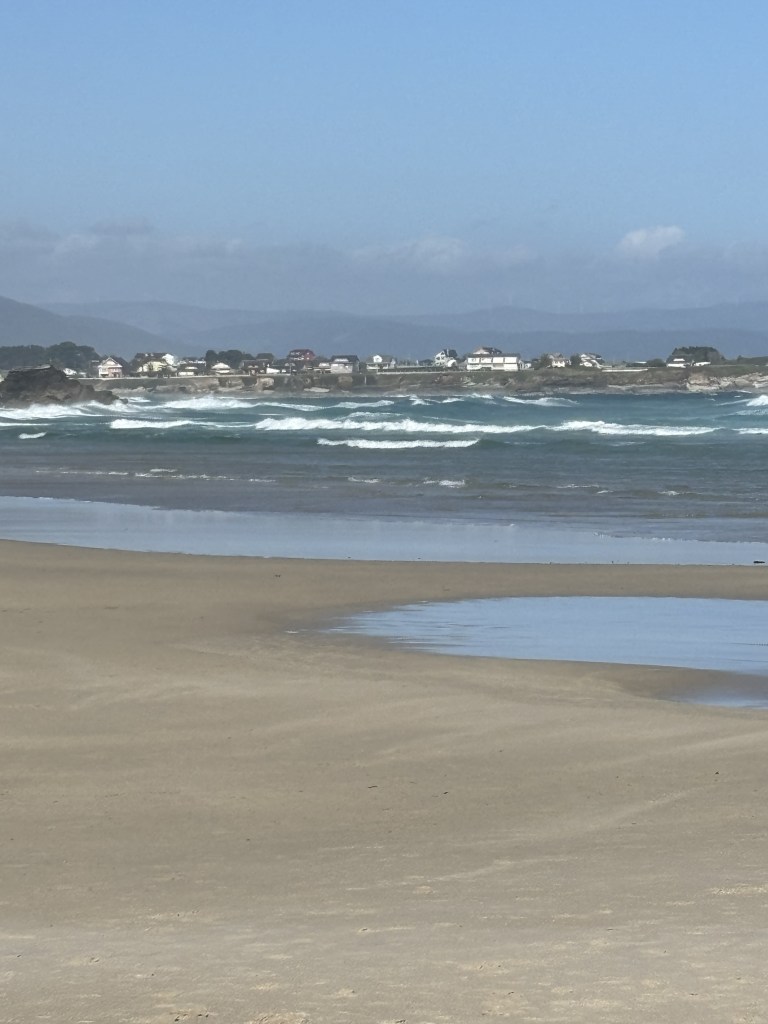
Playa de las Catedrales, or Los Catedrales Beach 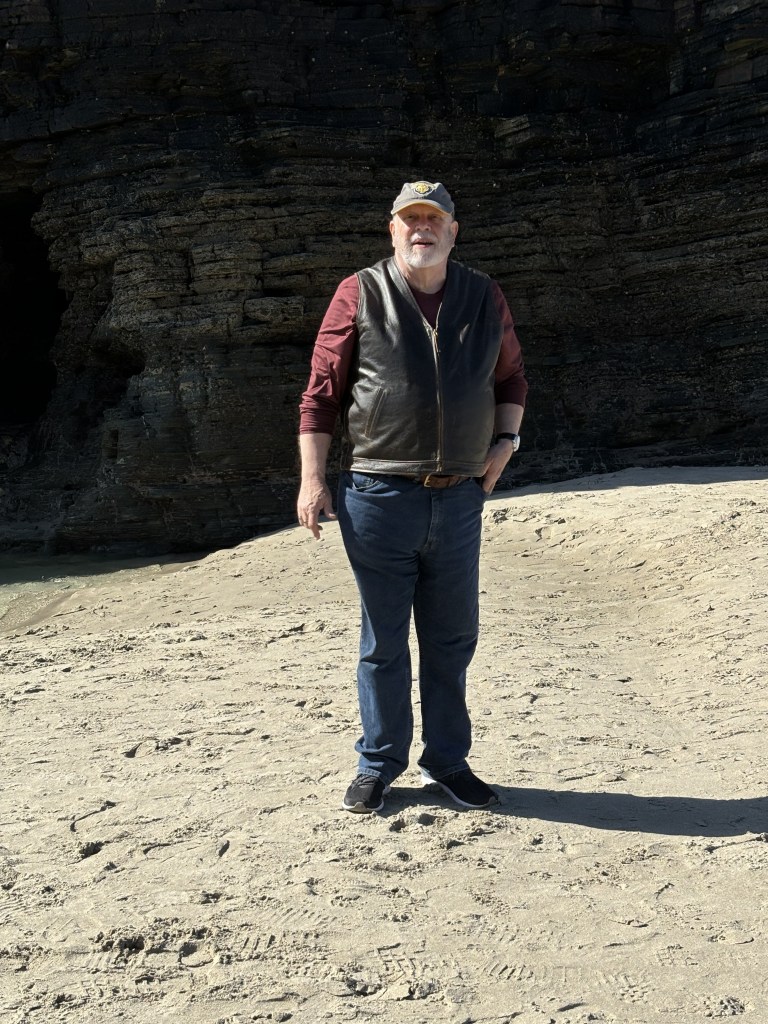
Steven on the beach 
Playa de las Catedrales, or Los Catedrales Beach 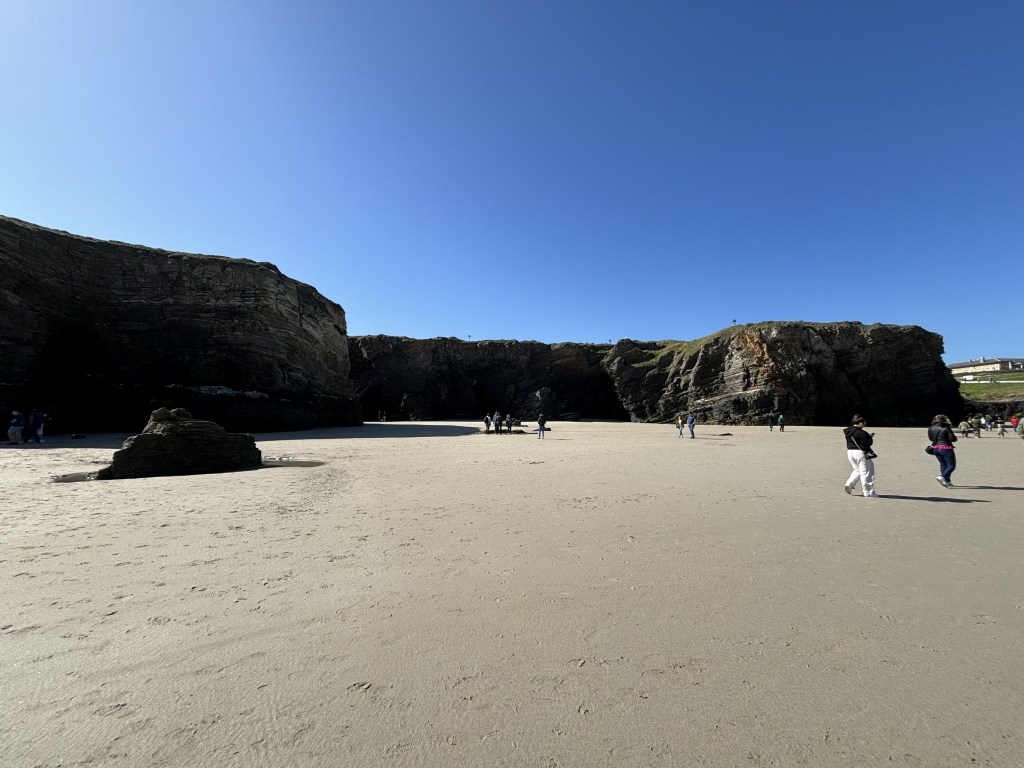
Playa de las Catedrales, or Los Catedrales Beach 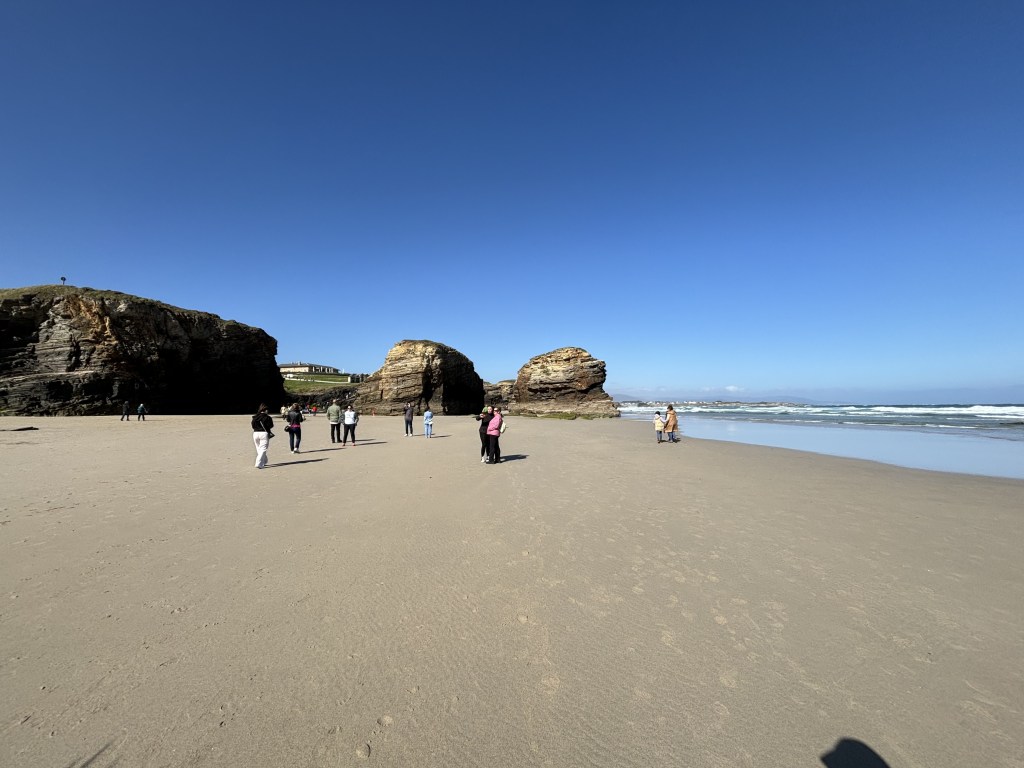
Playa de las Catedrales, or Los Catedrales Beach 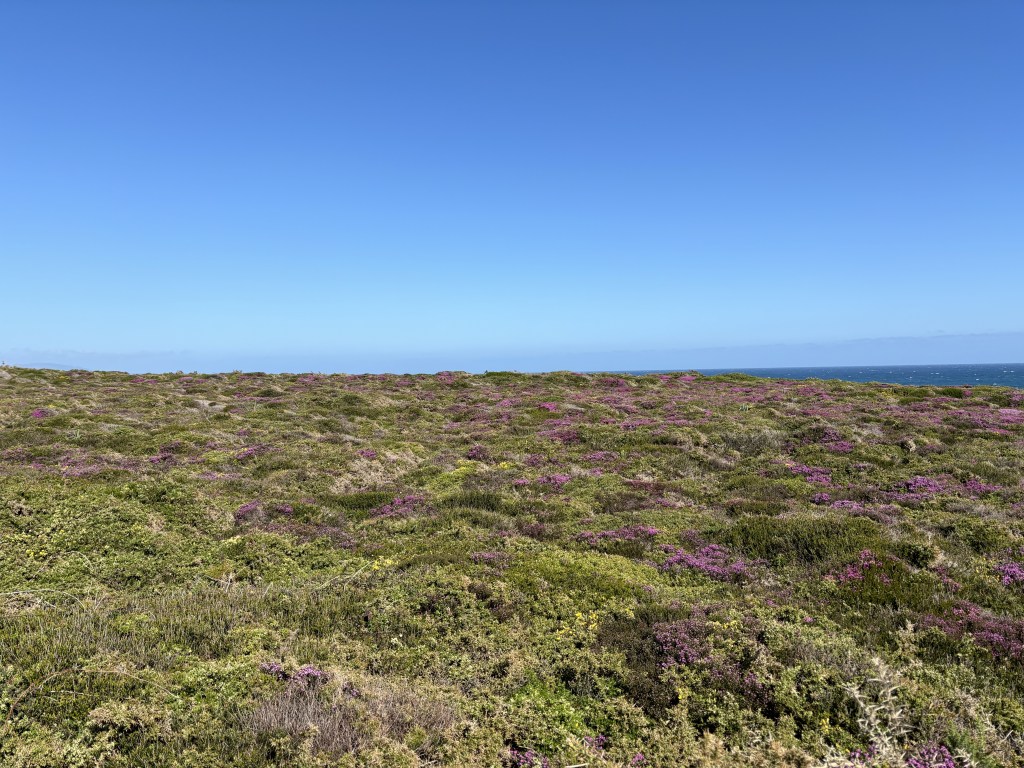
Playa de las Catedrales, or Los Catedrales Beach 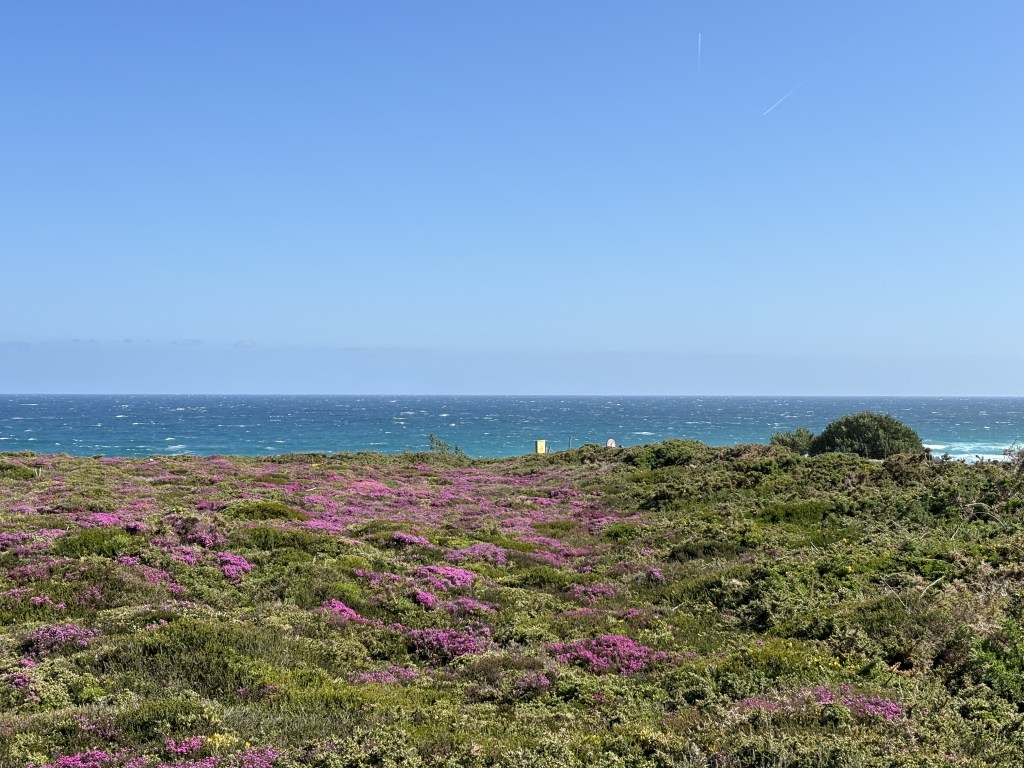
Playa de las Catedrales, or Los Catedrales Beach 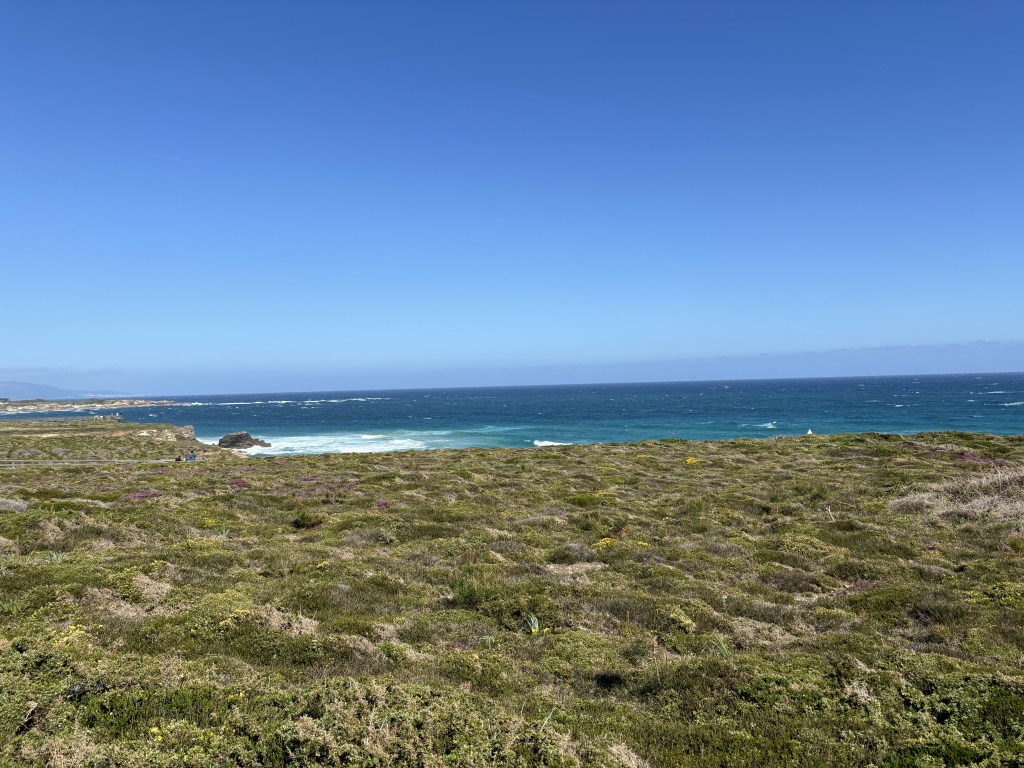
Playa de las Catedrales, or Los Catedrales Beach 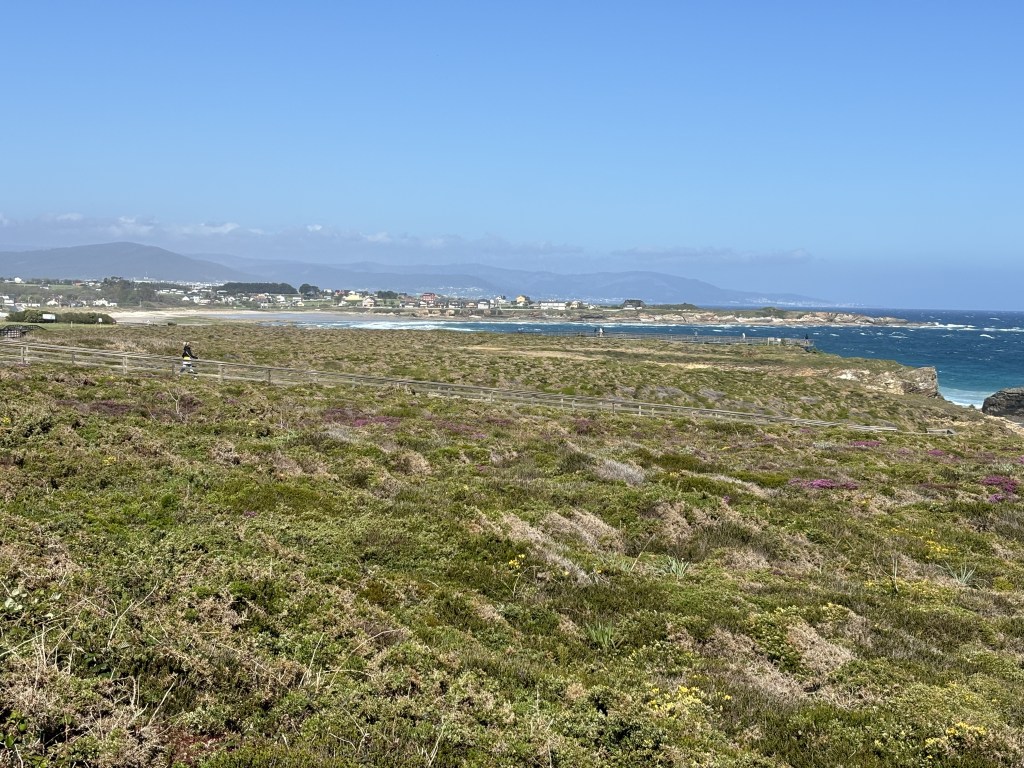
Playa de las Catedrales, or Los Catedrales Beach 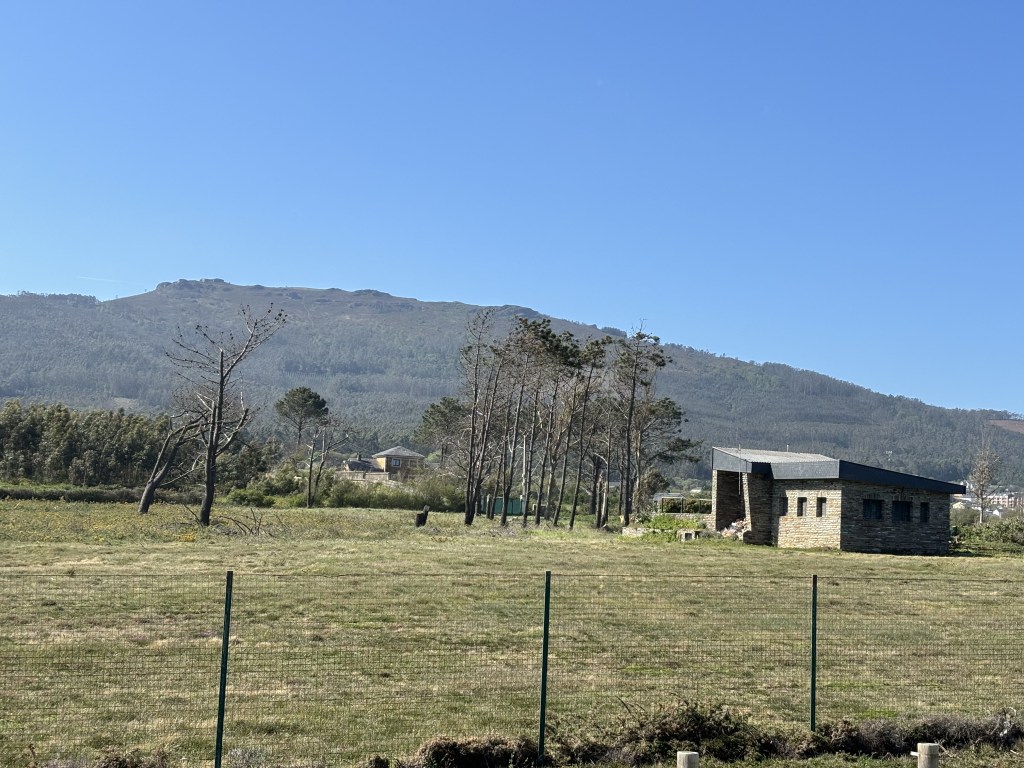
Playa de las Catedrales, or Los Catedrales Beach 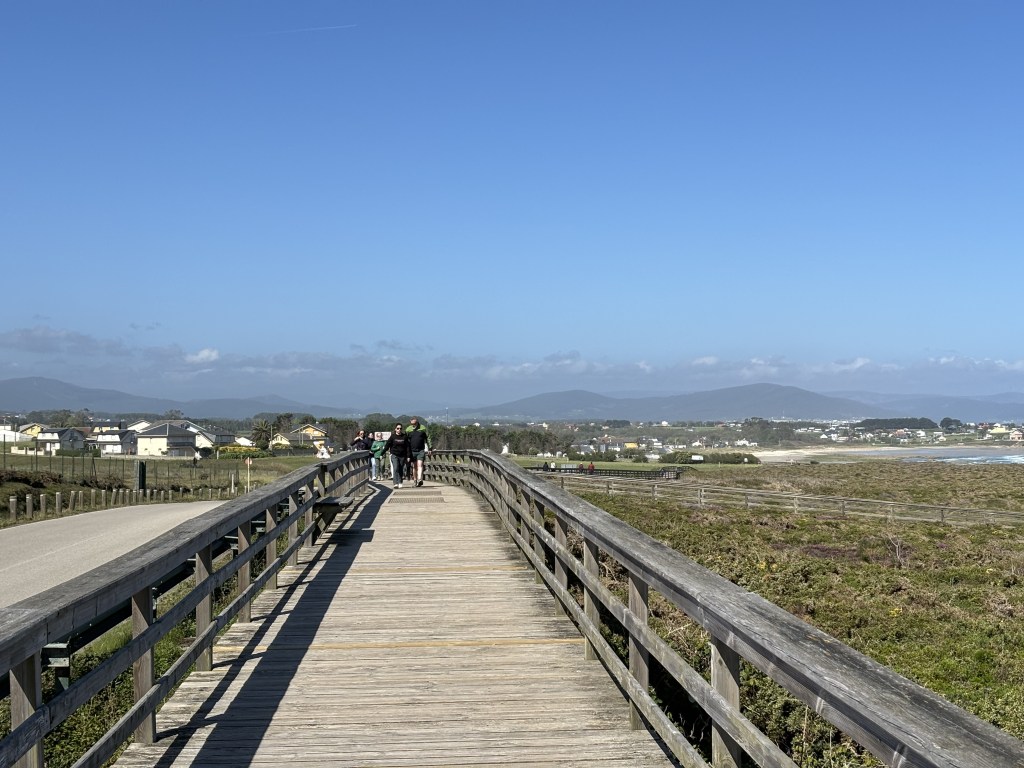
Playa de las Catedrales, or Los Catedrales Beach 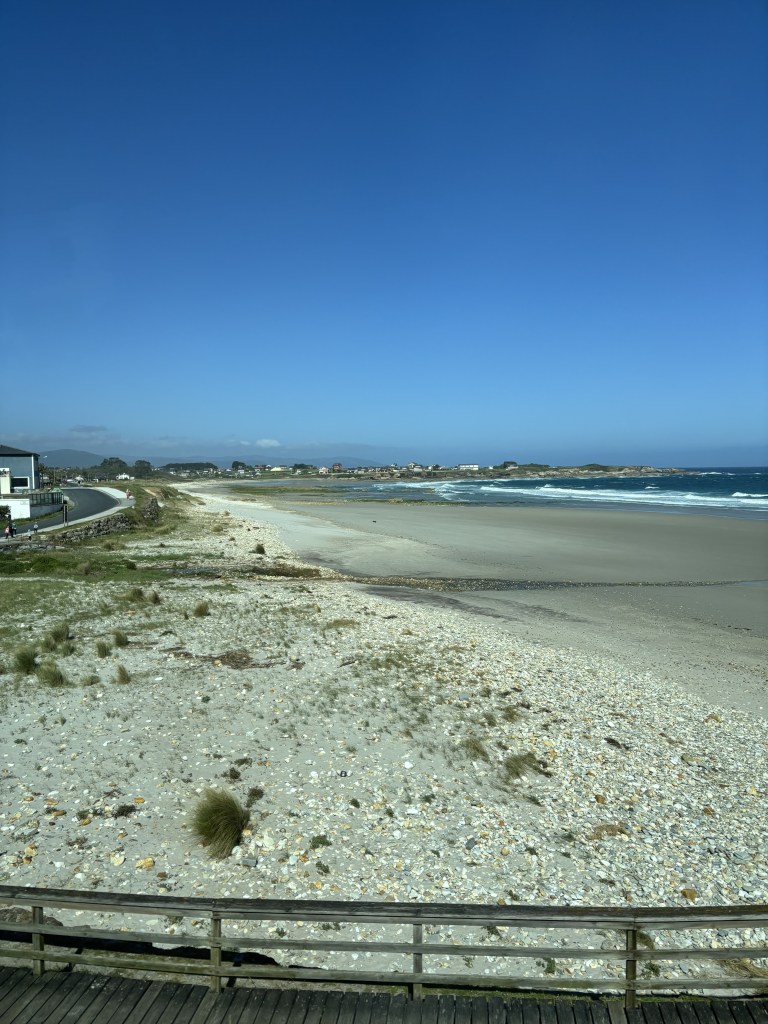
Playa de las Catedrales, or Los Catedrales Beach 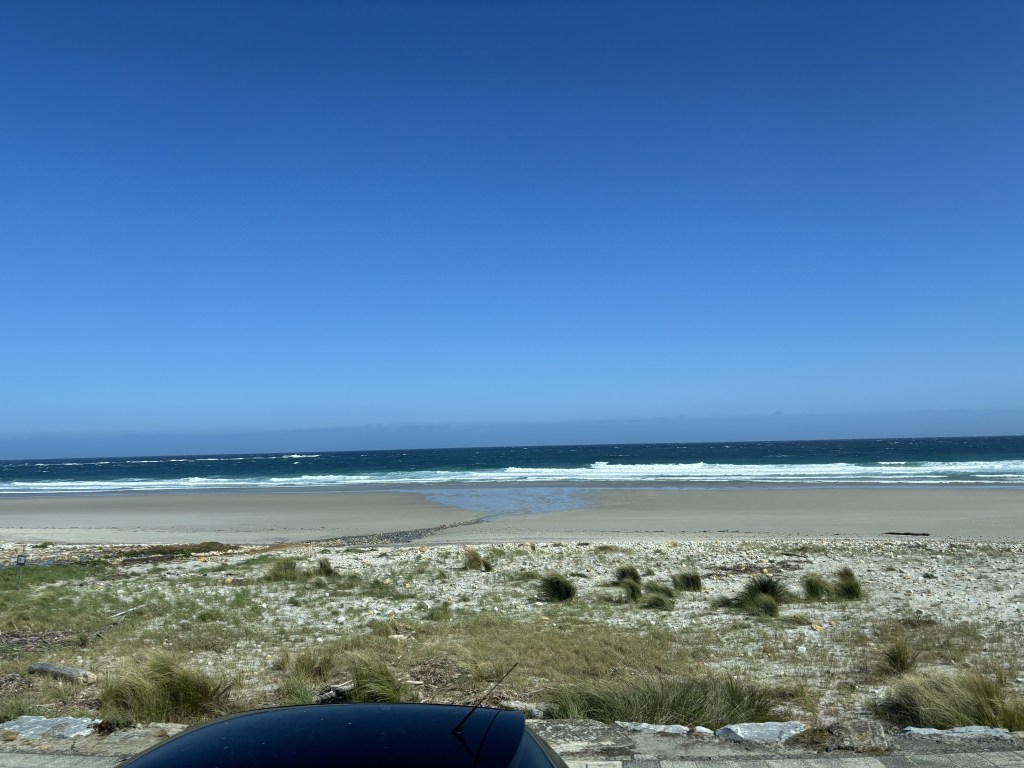
Playa de las Catedrales, or Los Catedrales Beach 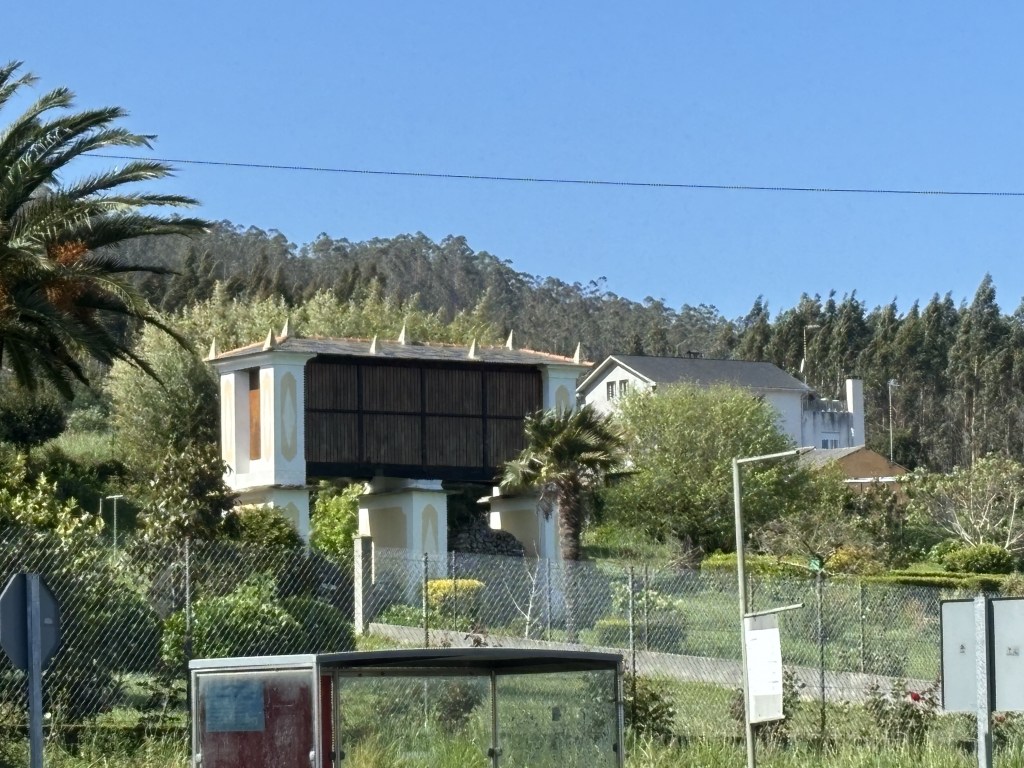
Playa de las Catedrales, or Los Catedrales Beach
After our magical visit to Los Catedrales Beach, we hopped back on the bus, and made our way to the charming town of Castropol. Here, we set off on a walking tour to explore its quaint streets and soak in its authentic northern Spanish vibe.
Castropol is a municipality in Asturias, Spain. It is also the name of a parish within the municipality and a town within the parish. The municipality of Castropol has a population of 3696 (INE, 2014). It is bounded on the north by the Cantabrian Sea and on the west by a coastal inlet, or ria, which separates it from the municipality of Ribadeo in Galicia, called the river Eo. To the west it is bordered by Tapia de Casariego, by El Franco, Boal and other Asturian municipalities, and to the south by Vegadeo and Villanueva de Oscos. From Wikipedia, the free encyclopedia
To our surprise, we stumbled upon a peaceful protest about the situation in Gaza. It was unexpected, especially in such a small town, but it reminded us of how connected the world truly is, no matter where you go.
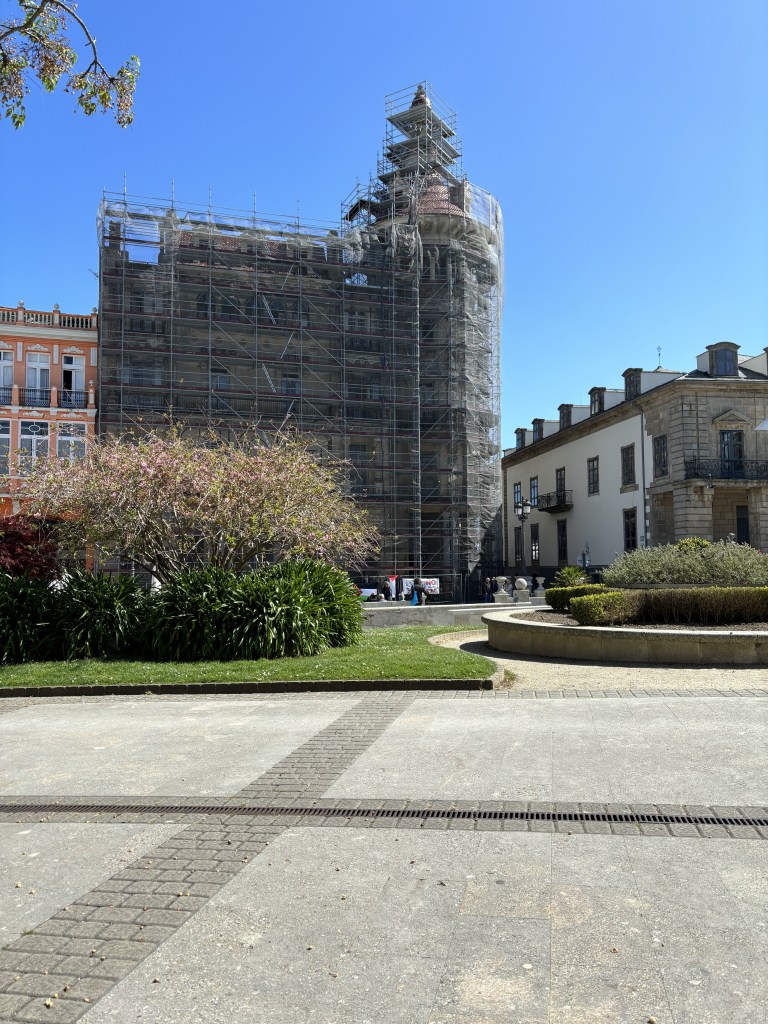

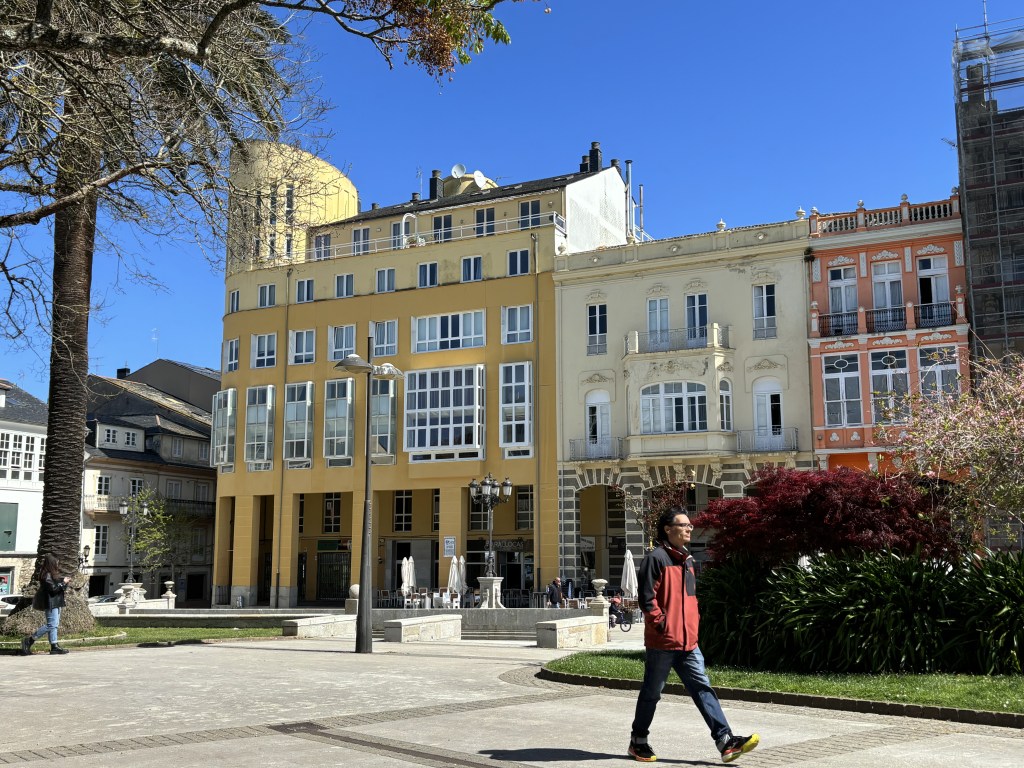
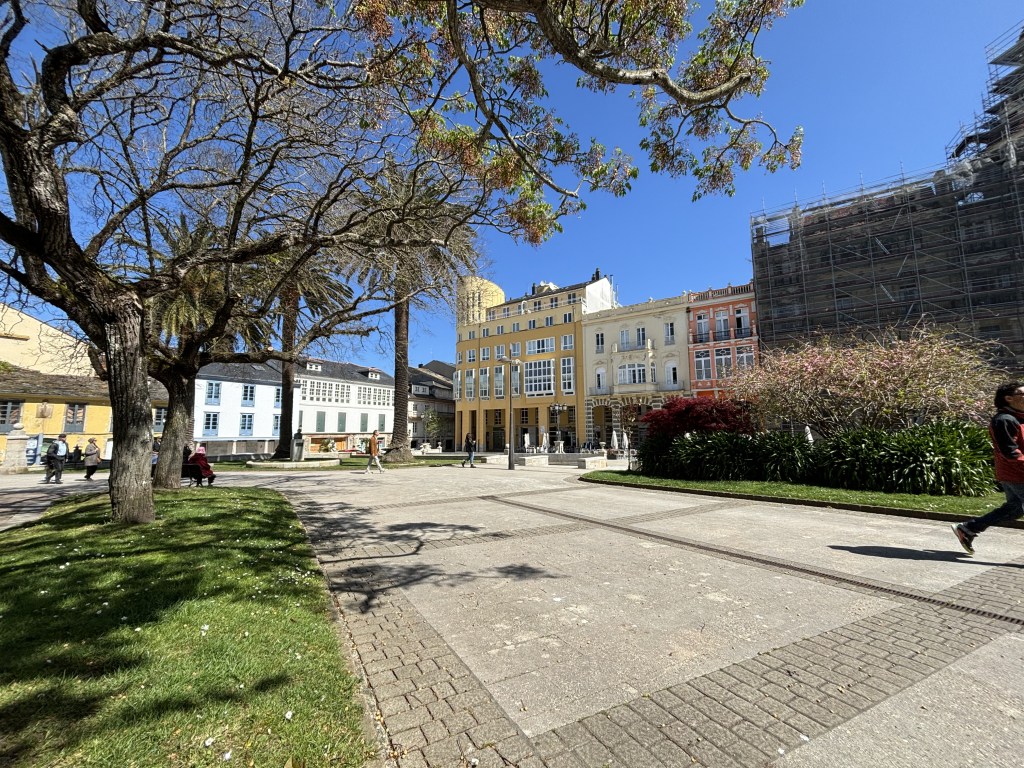
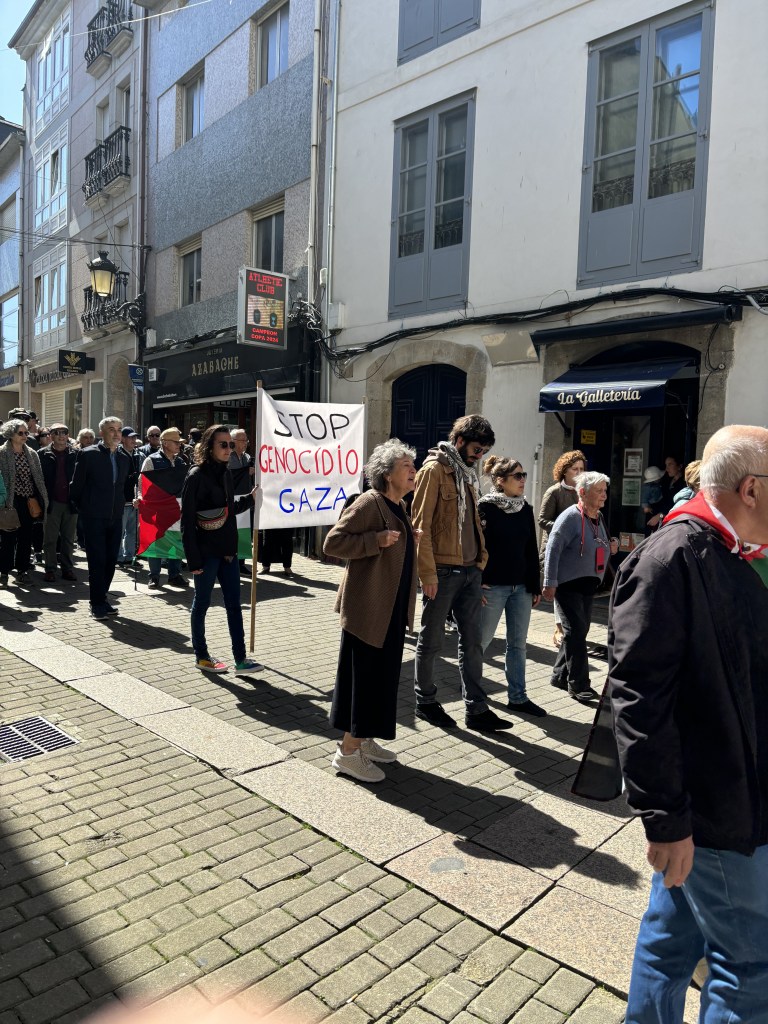
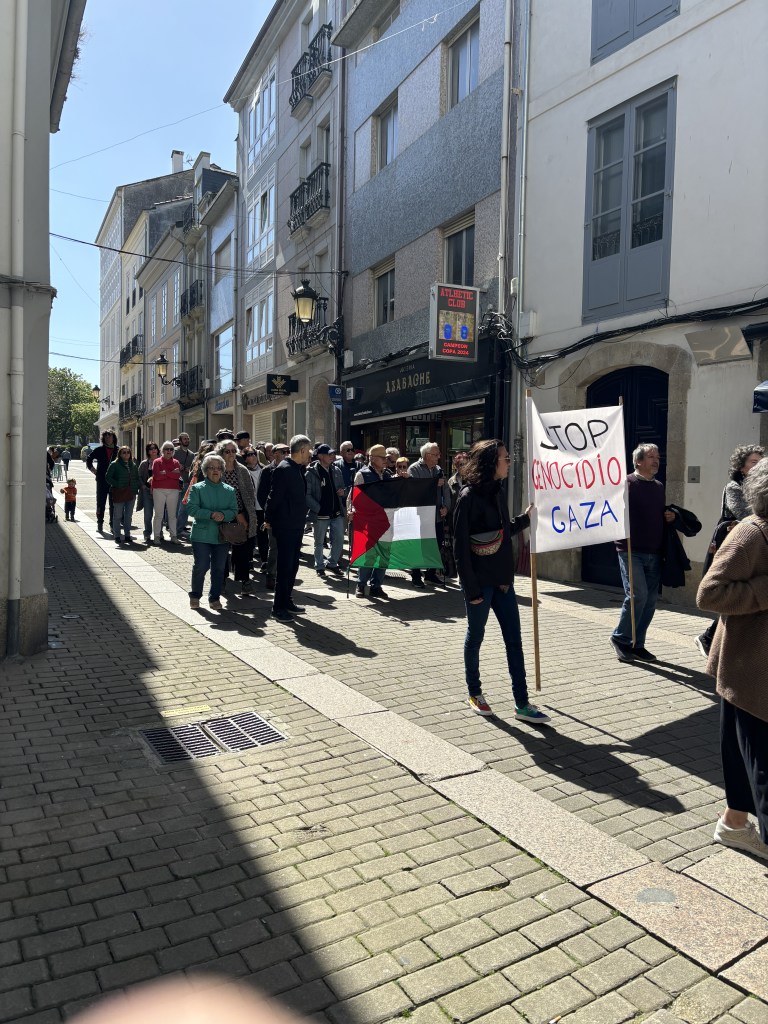
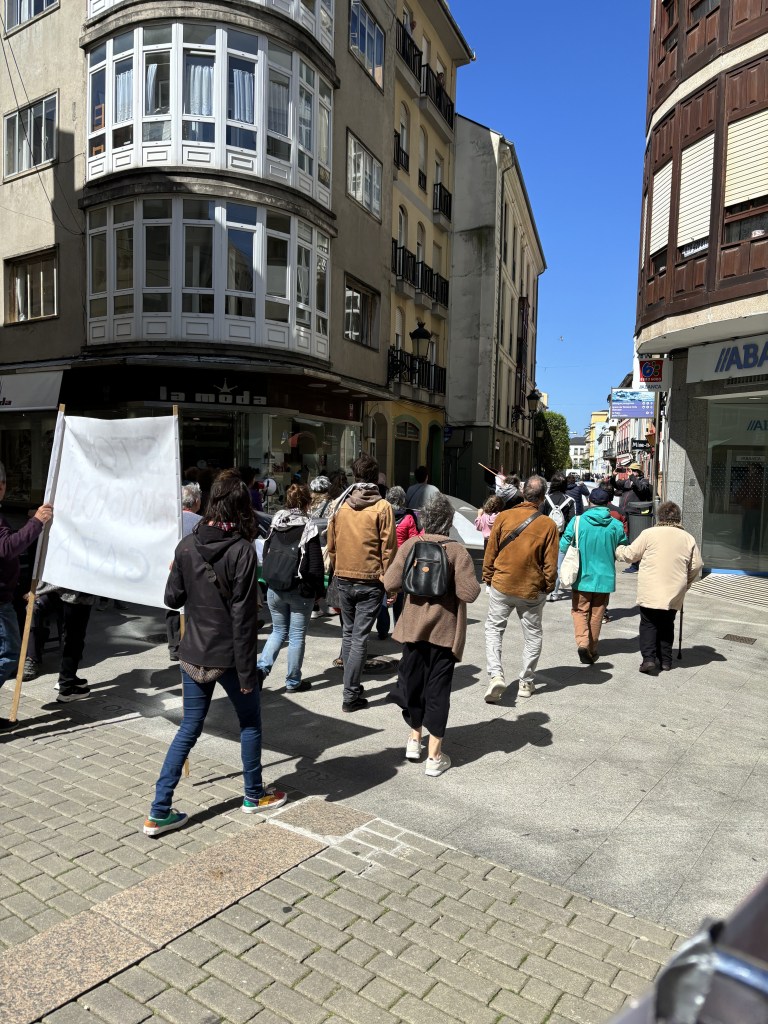
Afterward, it was time for lunch at the renowned Casa Vicente Restaurant, and oh, what a treat it was! Every bite was a masterpiece, continuing the streak of incredible meals we’d been lucky enough to enjoy on this trip. Castropol left us with full hearts, fuller bellies, and memories we won’t soon forget!
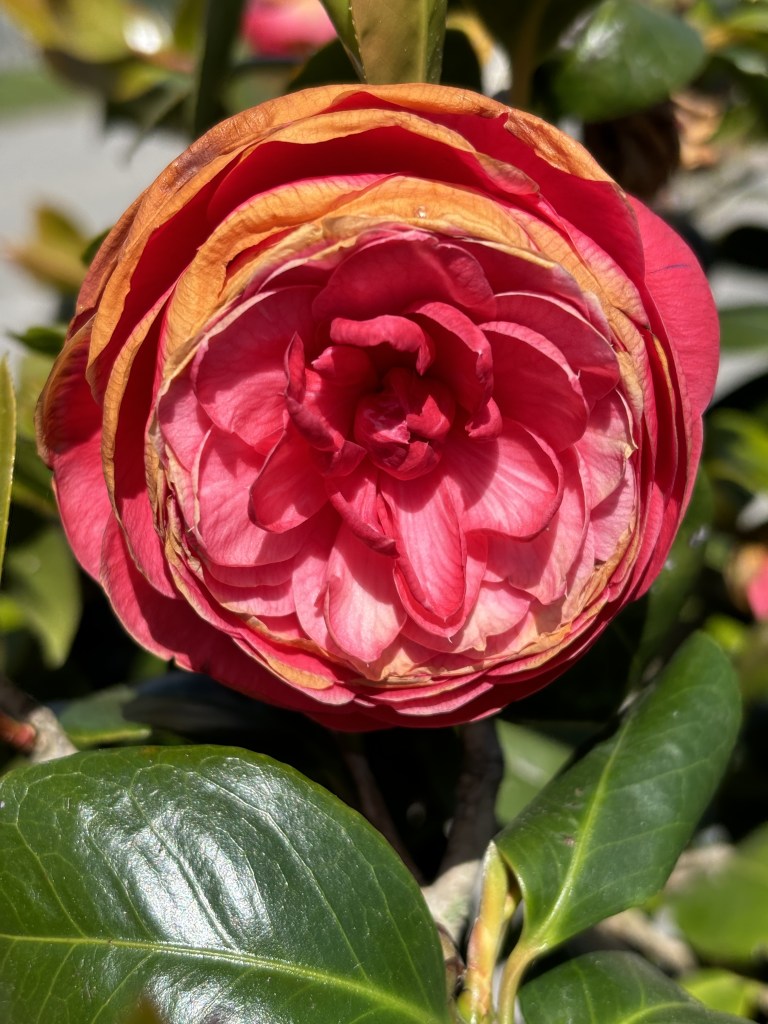

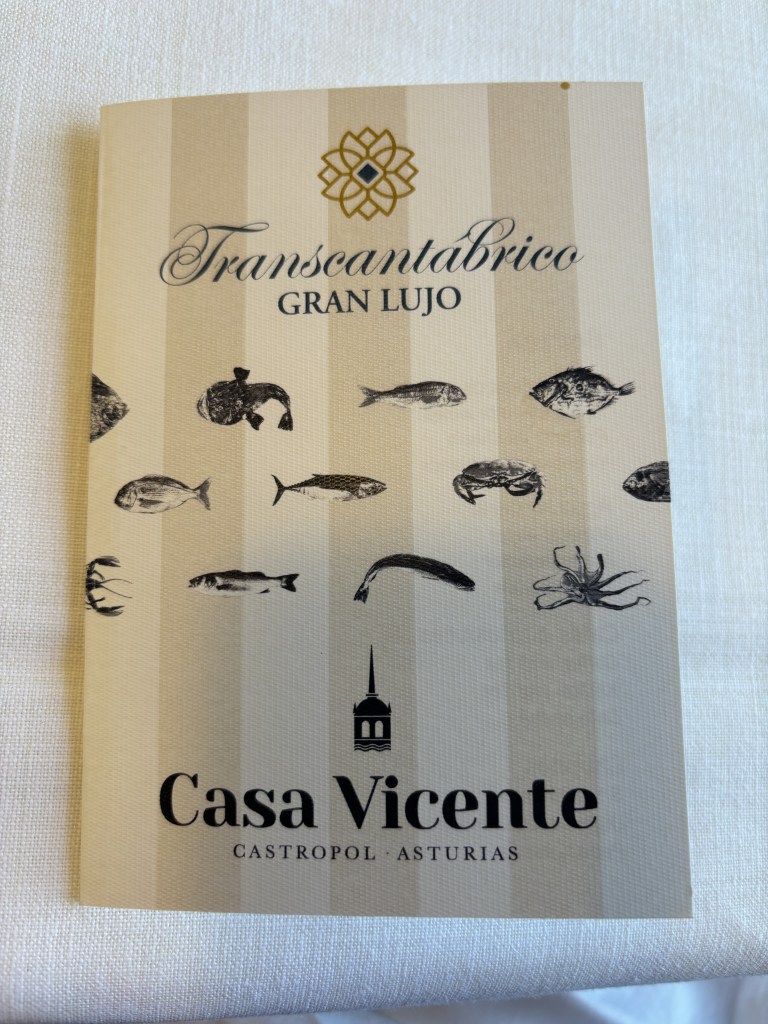
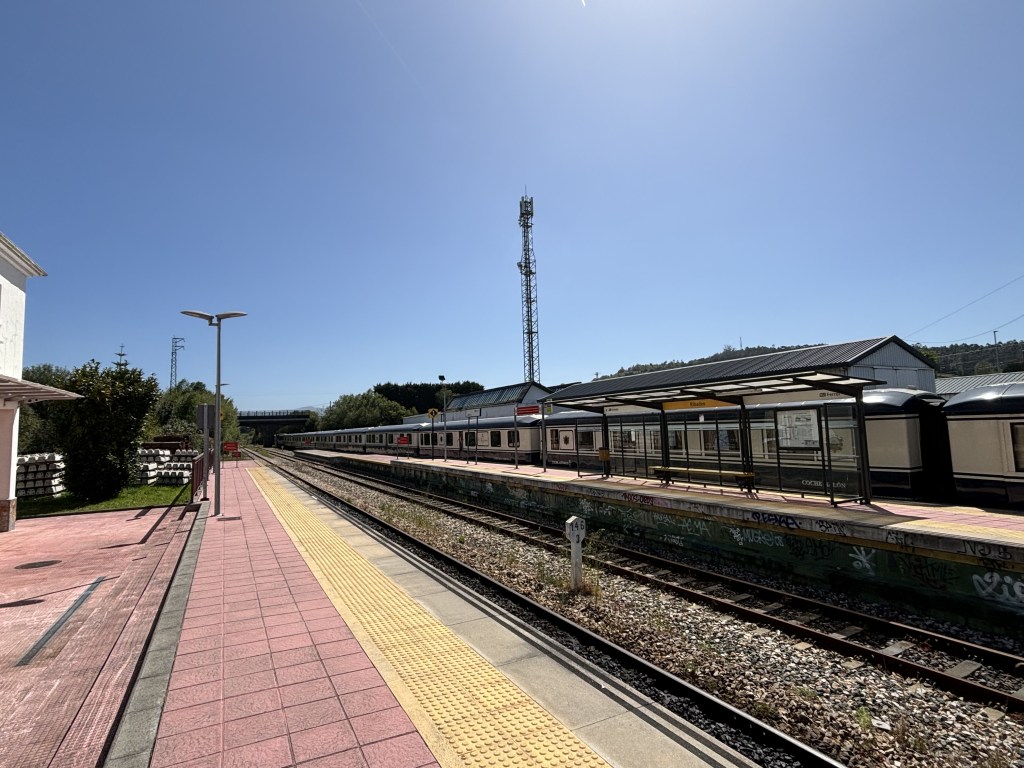

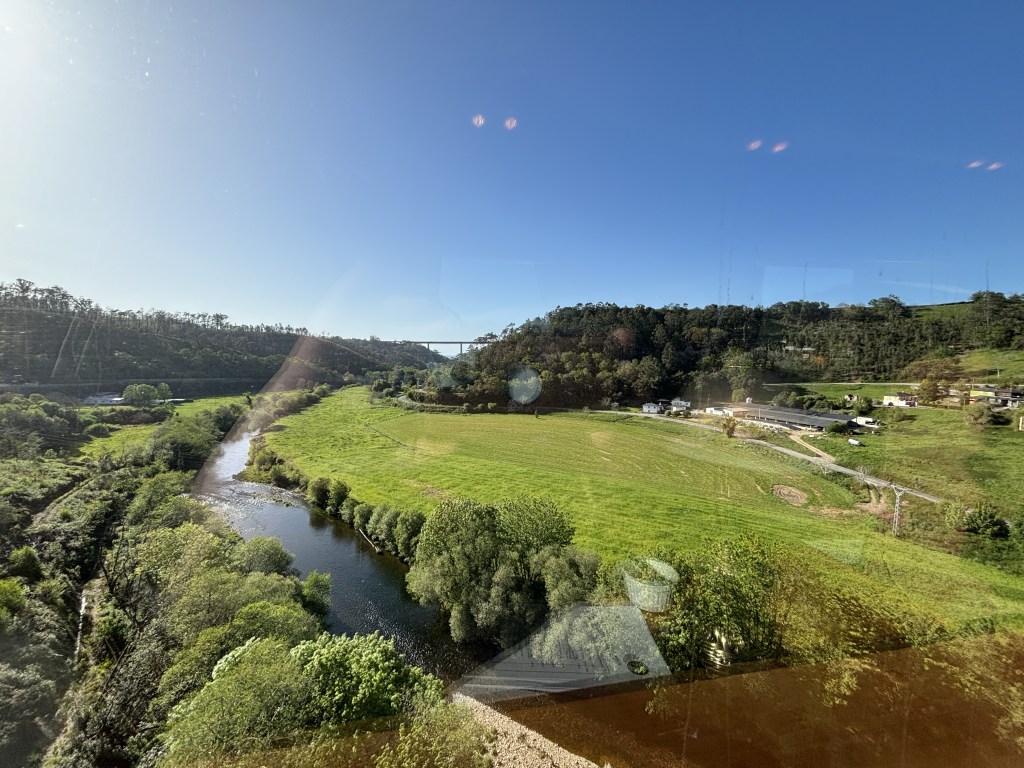
After lunch it was back on the bus to reboard the train where many of us enjoyed a ciesta as the train made it’s way to Luacra where we would take a tour of the town before reboarding and heading to Oviedo where we would have dinner on the train while parked in the station overnight.
Luarca (Ḷḷuarca in Asturian and coofficially[1]) is a parish and the principal town in the municipality of Valdés in Asturias, Spain. Luarca (town) is a fishing and pleasure port. Luarca (parish) had a population of 4,670 (2021), and an area of 5.84 km2 (2.25 sq mi). The town is 90 km (56 mi) from Oviedo, the capital of Asturias. The Nobel laureate for Medicine in 1959, Severo Ochoa, was born in Luarca. It is well known for its beautiful architecture, landscapes, gastronomy, and tourist attractions. San Timoteo festivities usually attract thousands of people every August. From Wikipedia, the free encyclopedia
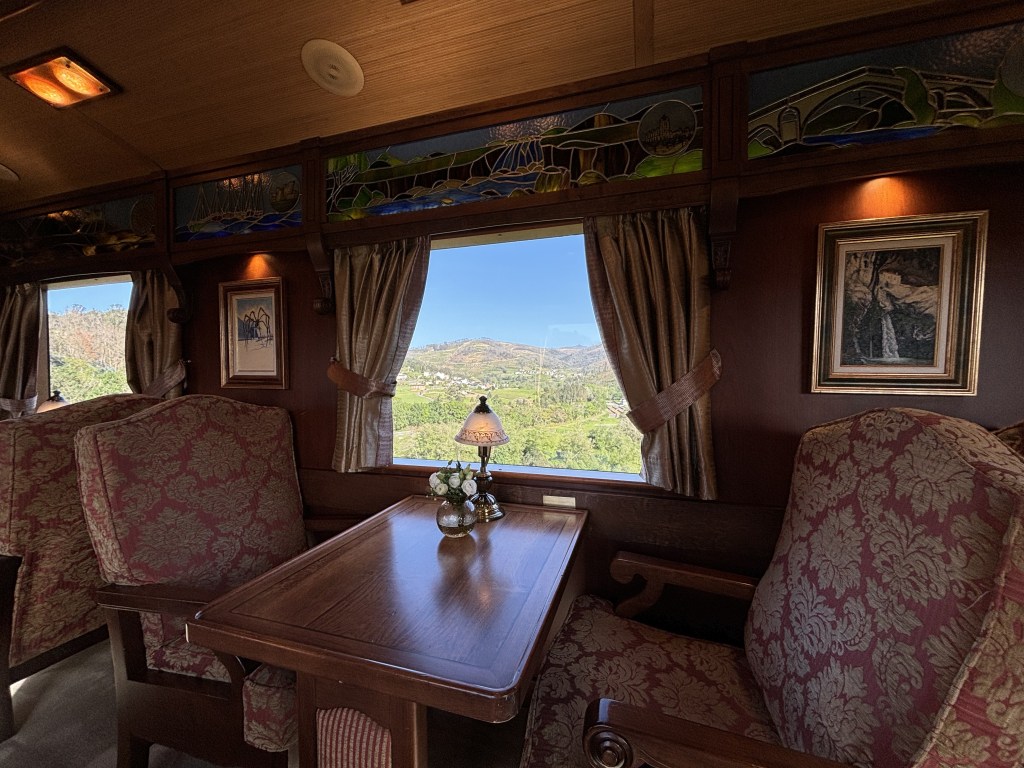
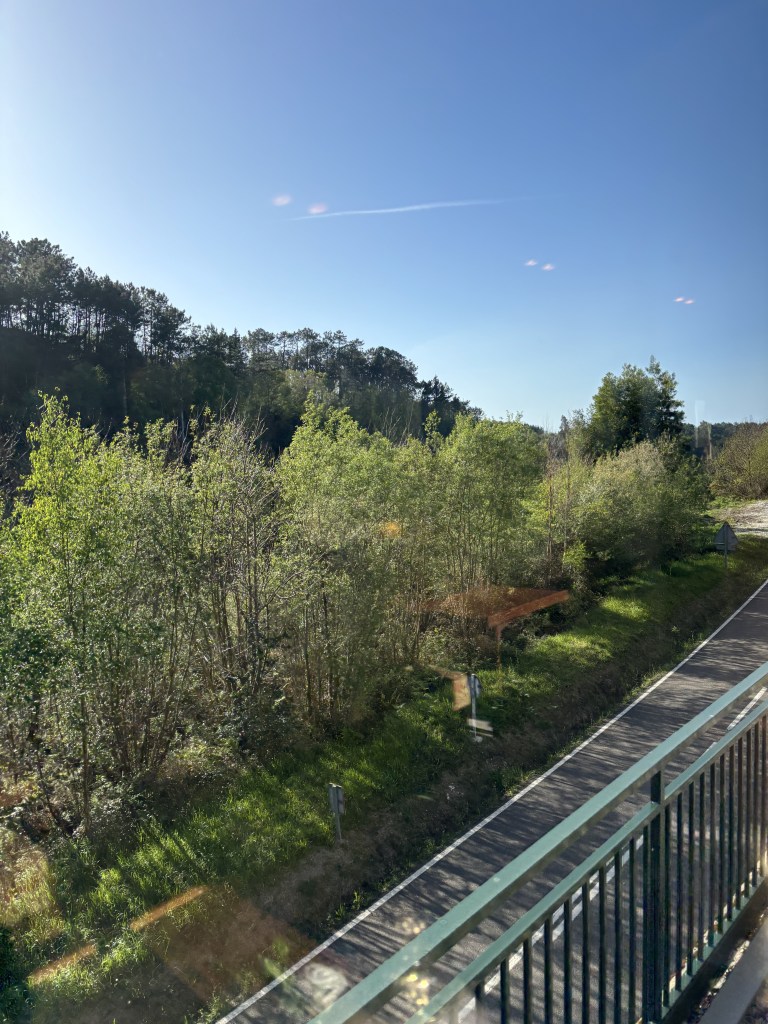
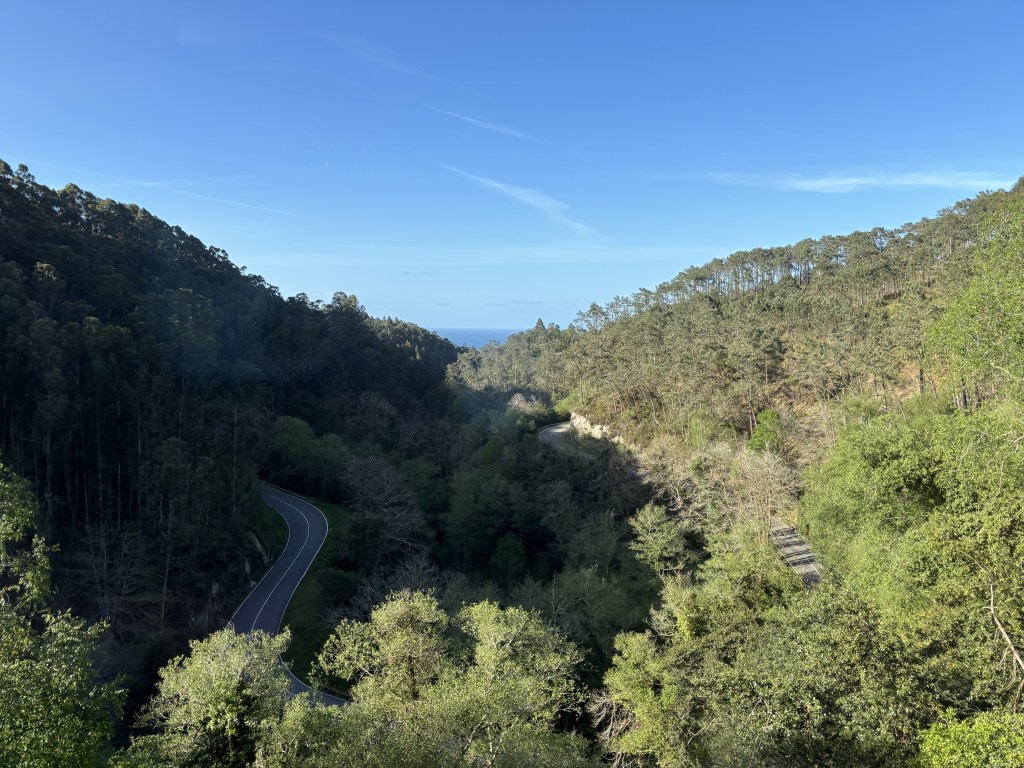
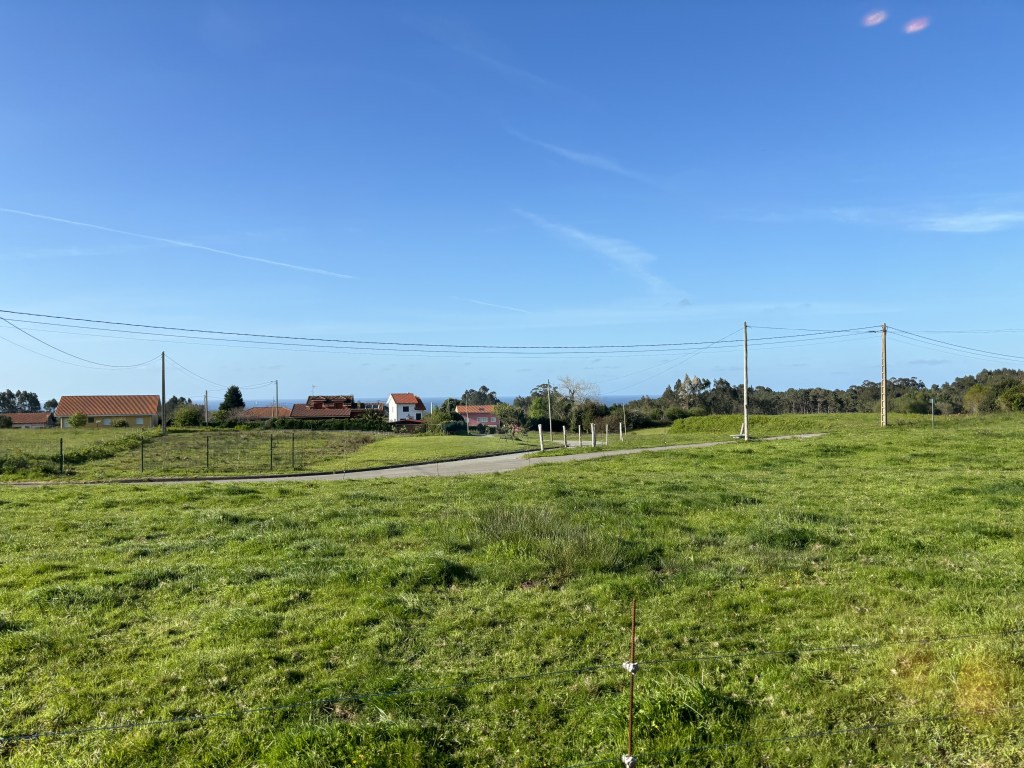
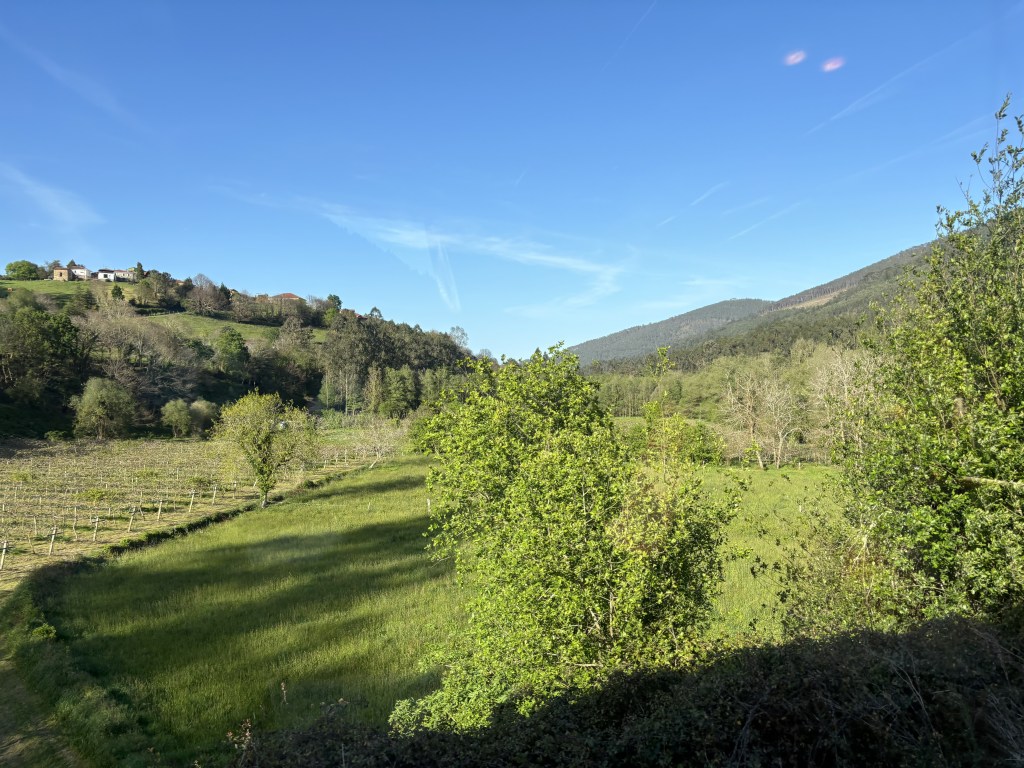
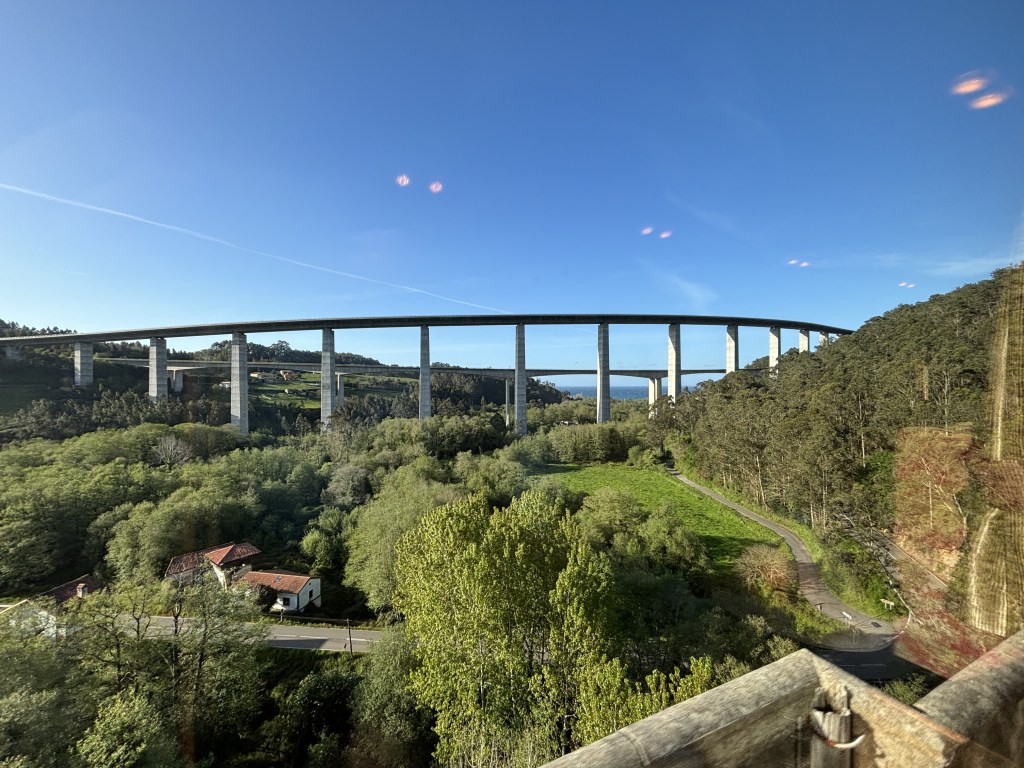
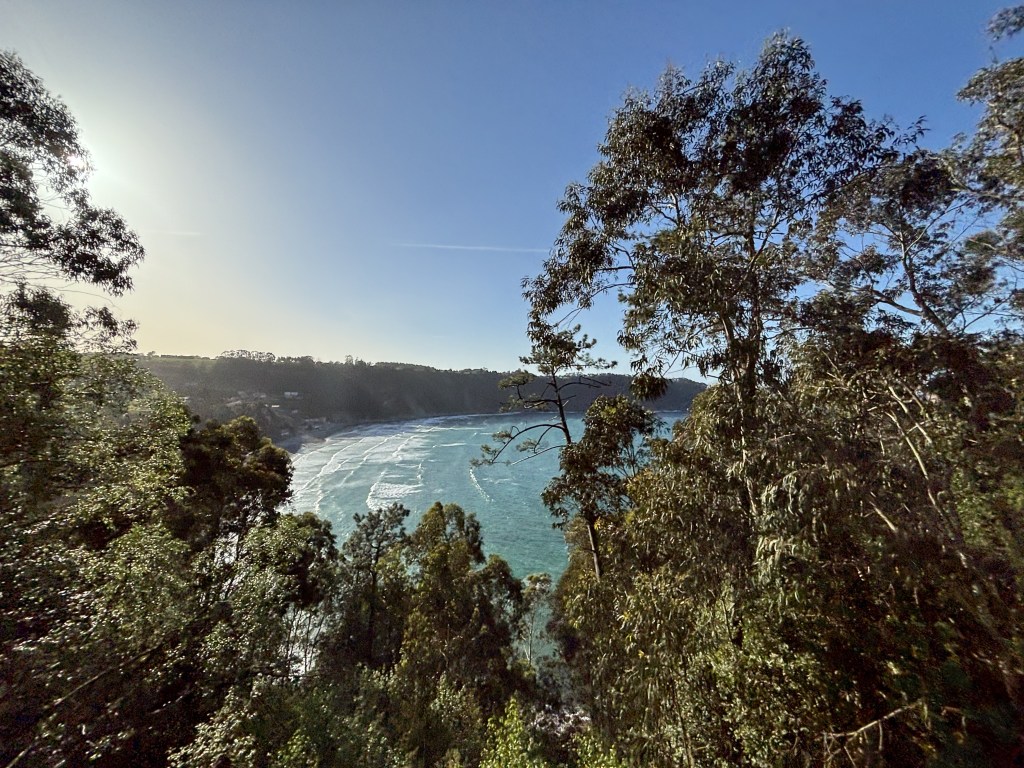
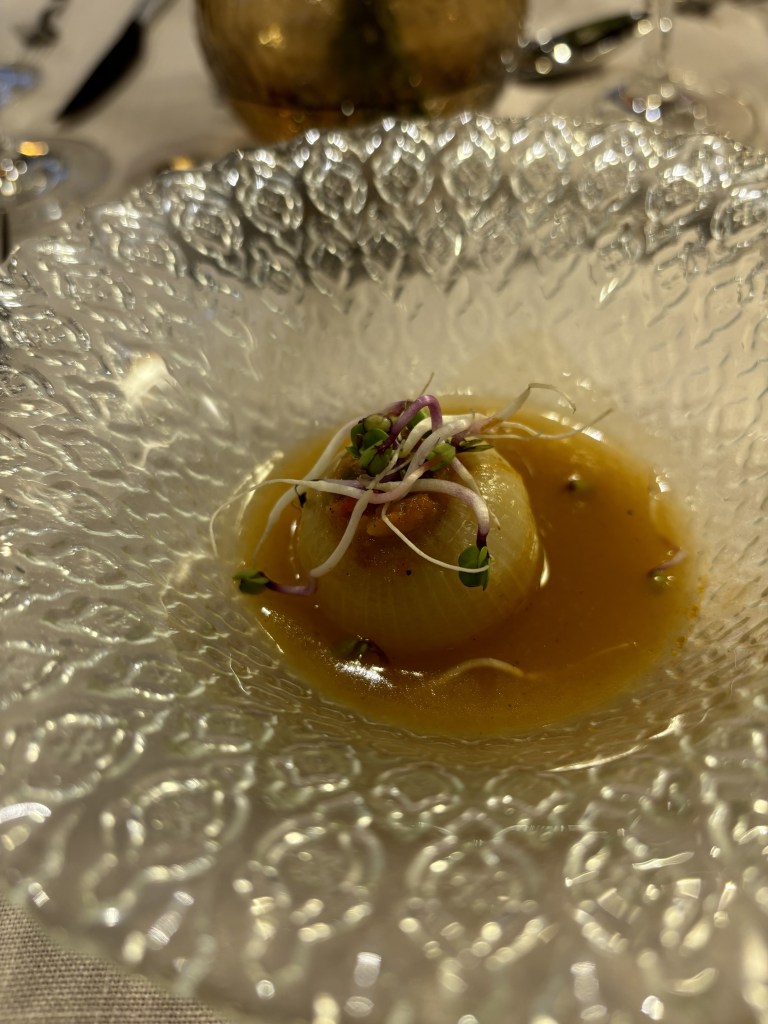
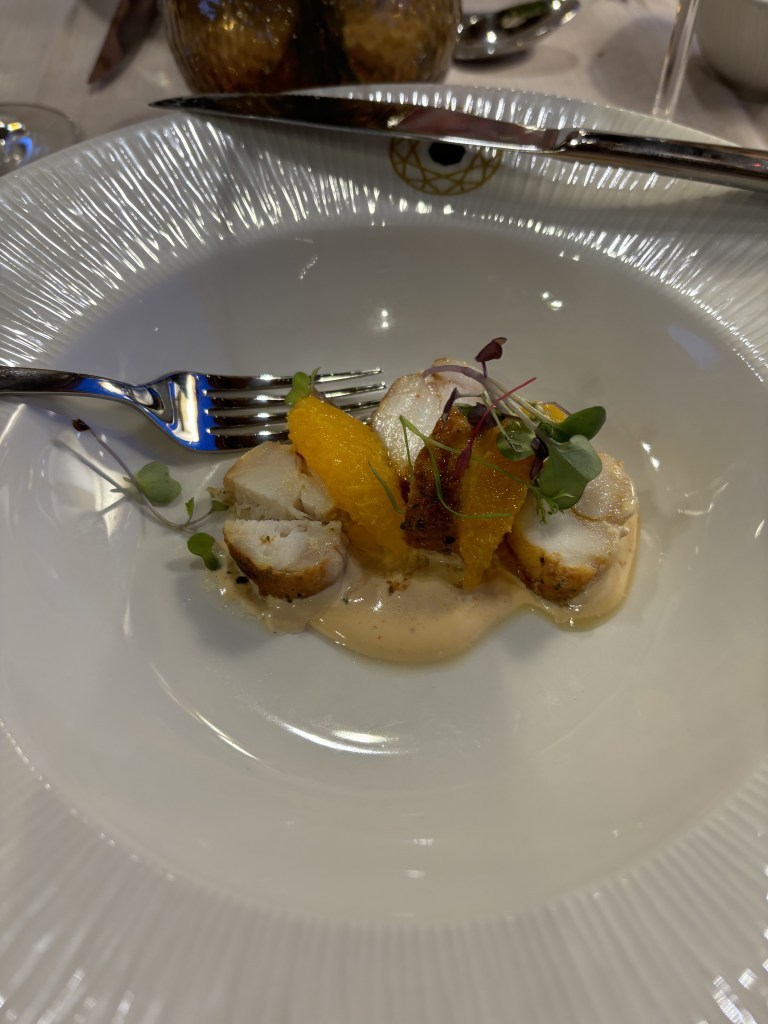
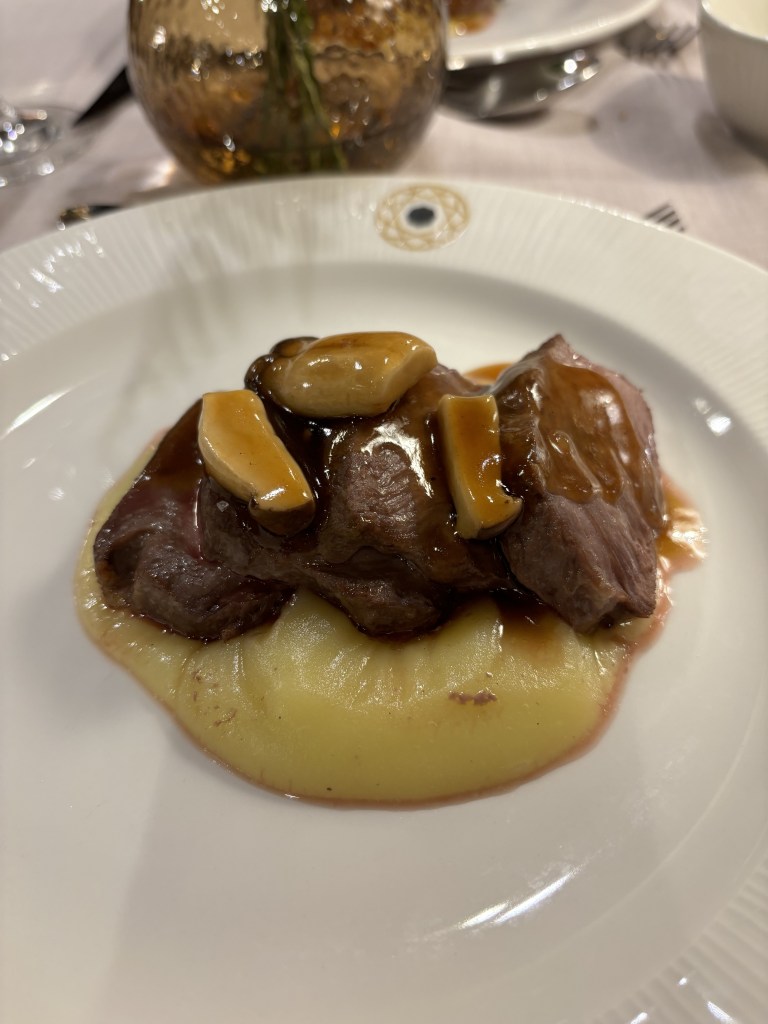
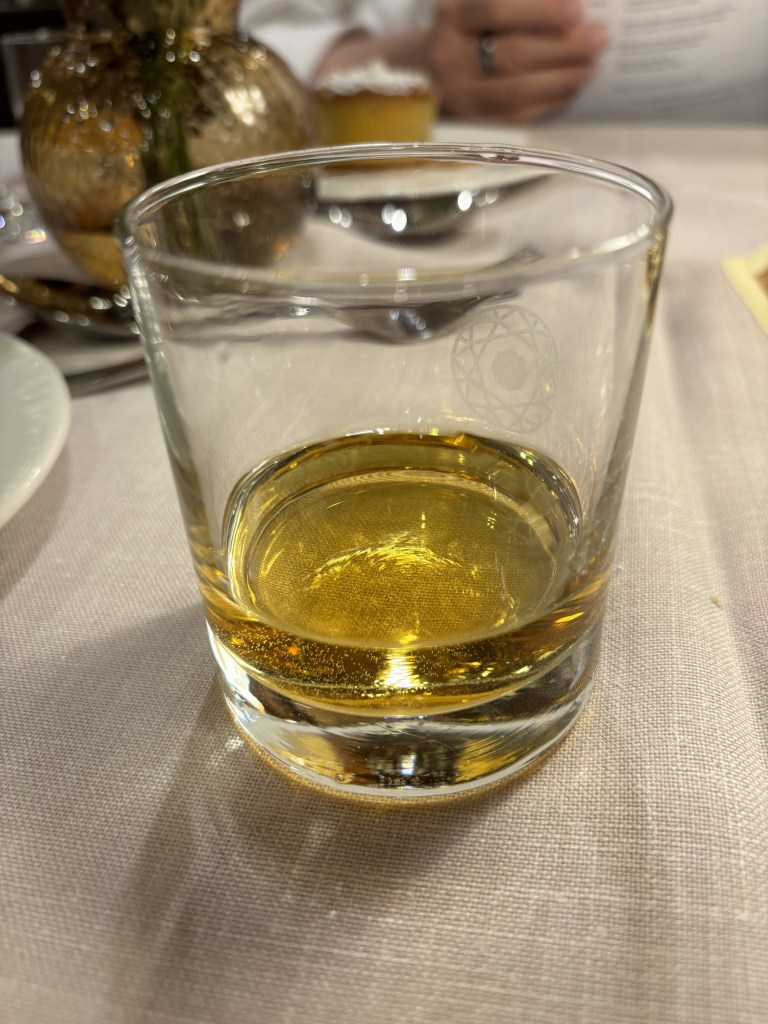
Dinner on the train
Day 7 – Oviedo-Llanes
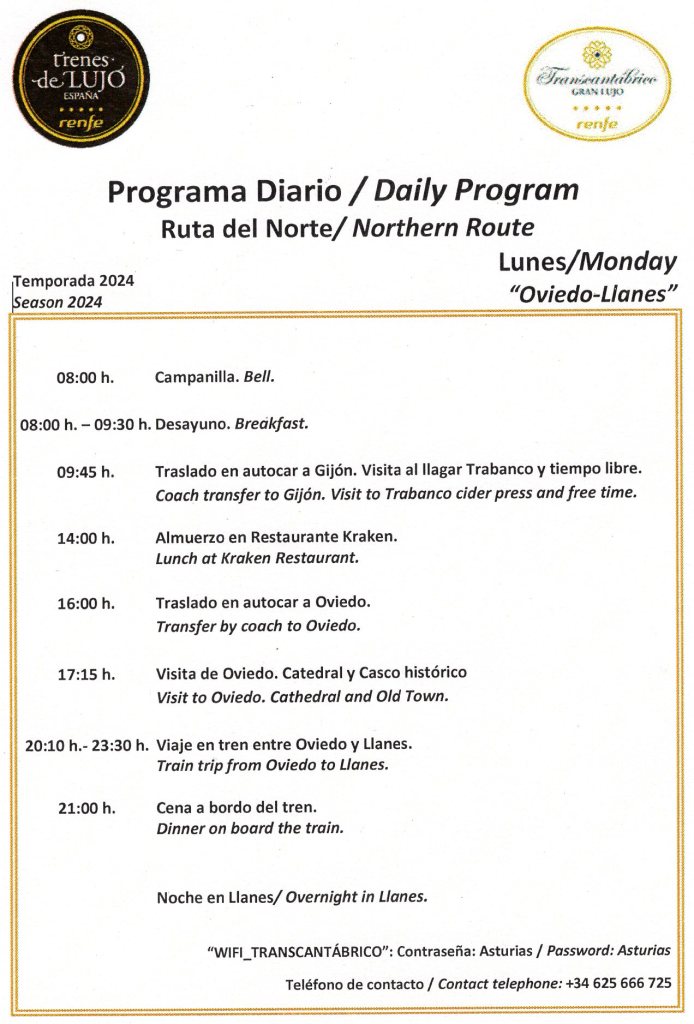
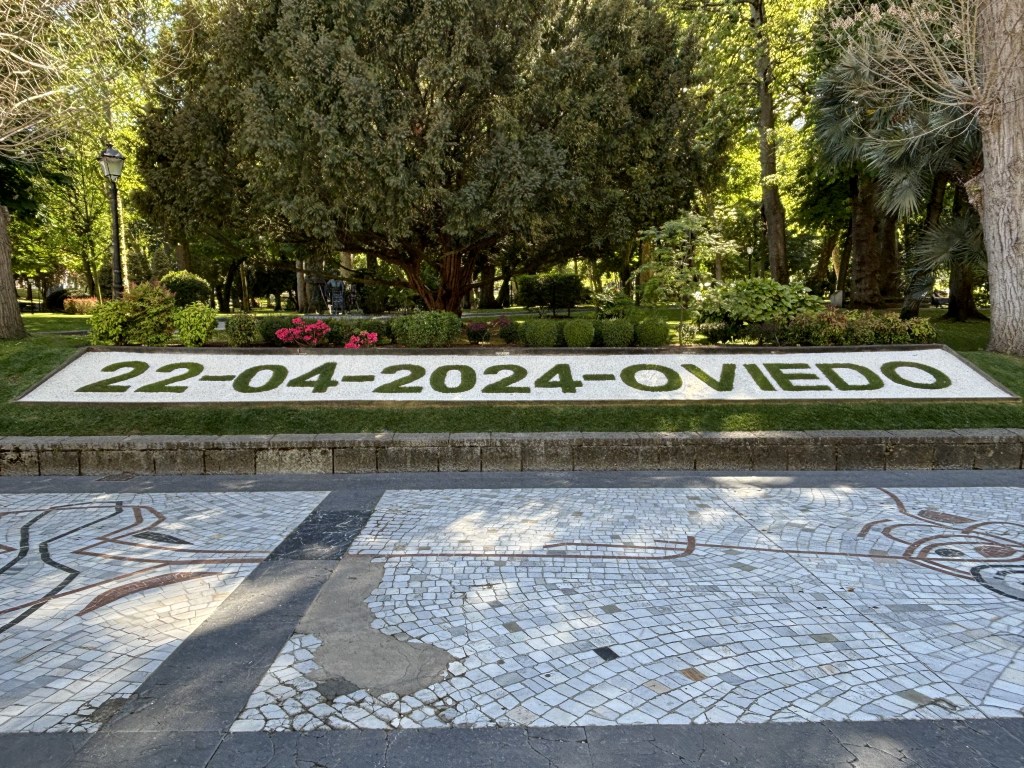
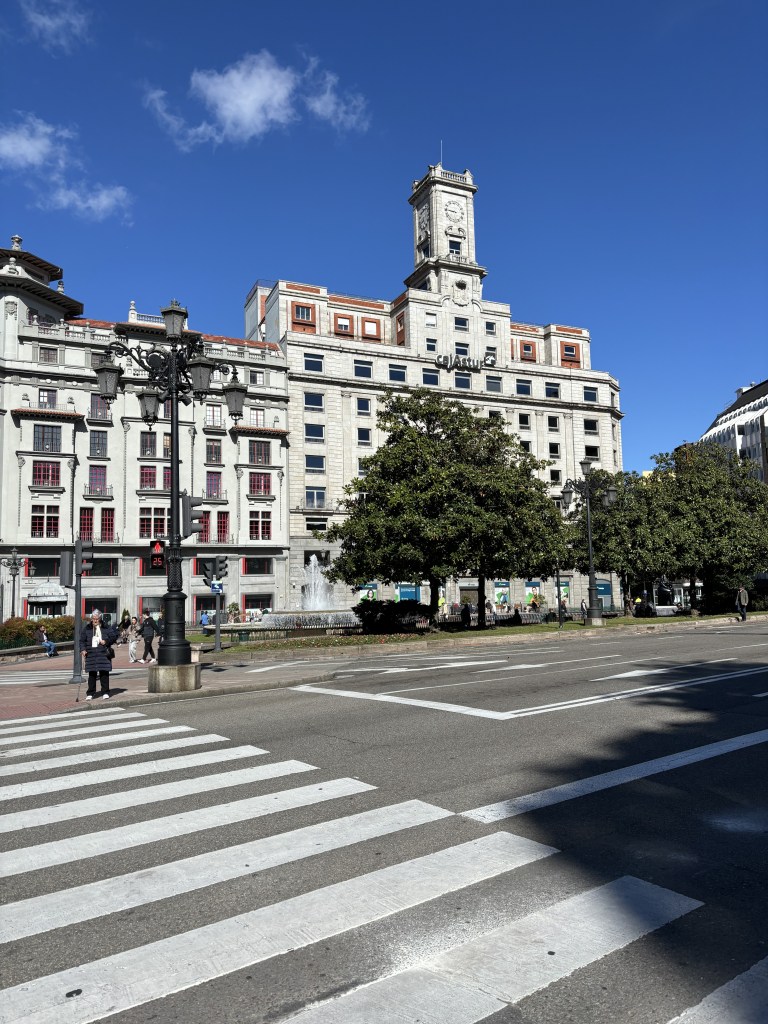
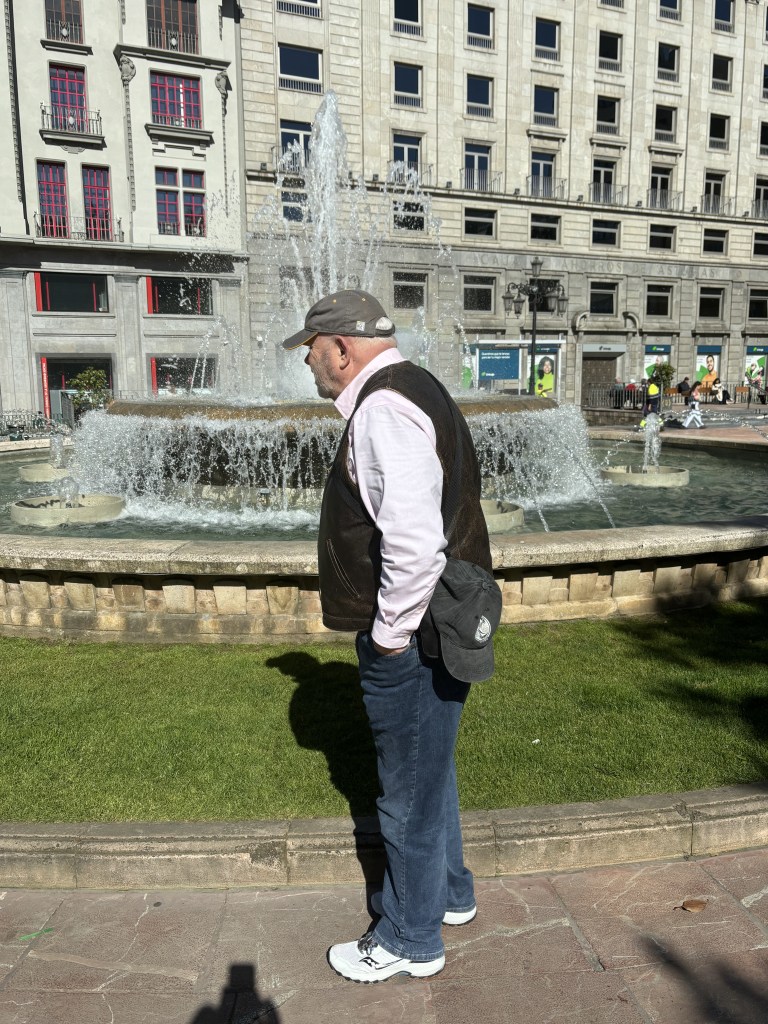
Oviedo (Spanish: [oˈβjeðo]) or Uviéu (Asturian: [uˈβjew]) is the capital city of the Principality of Asturias in northern Spain and the administrative and commercial centre of the region. It is also the name of the municipality that contains the city. Oviedo’s proximity to the ocean of less than 30 kilometres (19 mi) in combination with its elevated position with areas of the city more than 300 metres above sea level causes the city to have a maritime climate, in spite of its not being located on the shoreline itself. From Wikipedia, the free encyclopedia
After a cozy breakfast on the train, we were ready for our next adventure! We boarded our motor coach and set off for Gijón, where the highlight of the morning awaited: a visit to the famous Trabanco cider press.

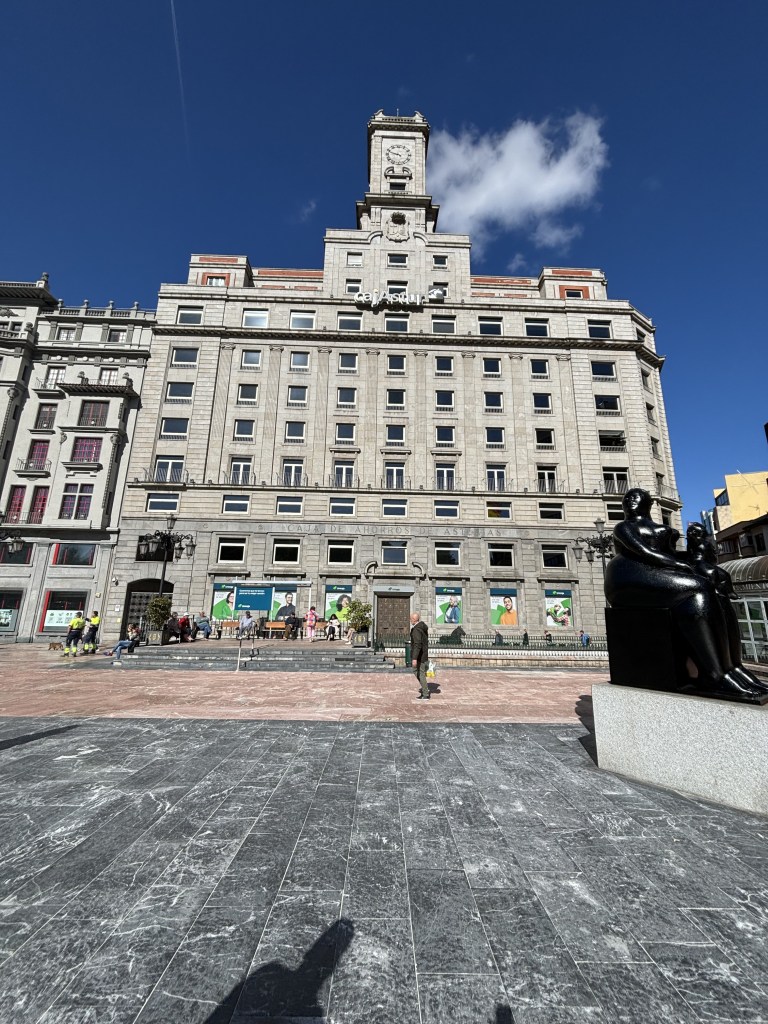
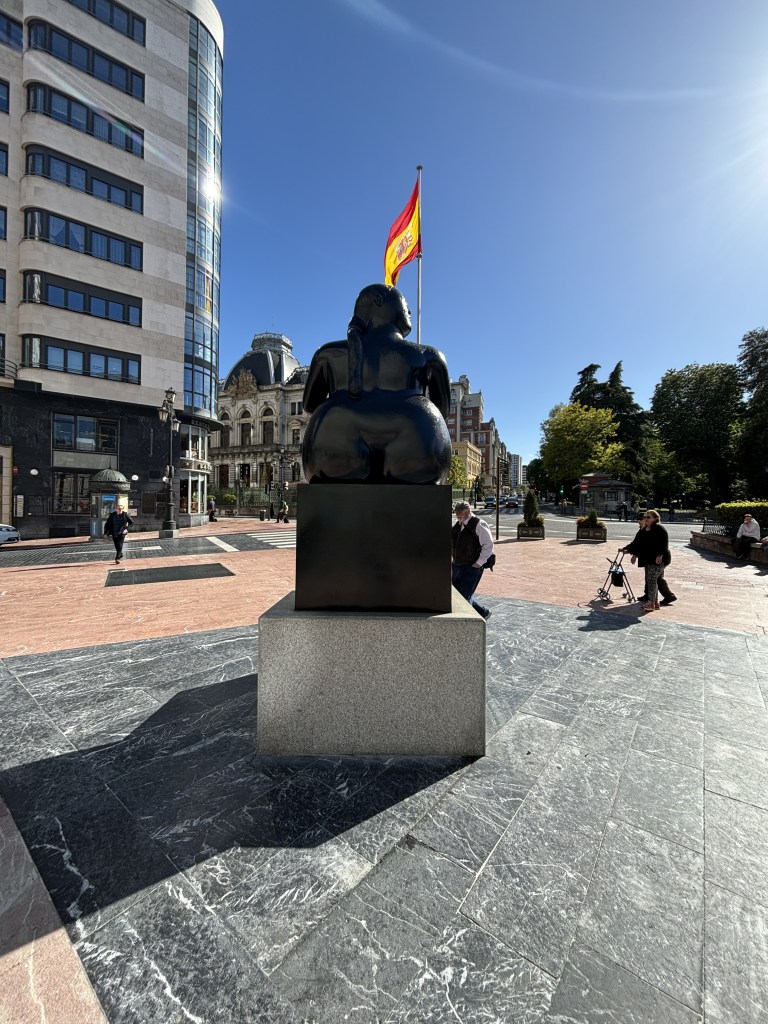
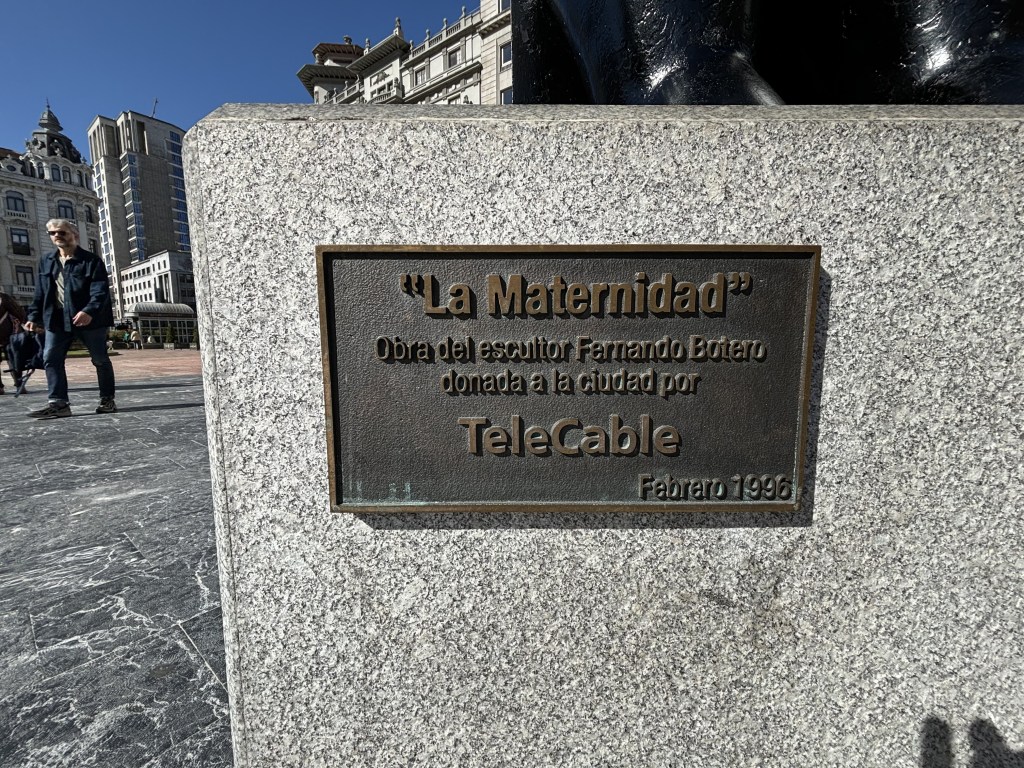
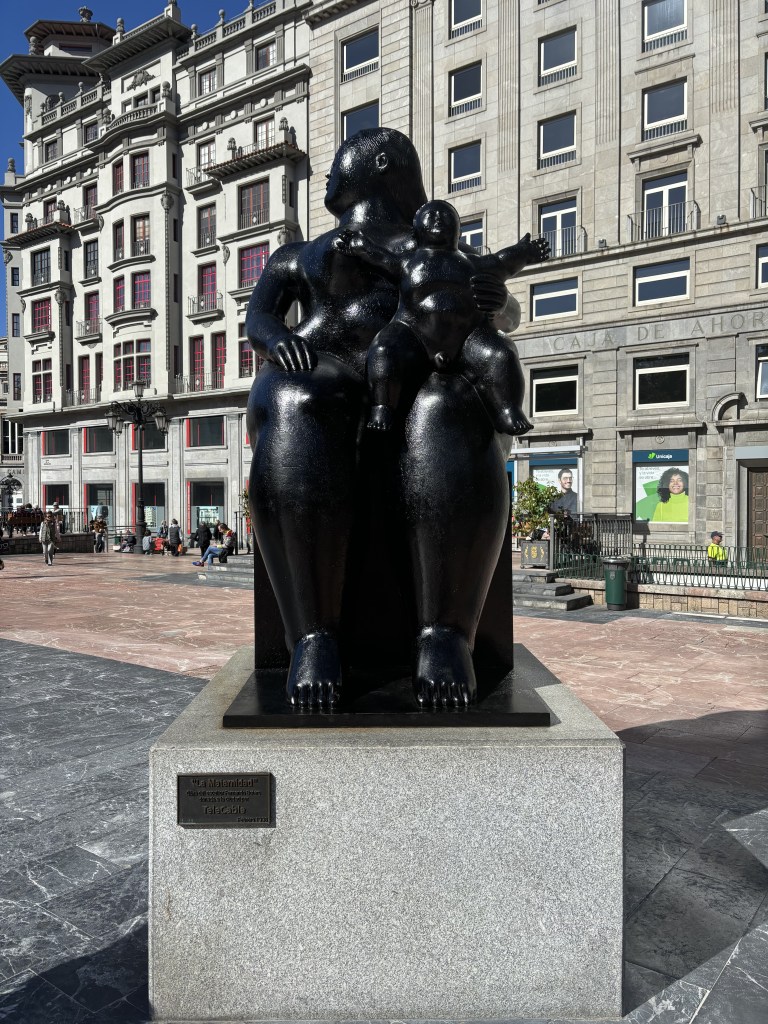

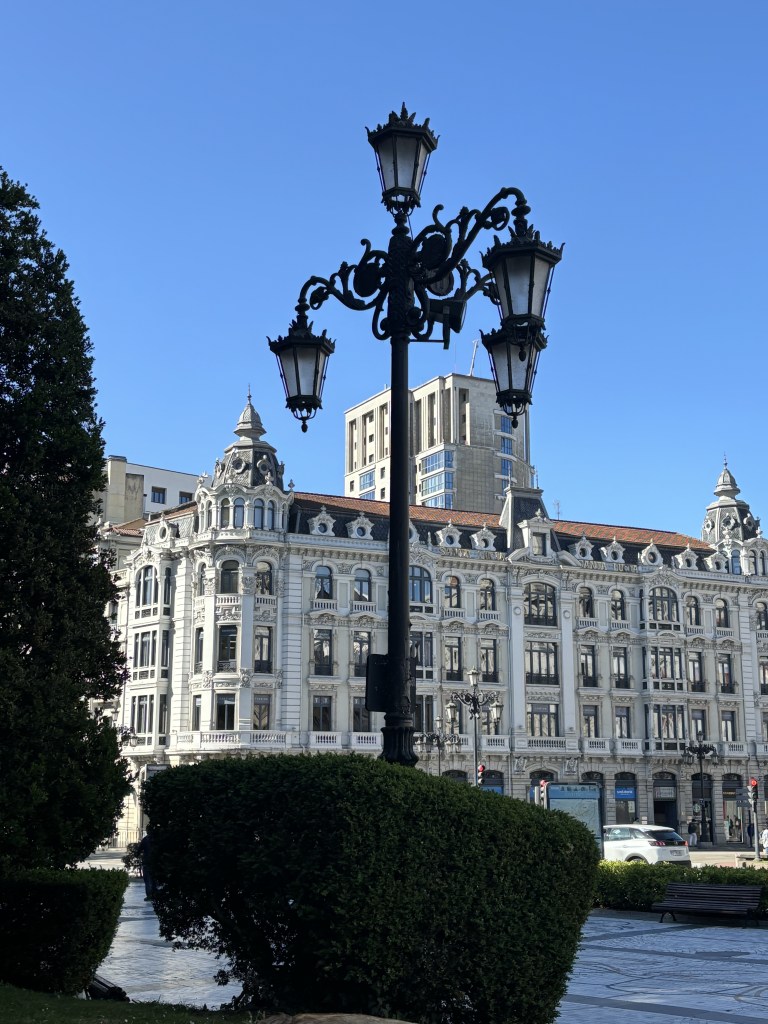
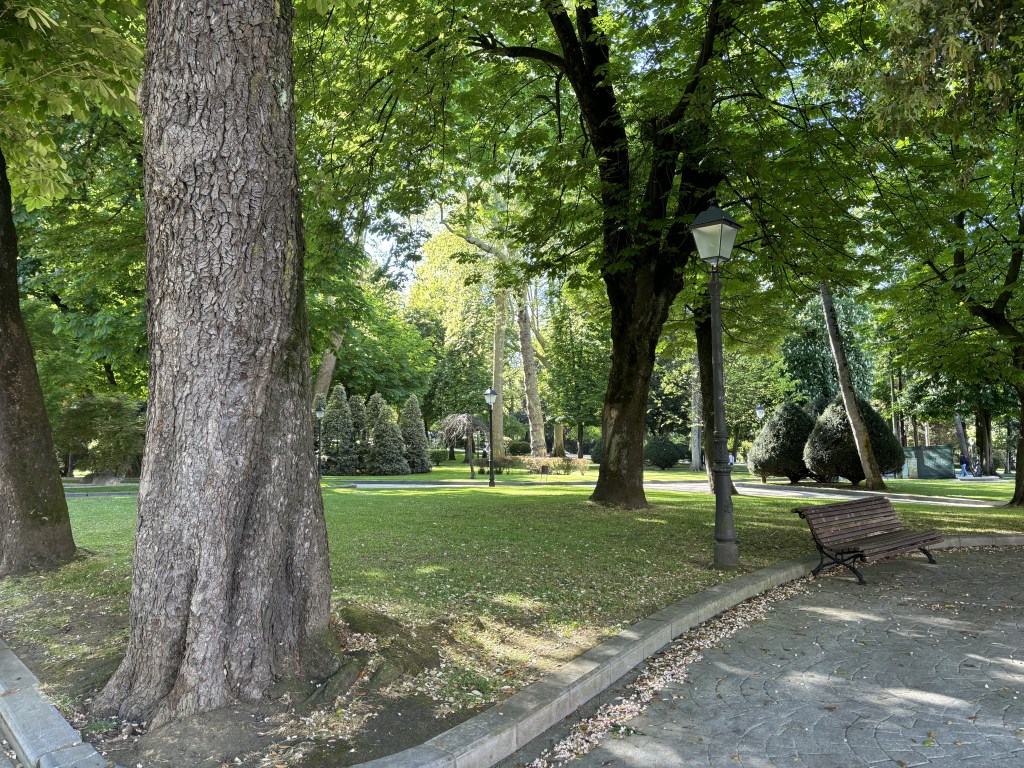
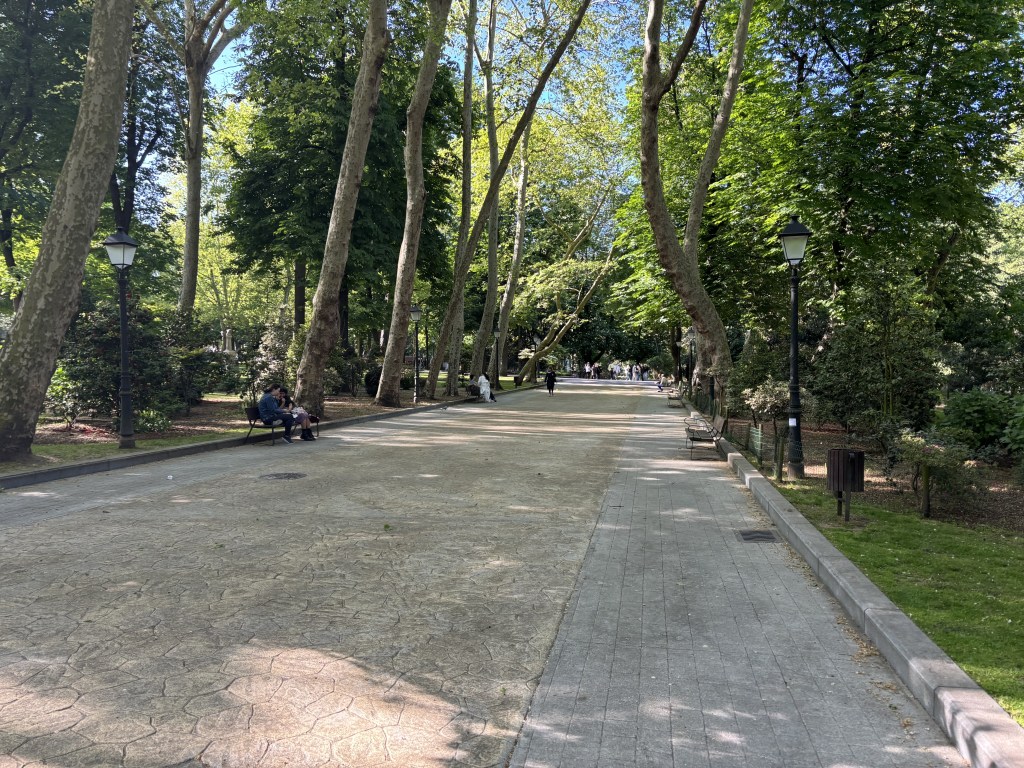
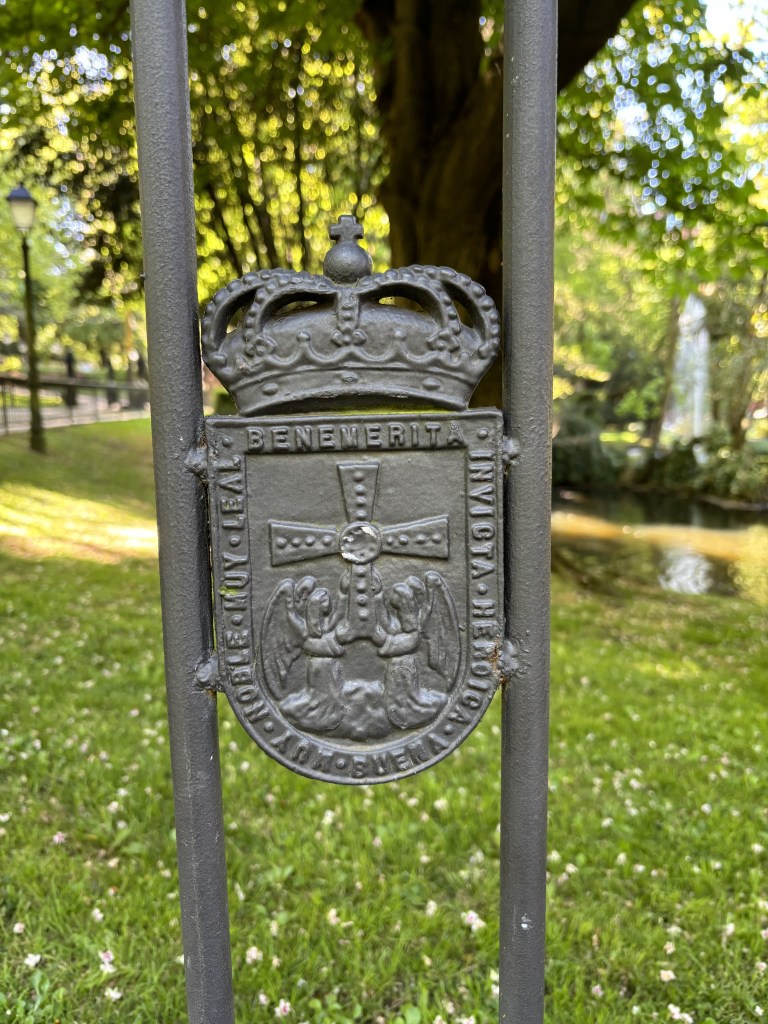

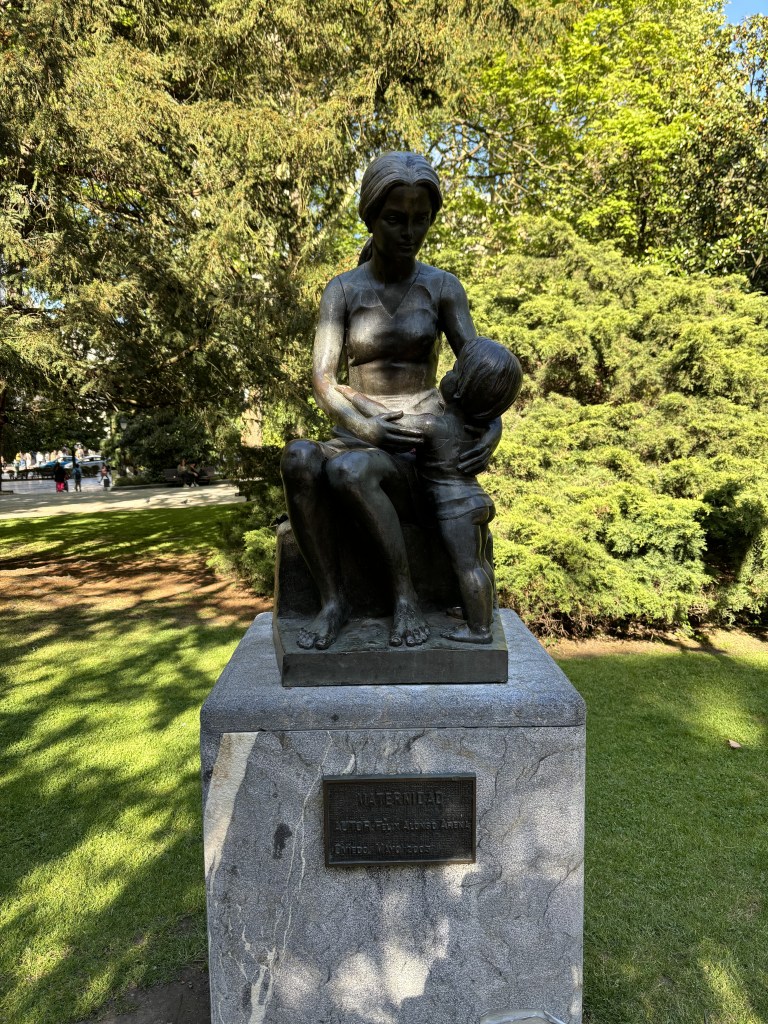
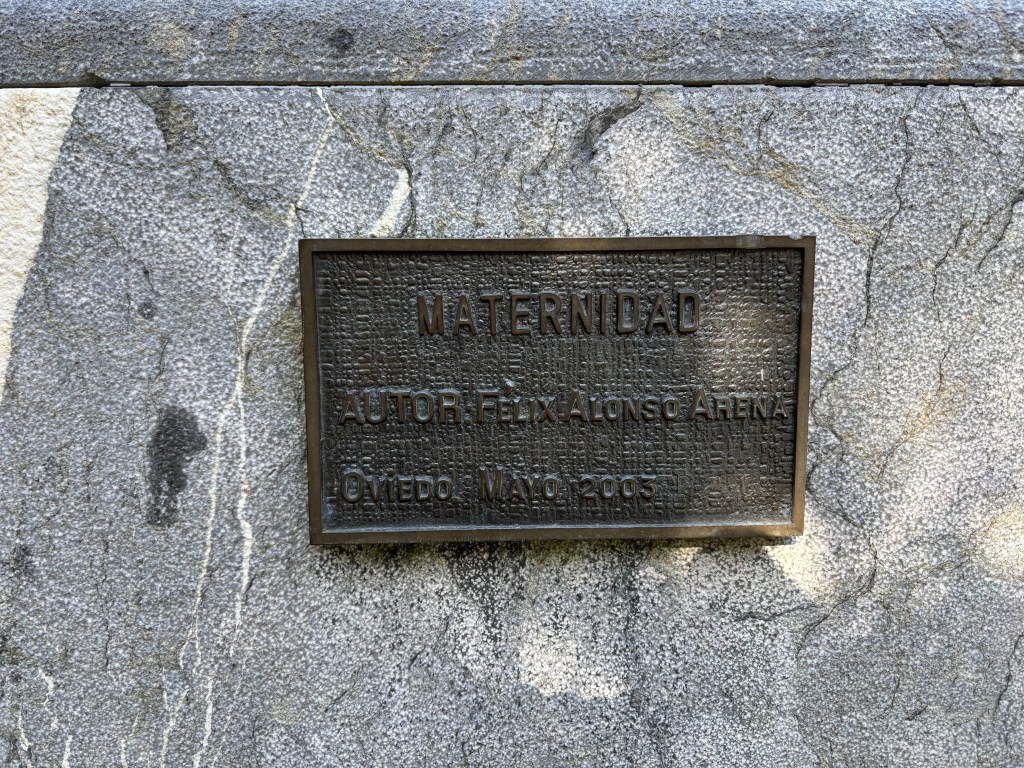
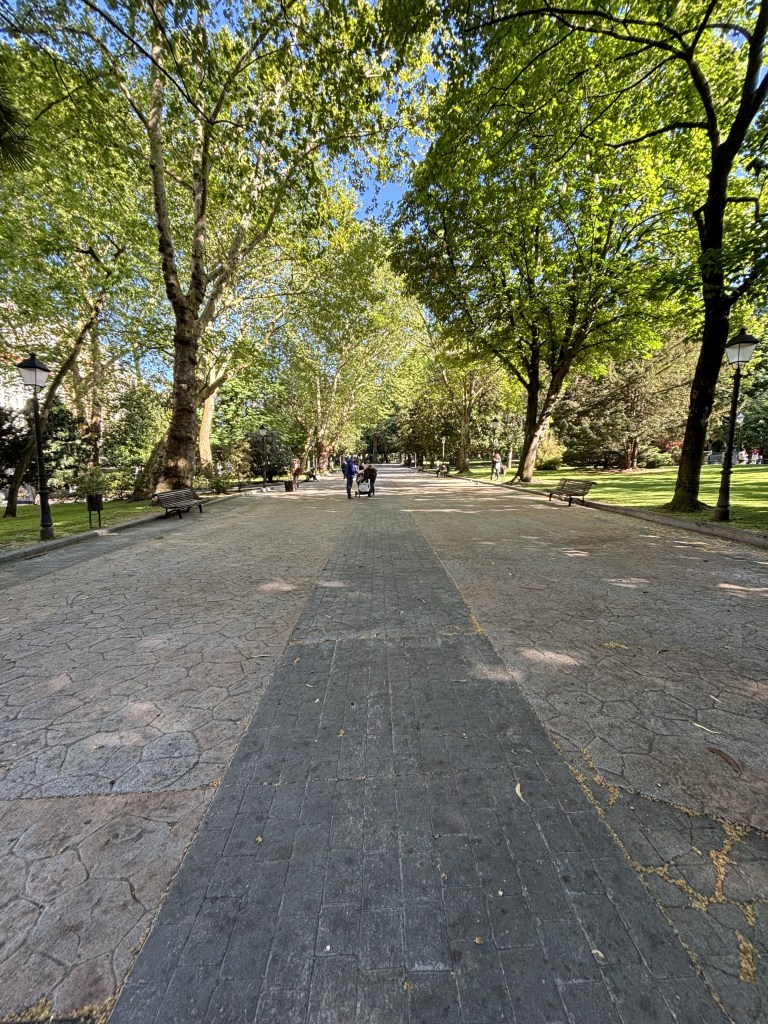
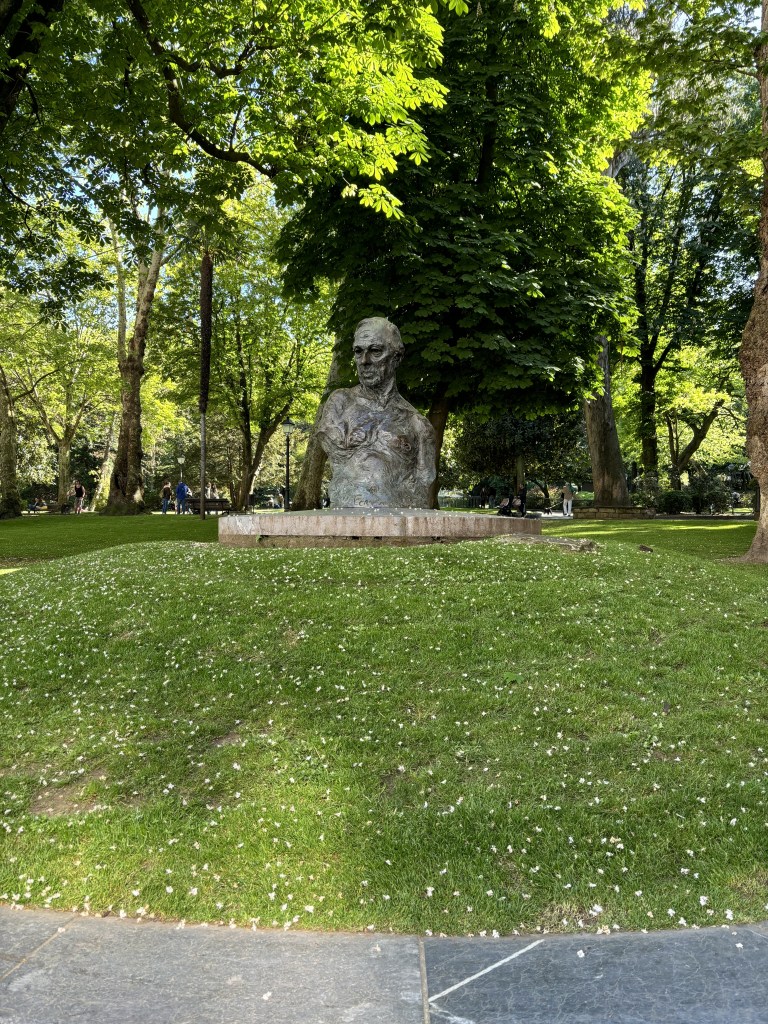
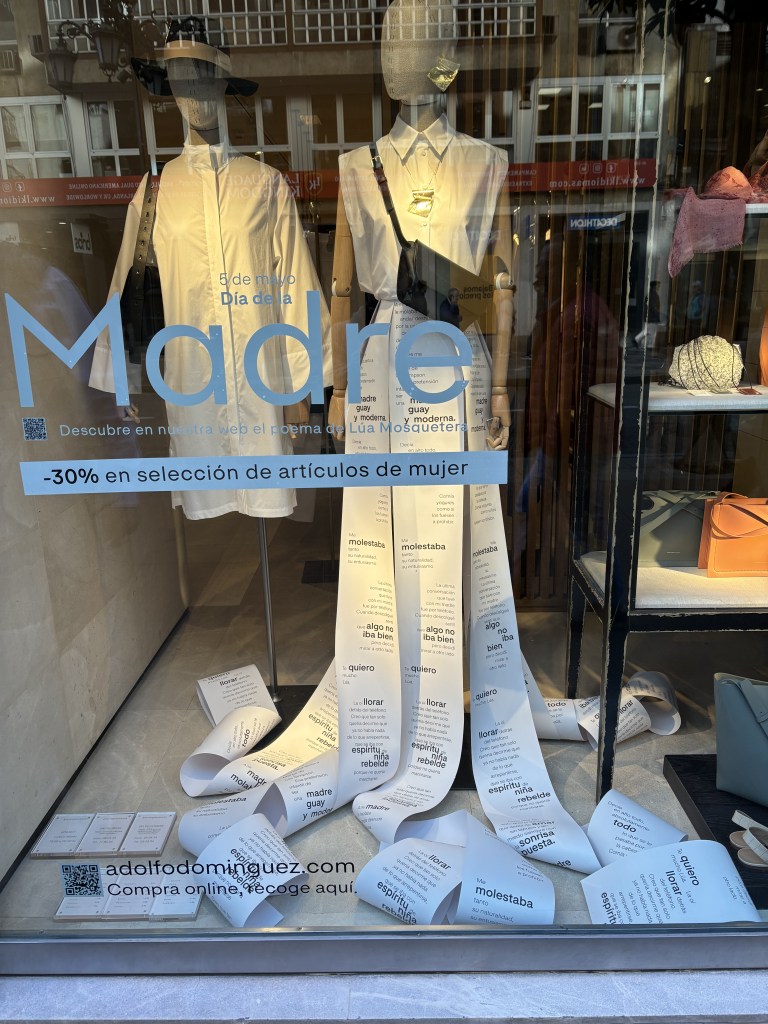
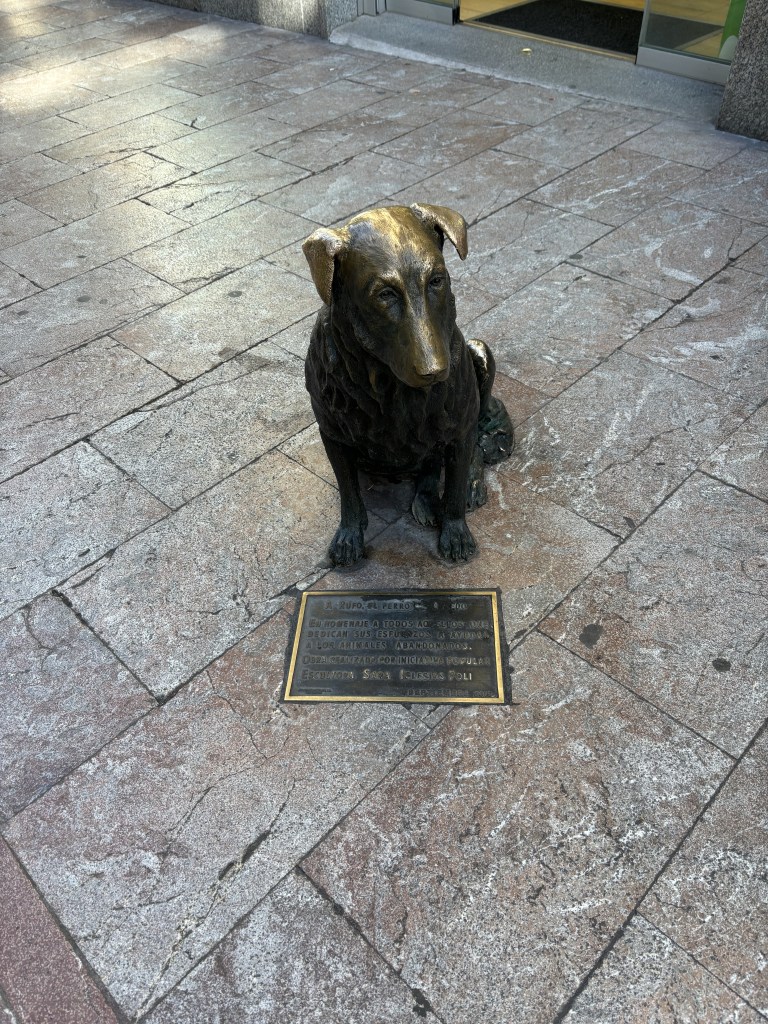
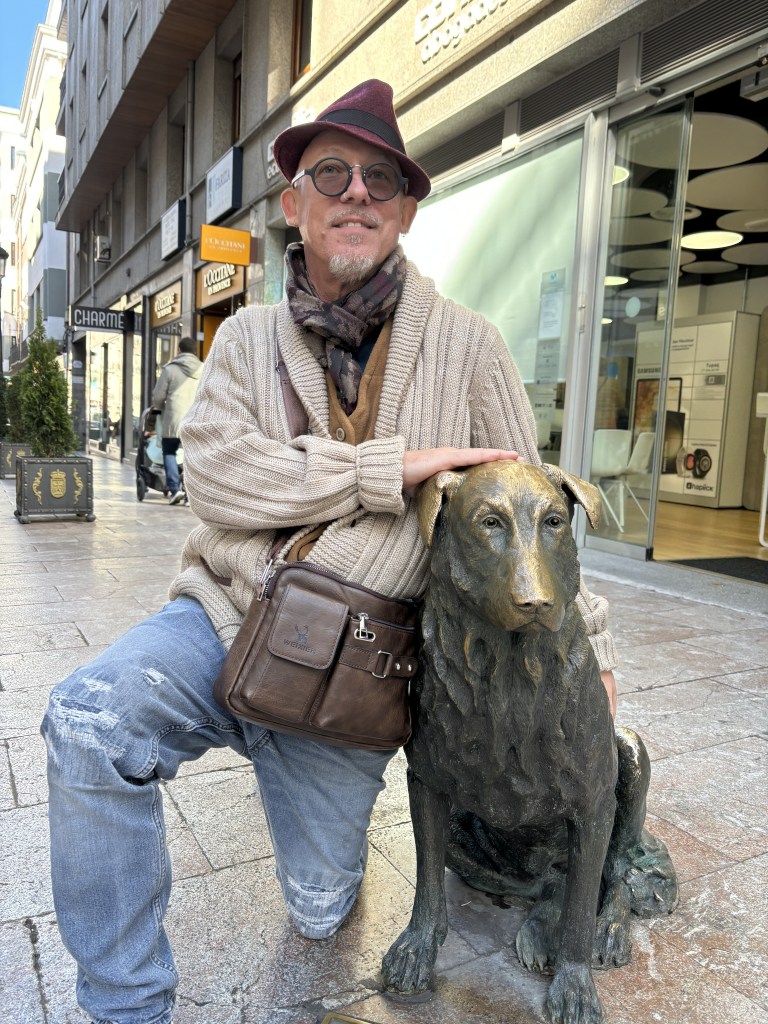
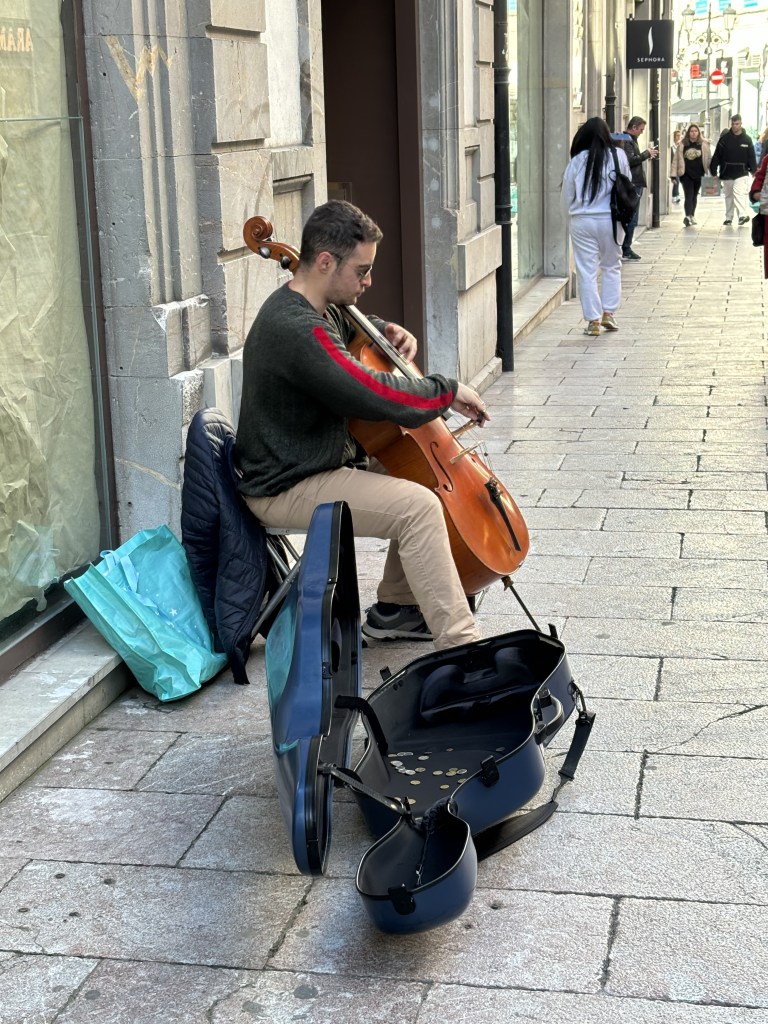
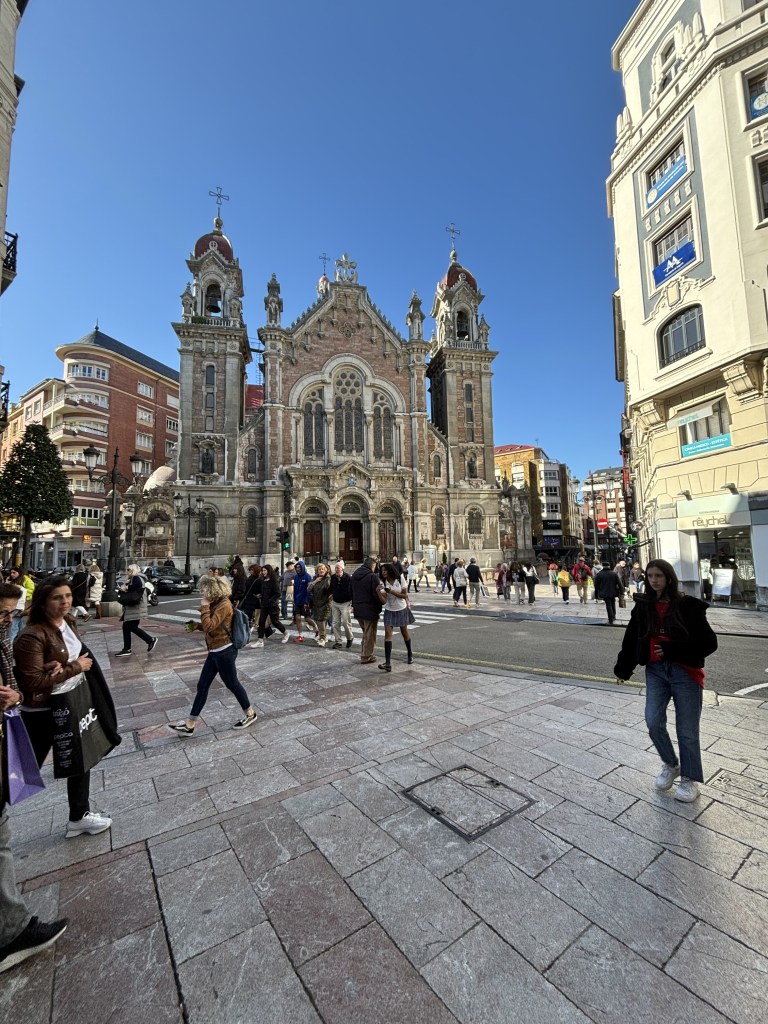

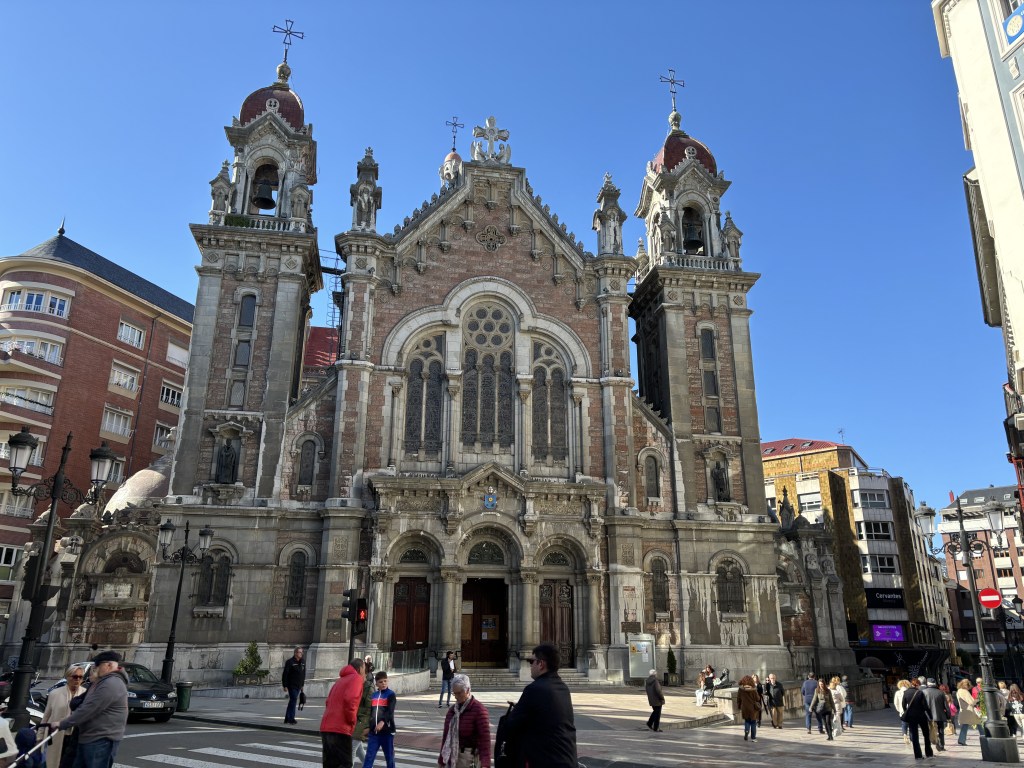
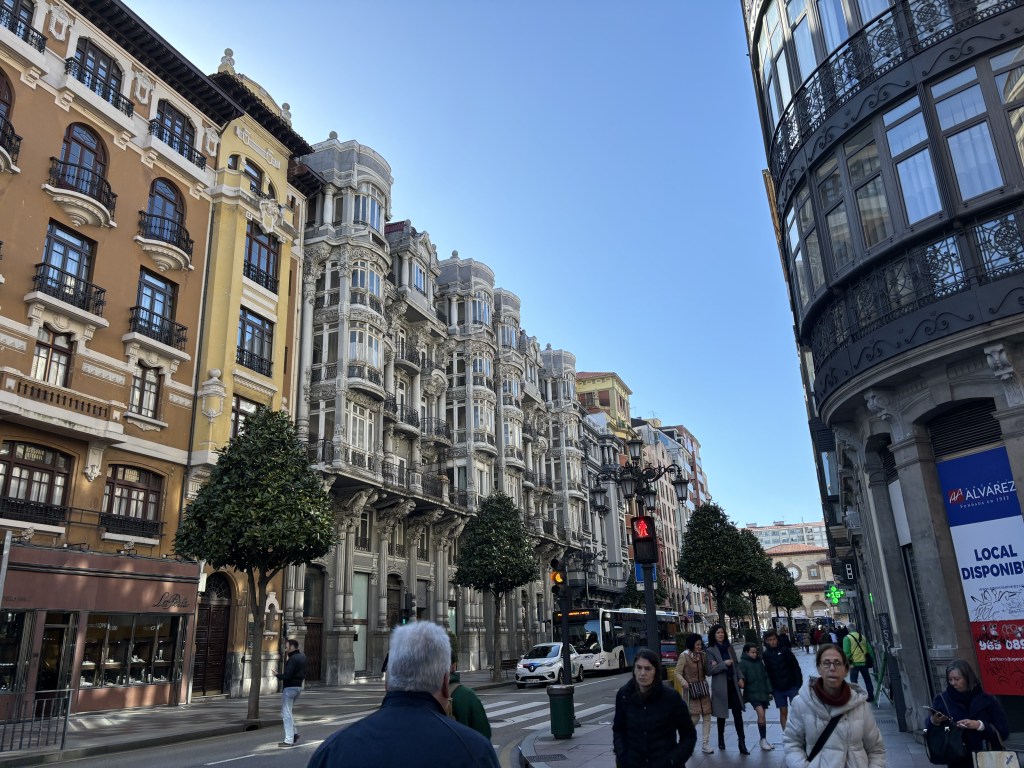
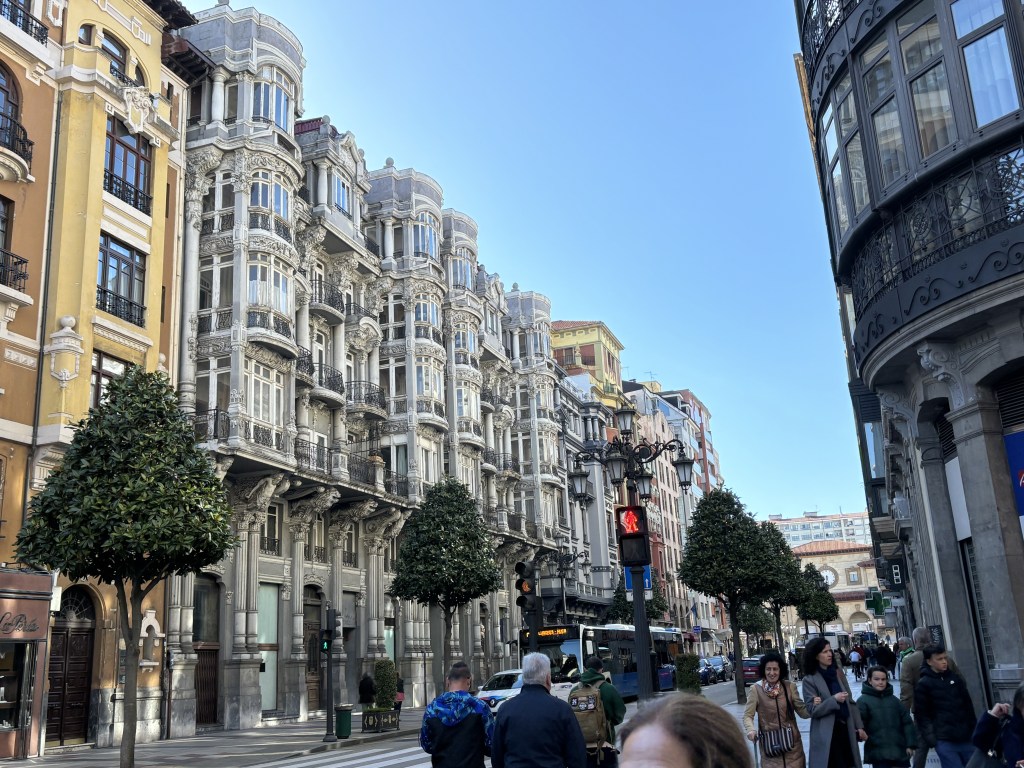
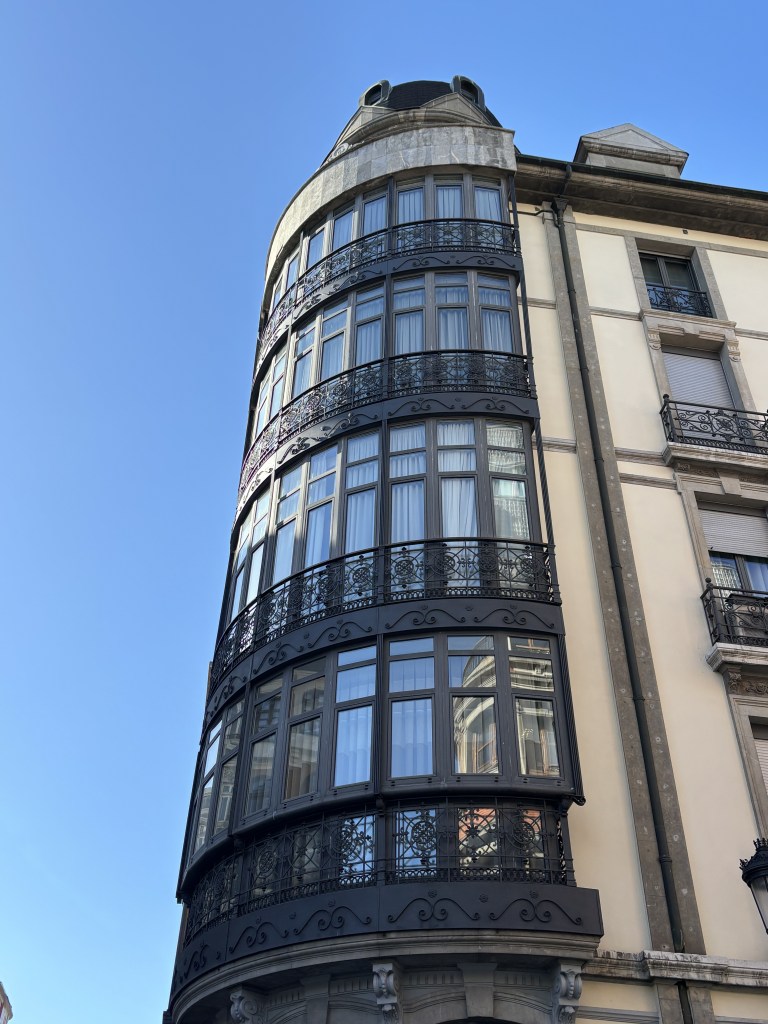
Gijón (Spanish: [xiˈxon] ⓘ) or Xixón (Asturian: [ʃiˈʃoŋ]) is a city and municipality in north-western Spain. It is the largest city and municipality by population in the autonomous community of Asturias. It is located on the coast of the Cantabrian Sea in the Bay of Biscay, in the central-northern part of Asturias; it is approximately 24 km (15 mi) north-east of Oviedo,[3] the capital of Asturias, and 26 km (16 mi) from Avilés. With a population of 273,744 as of 2023,[4] Gijón is the 15th largest city in Spain. From Wikipedia, the free encyclopedia
At Trabanco, we dove into the rich history of cider-making, learning about the fascinating process behind this beloved Asturian drink. And, of course, the best part came when we got to sample the finished product—refreshing, crisp, and bursting with flavor!
With a little free time to explore Gijón, we soaked in the city’s charm before heading to lunch at the Kraken restaurant. Let me just say, this meal was nothing short of legendary,
perfectly living up to its bold name!
Day 8 – Lianes
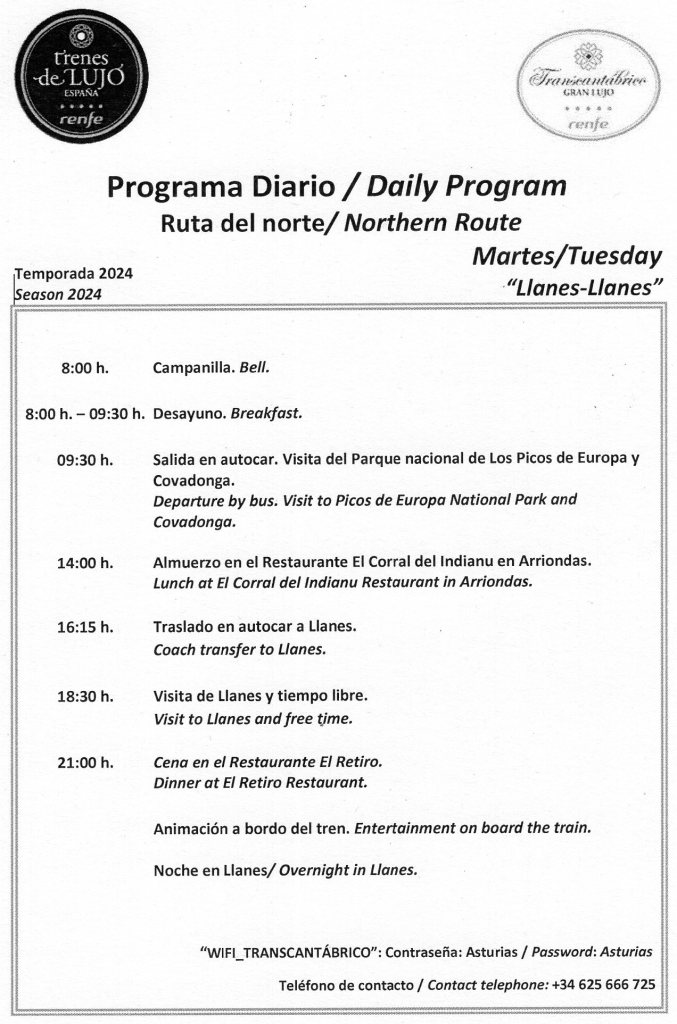
The Picos de Europa National Park (Spanish: Parque Nacional de Picos de Europa) is a National Park in the Picos de Europa mountain range, in northern Spain. It is within the boundaries of three autonomous communities, Asturias, Cantabria and Castile and León, which are represented on the body which runs the park. The park is also a popular destination for hikers and trekkers.
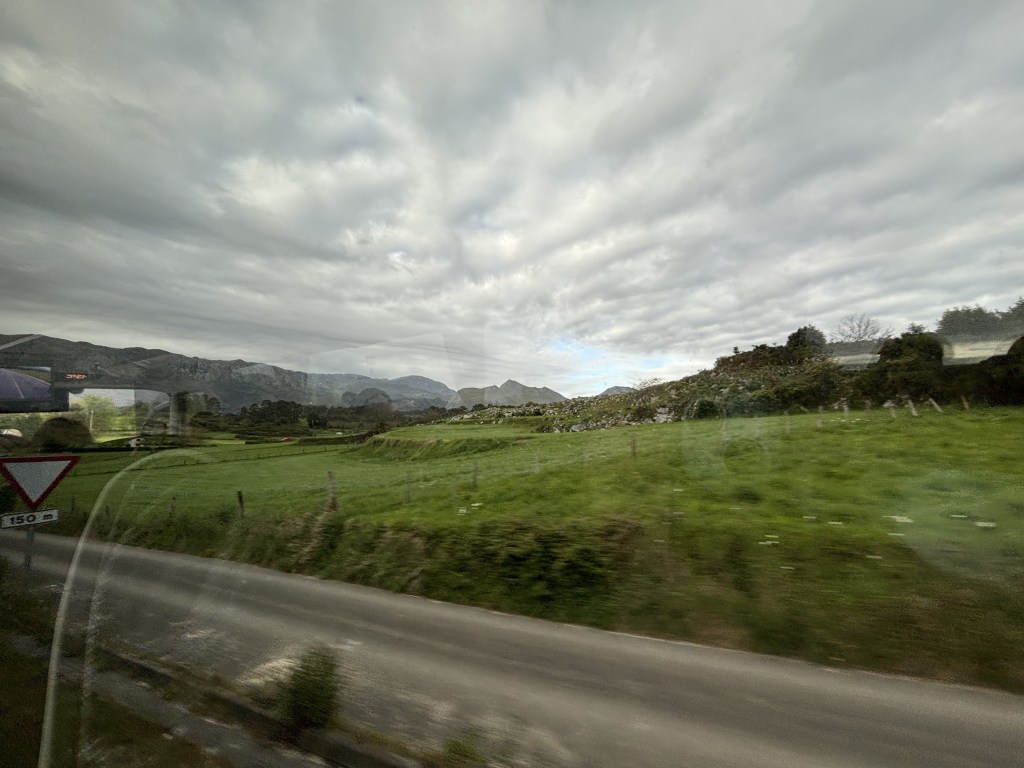
On the motor coach to Picos de Europa National Park and Covadonga 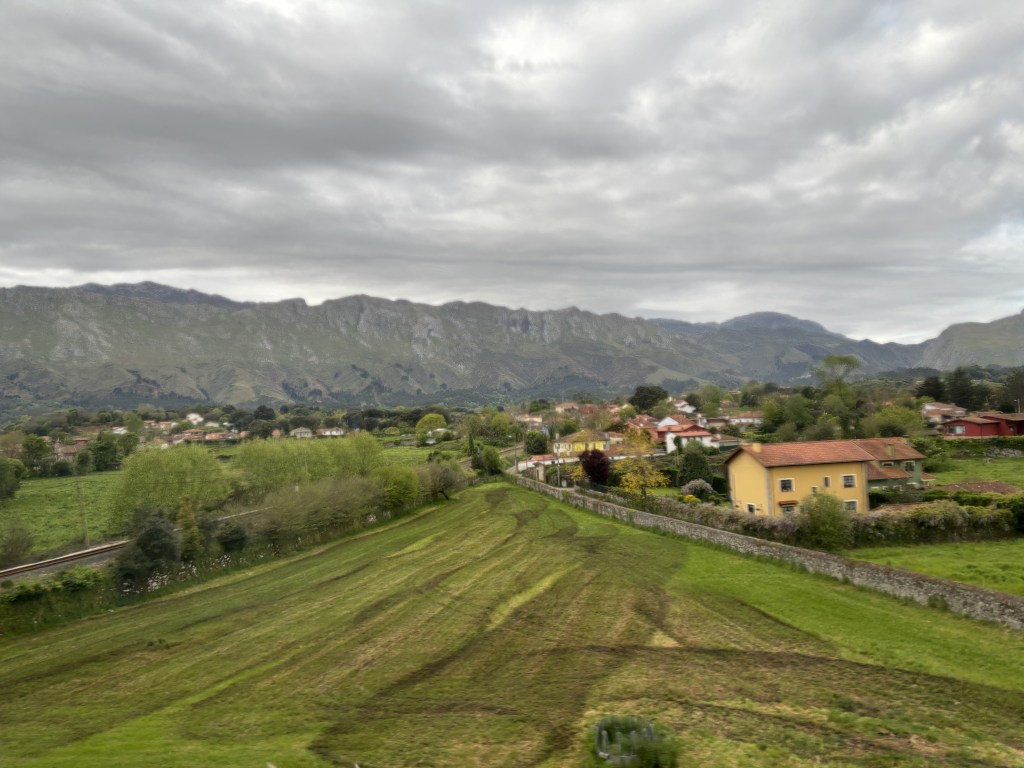
On the motor coach to Picos de Europa National Park and Covadonga 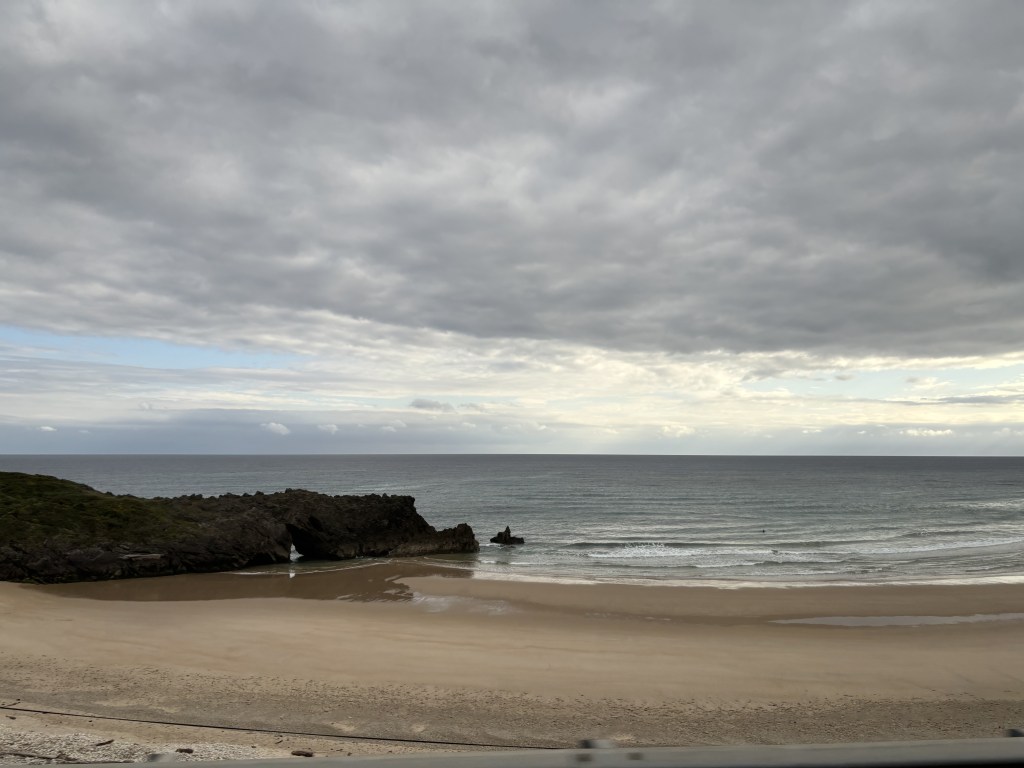
On the motor coach to Picos de Europa National Park and Covadonga 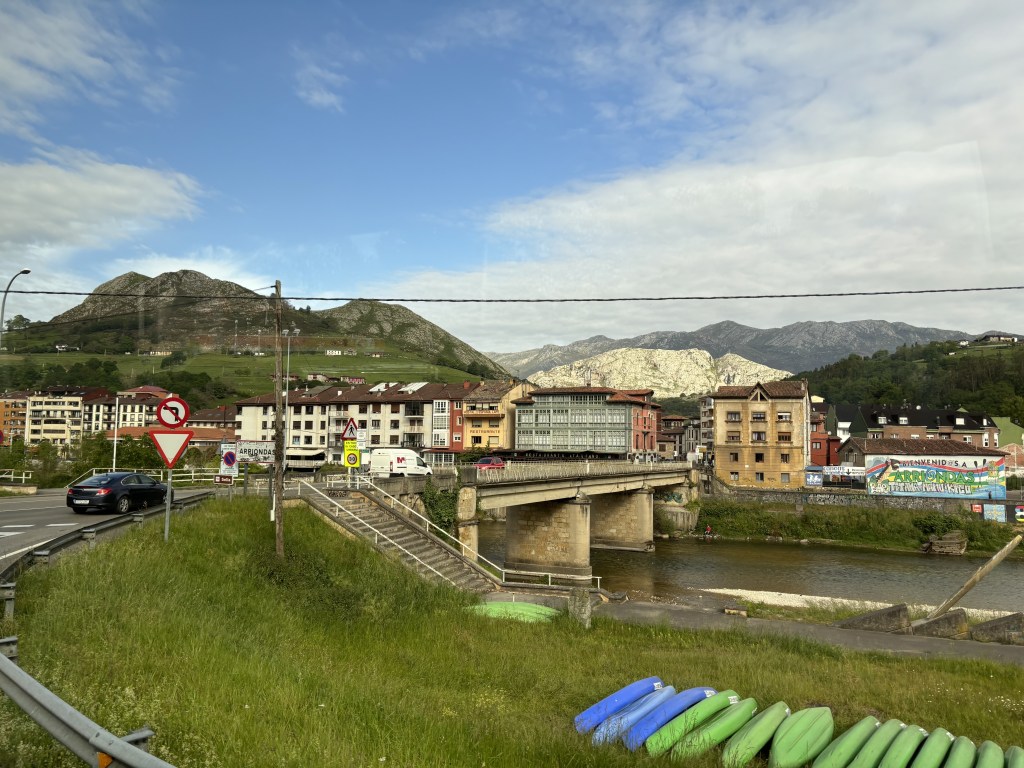
On the motor coach to Picos de Europa National Park and Covadonga 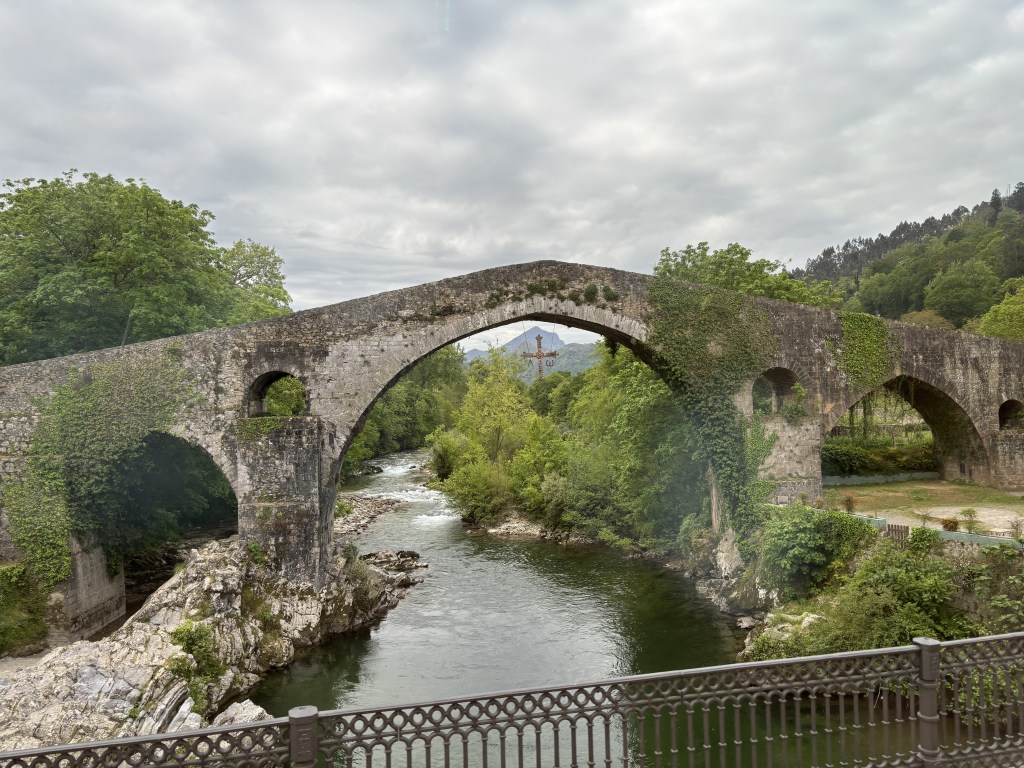
On the motor coach to Picos de Europa National Park and Covadonga 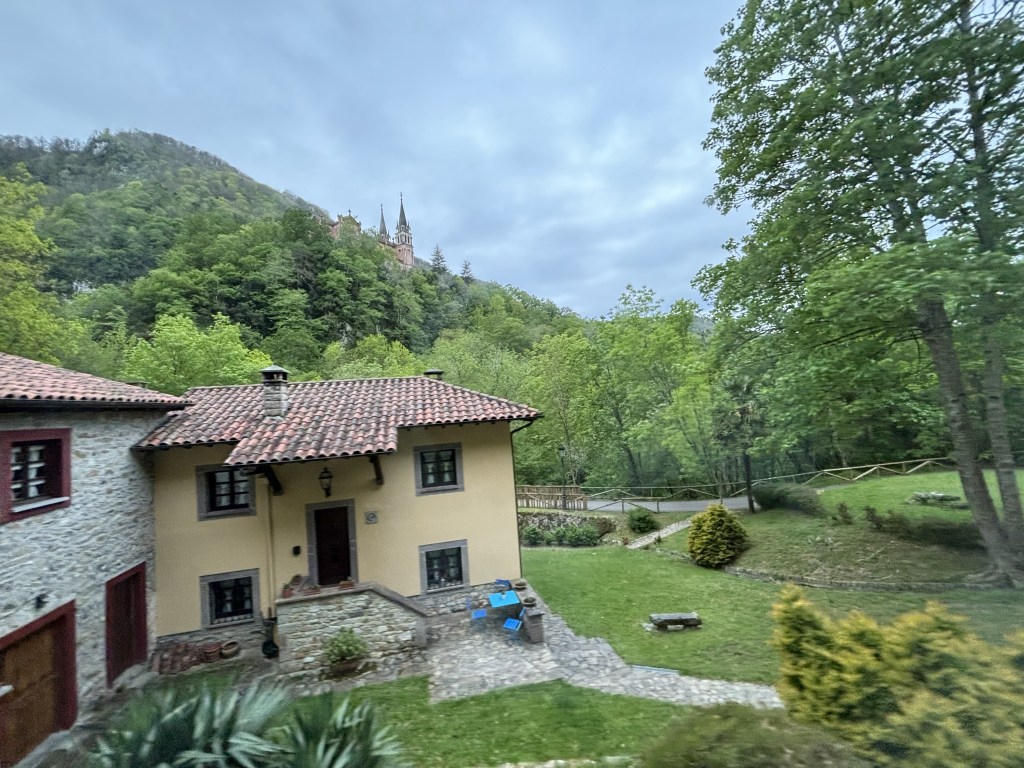
On the motor coach to Picos de Europa National Park and Covadonga 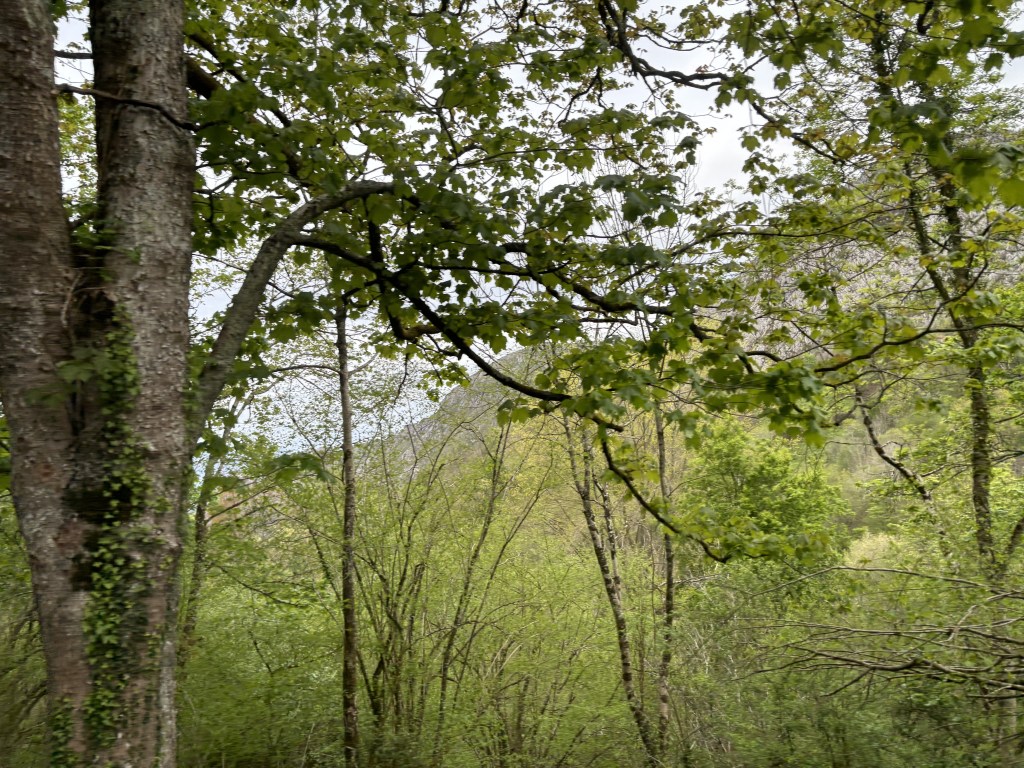
On the motor coach to Picos de Europa National Park and Covadonga 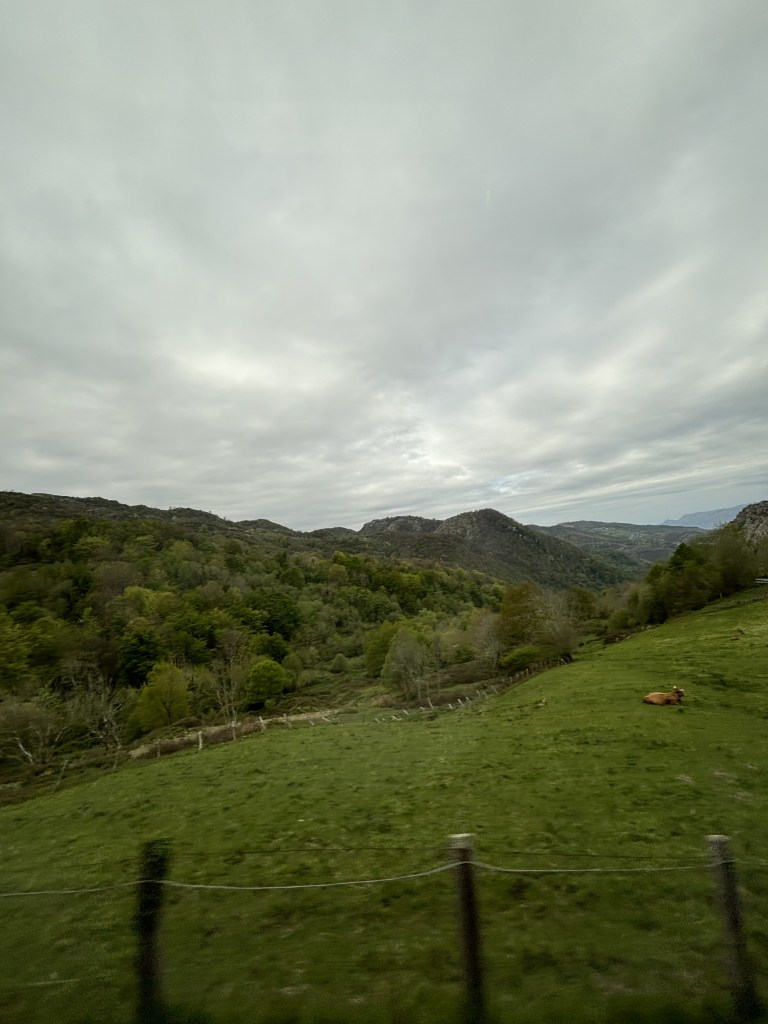
On the motor coach to Picos de Europa National Park and Covadonga 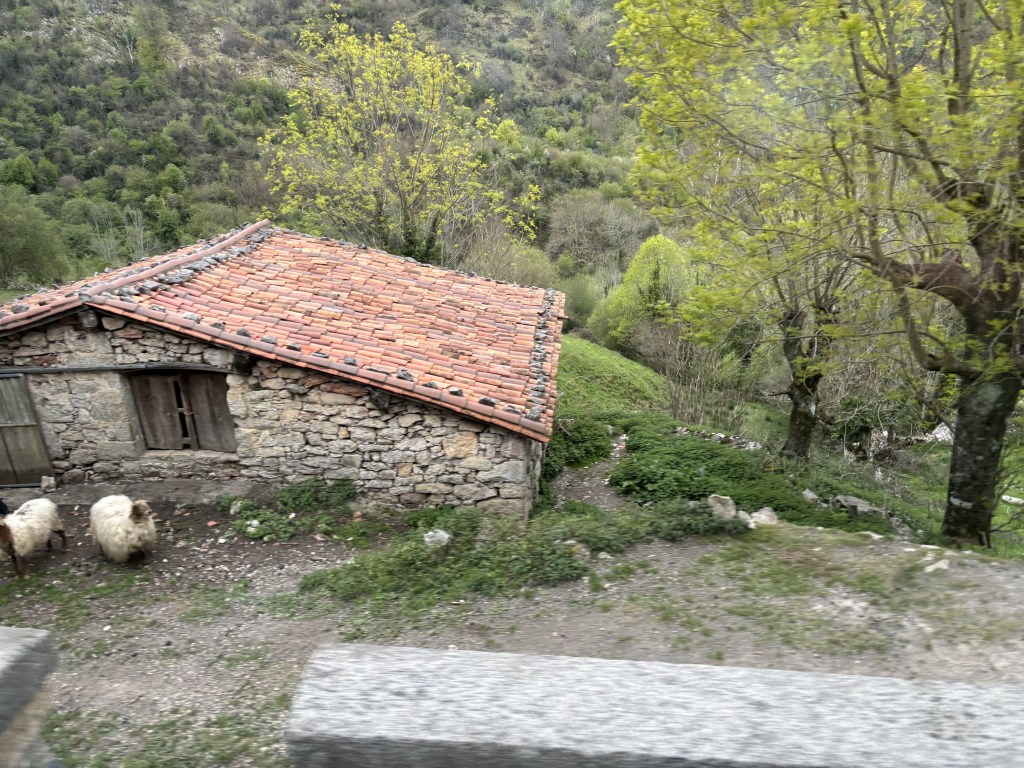
On the motor coach to Picos de Europa National Park and Covadonga 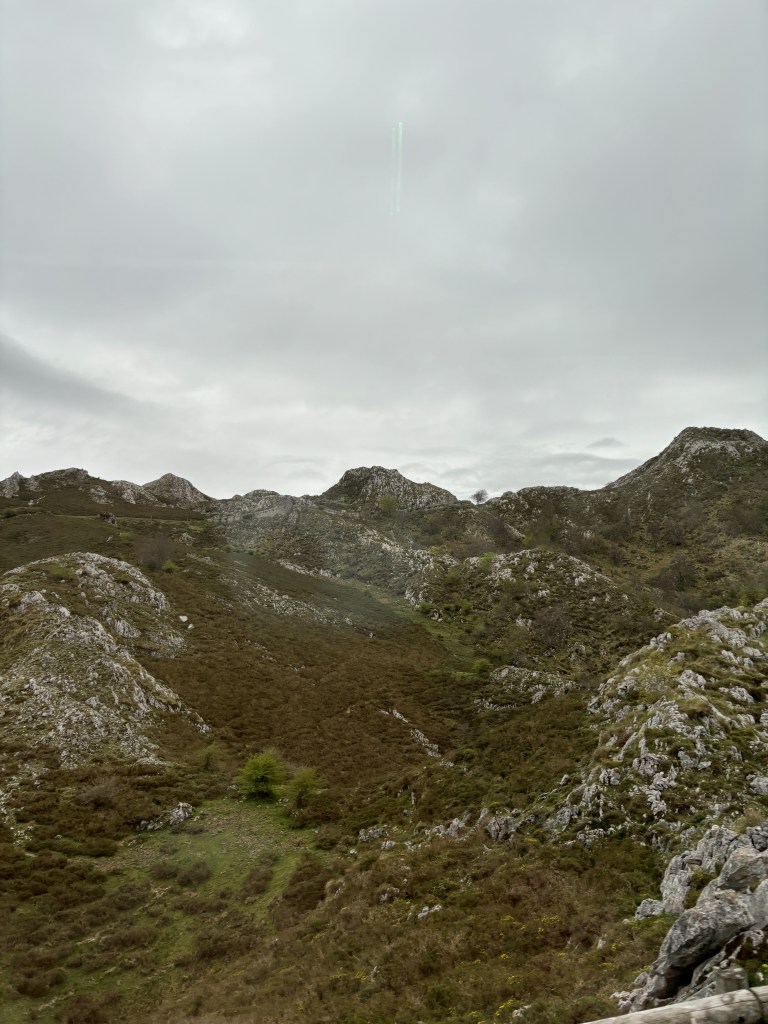
On the motor coach to Picos de Europa National Park and Covadonga 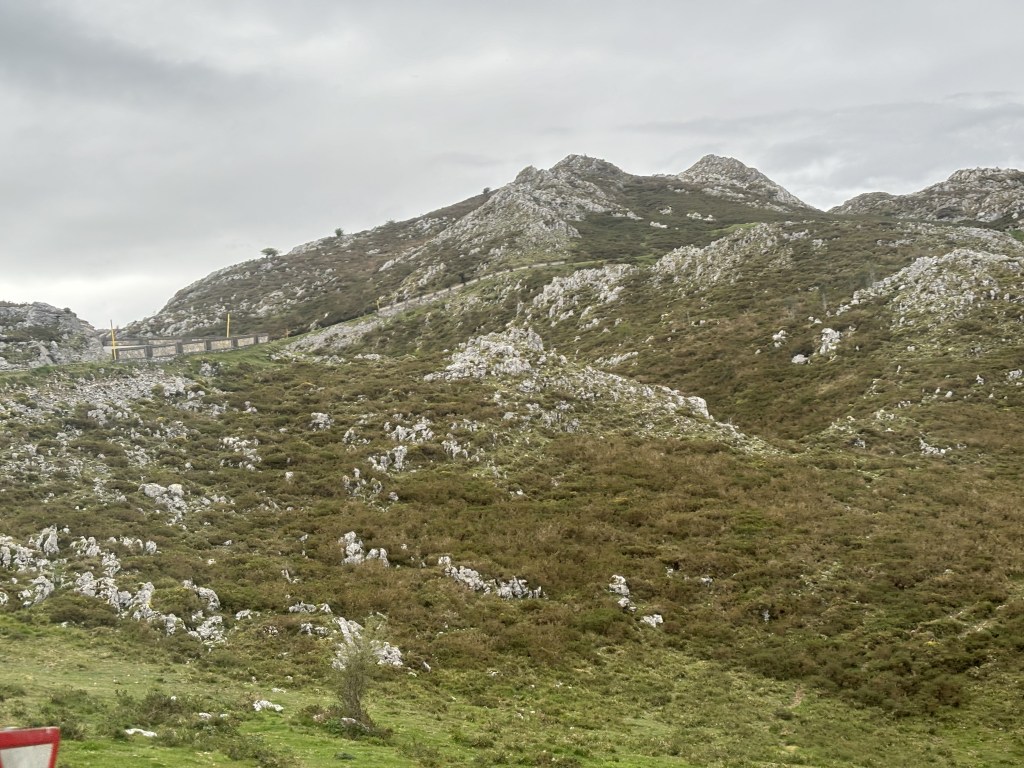
On the motor coach to Picos de Europa National Park and Covadonga 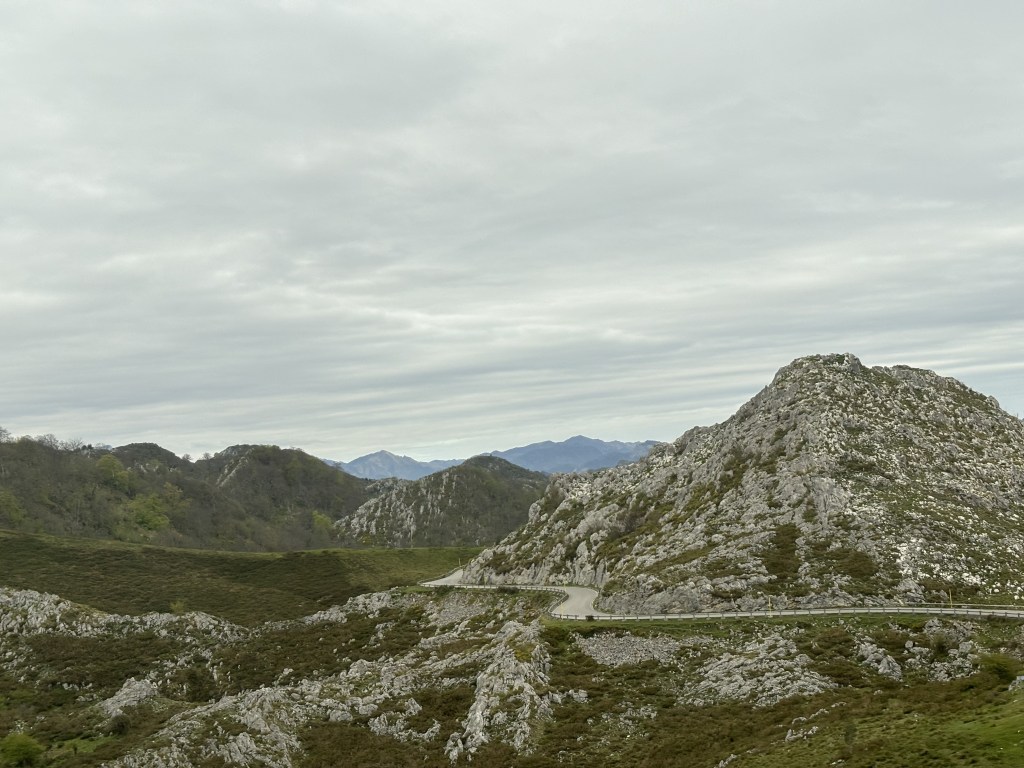
On the motor coach to Picos de Europa National Park and Covadonga 
On the motor coach to Picos de Europa National Park and Covadonga 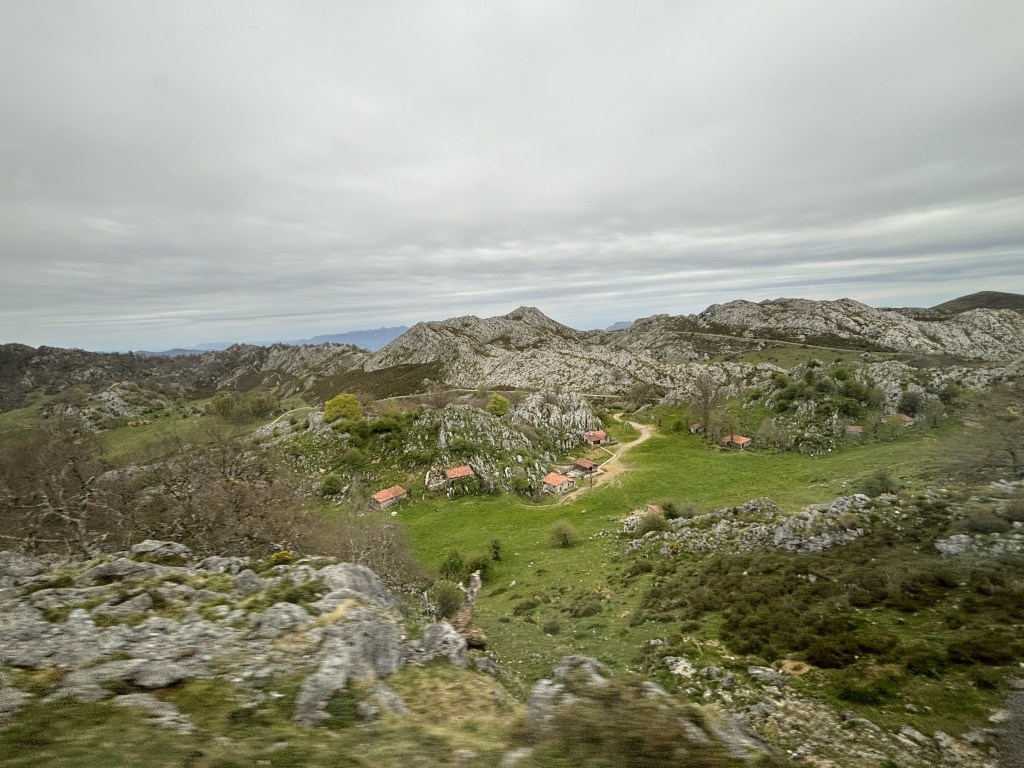
On the motor coach to Picos de Europa National Park and Covadonga 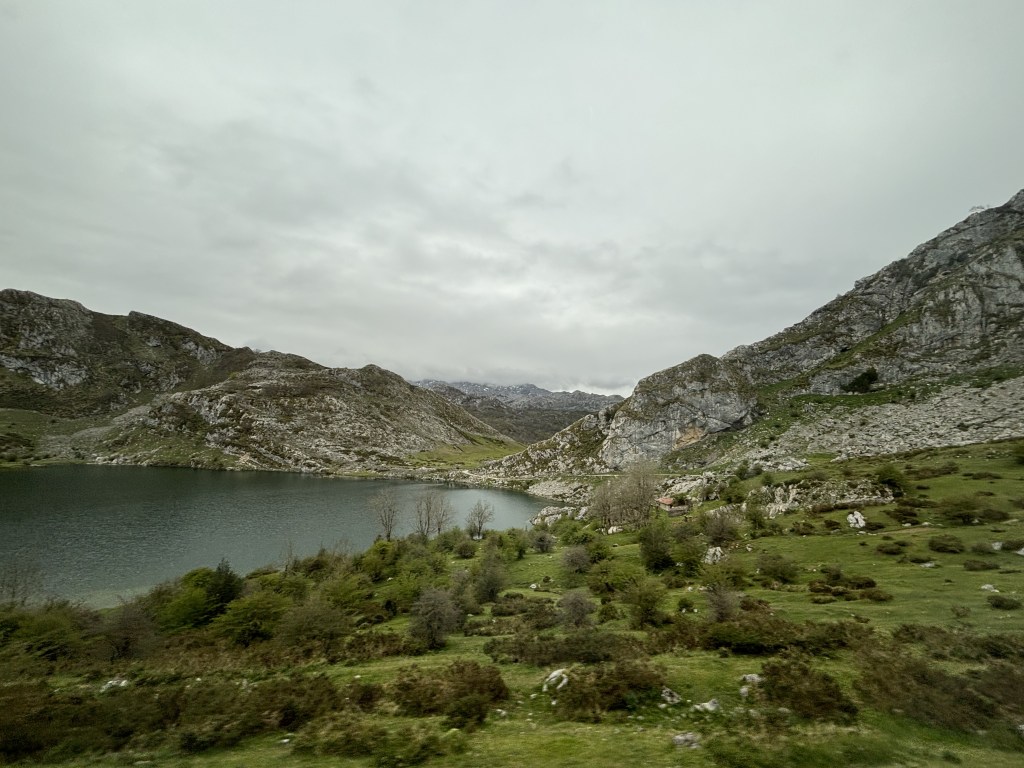
On the motor coach to Picos de Europa National Park and Covadonga 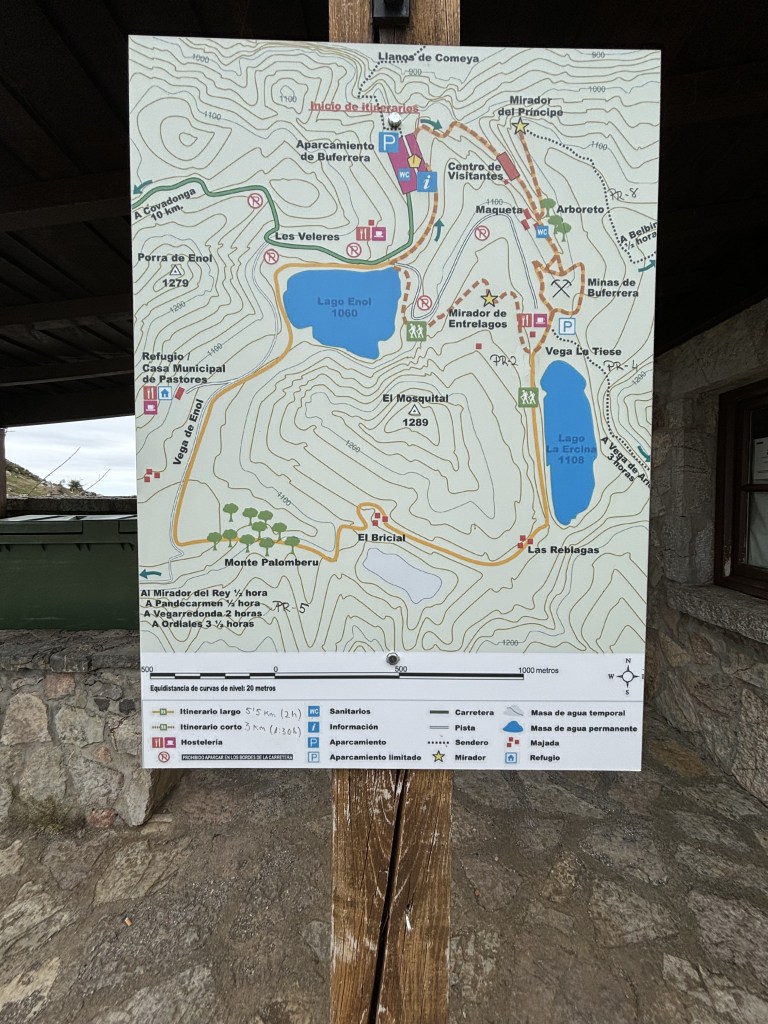
Picos de Europa National Park and Covadonga 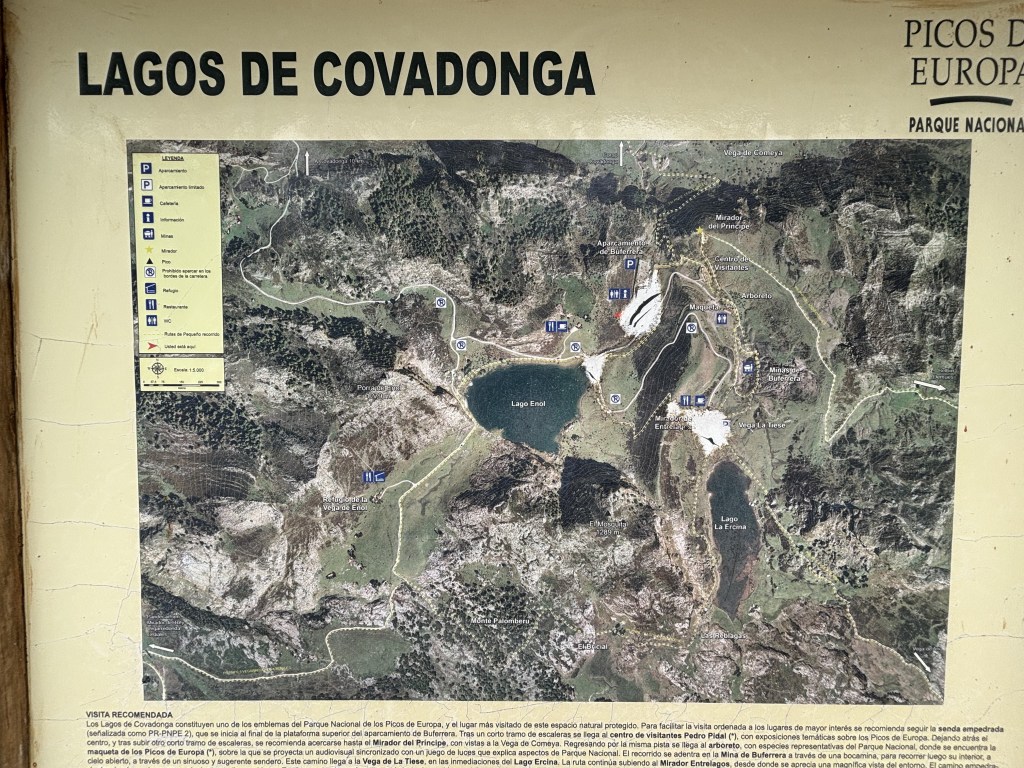
Picos de Europa National Park and Covadonga 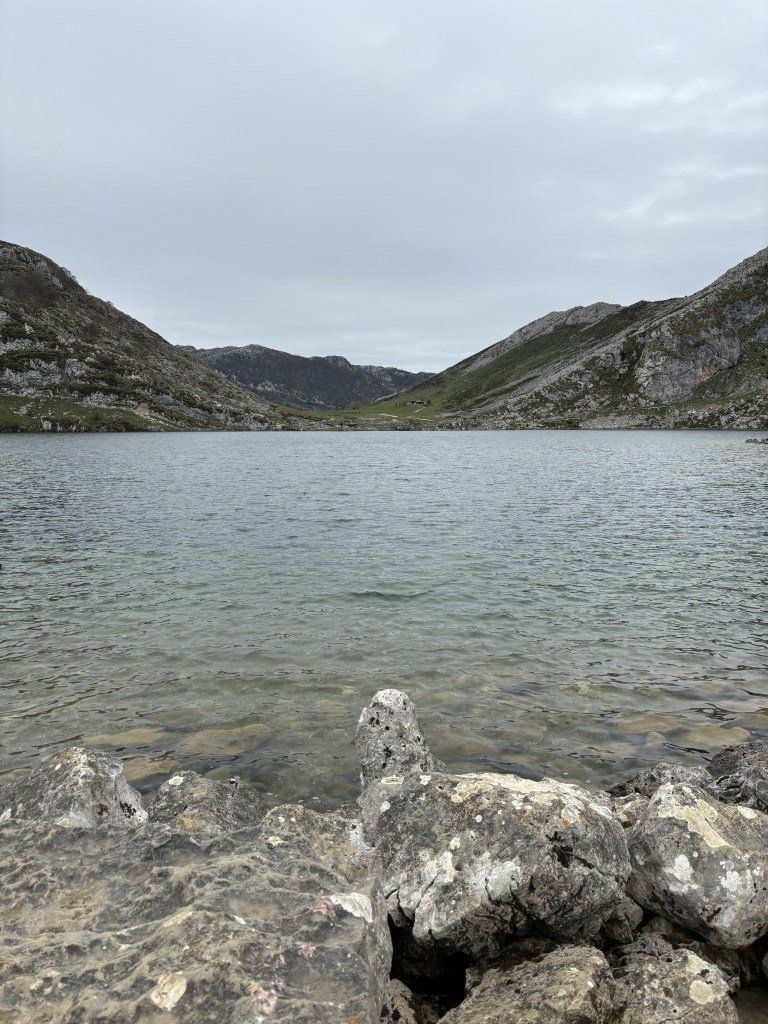
Picos de Europa National Park and Covadonga 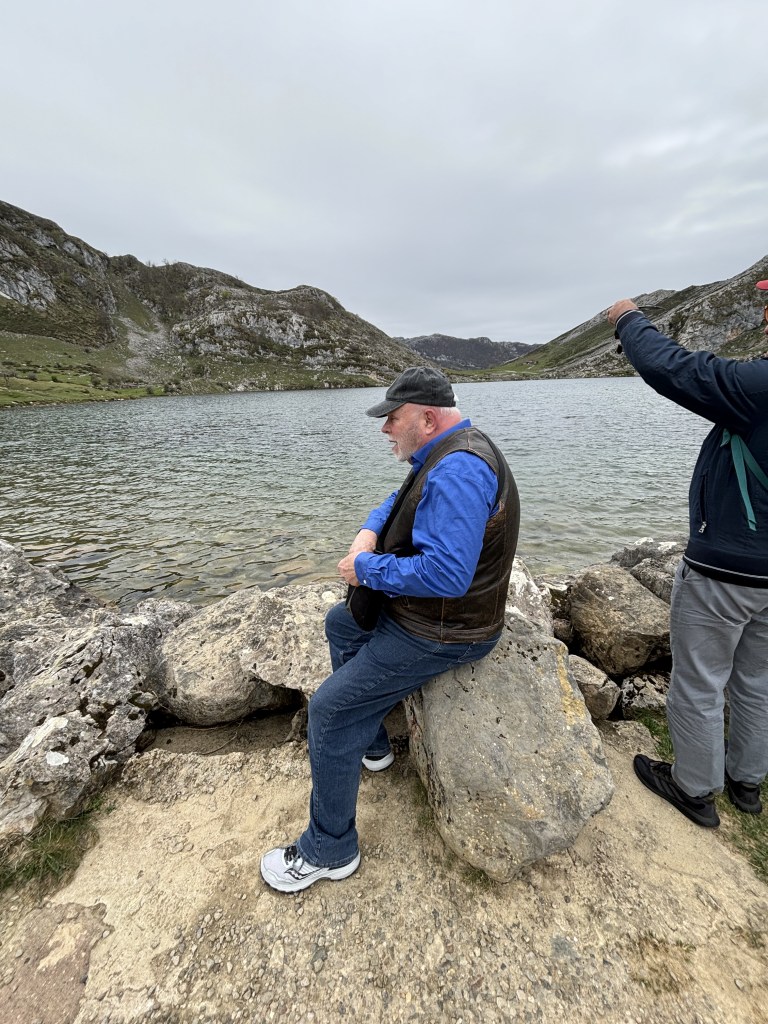
Picos de Europa National Park and Covadonga 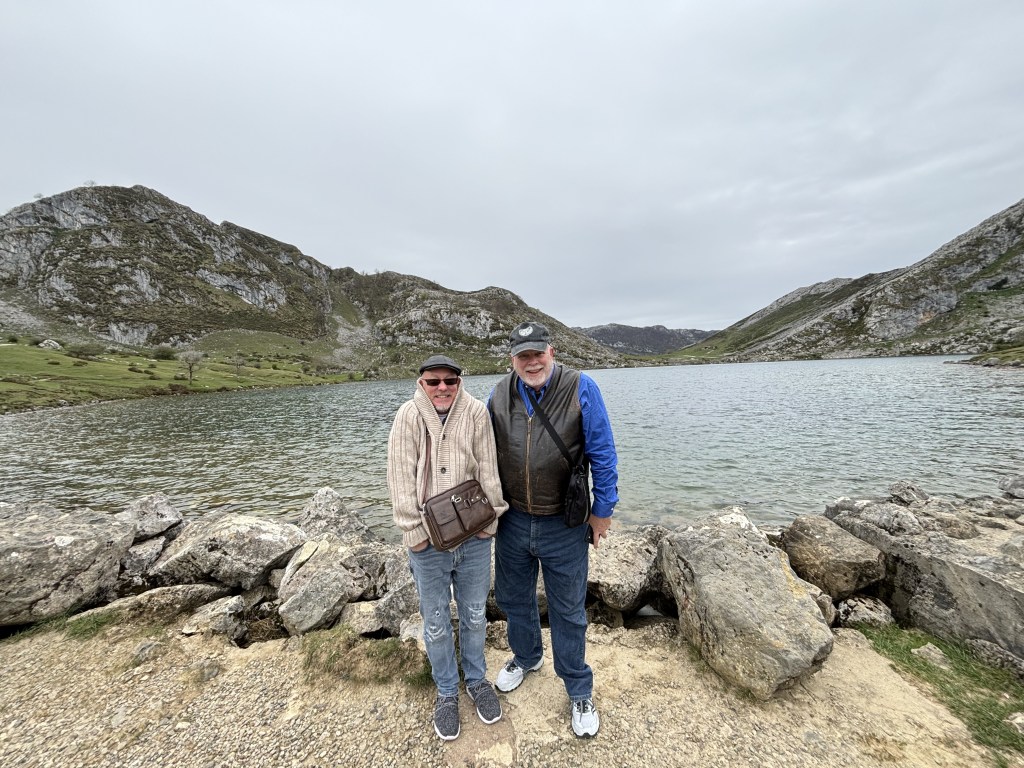
Picos de Europa National Park and Covadonga 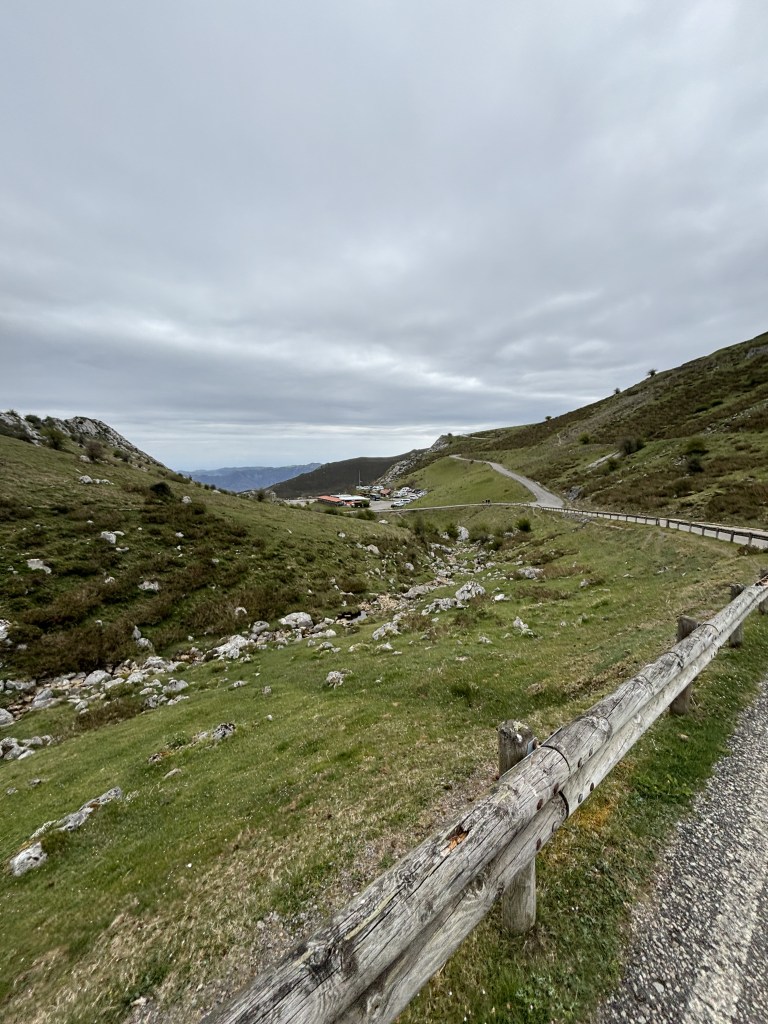
Picos de Europa National Park and Covadonga 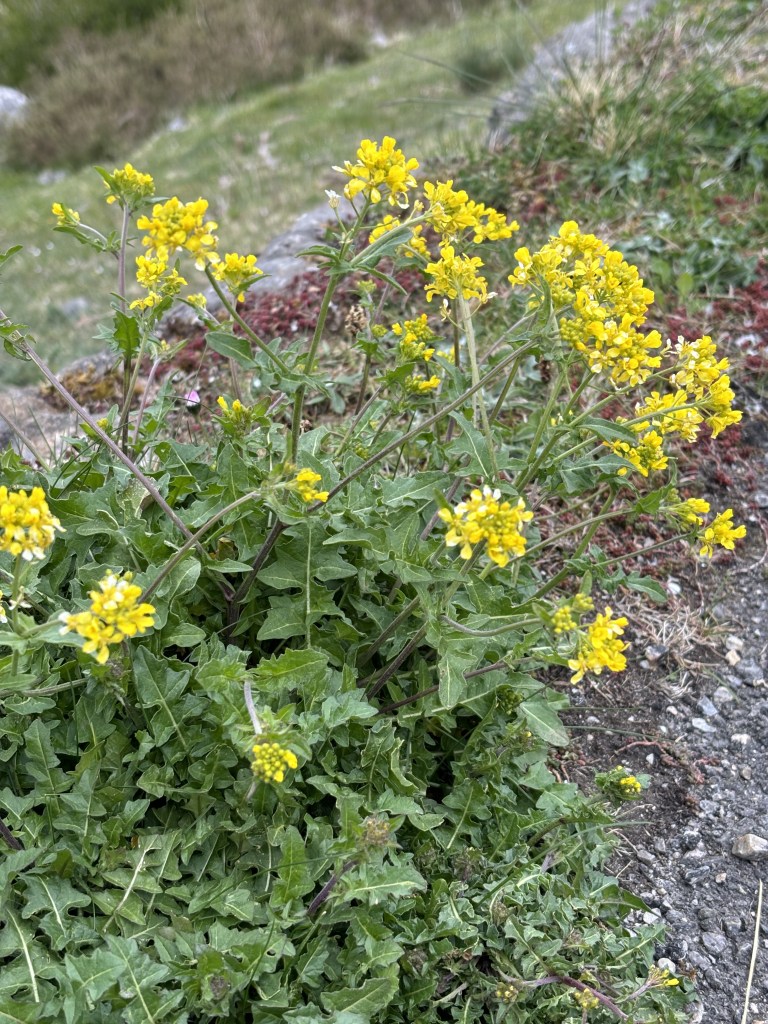
Picos de Europa National Park and Covadonga 
Picos de Europa National Park and Covadonga
Lunch at Almuerzo en el Restaurante El Corral del Indianu en Arriondas.
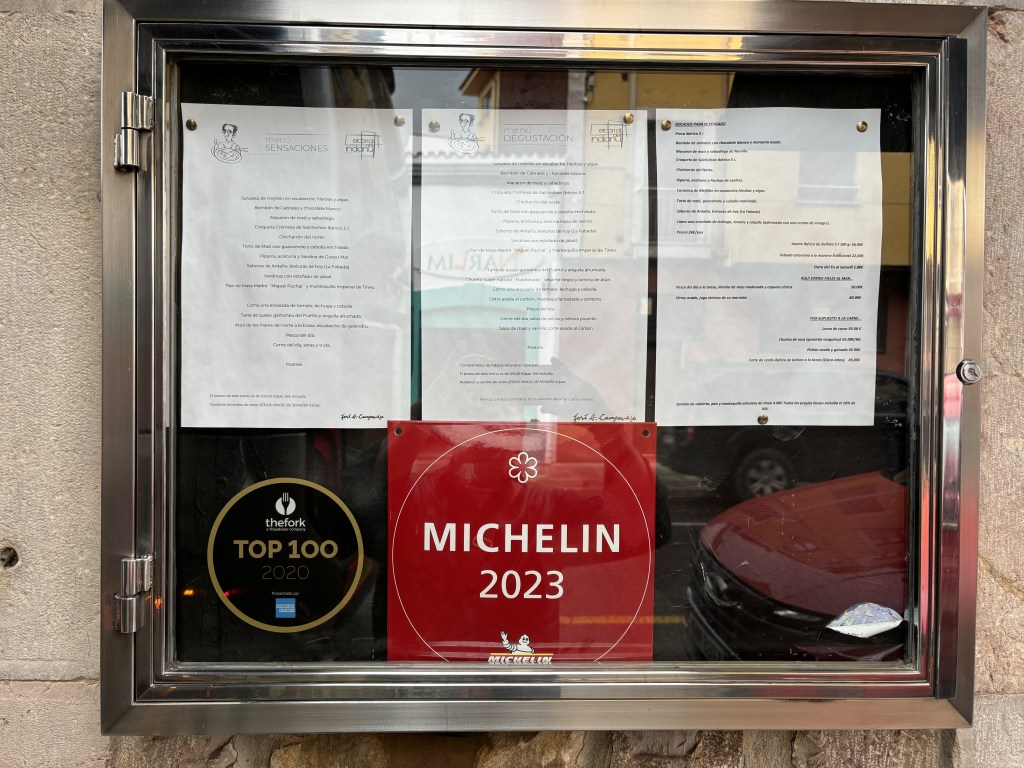
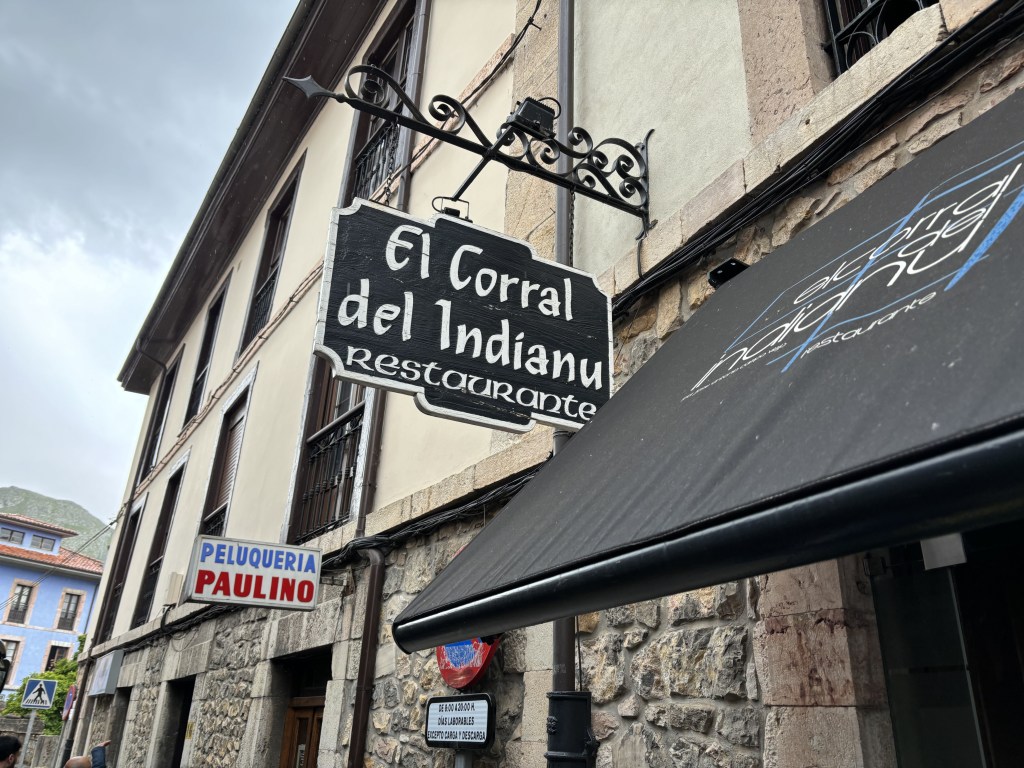
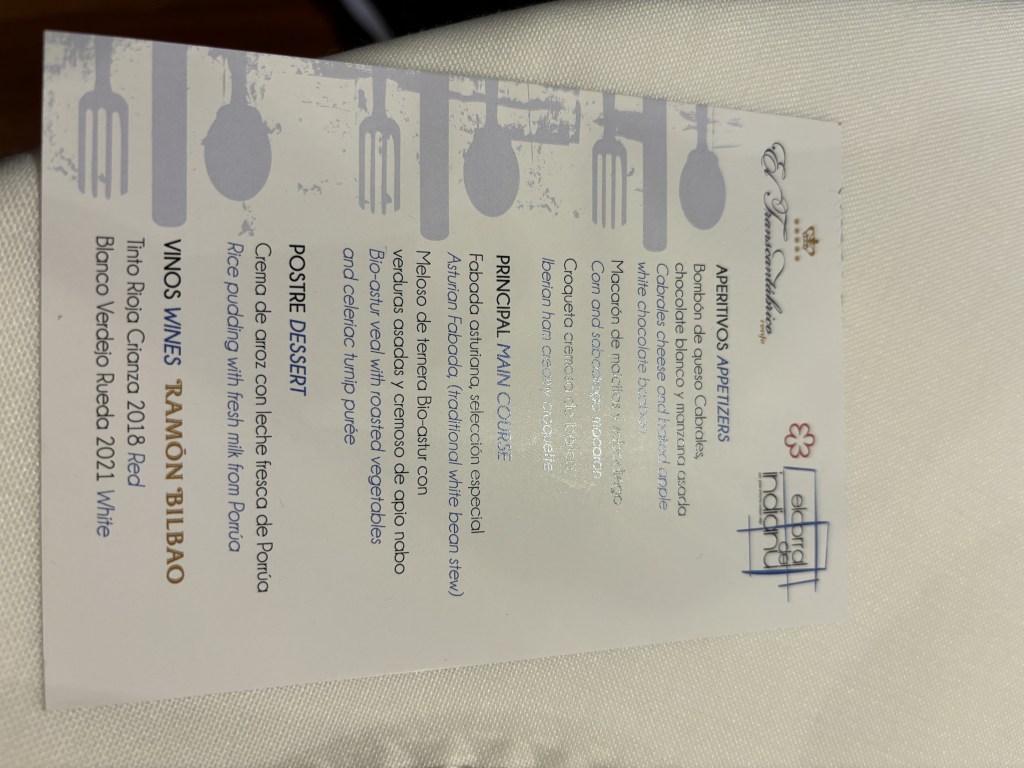
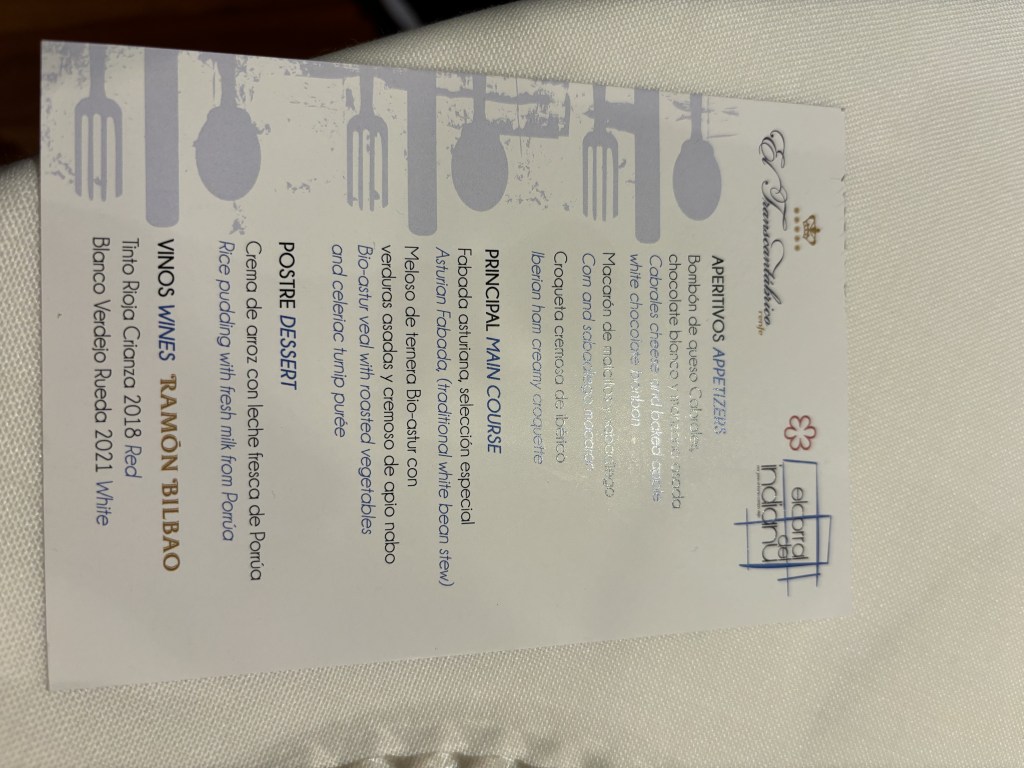
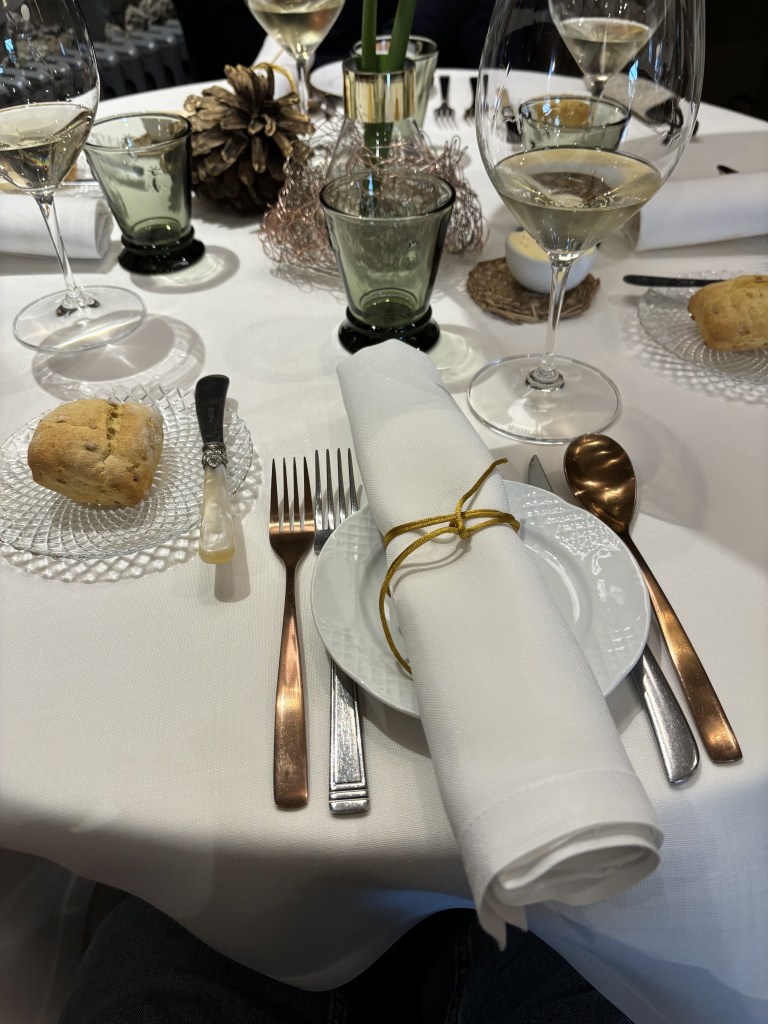
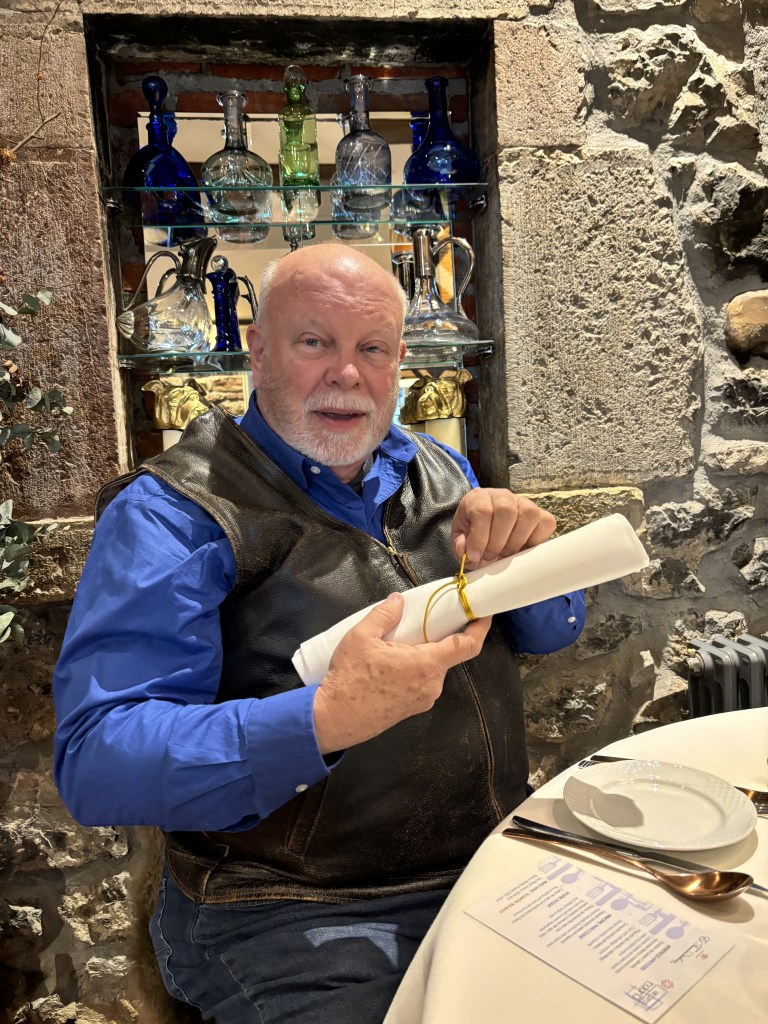
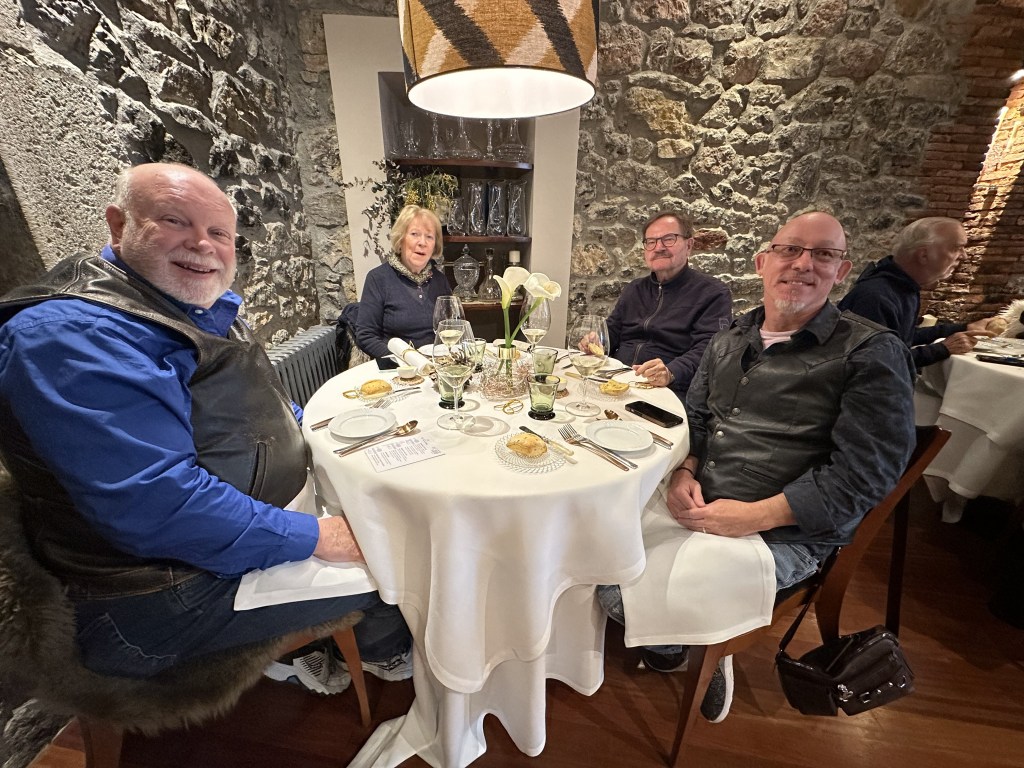
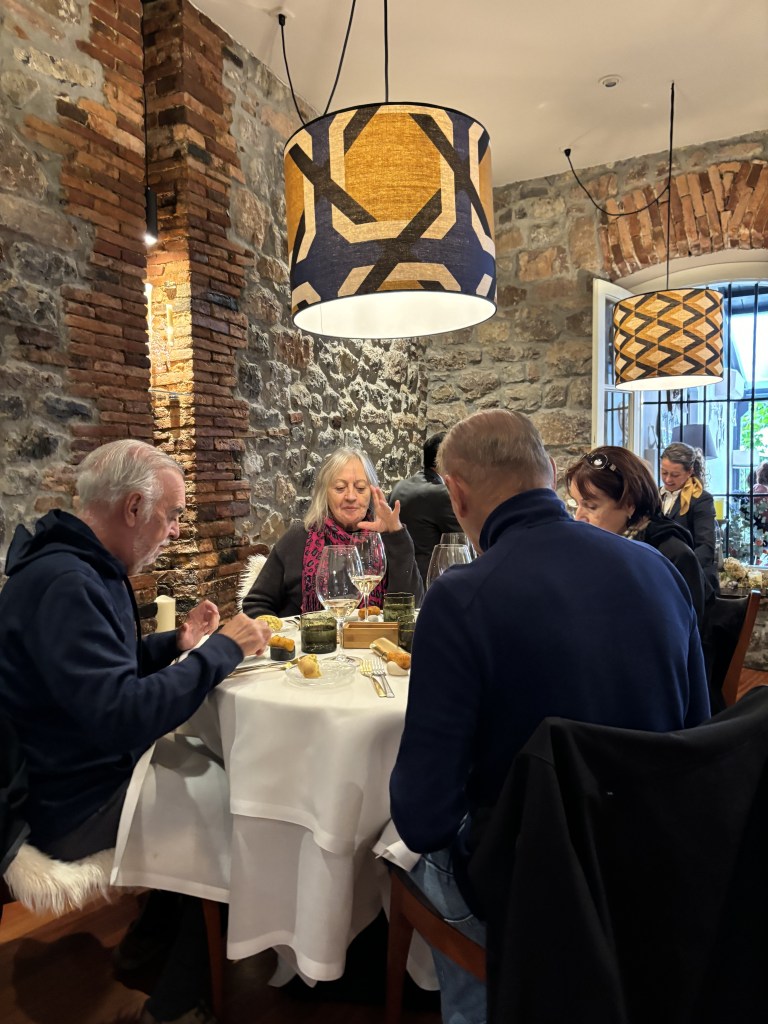
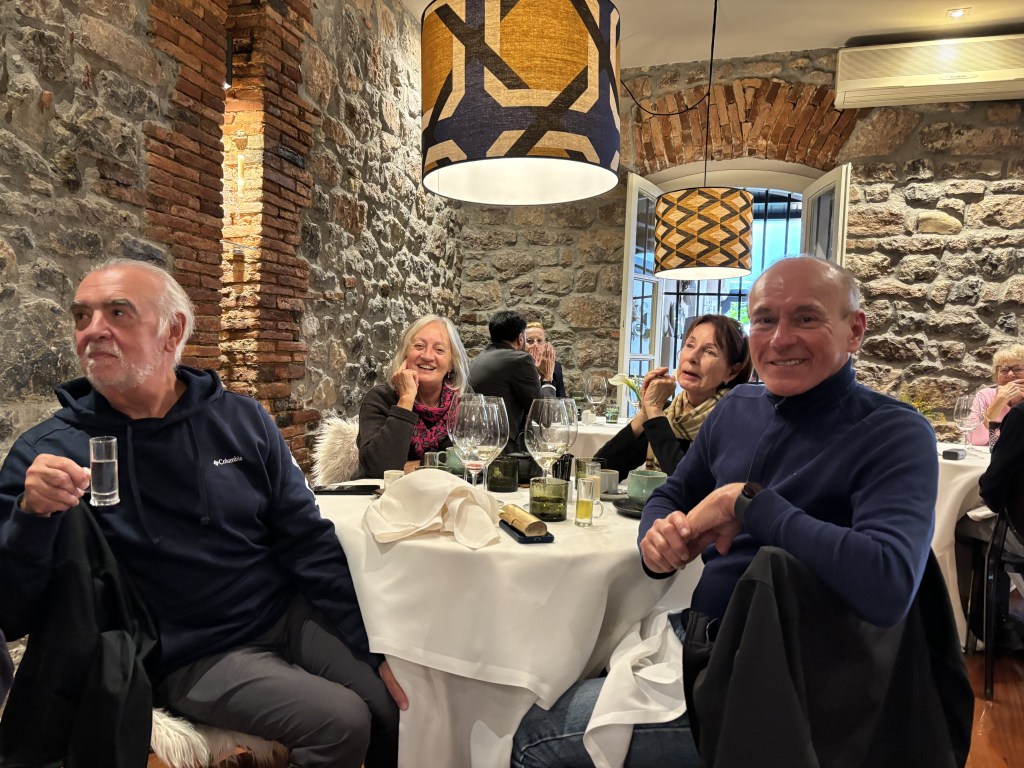
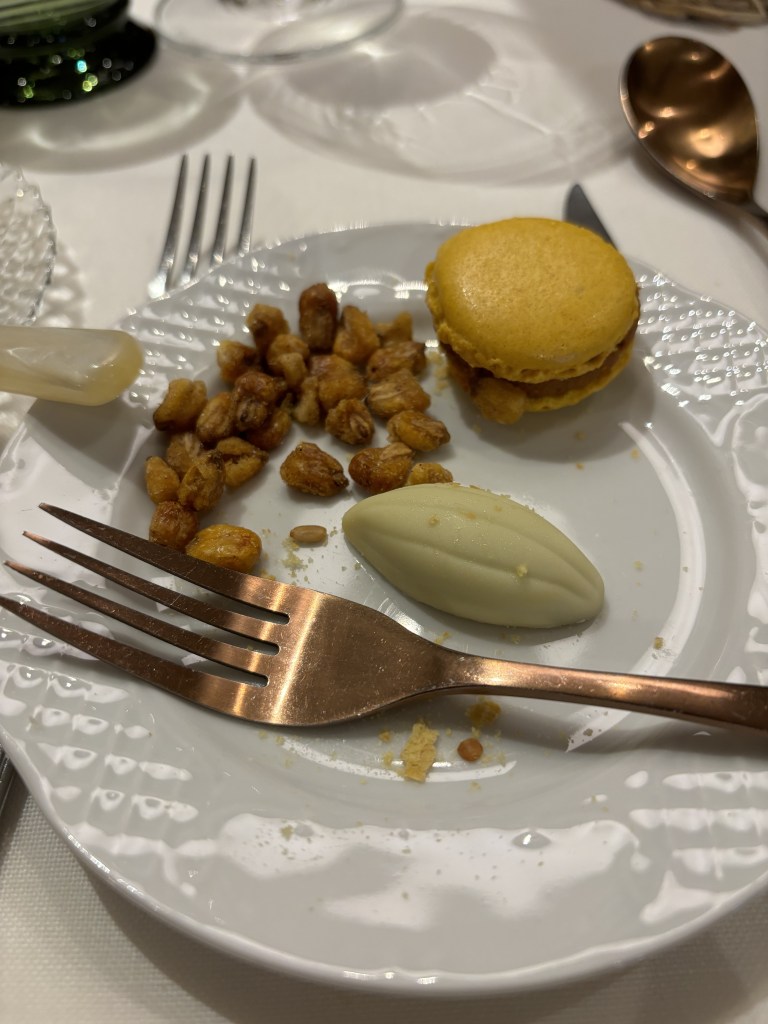

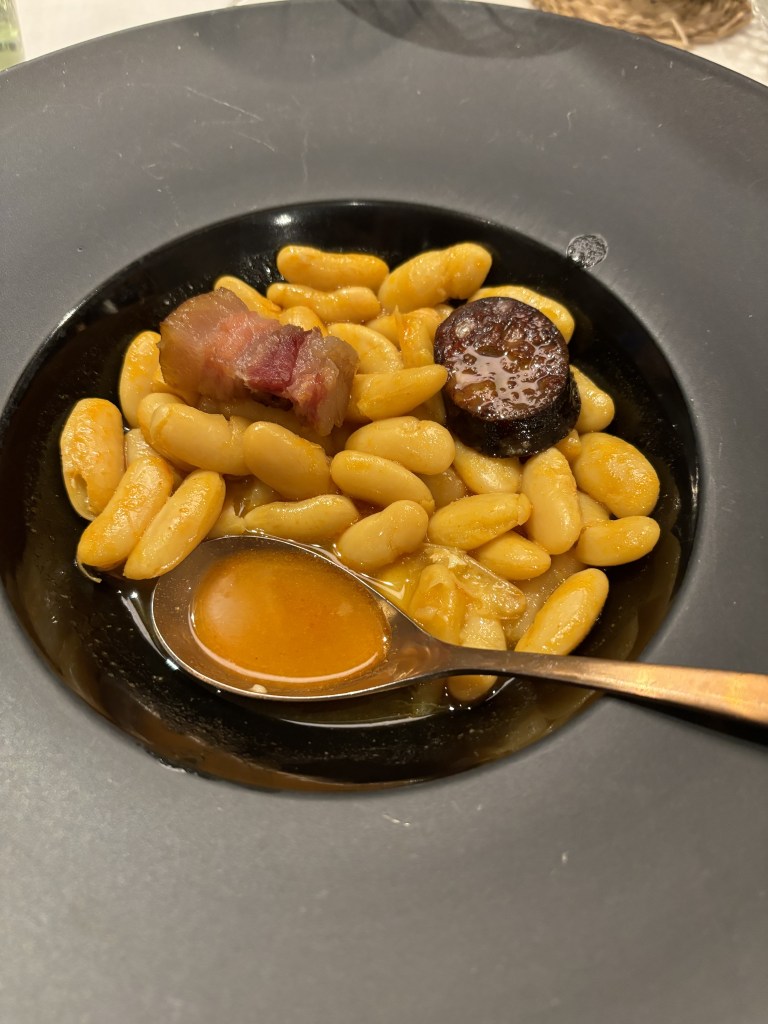
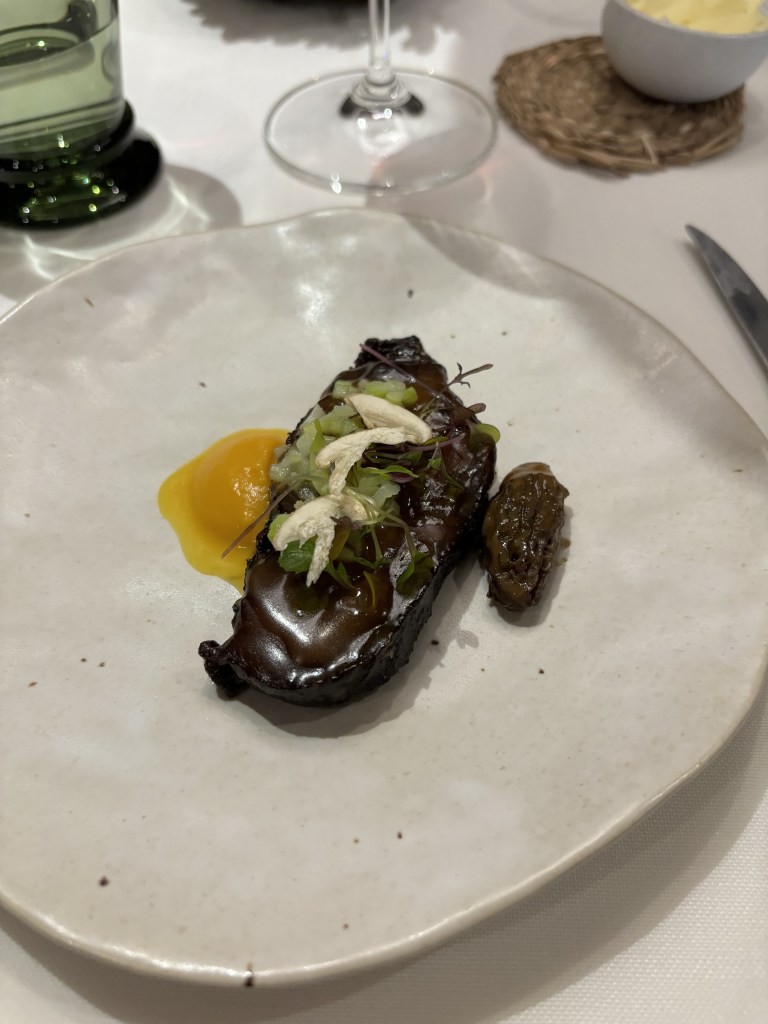

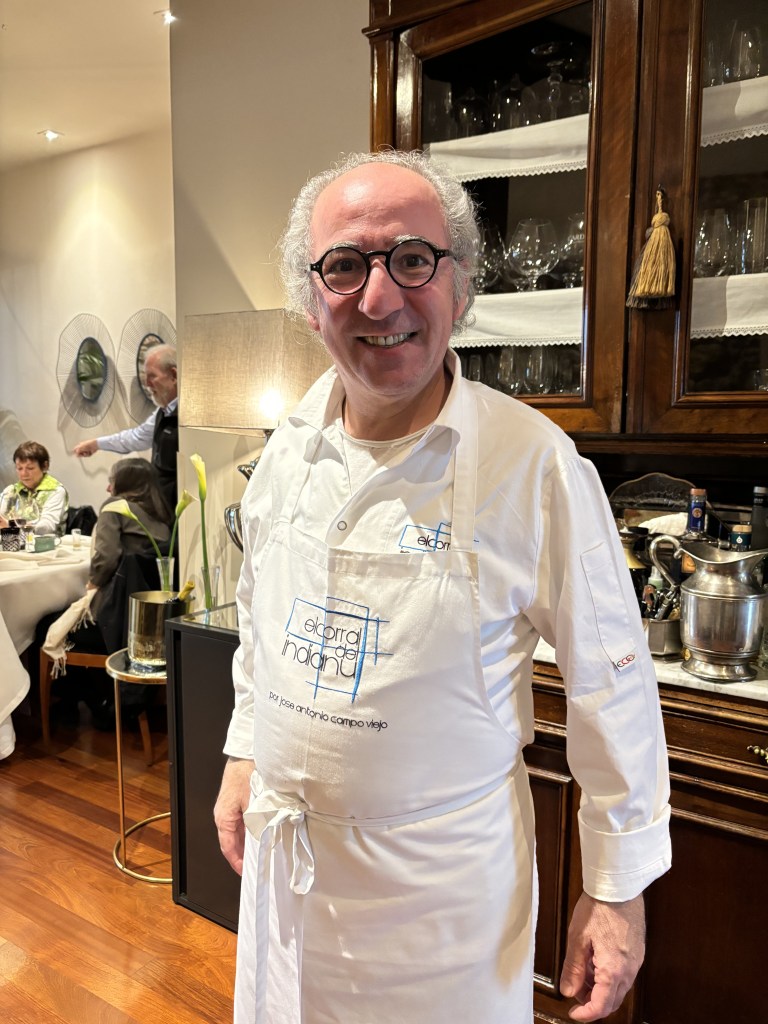
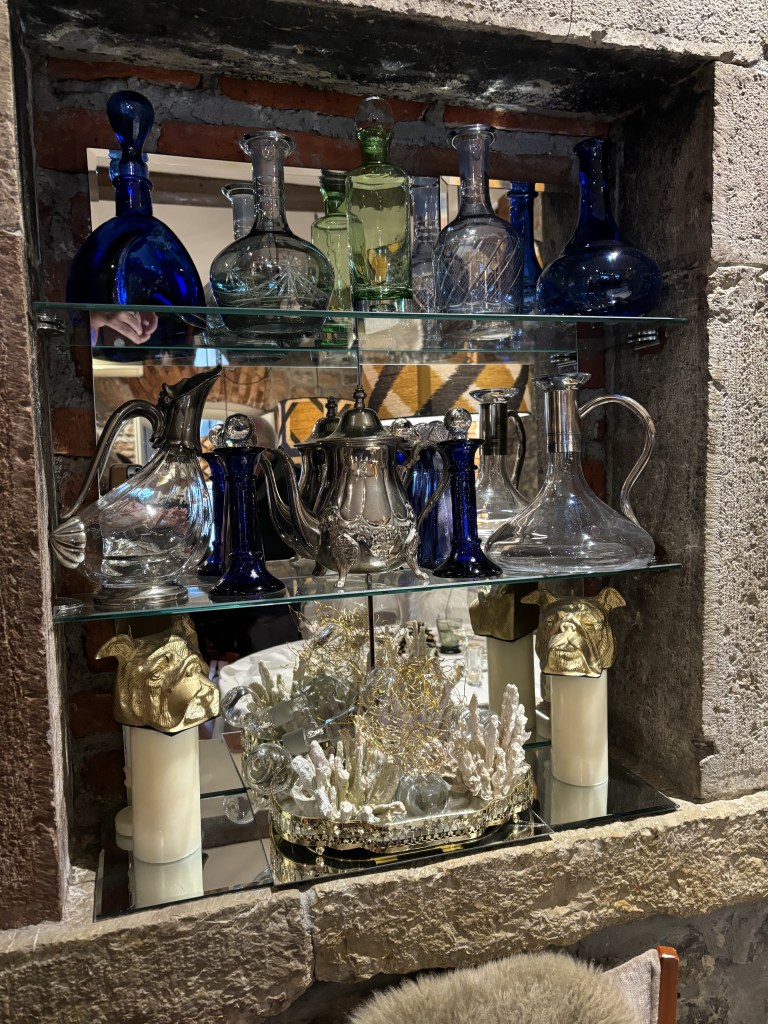
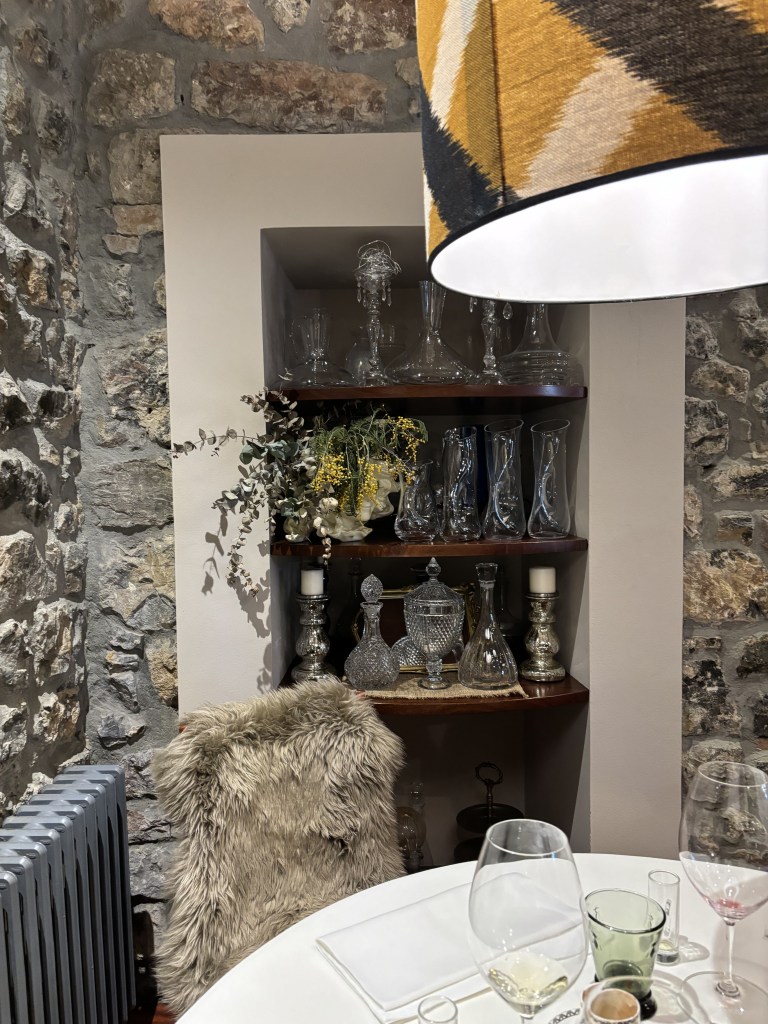
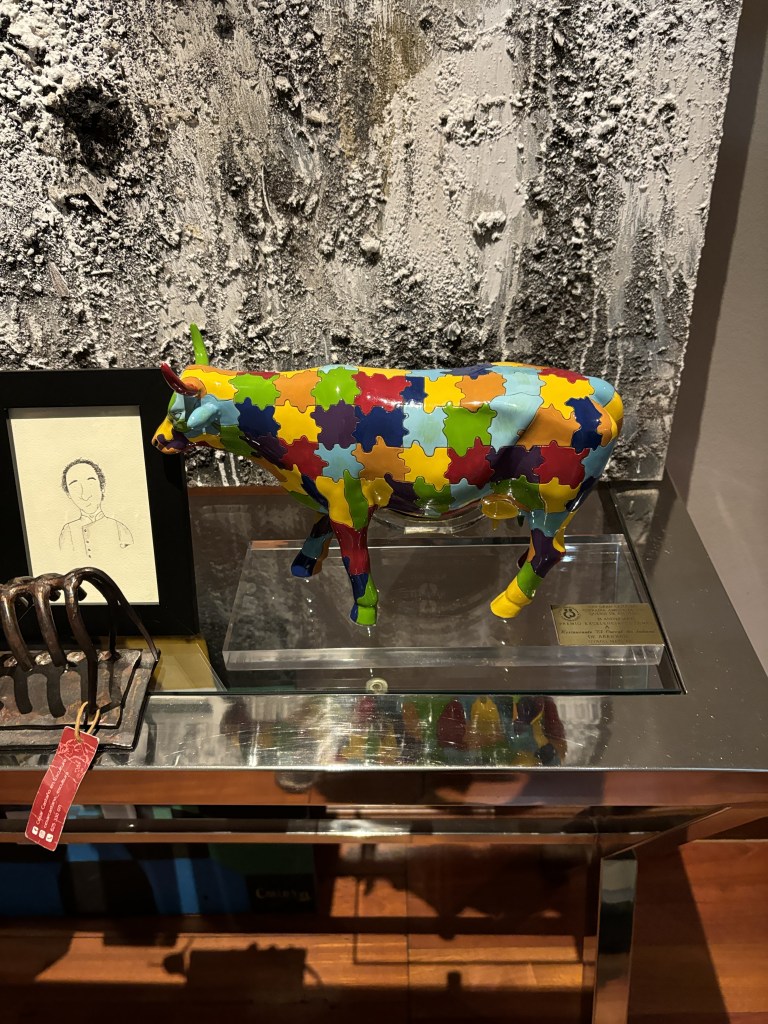
After lunch we reboarded our coach for the trip to Llanes.
Llanes (the Concejo de Llanes, Conceyu de Llanes in Asturian language) is a municipality of the province of Asturias, in northern Spain. Stretching for about 30 km along the coast at the extreme east of the province, Llanes is bounded to the south by the high ridge of the limestone Sierra del Cuera, which rises to over 1,100 m. The region is part of the Costa Verde (Green Coast) of Spain, which is known for its spectacular coastal scenery, with 32 white sand beaches, and mountains covered with a deep green mantle.
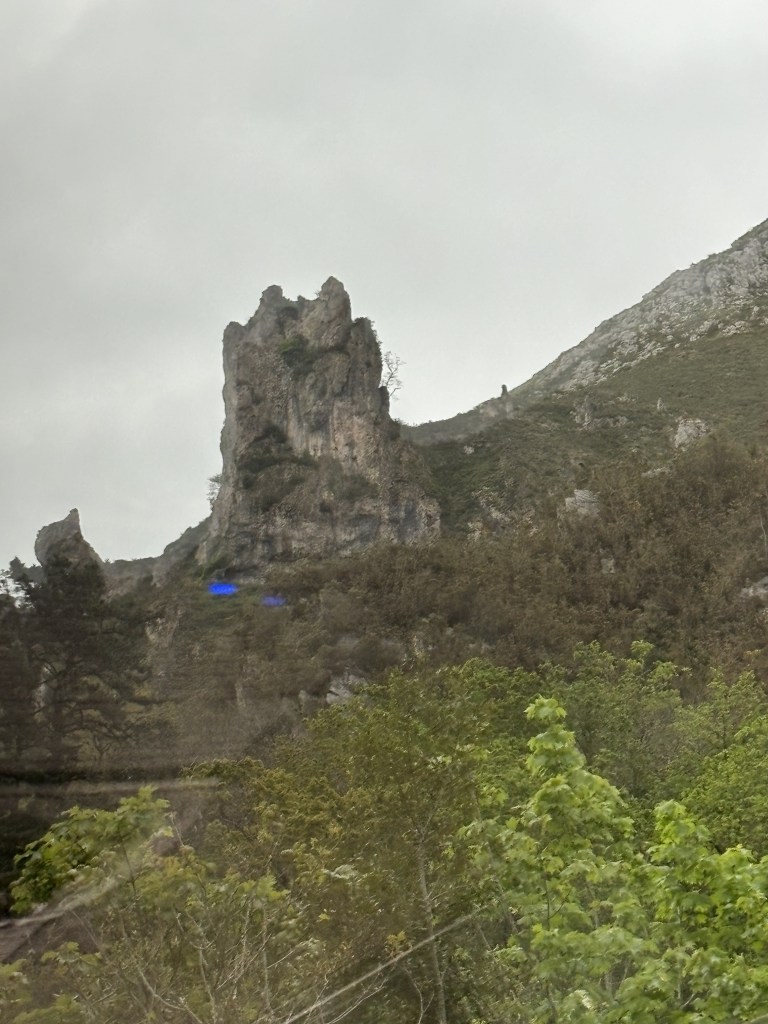

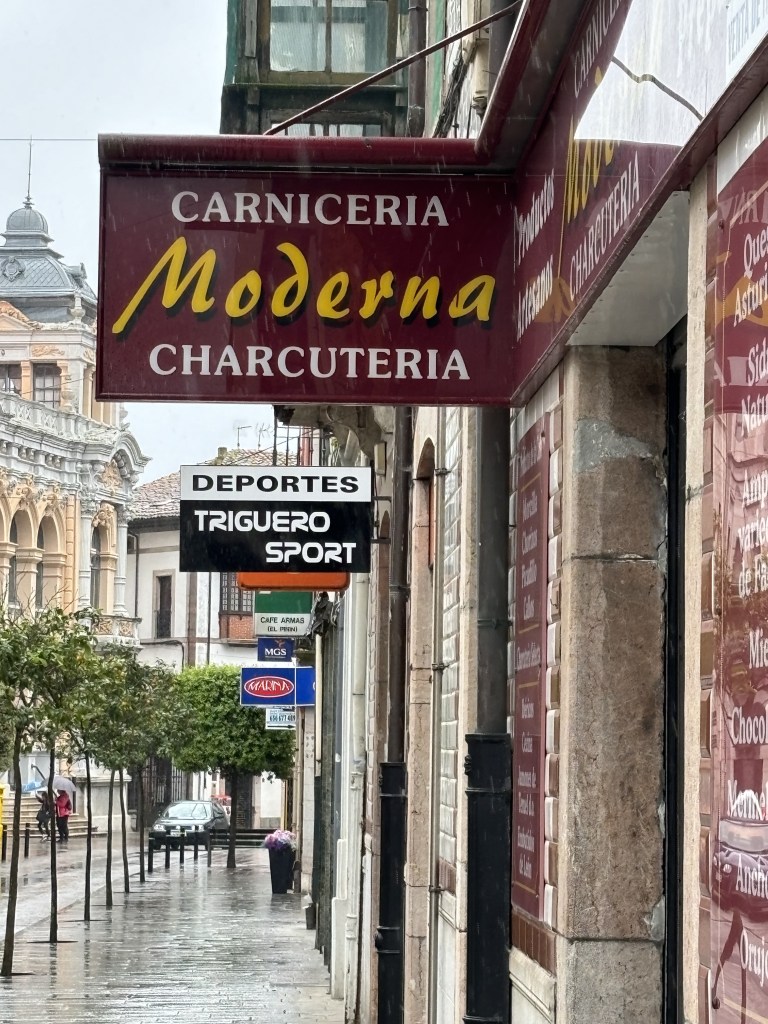
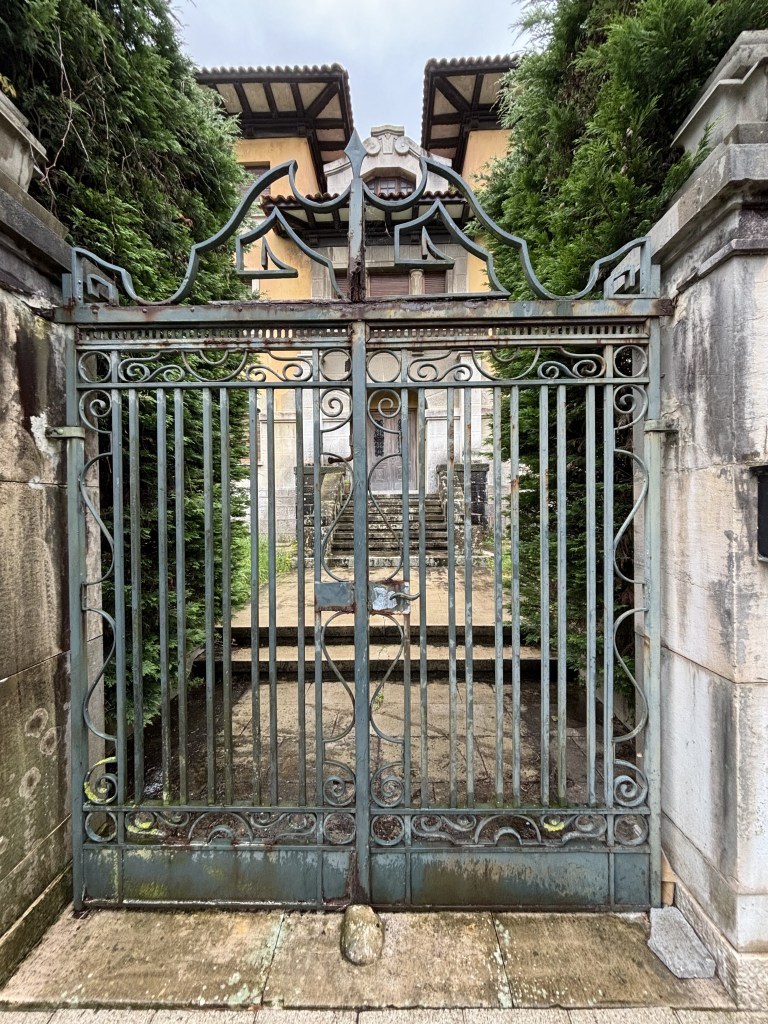
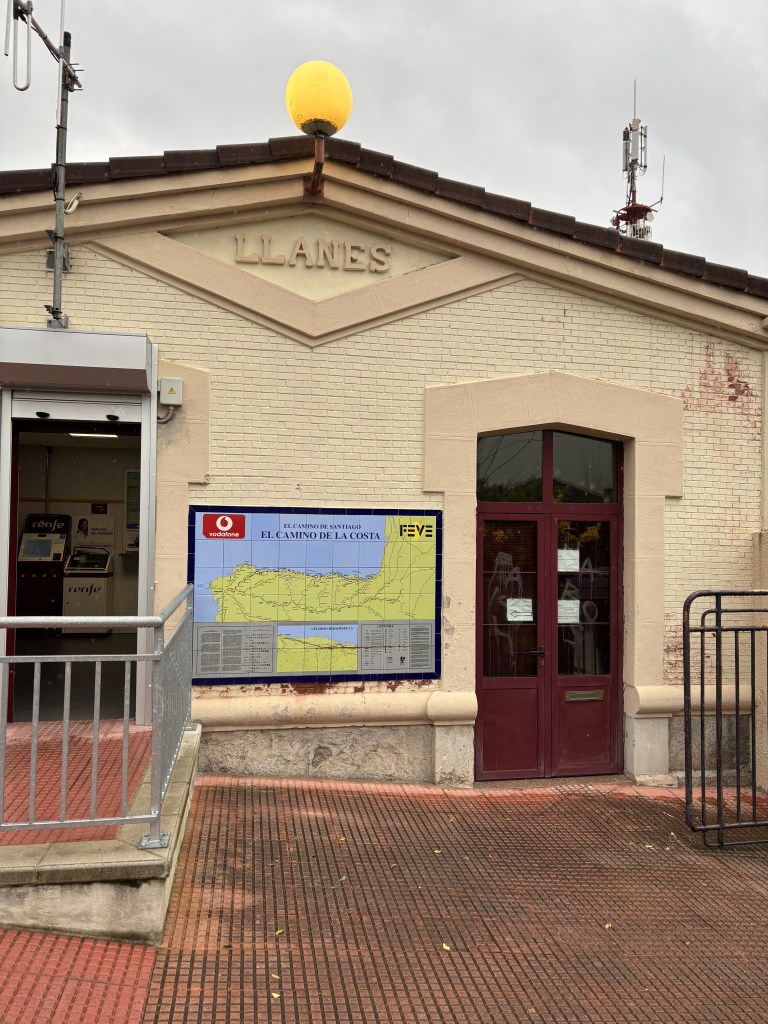
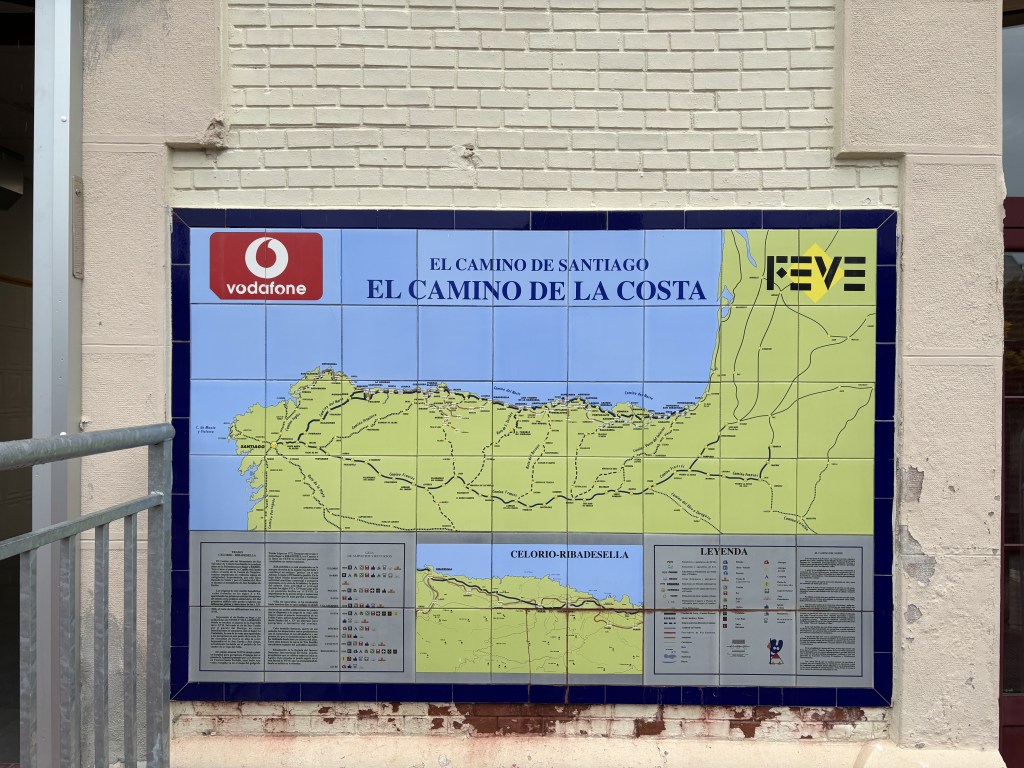
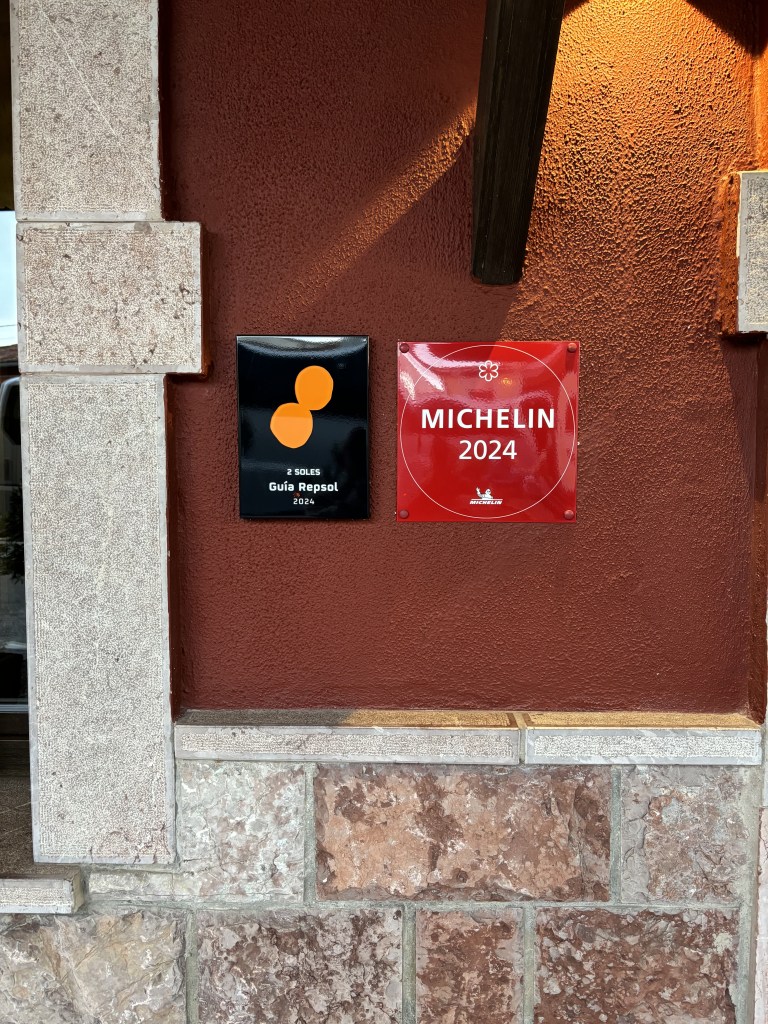
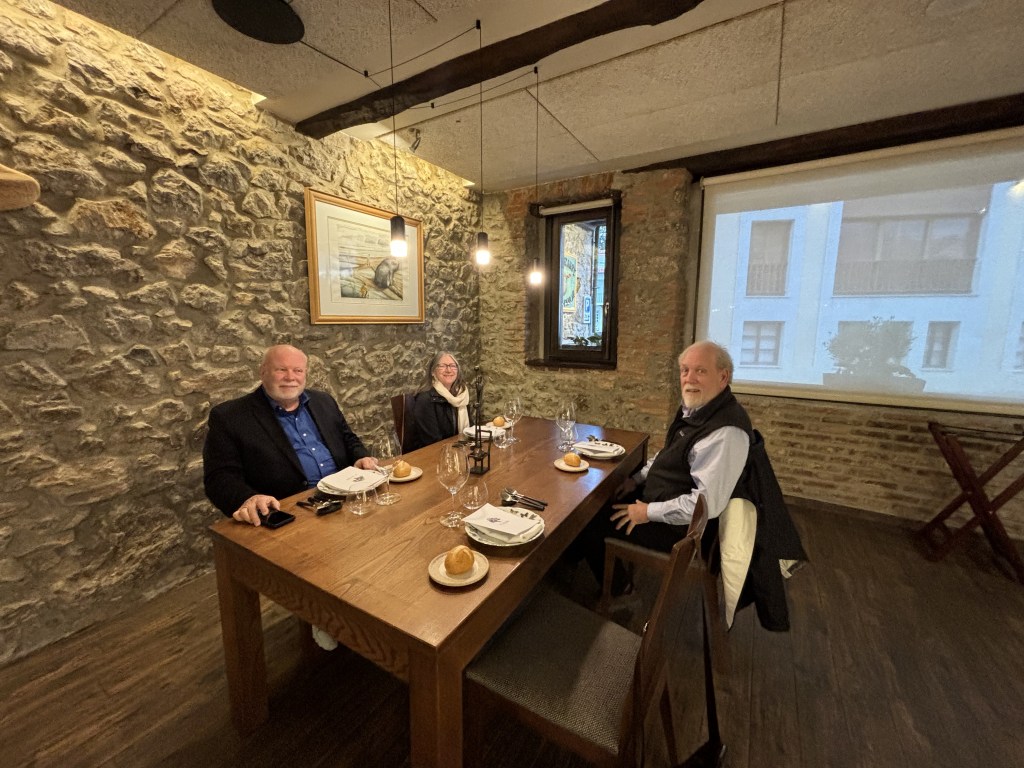
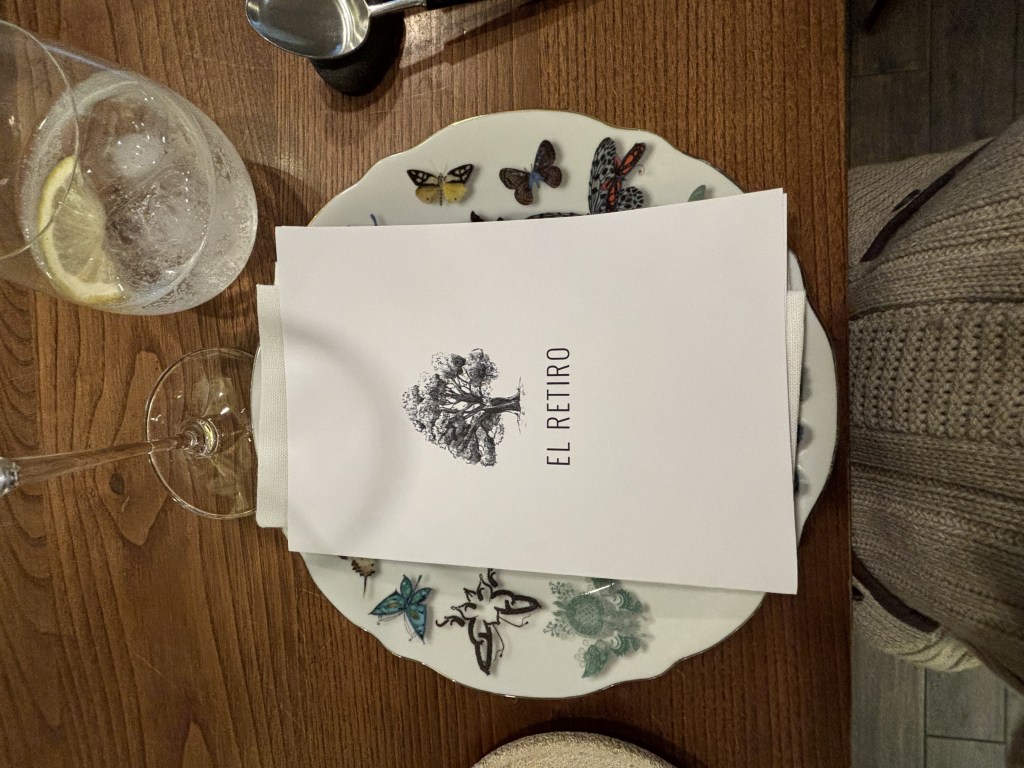
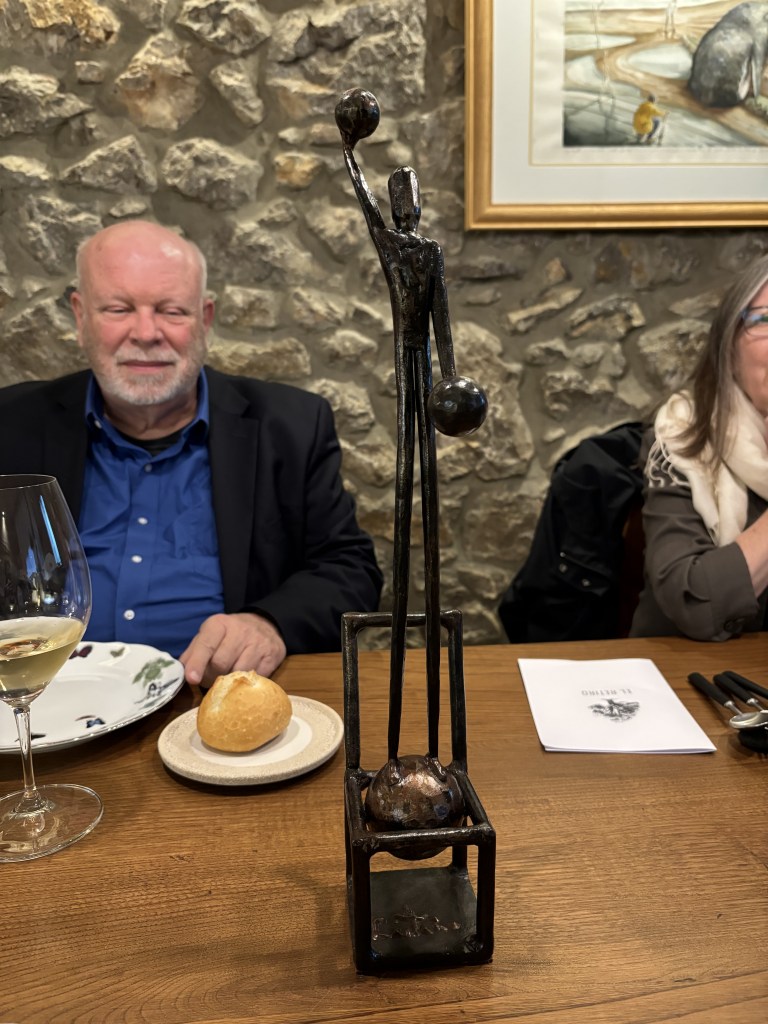
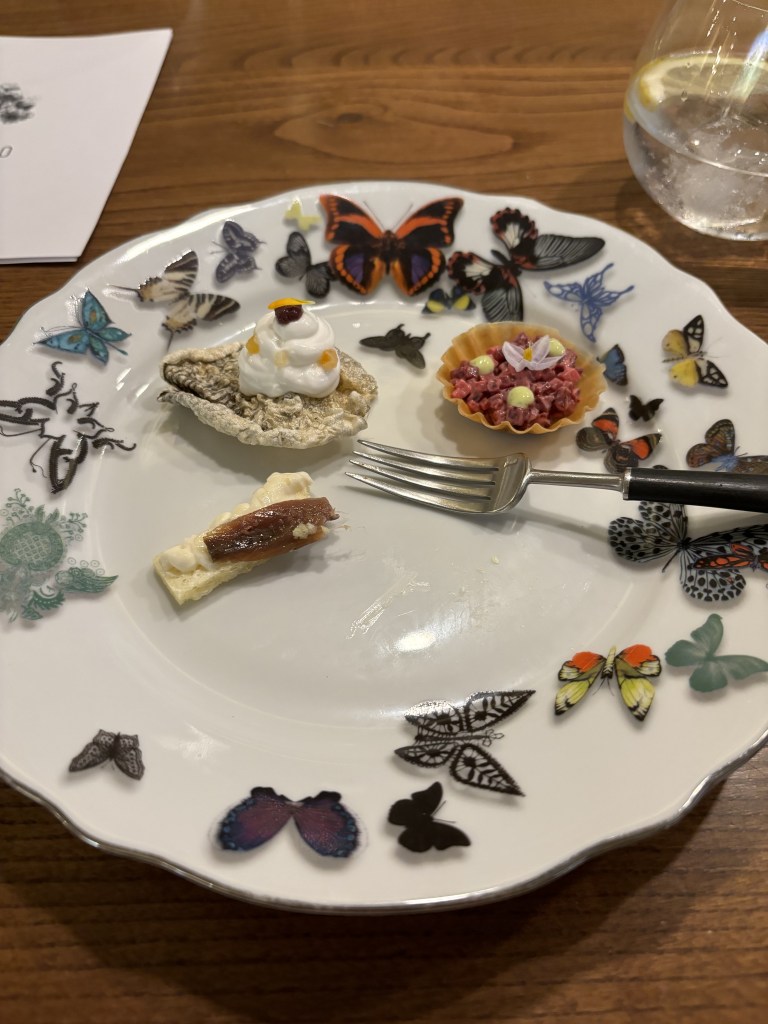
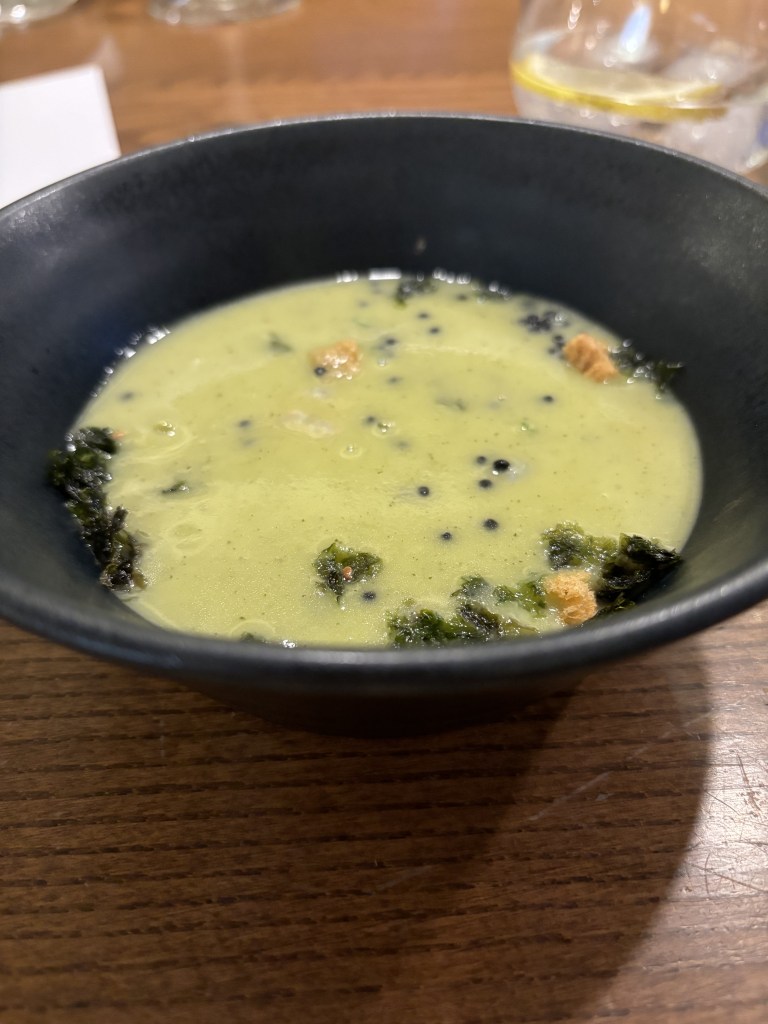
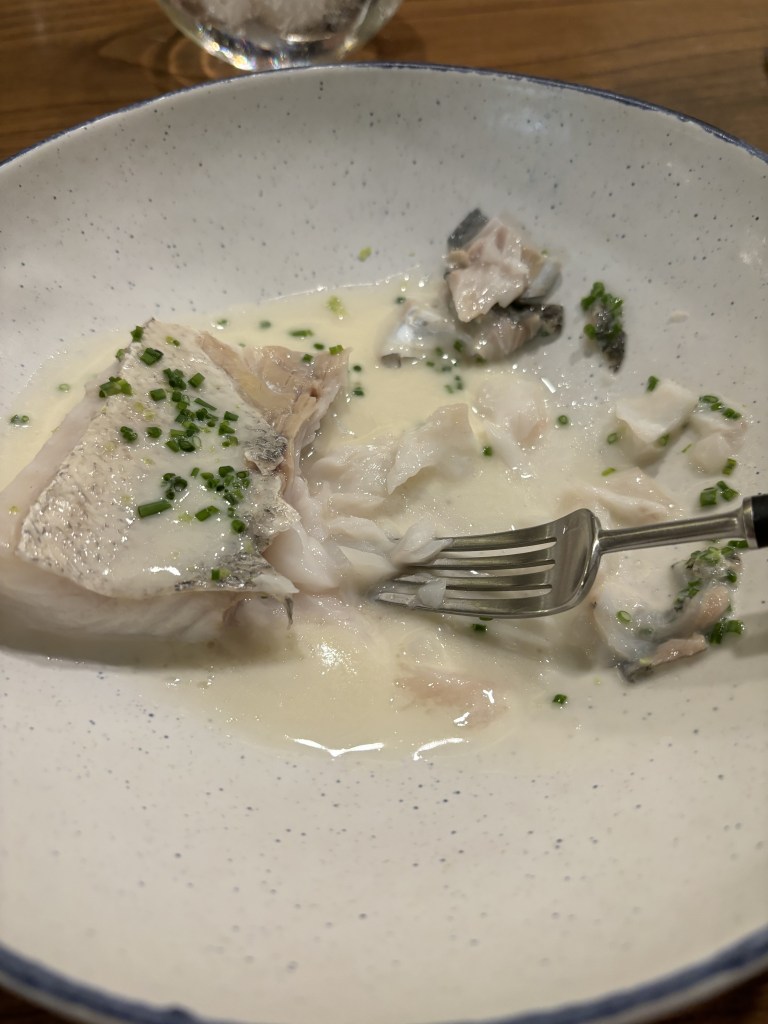
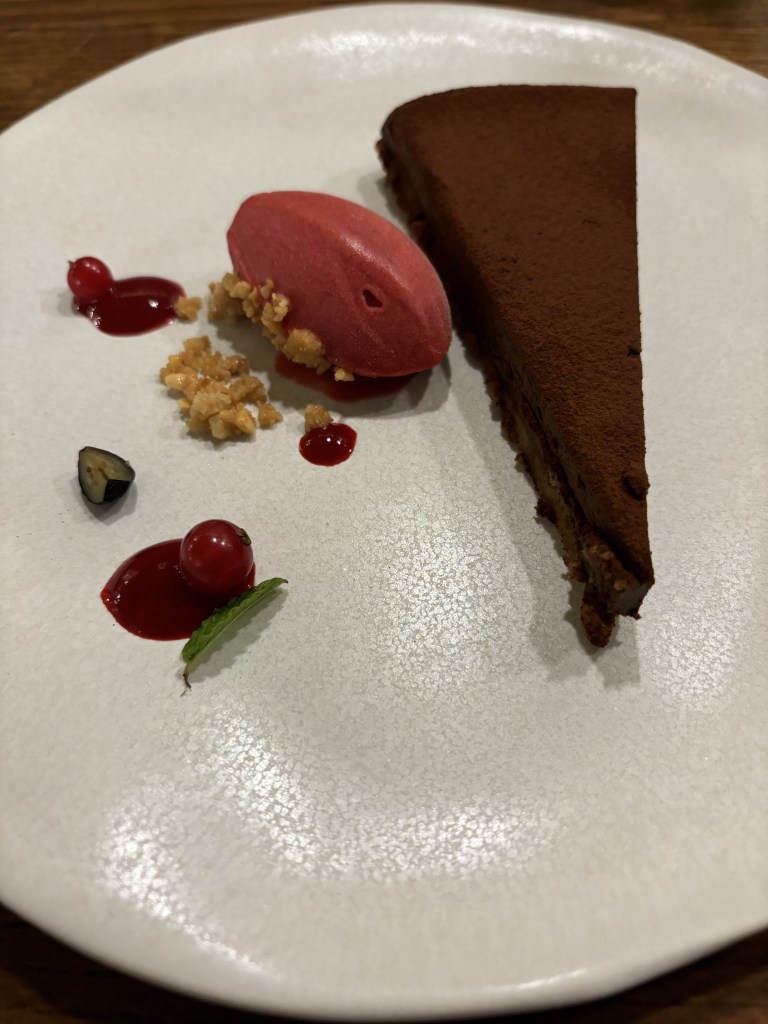
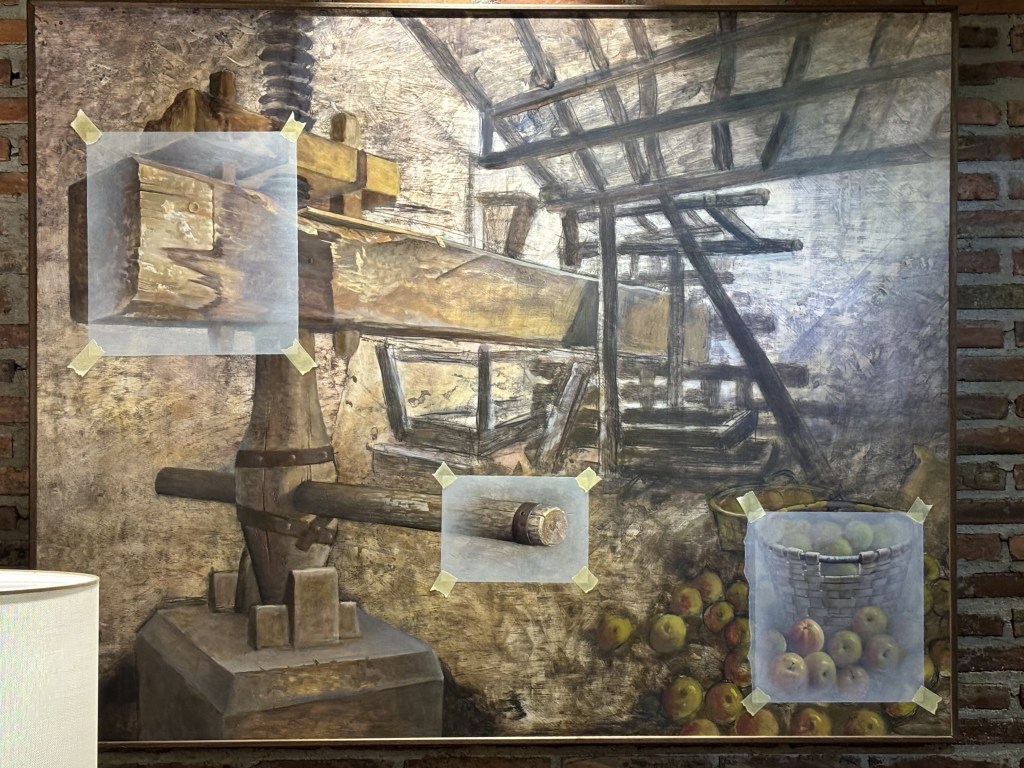
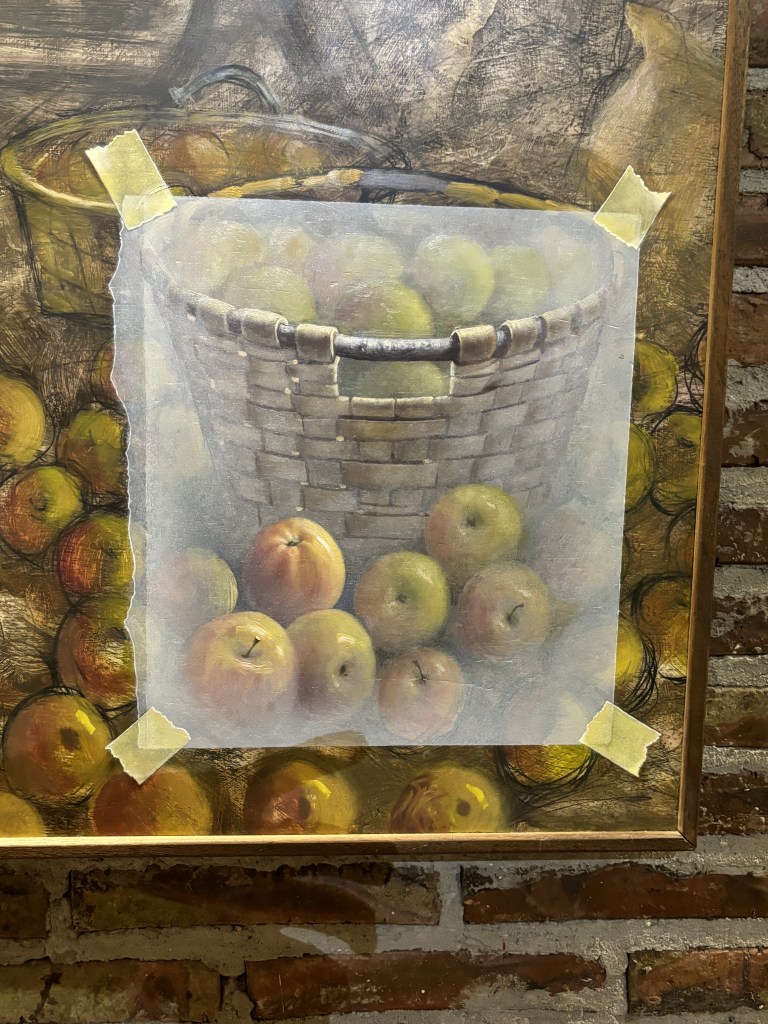
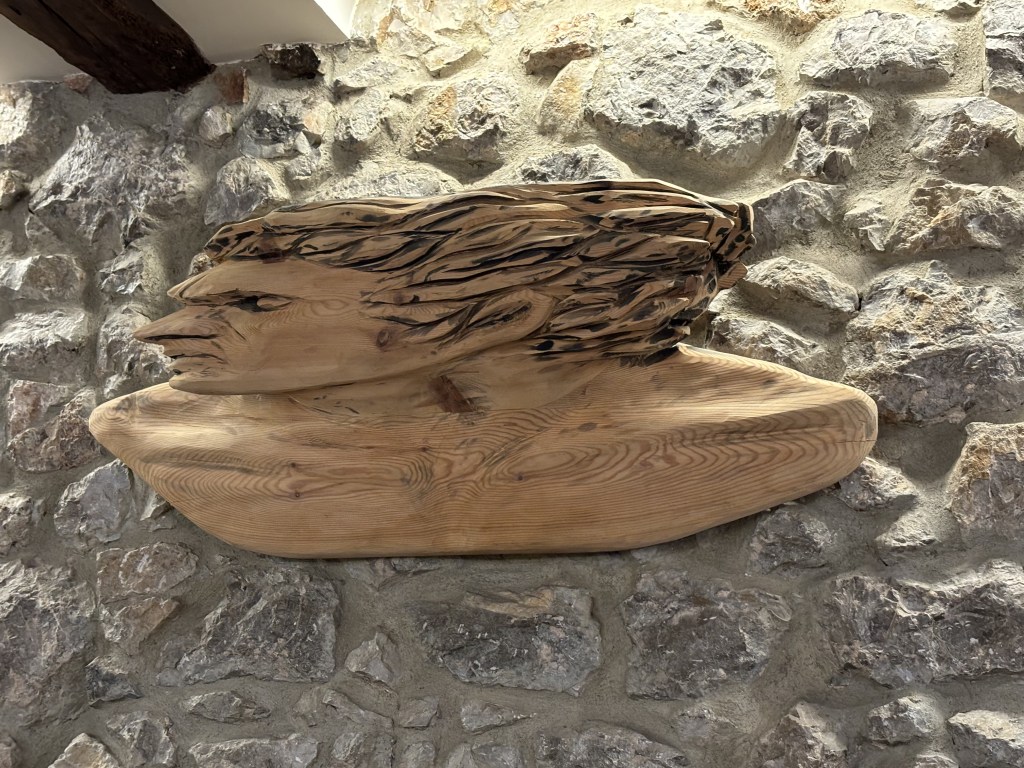
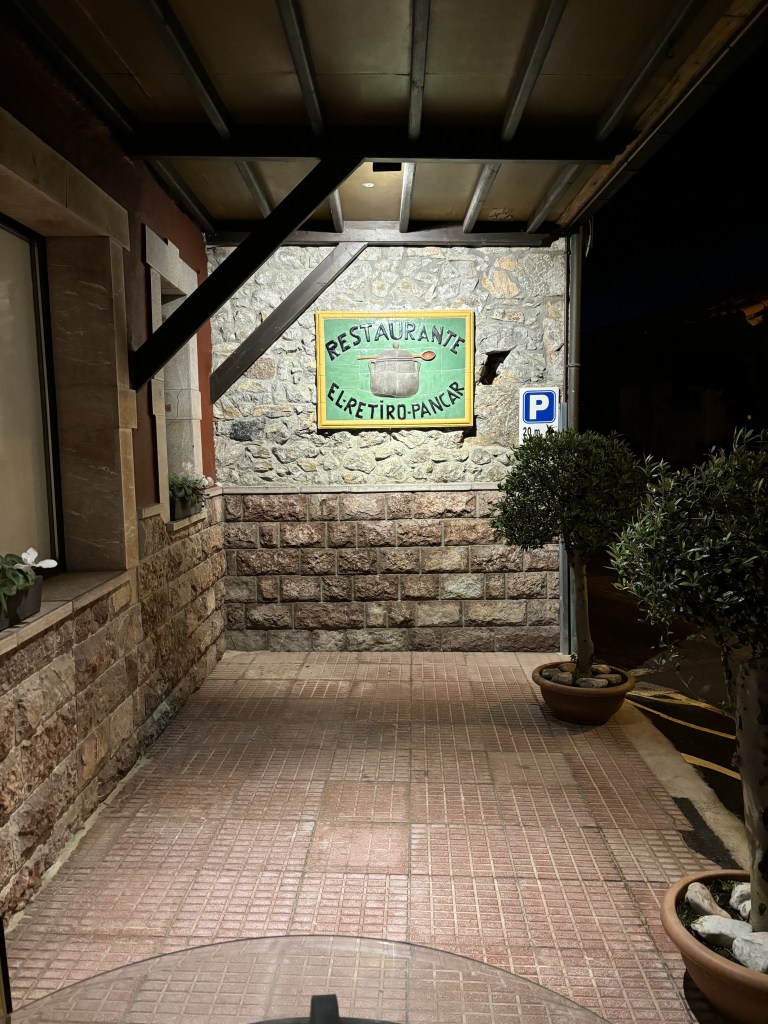
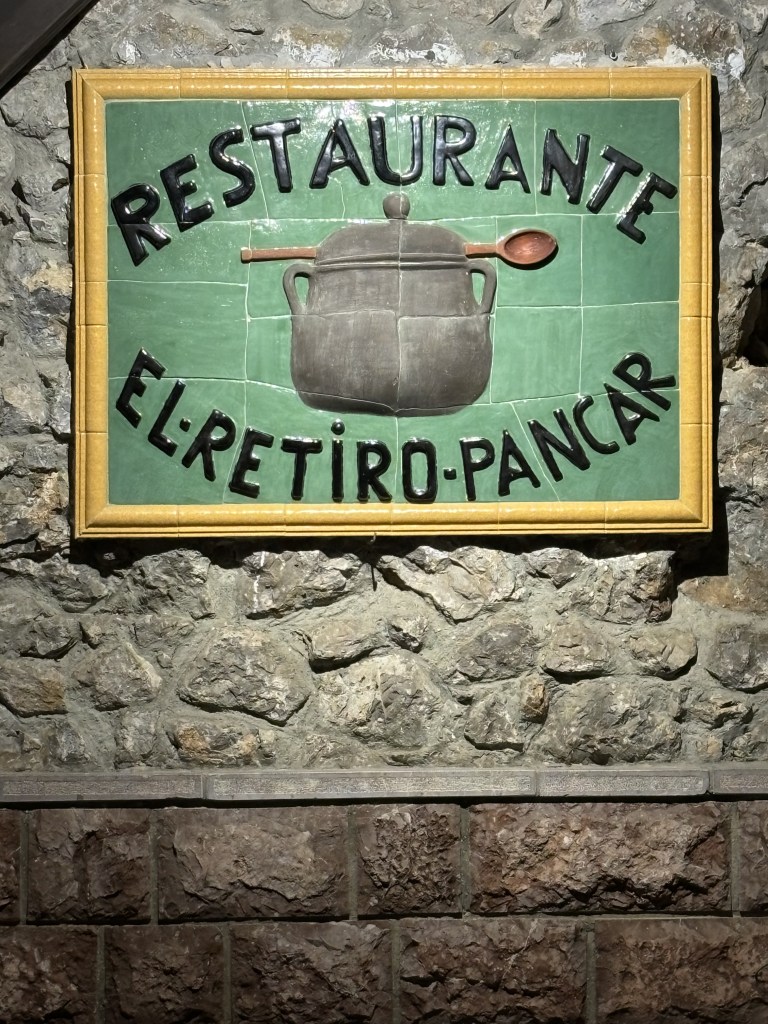
Dinner at El Retiro Restaurant – Our second Michelin Star experience

Day 9 – Lianes – Cabezon de la Sal
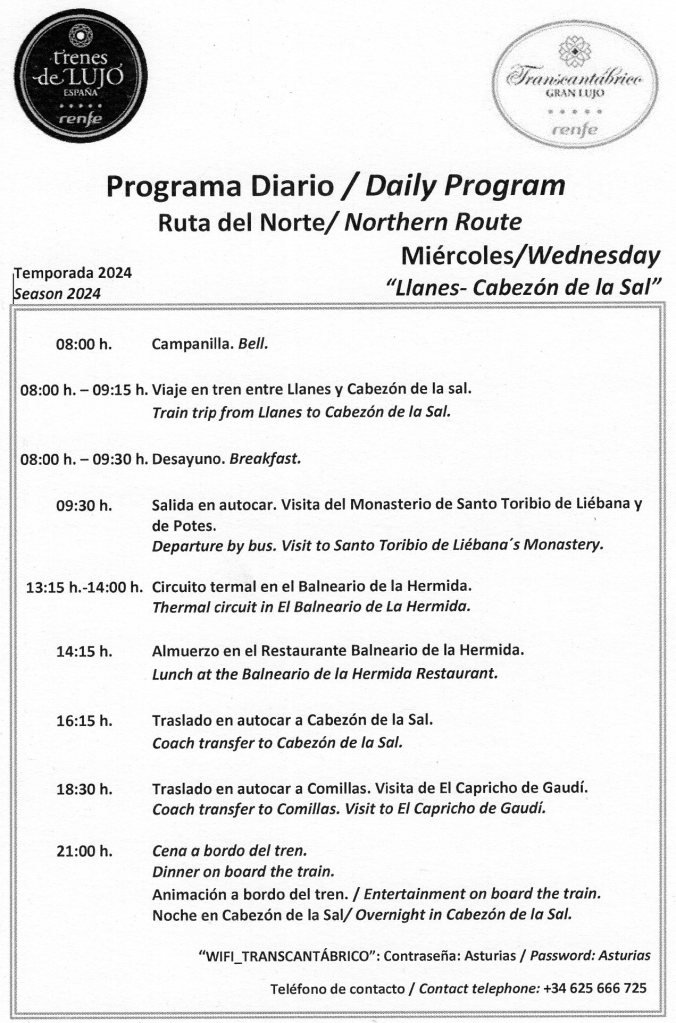
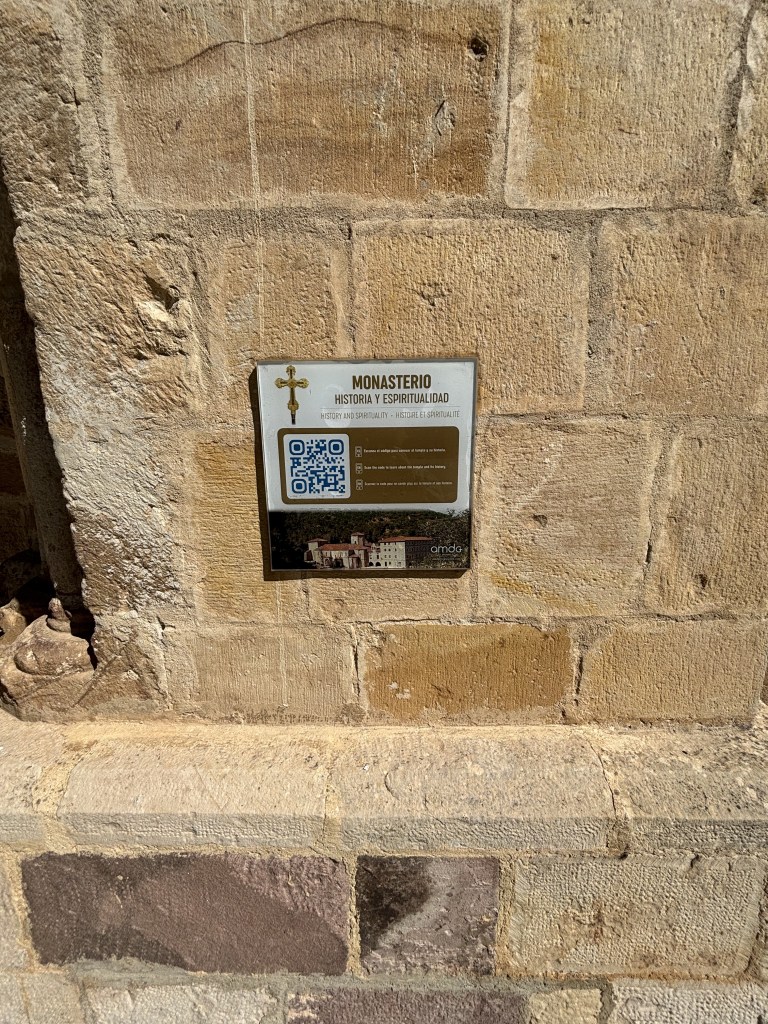
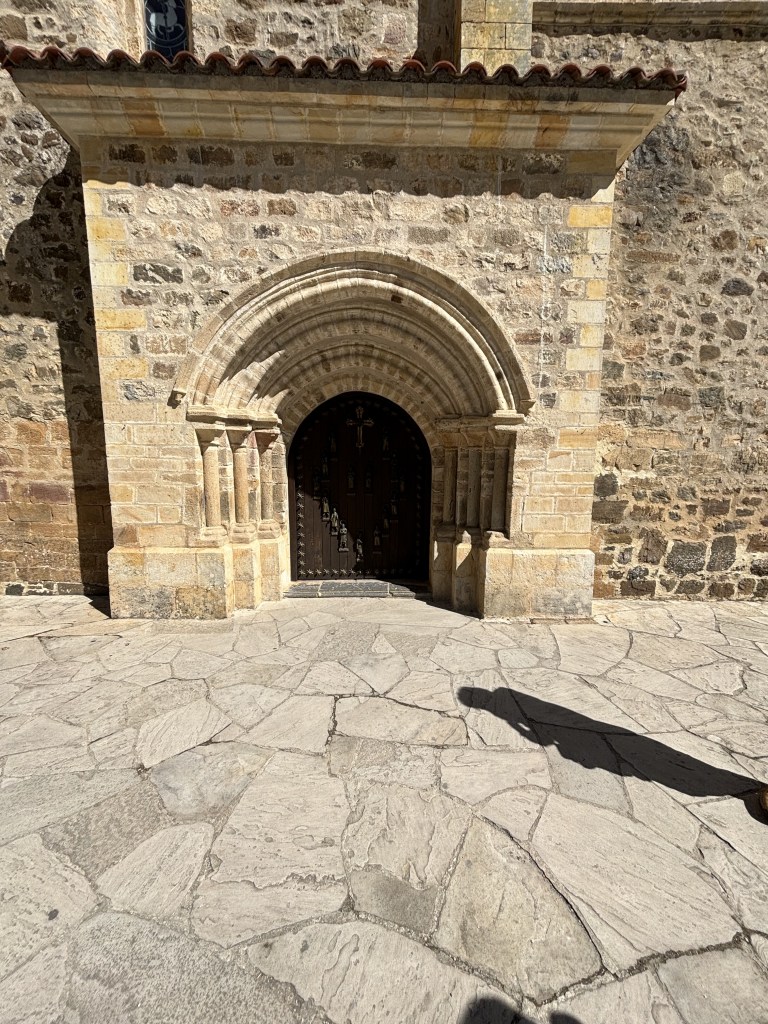
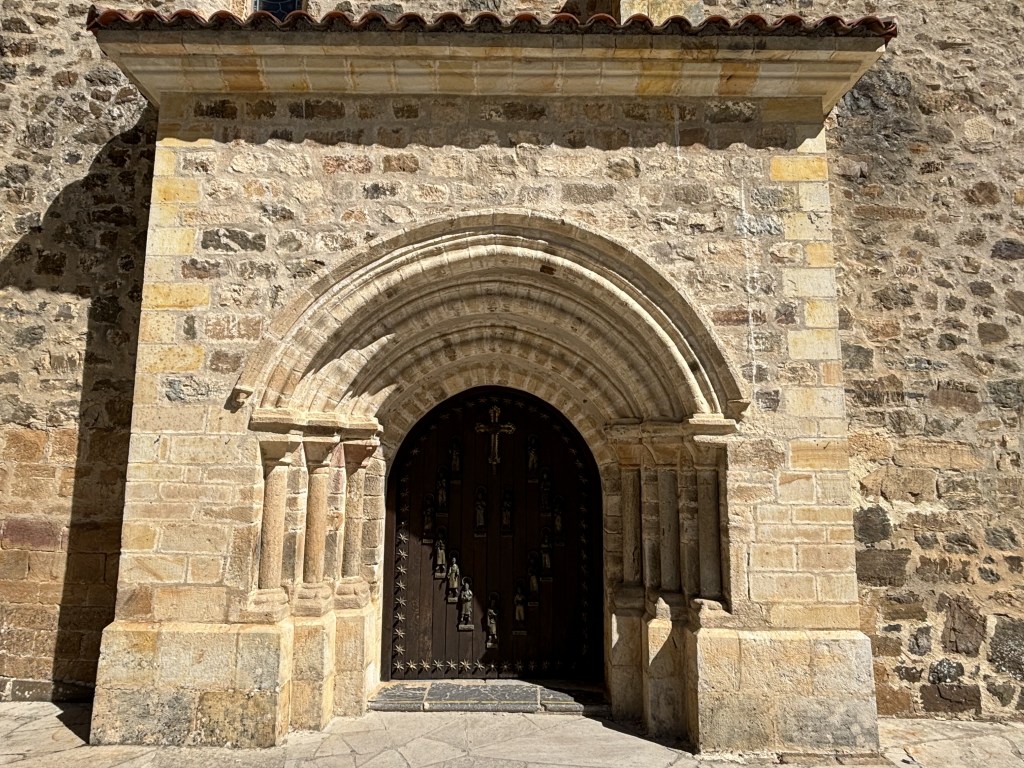
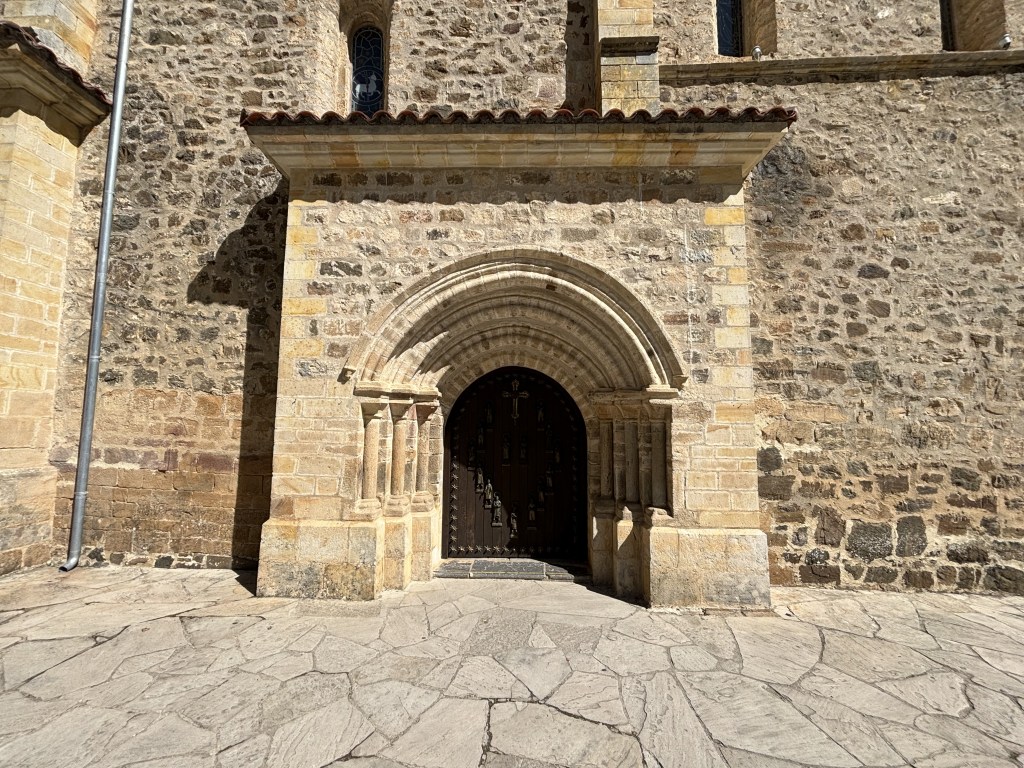
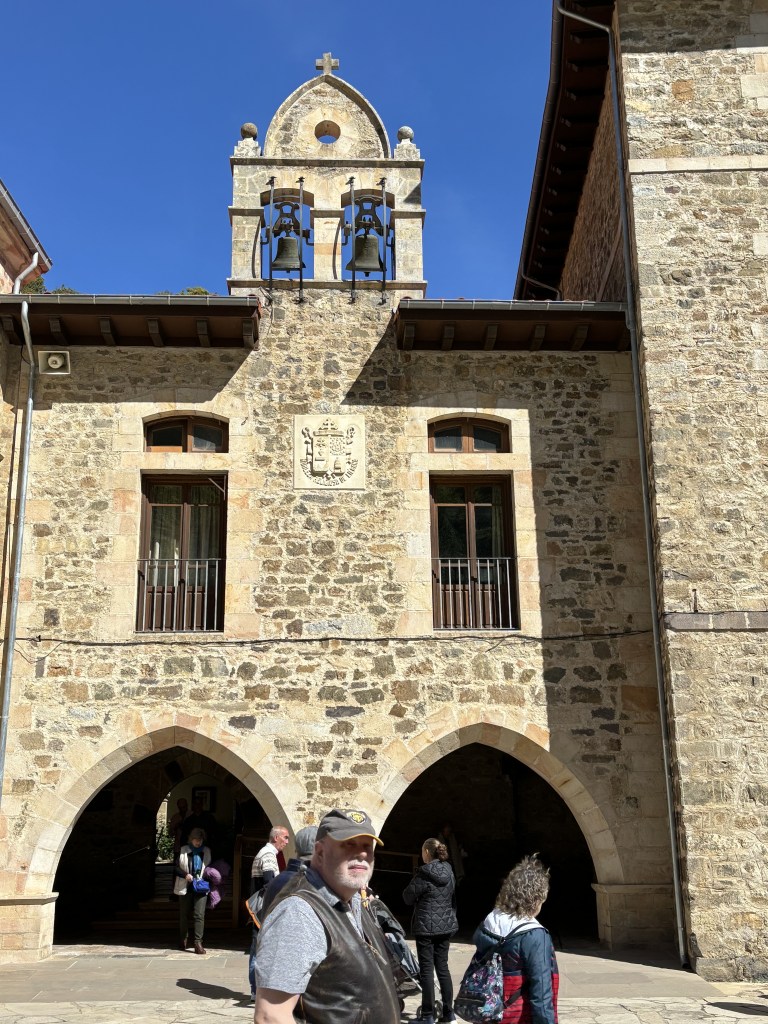
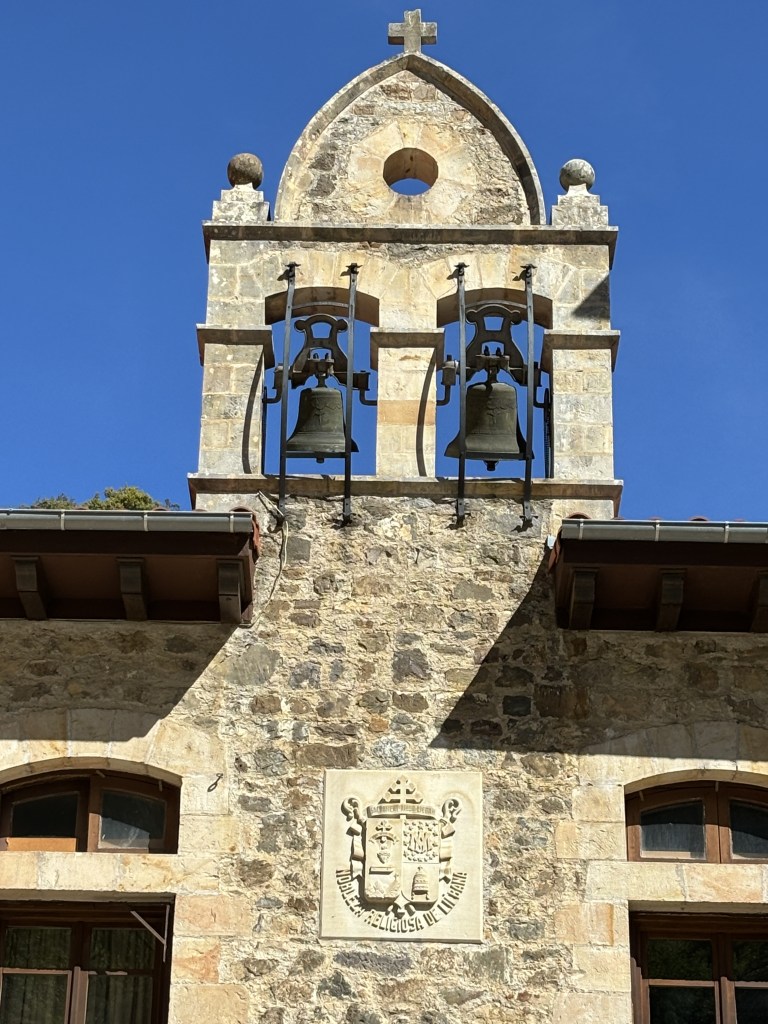
The Monastery of Santo Toribio de Liébana is a Roman Catholic monastery located in the district of Liébana, near Potes in Cantabria, Spain. Located in the Cantabrian Mountains in northern Spain, the monastery is one of the five places in Roman Catholicism, together with Rome, Jerusalem, Santiago de Compostela and Caravaca de la Cruz, that has the privilege of issuing perpetual indulgences.
Thermal circuit in El Baineario de La Hermida. Offering a picturesque setting on the banks of the Deva River, Balneario La Hermida features its own thermal spa dating from the 18th-century. It has rooms with free internet access.
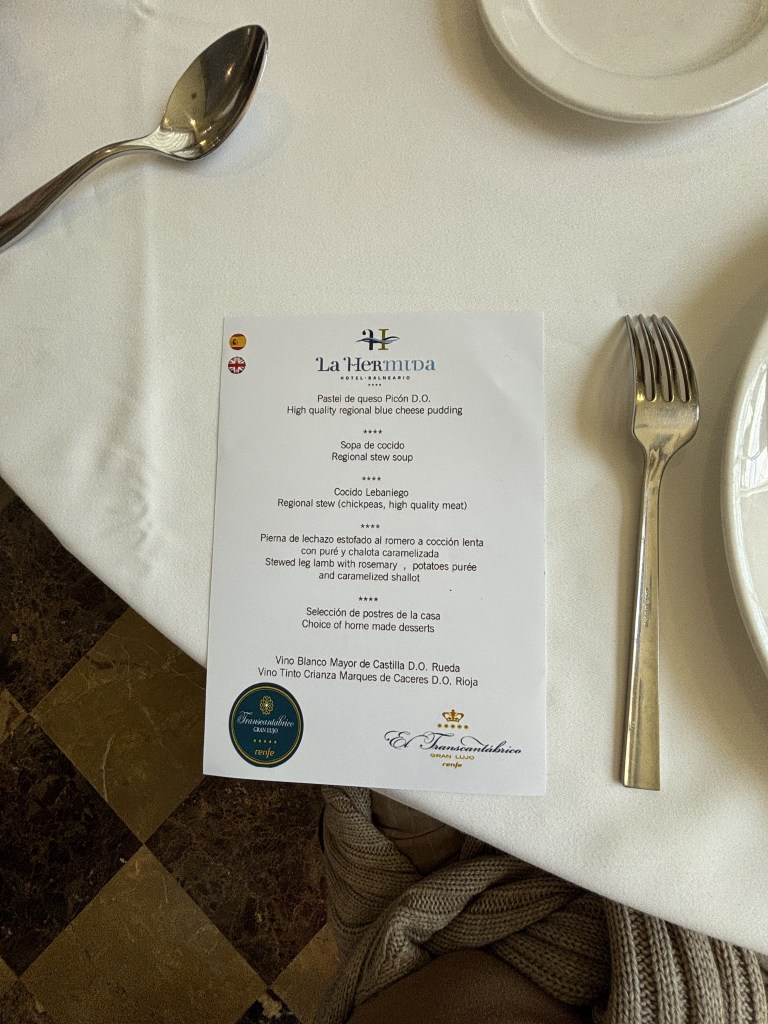
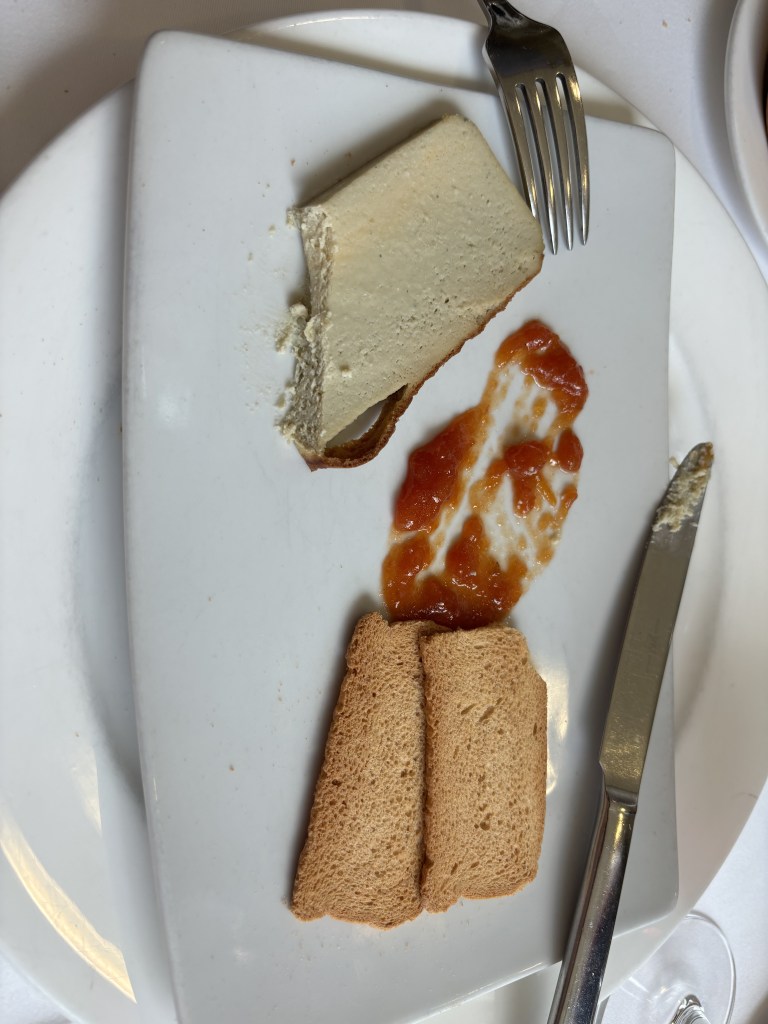
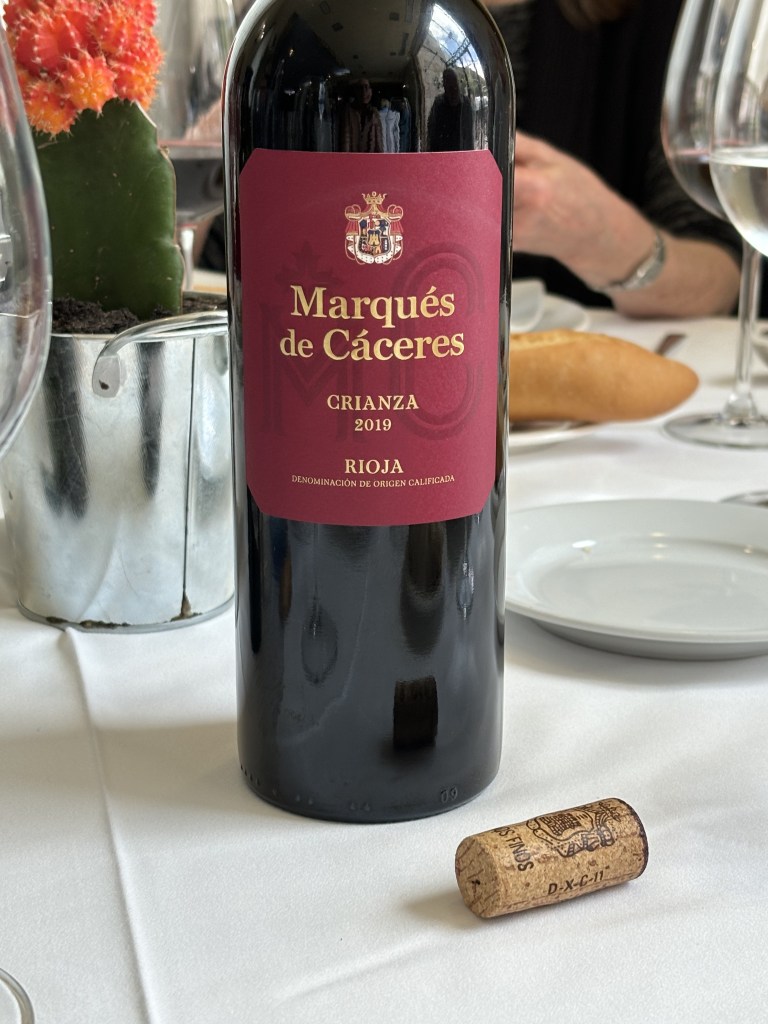
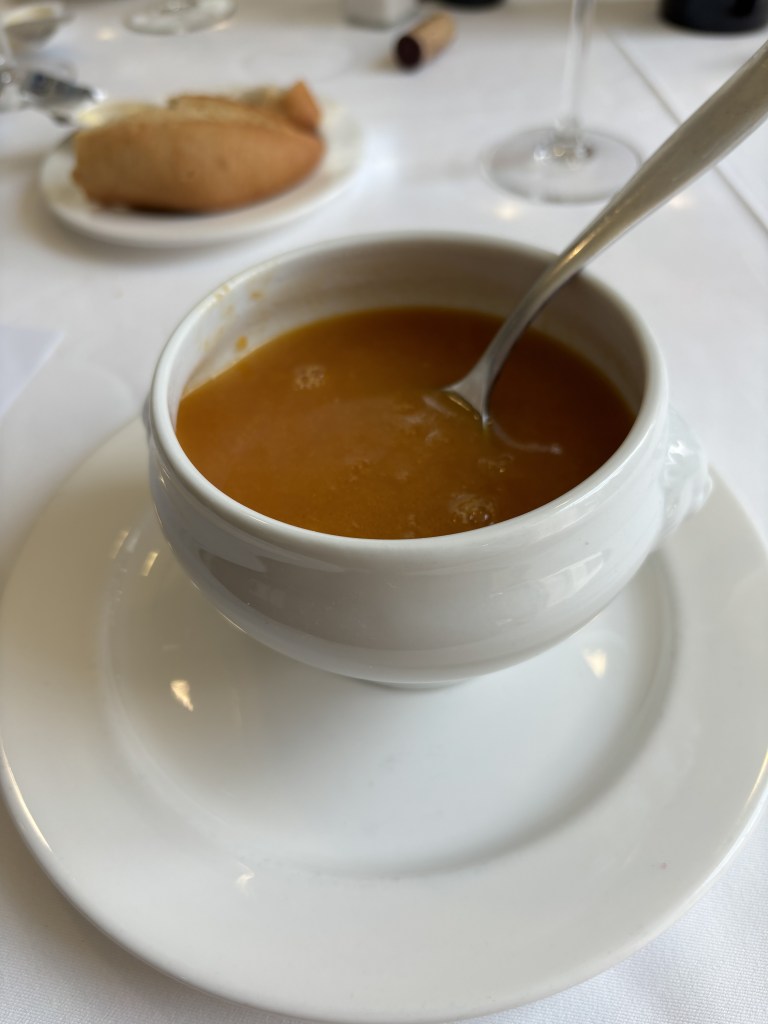
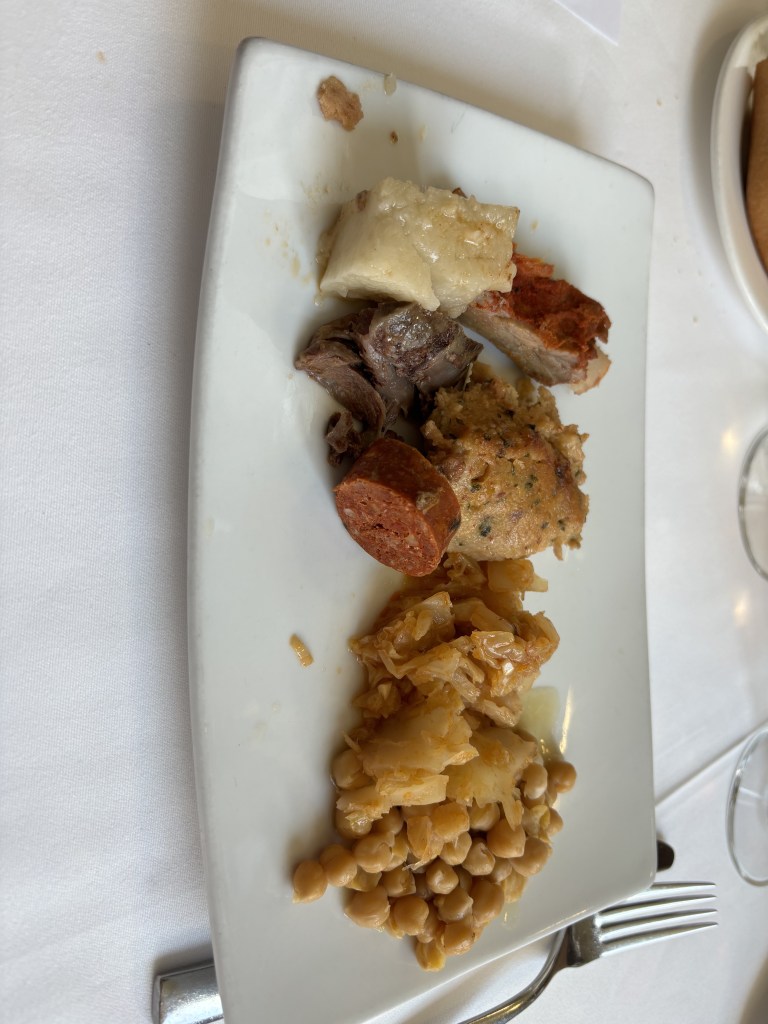
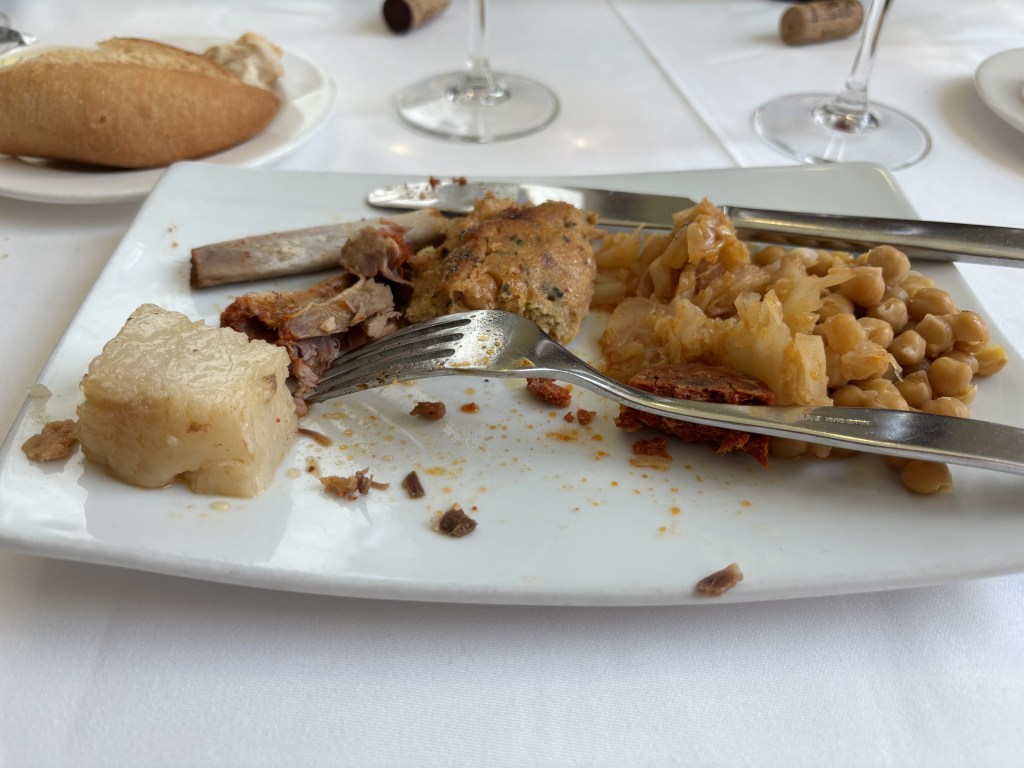
Cabezon de la Sal is a municipality located in the autonomous community of Cantabria, Spain. According to the 2023 census, the town has a population of 8,181 inhabitants.

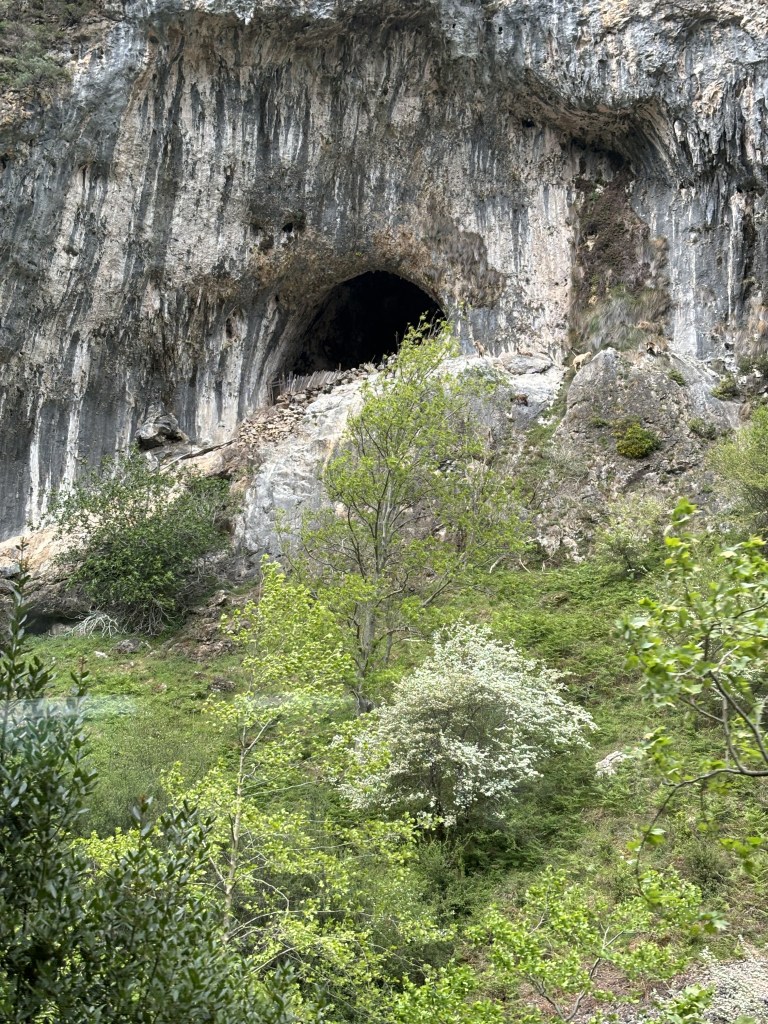
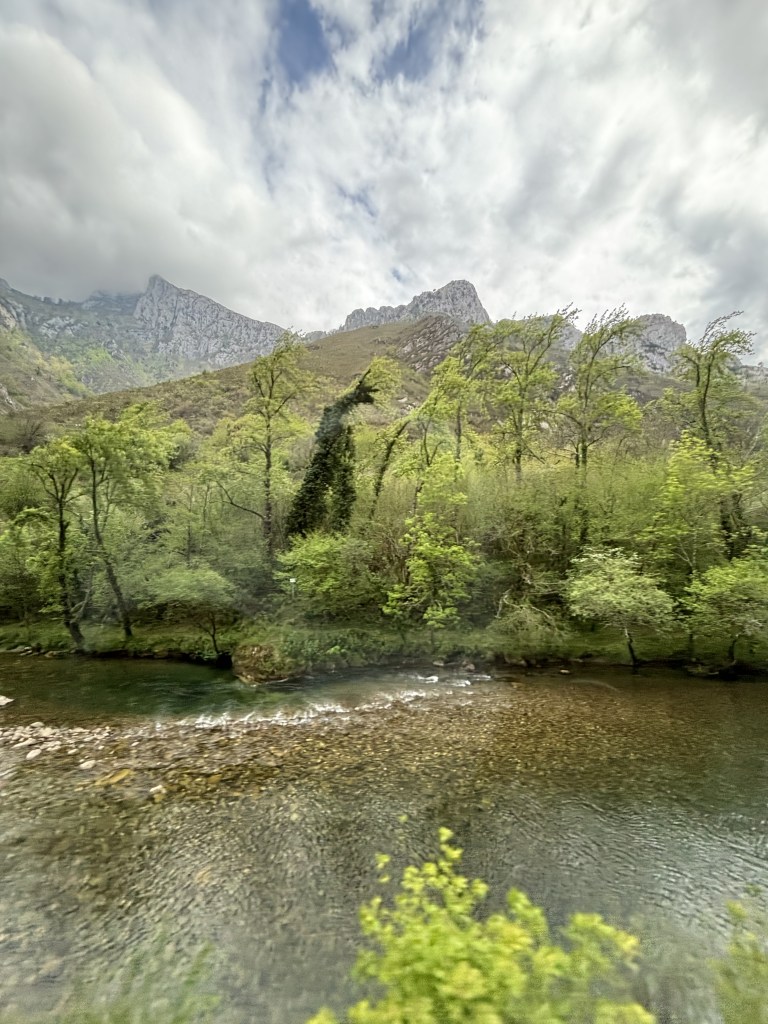
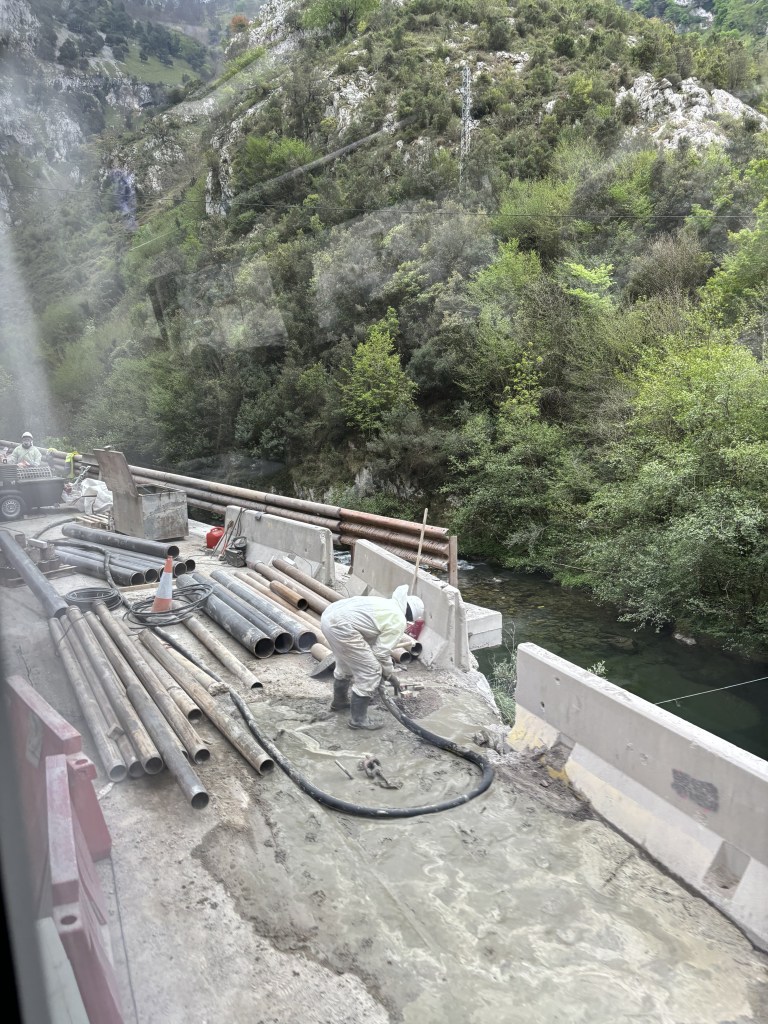


The journey to Comillas was nothing short of breathtaking! As our coach wound its way through a narrow mountain canyon, the views were absolutely stunning—towering cliffs, lush greenery, and dramatic twists in the landscape at every turn. It was the kind of scenery that makes you want to pinch yourself to be sure it’s real.
What made it even more amazing was our driver’s skill. Navigating that winding canyon road seemed like an impossible feat, yet he handled it with calm precision, as if it were second nature. And this wasn’t the only time he worked his magic—his ability to steer our coach through narrow, hairpin roads throughout the journey was nothing short of incredible. Watching him in action became a part of the adventure itself!
Comillas – Visit to El Capricho de Gaudi designed by Antoni Gaudí. It was built in 1883–1885 for the summer use of a wealthy client, Máximo Díaz de Quijano,[1] who died a year before the house was completed.
Arriving at El Capricho de Gaudí felt like stepping into a dream! The moment we laid eyes on this masterpiece, we were all completely awestruck. Every inch of the house radiated the genius of its creator, Antoni Gaudí. From the intricate details of the mosaic tiles to the whimsical shapes and vibrant colors, the craftsmanship was nothing short of extraordinary.
What made it even more fascinating was the bittersweet story—the house’s original owner never lived here, leaving this architectural gem as a kind of untouched tribute to Gaudí’s brilliance. At nearly 140 years old, it’s a testament to design built to stand the test of time, both structurally and artistically.
And the best part? This was just the beginning of our journey into Gaudí’s enchanting world. There was so much more of his artistry waiting for us!
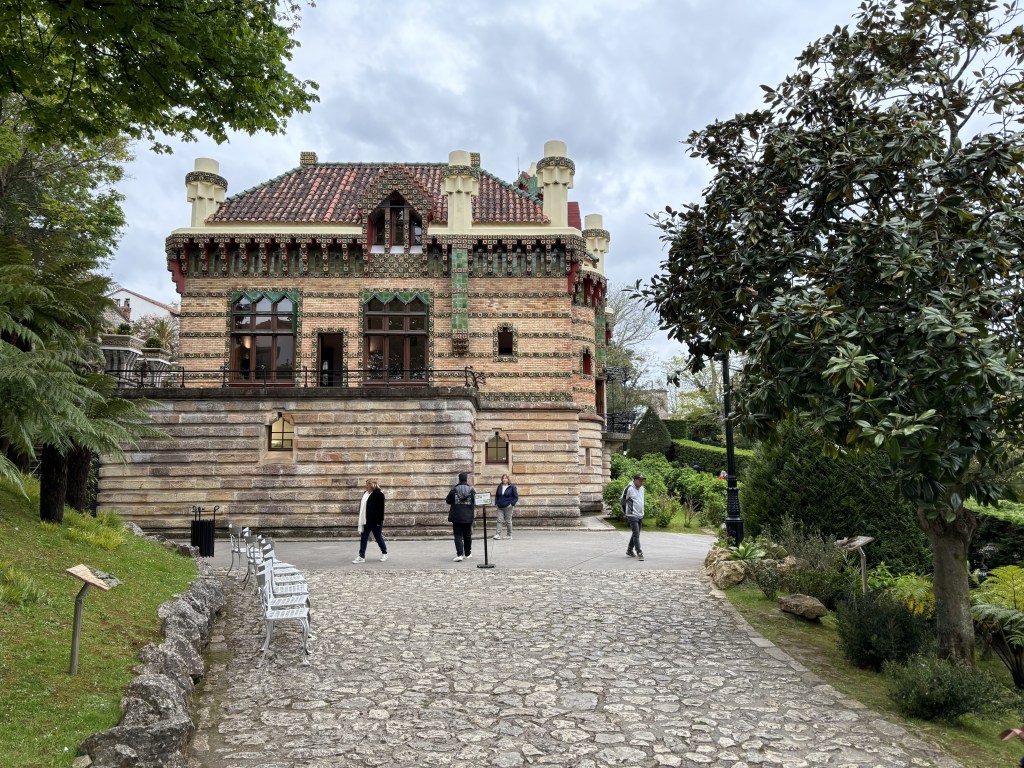
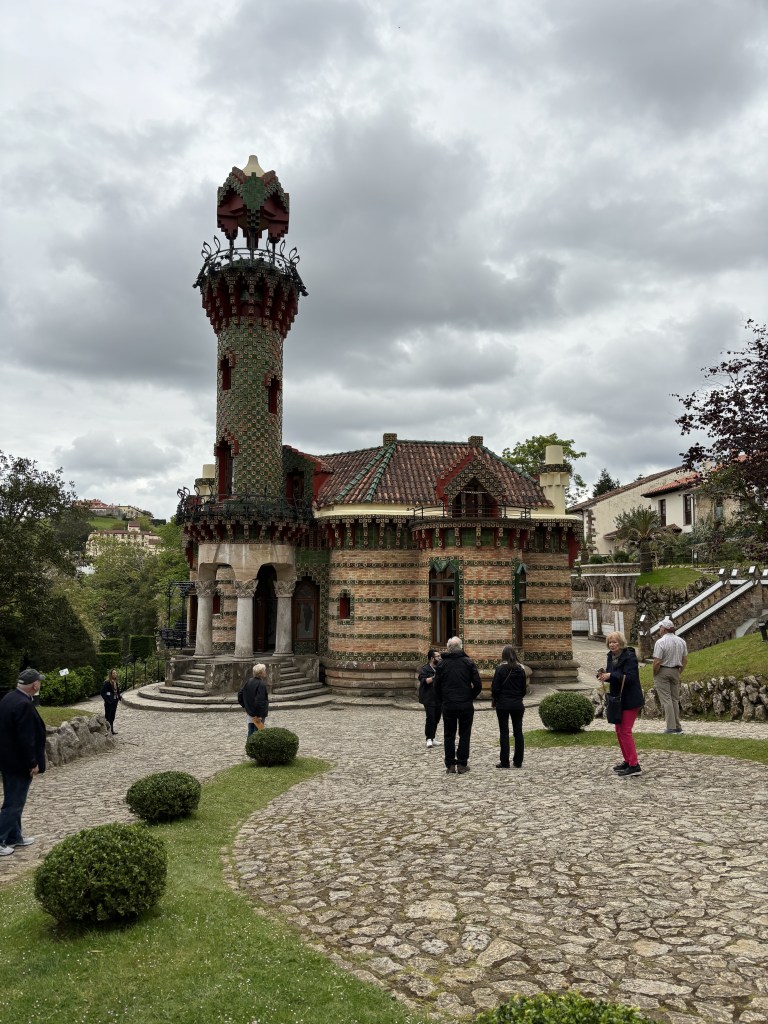

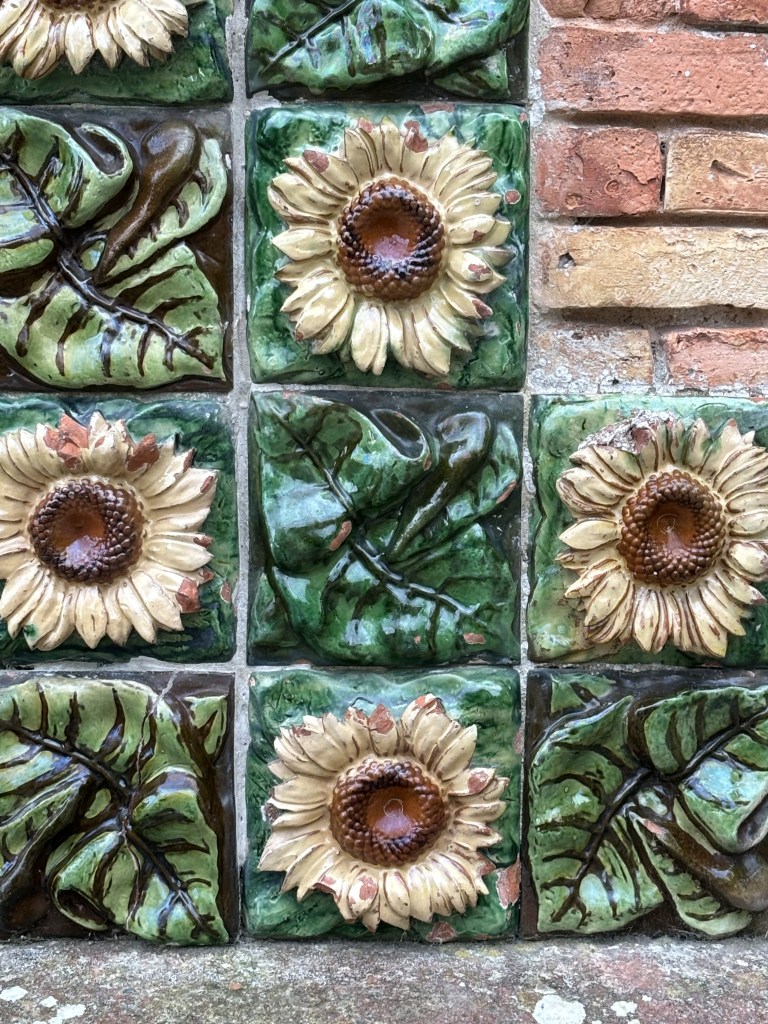
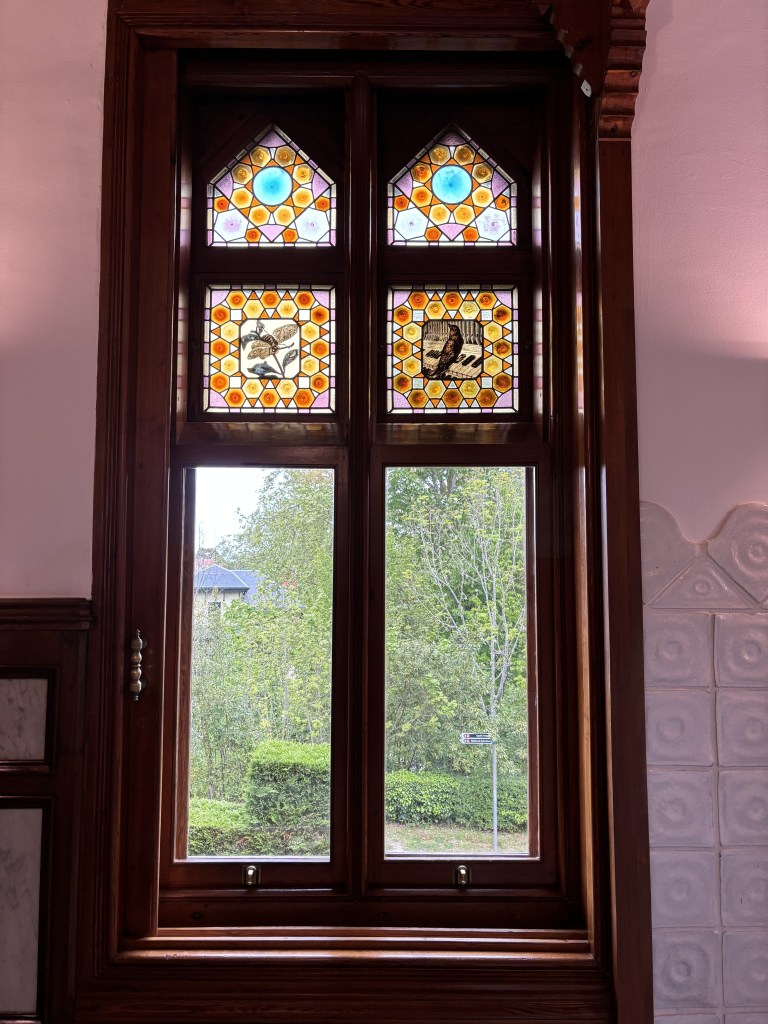
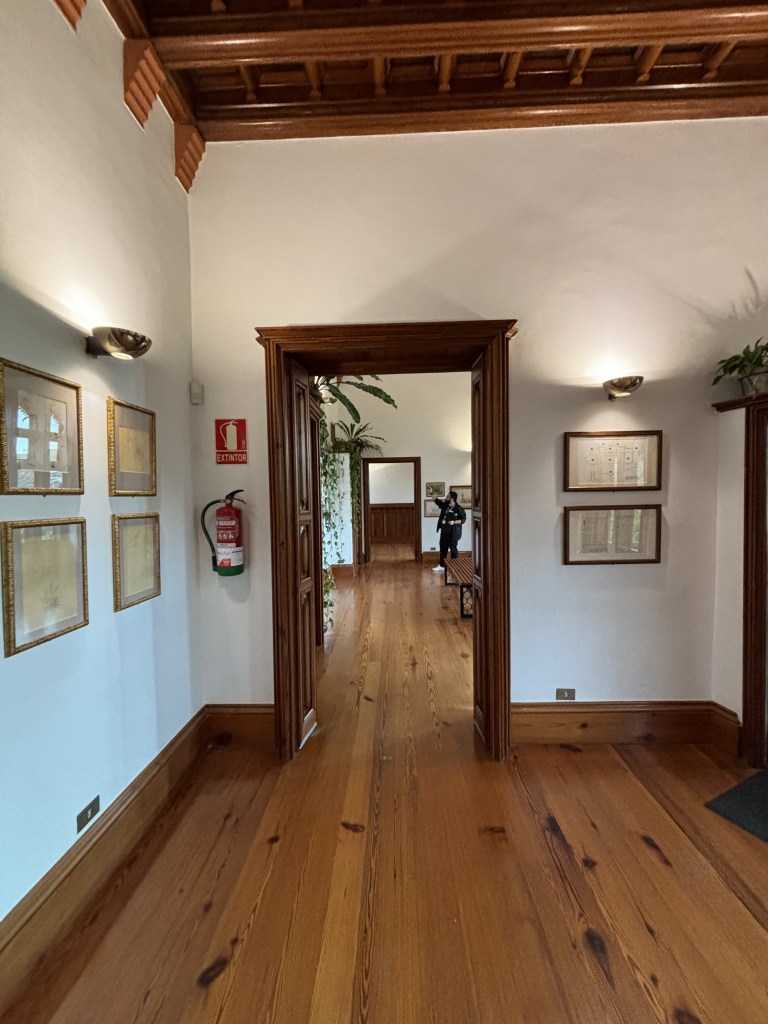
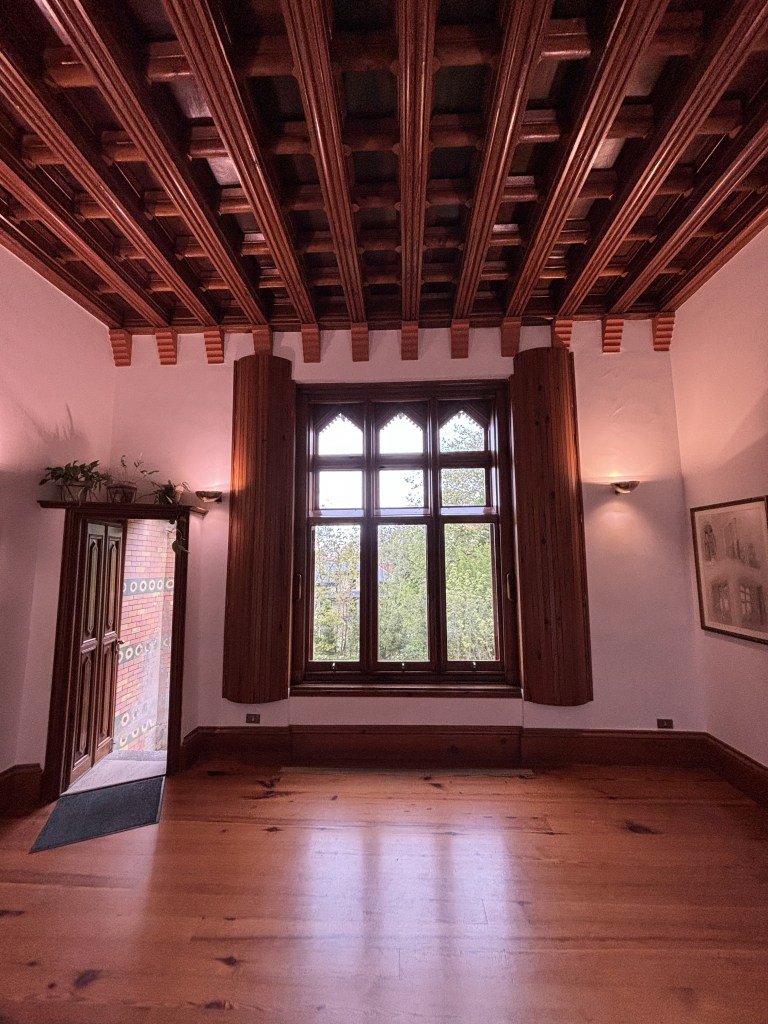
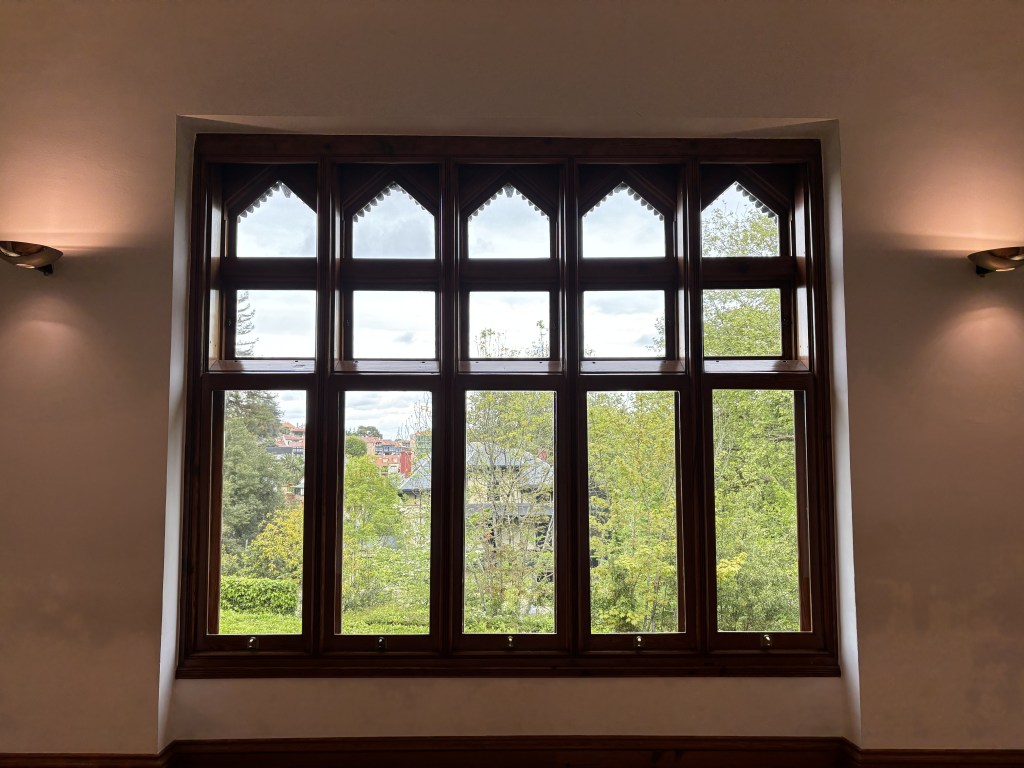
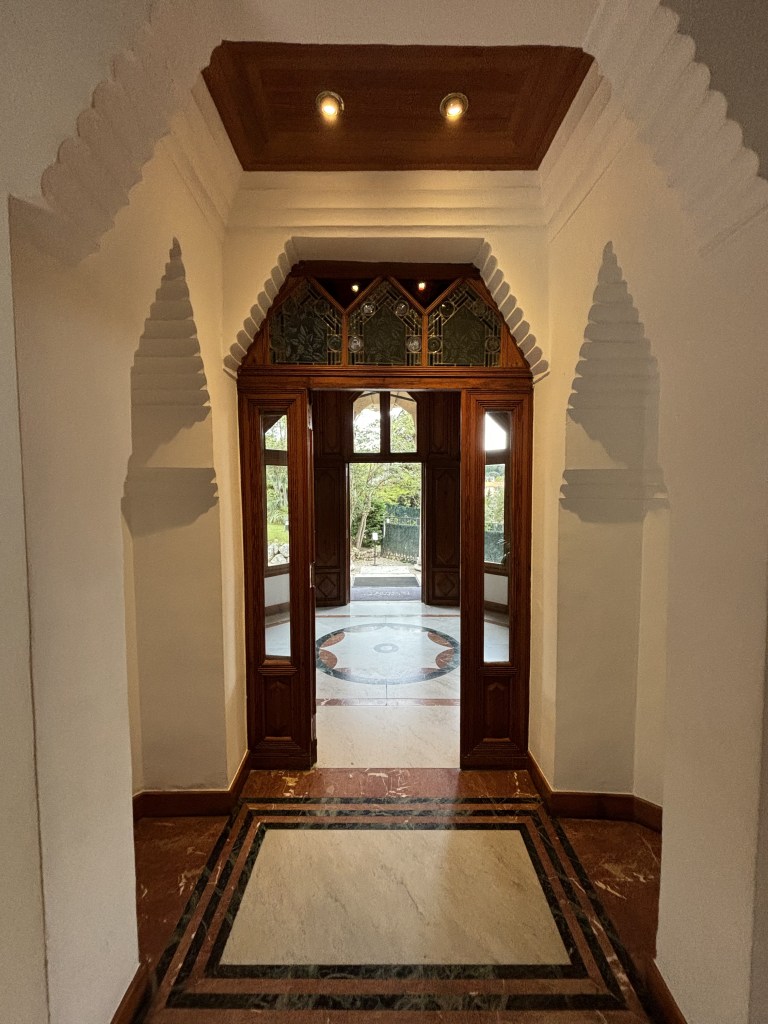
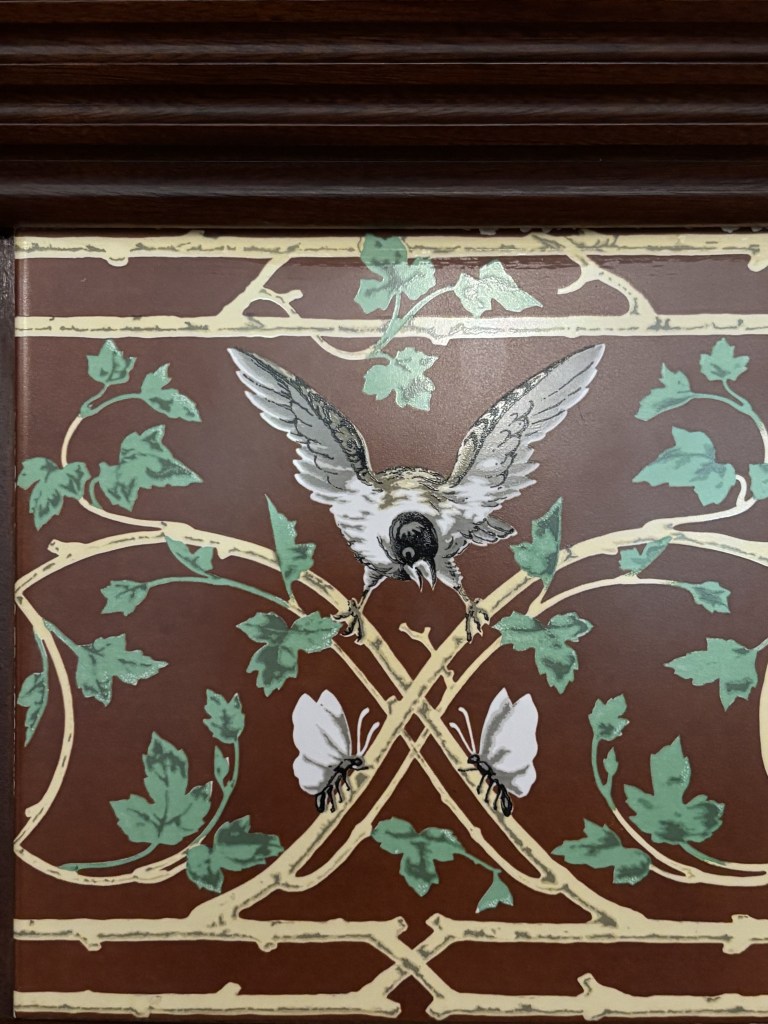
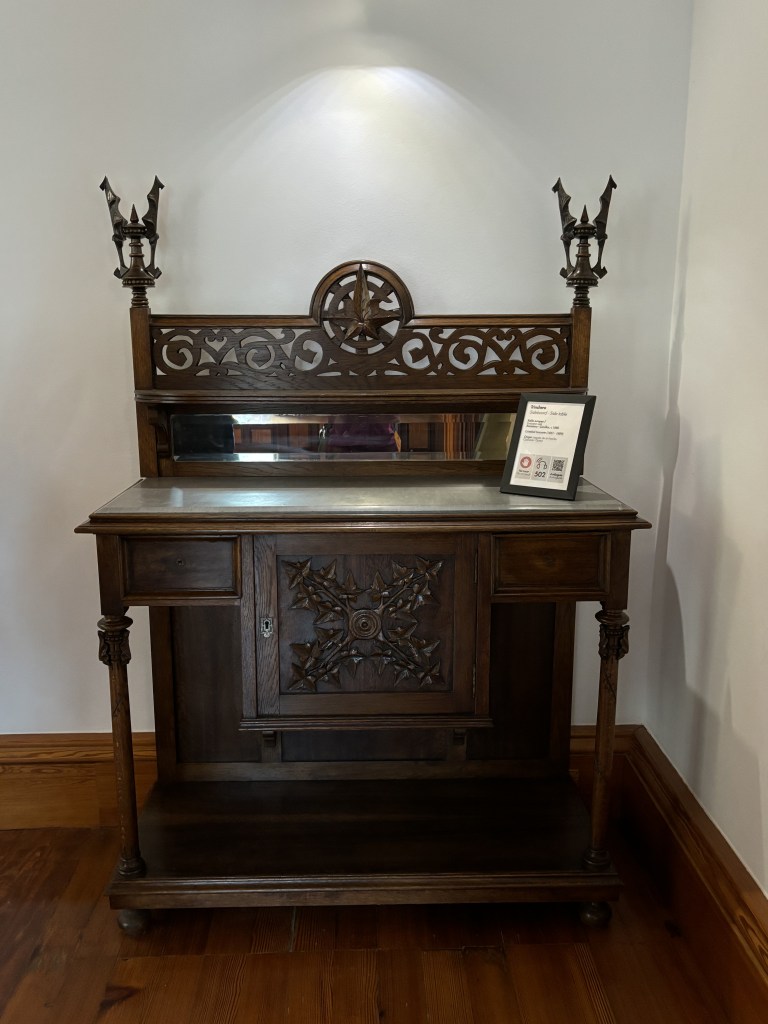
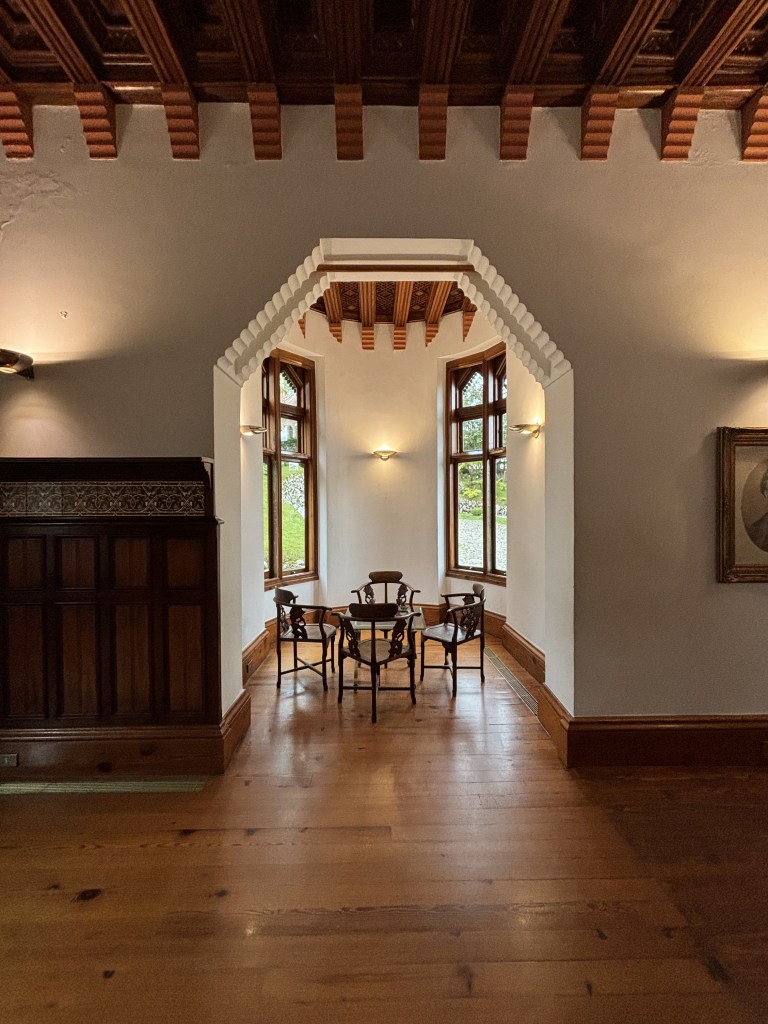
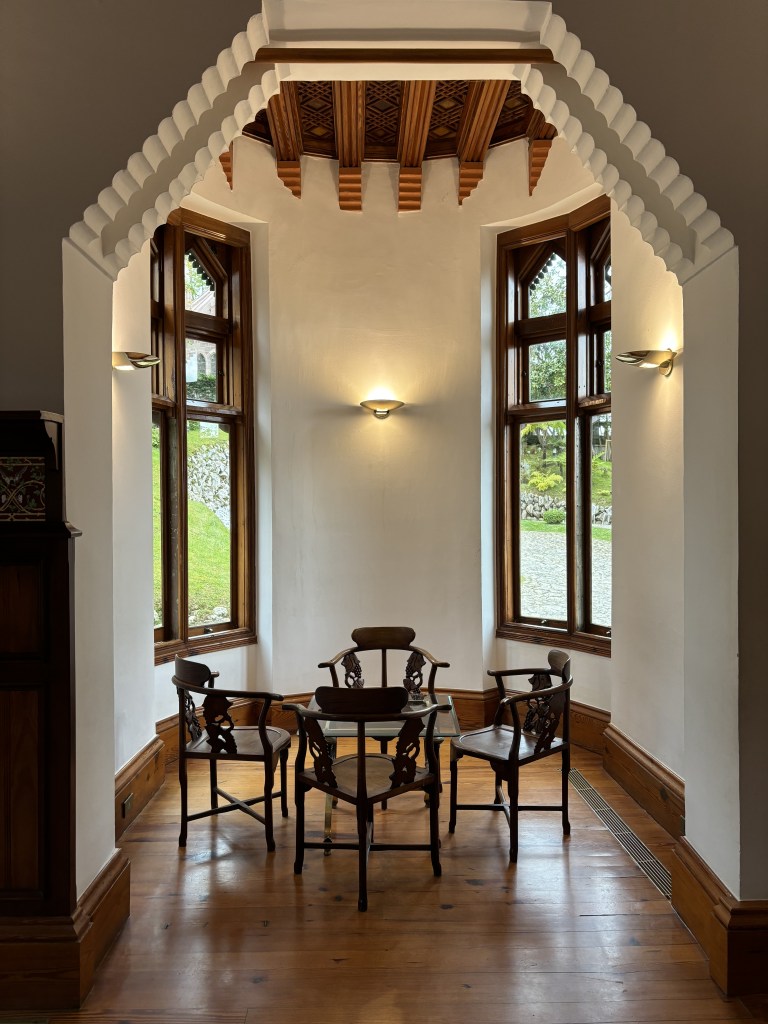
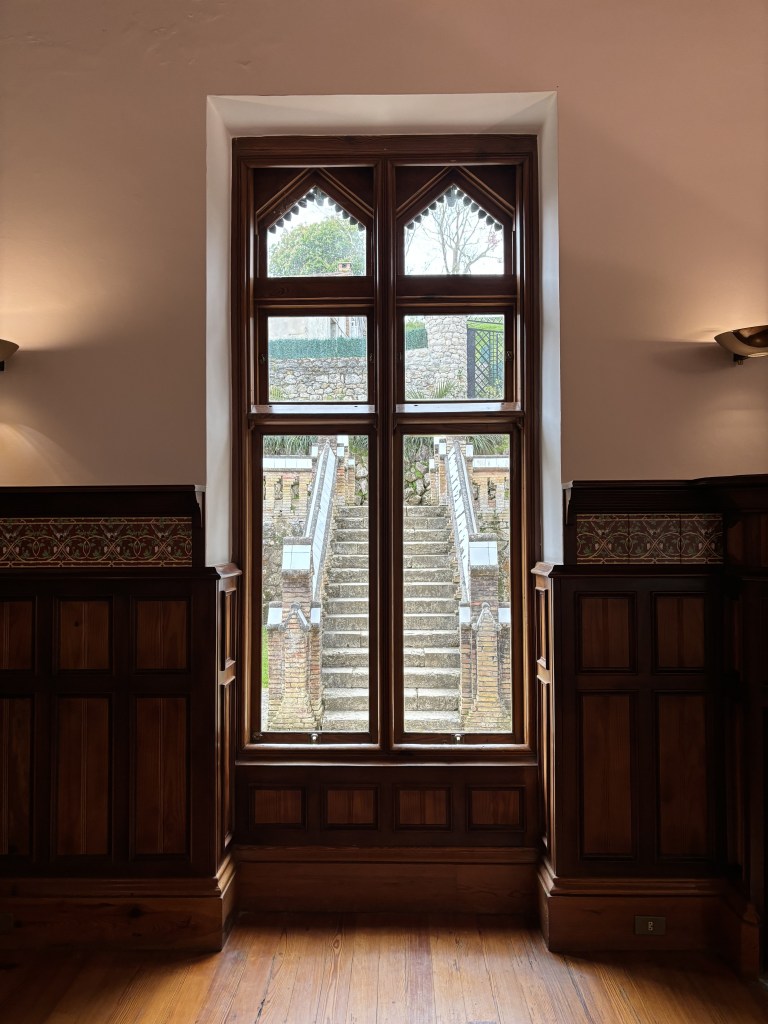
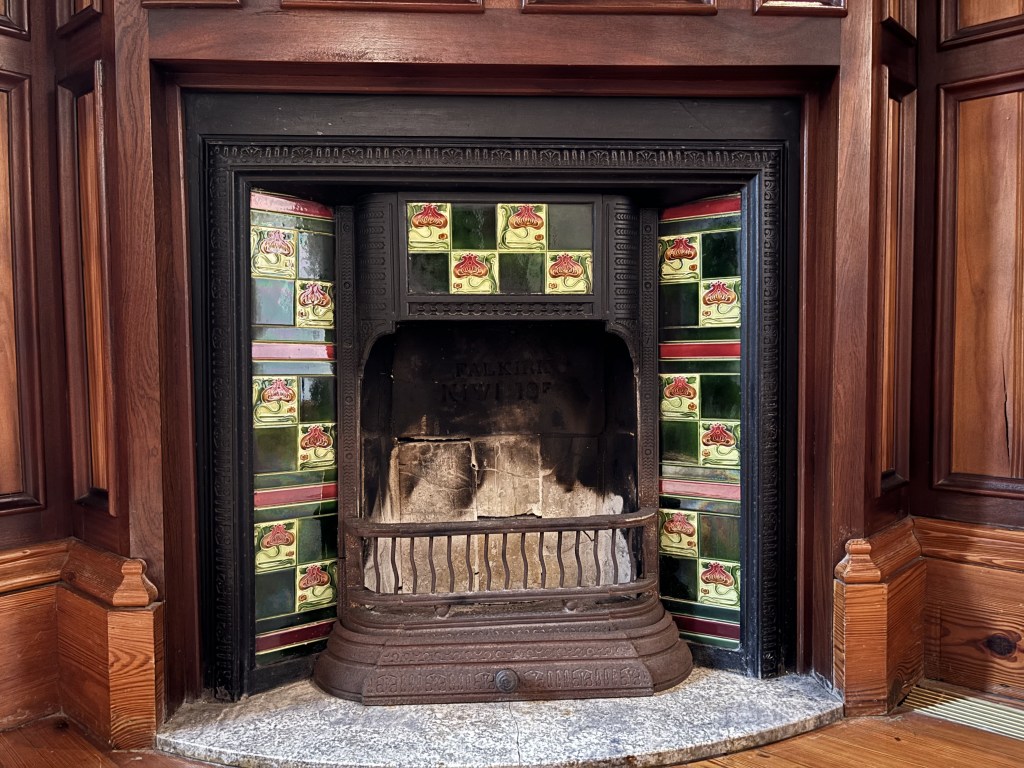
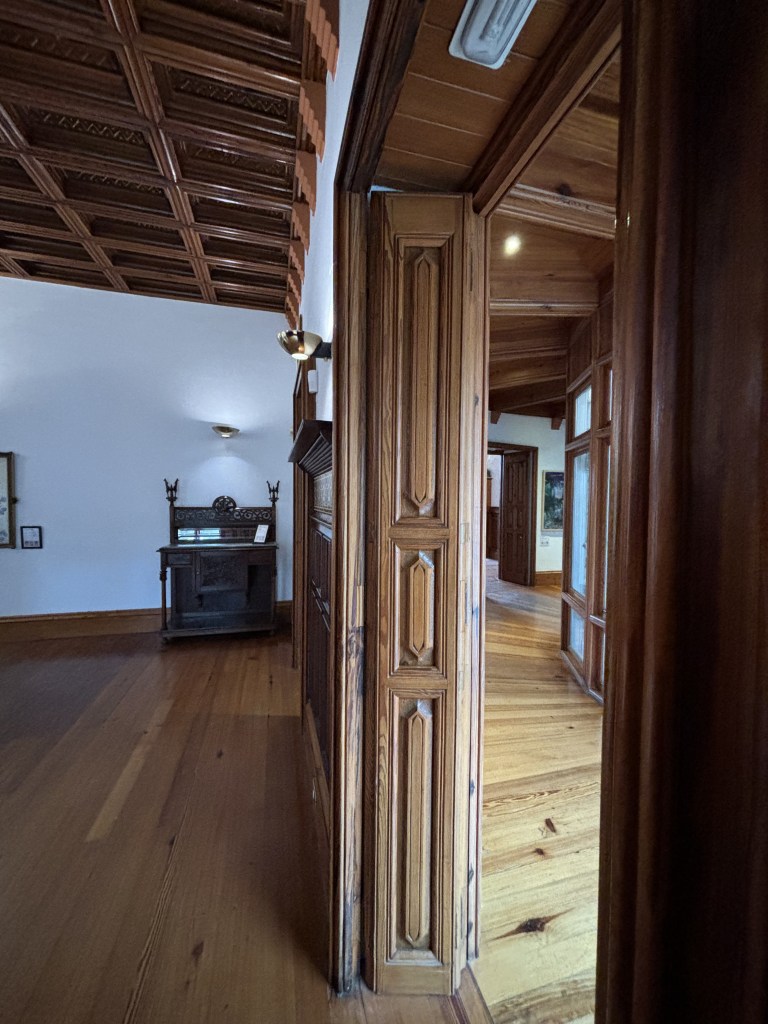
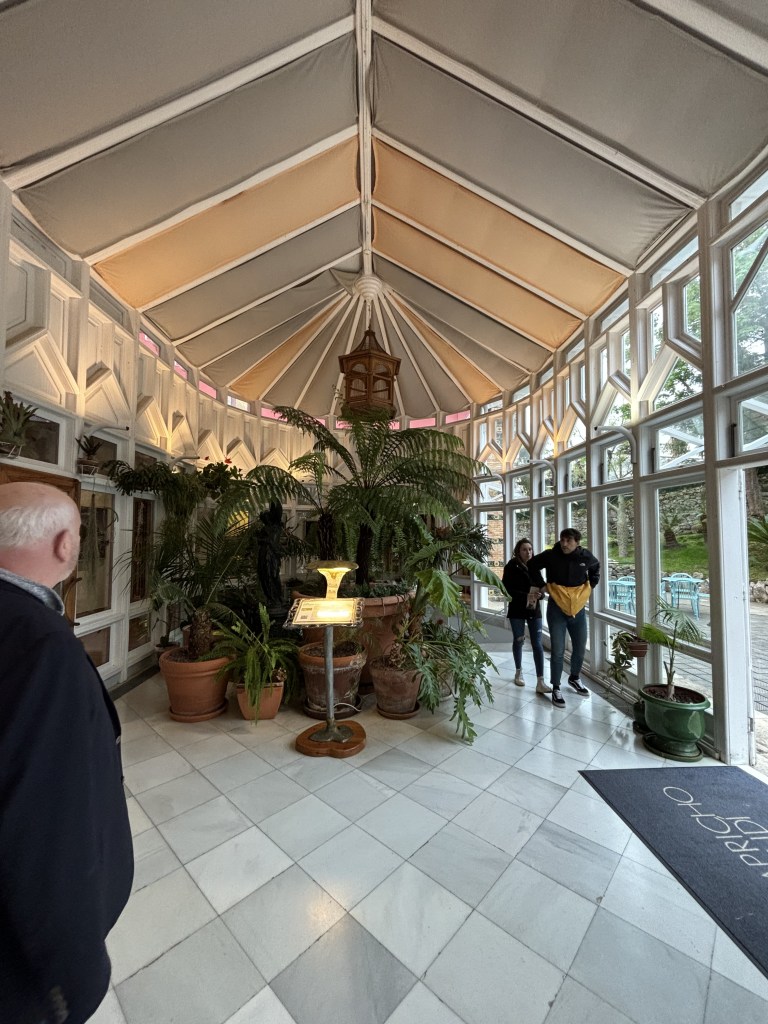
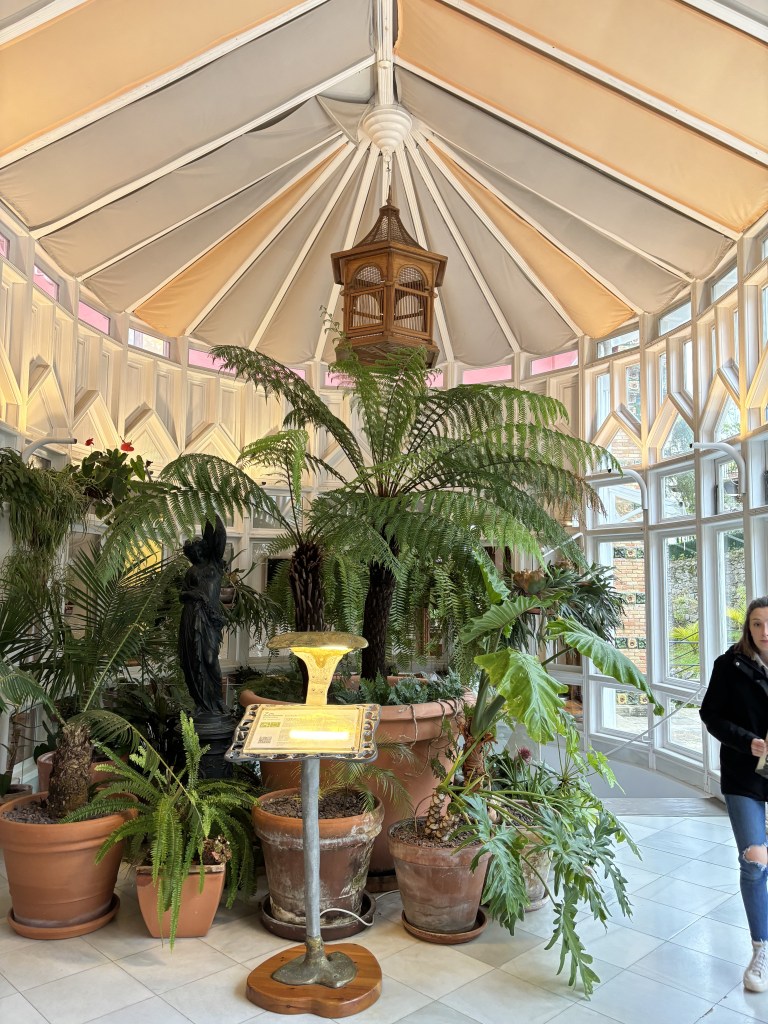
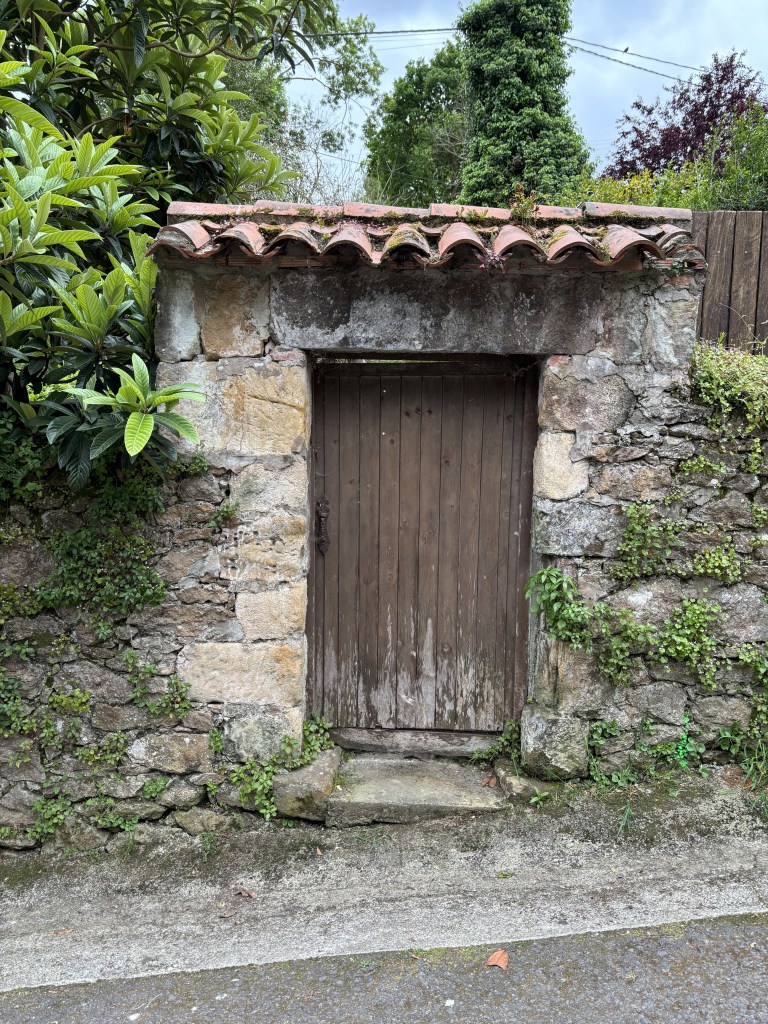
Comillas is a small township and municipality in the northern reaches of Spain, in the autonomous community of Cantabria. The Marquessate of Comillas, a fiefdom of Spanish nobility, holds ceremonial office in the seat of power at a small castle which overlooks the town. The Comillas Pontifical University was housed here before it moved to Madrid, and the old university buildings are among the finest examples of architecture in the town. Besides this, there are many notable medieval and baroque buildings.
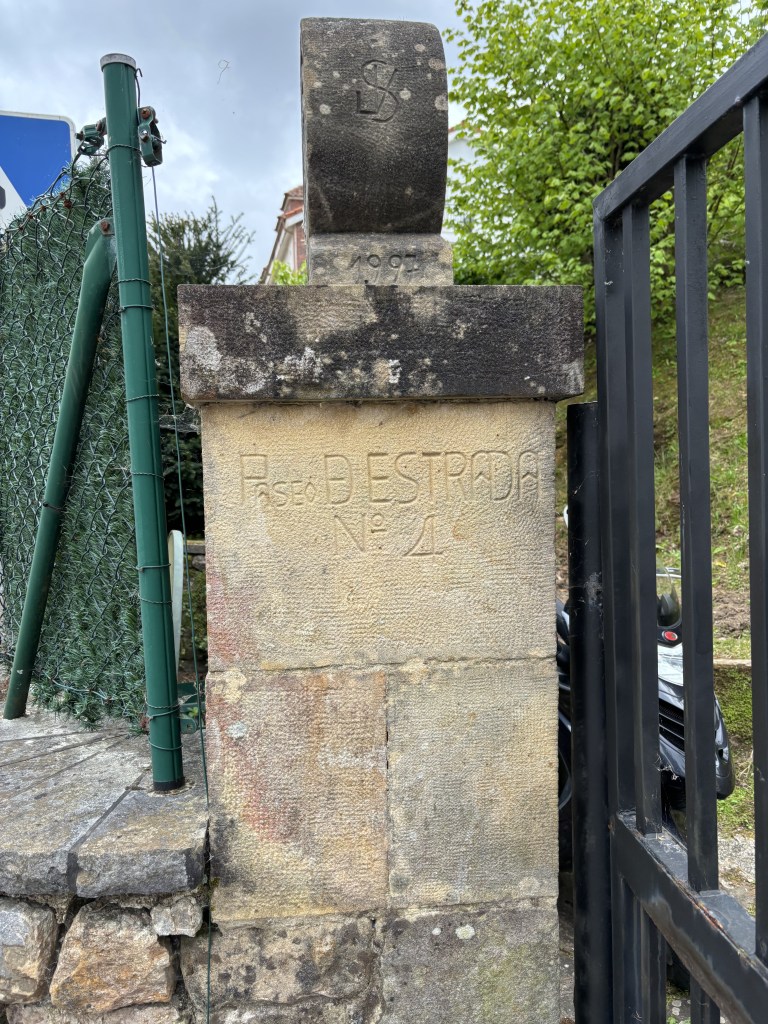
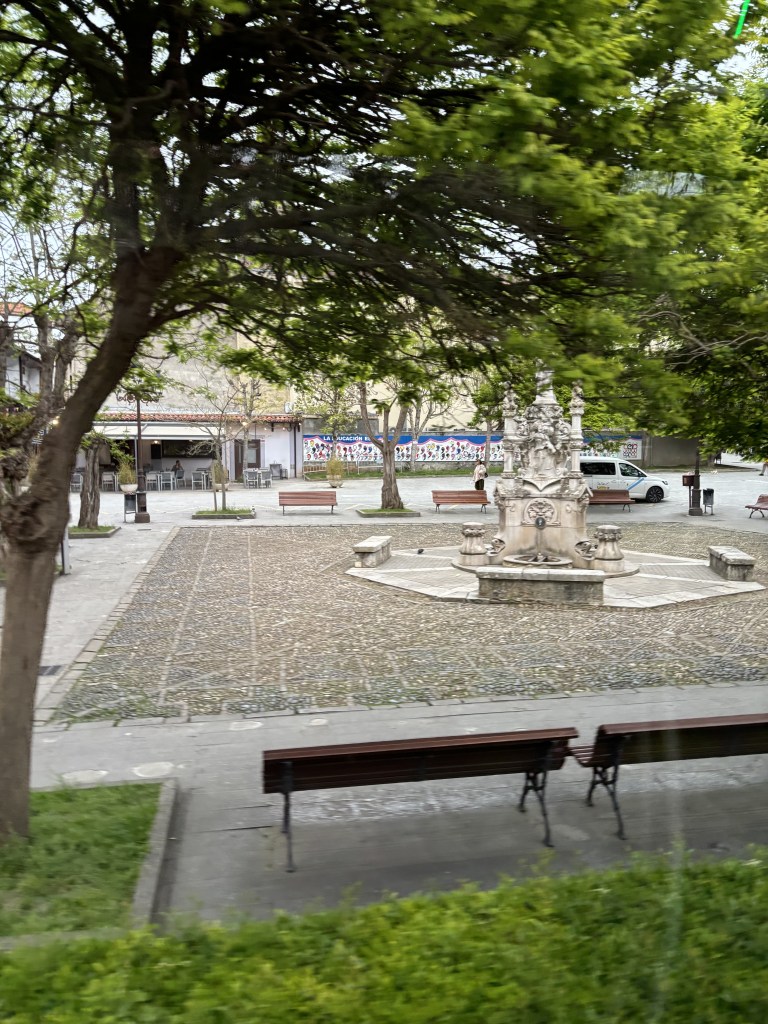
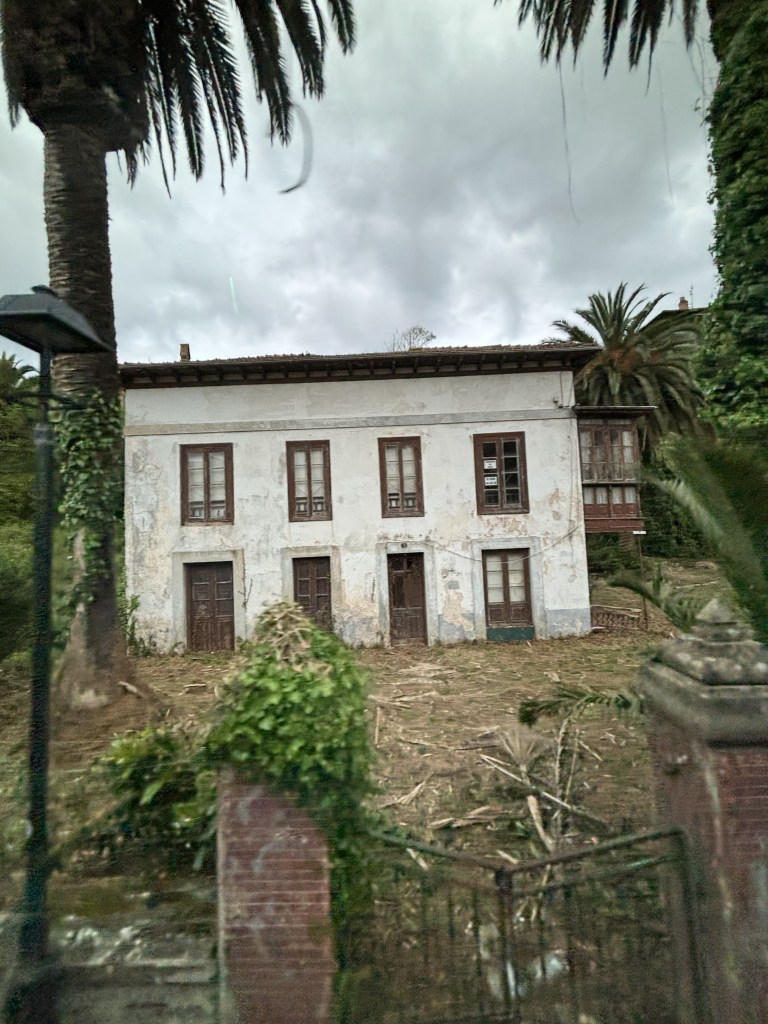
Dinner on the train
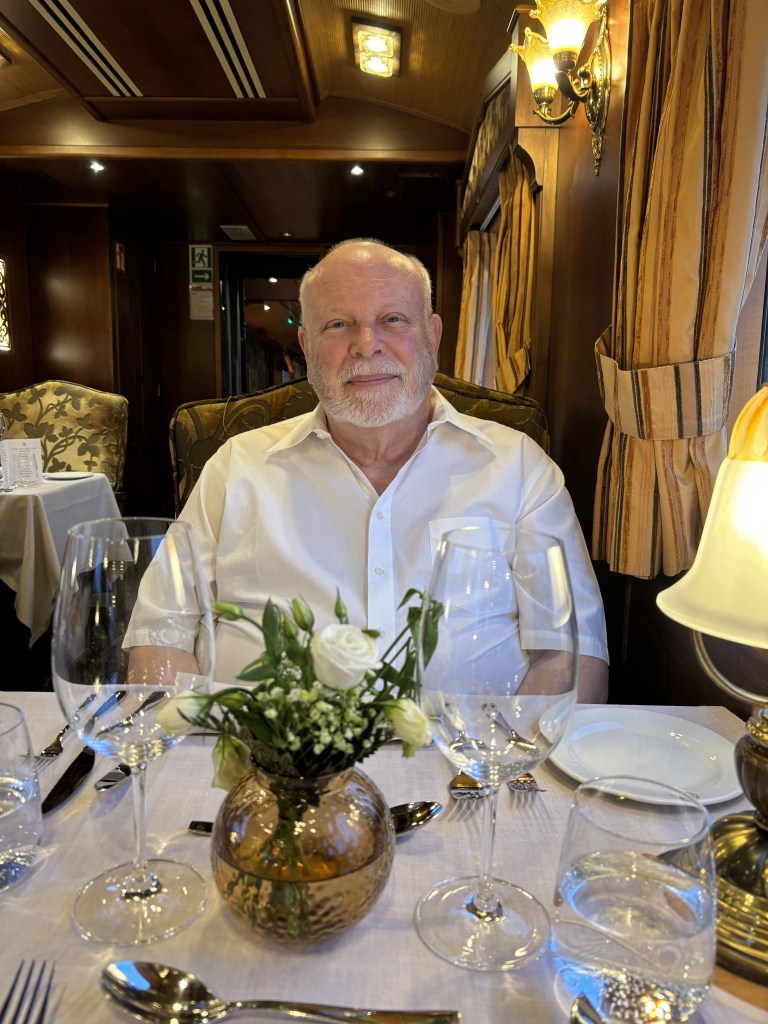
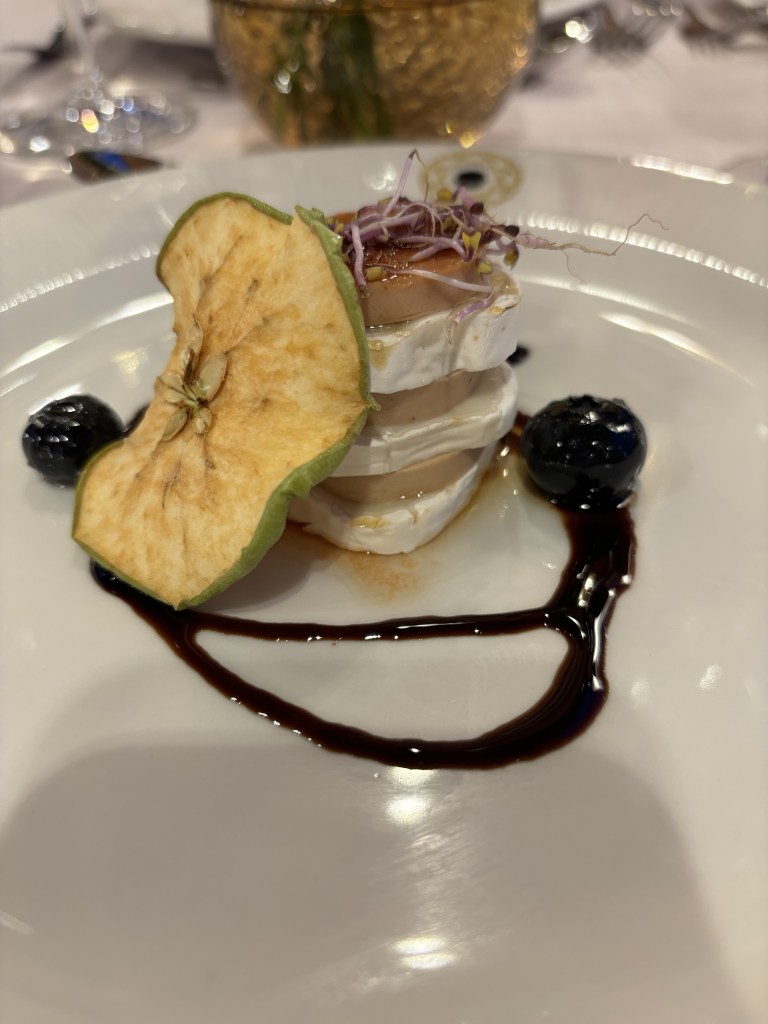
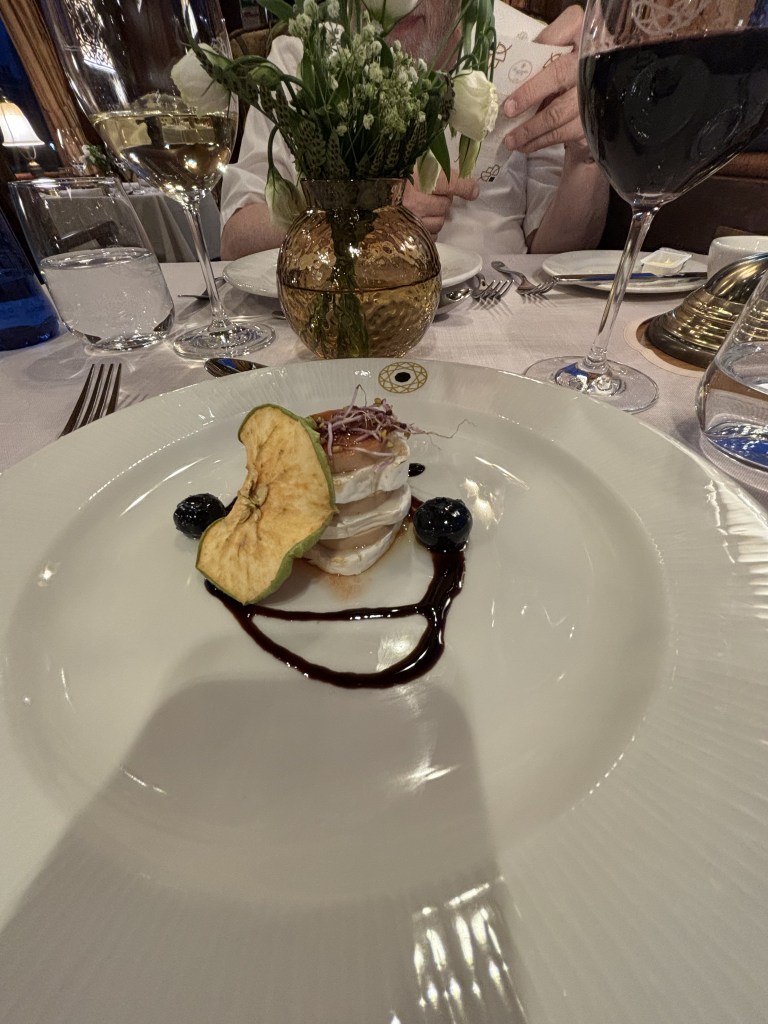
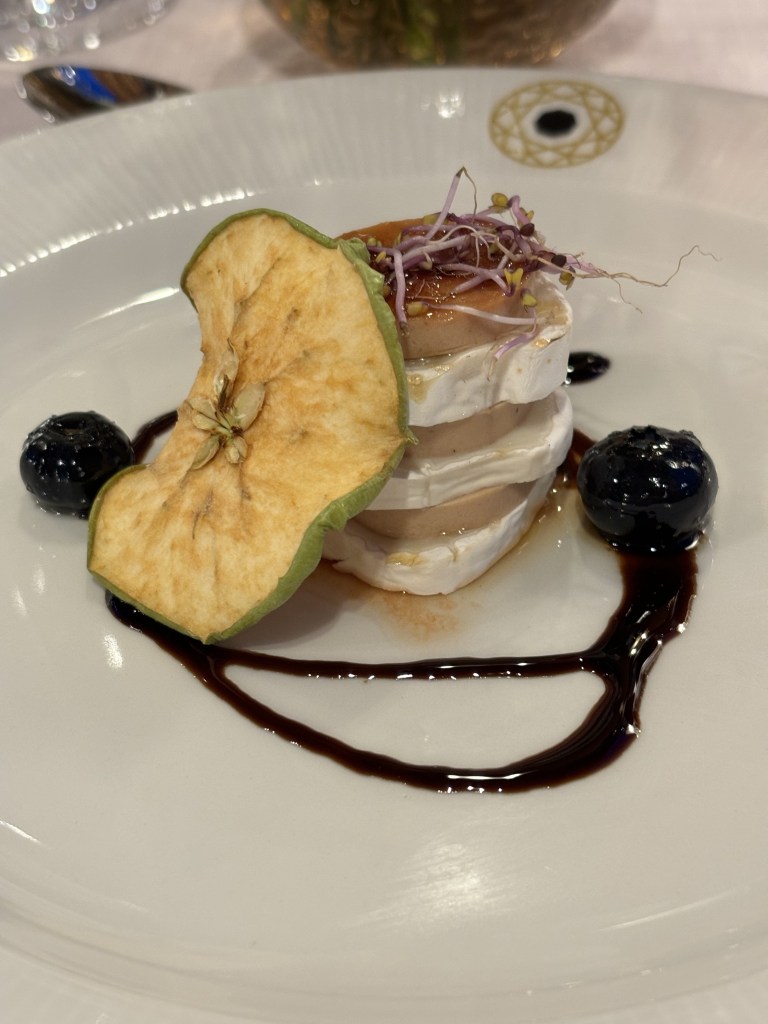
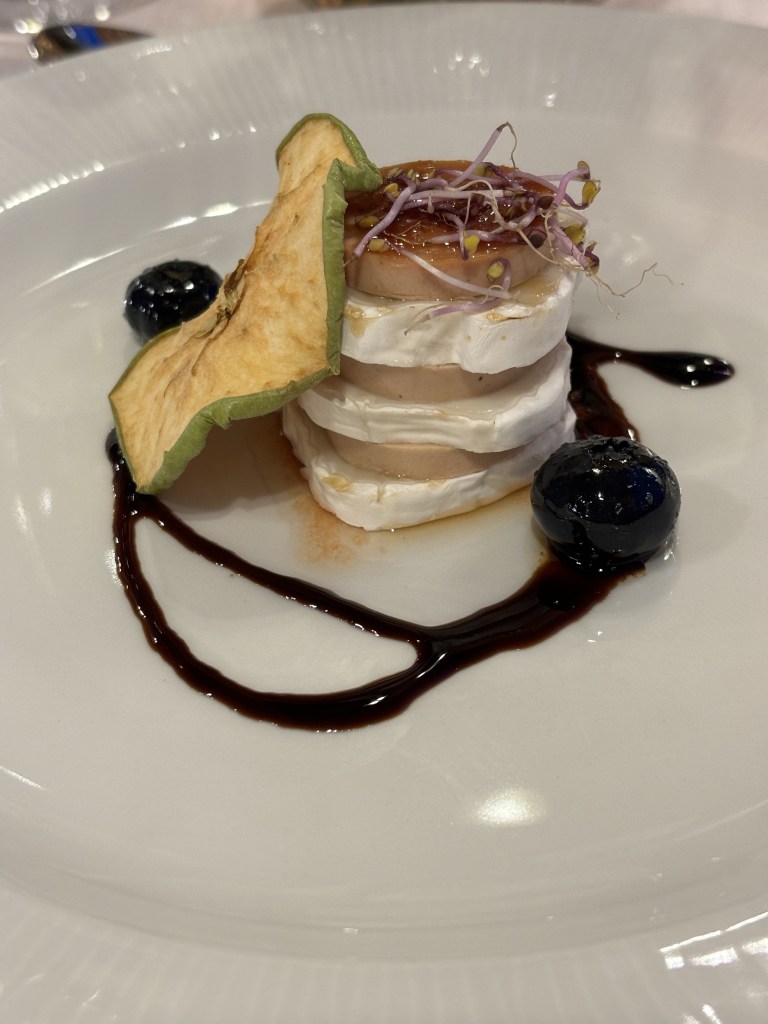


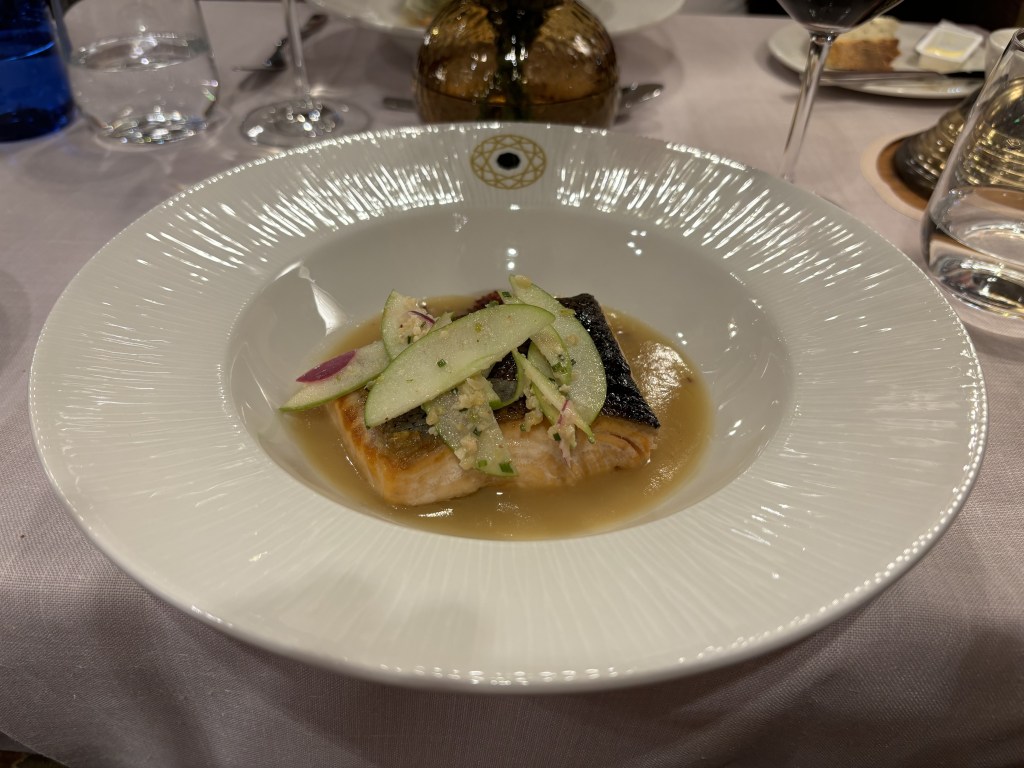
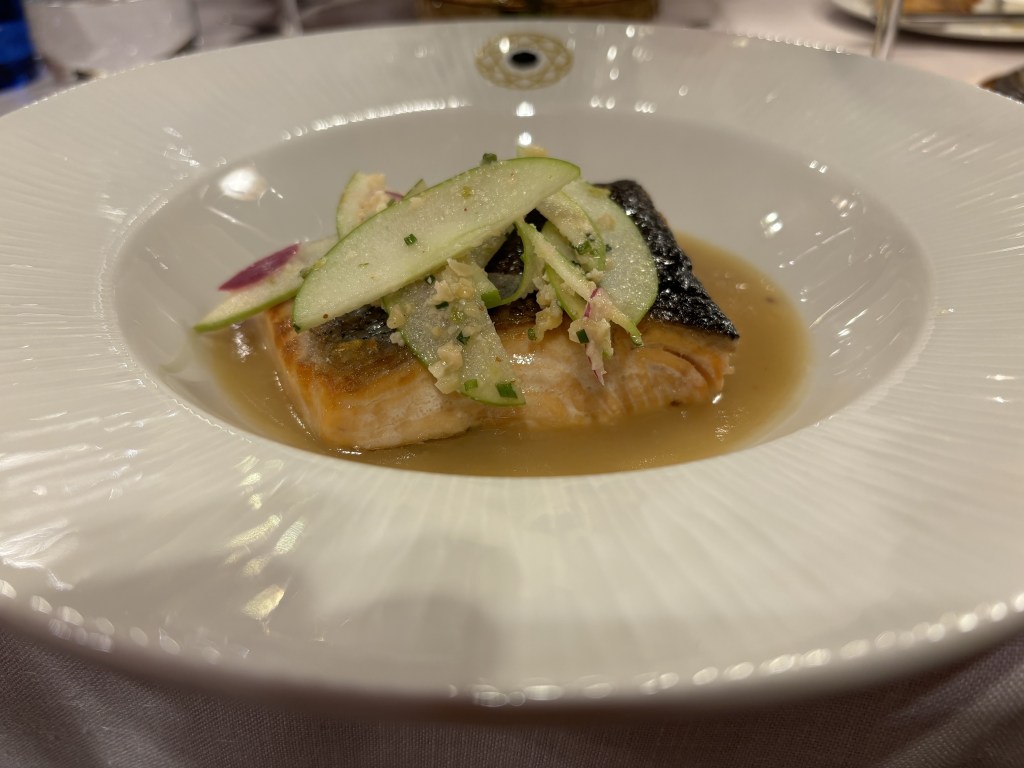

Overnight in Cabezon de la Sal
Day 10 – Cabezon de la sal – Santander
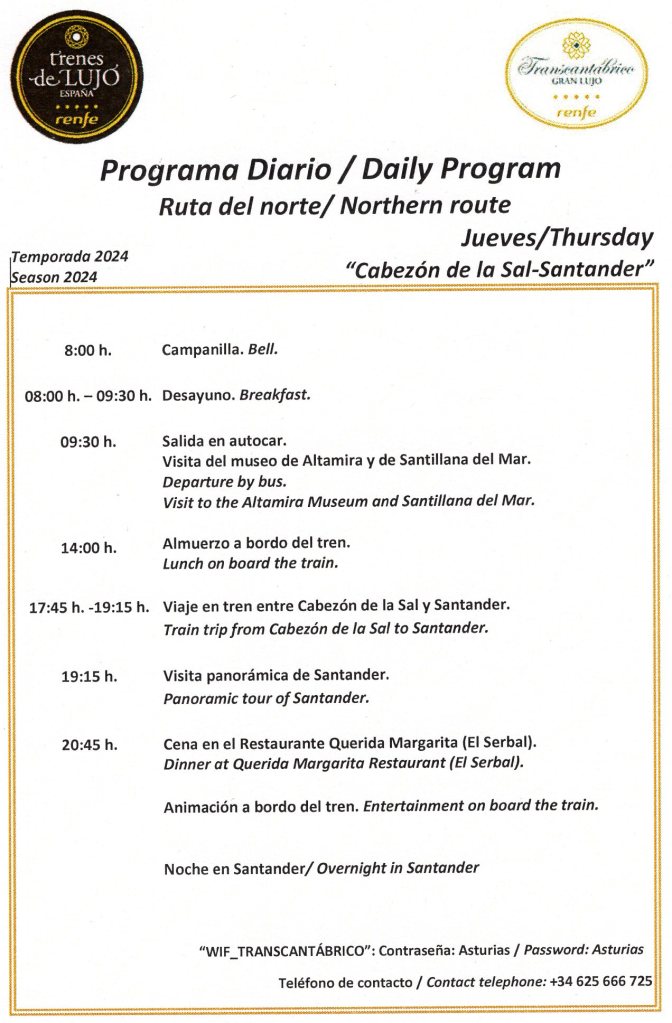
Cabezón de la Sal is a municipality located in the autonomous community of Cantabria, Spain.
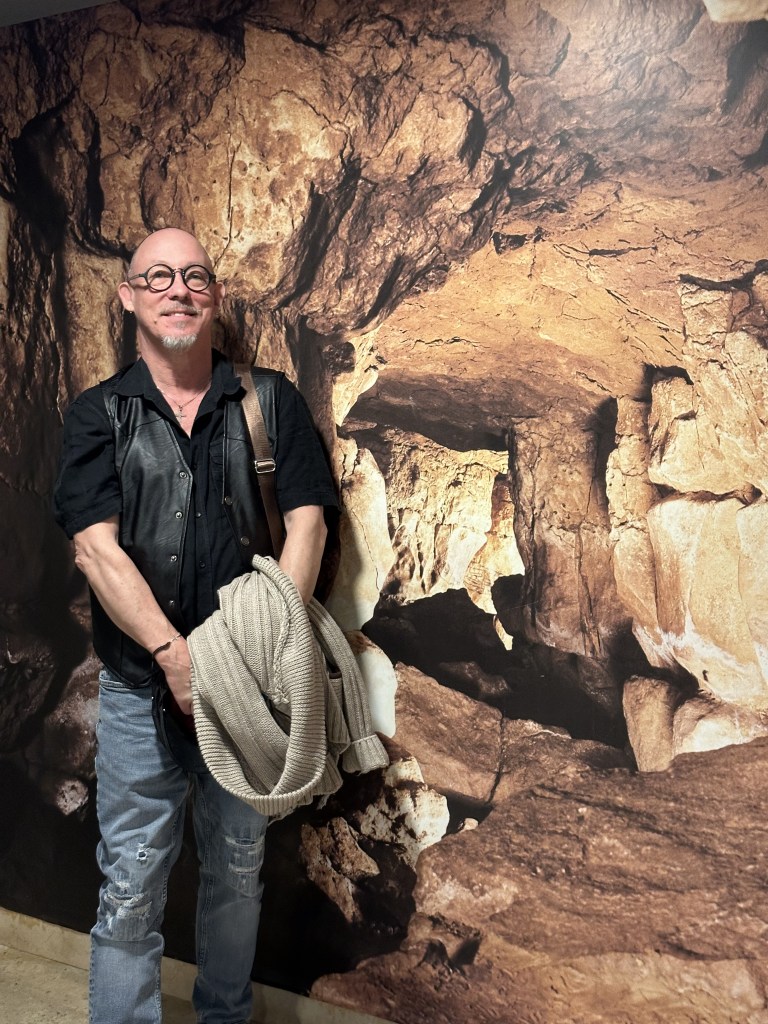
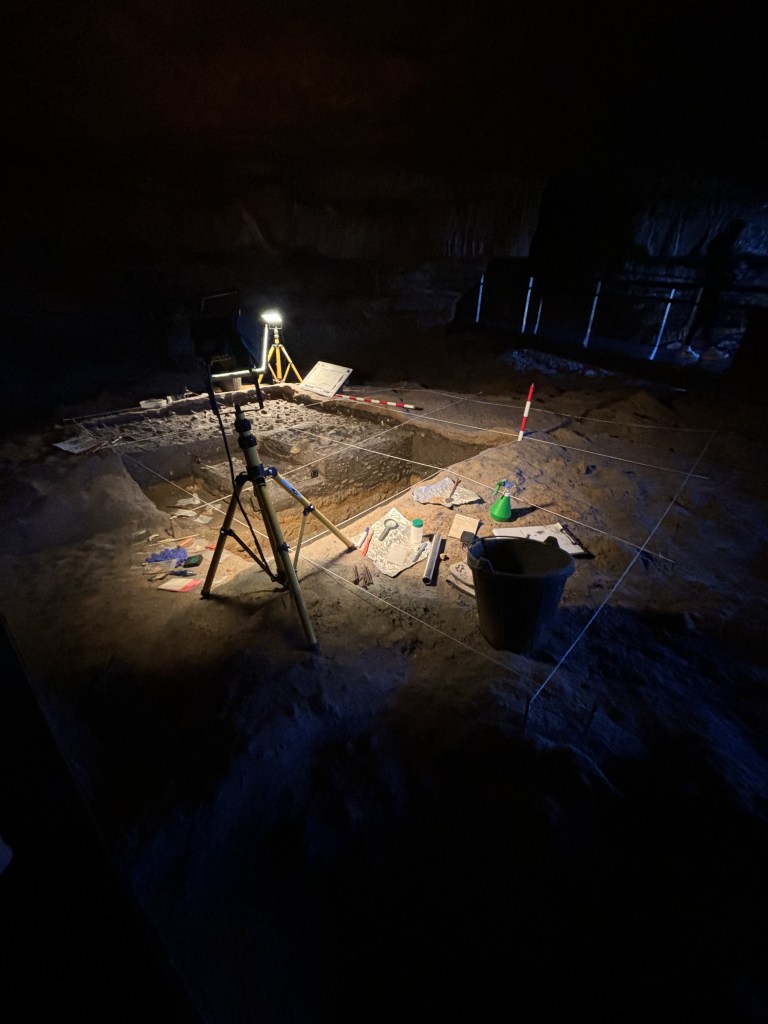
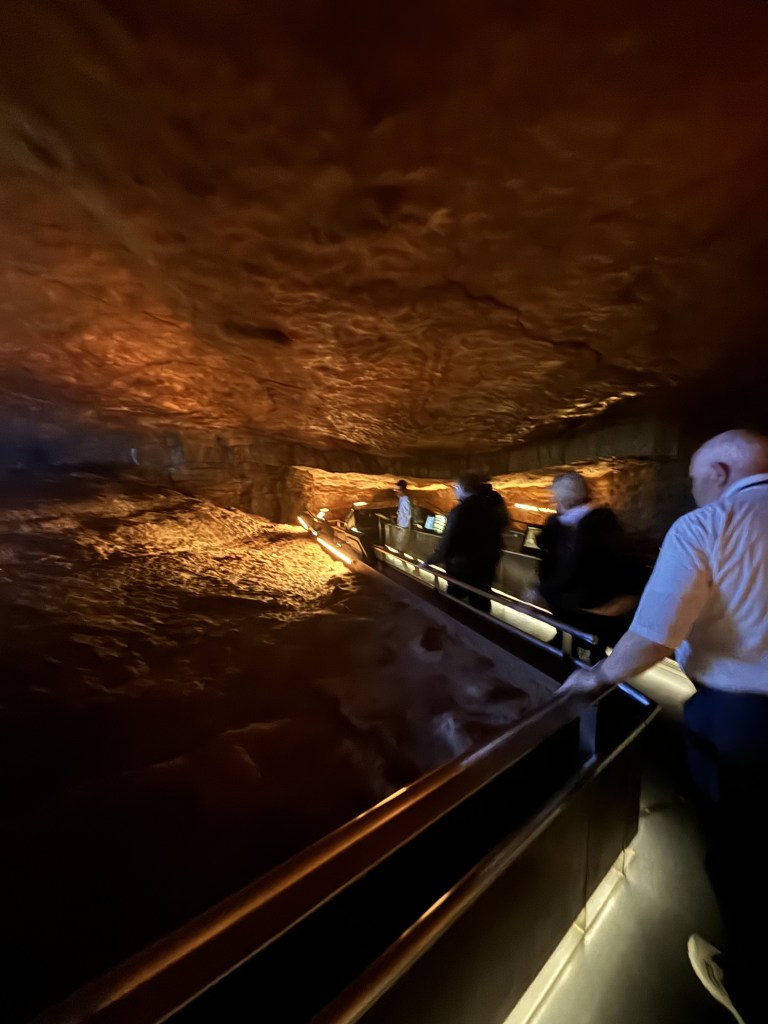
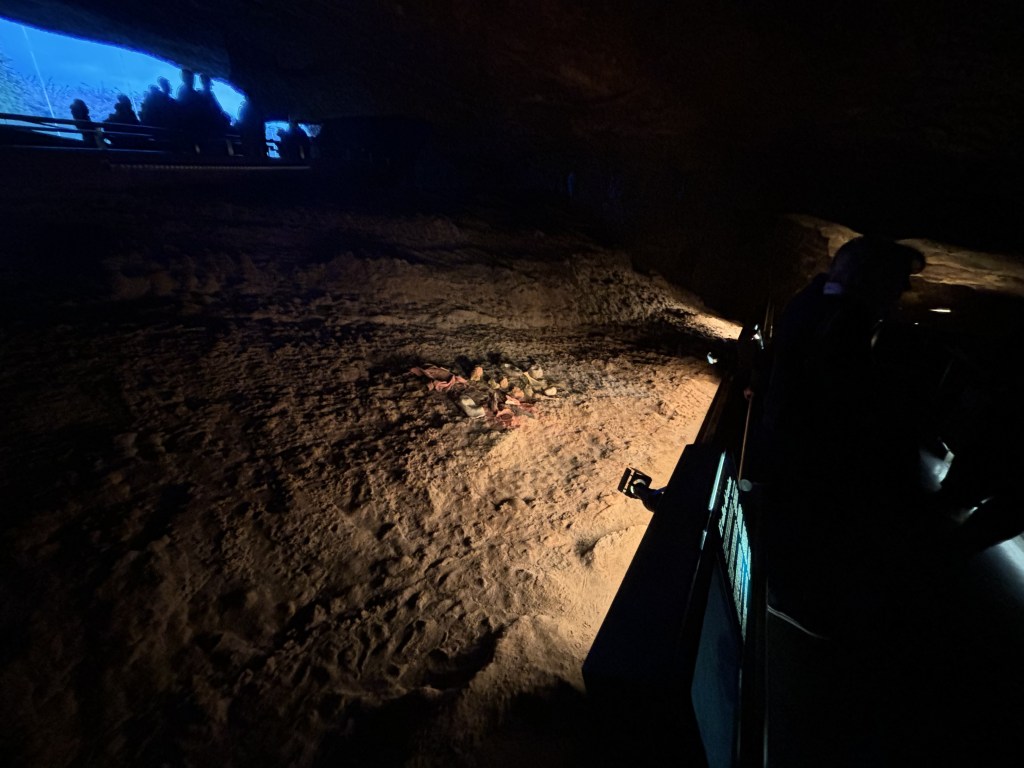
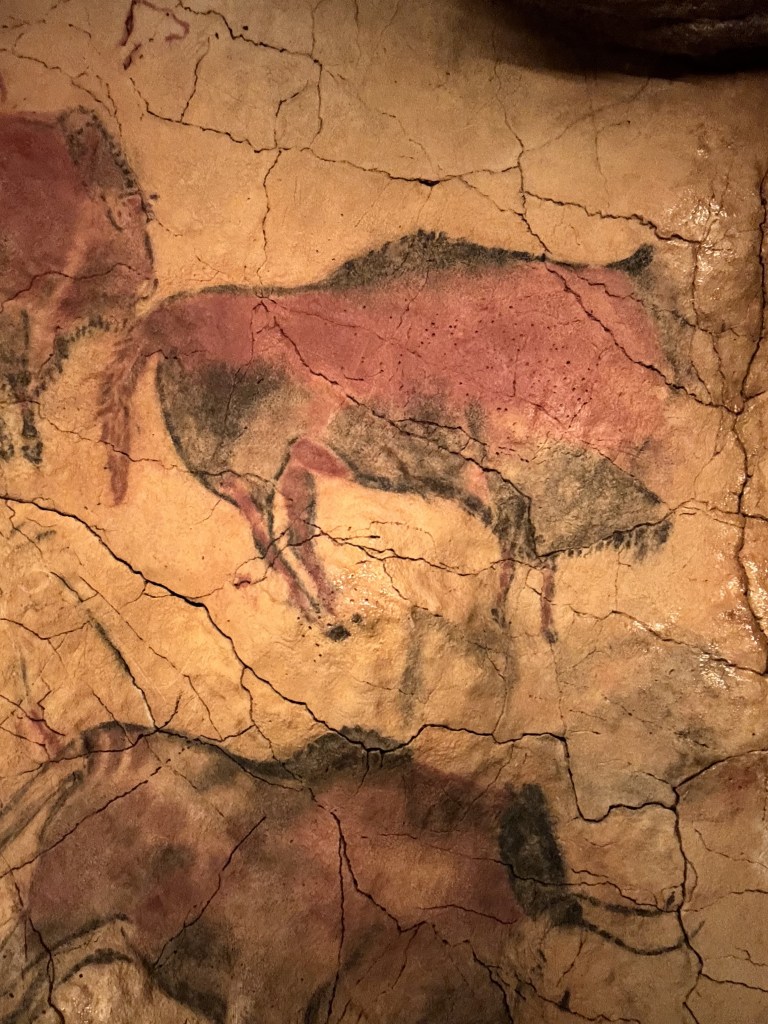
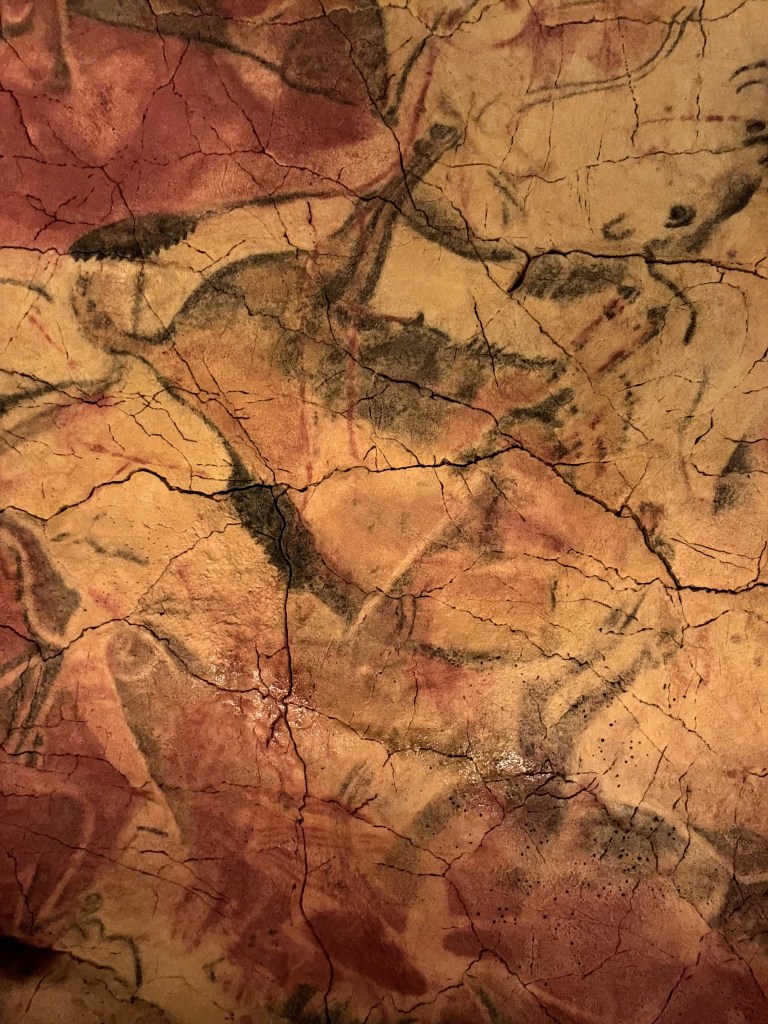
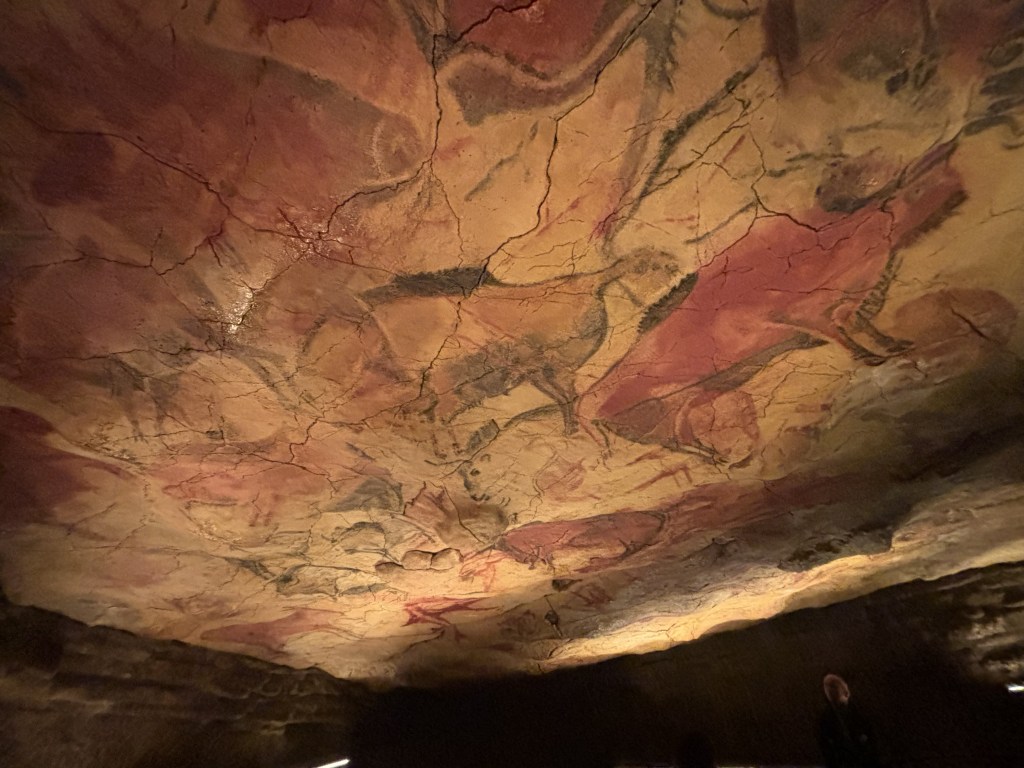
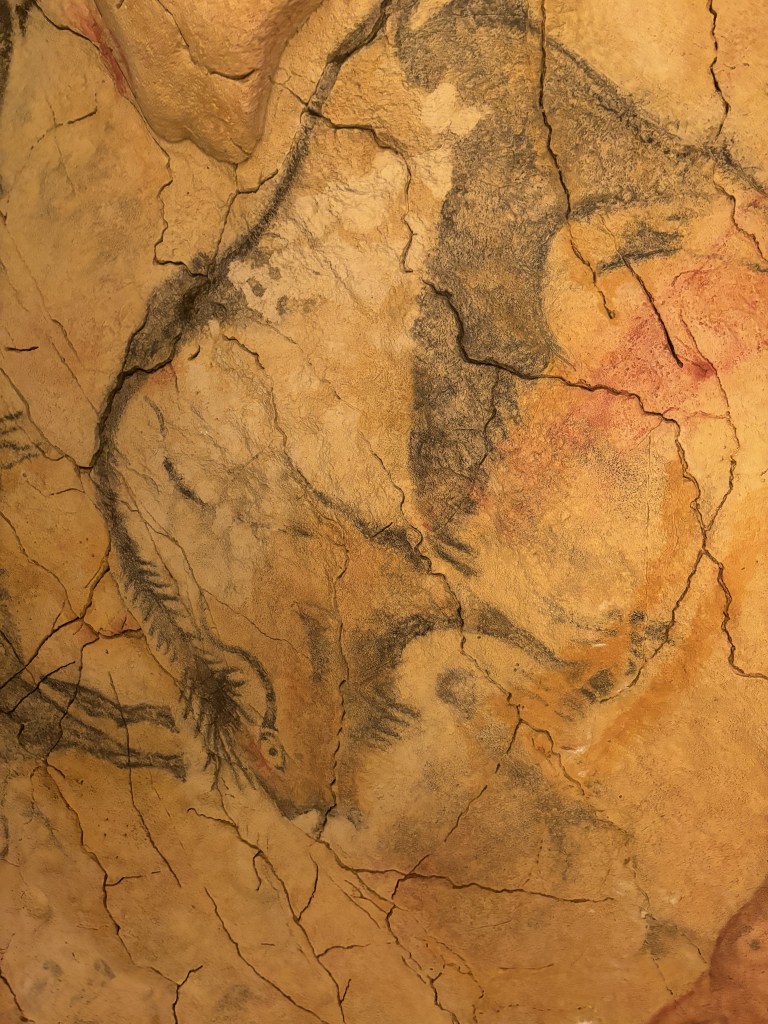
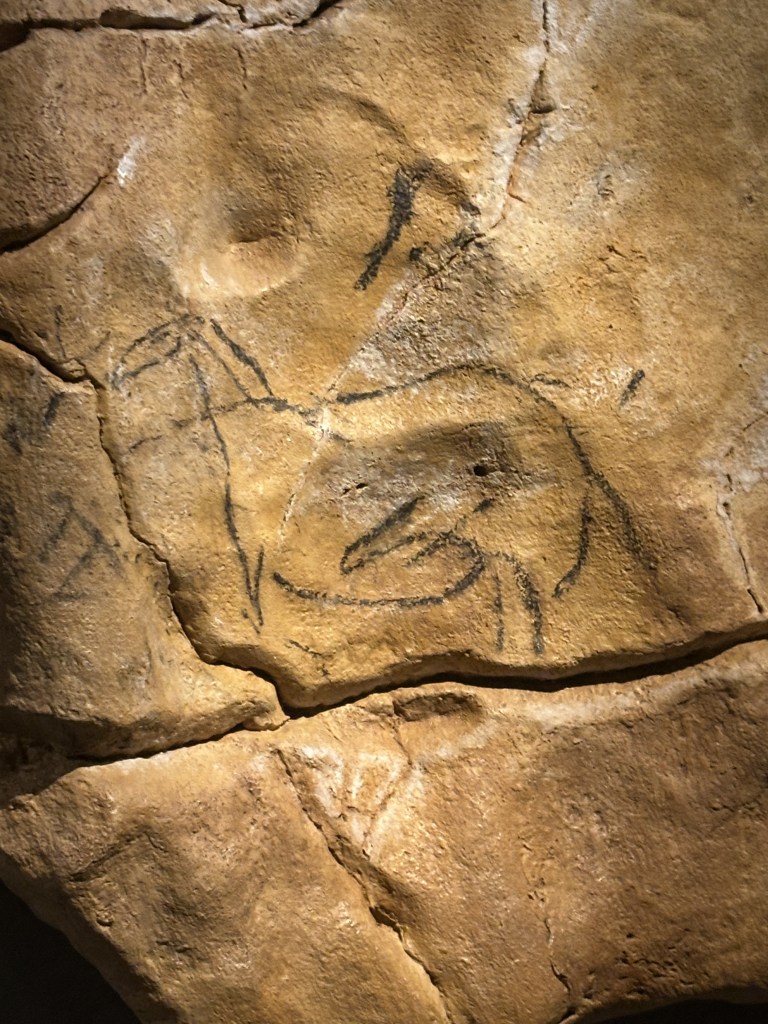
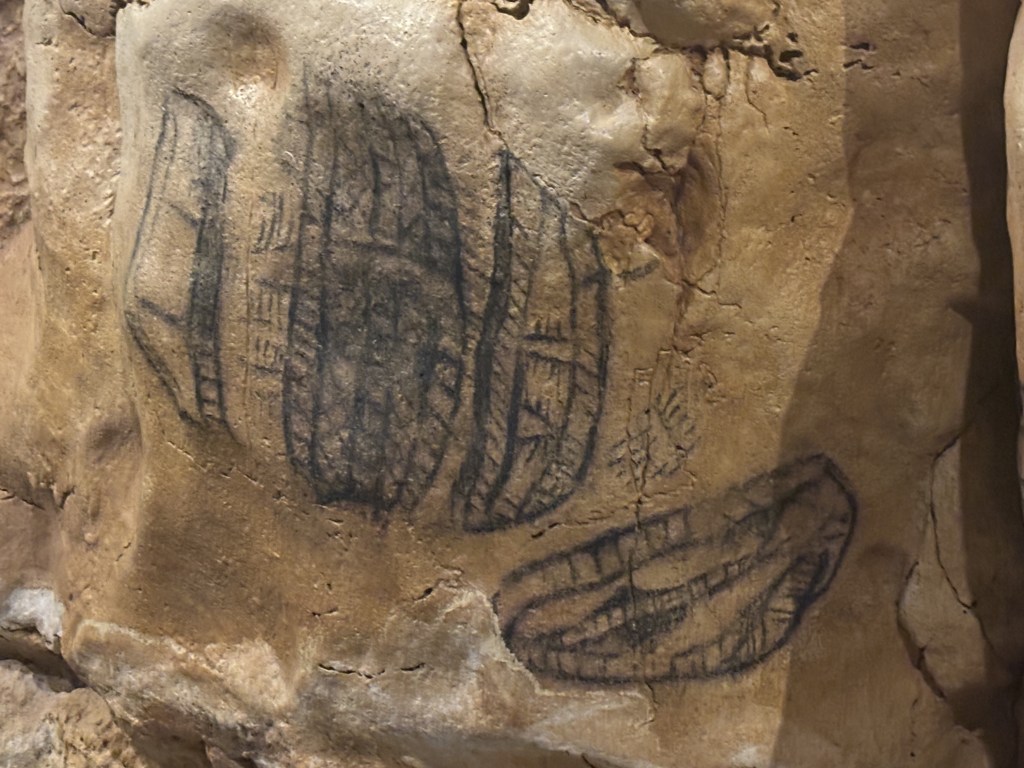
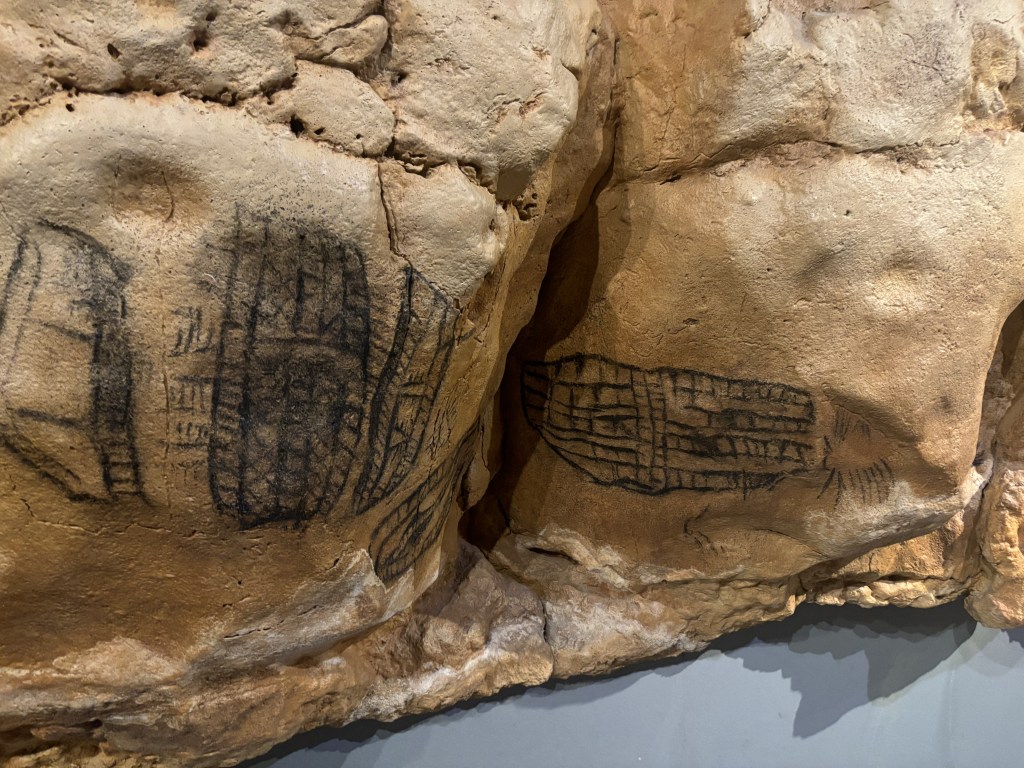
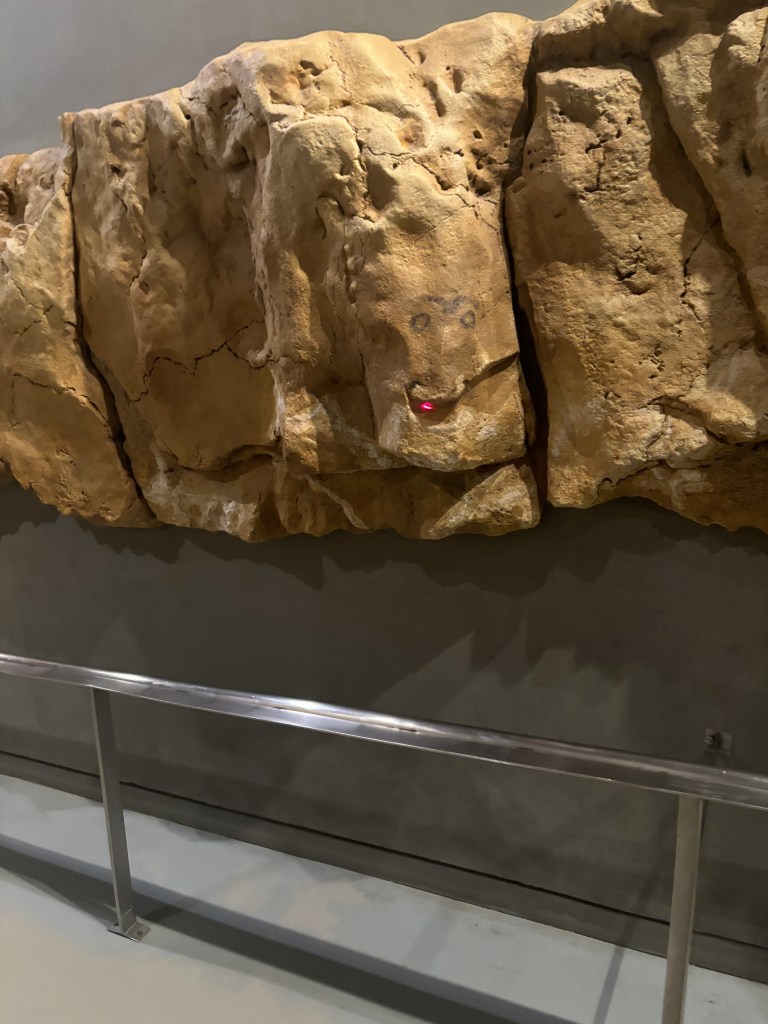
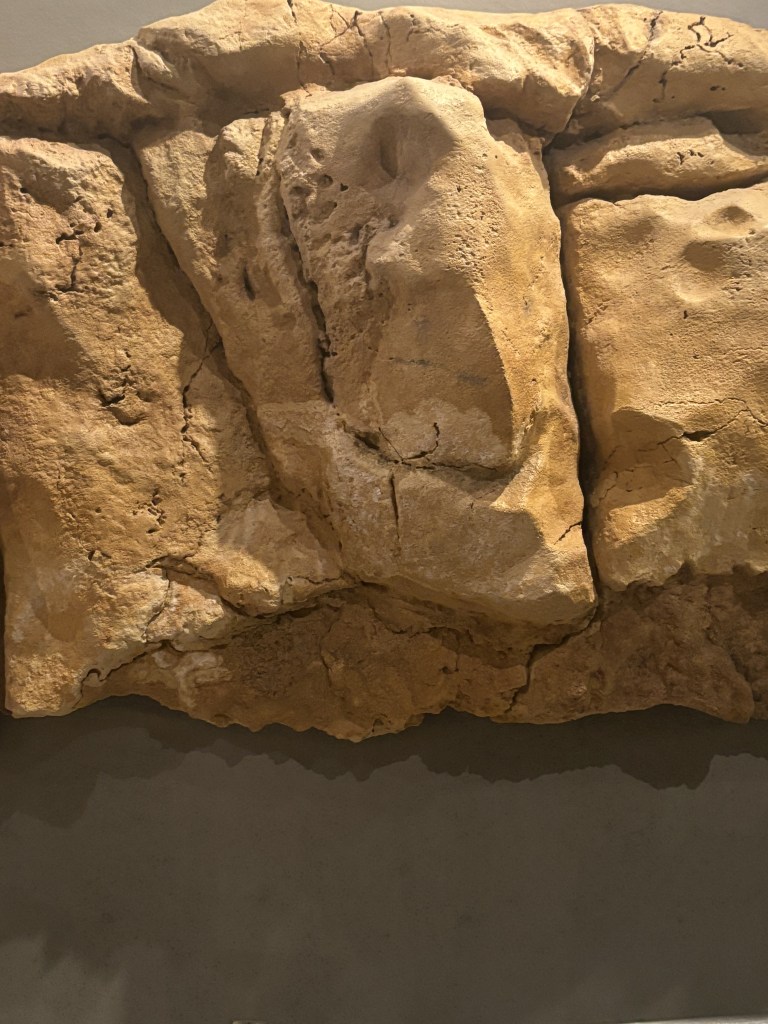
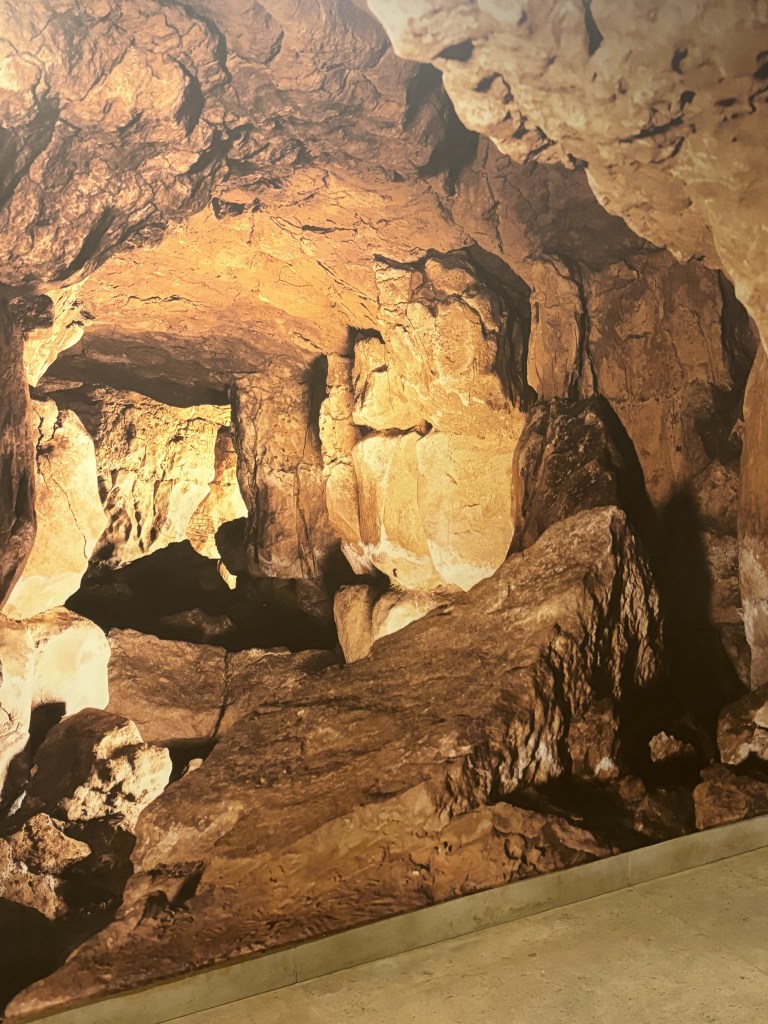
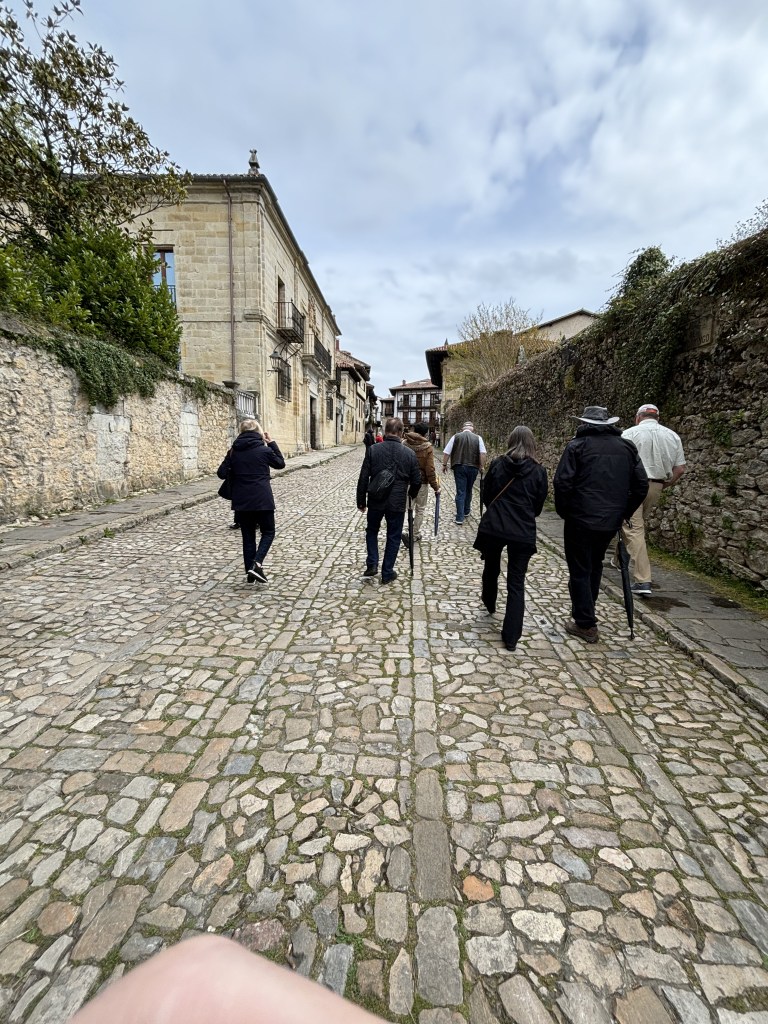
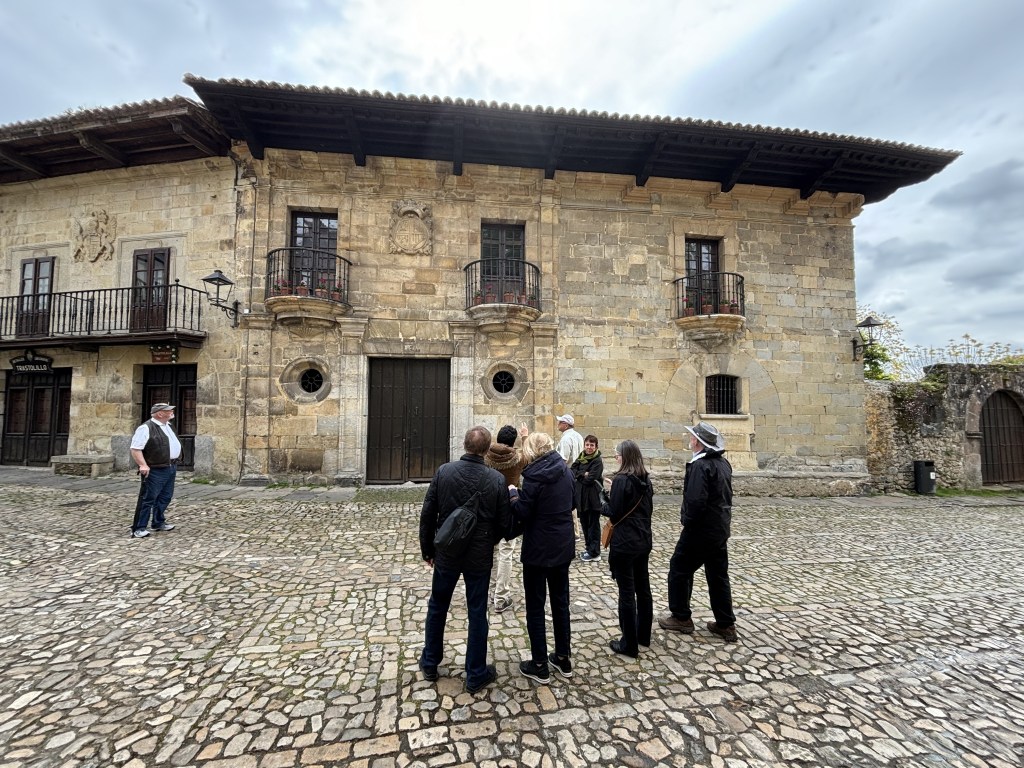
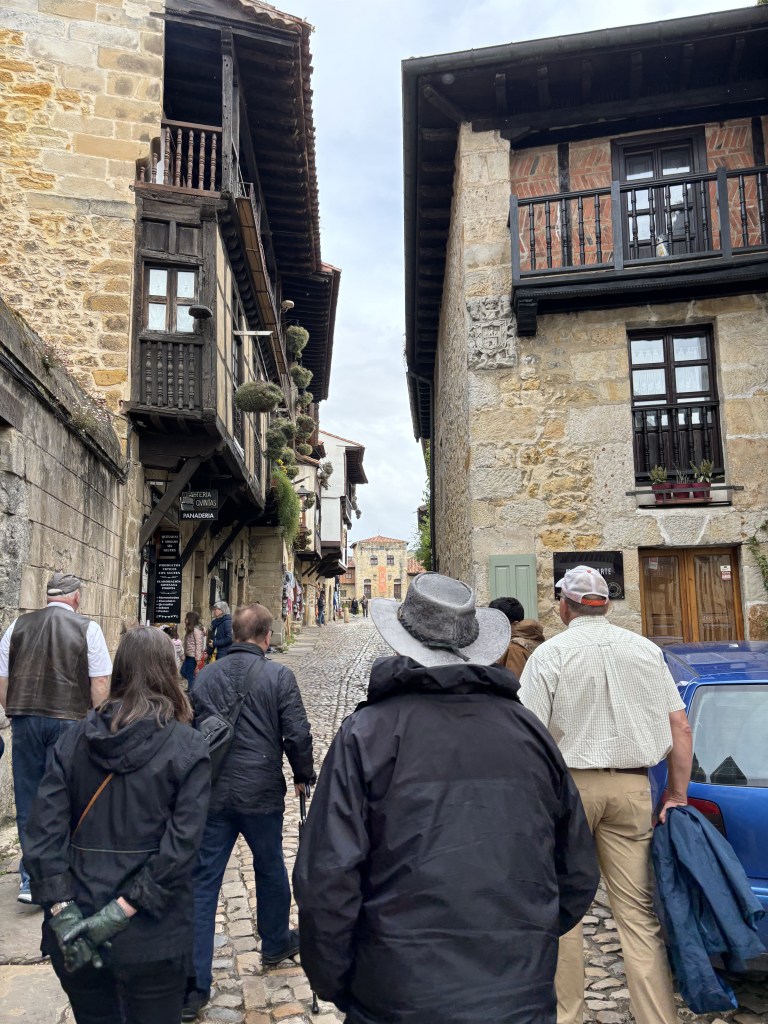
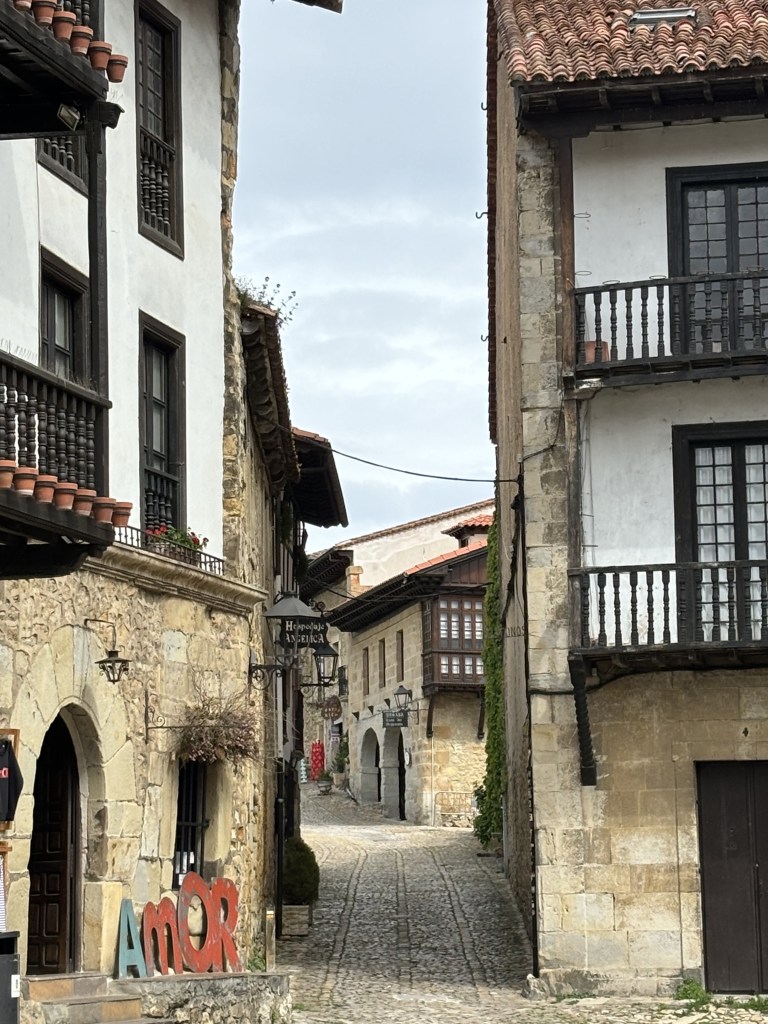
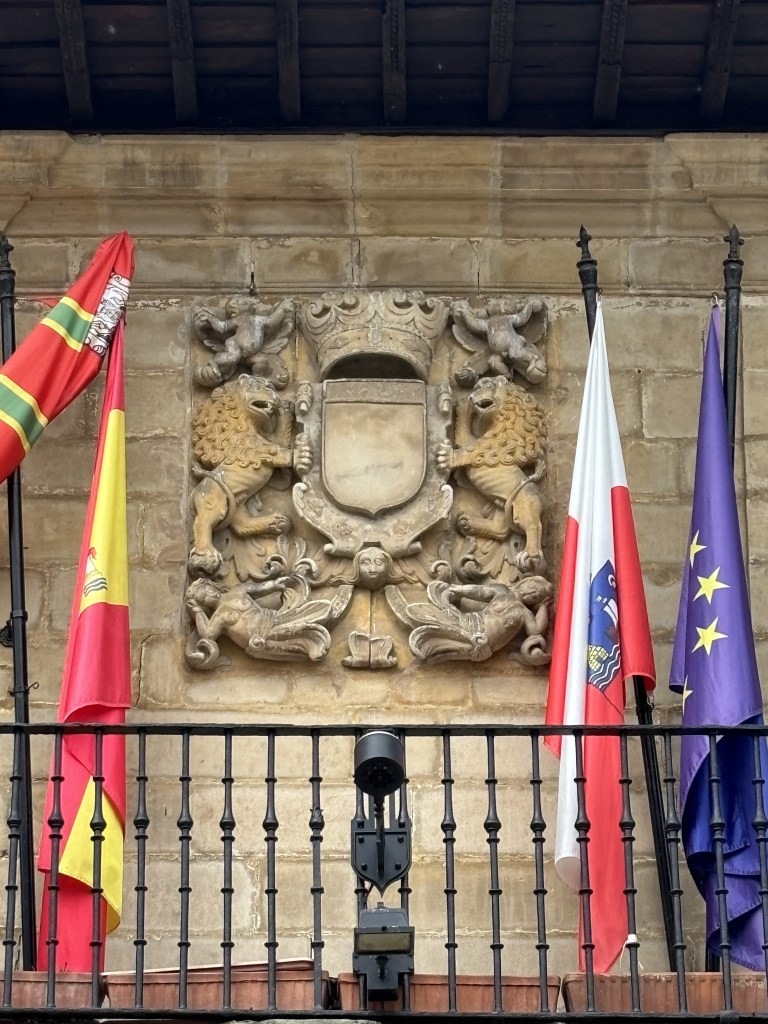
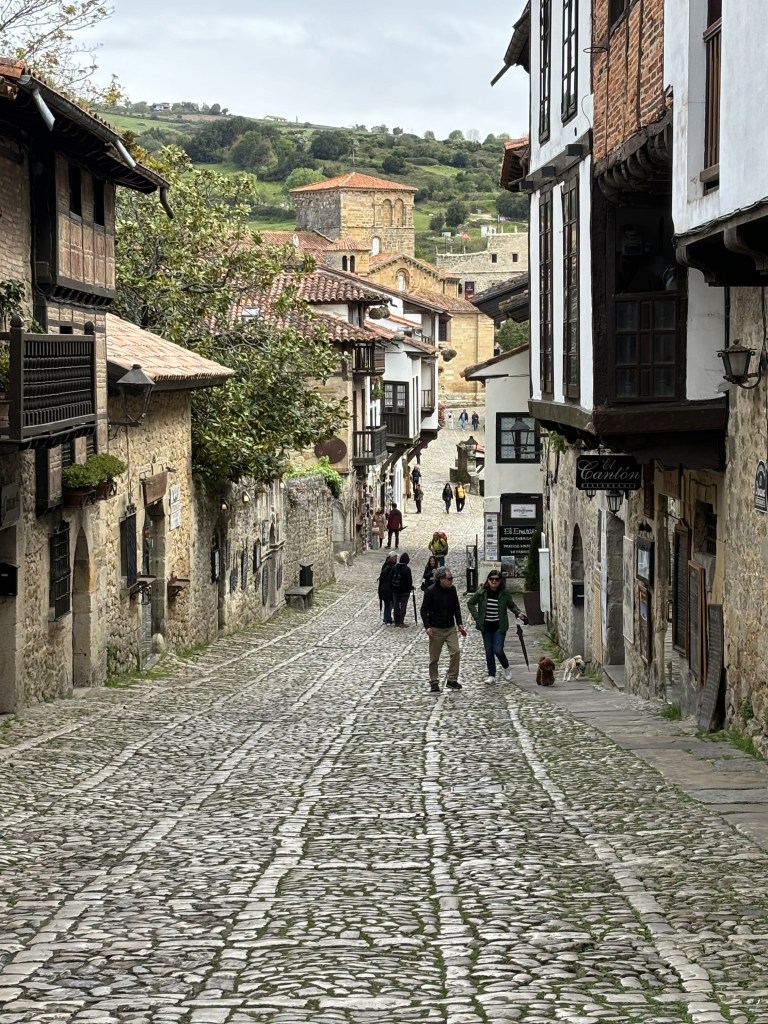
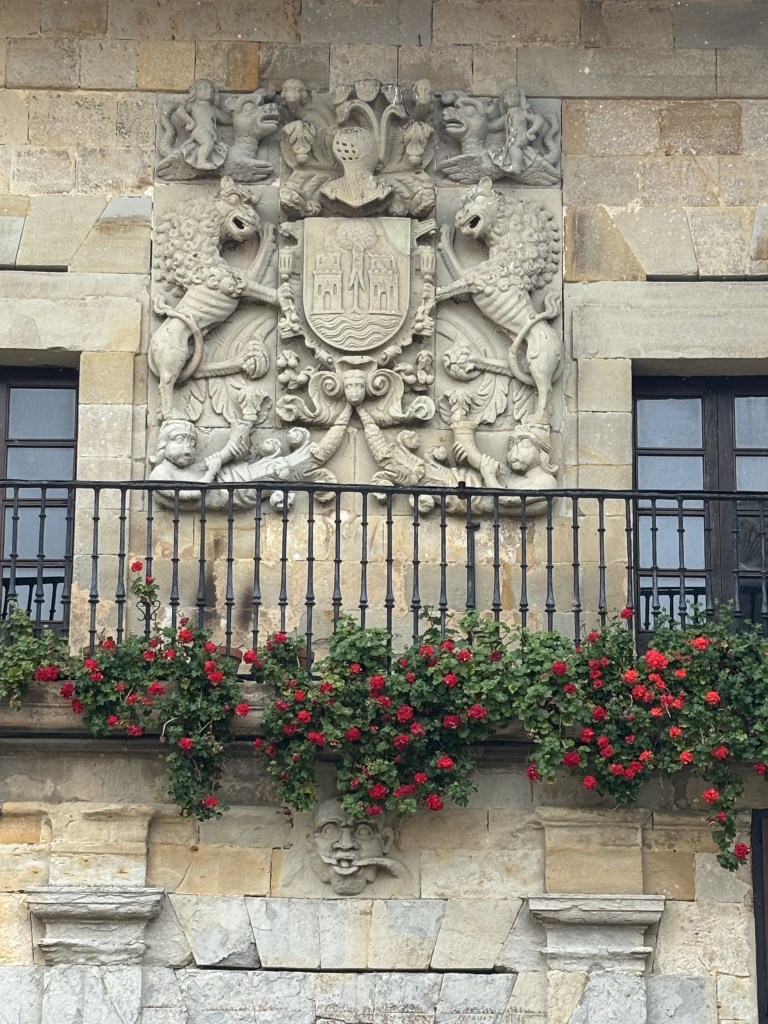
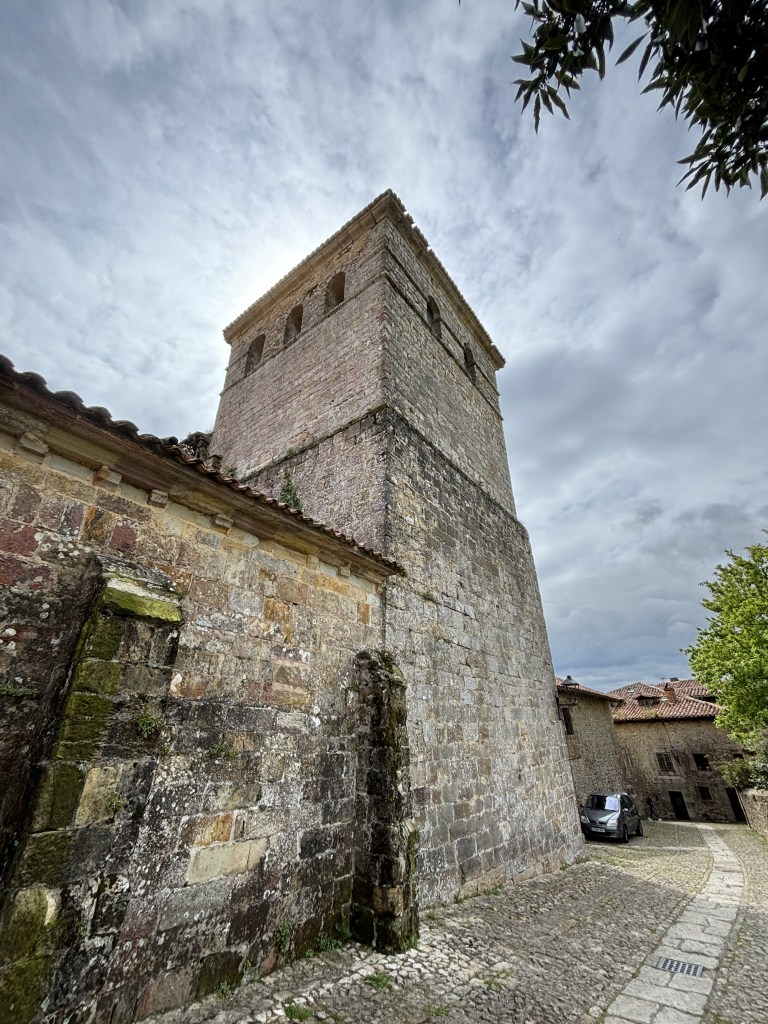
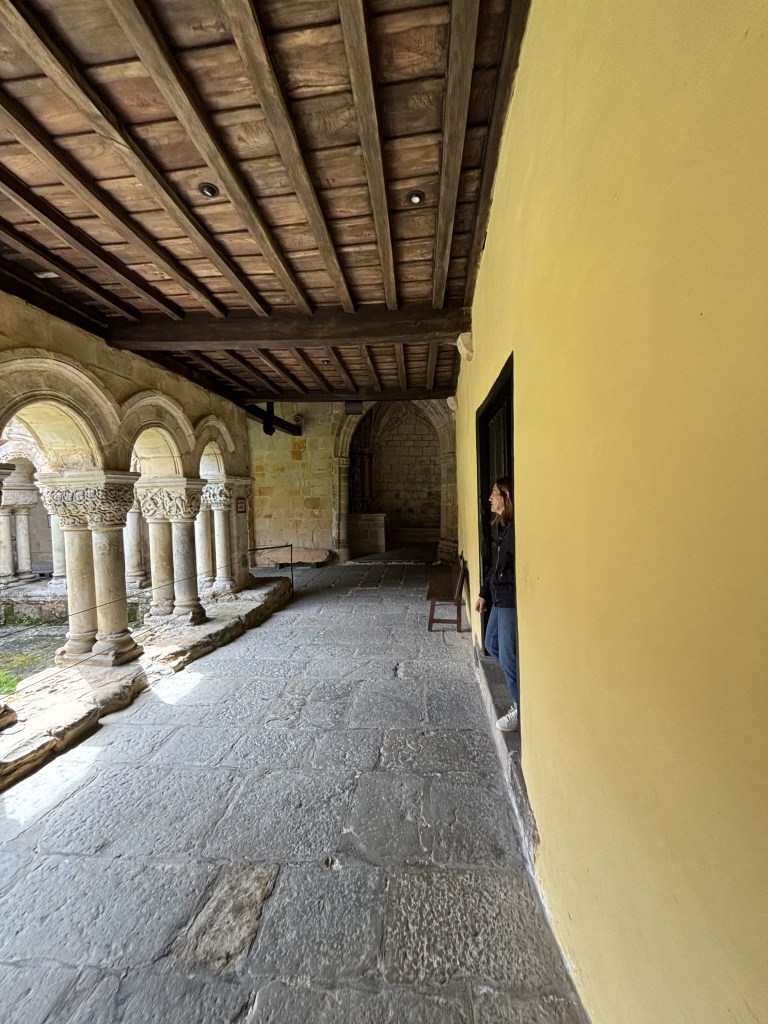
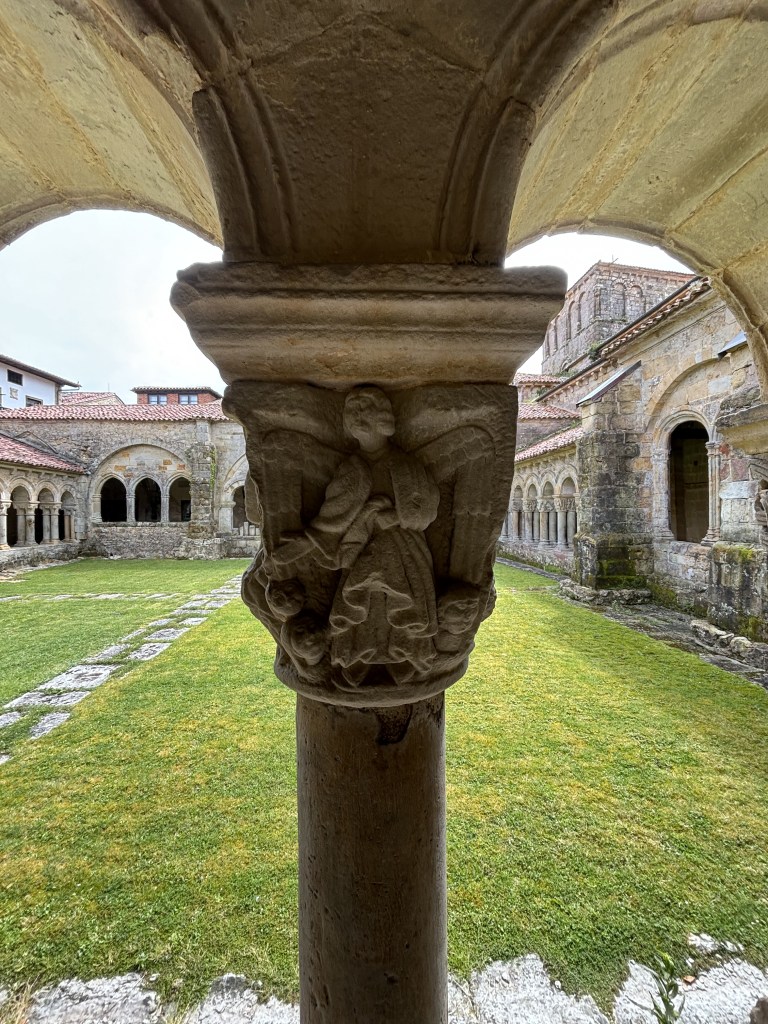
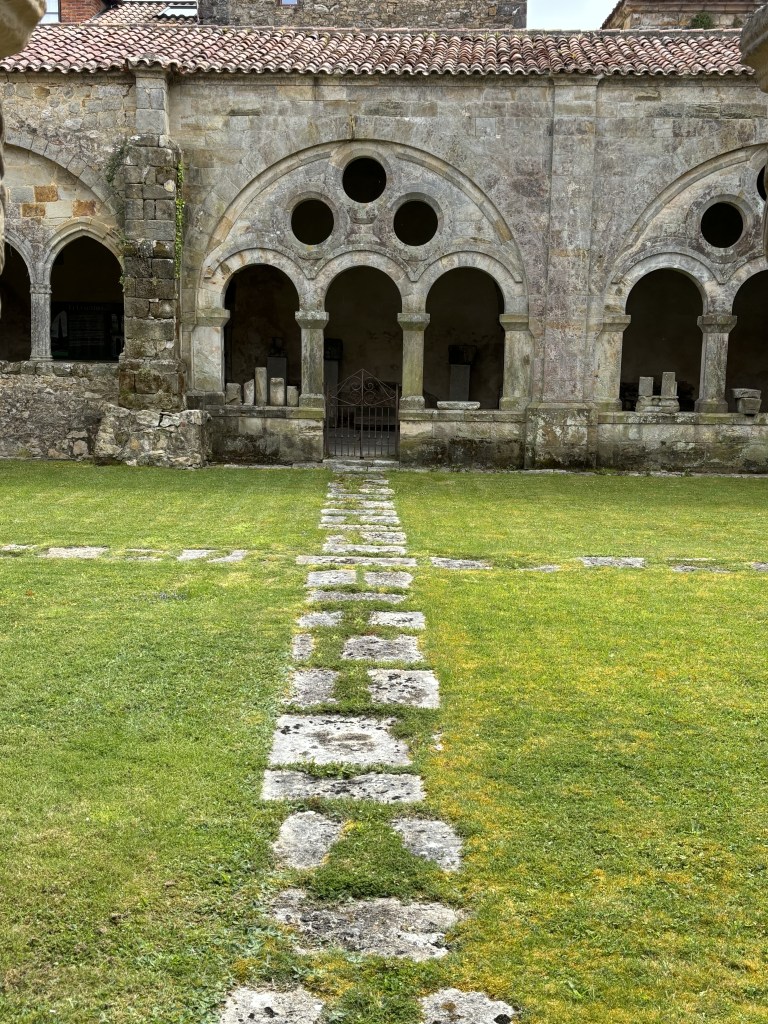
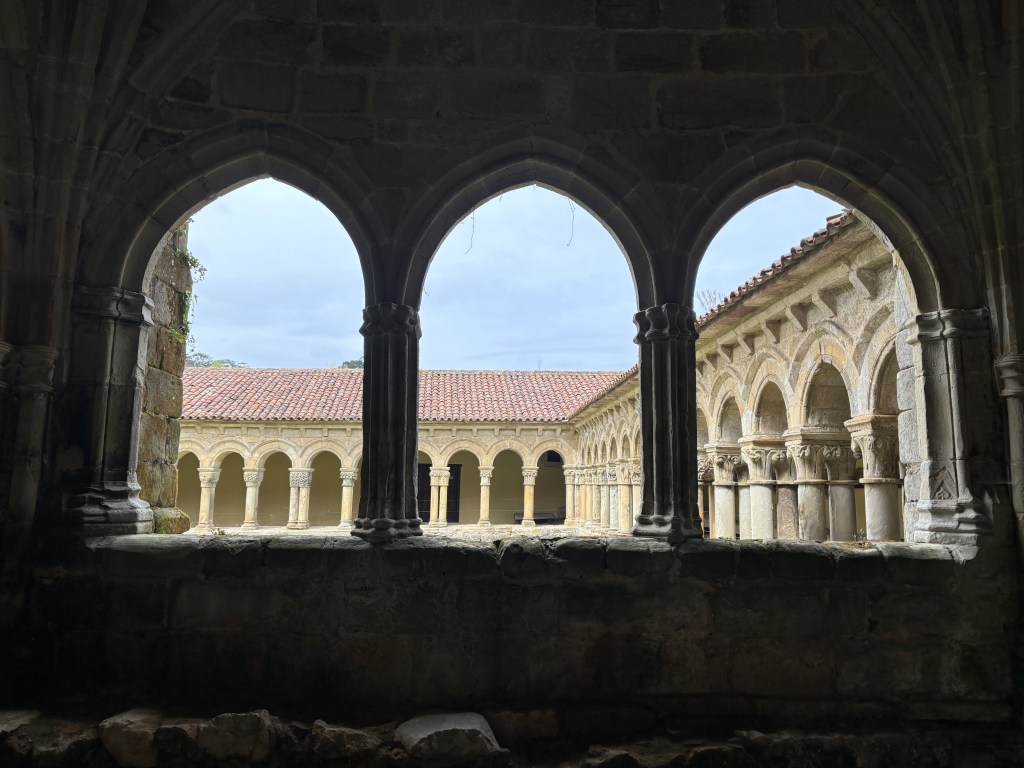
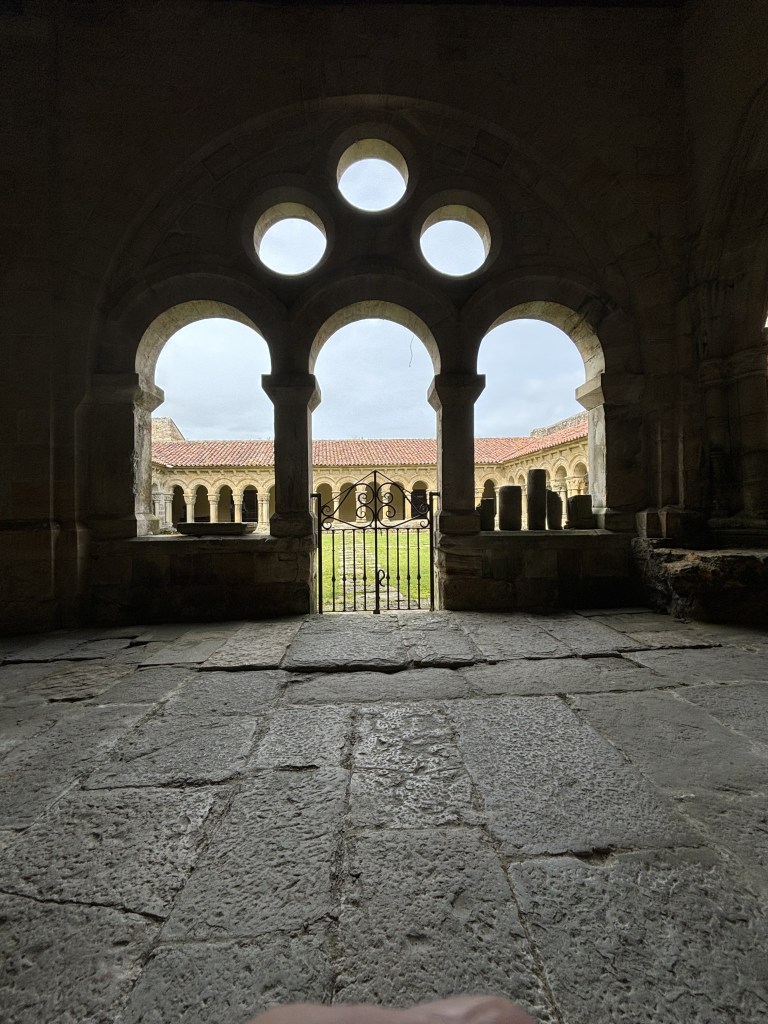
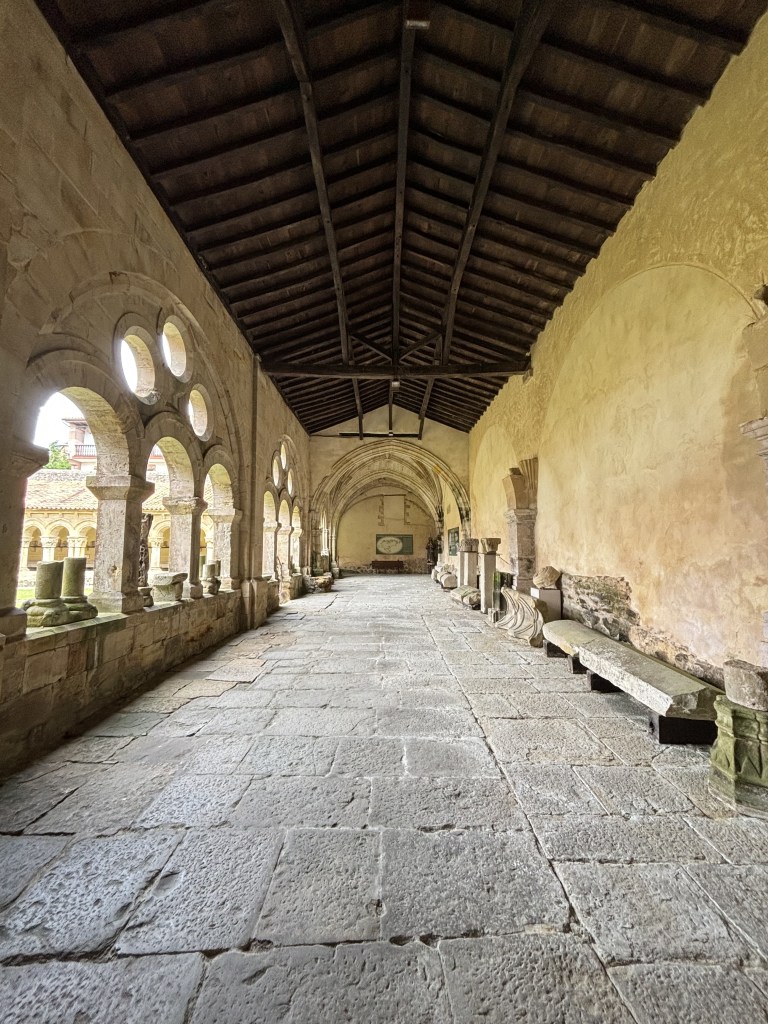
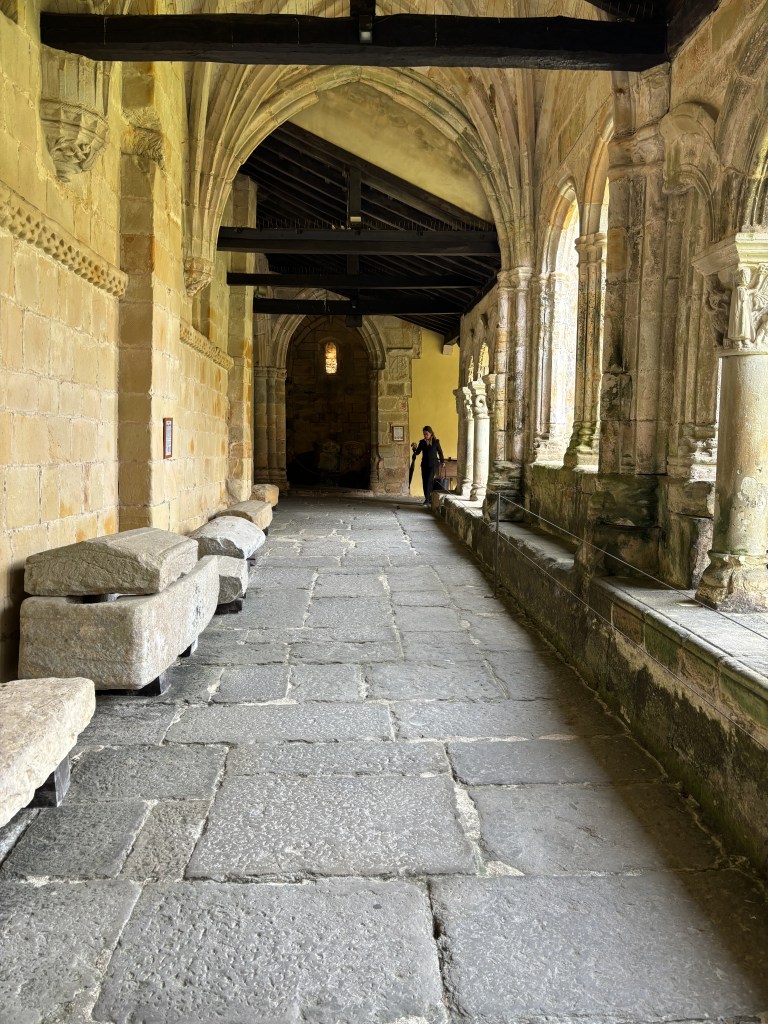
Visit to the Altamira Museum and Santillana del Mar
The National Museum and Research Center of Altamira (Spanish: Museo Nacional y Centro de Investigación de Altamira), also known as Altamira Museum (Spanish: Museo de Altamira), is a center dedicated to the conservation of, research into, and the sharing of information about the cave of Altamira in Santillana del Mar (Cantabria), Spain, named a World Heritage Site by Unesco. It is one of the National Museums of Spain and it is attached to the Ministry of Culture. The New Altamira Cave, or Neocave [es], is also part of this exhibition: an artificial replica of the original caves, built in order to preserve the originals from damage arising from a massive influx of visitors.


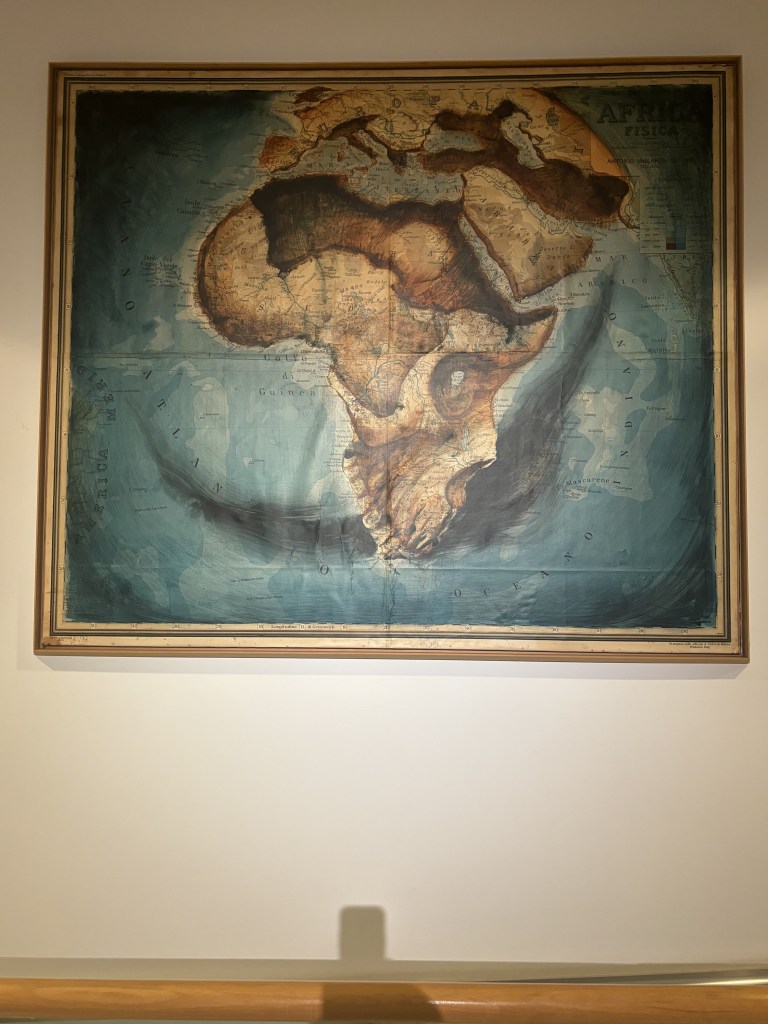
Santander (UK: /ˌsæntənˈdɛər, -tæn-/ SAN-tən-DAIR, -tan-, US: /ˌsɑːntɑːnˈdɛər/ SAHN-tahn-DAIR;[3][4] Spanish: [santanˈdeɾ]) is the capital of the autonomous community of Cantabria, Spain. It is a port city located in the northern coast of the Iberian Peninsula, facing the Cantabrian Sea. It is believed to have been a port since ancient times, due to its favourable location, and is documented as far back as the 11th century. Much of the medieval city was lost in the Great Fire of 1941. Today, its remaining old town, beach and other attractions are popular with tourists and other visitors and its economy is mainly service based.
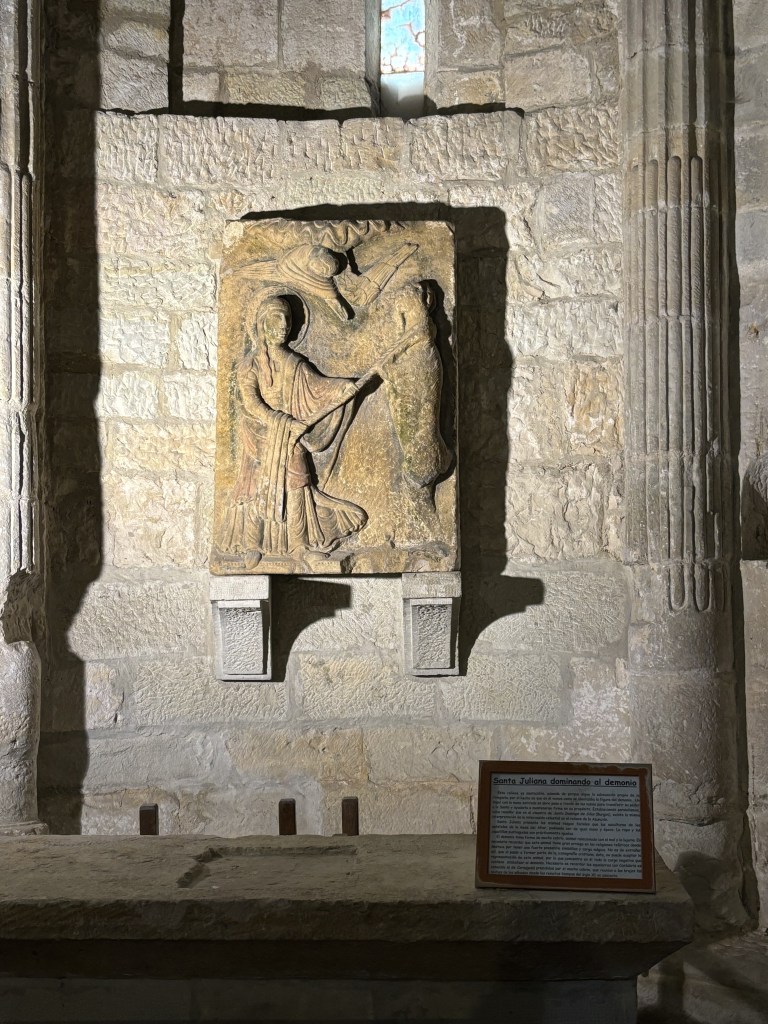
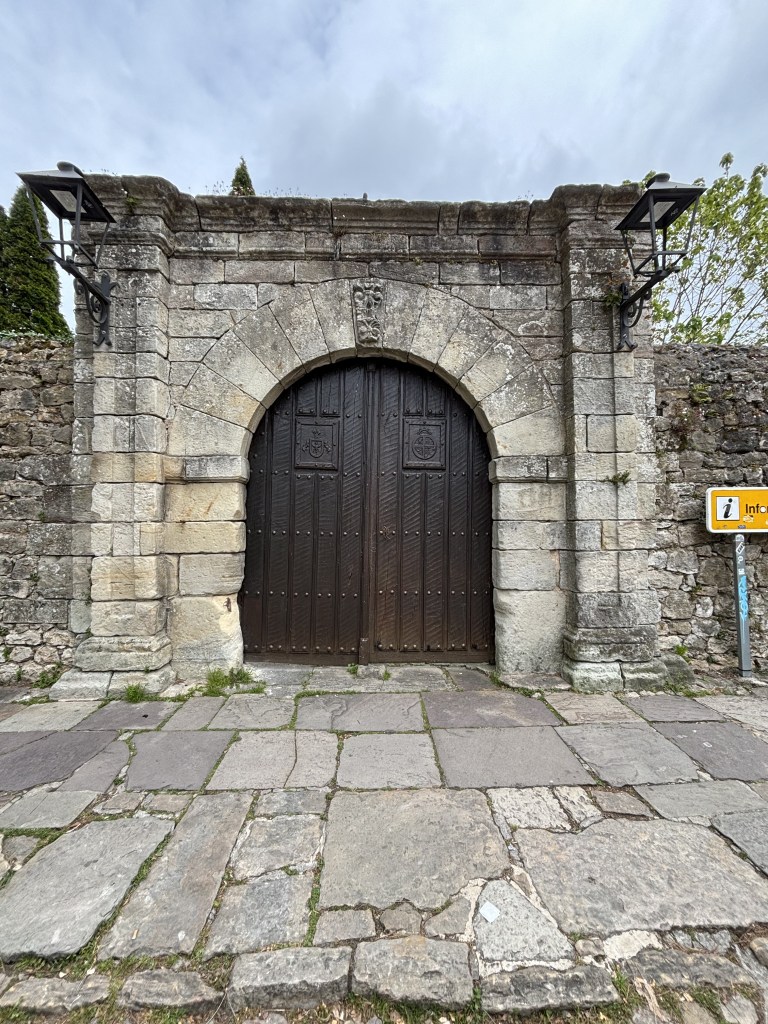
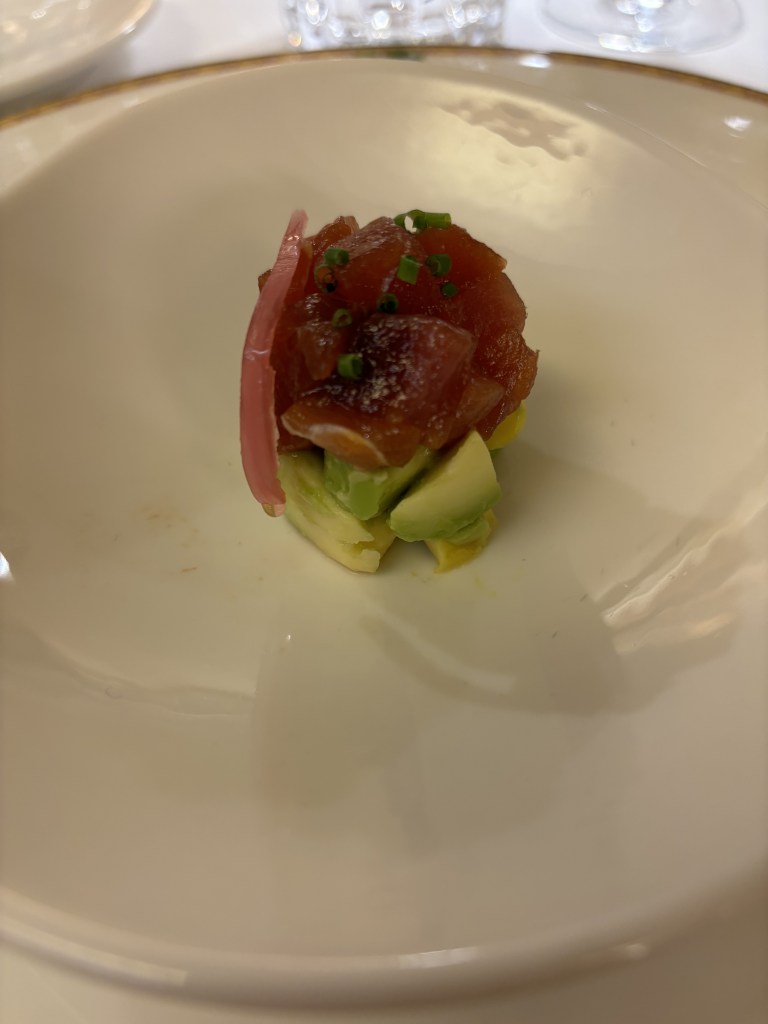
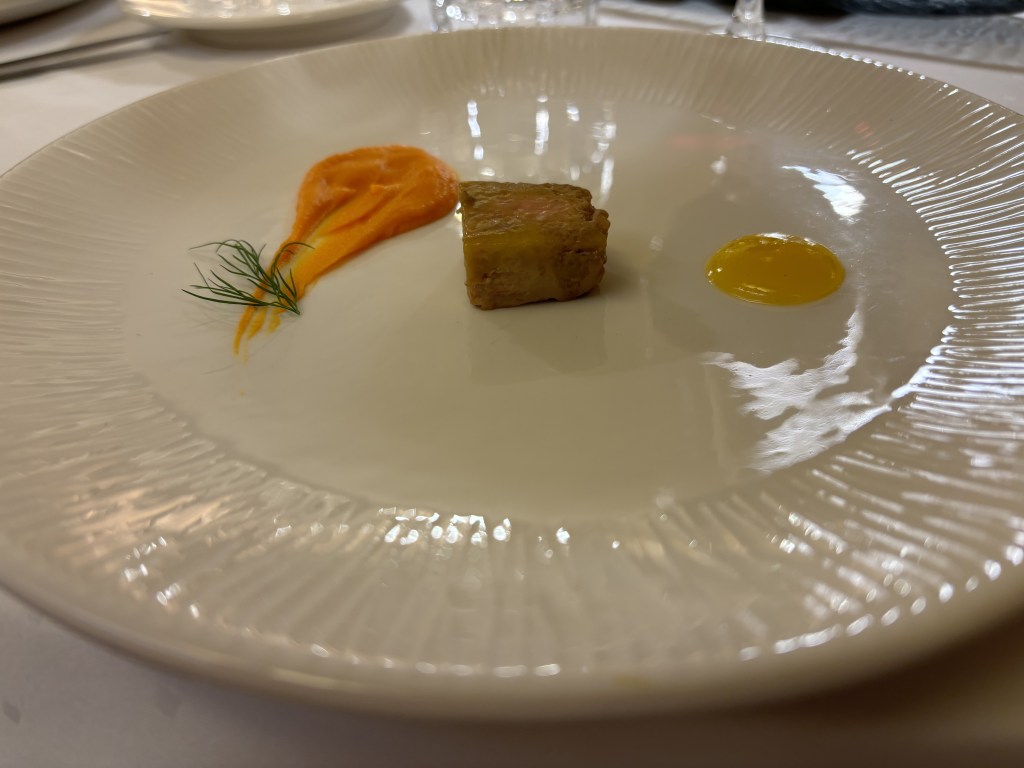
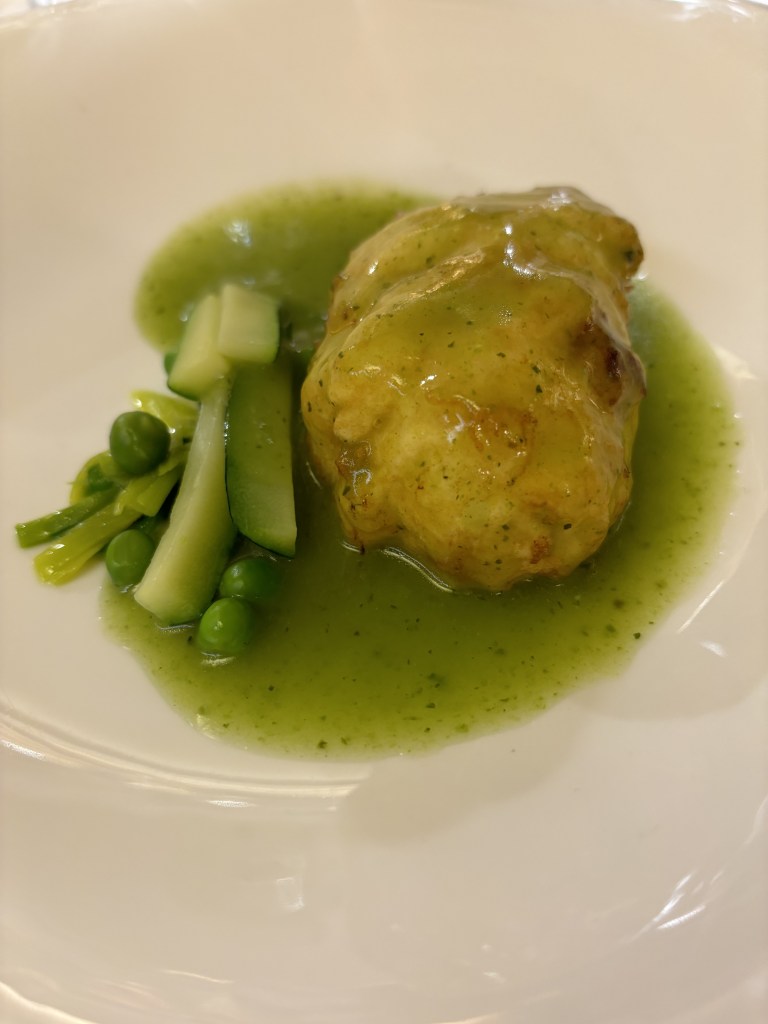
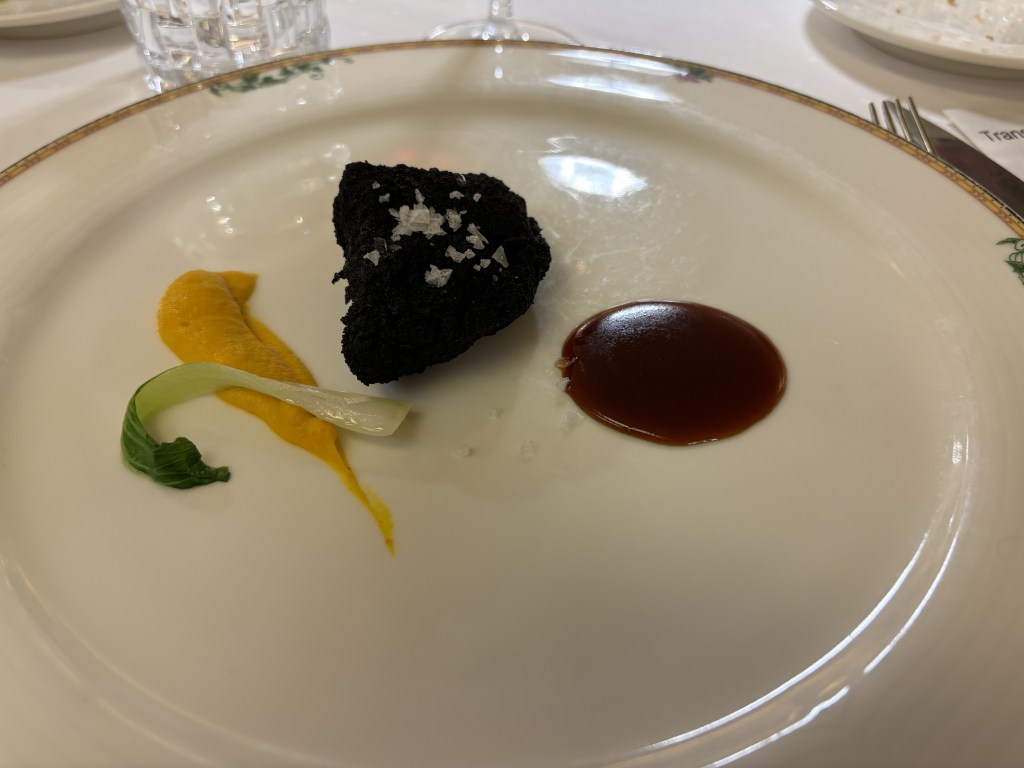
Dinner at Querida Magarita Restaurant
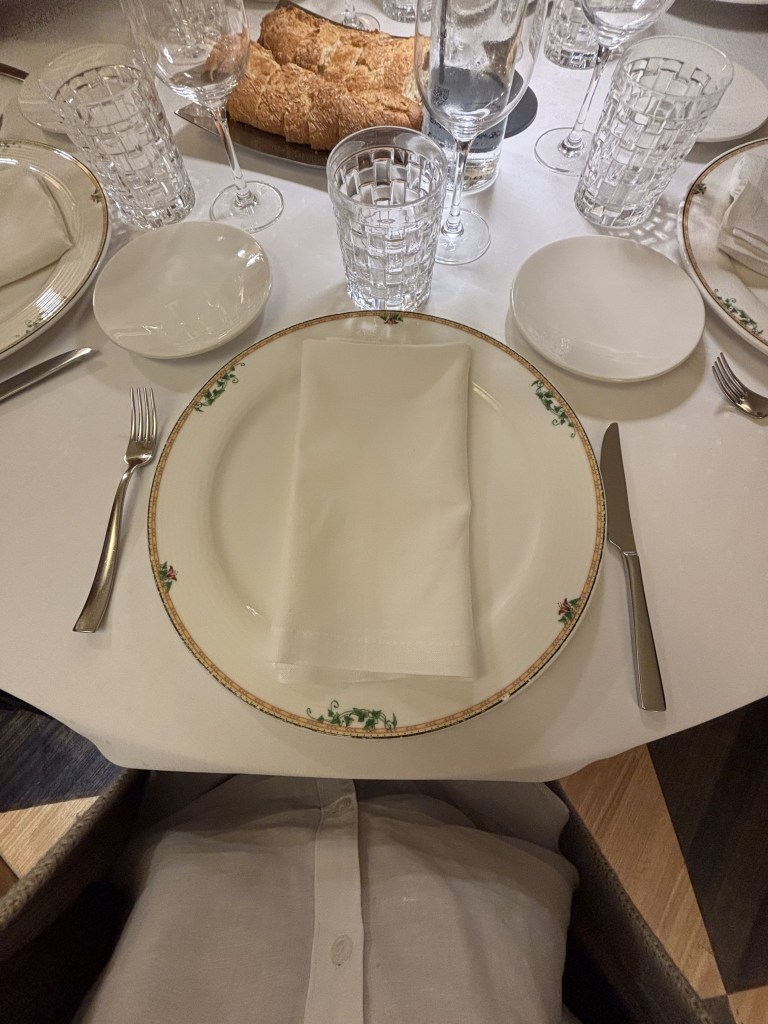
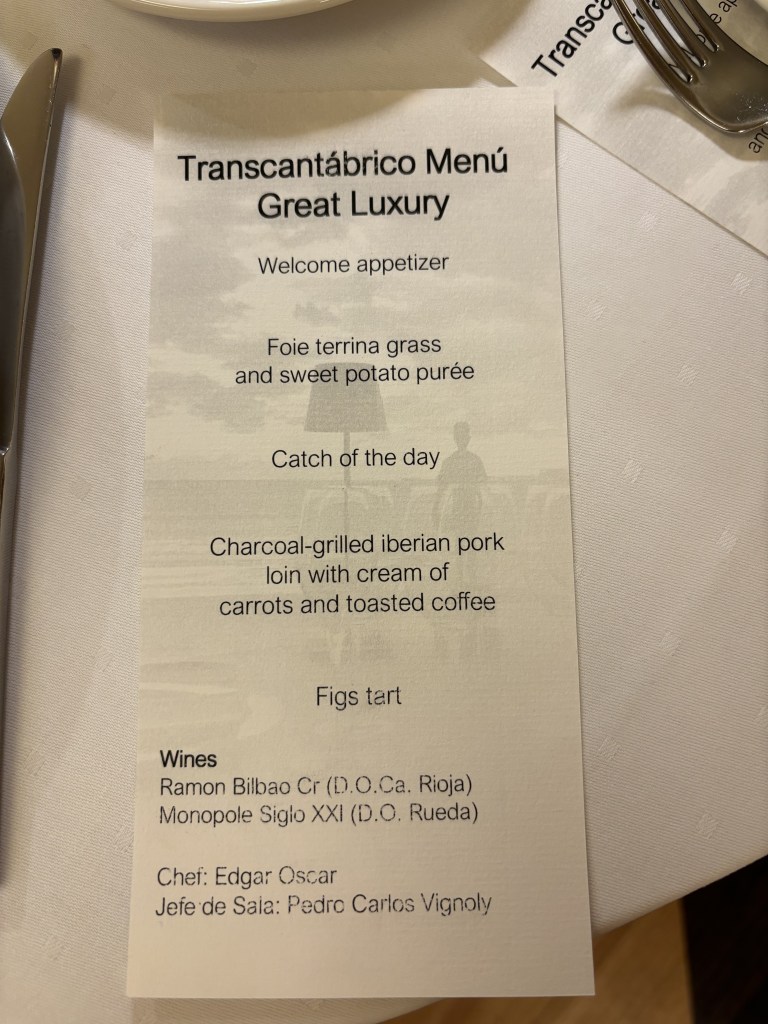
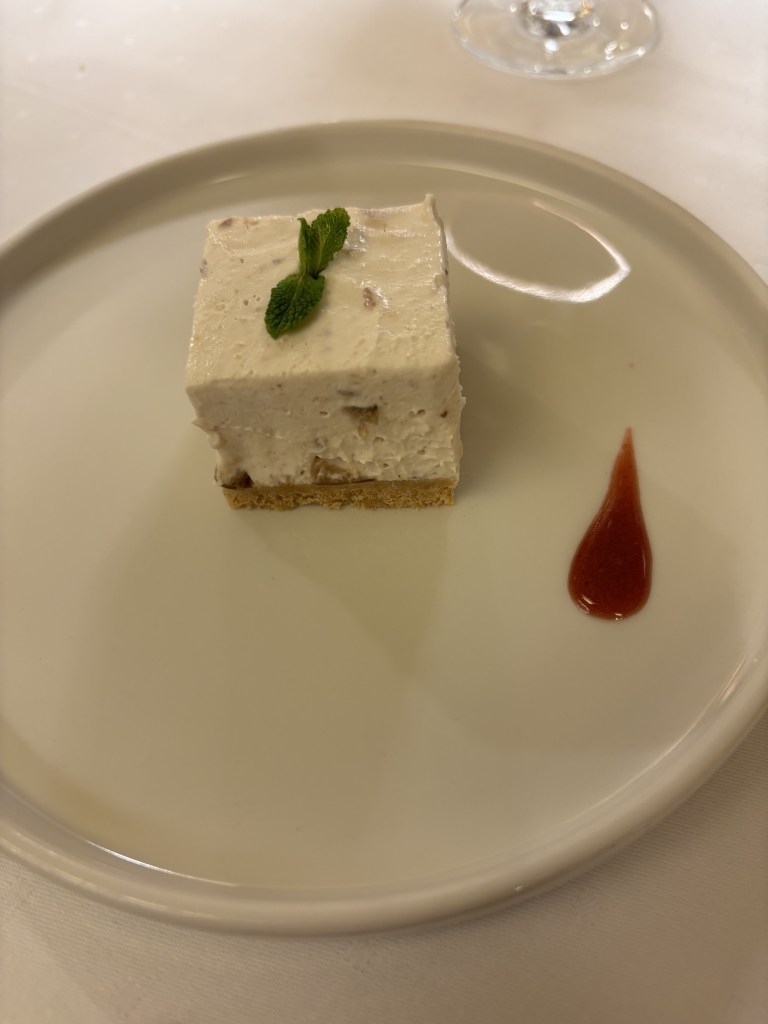
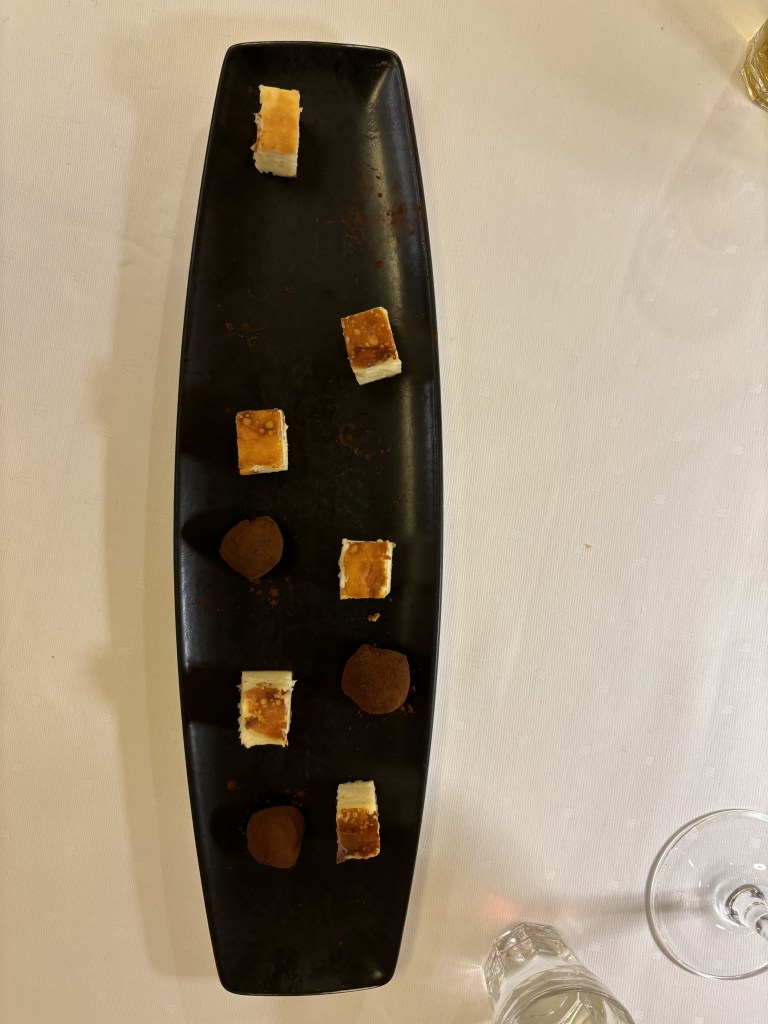
Day 11
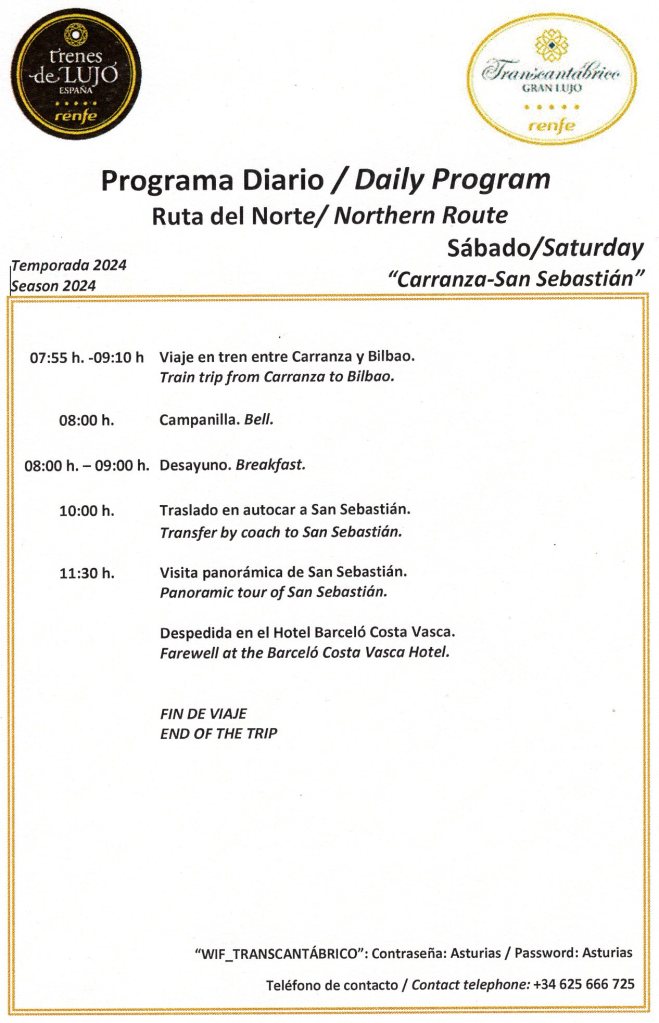
Santander to Bilboa

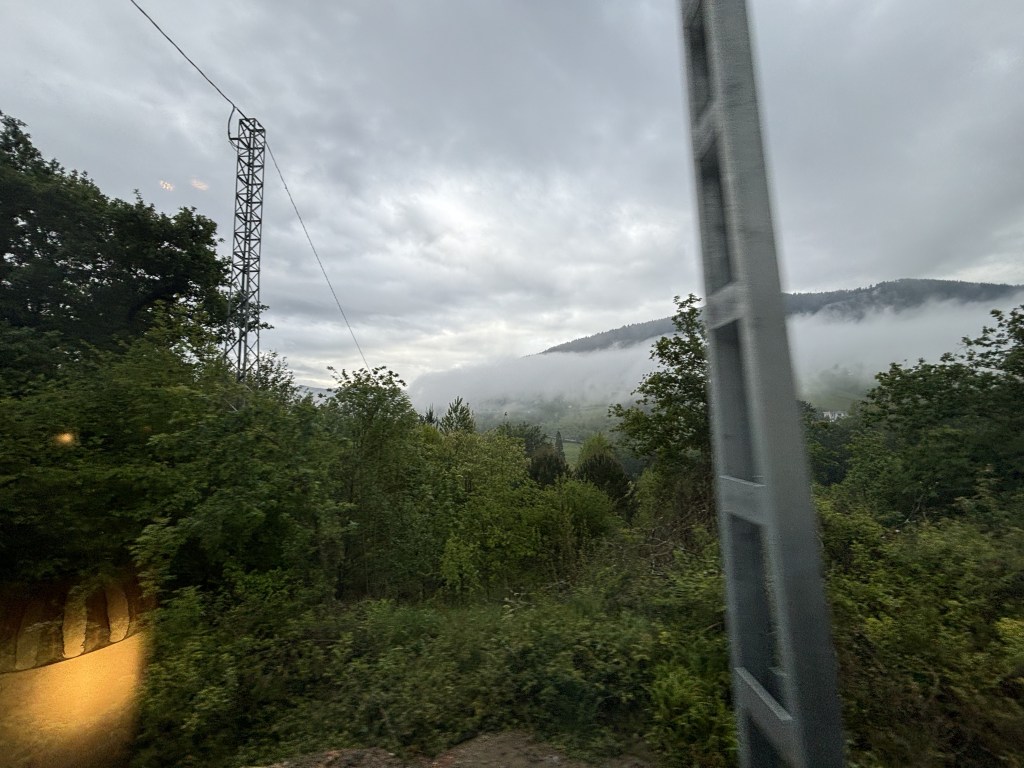
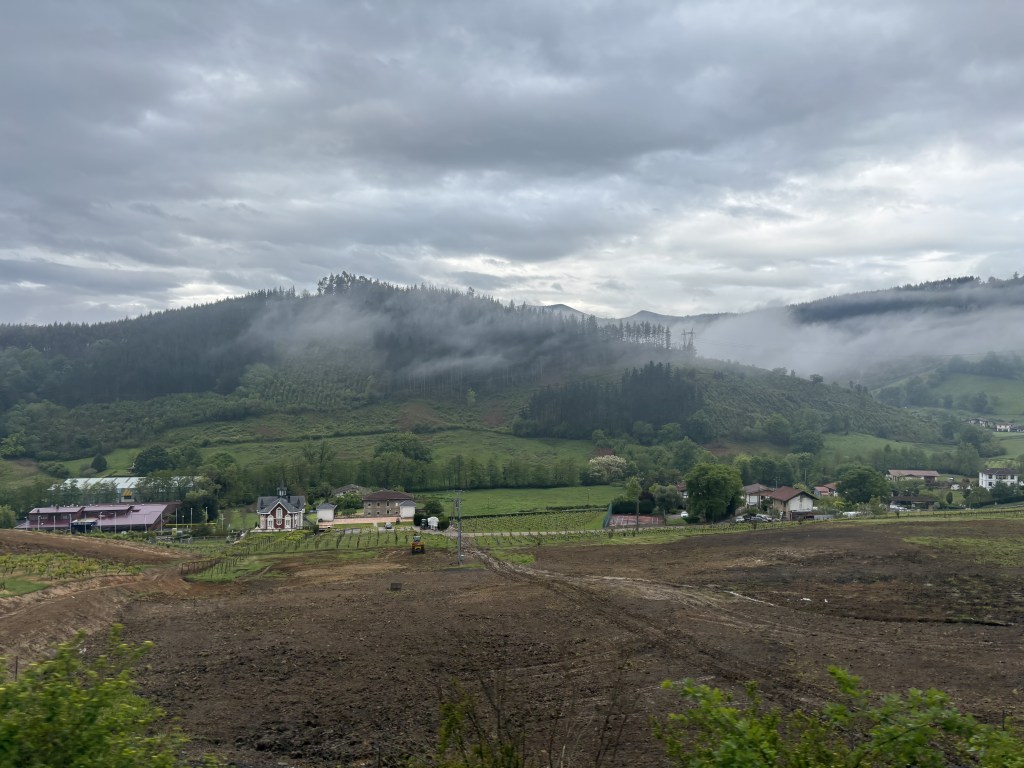
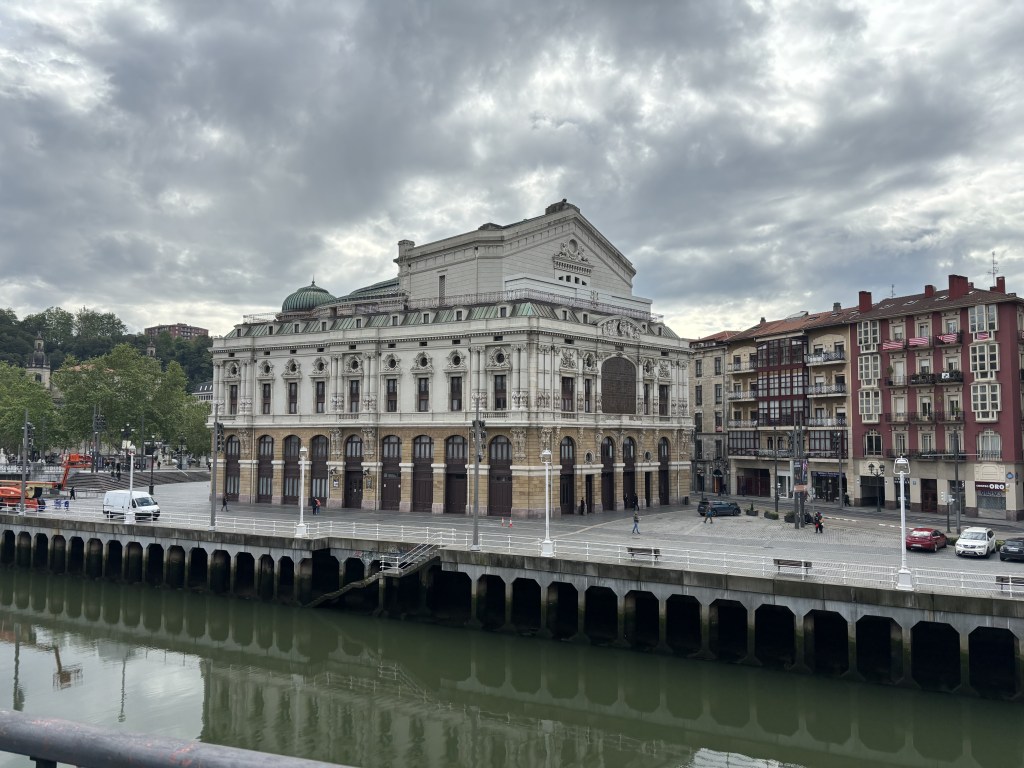
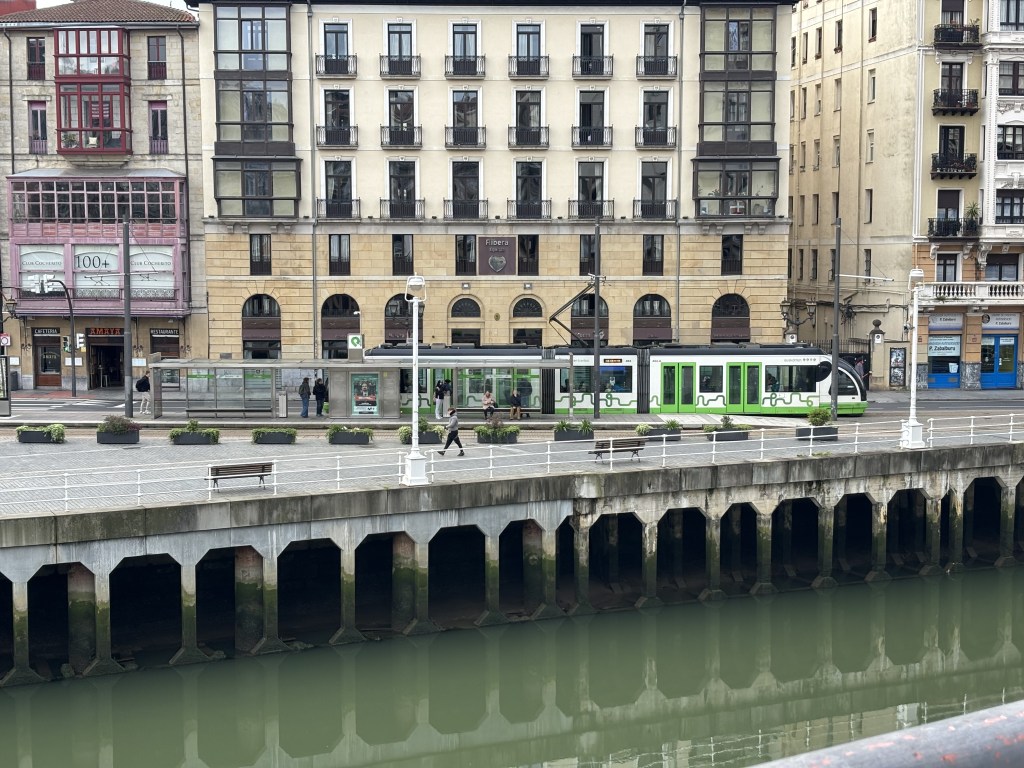
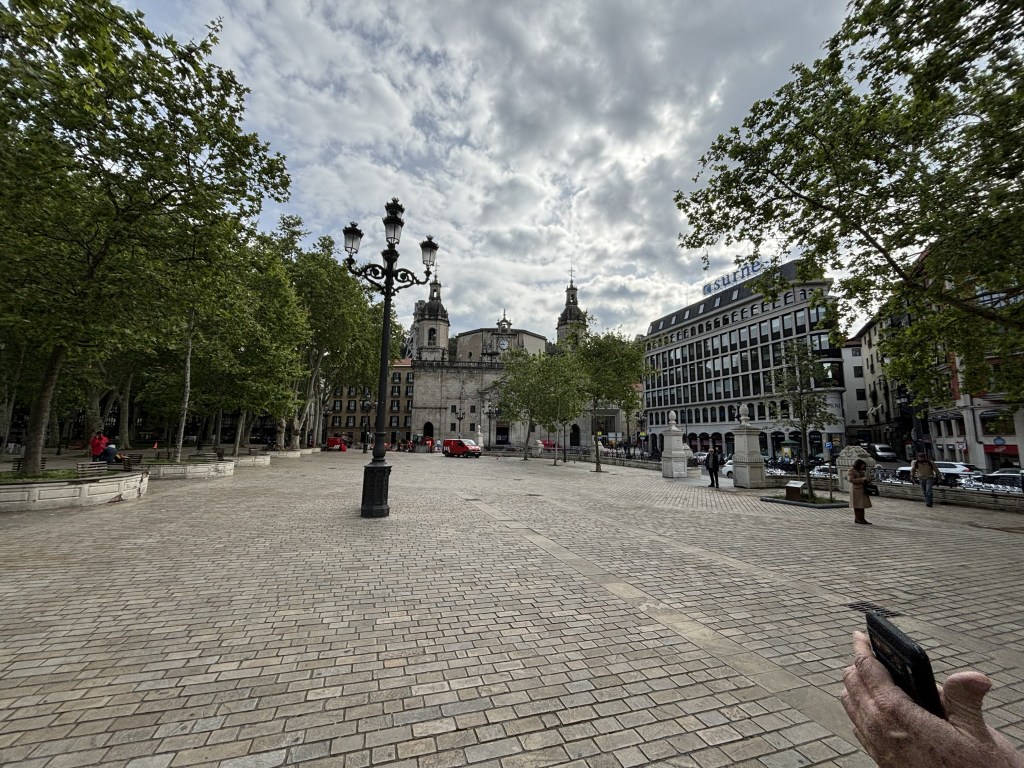
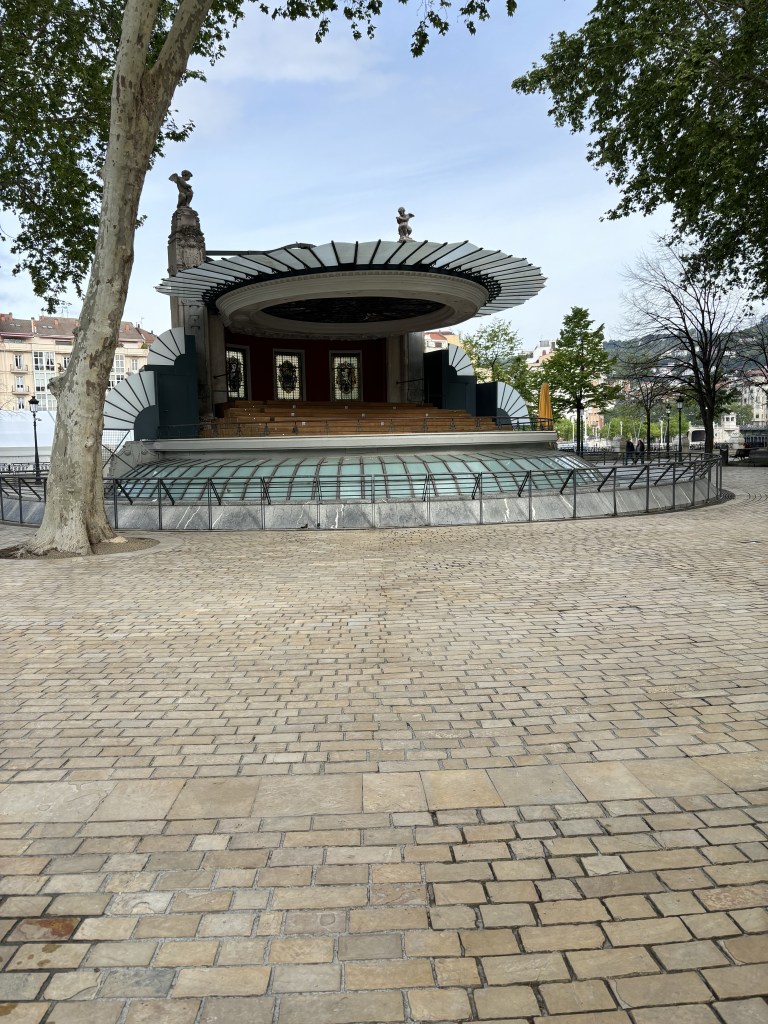
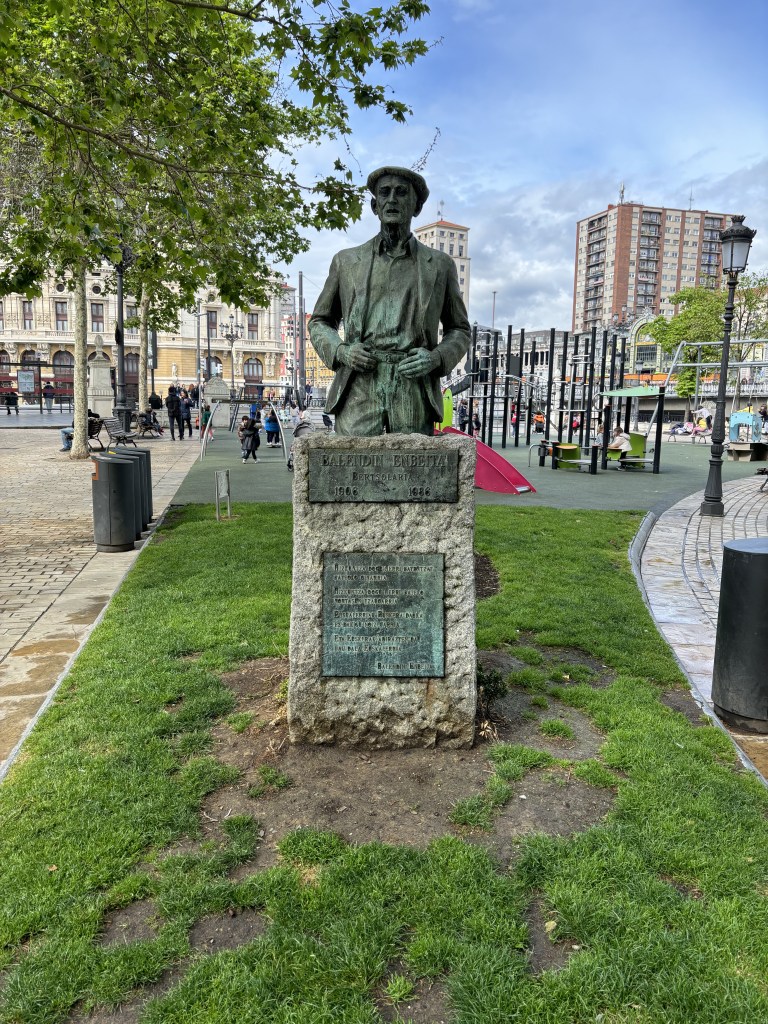
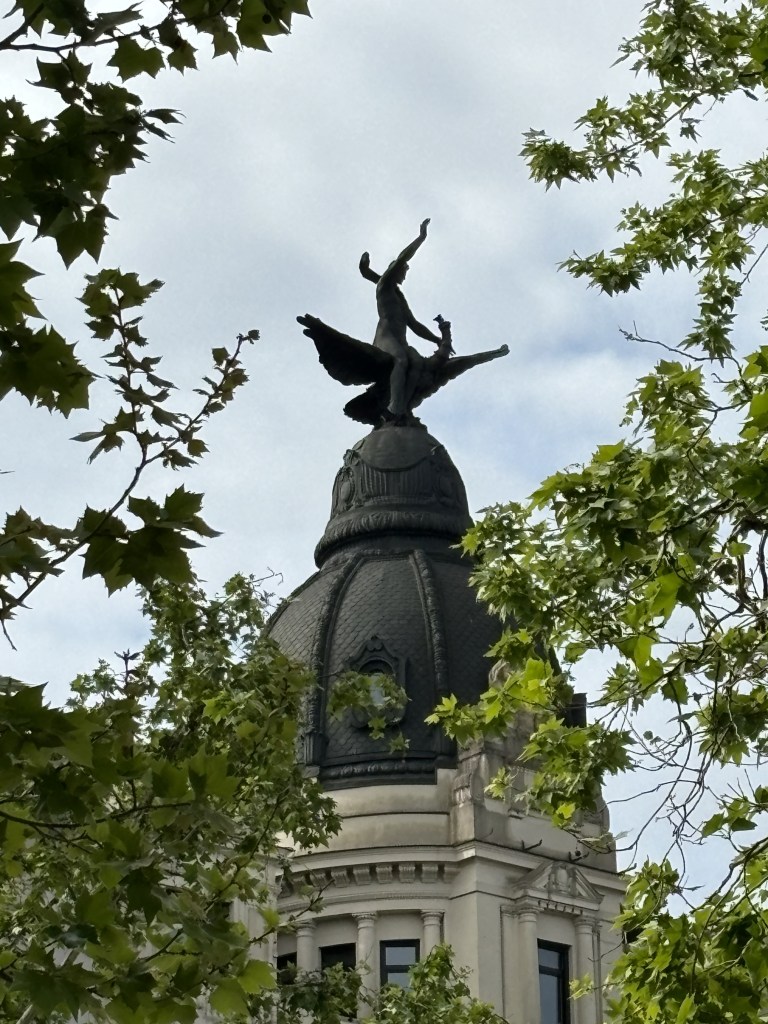
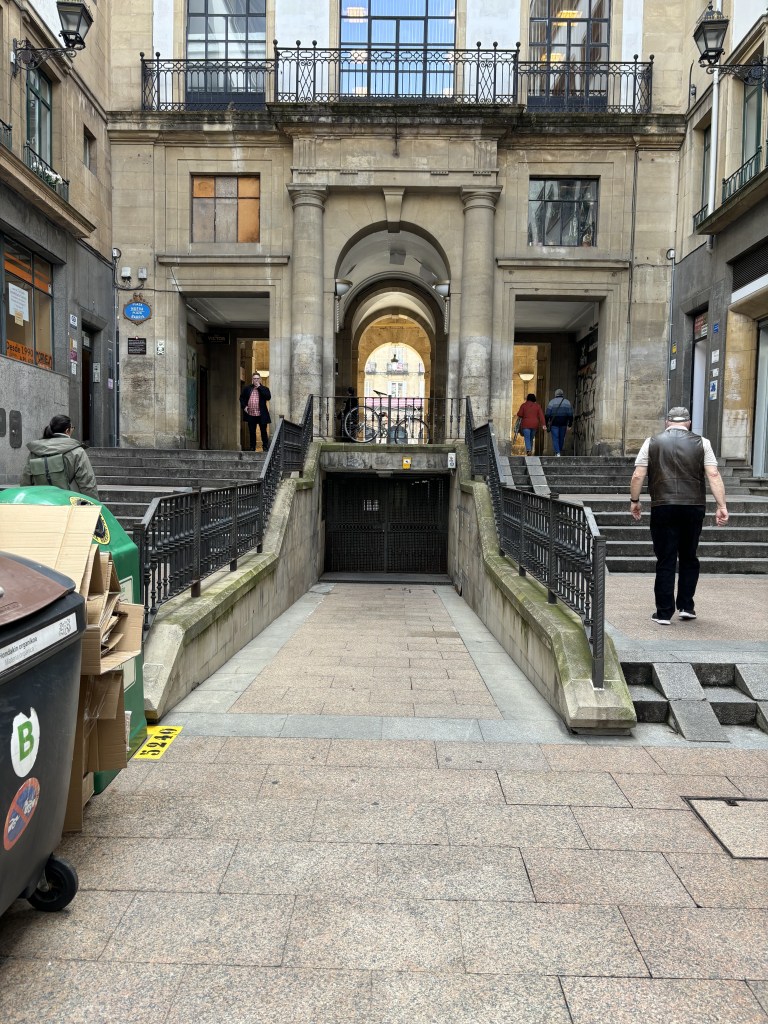
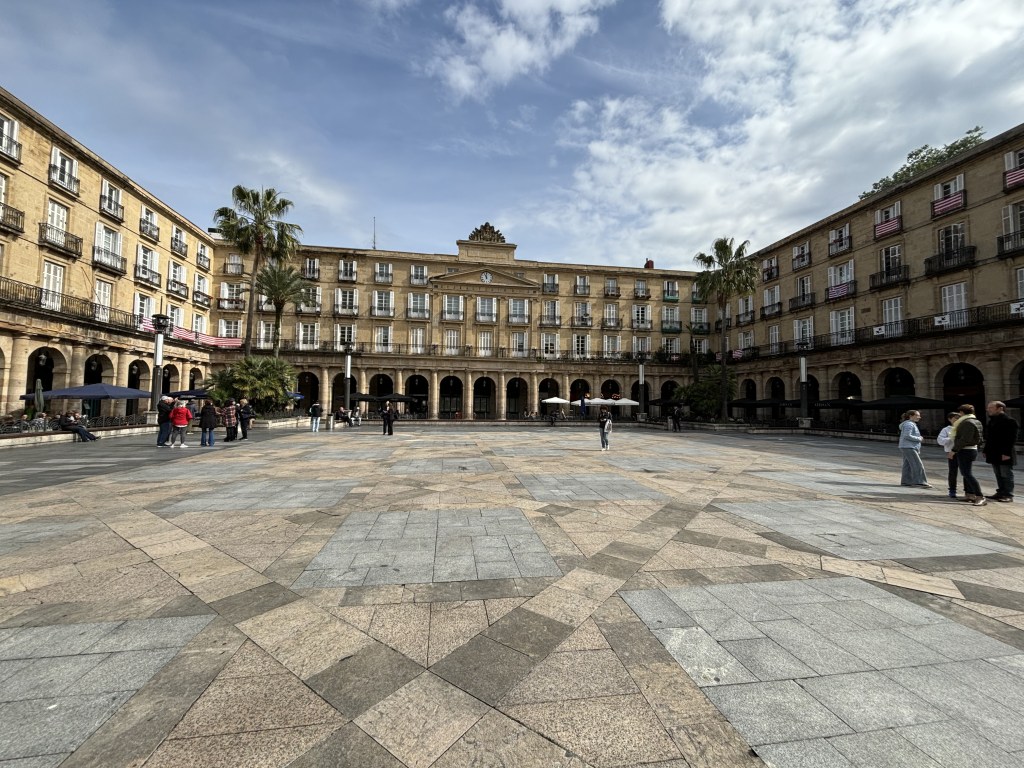
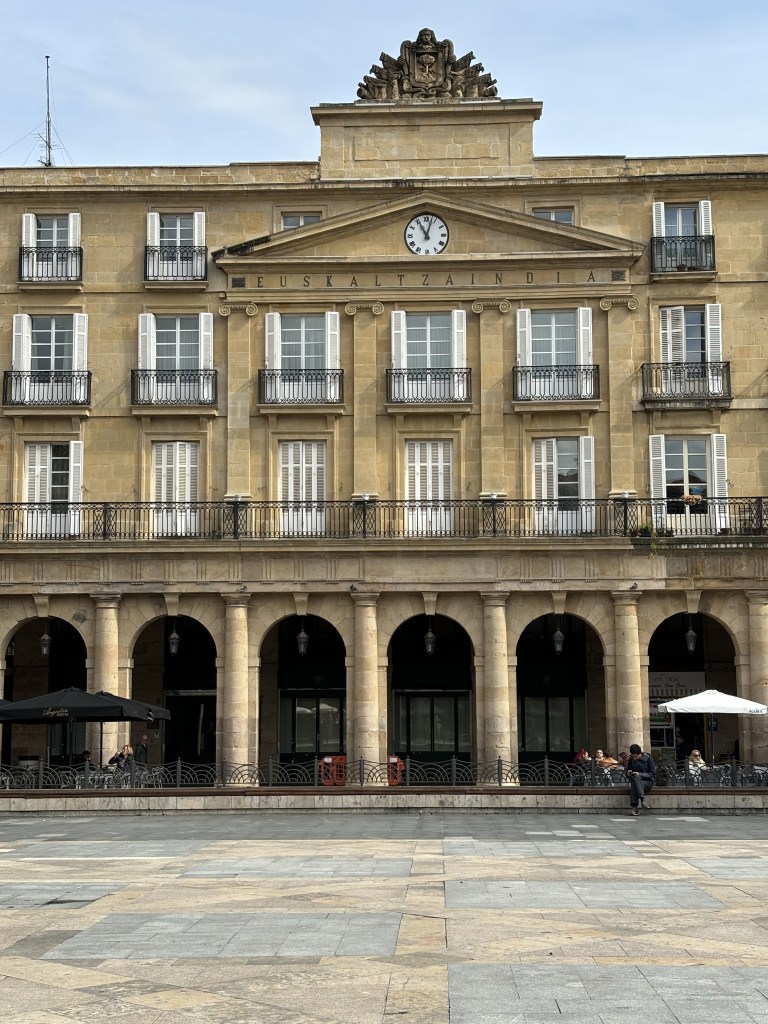
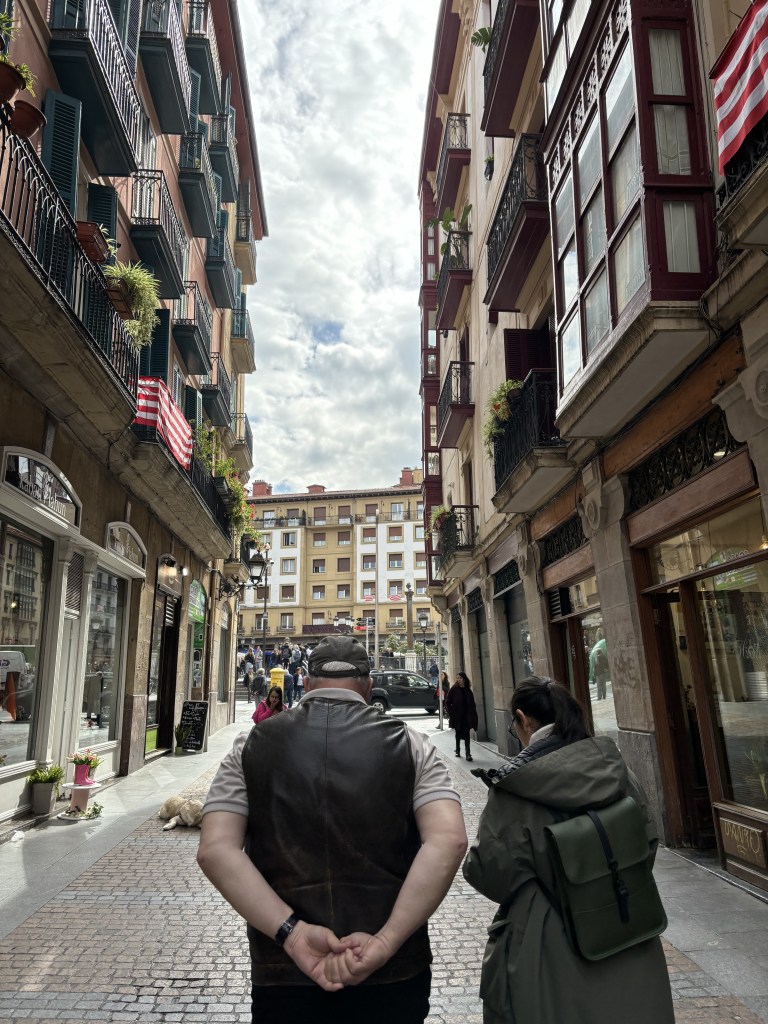
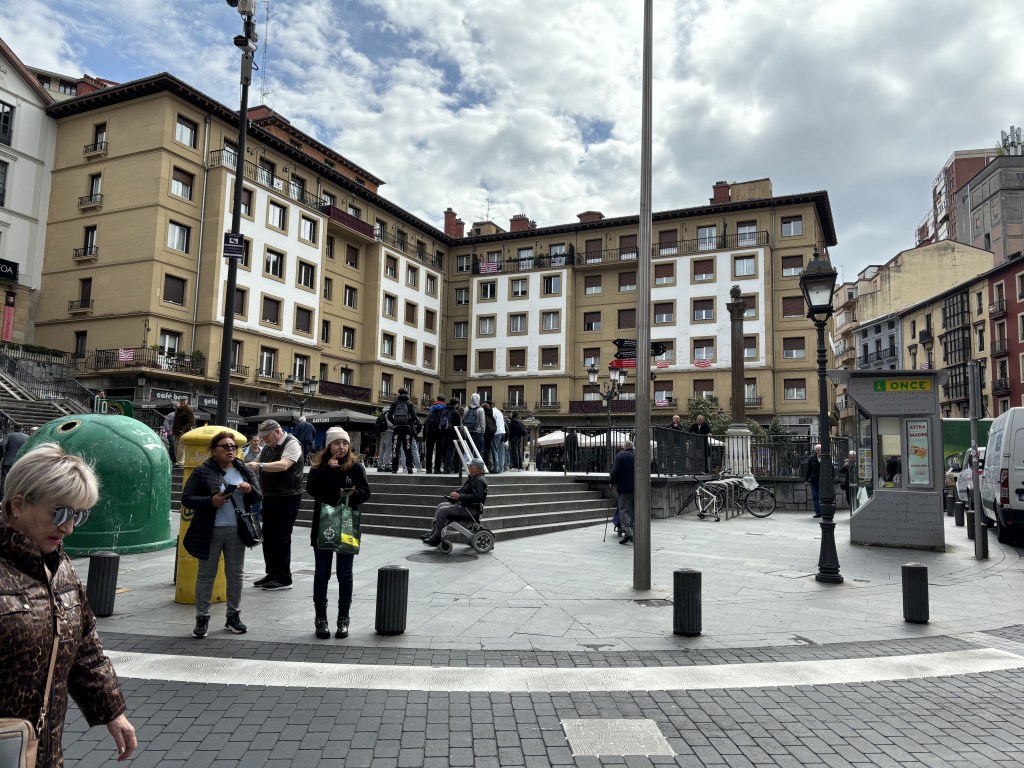
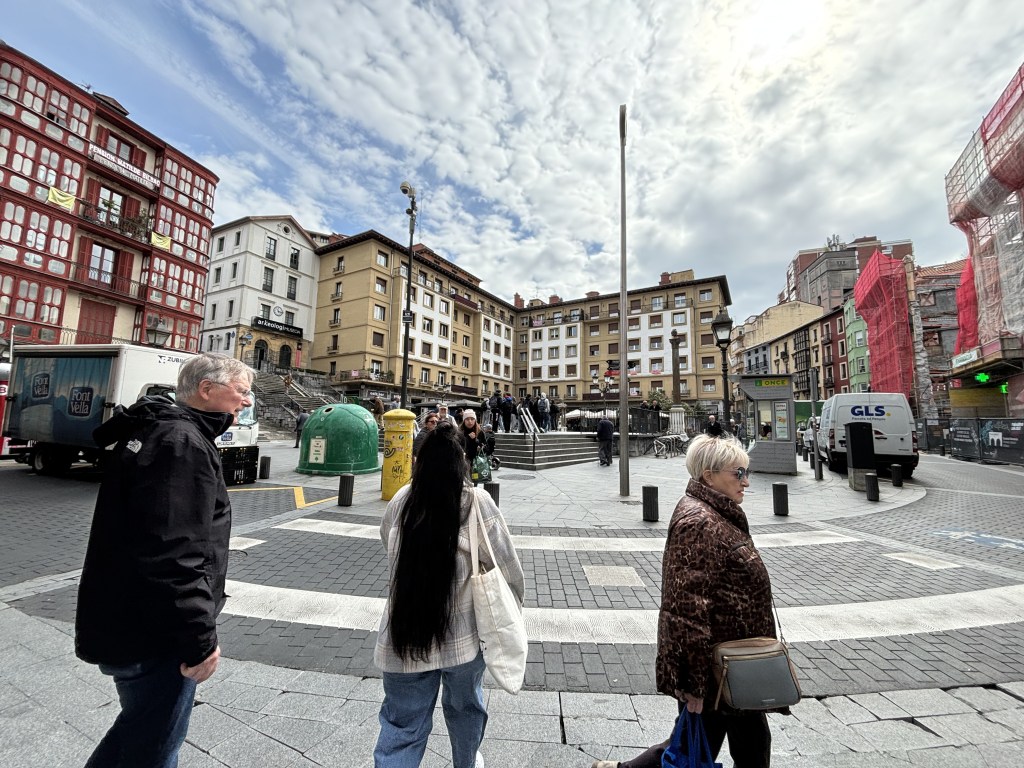
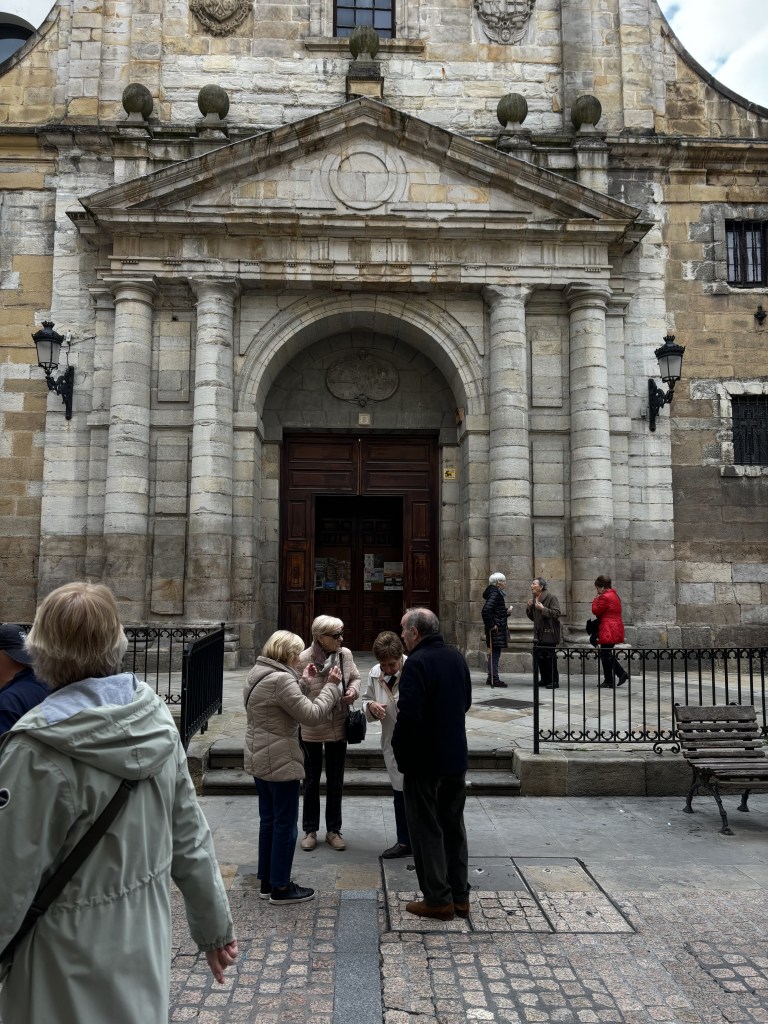
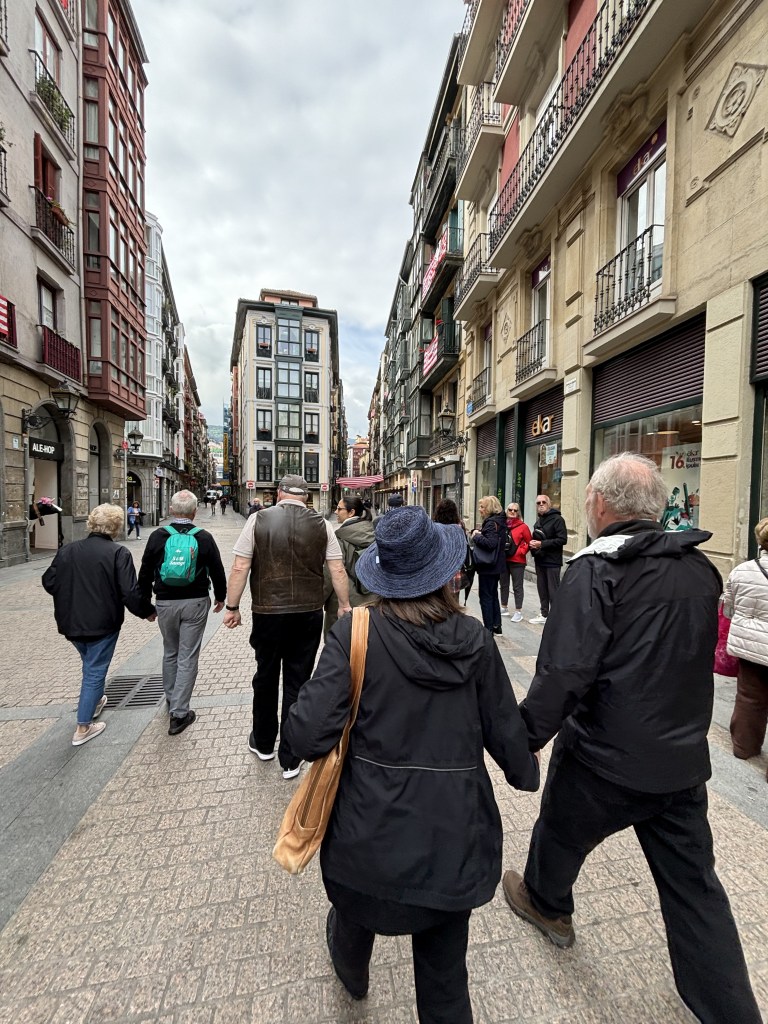
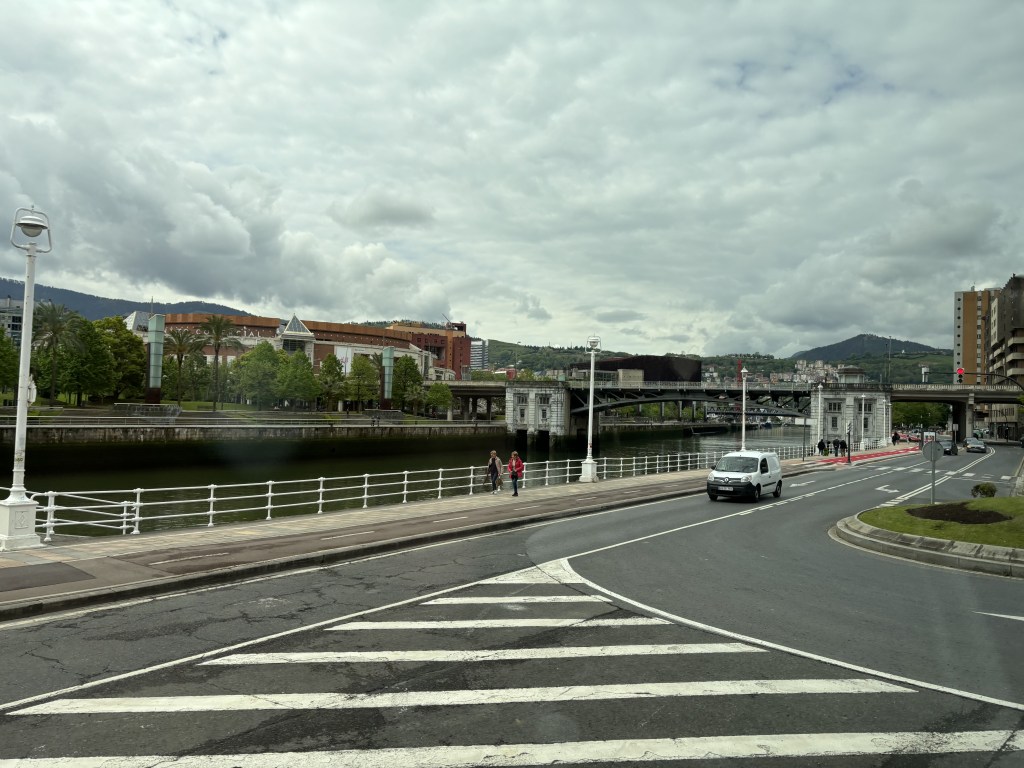
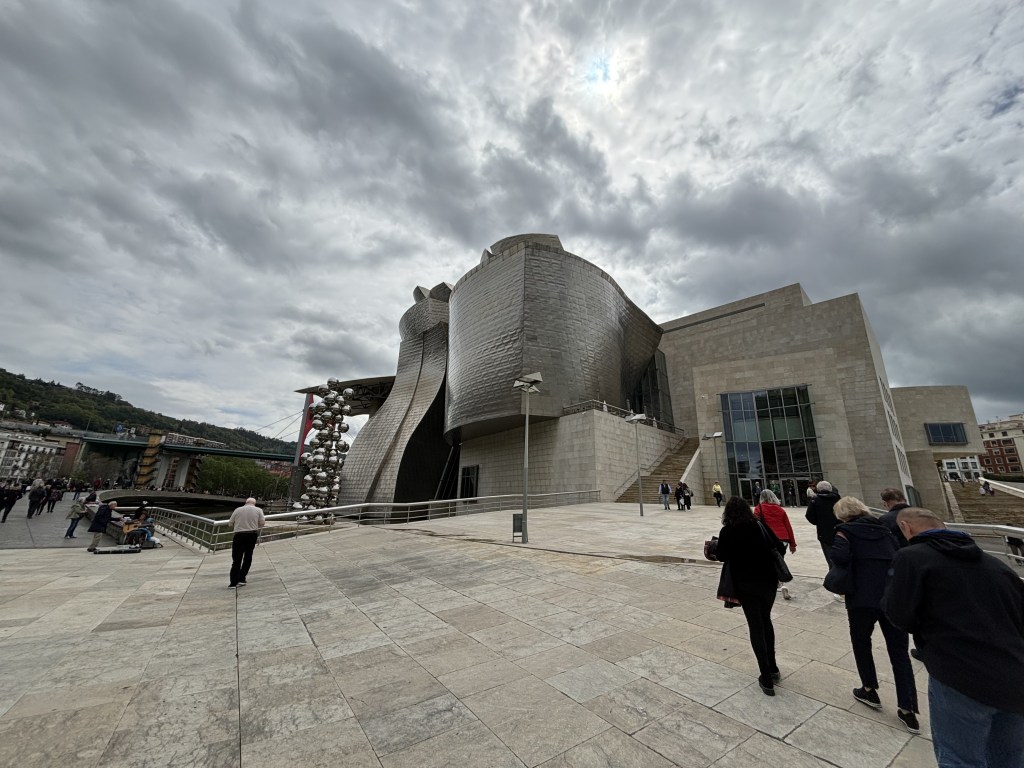
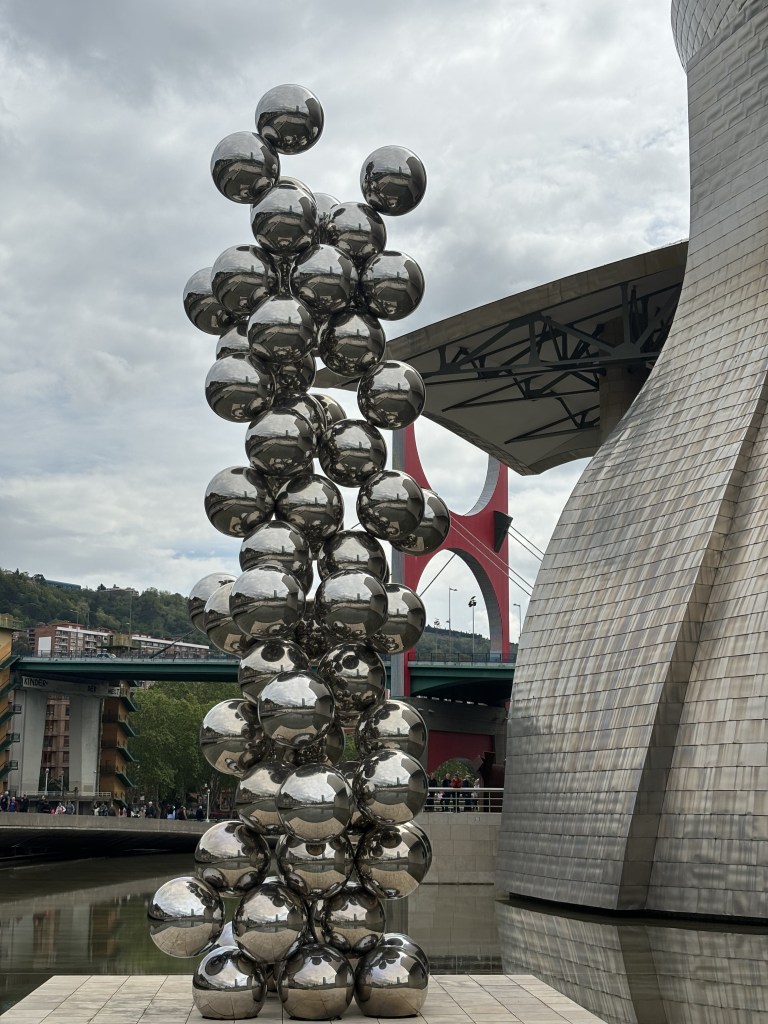
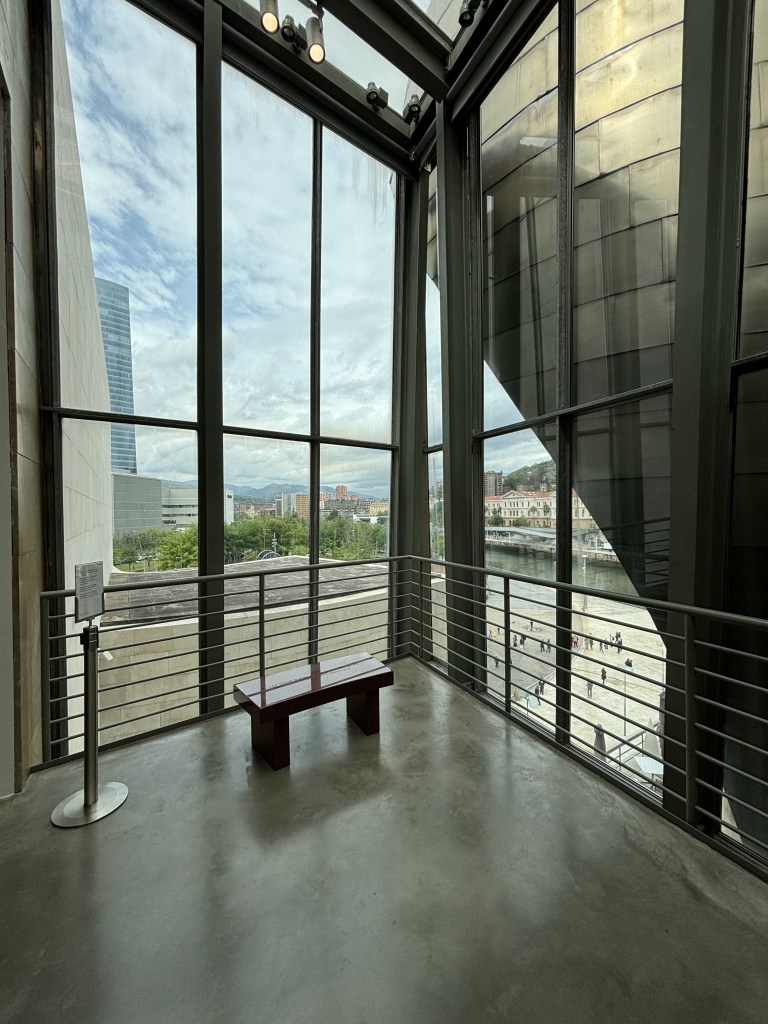
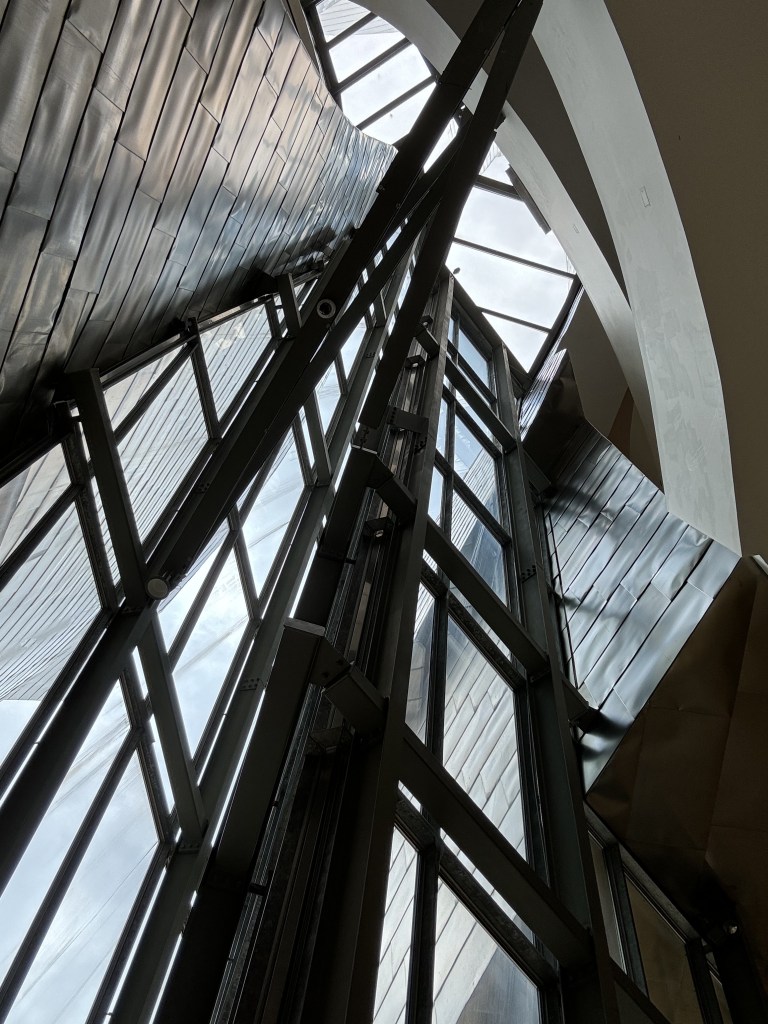
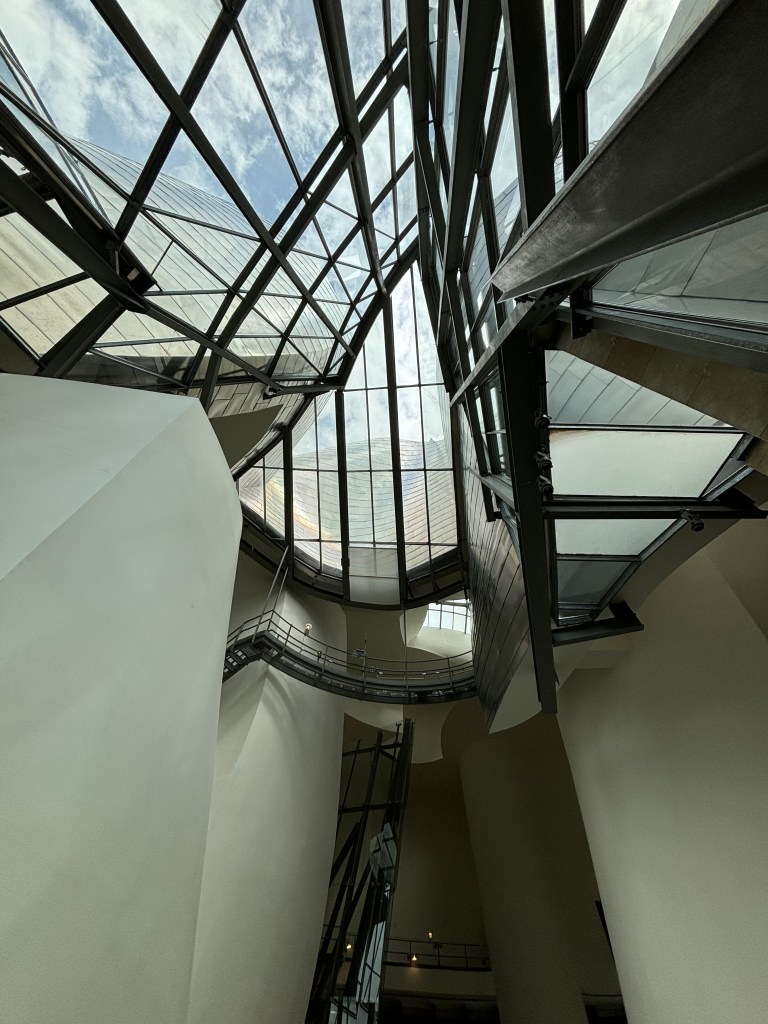
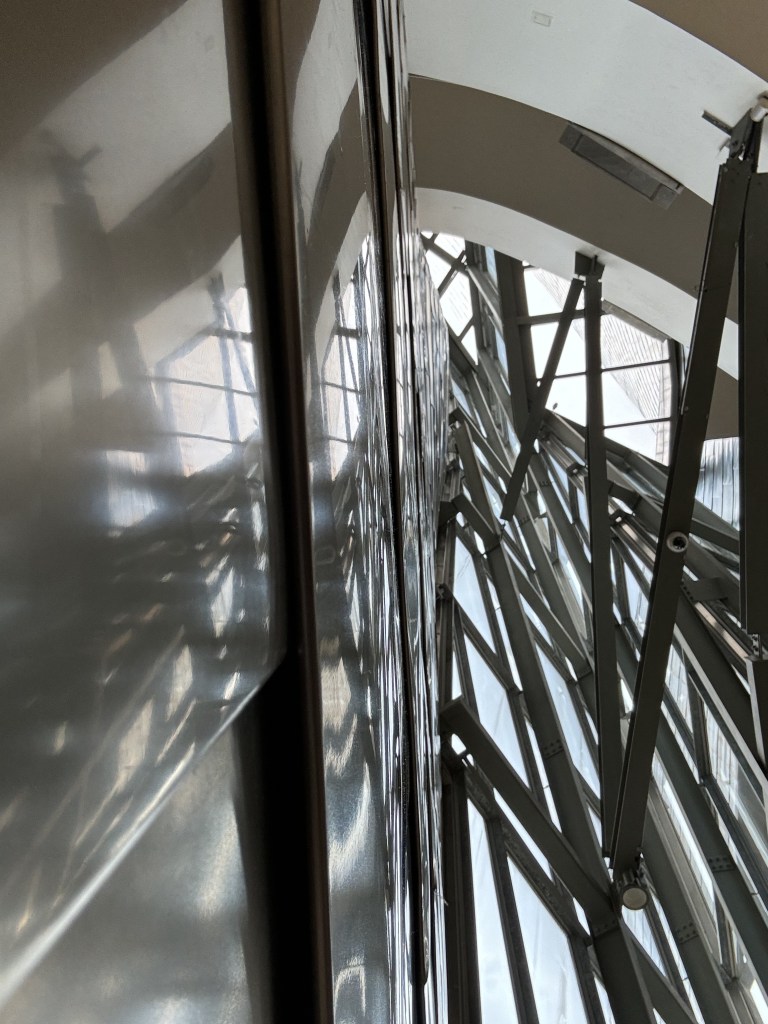
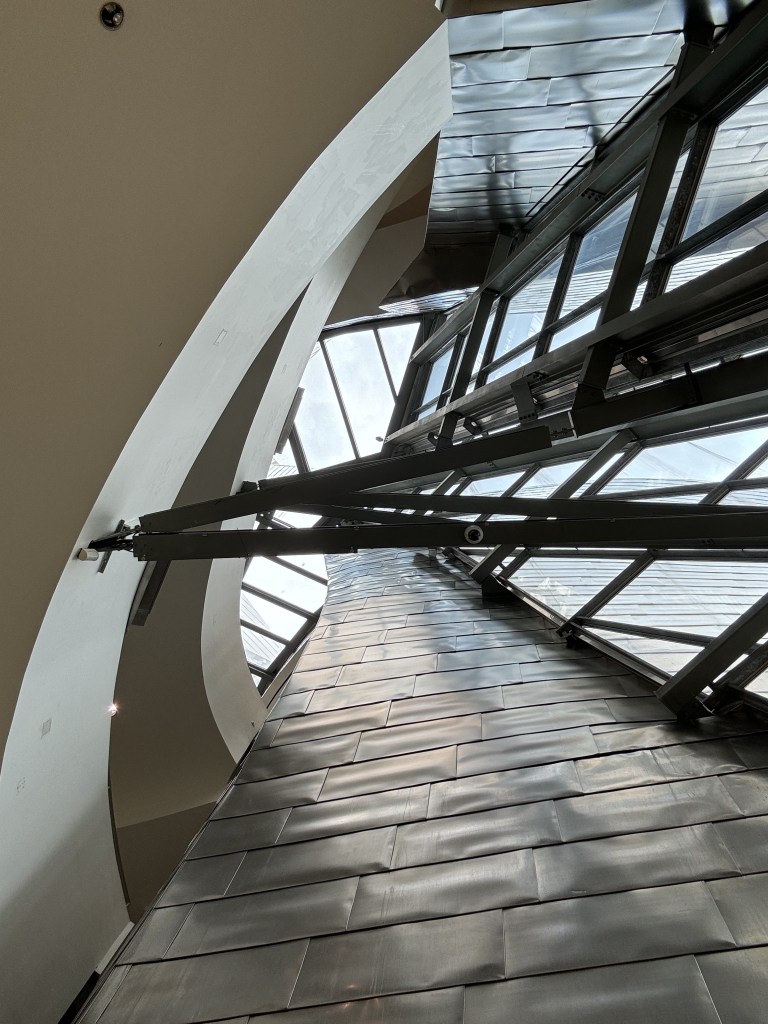
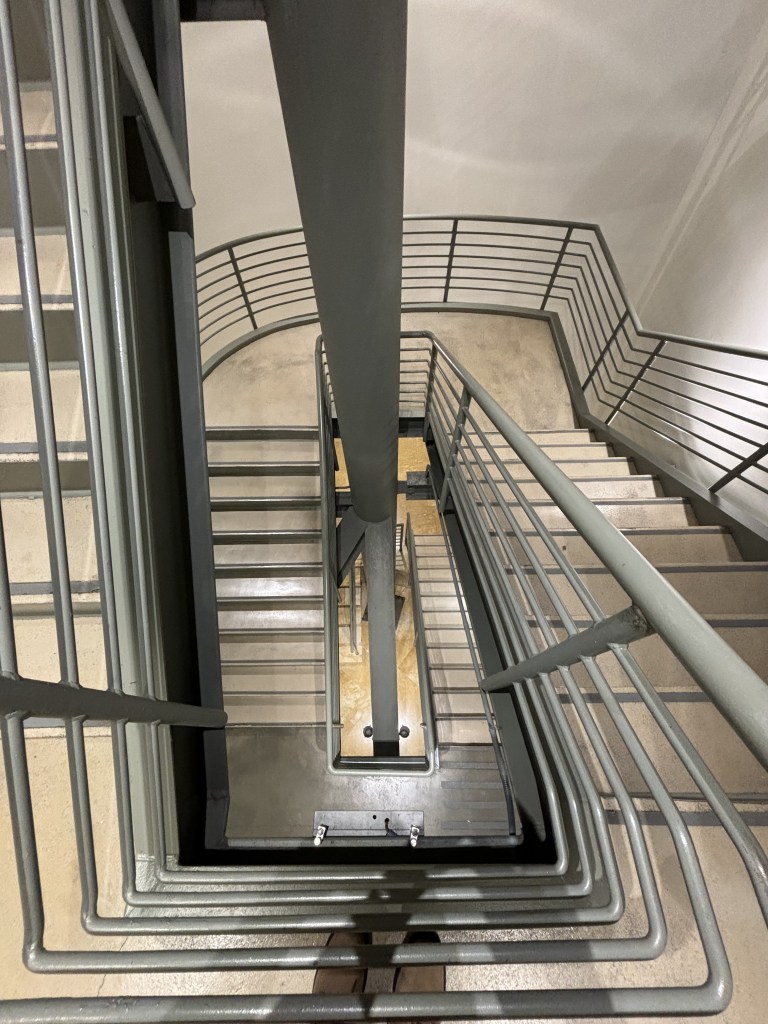
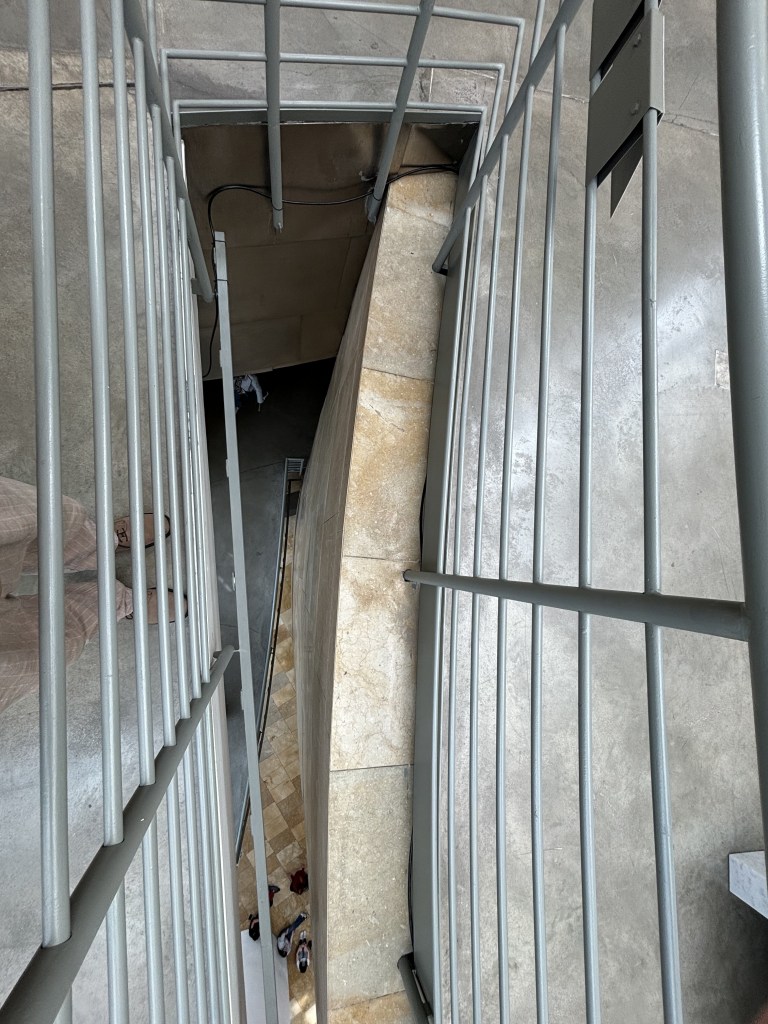
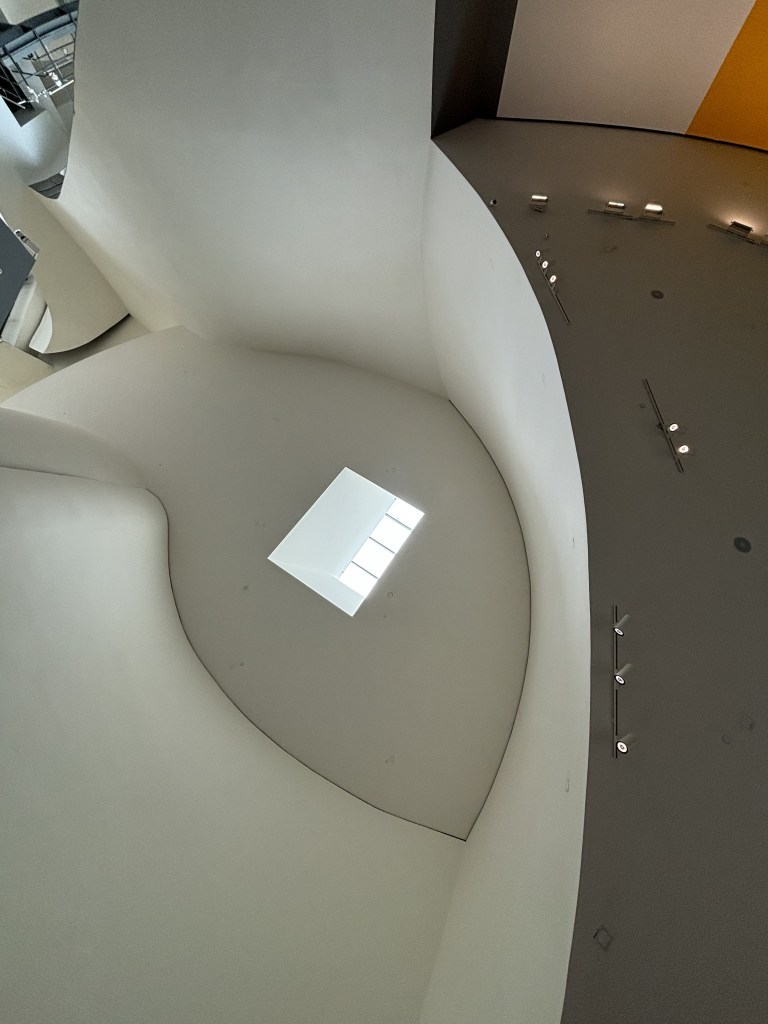
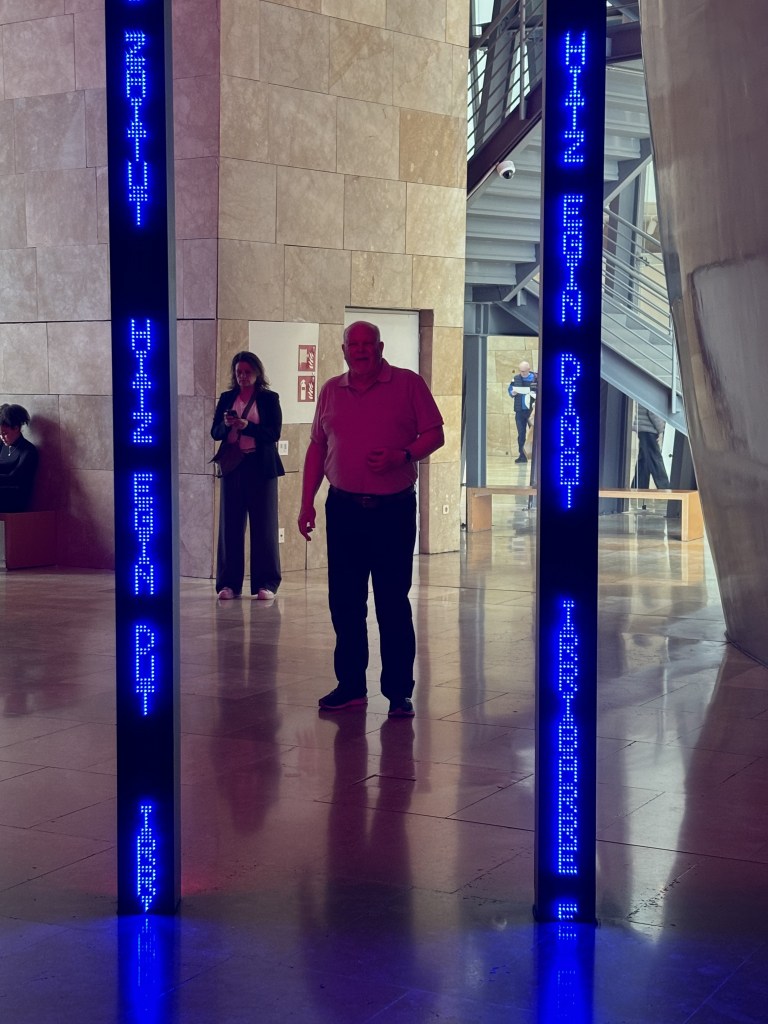
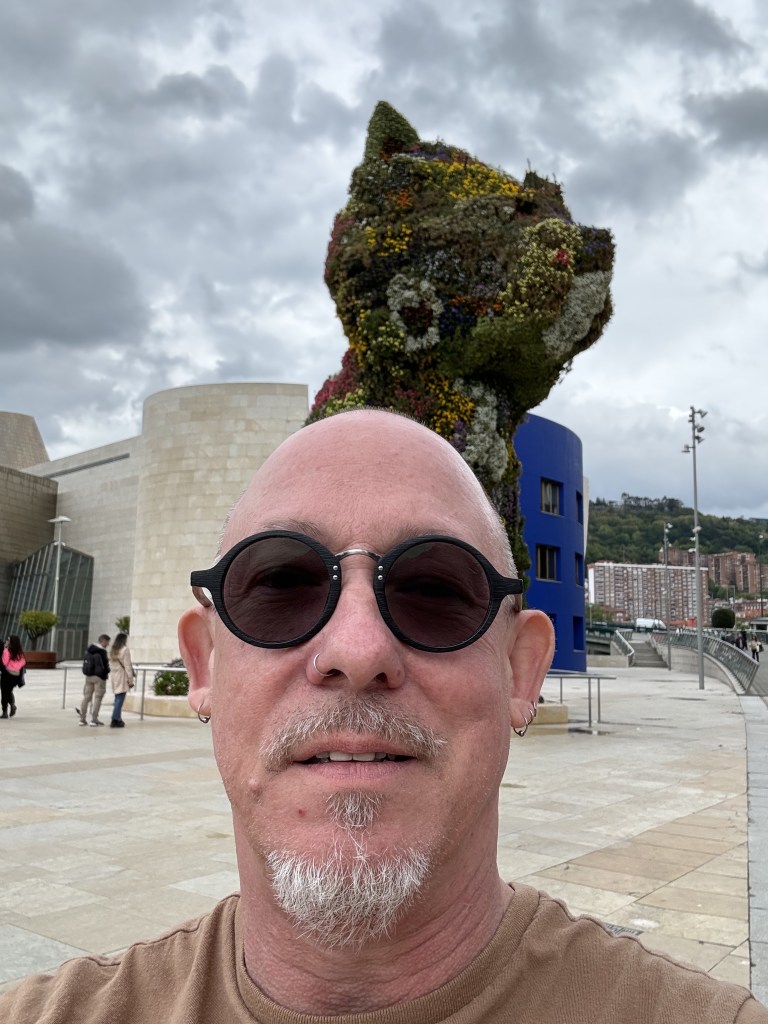
Bilbao and the Guggenheim Museum
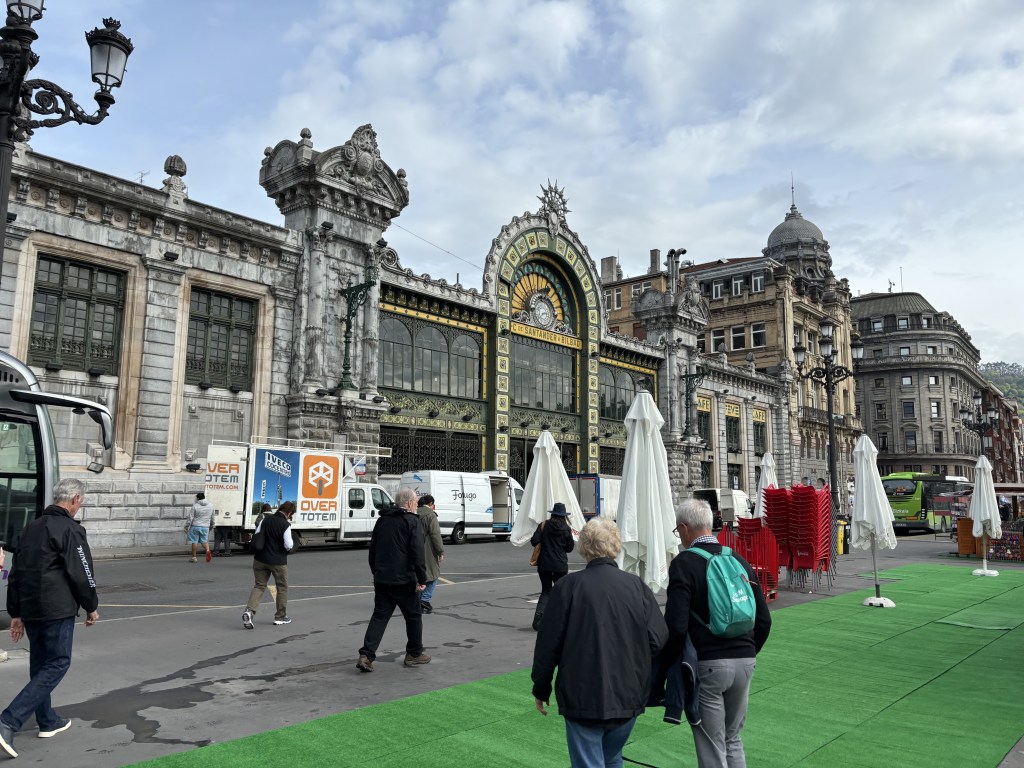


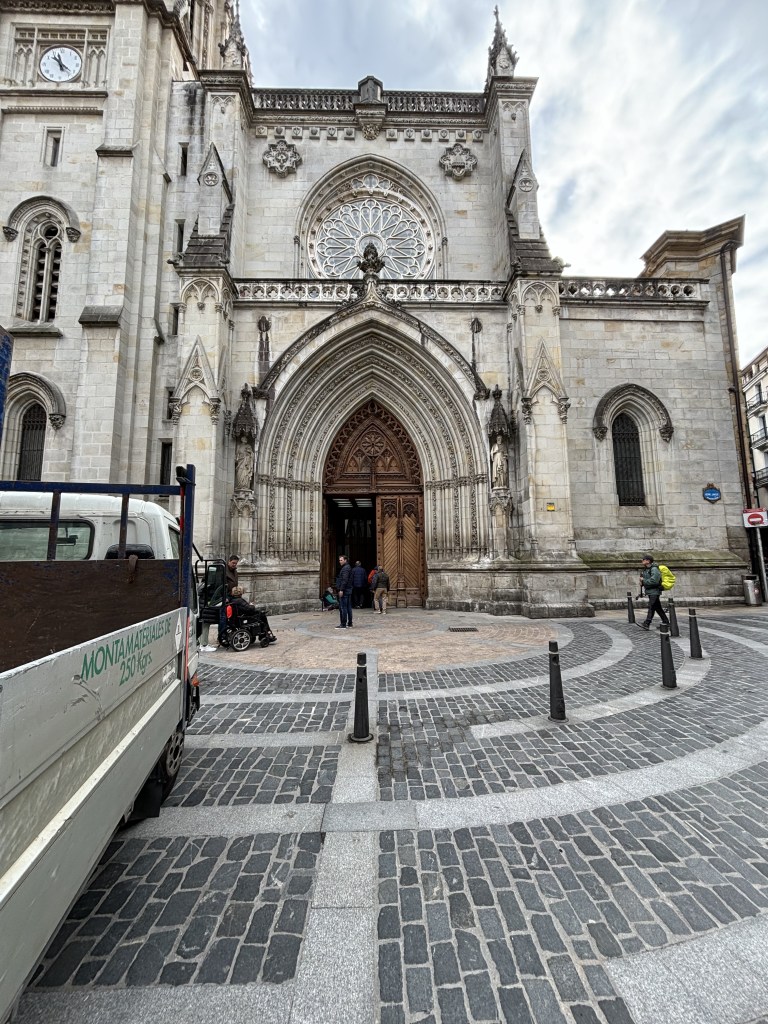
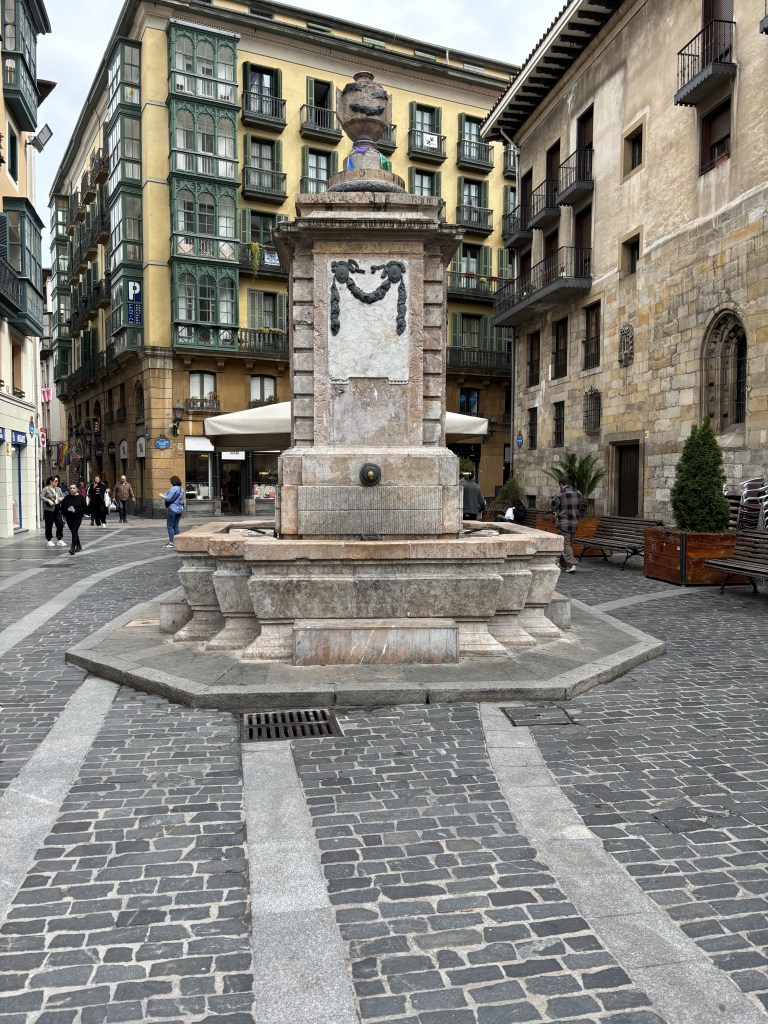
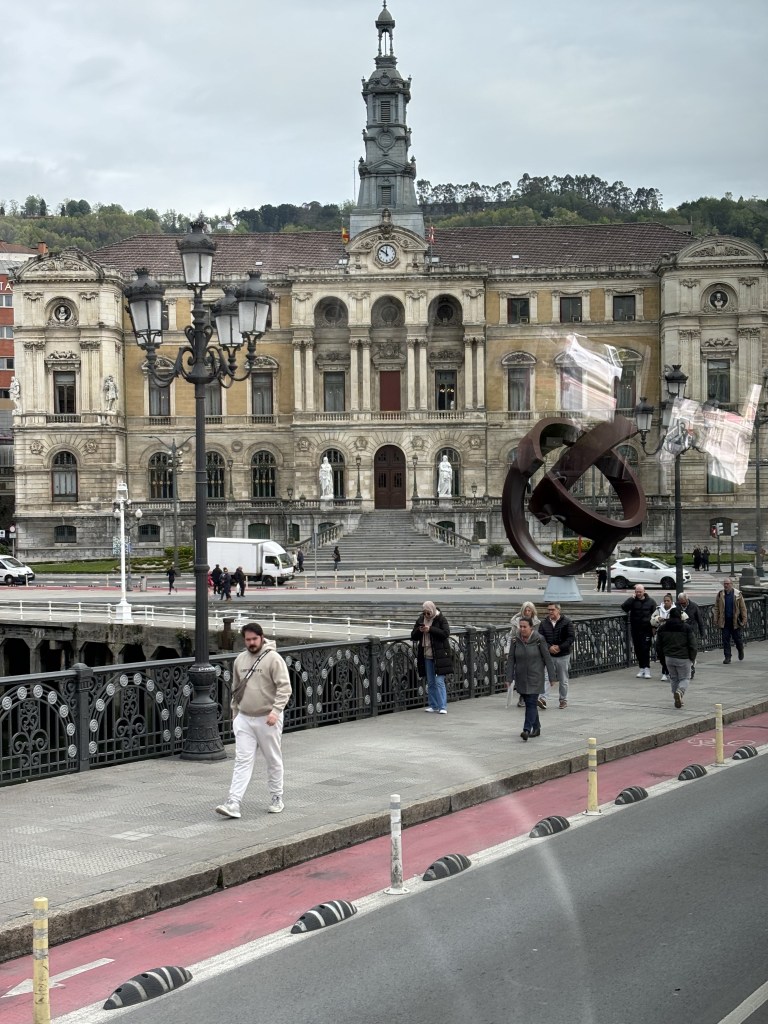

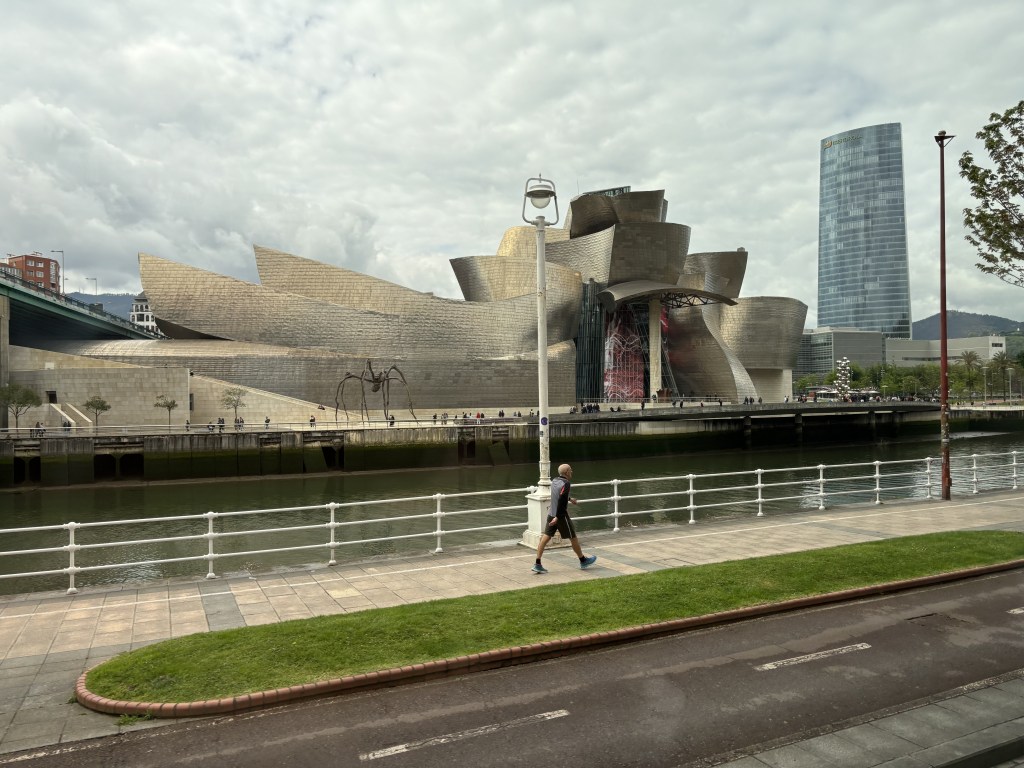
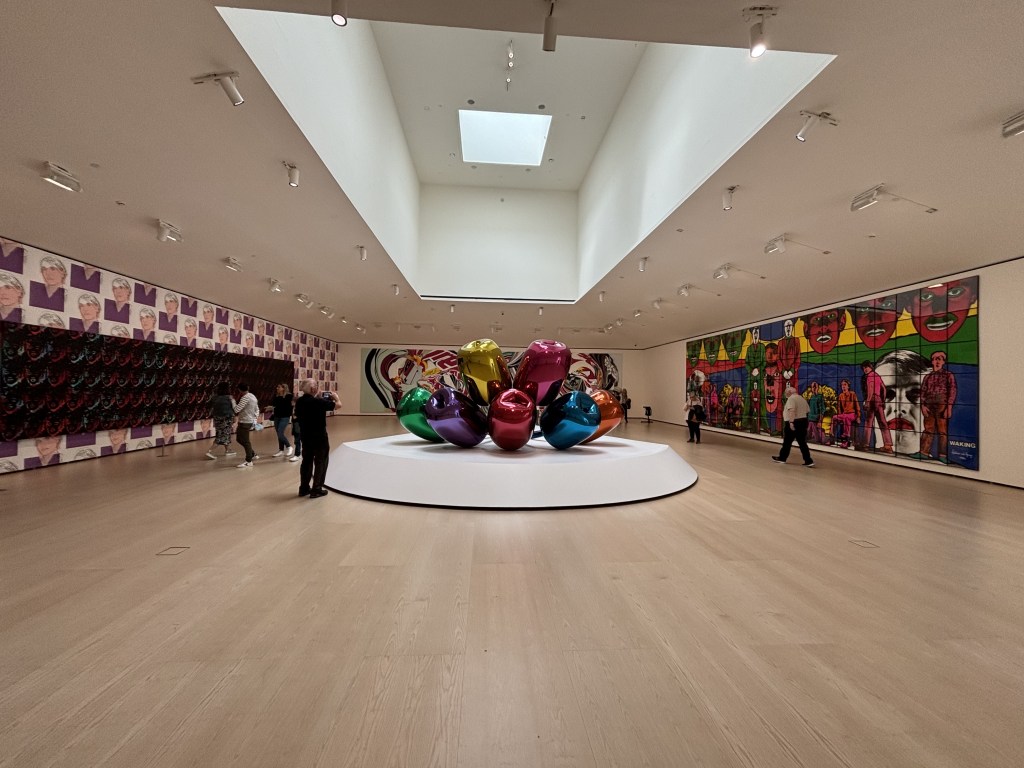
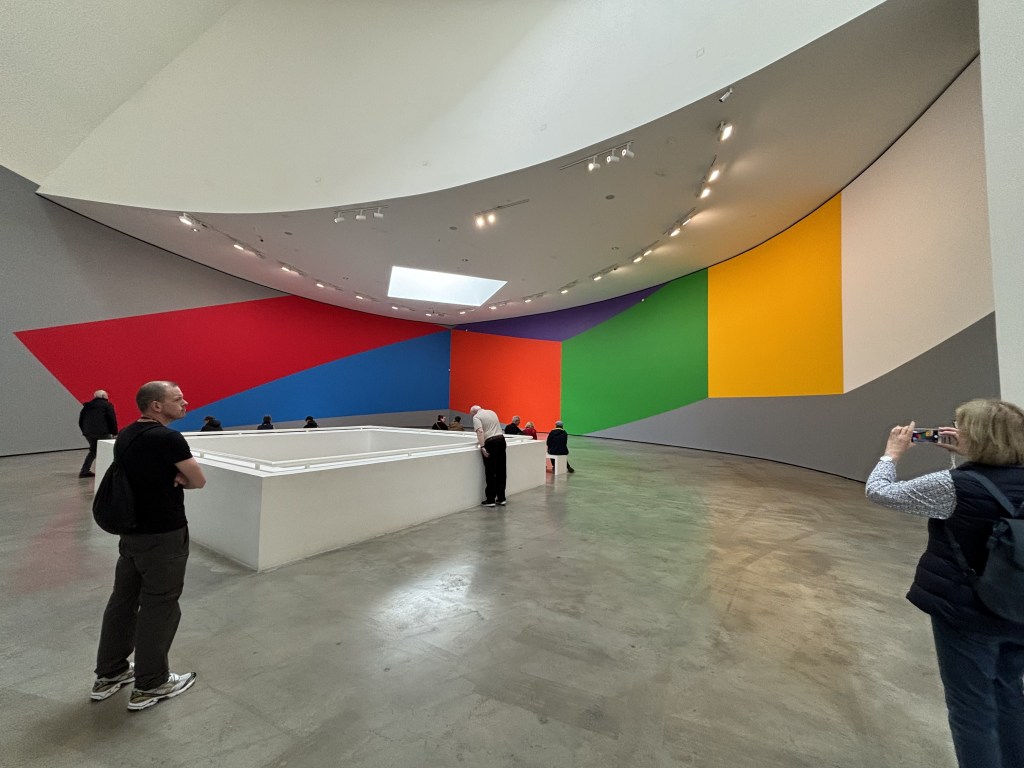
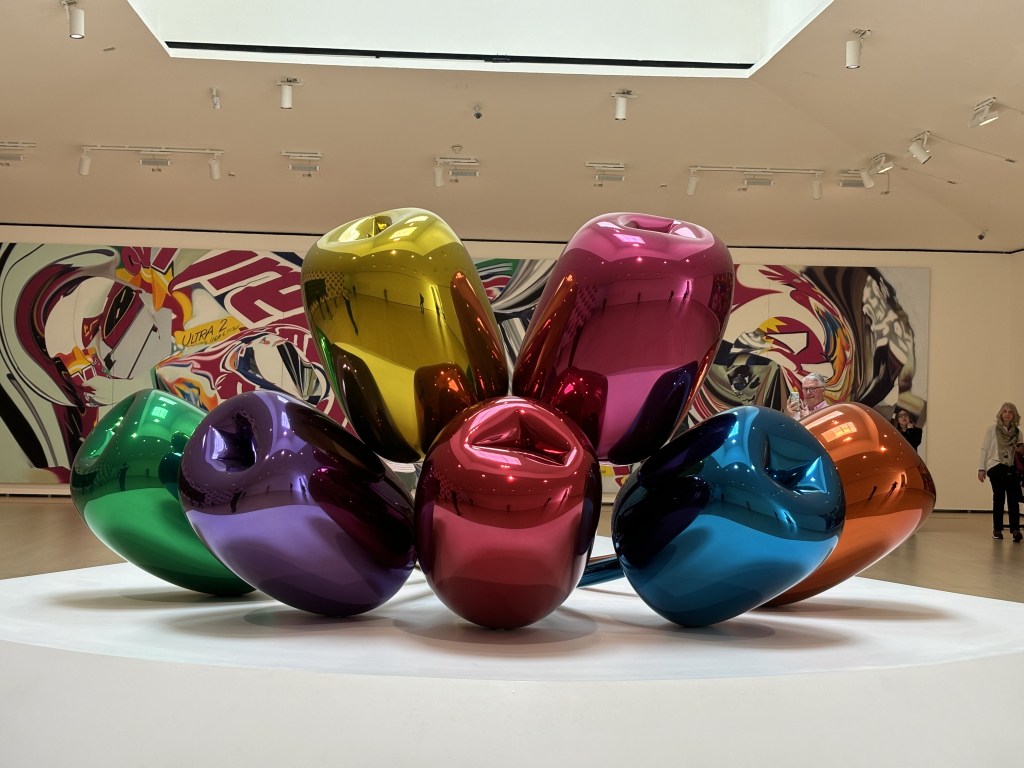
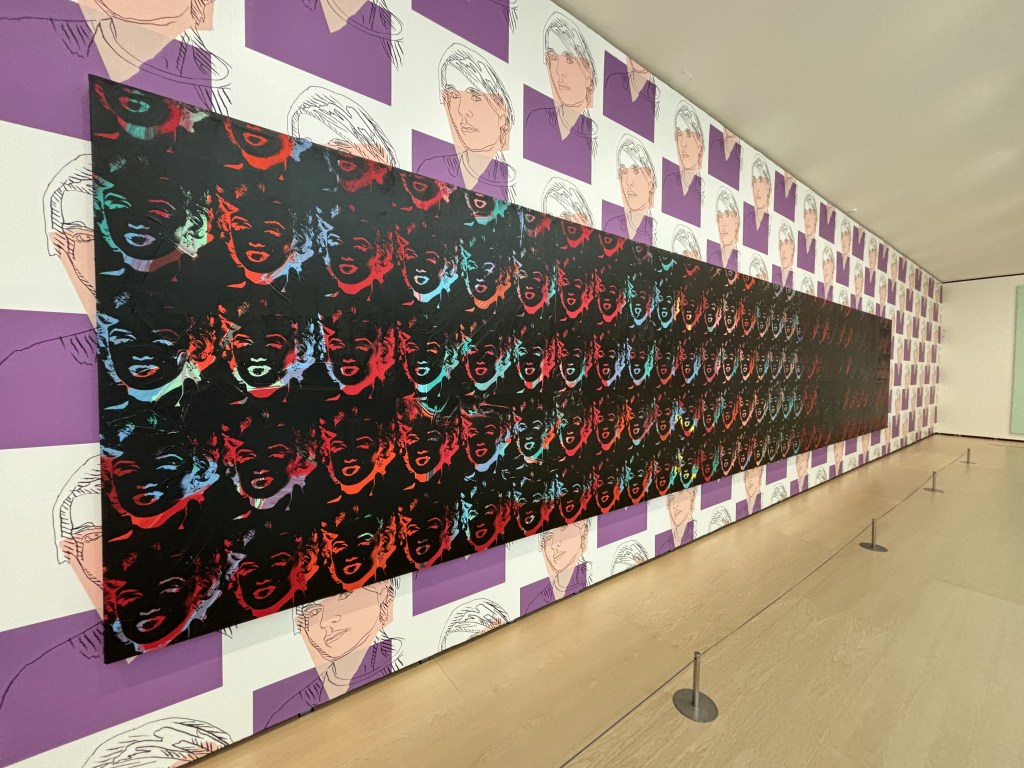
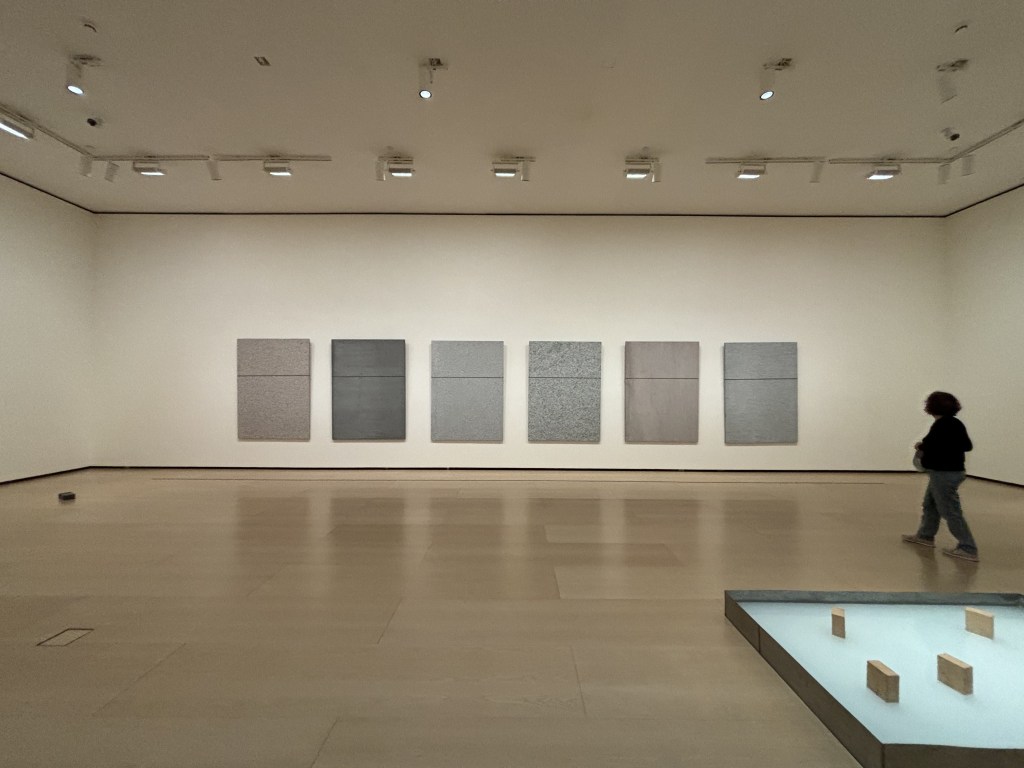
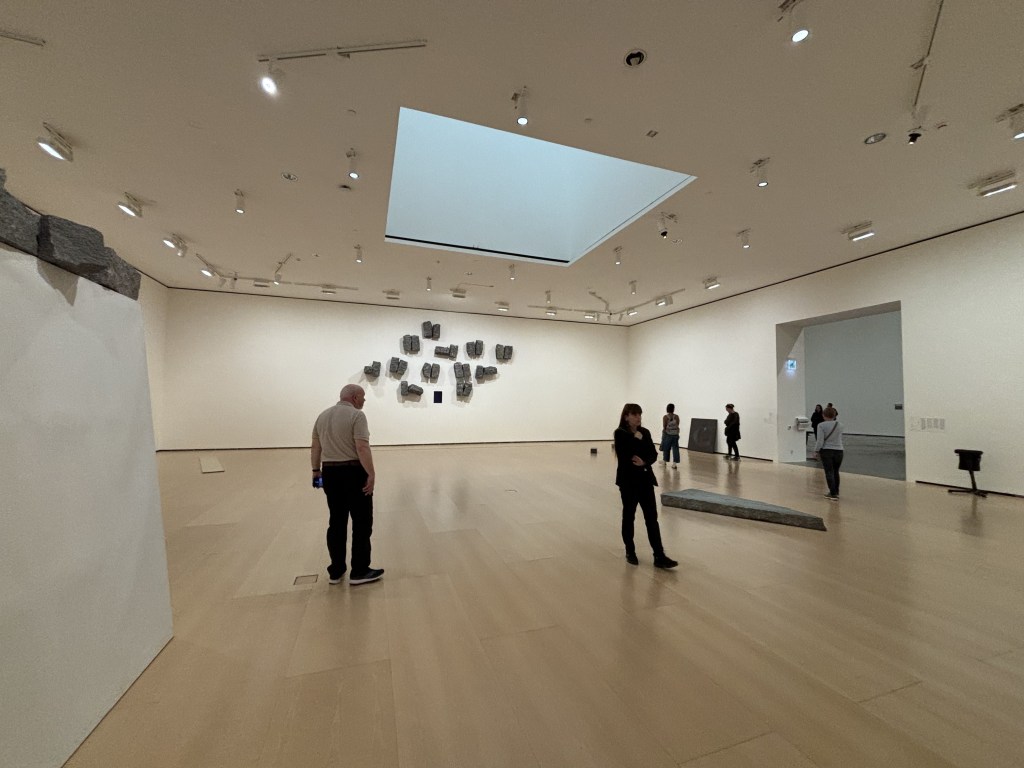
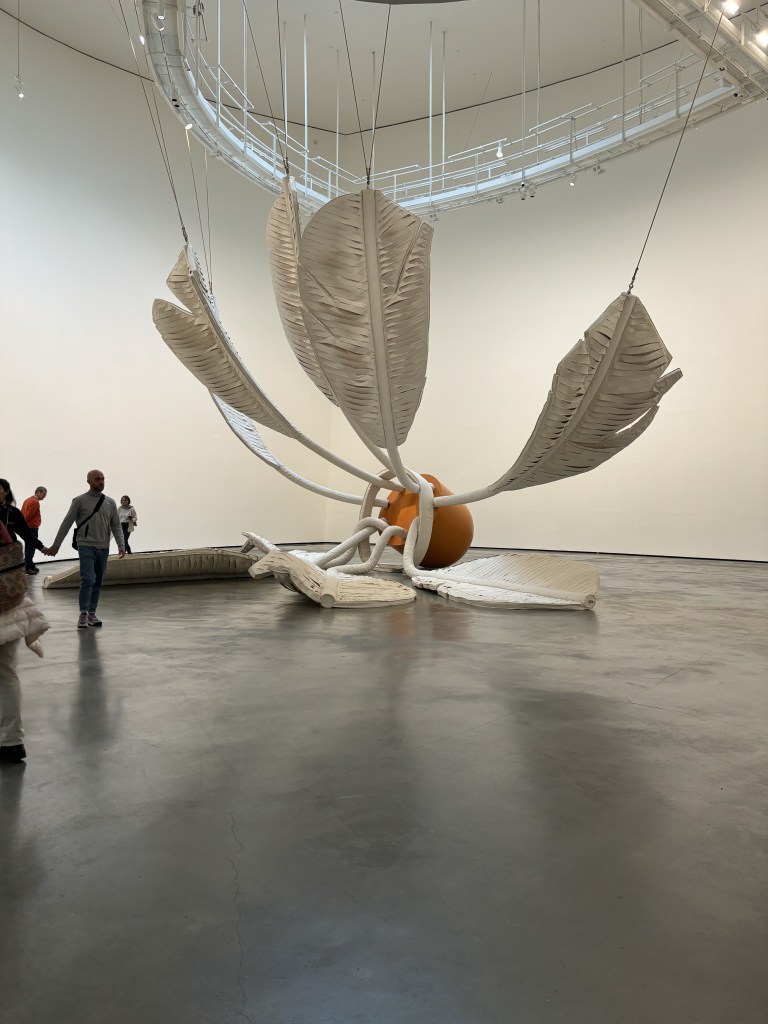
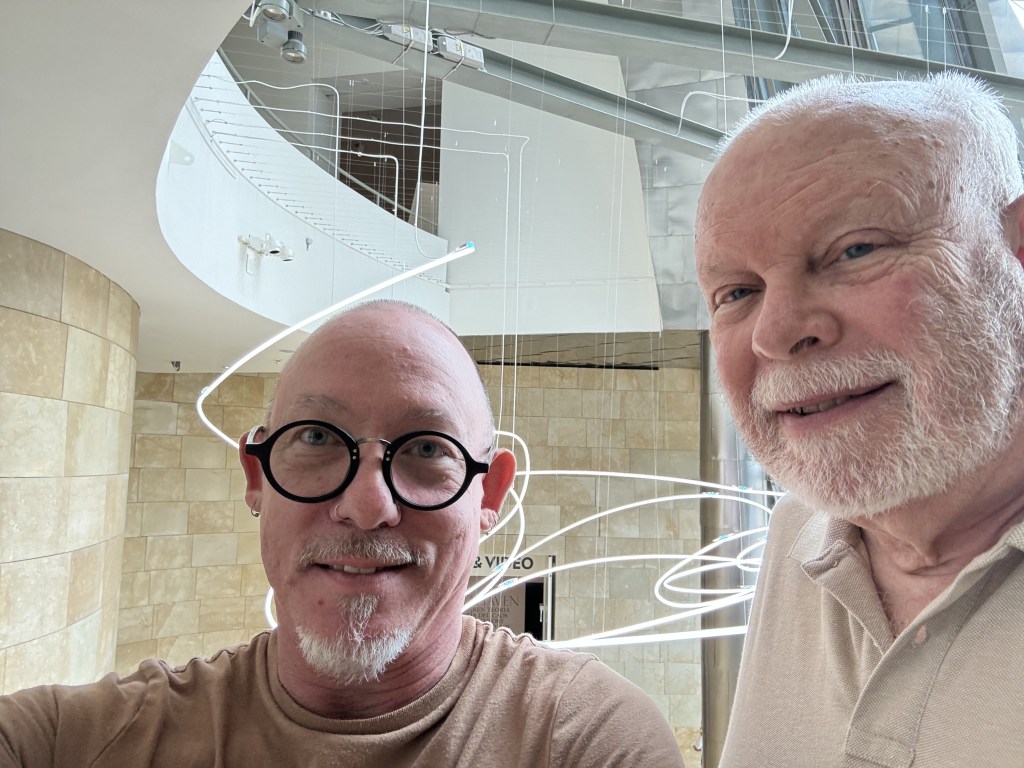
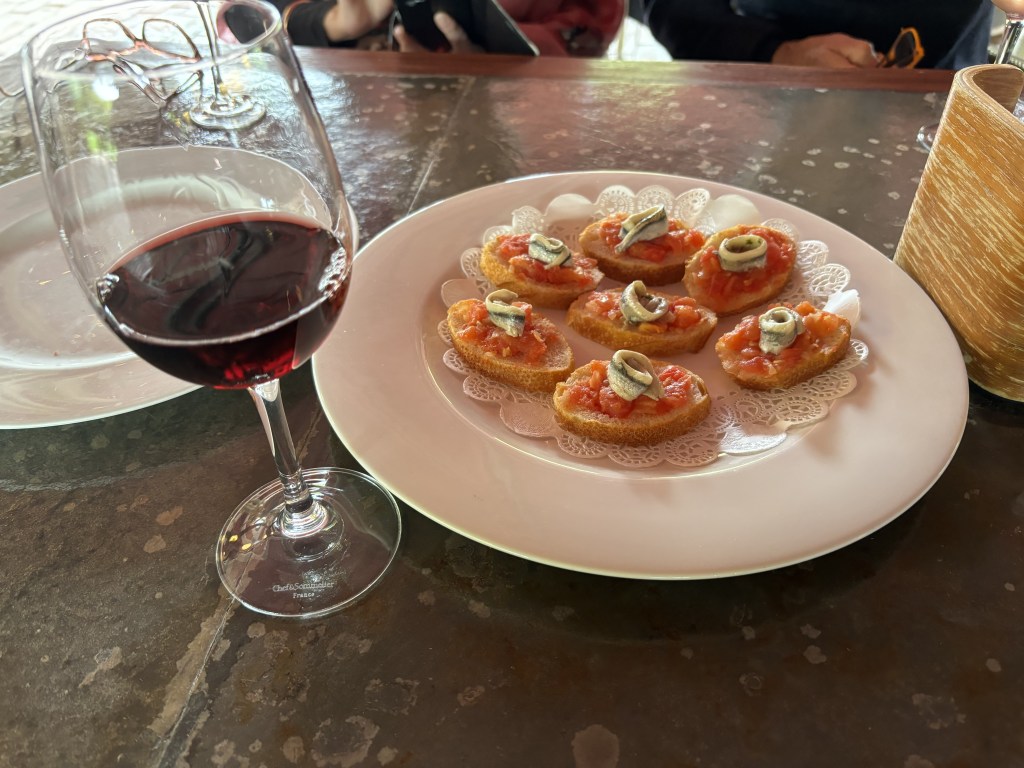
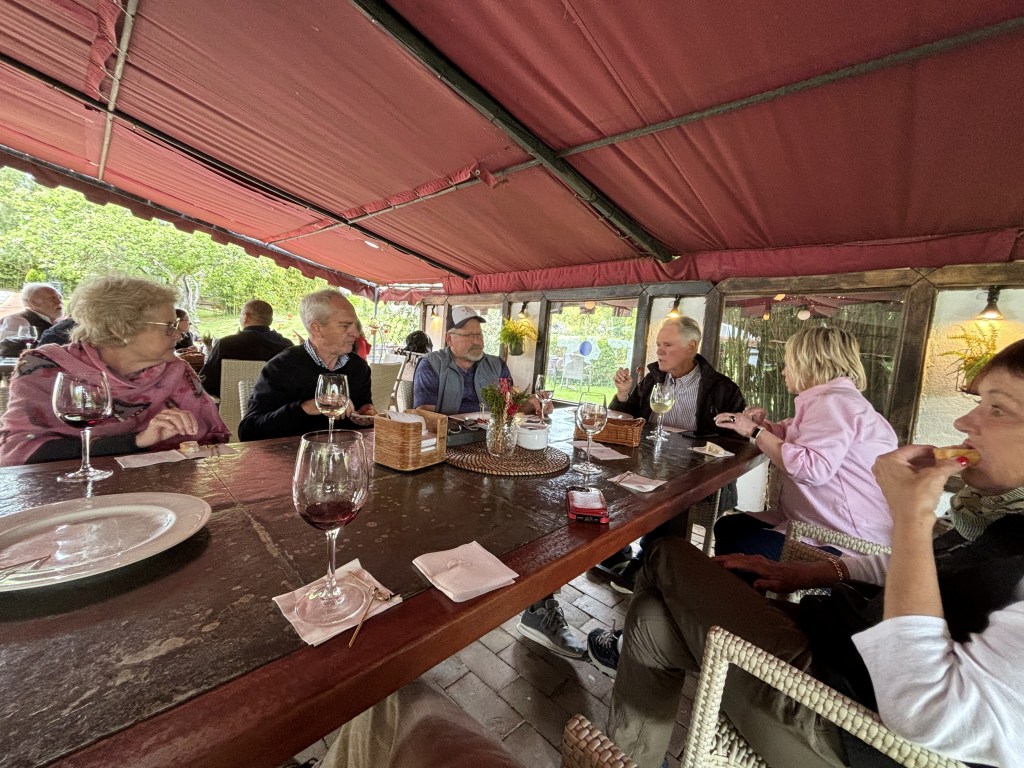
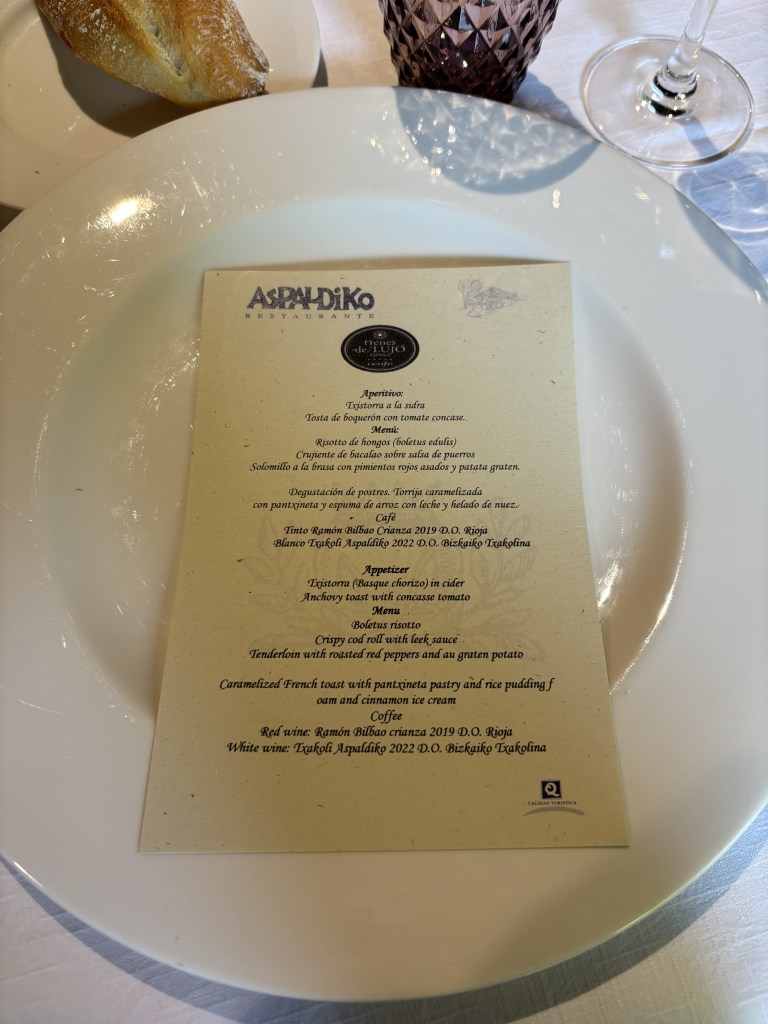
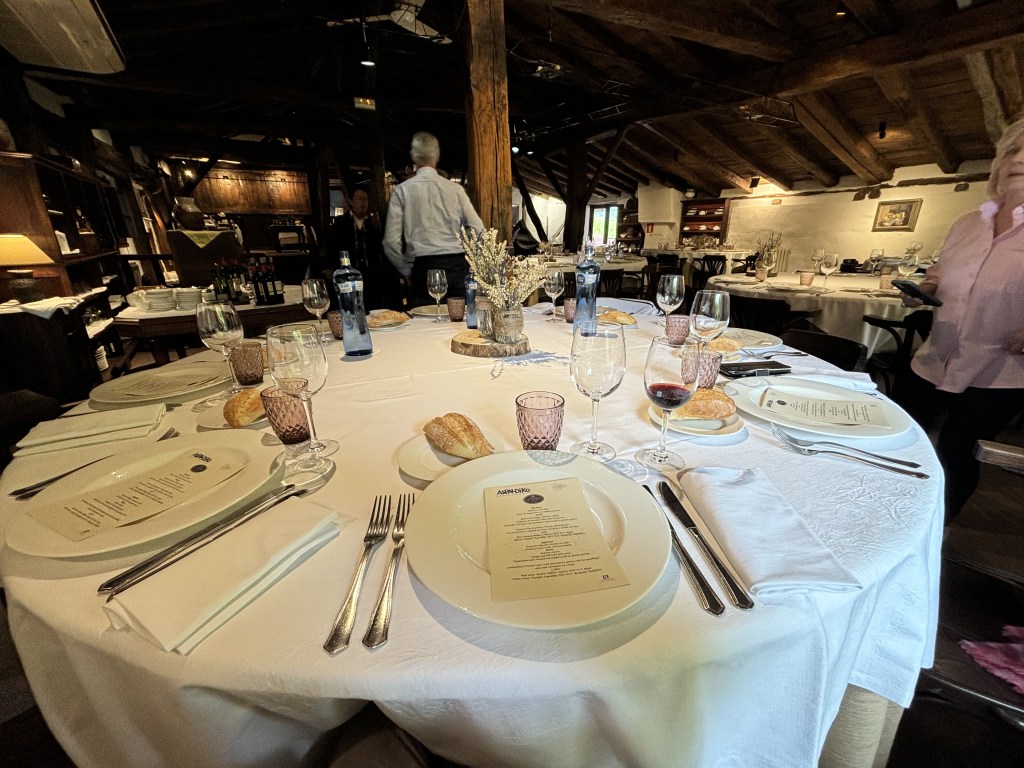
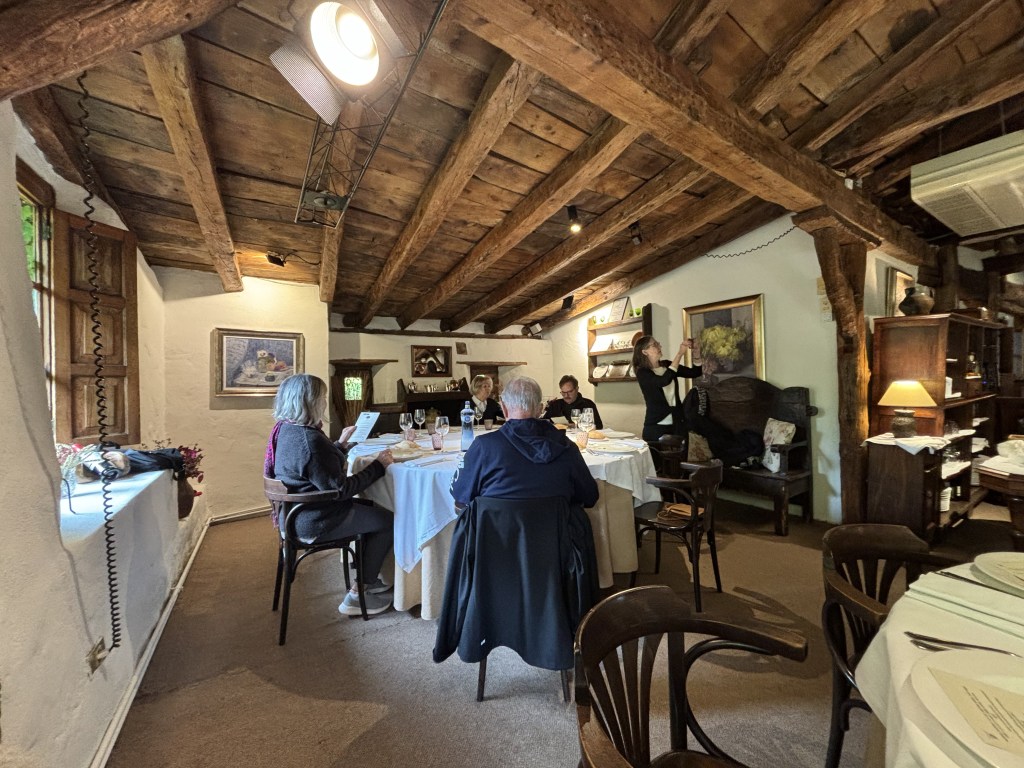
Lunch at Aspaldiko Restaurant
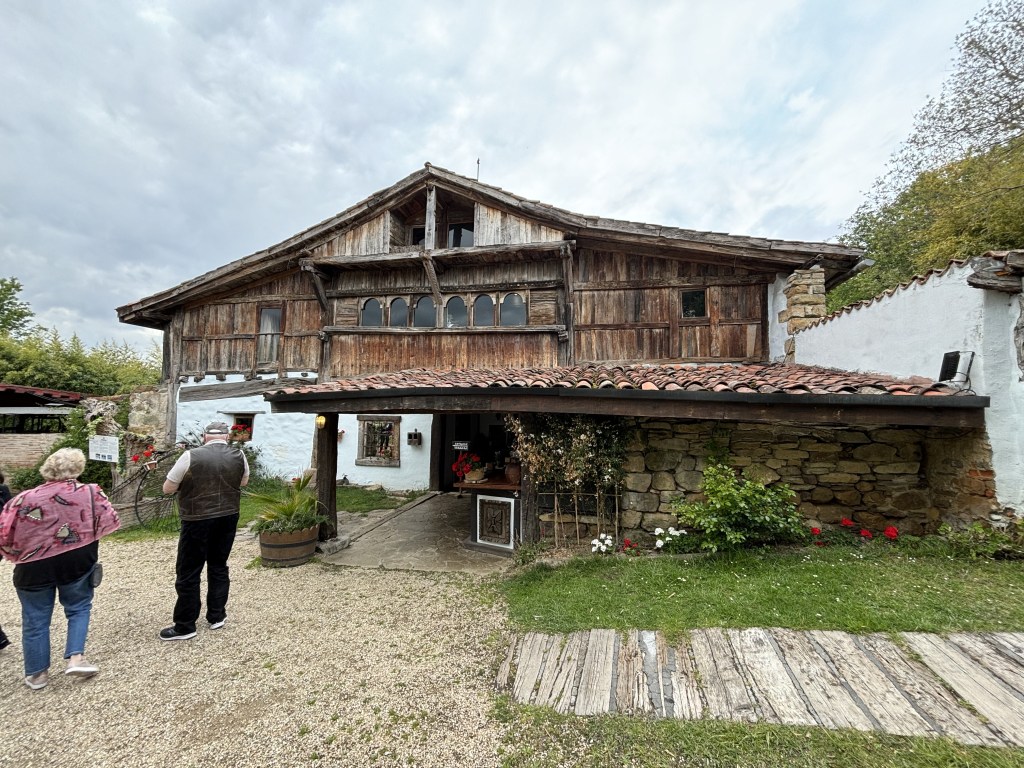
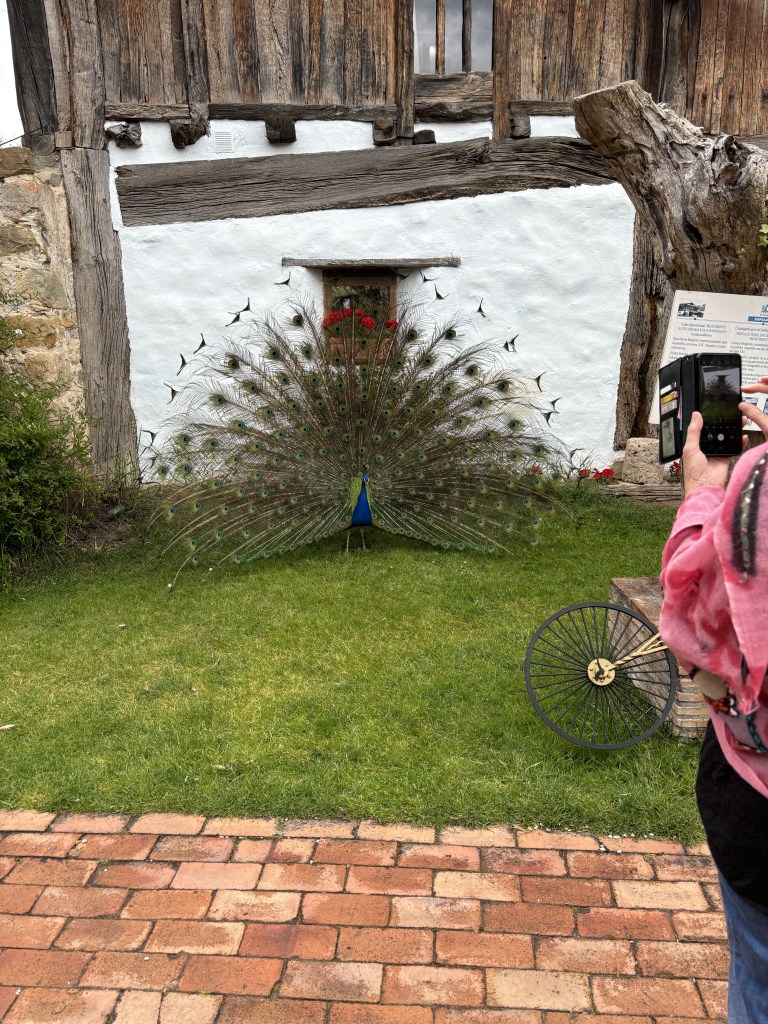

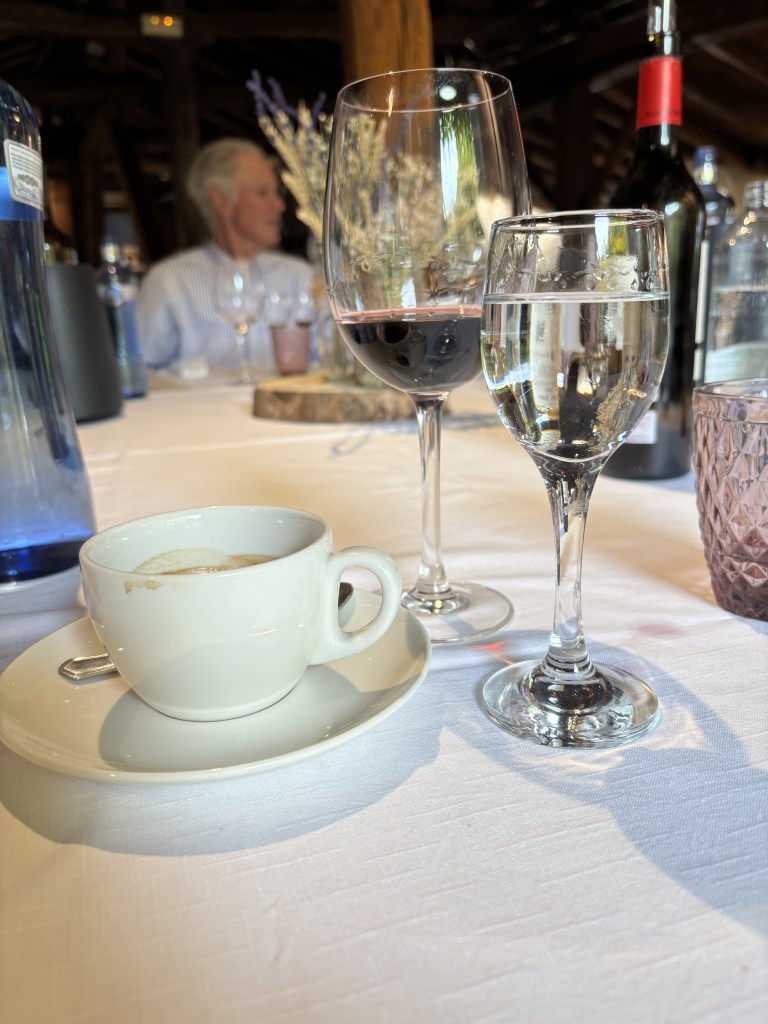
Train from Bilbao to Carranza
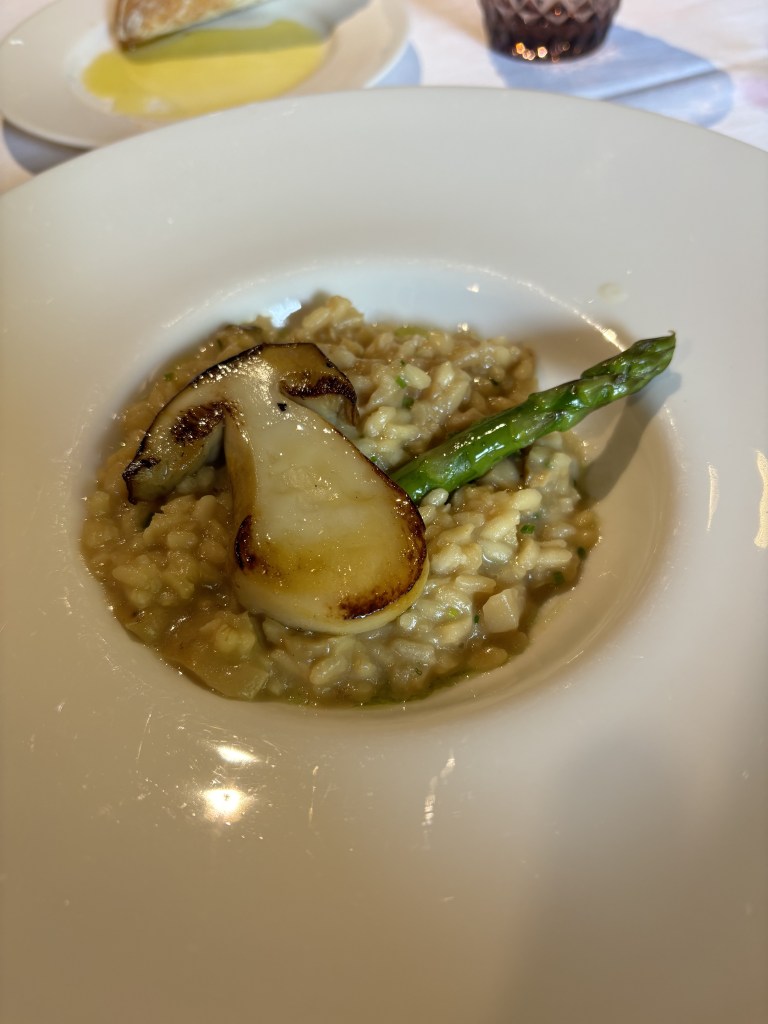
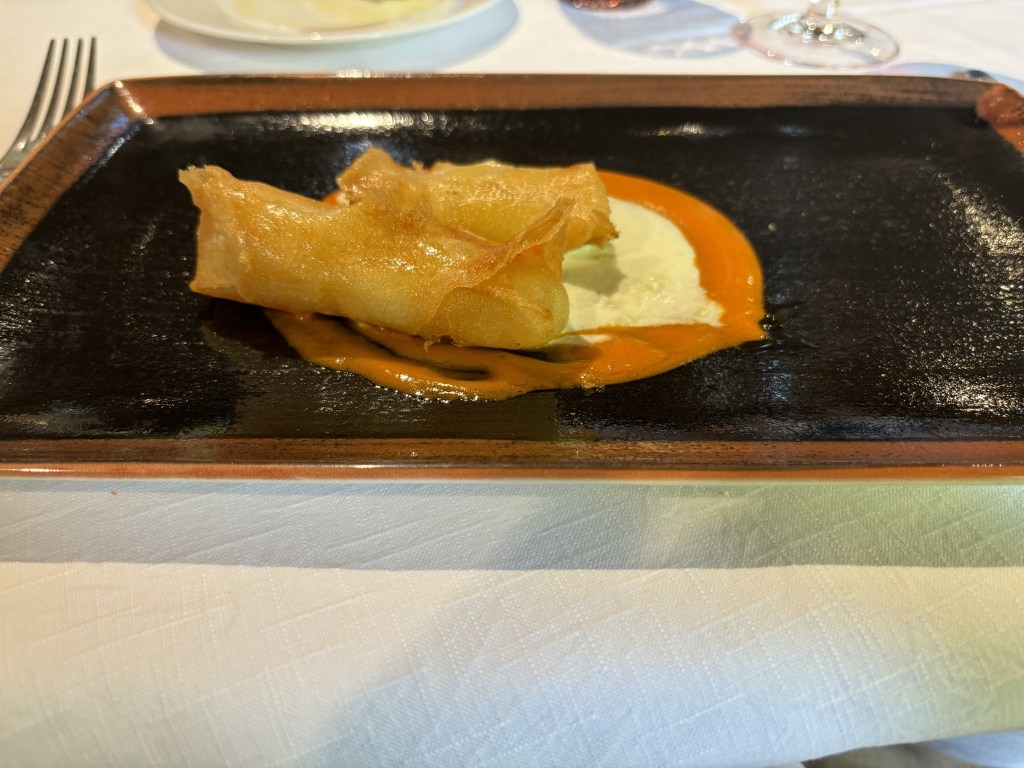
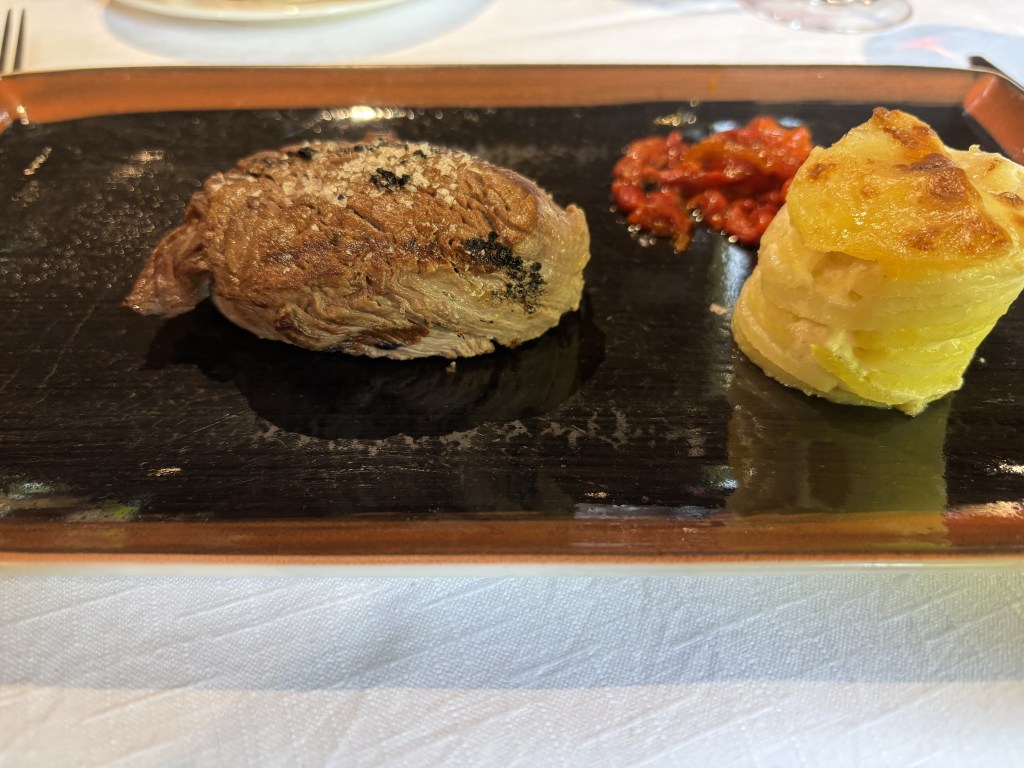
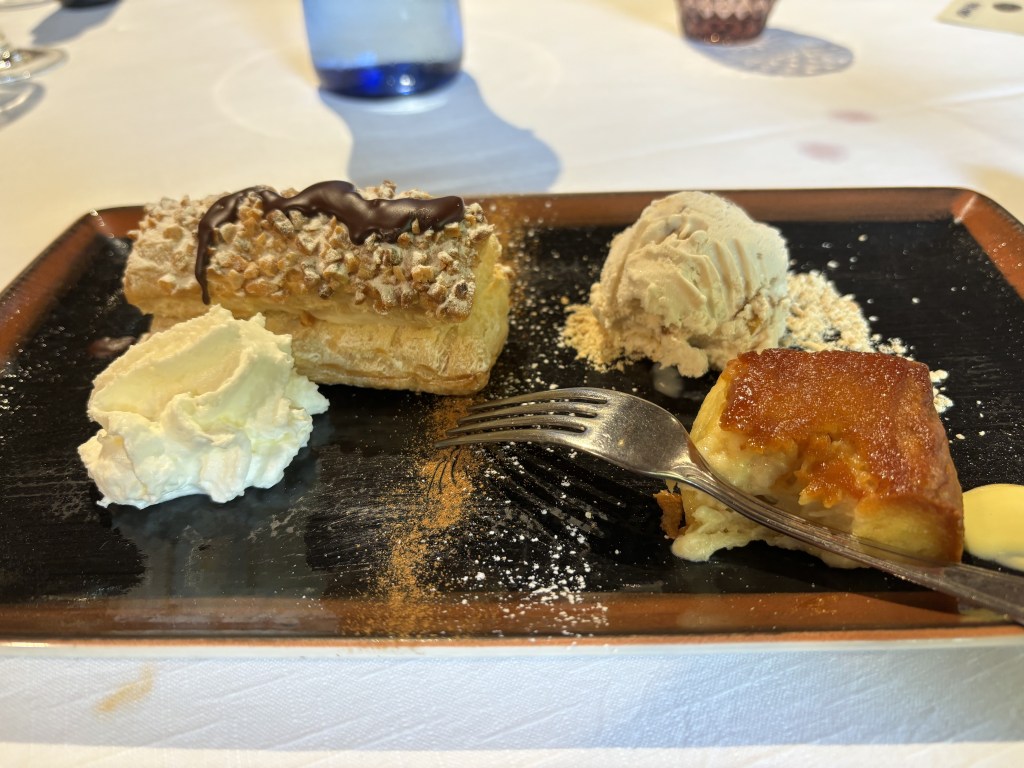
Dinner on the train
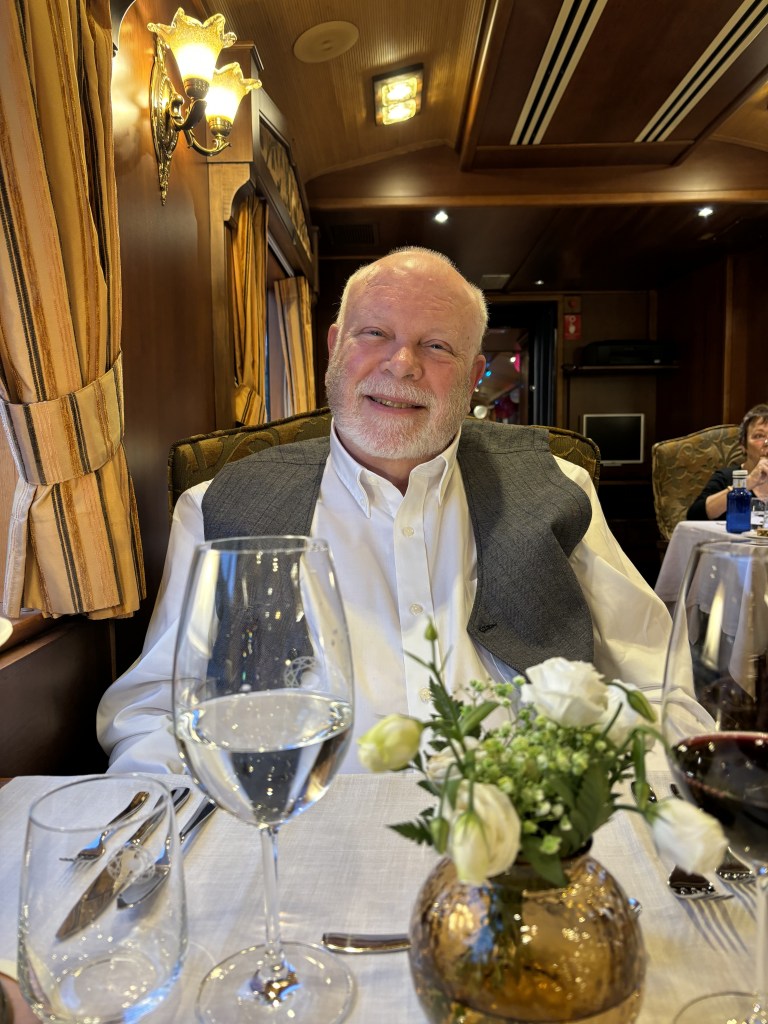

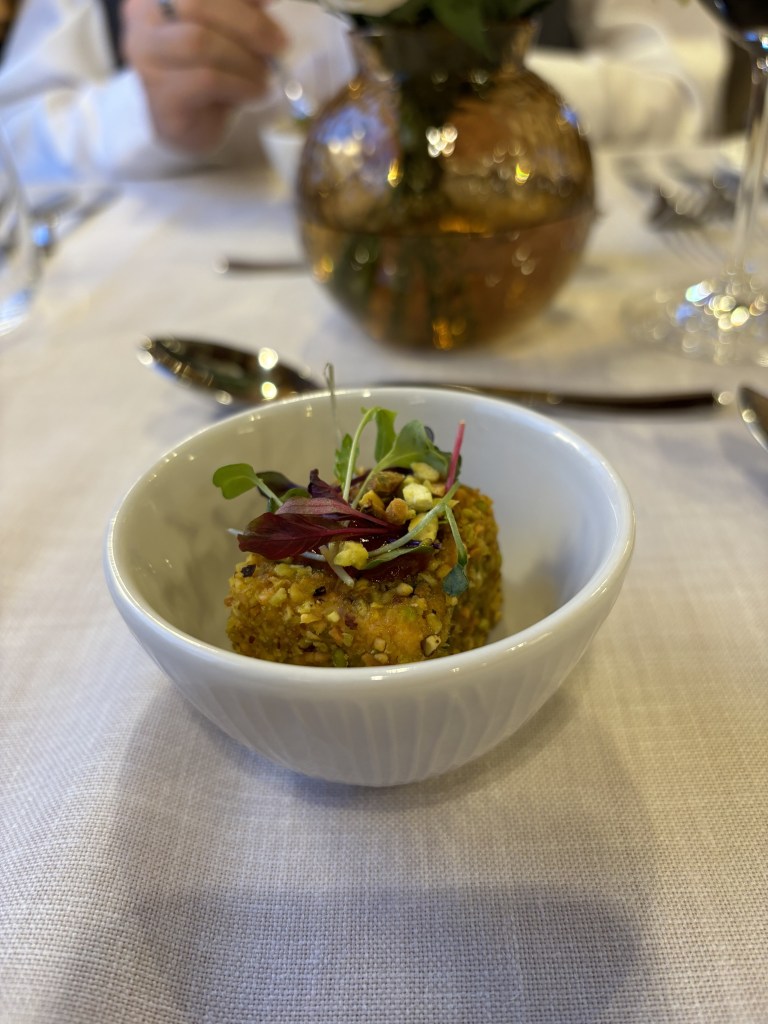
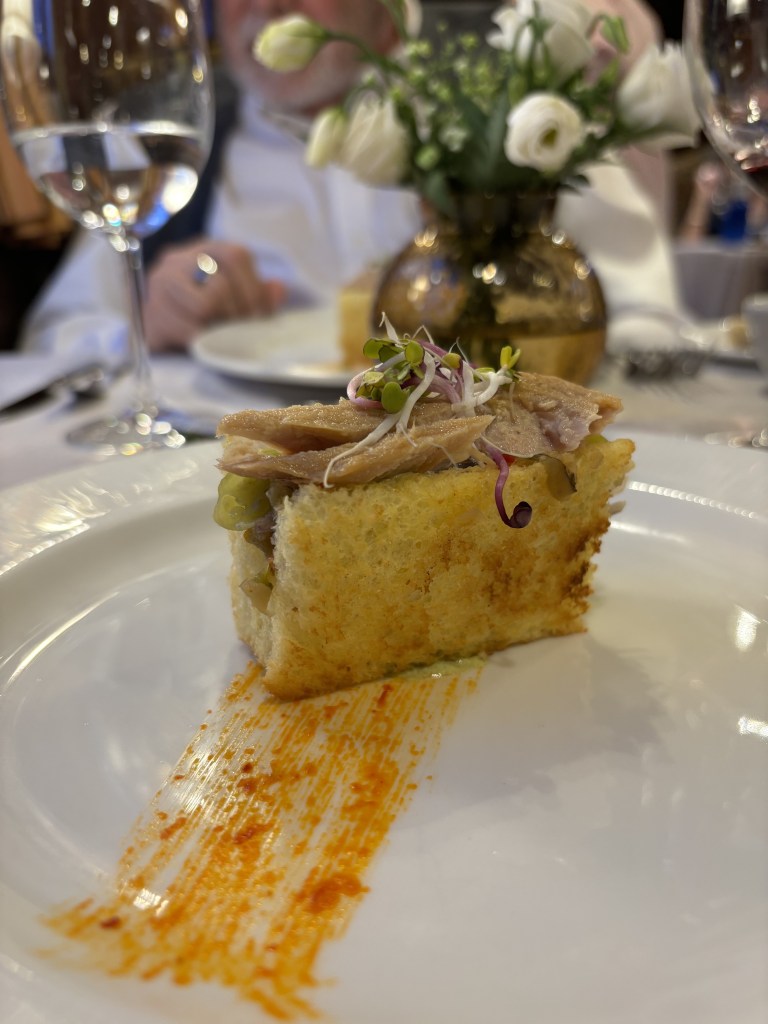
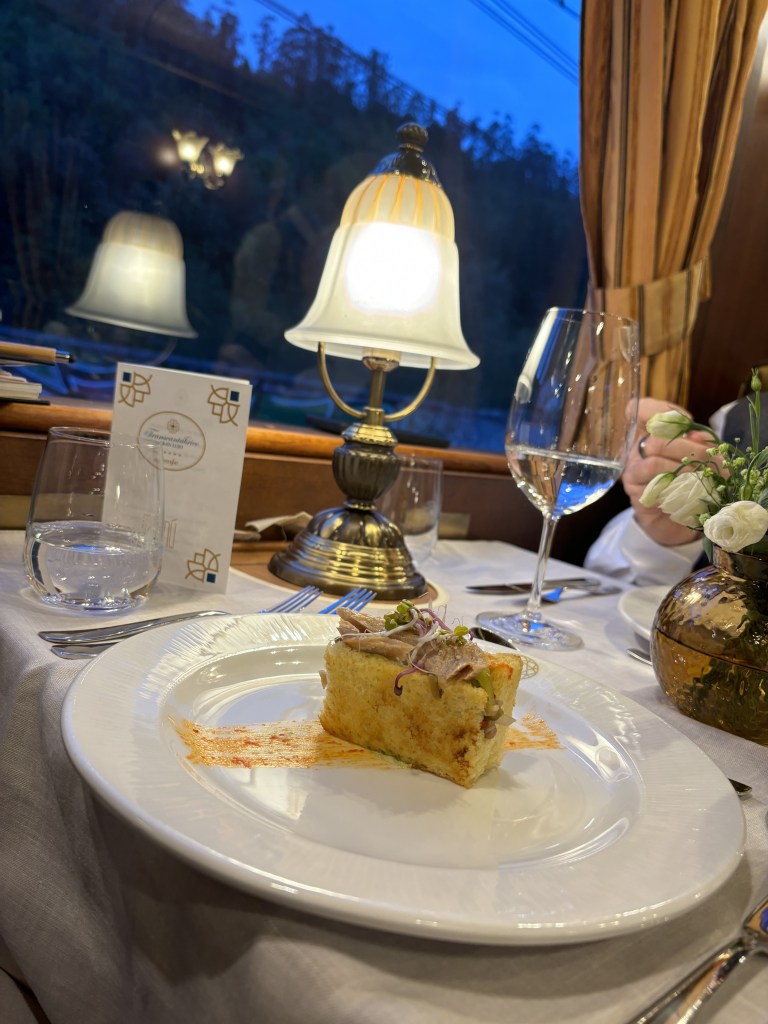
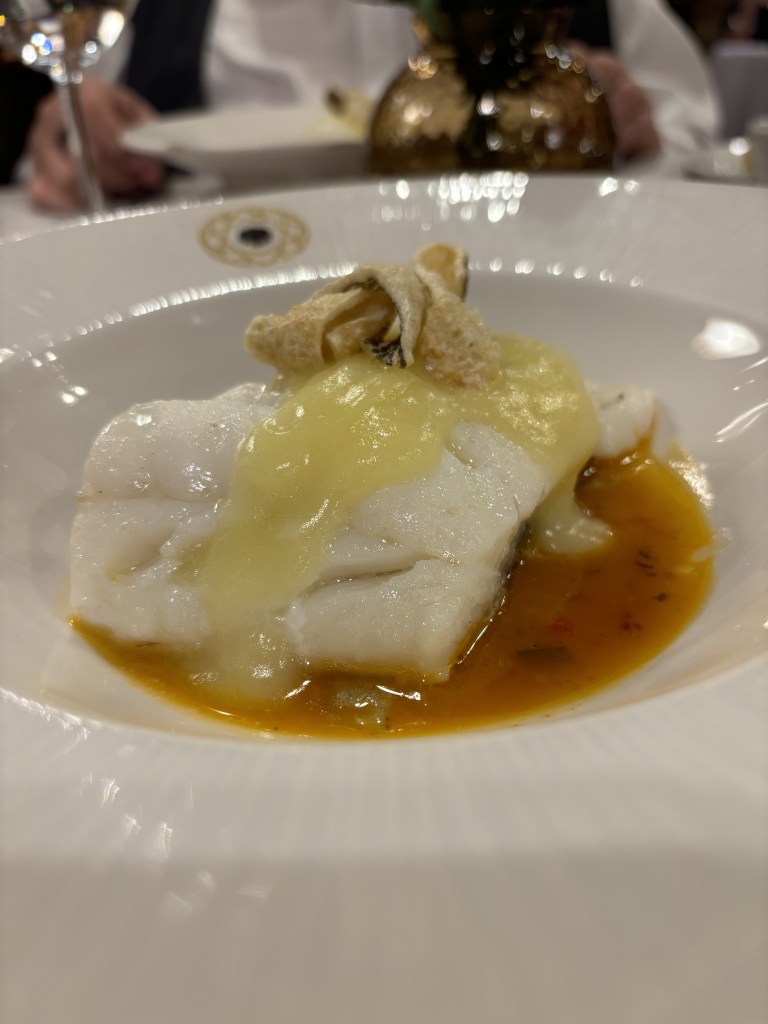
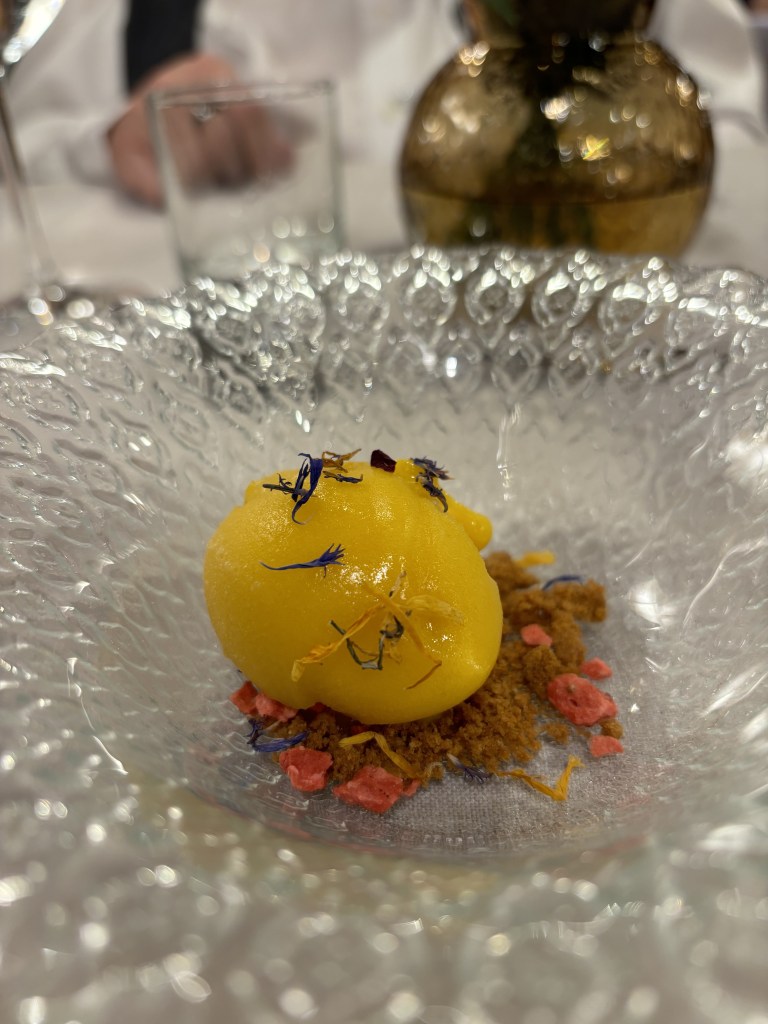
Farwell party
Day 12
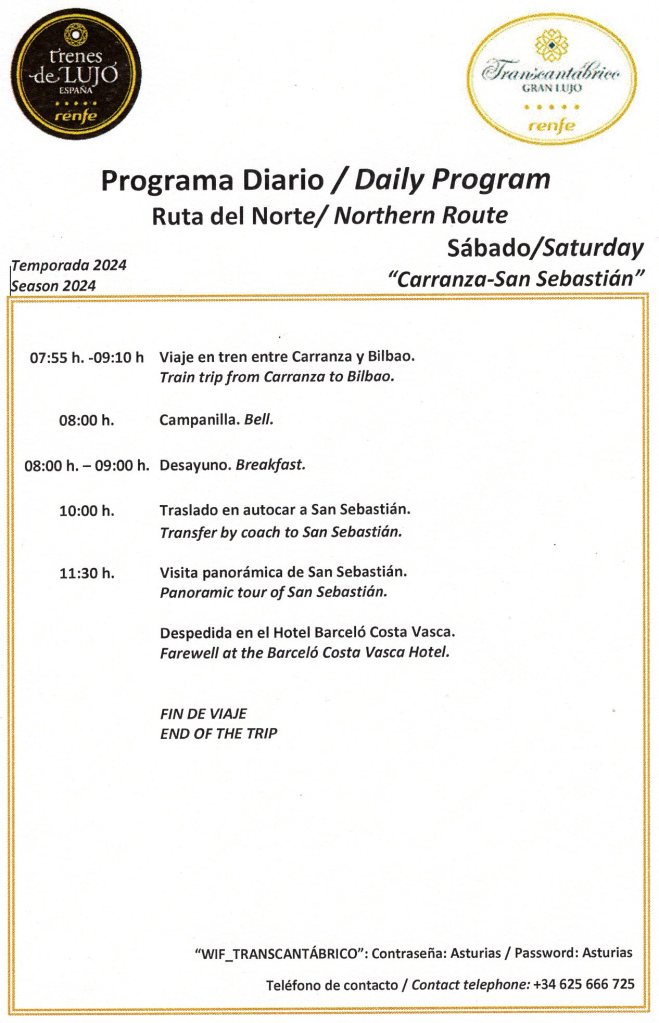
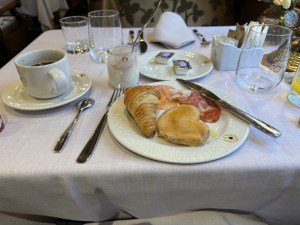
Last breakfast on the train.
Transfer by coach to San Sebastian and tour
Day 13
Day 14
 Anthony's Travel Adventures