DAY 10 – AORAKI/MT COOK – GERALDINE – CHRISTCHURCH
Today began early with a 6:30 a.m. breakfast at the hotel before we boarded our coaches for a 7:30 departure. The sun was just starting to rise over the Mackenzie Basin, casting long shadows across the golden tussock as we made our way toward Geraldine.
Geraldine is one of those small New Zealand towns that feels instantly welcoming — tidy shop fronts, heritage buildings, and a main street lined with cafés, artisan food stores, and locally made crafts. Before lunch we had time to stretch our legs and wander through the shops. Everything had a relaxed, small-town charm: handmade cheeses, wool garments, boutique chocolates, and shelves of preserves with labels written by hand.
Lunch was served family-style and featured a selection of sandwiches and a generous assortment of New Zealand pies. Kiwis take their pies seriously — they’re practically a cultural institution. The classic mince pie is the old standby, but you’ll find just about every filling imaginable: steak and cheese, butter chicken, lamb and rosemary, kumara and veggie, even venison. Every bakery seems to have its loyal fans who insist theirs is the best in the country.
After lunch we reboarded the bus for the final stretch of the trip back to Christchurch. By mid-afternoon we pulled up to the Distinction Hotel, with just enough time to settle in and freshen up before heading back out for a ride on one of Christchurch’s historic trams. The restored vintage trams follow a loop through the central city, offering a relaxed and charming way to see the blend of old and new — a city still honoring its past while reshaping its future. It left us wishing we had a bit more time here to explore on our own.
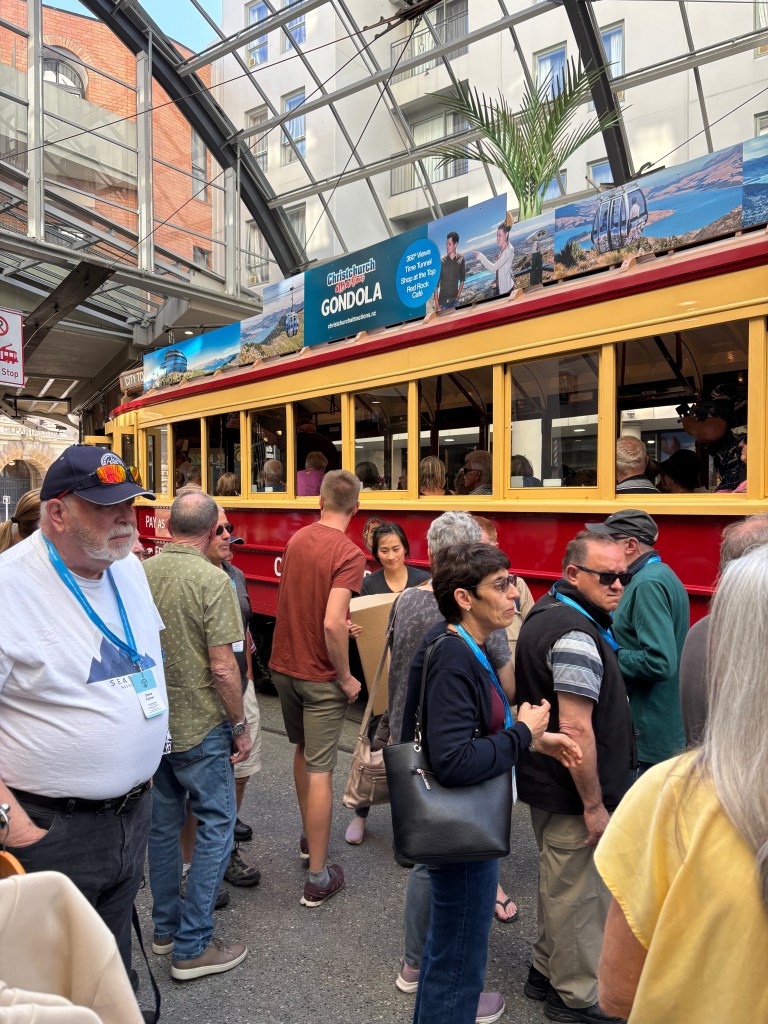
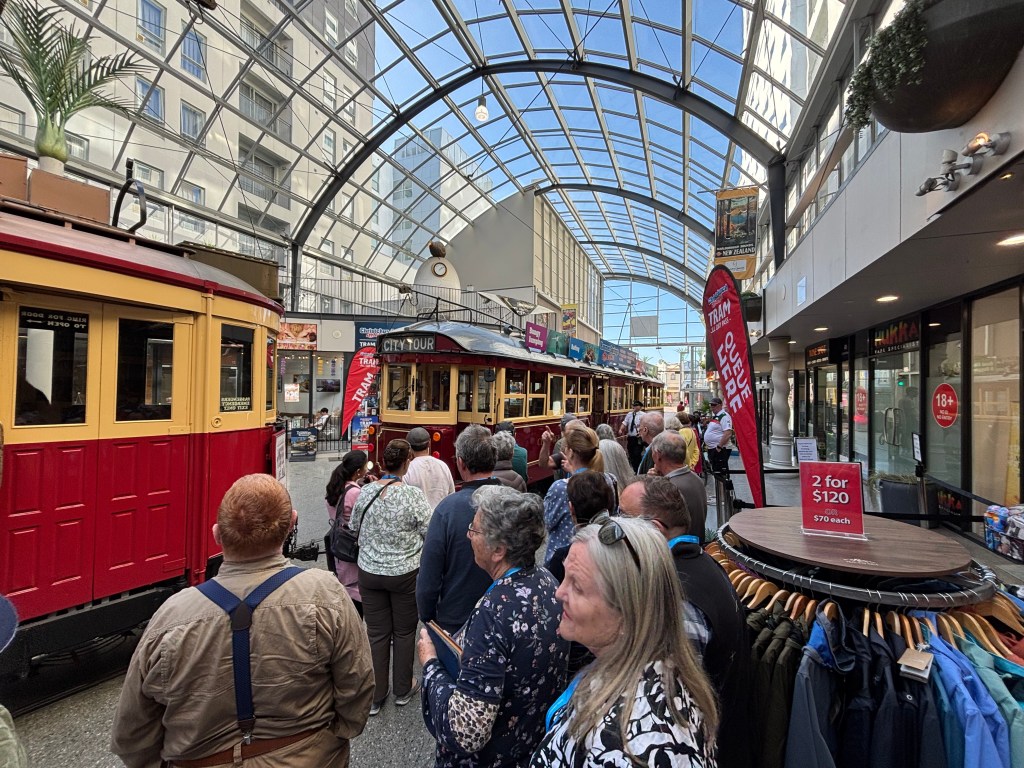
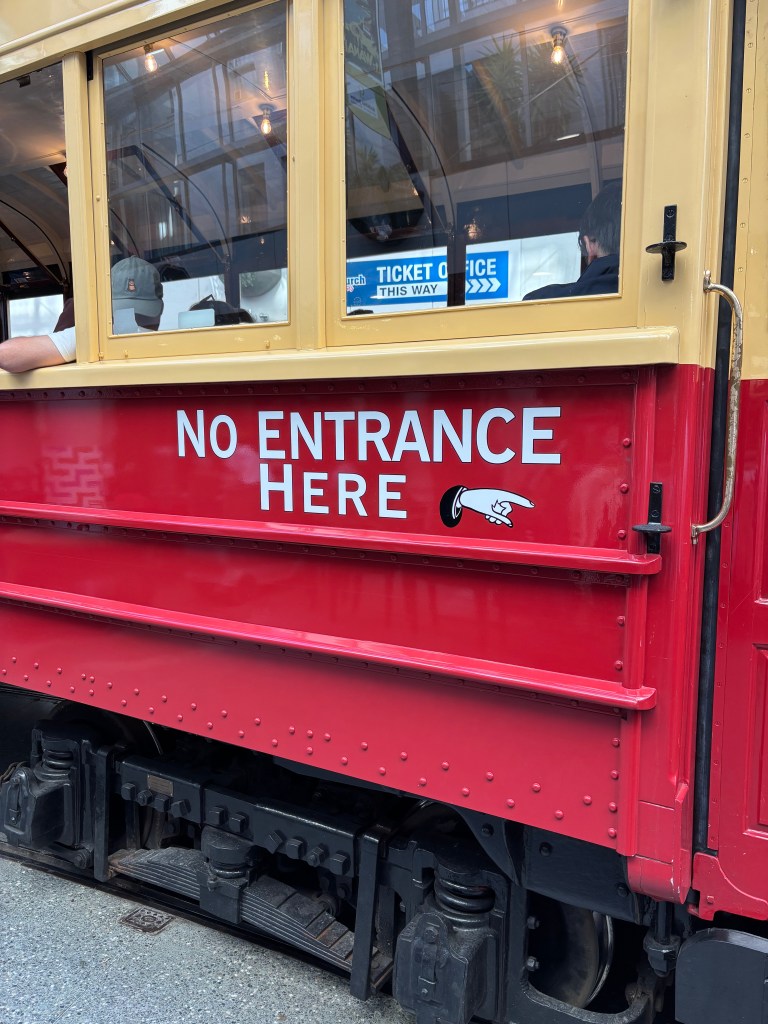
Christchurch has a remarkable story. Once known as the “Garden City” for its English-inspired layout, expansive parks, and tree-lined avenues, it was dramatically transformed by the earthquakes of 2010 and 2011. The first quake in September 2010 struck at night and, incredibly, caused no fatalities. The February 2011 quake was far more devastating — shallow, violent, and centered close to the city. It claimed 185 lives, destroyed thousands of buildings, and left much of the central business district cordoned off for years.
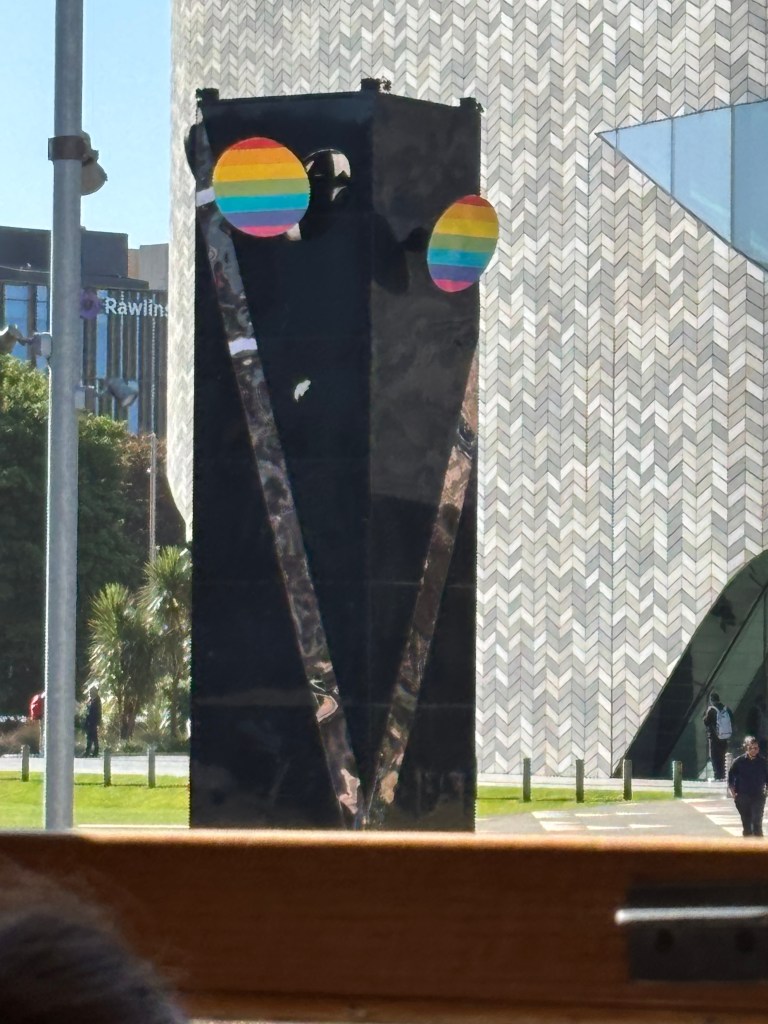
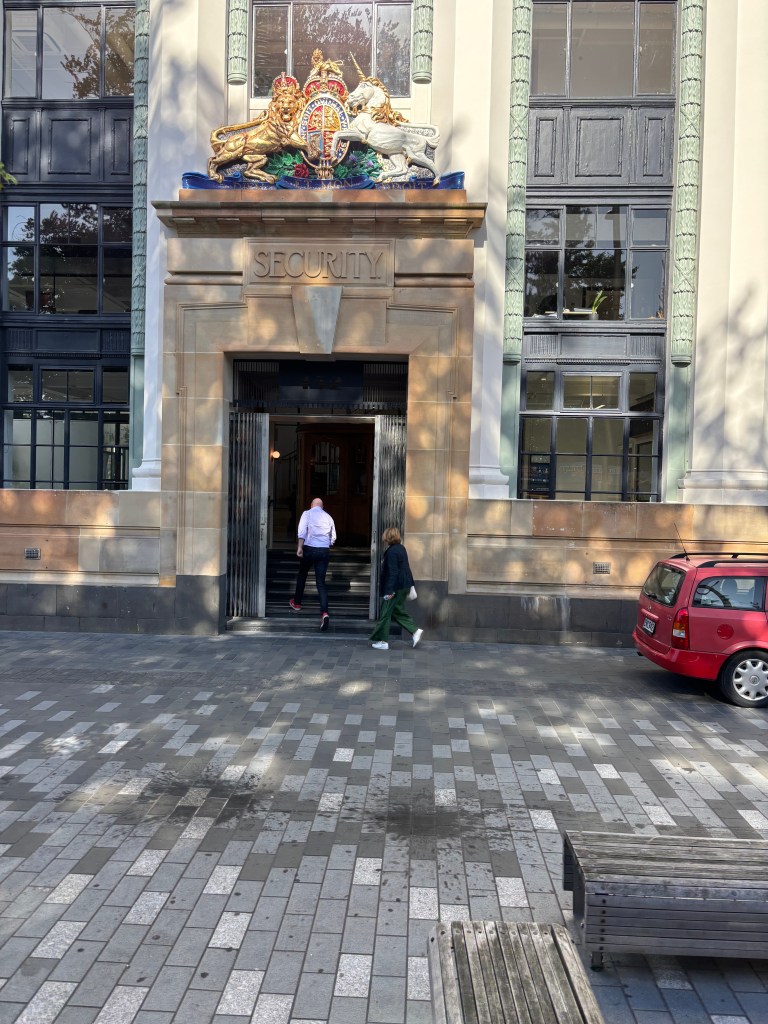
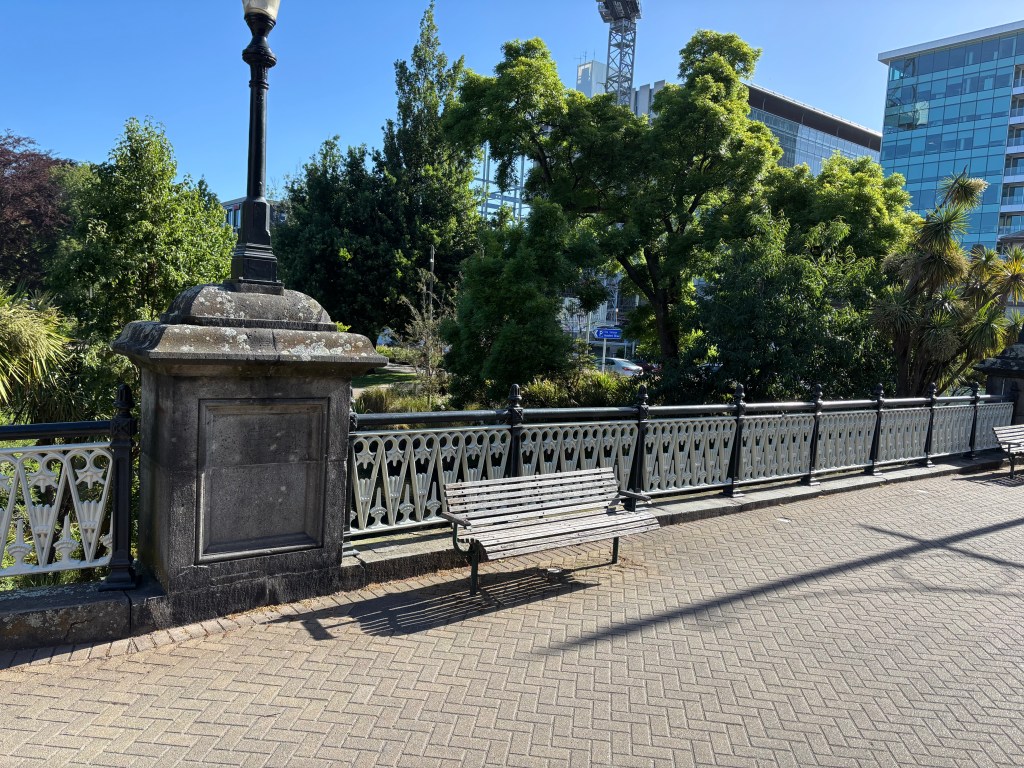
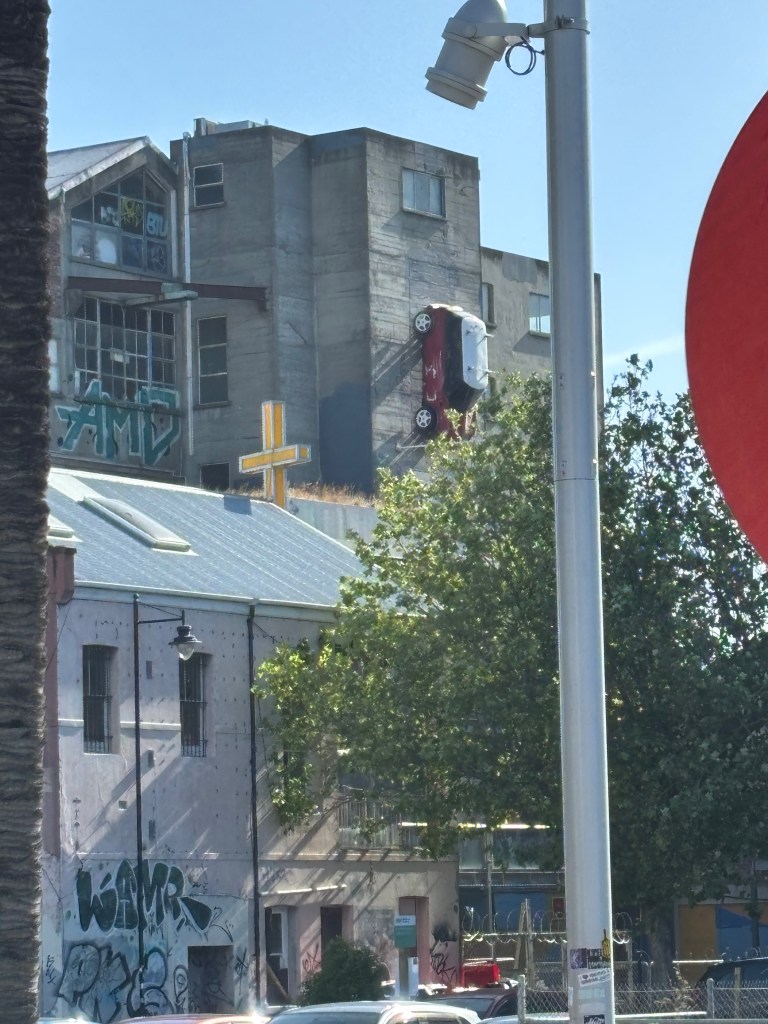
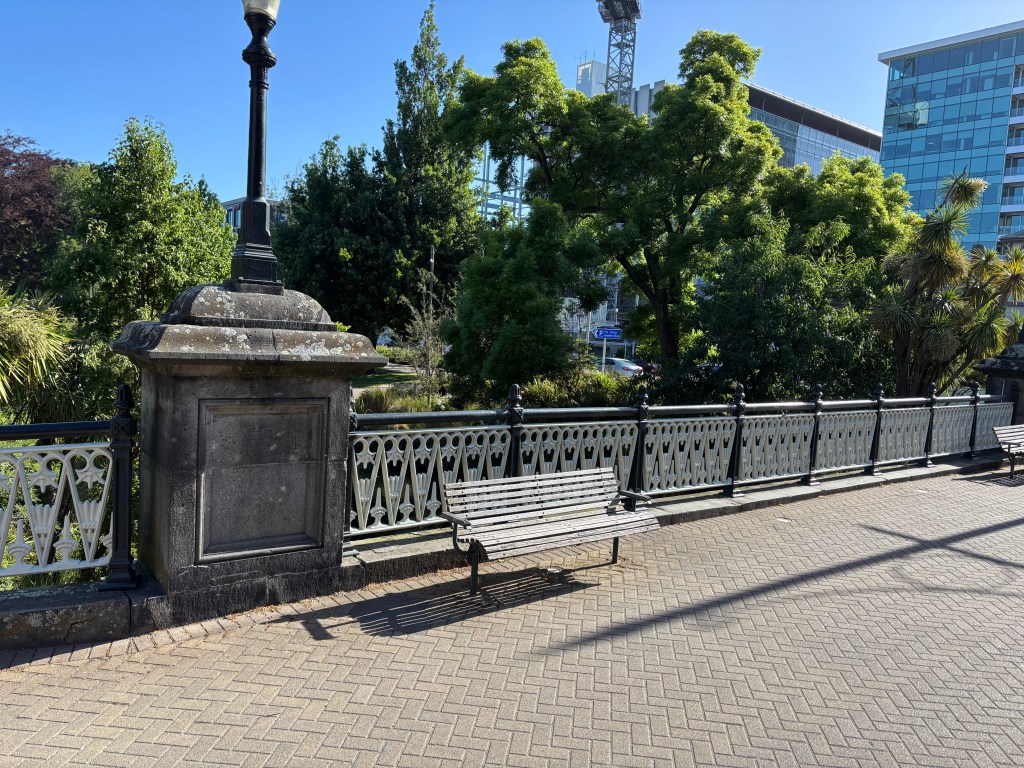
In the aftermath, Christchurch became a world-leading example of urban resilience and creativity. Pop-up shops made from shipping containers, street art projects, and a renewed commitment to green space helped bring the city back to life while major rebuilding efforts continued.
One of the most significant restoration projects is the Christchurch Cathedral in Cathedral Square. Once the postcard symbol of the city, the cathedral was heavily damaged in the 2011 quake — its spire collapsed, stone walls cracked, and the interior became unsafe. For years the building stood fenced off, a painful reminder of what had been lost. After considerable debate, the city committed to a full restoration. The process is slow and meticulous: stabilizing stonework, reinforcing the structure with modern engineering, and recreating heritage features that once defined its presence. When finished, the cathedral will once again anchor the city centre, both as a place of worship and a symbol of Christchurch’s determination to rebuild with dignity and care.
 Anthony's Travel Adventures