Tour Day 4 – Queenstown – TeAnau
We met for breakfast in the morning at 7 am and then met to board the bus at 8:30 AM enroute to the Kingston Flyer.
Kingston Flyer Excursion
Today we took a side trip to ride the historic Kingston Flyer, one of New Zealand’s oldest operating steam trains. First launched in 1878, it originally connected Kingston with Gore, serving as a vital passenger link across the South Island. In its heyday it was known as the fastest train in the country — carrying travelers to Kingston, where they would board steamers bound for Queenstown.
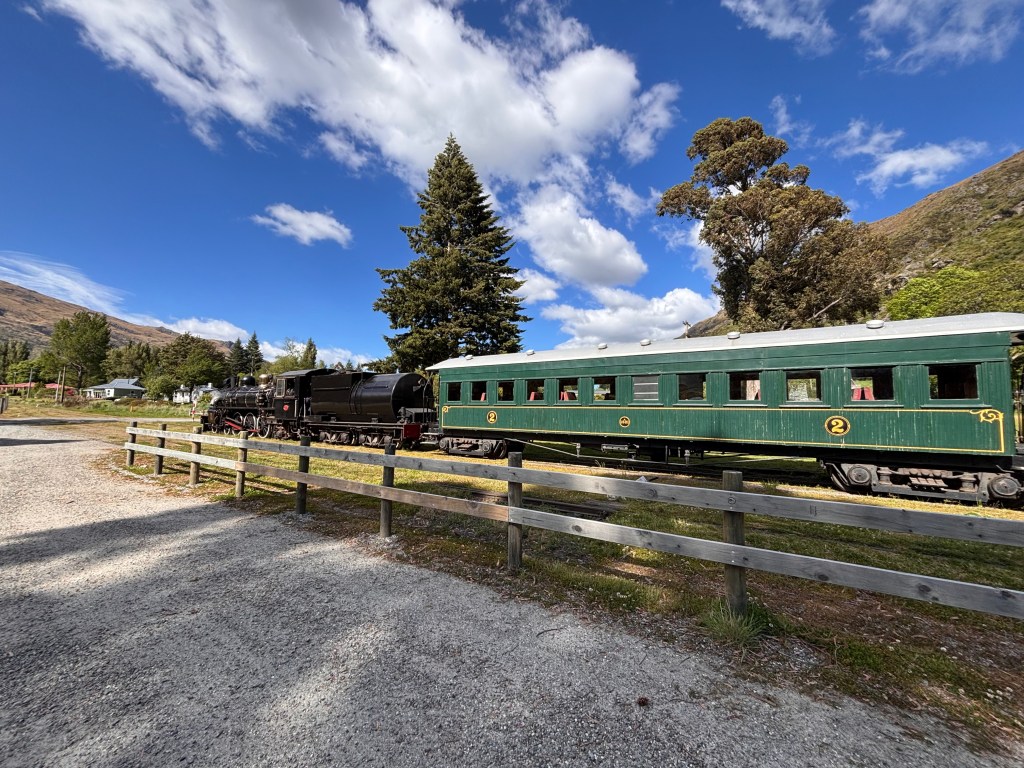
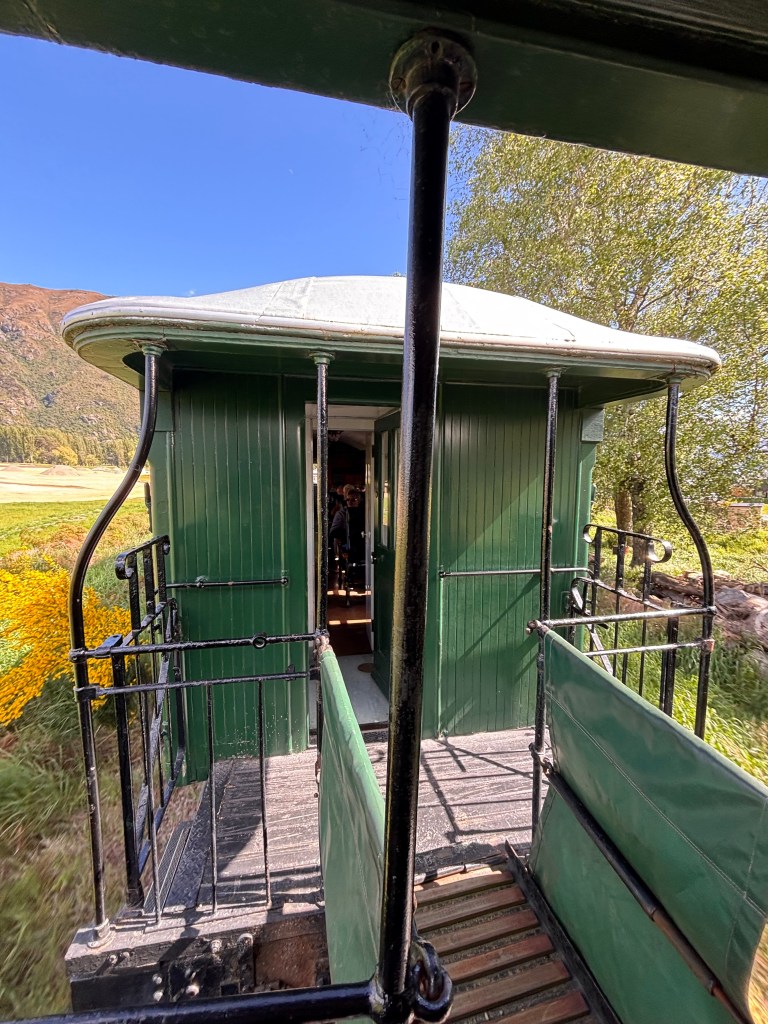
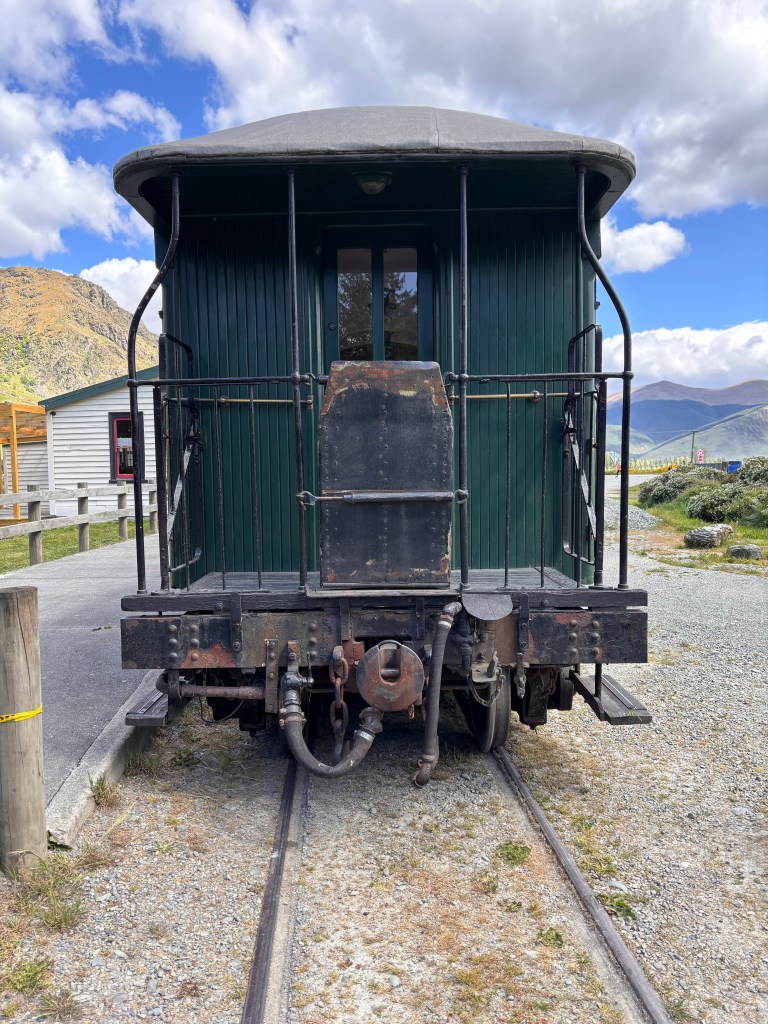

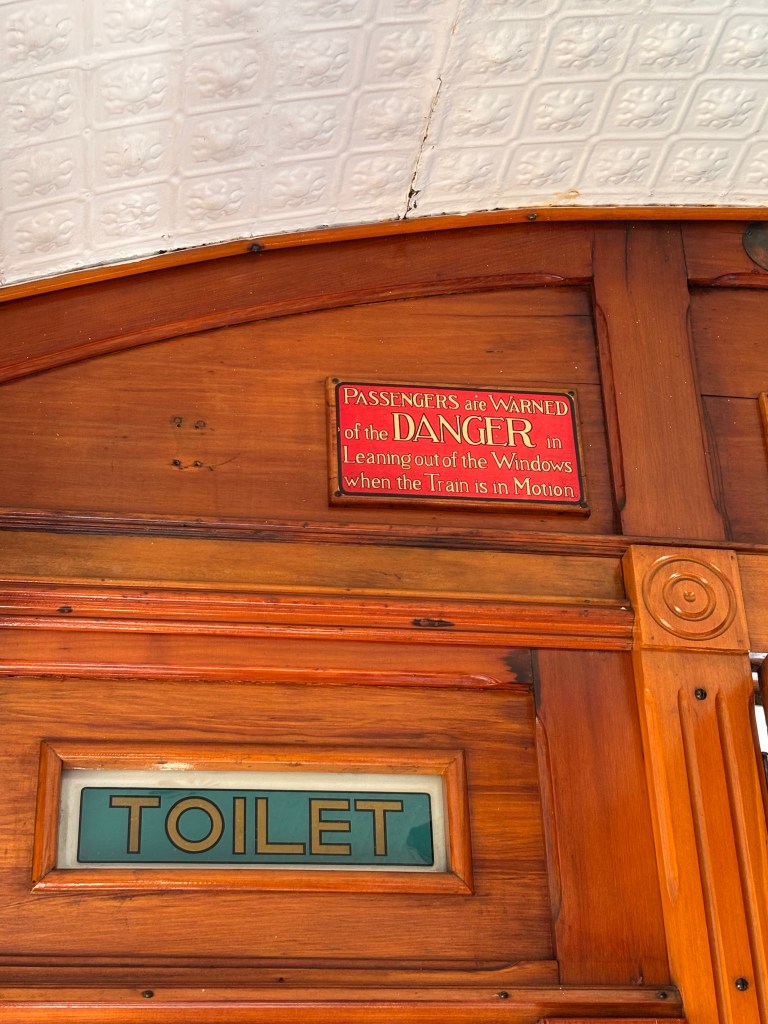
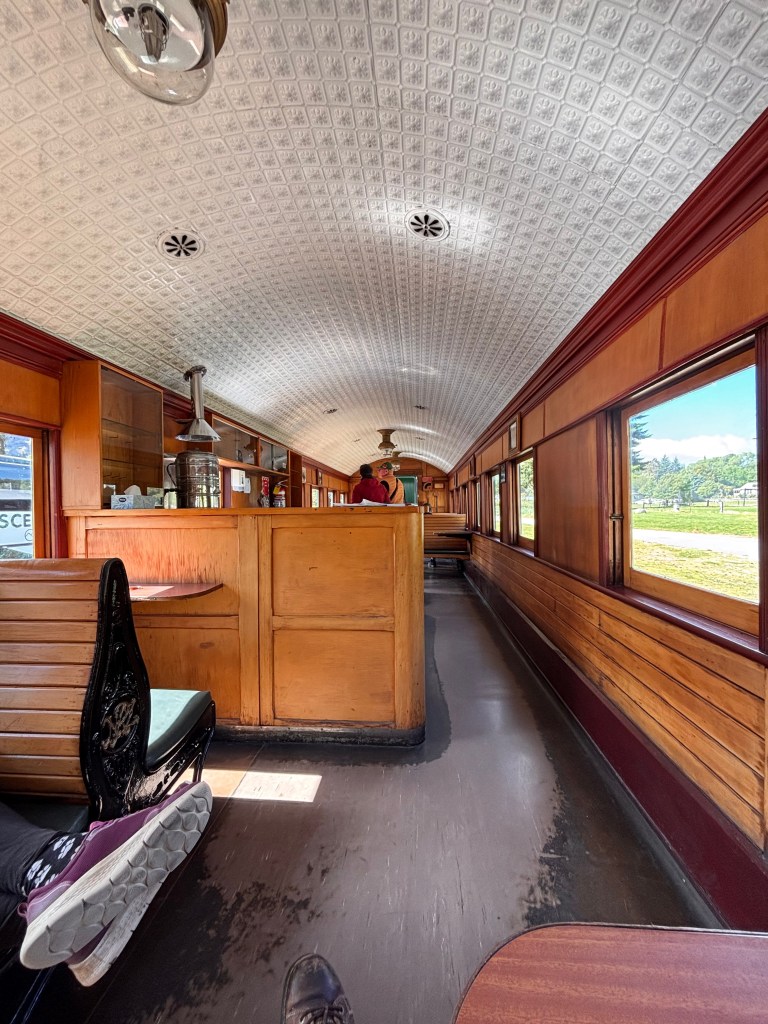
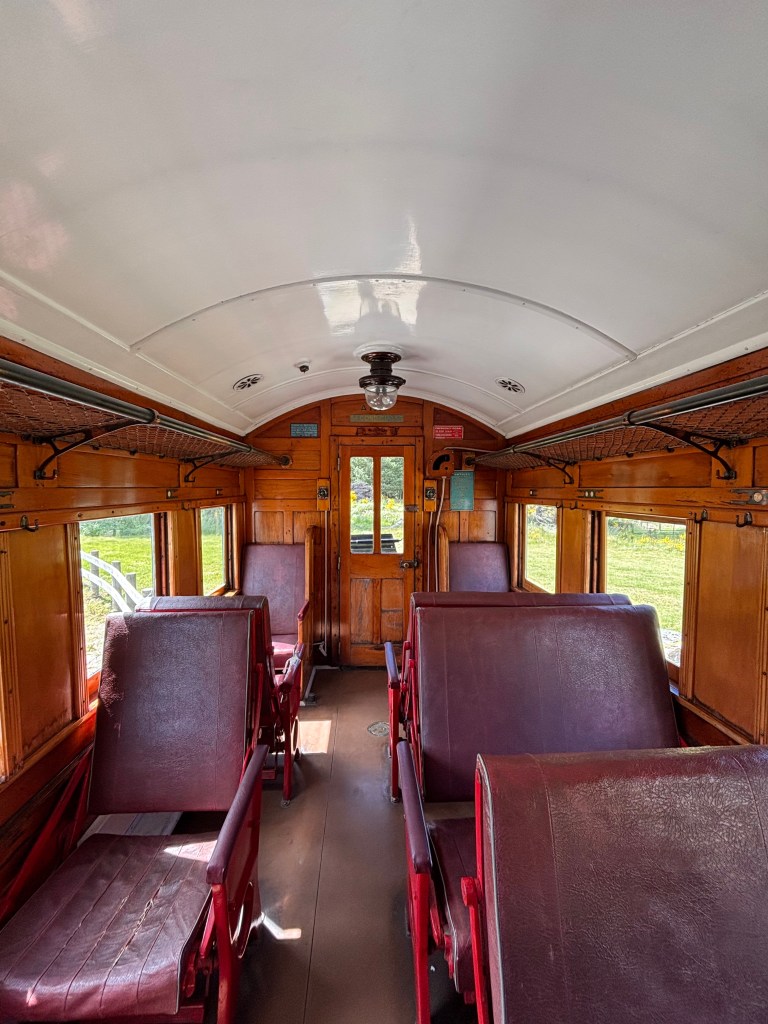
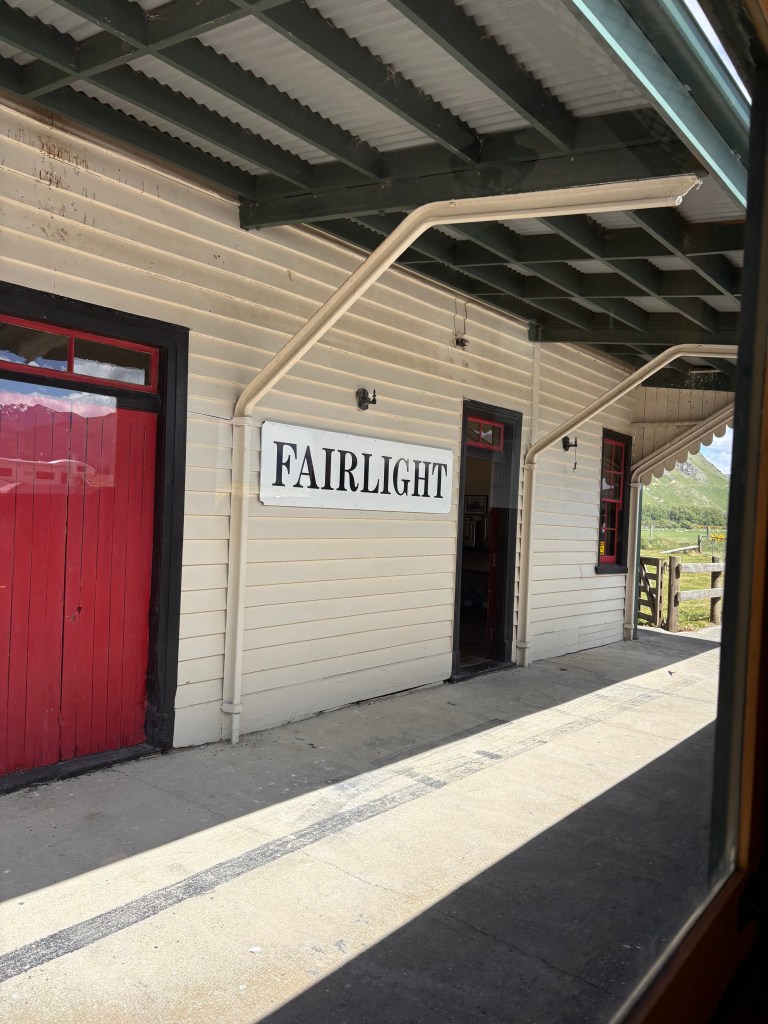
Our journey followed the restored section of track between Kingston and Fairlight, a short but beautiful 14-kilometre run through rolling farmland framed by the mountains. The Flyer’s polished wooden carriages and coal-fired A-class engine felt like a step back in time — the rhythmic chuff of the steam and the scent of coal adding to the nostalgia.
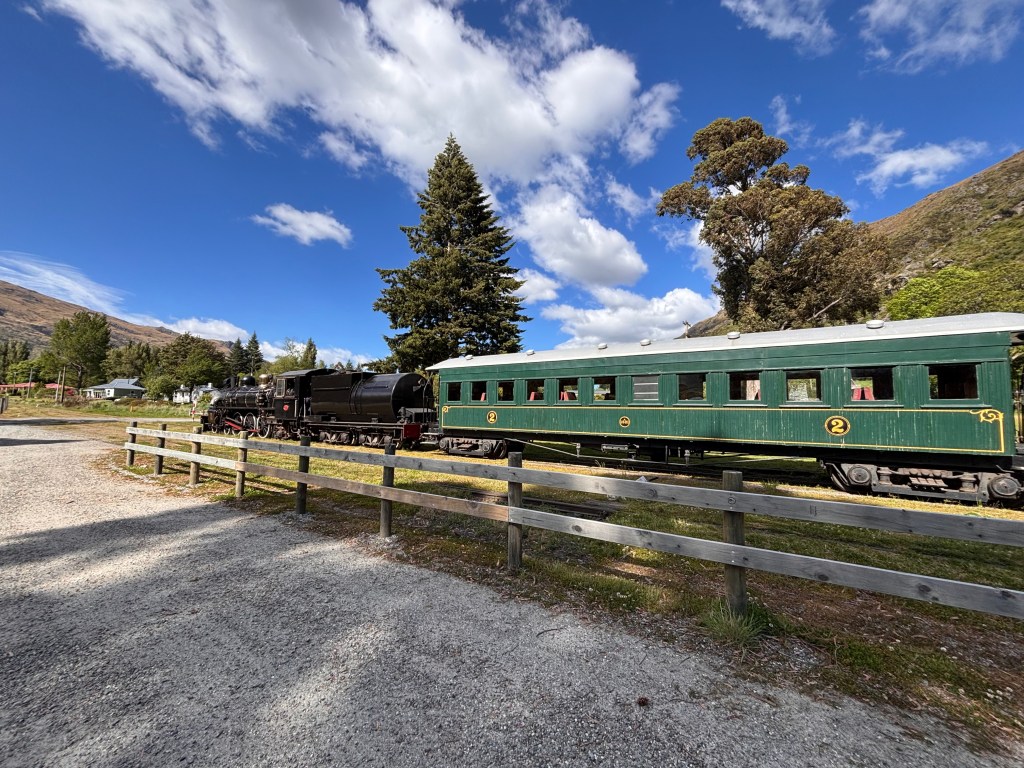
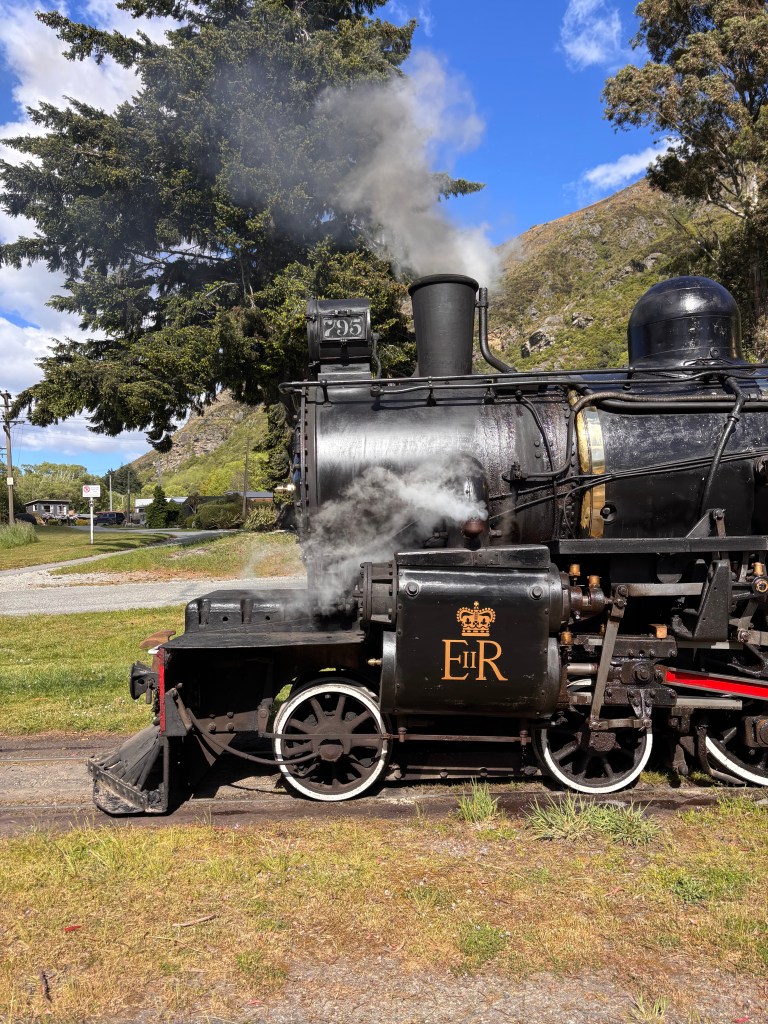
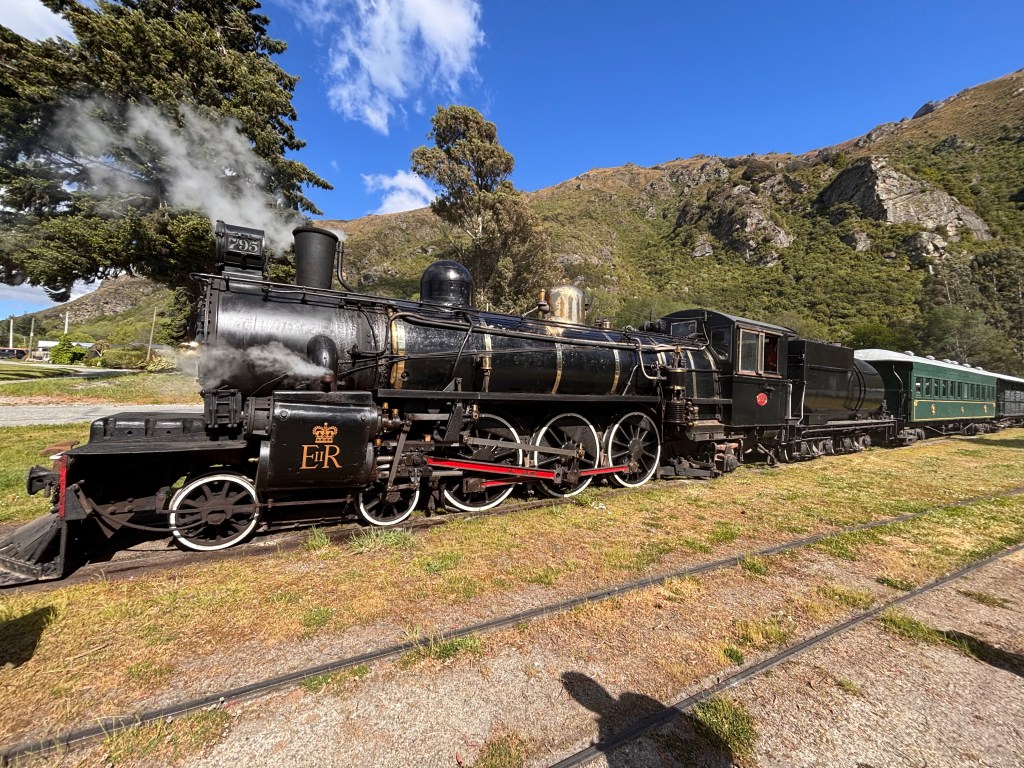
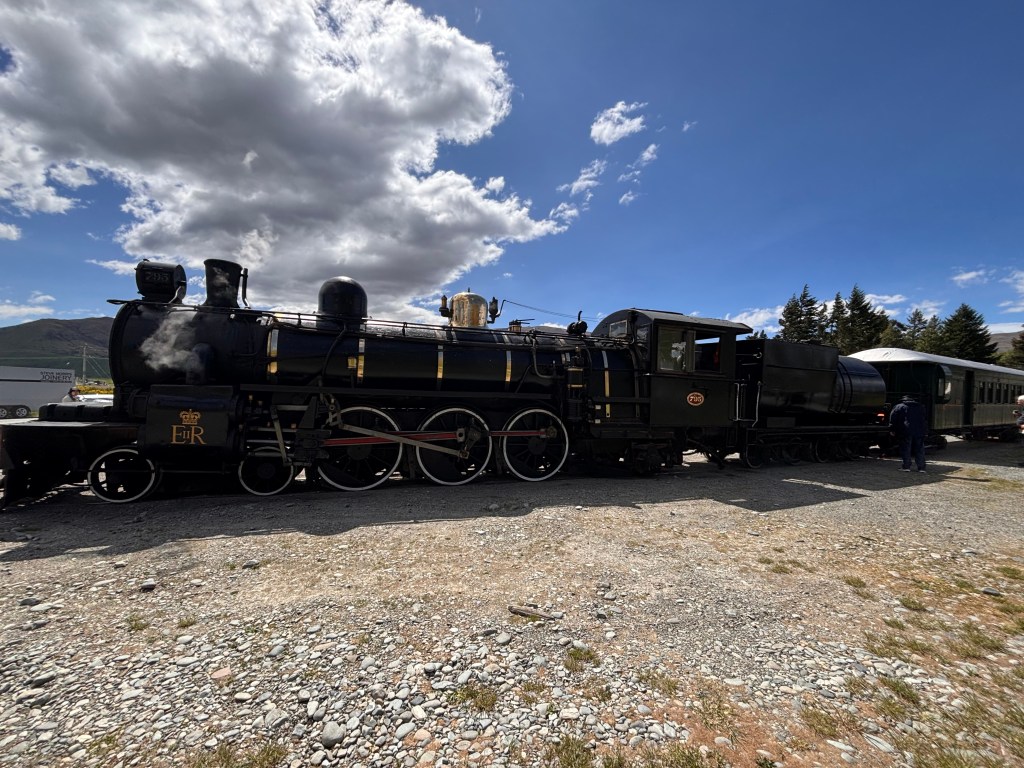
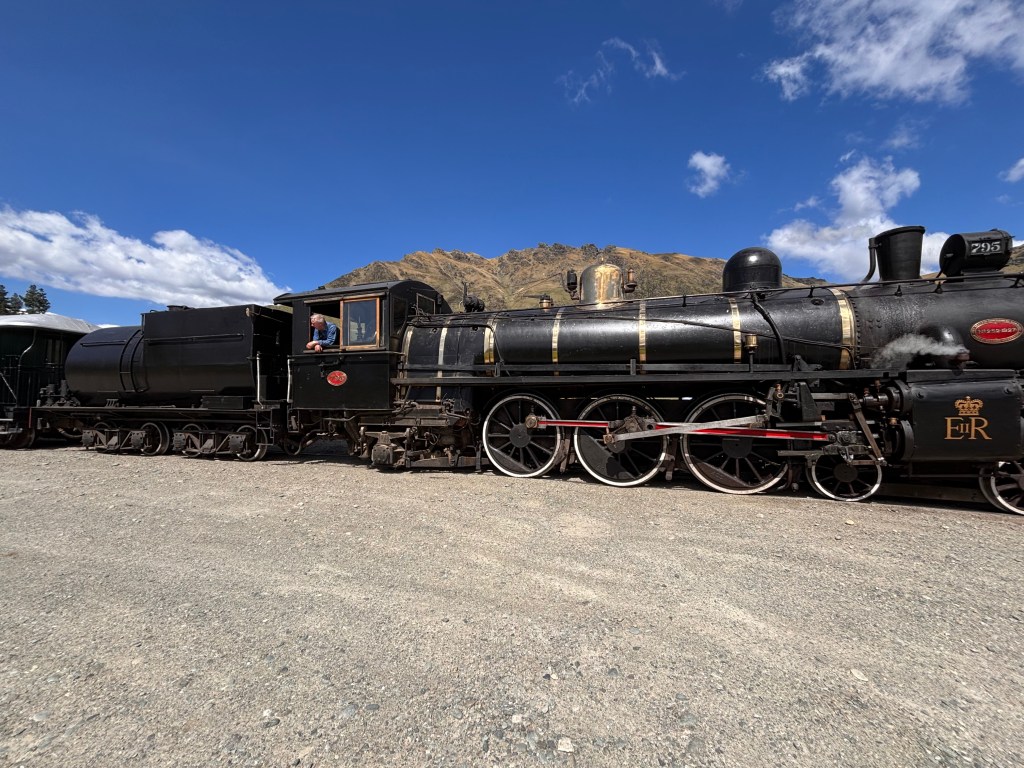
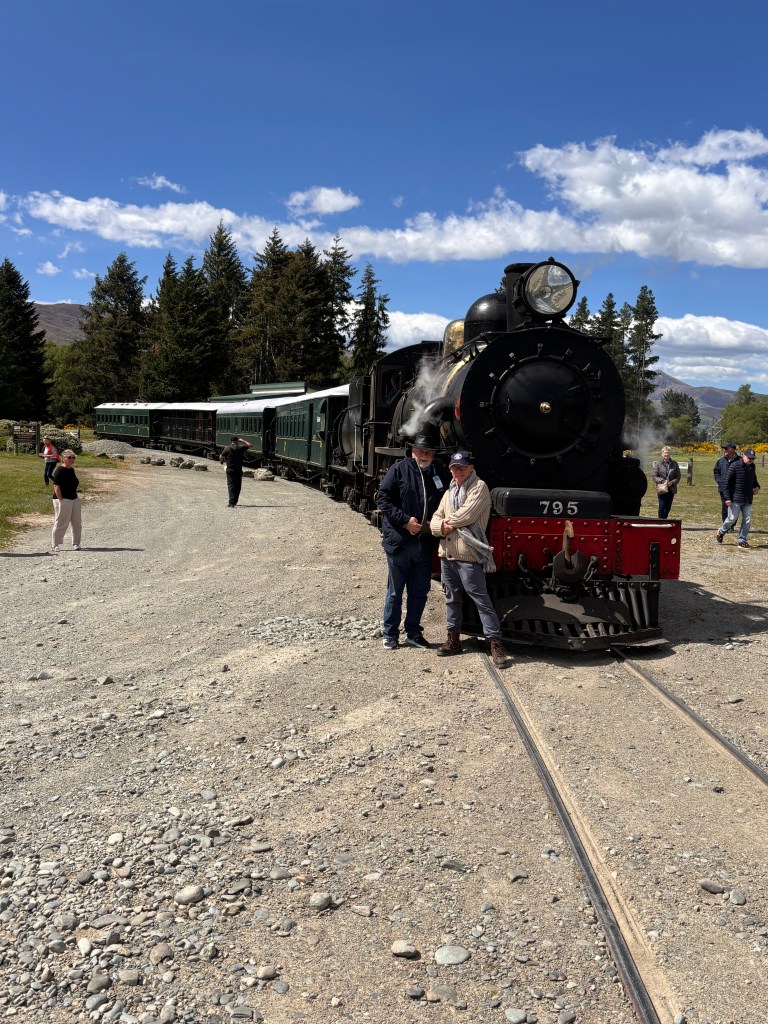
It’s remarkable to think this same train, once part of everyday life in the 1870s, now runs purely for the joy of the ride. The crew, dressed in period uniforms, shared stories about the restoration and even invited passengers to step up to the locomotive for photos. It was a relaxed and memorable outing — one that brought New Zealand’s rail history vividly to life.
Kingston Flyer Facts:
- The Kingston Flyer is a historic vintage steam train that originally operated between Kingston and Gore in the late 19th century, serving as a key passenger link in New Zealand’s South Island rail network.
- It dates back to 1878, making it one of New Zealand’s oldest operating steam train services.
- The locomotives most famously associated with the Flyer are the A-class steam engines (built in 1878) — beautifully restored and still in use today.
- The current scenic route runs between Kingston and Fairlight, a short but nostalgic 14-kilometre journey through farmland and mountain views near Lake Wakatipu.
- In its heyday, the train was known as the “fastest train in New Zealand”, connecting Dunedin to Kingston where passengers would board steamers bound for Queenstown.
- The Flyer was revived in the 1970s as a heritage attraction and has since become a beloved symbol of New Zealand’s rail history.
After the Flyer we reboarded our coach for the trip to Te Anau Sanctuary with a brief comfort stop in Mossburn. The morning sun soon gave way to afternoon showers and the stop in Mossburn was a very quick run to the restrooms in the rain. When we arrived in Te Anau a few people took advantage of stepping inside the Sanctuary and then it was off to the hotel.
Te Anau is the main gateway to Fiordland National Park, sitting on the edge of Lake Te Anau, New Zealand’s second-largest lake. The town itself is small and easygoing, built around tourism but still feeling more like a quiet base camp than a resort. It’s the closest jumping-off point for trips to Doubtful Sound and is also the starting point for some of New Zealand’s most famous Great Walks, including the Milford Track, Kepler Track, and Routeburn Track (via nearby connections).
Lake Te Anau is notable for its depth—it’s one of the country’s deepest lakes—and for the three distinct fiords that form its western arms, carved long ago by glaciers. Maori legend says the lake was discovered by the hunter Te Rereka-o-te-rangi while searching for lost moa; the name “Te Anau” is usually translated as “place of swirling waters” or “caves of rain.”
 Anthony's Travel Adventures