DAY 6 – TE ANAU – MANDEVILLE – DUNEDIN
After breakfast at the hotel, we boarded the bus for our morning journey to Mandeville—a small town with an outsized place in New Zealand’s transport heritage. Our first stop was the Croydon Aviation Museum, a remarkable collection dedicated to preserving the country’s early aviation history. The museum is especially known for its working fleet of vintage aircraft, including several de Havilland models restored to flying condition. It’s one of the few places in the world where you can still see these classic wooden-framed aircraft maintained using traditional methods.
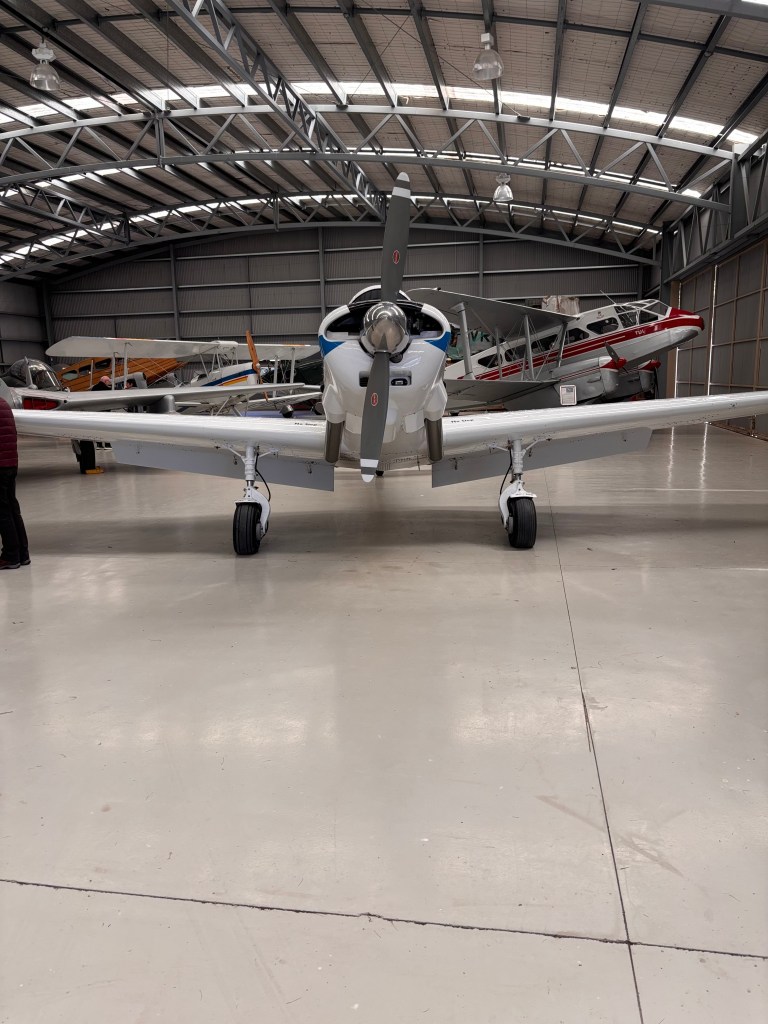
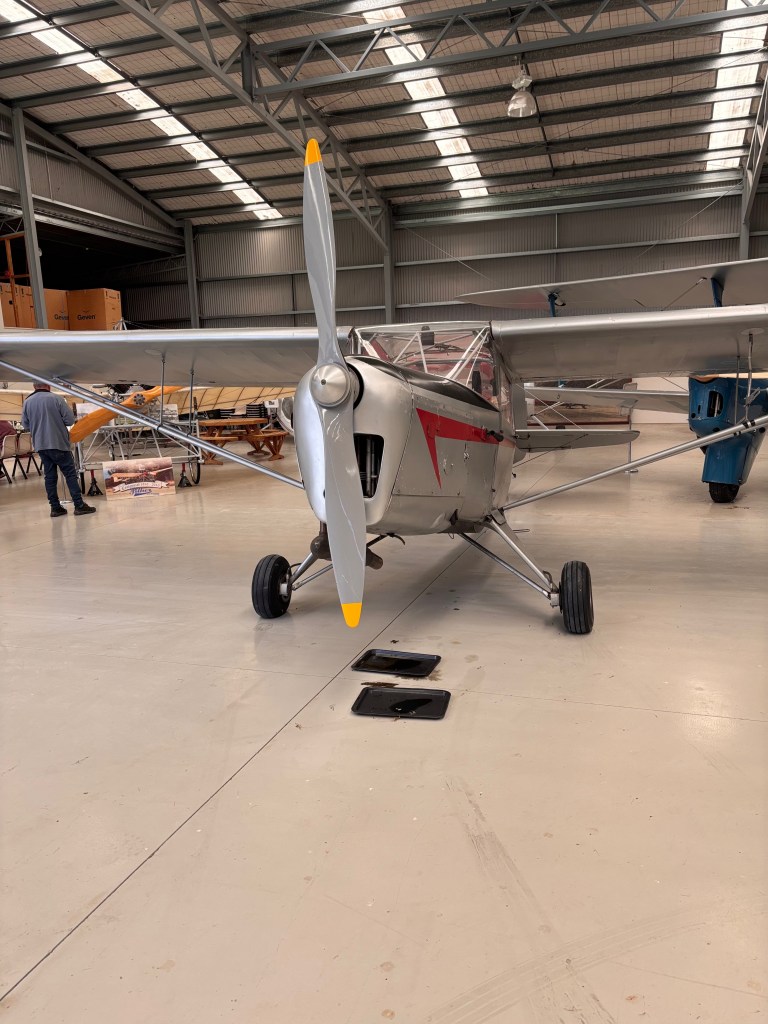
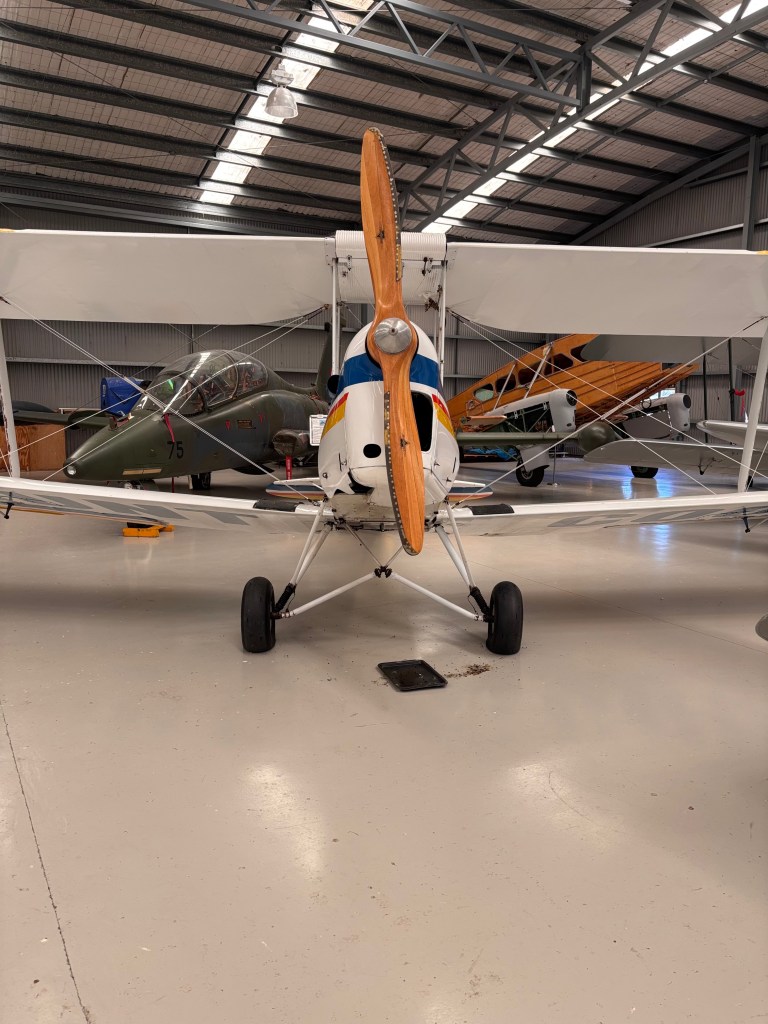
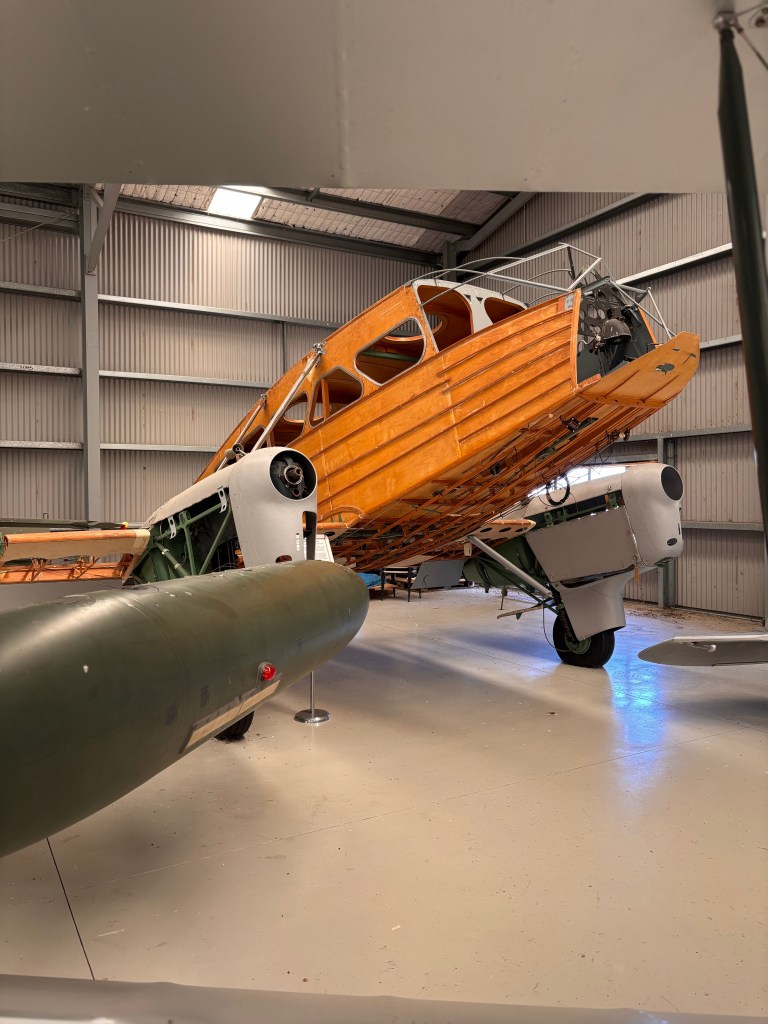
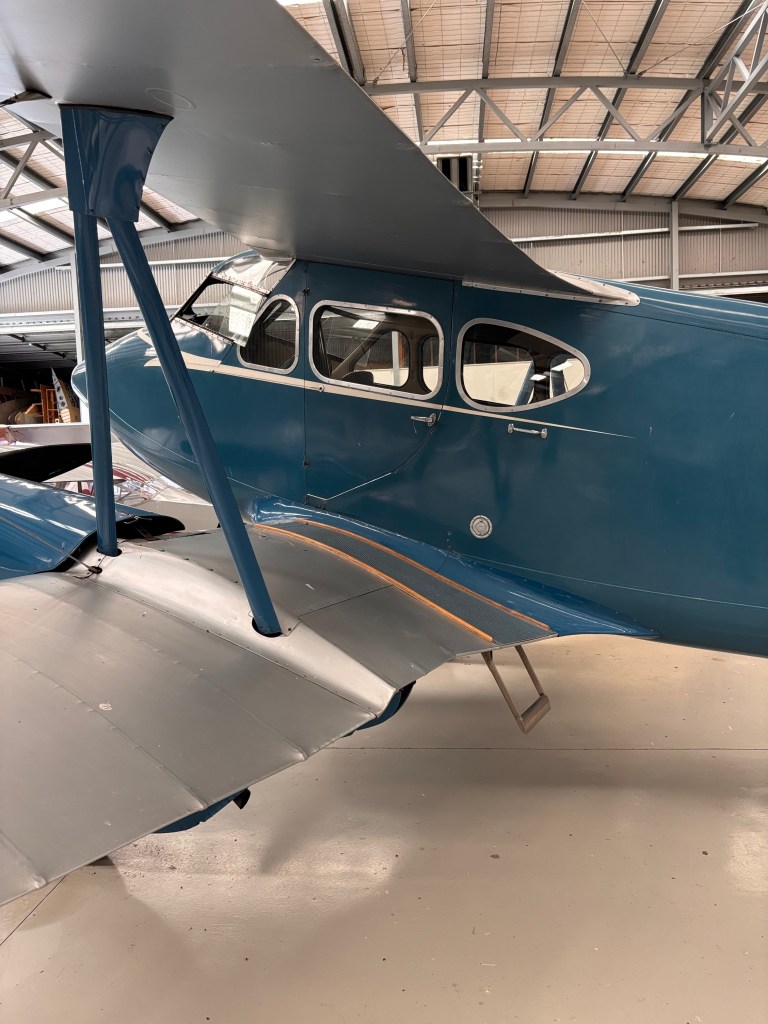
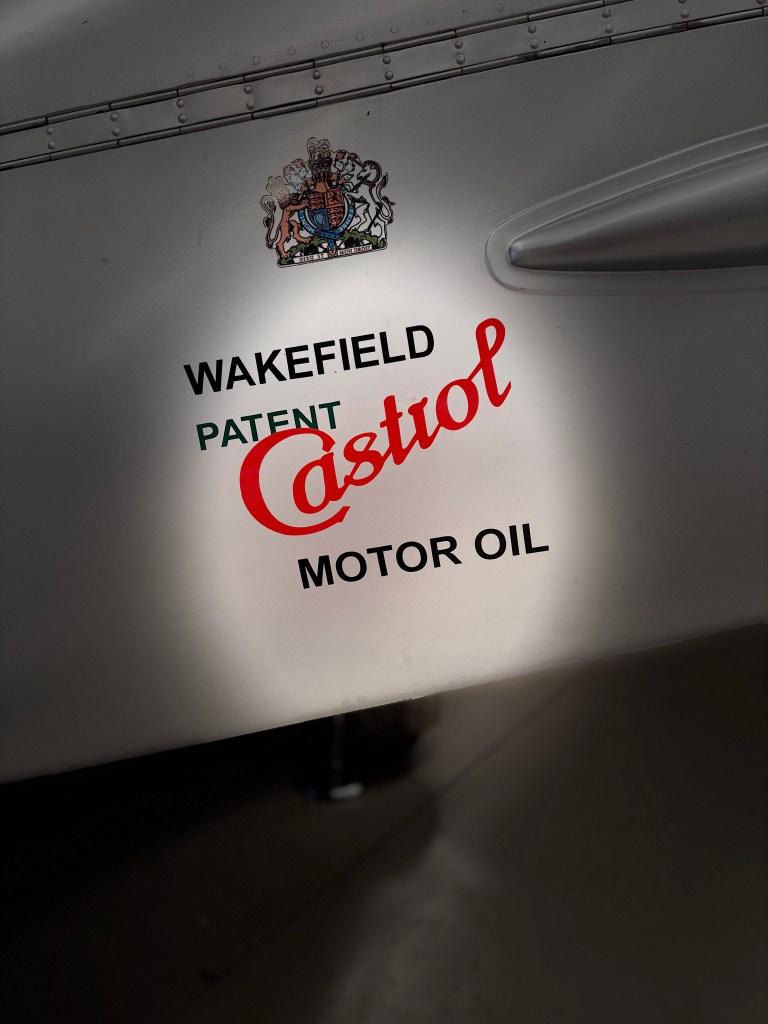
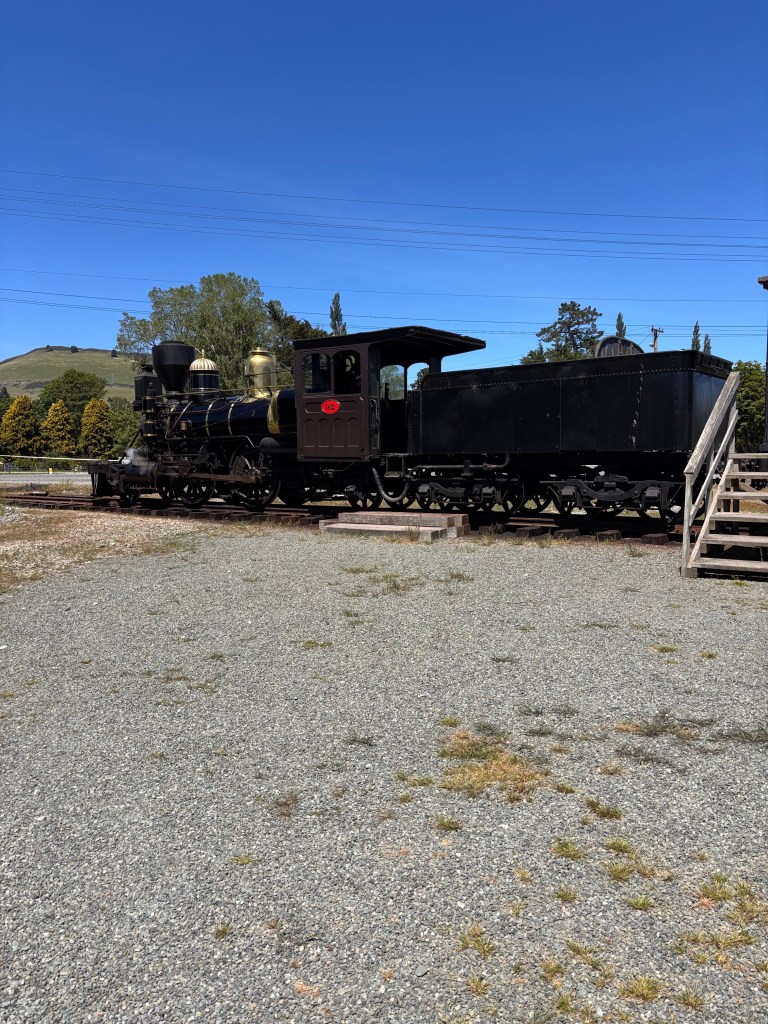
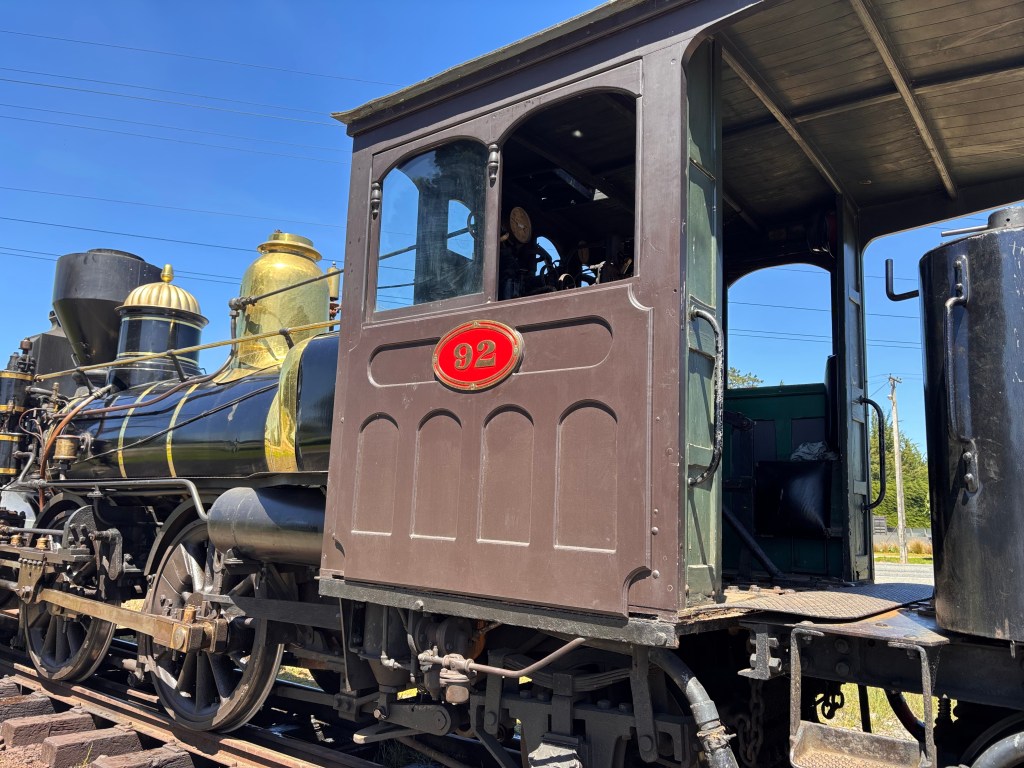
Just next door sits the Waimea Plains Railway, home to the beautifully restored K92 steam locomotive. Built in 1878, K92 is one of New Zealand’s oldest surviving steam engines—and its survival is something of a miracle. We were told that much of the rail equipment here, including K92 herself, had to be salvaged from a river, where it had been dumped decades earlier after being retired from service. Volunteers painstakingly recovered, rebuilt, and returned these pieces to working order, breathing new life into a chapter of rail history once thought lost.
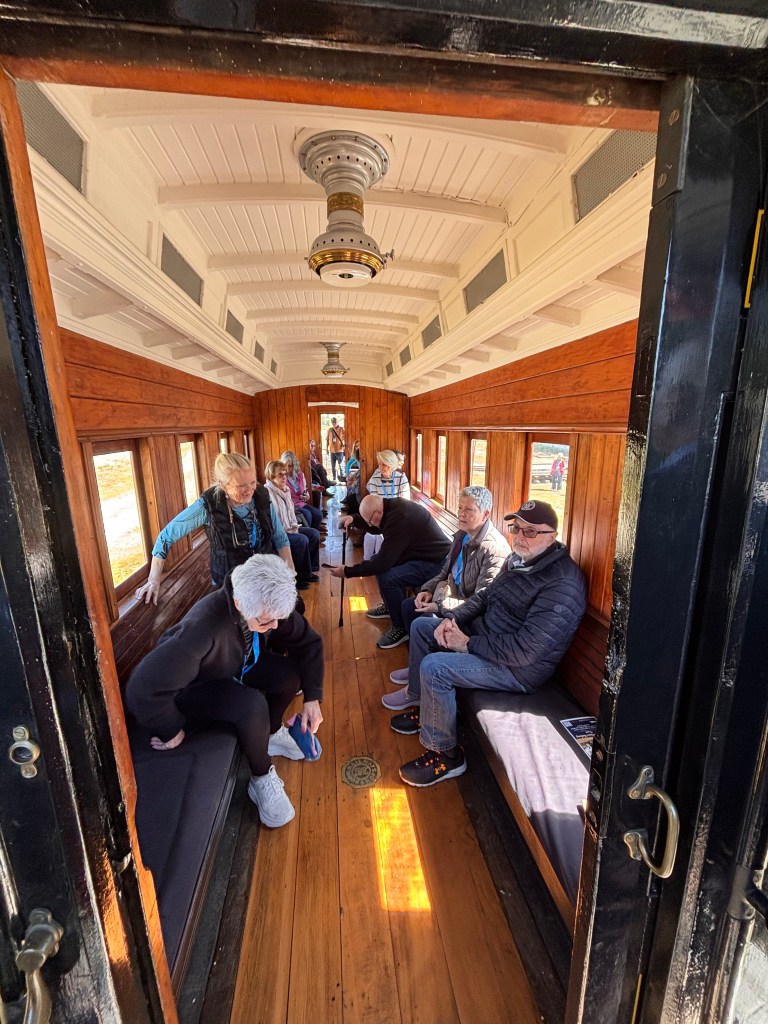
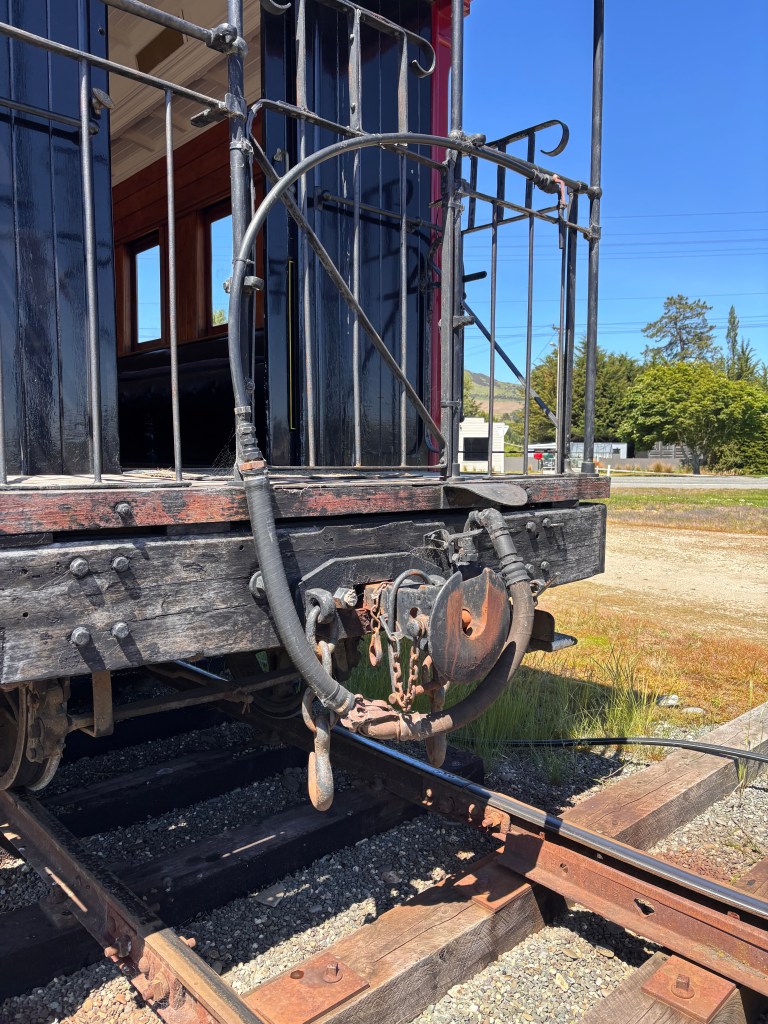
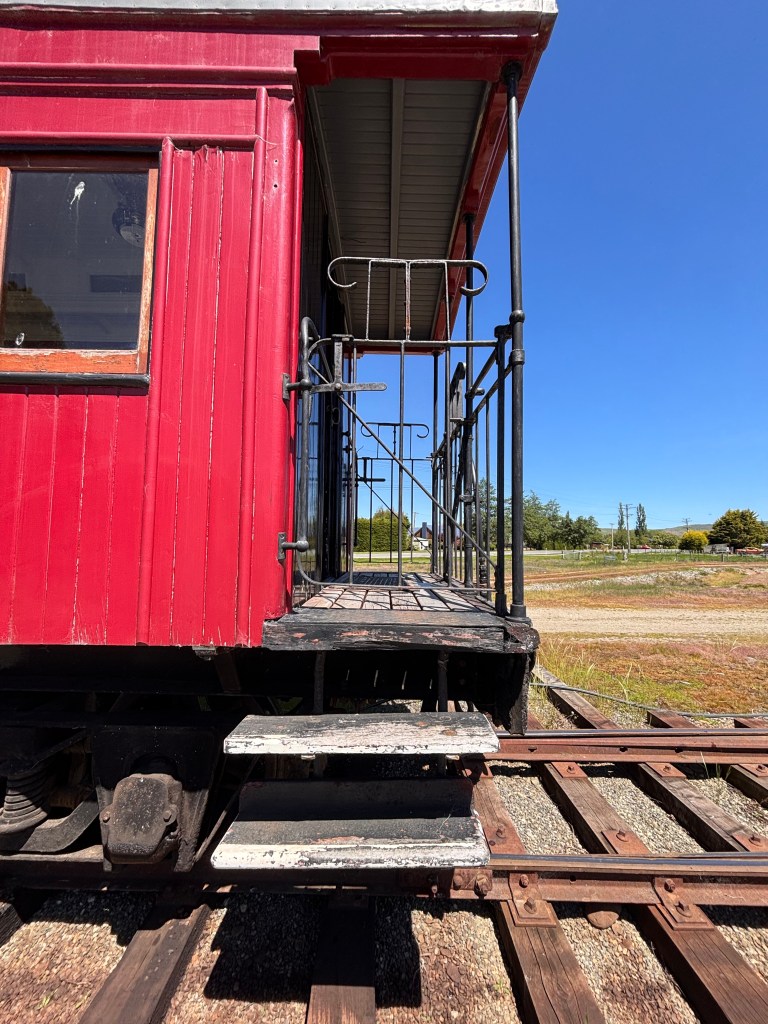
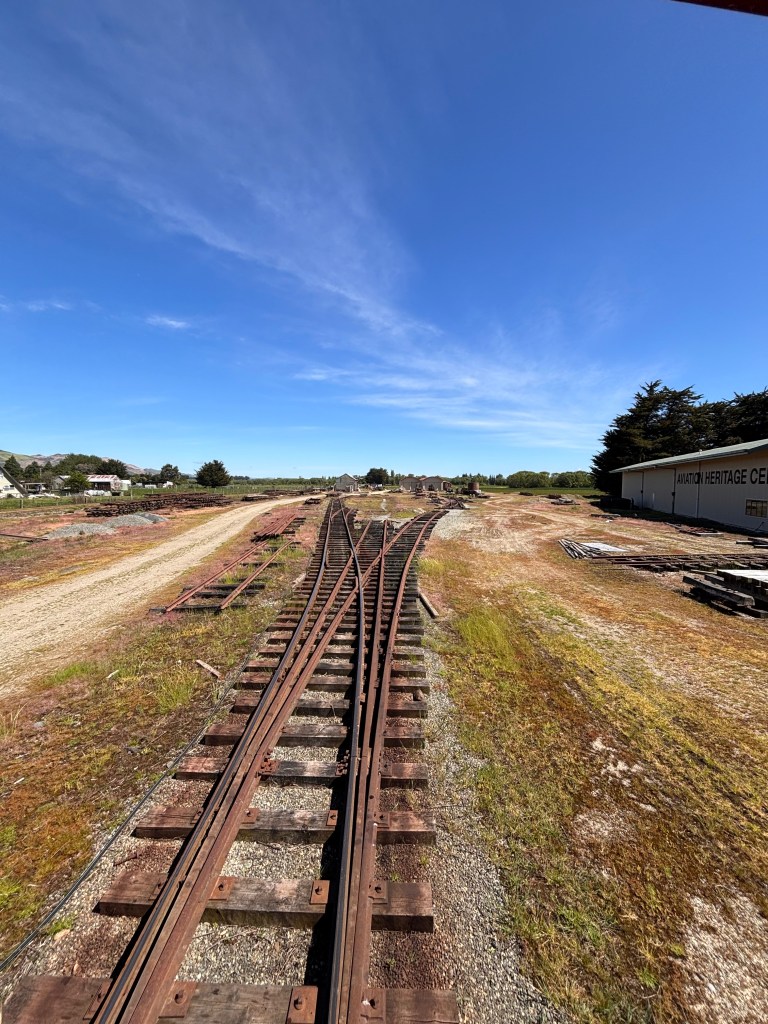
We enjoyed a lovely buffet lunch at Miss Cocoa Café, served by our wonderful tour guides who somehow kept the whole group fed, organized, and smiling. After lunch, we climbed back onto the bus and continued our journey toward Dunedin, passing through the towns of Gore and Balclutha—both surrounded by farmland and rolling green countryside that seemed to stretch endlessly in every direction.
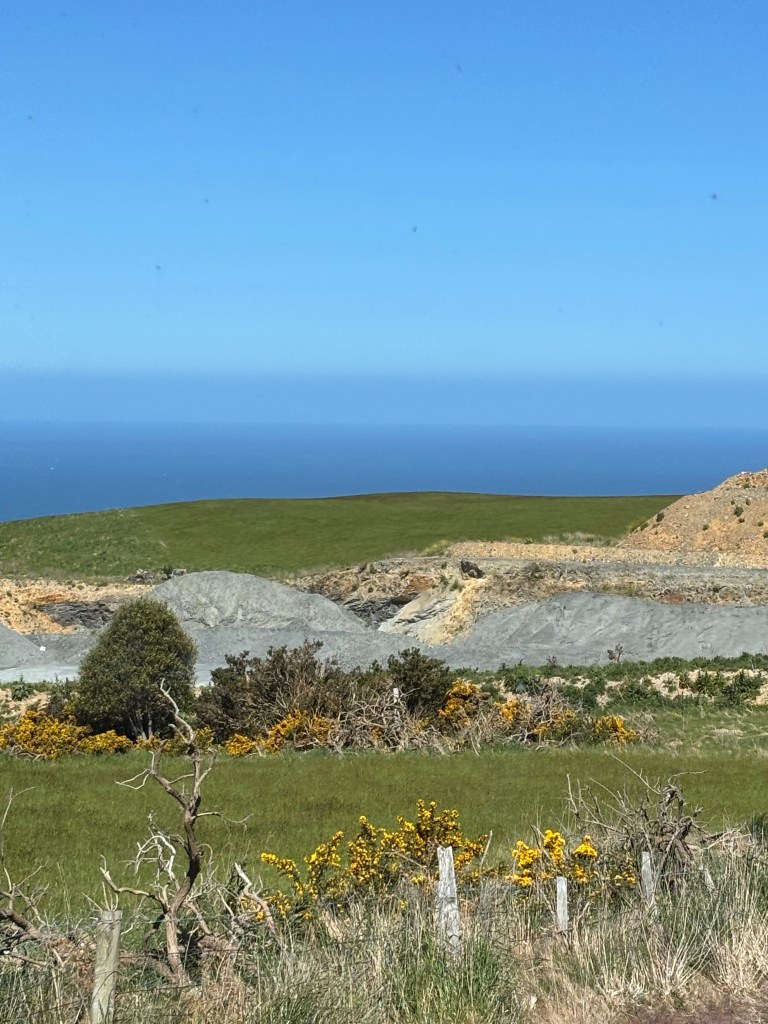
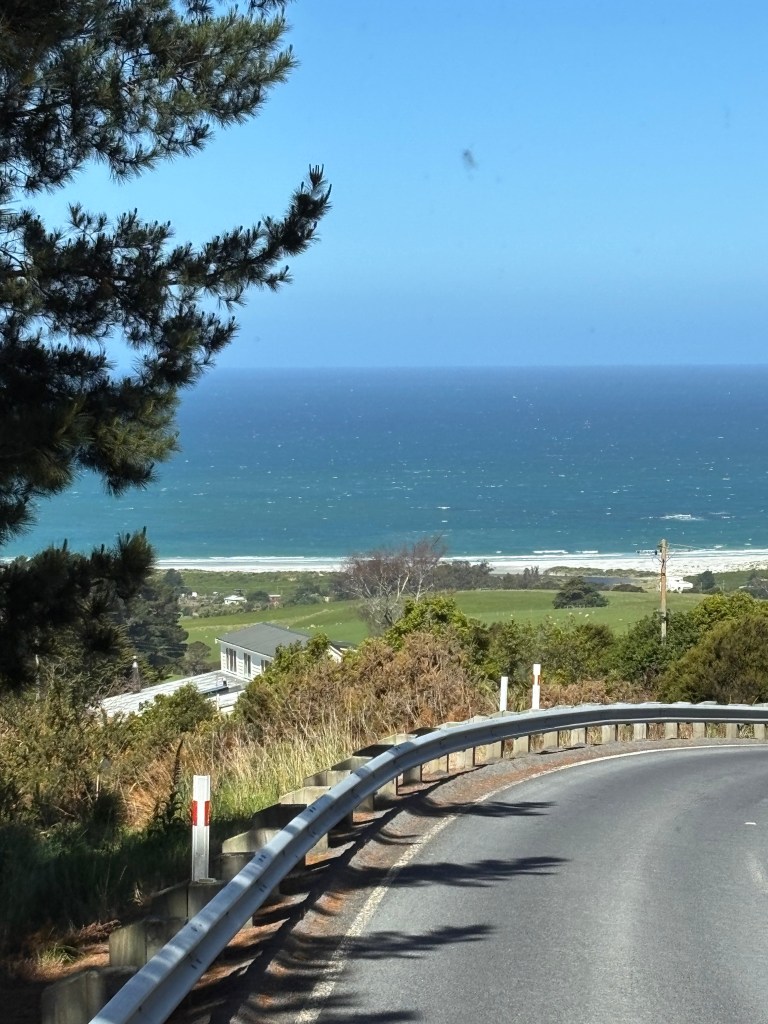
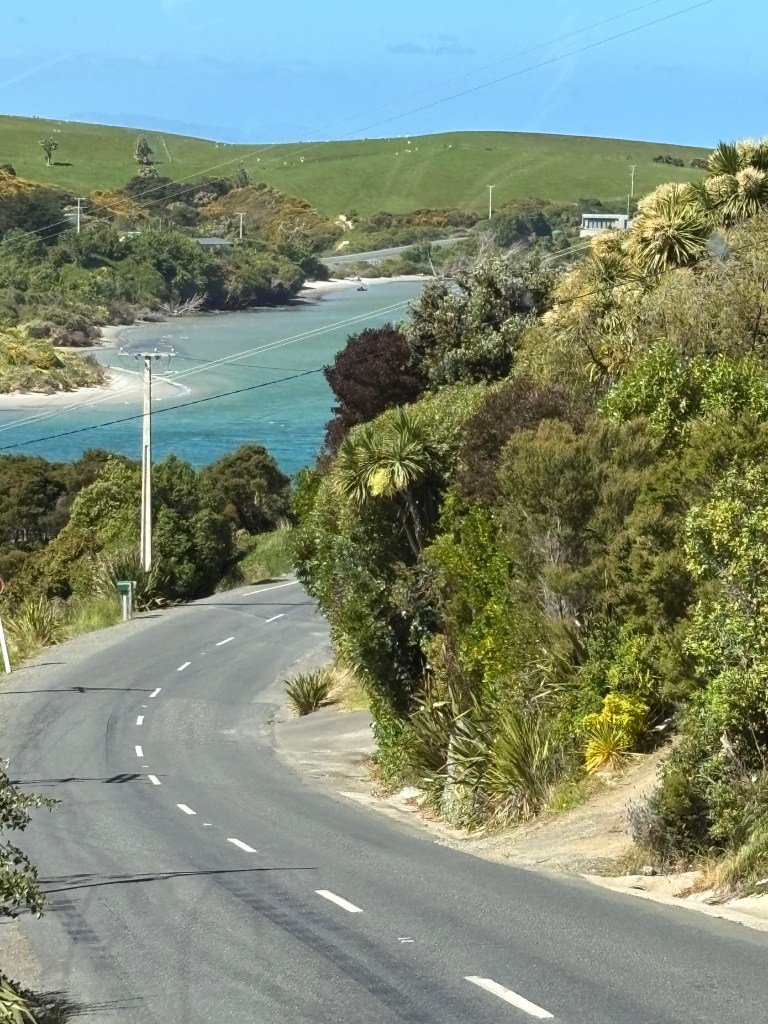
By late afternoon, we arrived in Dunedin and checked into the Distinction Hotel, our home for the night and a welcome place to unwind after a full day of history, sightseeing, and travel.
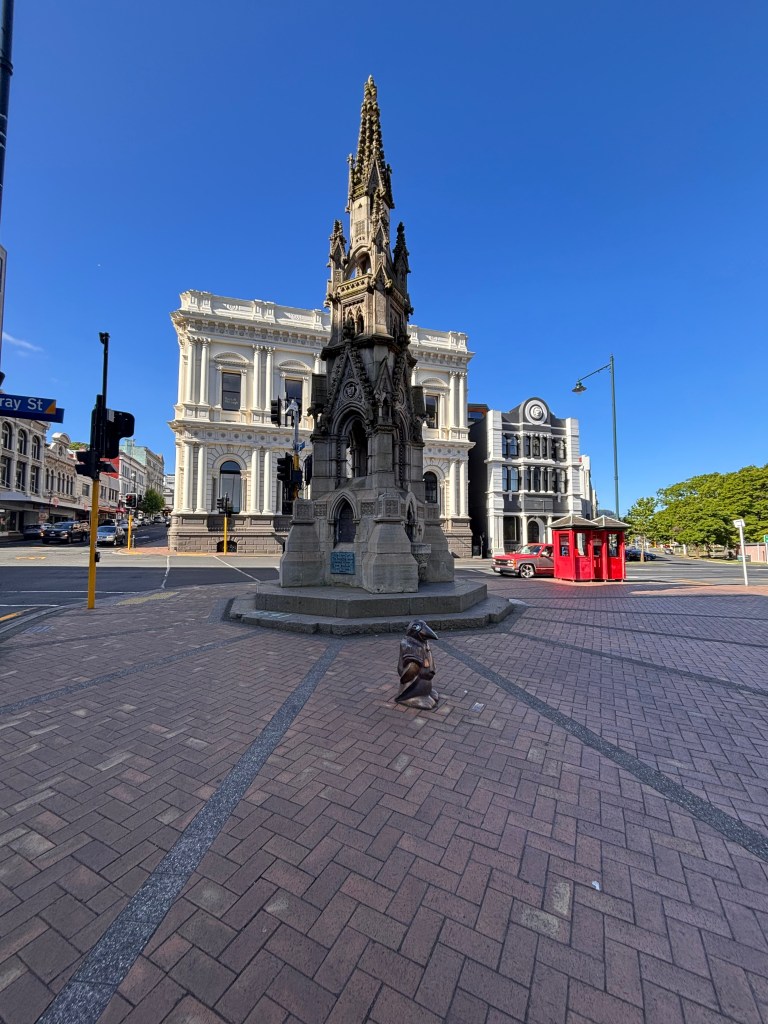
After our scenic trip through Gore and Balclutha, we arrived in Dunedin and checked into the Distinction Dunedin Hotel, which turned out to be a head-and-shoulders highlight of our trip so far. This isn’t just any hotel — it’s housed in the former Chief Post Office, a handsome 1937 building that was carefully restored and converted into a luxury 4½-star establishment. The developers retained much of the building’s character, and even the original vaults behind the lobby now serve as intimate, private dining rooms.
Our suite was superb: a separate bedroom and sitting area, a refrigerator, microwave, mini-bar — and best of all, a washer and dryer in the bathroom. Given that I’d packed only about a week’s worth of clothes, being able to do two loads of laundry felt like a small luxury.
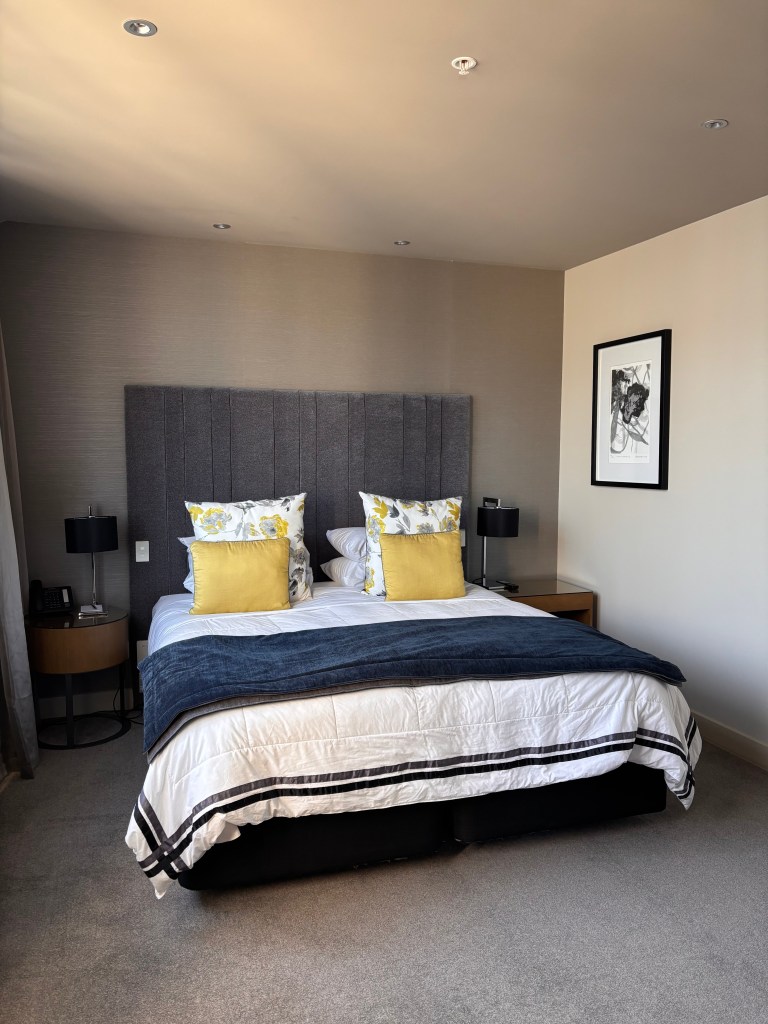
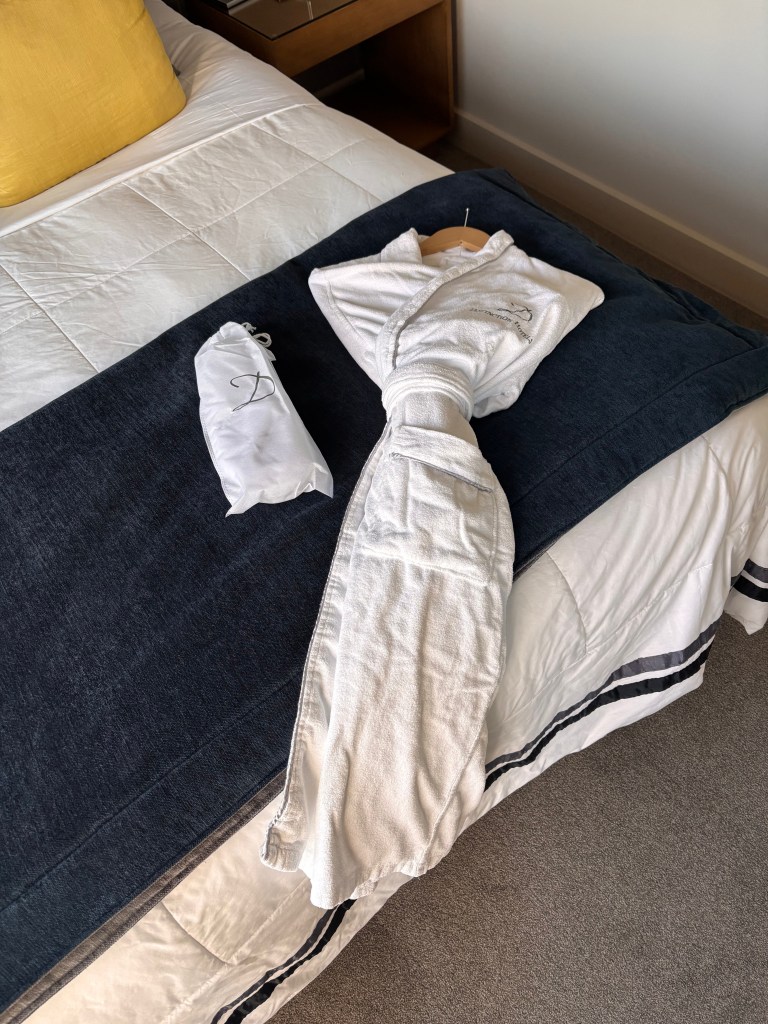
That night, we enjoyed a buffet dinner reserved just for our group, tucked into the hotel’s elegant dining space. Afterwards, I headed off to bed feeling utterly spoiled.
Few Things About Dunedin
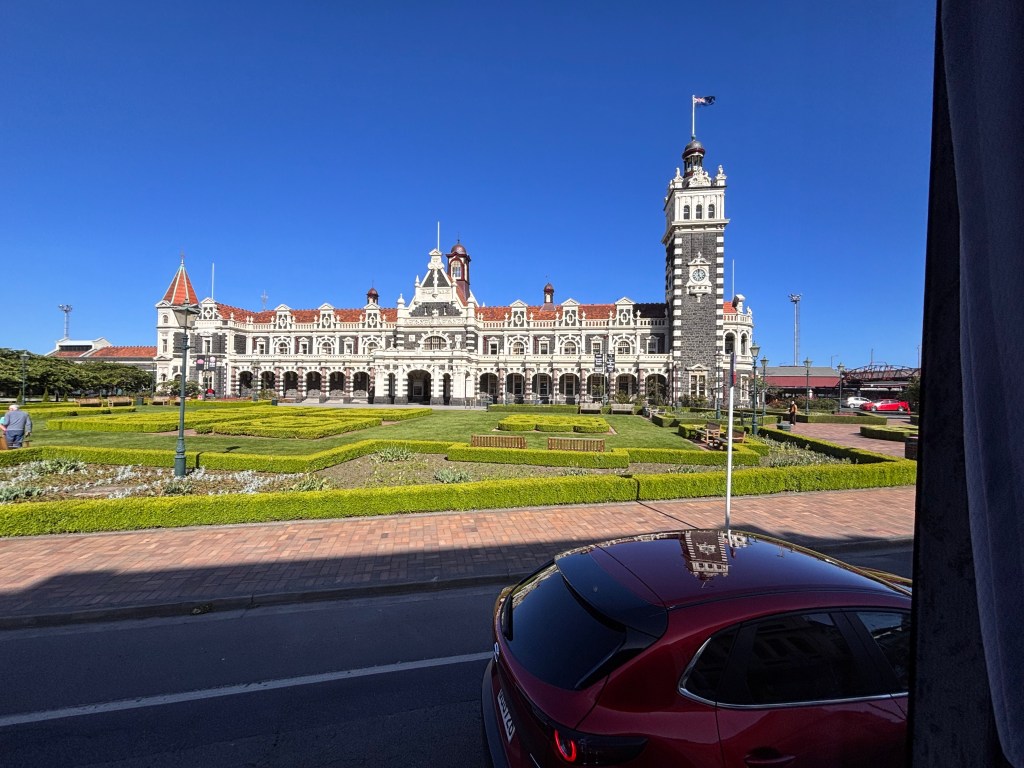
Dunedin is one of New Zealand’s most heritage-rich cities, known for its beautifully preserved Victorian and Edwardian architecture. The city’s skyline is punctuated by iconic buildings — from the famous Dunedin Railway Station to the historic Larnach Castle. It also has deep Scottish roots — the name “Dunedin” itself comes from “Dùn Èideann,” the Scottish Gaelic name for Edinburgh.
Another fun fact: the former post office building where we stayed sits in the lively Warehouse Precinct, part of the city’s rejuvenated Exchange area.
 Anthony's Travel Adventures