DAY 7 – DUNEDIN
We started the morning with an early breakfast at the Distinction Hotel before boarding our coach bound for the Dunedin Railway Station. Today’s highlight was a chartered train journey through the rugged and storied Taieri Gorge, ending at the remote outpost of Pukerangi.
The Distinction had been a welcome surprise—our room was easily the best of the trip so far, spacious and comfortable, with all the little touches that make a travel day feel effortless. It set the perfect tone for the adventure ahead.

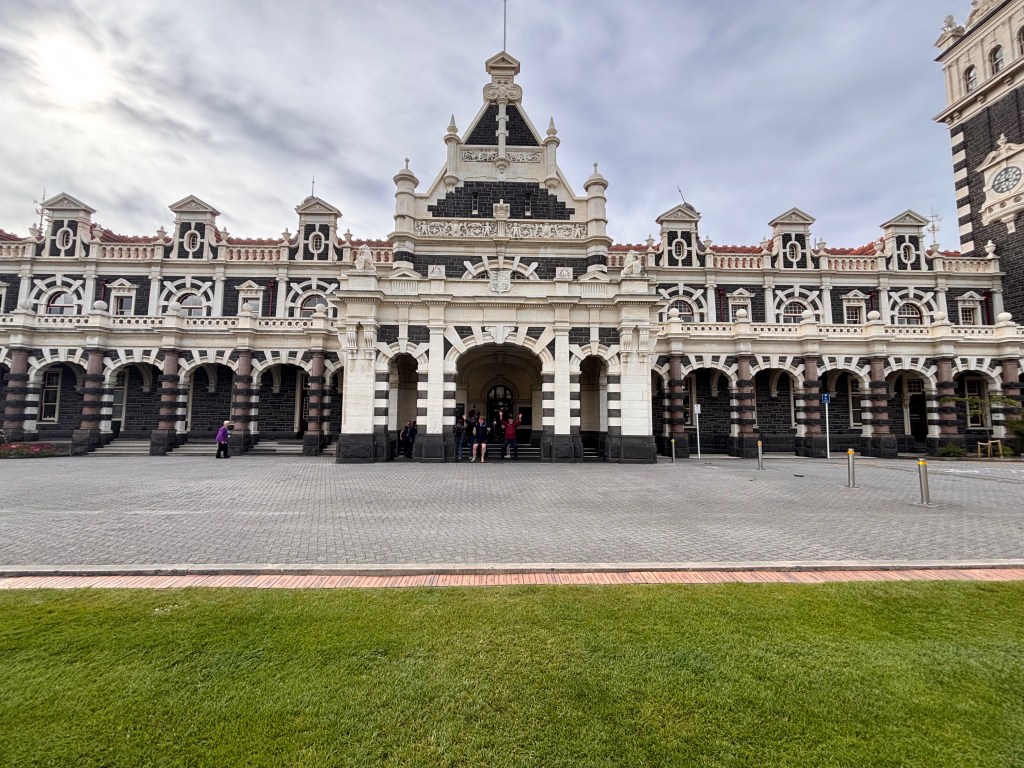
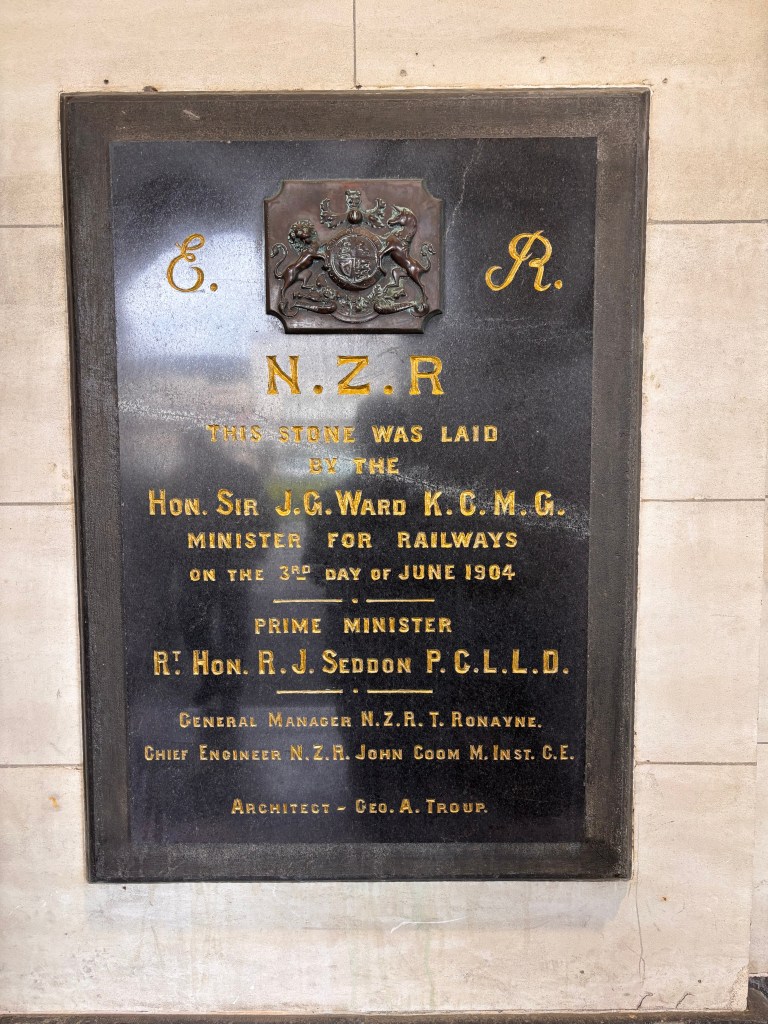
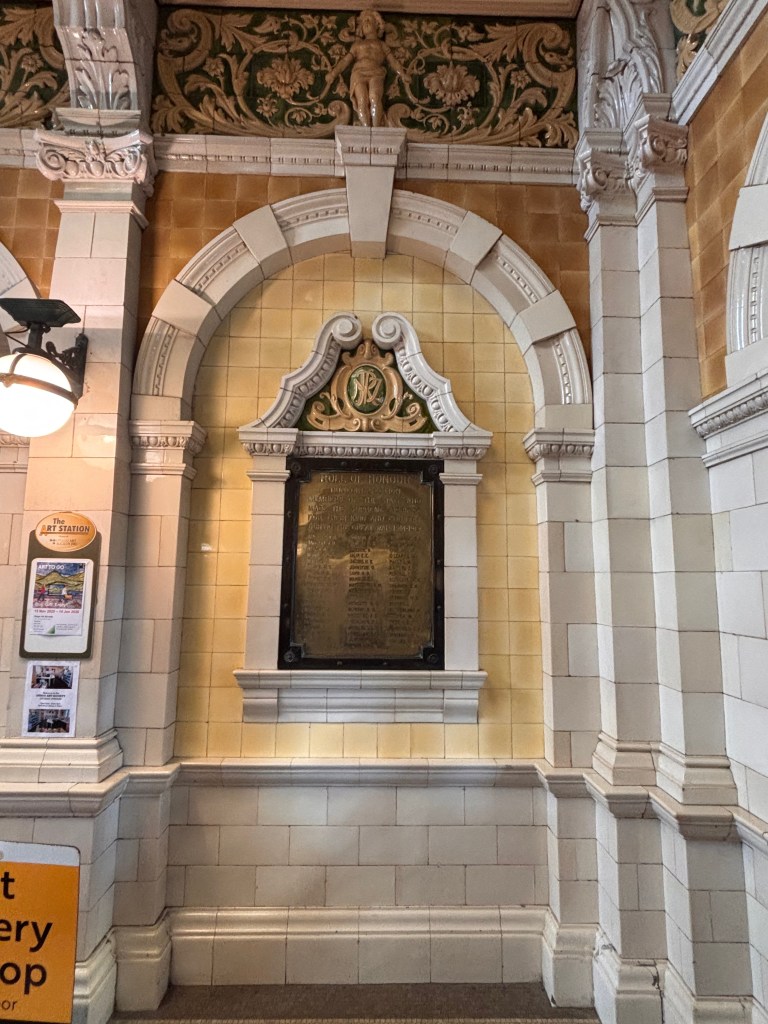
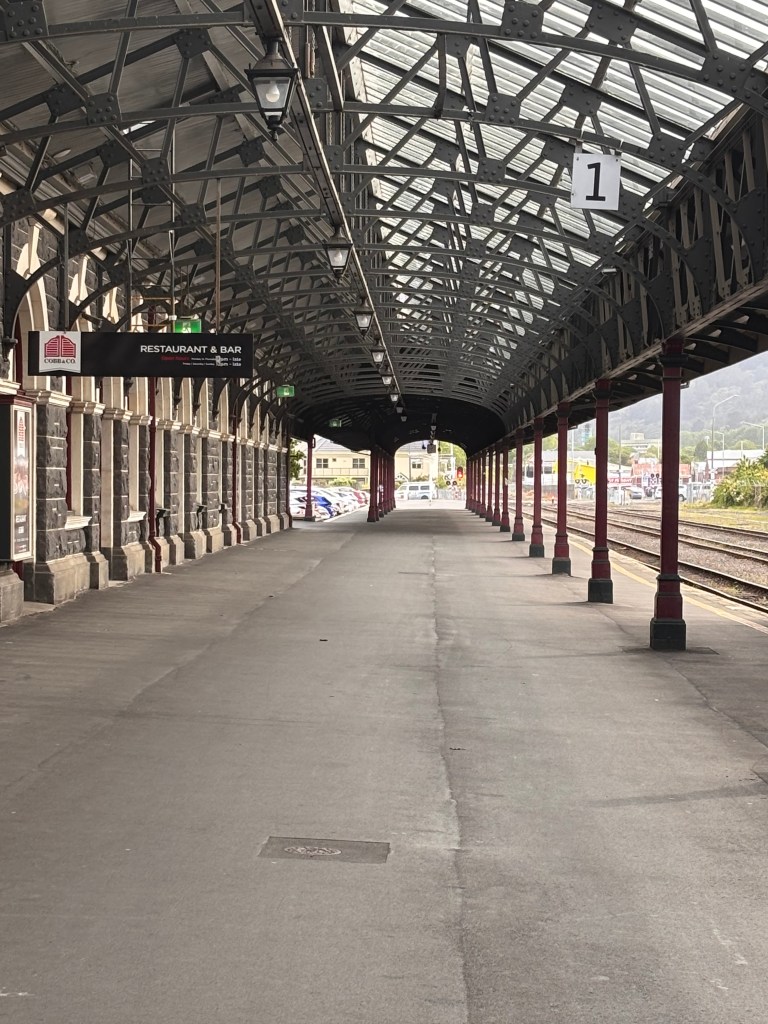
We boarded our train at the Dunedin Railway Station, an architectural gem built in 1906 and often called the city’s “Gingerbread House.” Designed by architect George Troup, the building is a striking blend of Flemish Renaissance and Victorian-era detailing, with dark basalt, creamy Oamaru limestone, stained-glass windows, and an ornate mosaic floor made from more than 750,000 tiles. It’s no wonder it’s one of New Zealand’s most photographed buildings.From this grand departure point, we boarded the Taieri Gorge train for the journey to Pukerangi and back to Dunedin. The scenery unfolded almost immediately deep gorges, century-old viaducts, winding rivers, and rugged hillsides carved by time. We even had a couple of opportunities to step off the train for photos, capturing both the landscape and the historic carriages framed against it. It was one of those experiences where the journey itself truly was the highlight.
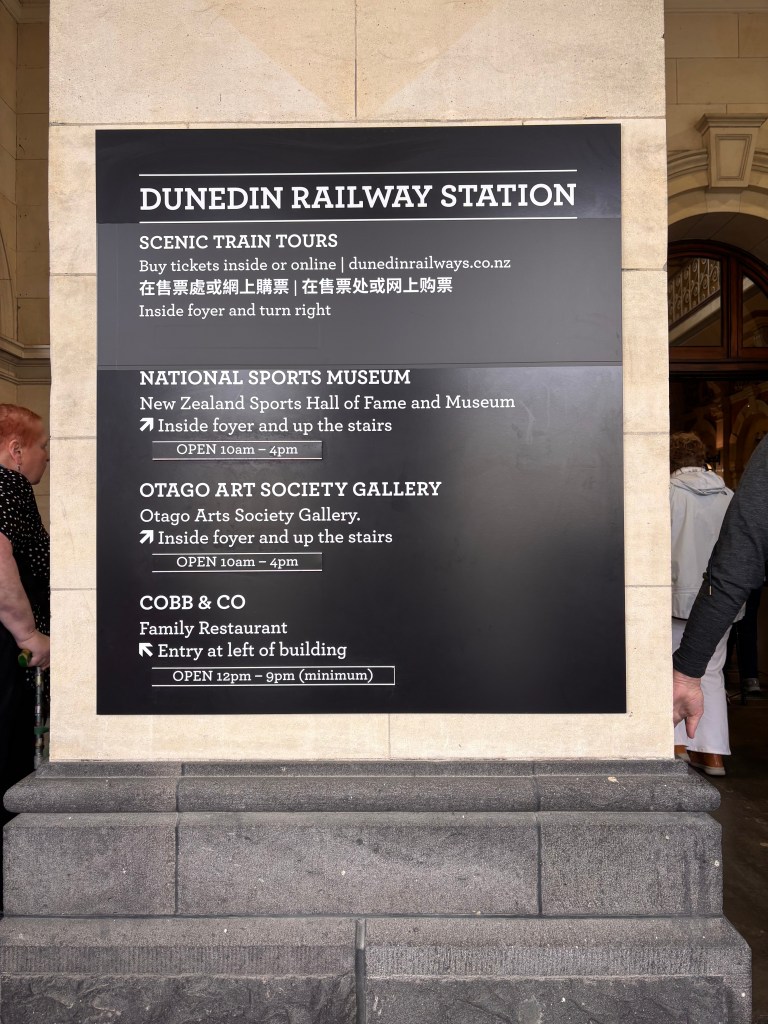
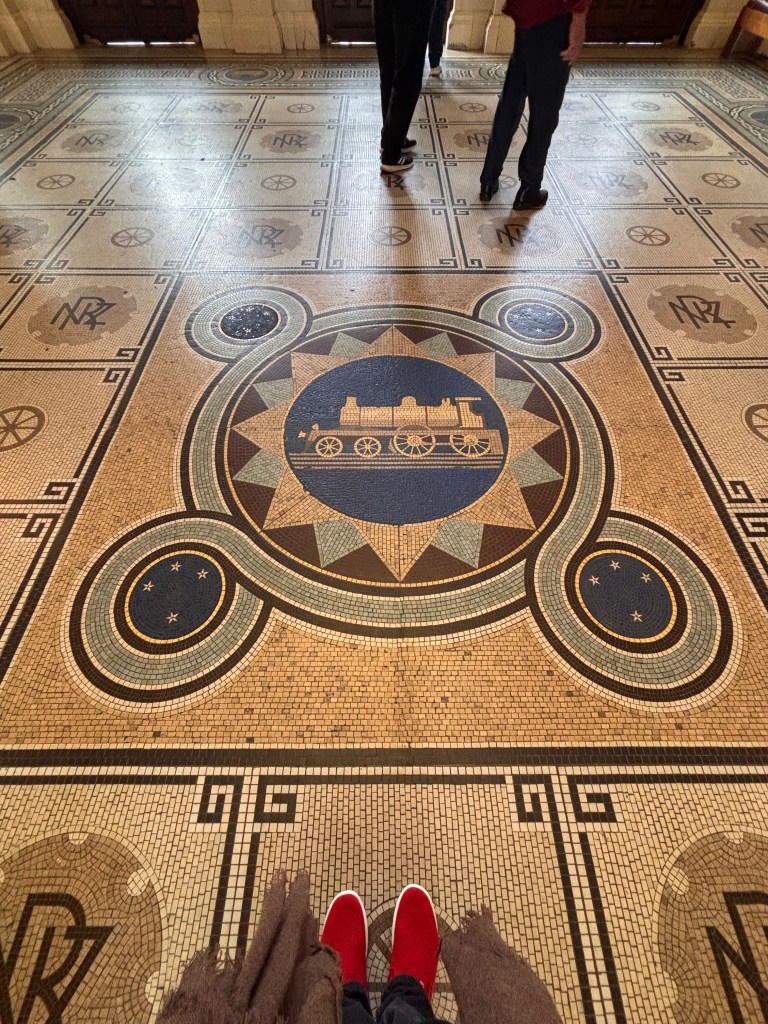
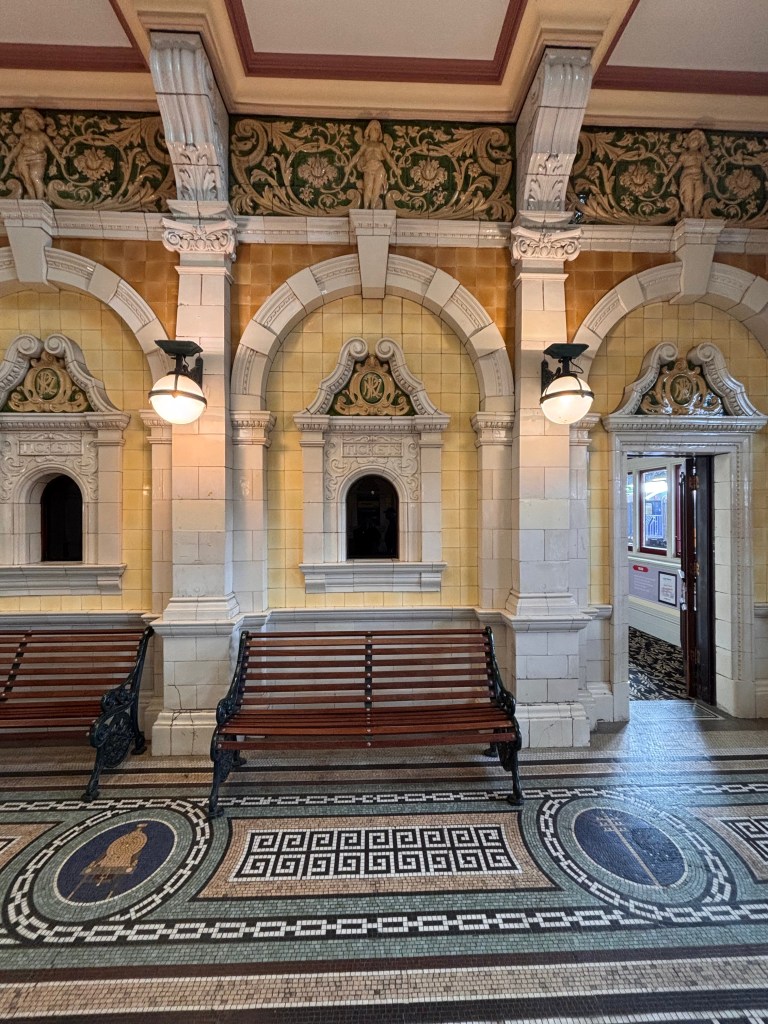
On this leg of the journey we were joined by several other travelers, all eager for the popular Taieri Gorge excursion. Once everyone was settled into the heritage carriages — many of them dating back to the 1930s and 40s — the train pulled away from Dunedin Railway Station and began its climb into the gorge. The line itself is a piece of history, originally part of the Otago Central Railway built in the 19th century, and today operated by Dunedin Railways as one of the region’s signature experiences.
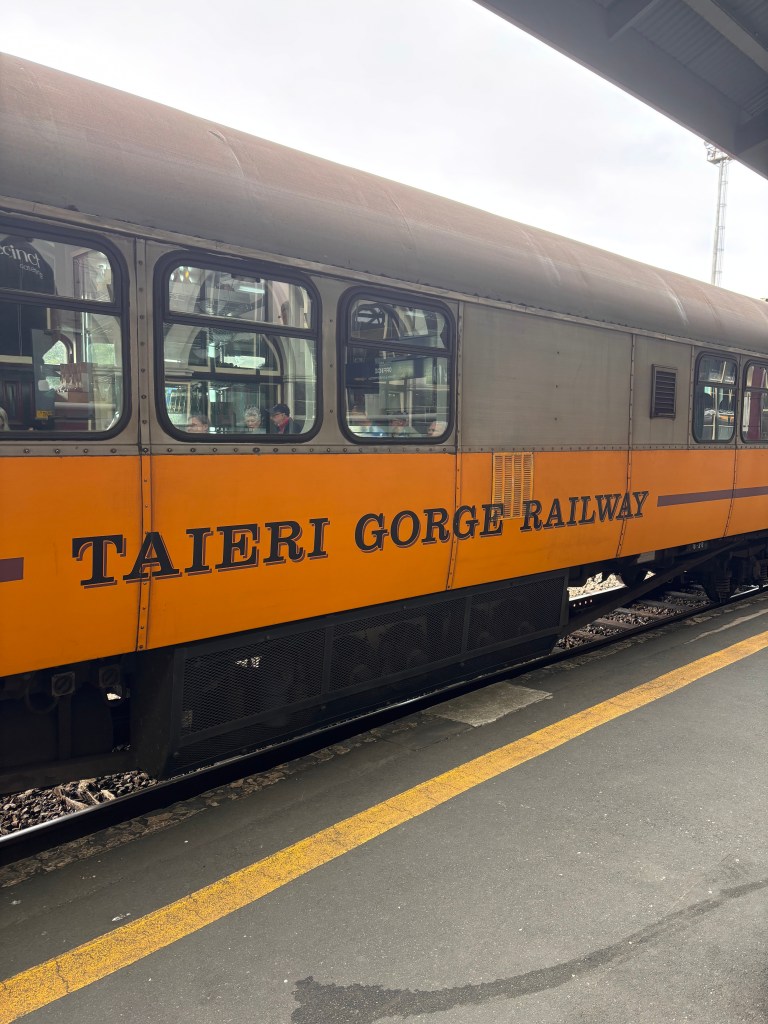
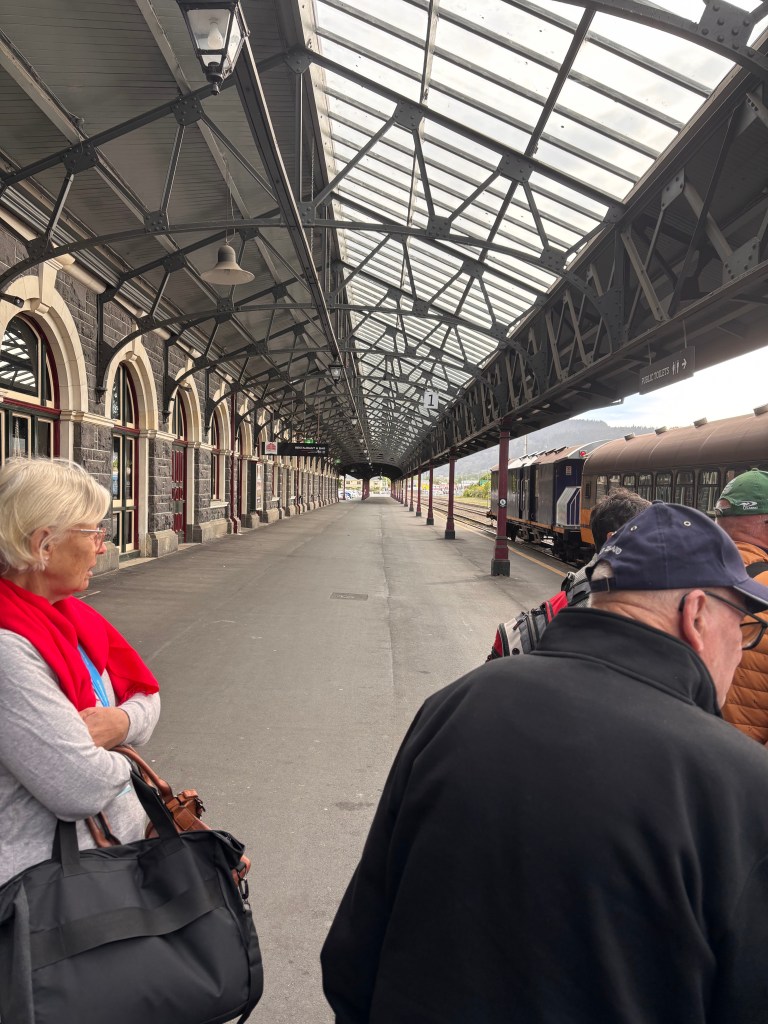
As we rattled along, the onboard commentary filled the carriages with stories of gold-rush settlements, Māori legends, and the engineering triumphs that carved this railway through such forbidding terrain. The route carried us through ten tunnels and over numerous viaducts, including the impressive Wingatui Viaduct — a wrought-iron structure soaring about 47 meters above the valley floor, built in the 1880s and still a marvel to witness out the window.


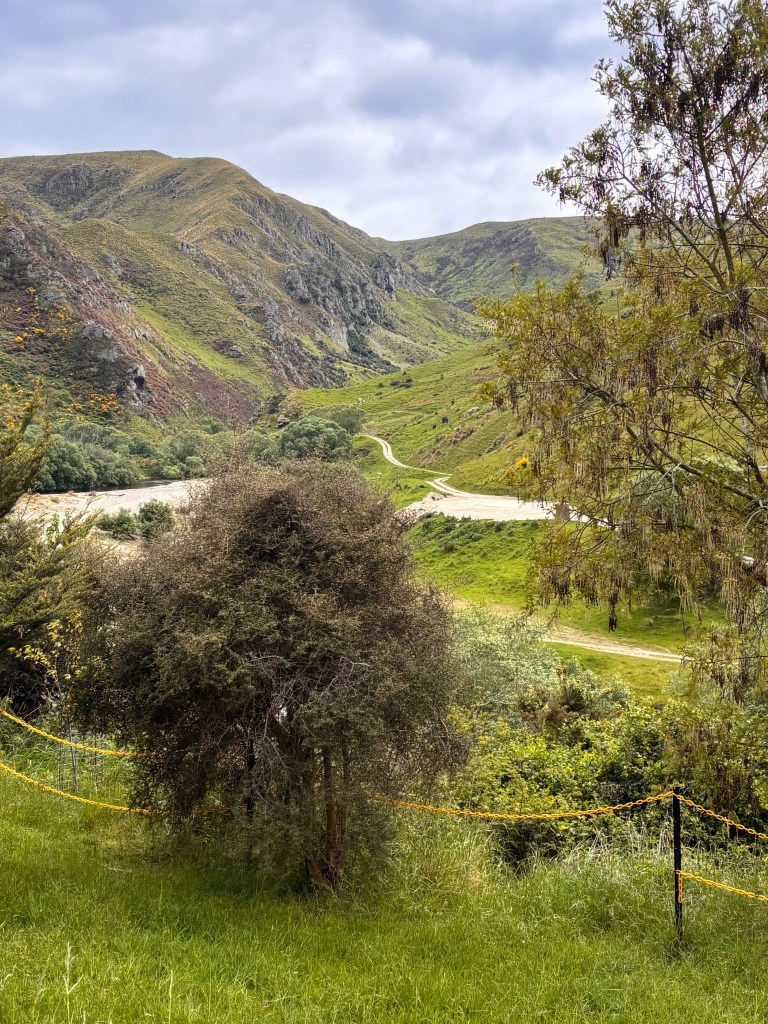
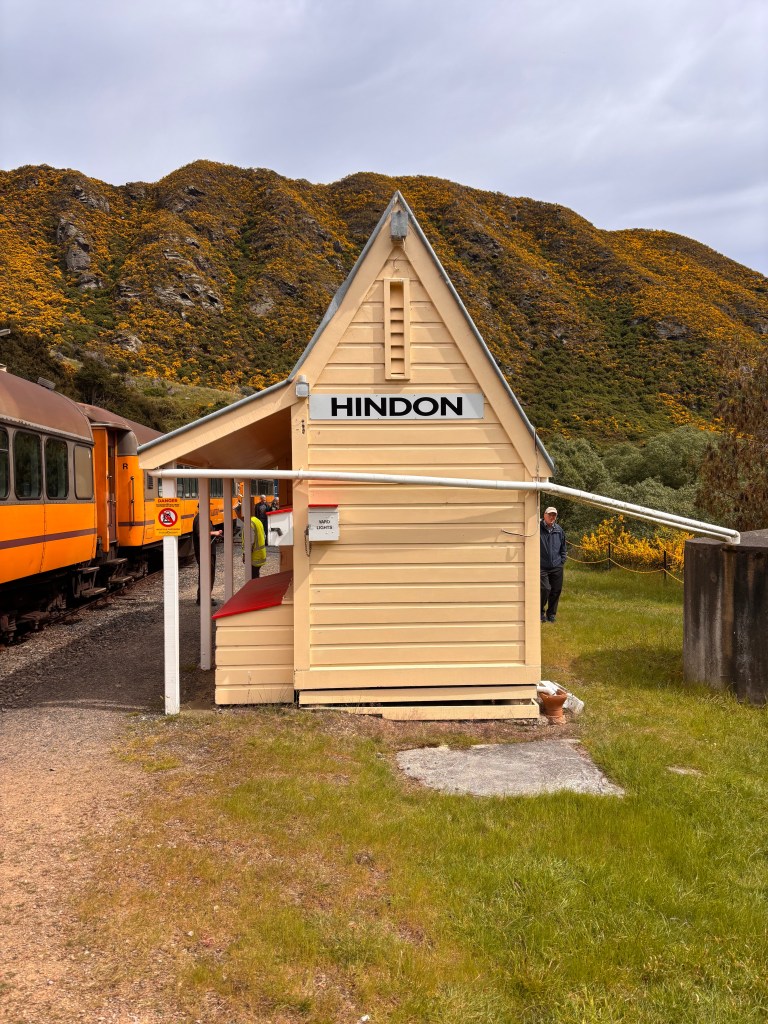
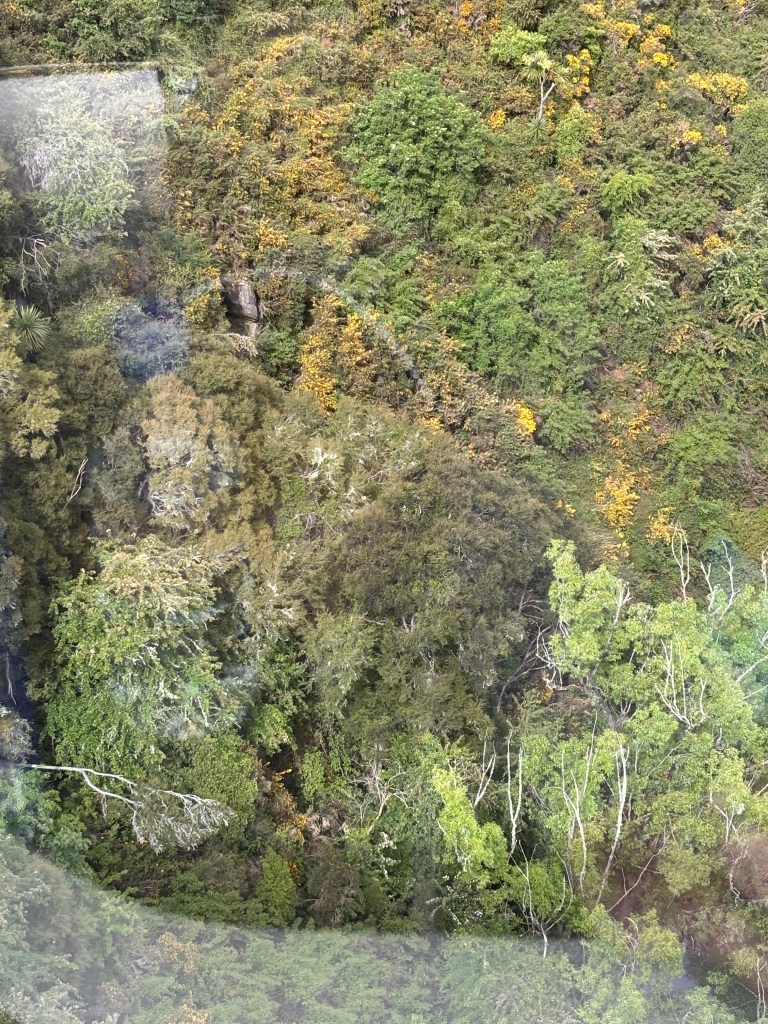
The scenery was spectacular from the first bend: sheer rock faces, deep gorges, and river views that opened suddenly and disappeared just as quickly. Several times the train slowed to a stop so we could step off and take photos — the kind of vantage points you simply can’t reach by road.
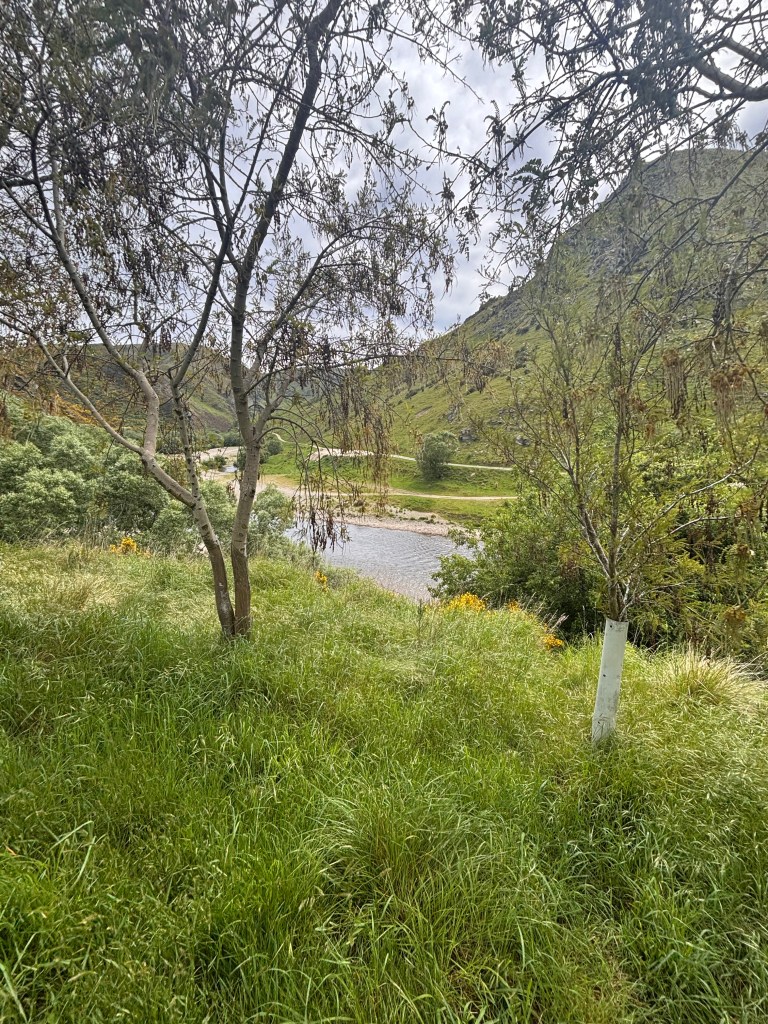
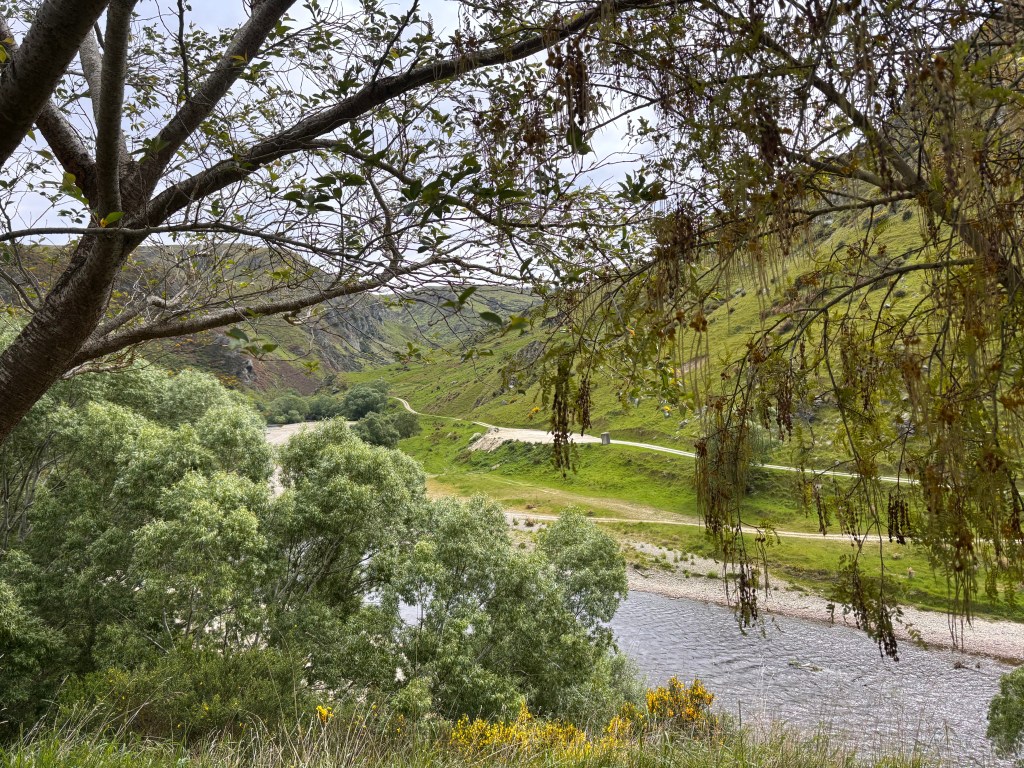
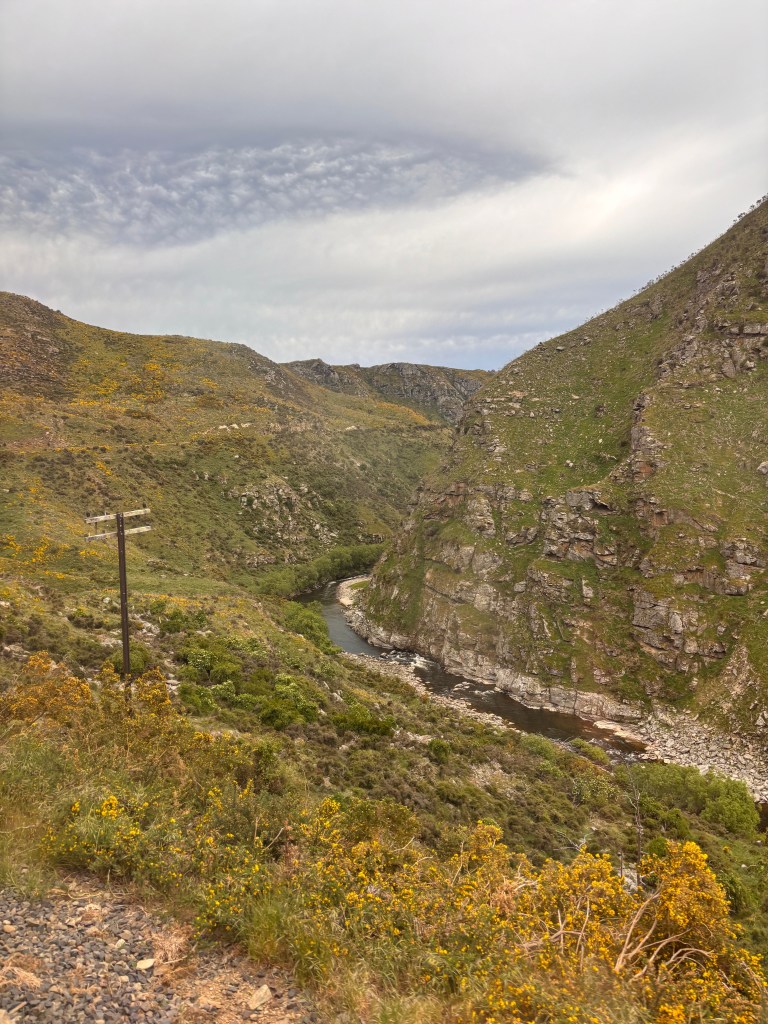
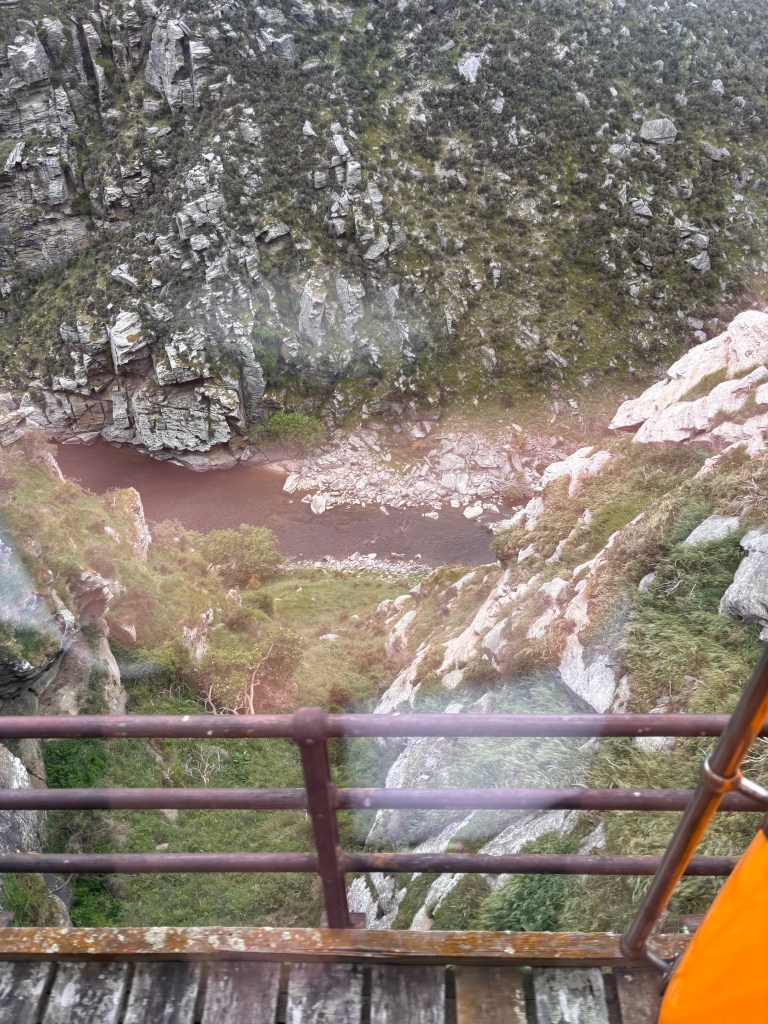
After reaching the quiet outpost of Pukerangi, the train paused before making its return run back to Dunedin, giving us one more chance to soak in the landscape that had unfolded like a moving postcard all day long.
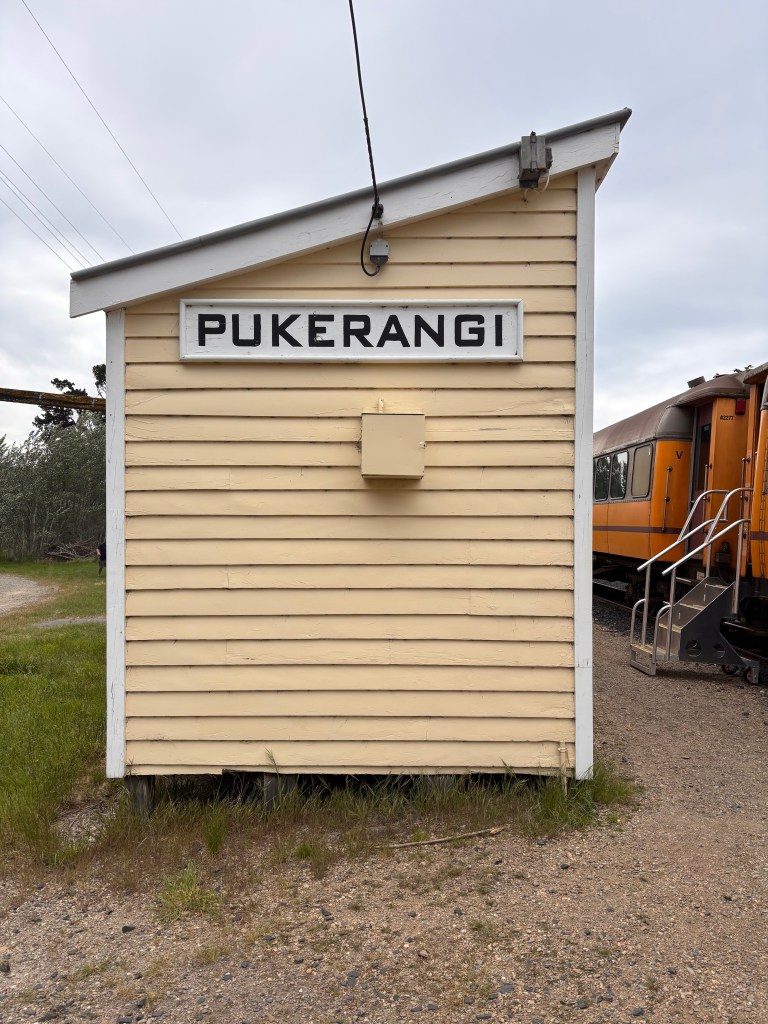
The views from the outpost at Pukerangi were every bit as awe-inspiring as the journey that brought us there. Wide, windswept plains stretched toward distant hills, the kind of quiet, open landscape that feels unchanged for centuries. After a brief pause to take it all in, we began our return to Dunedin — this time without stops — letting the scenery slip by in long, unbroken ribbons.
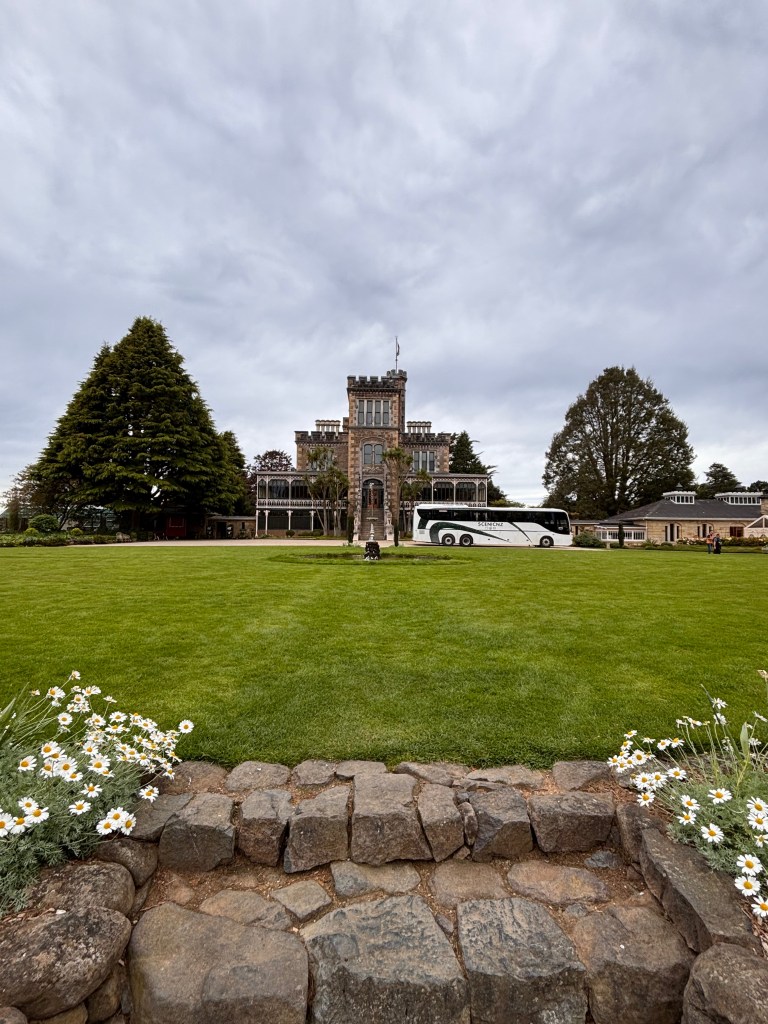
Back in the city, we dropped off those not joining the optional afternoon excursion, and the rest of us continued on toward one of Otago’s most iconic landmarks: Larnach Castle. Perched high on the Otago Peninsula, the castle came into view slowly, its stone façade rising above manicured grounds as if it were watching over the harbor below.
Larnach Castle has a story as dramatic as its setting. It was built in the 1870s by William Larnach — a prosperous merchant, banker, and politician — as a lavish family residence. Larnach spared no expense: he imported marble from Italy, glass from Venice, tiles from England, and commissioned master craftsmen from Europe, Australia, and New Zealand to shape every detail. What stands today is the result of more than 200 workers and three years of construction on the main building alone, followed by an additional decade of interior finishing.
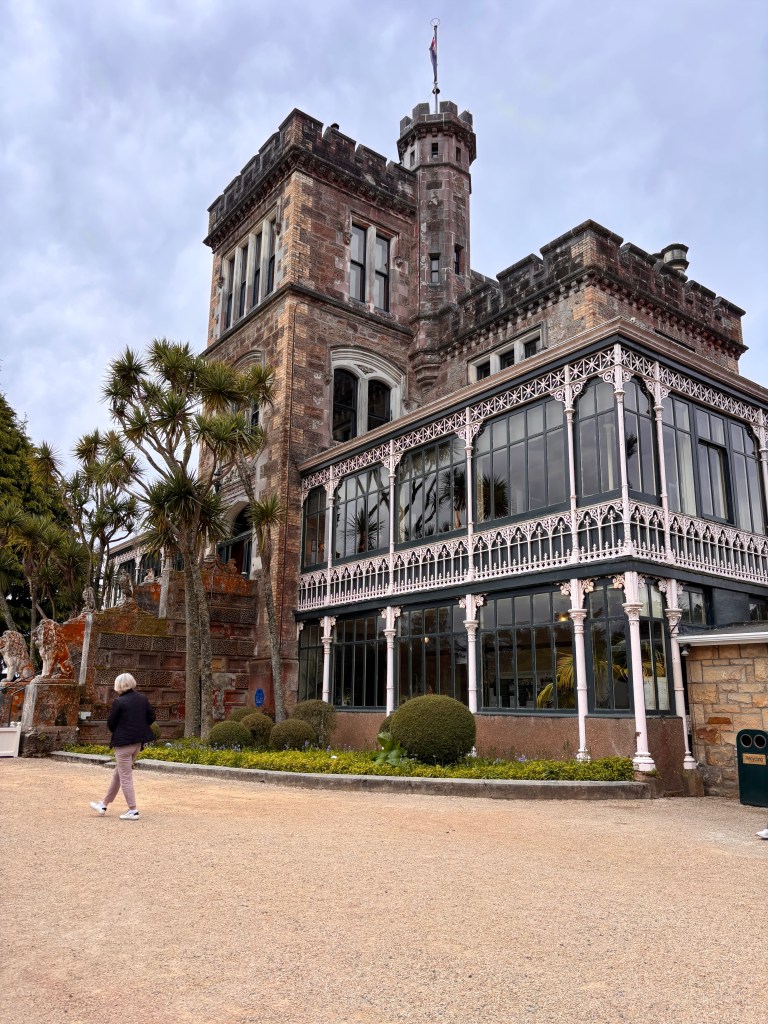
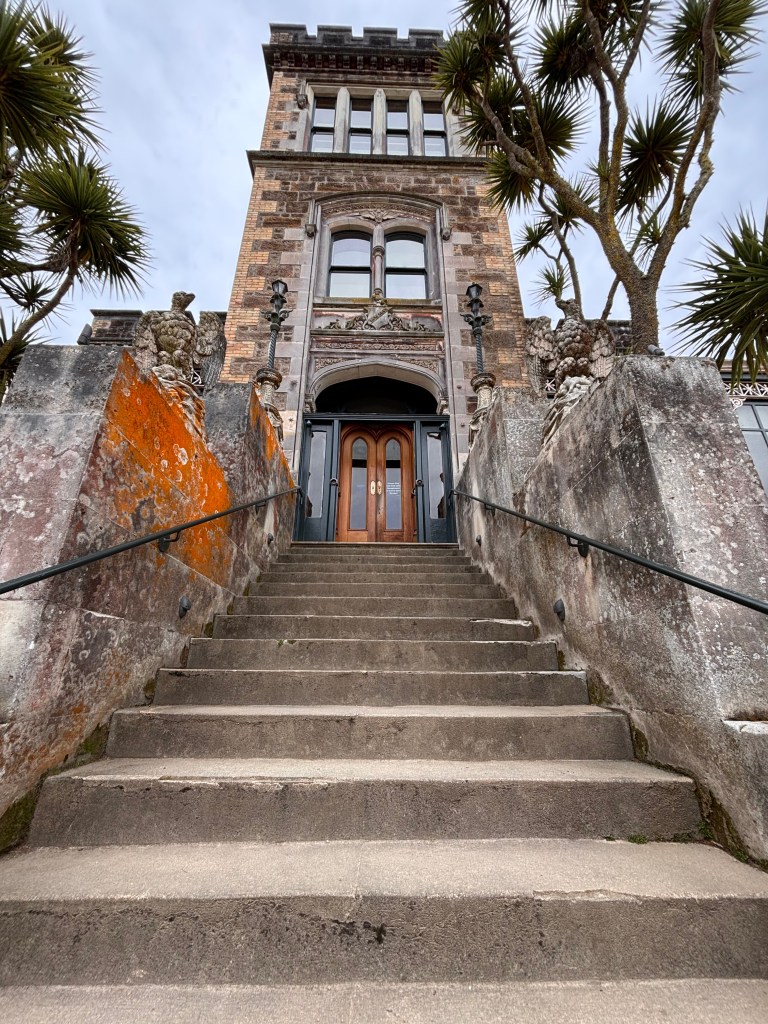
Yet behind all the grandeur was a life marked by personal tragedy. Larnach’s wife, Eliza, died young, and two more family losses followed in quick succession. Eventually, burdened by financial woes and political pressures, Larnach took his own life in Parliament Buildings in 1898. After his death, the castle went through years of decline, changing hands multiple times and falling into disrepair.
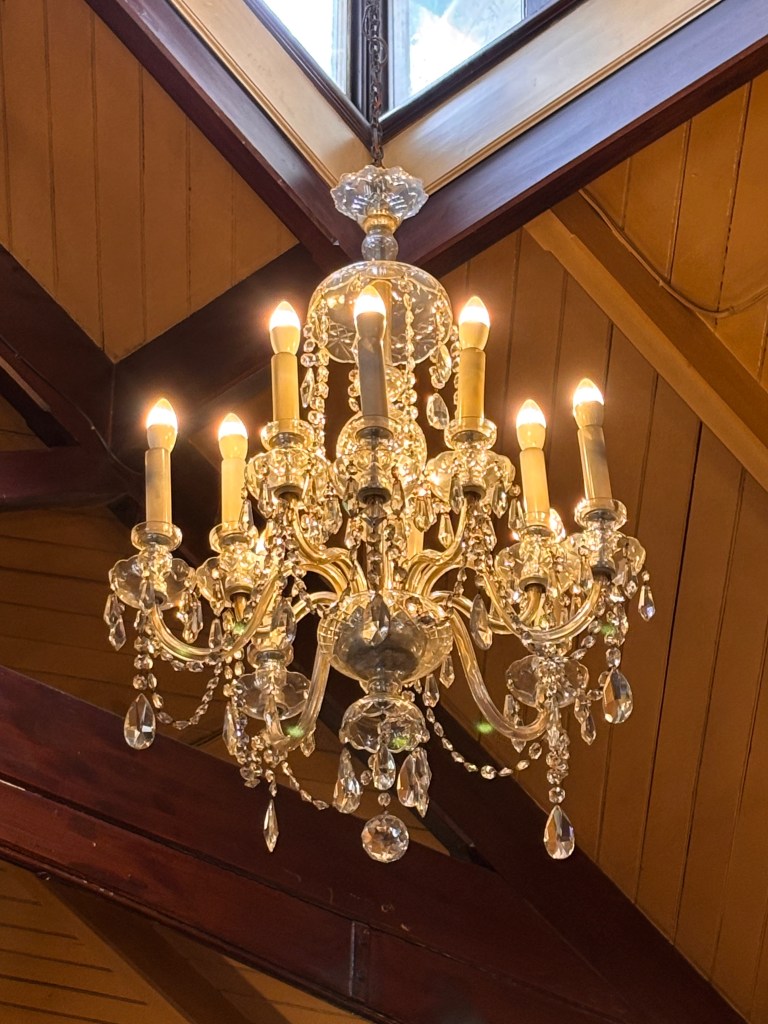
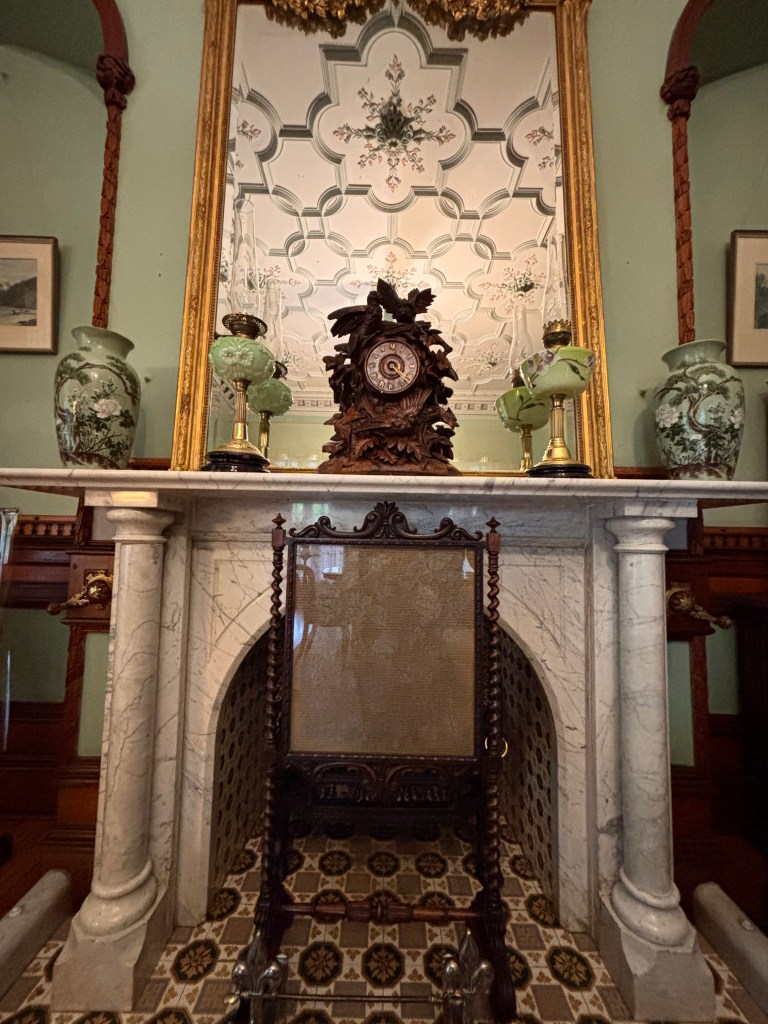
Its revival began in 1967, when the Barker family purchased the property and embarked on a painstaking restoration — a project that continues even now. Thanks to their dedication, the castle has been restored to something close to its 19th-century splendor and is often described as New Zealand’s only true castle.
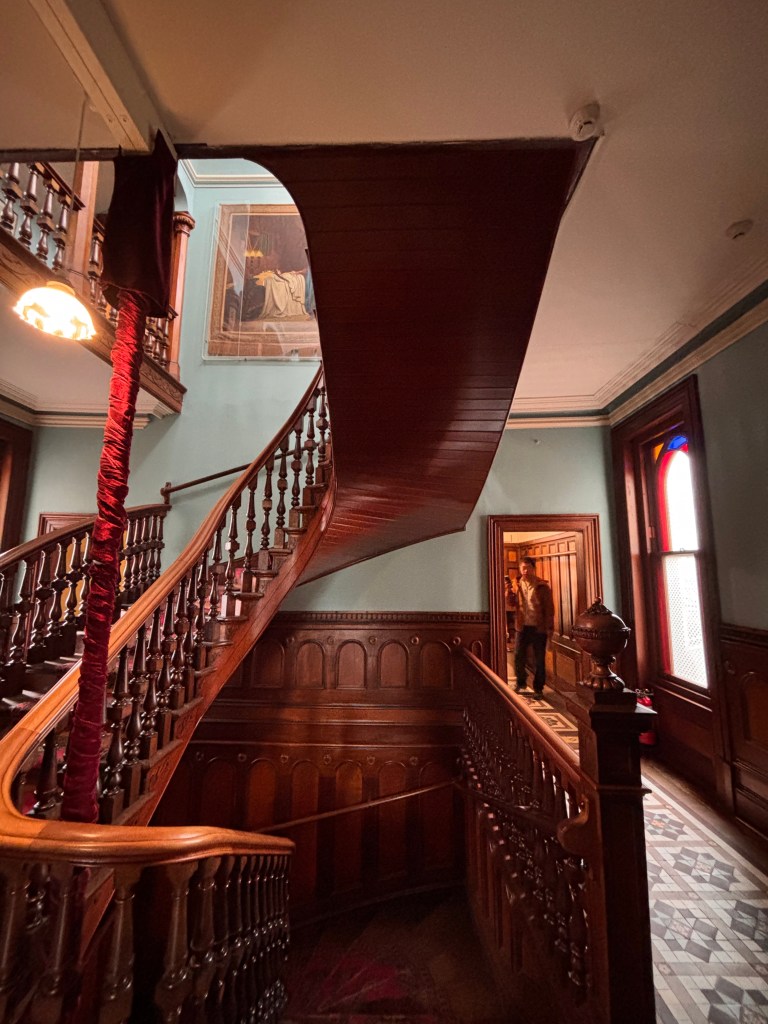
We arrived in time for high tea, which felt perfectly suited to the surroundings. The rooms were filled with period furnishings, rich woodwork, and tall windows framing sweeping views of the peninsula. Afterward, a guided tour led us through the grand hallways, up the ornate staircases, and into rooms that seemed to echo with the stories of the Larnach family — a blend of ambition, elegance, and heartbreak.
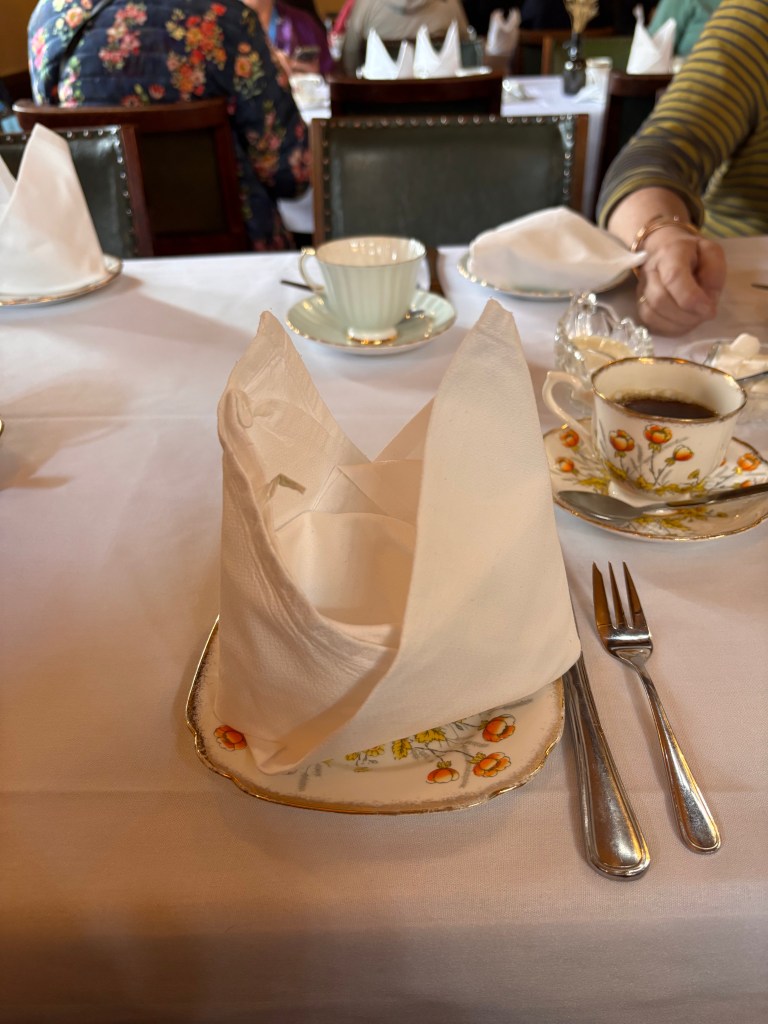
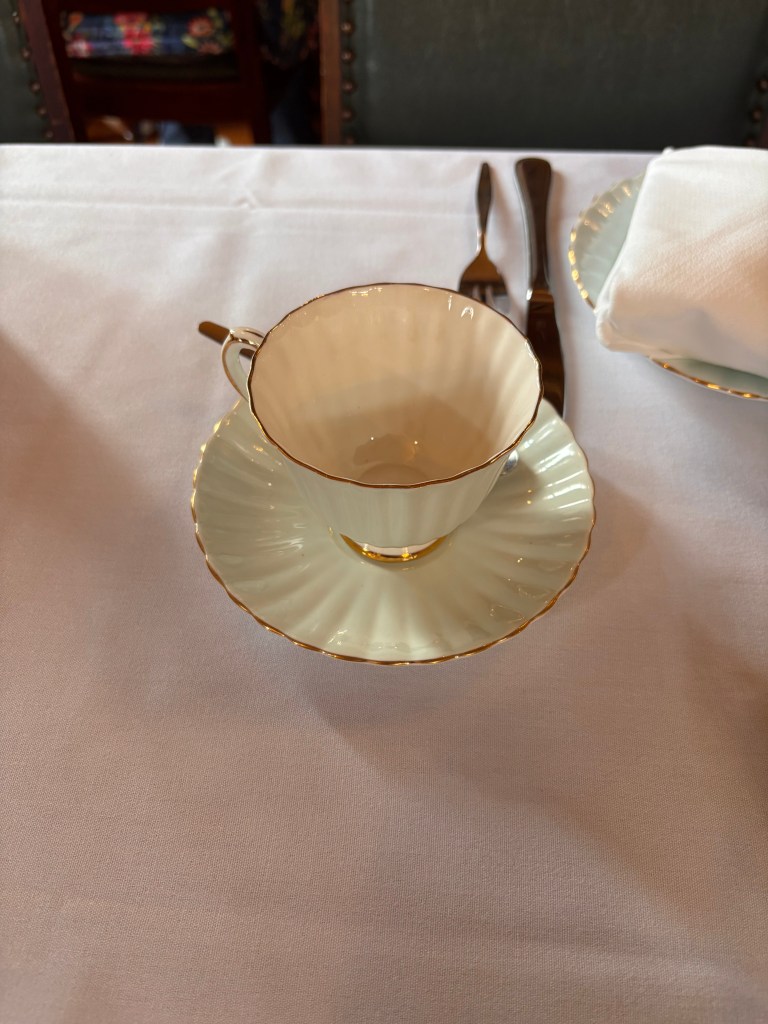
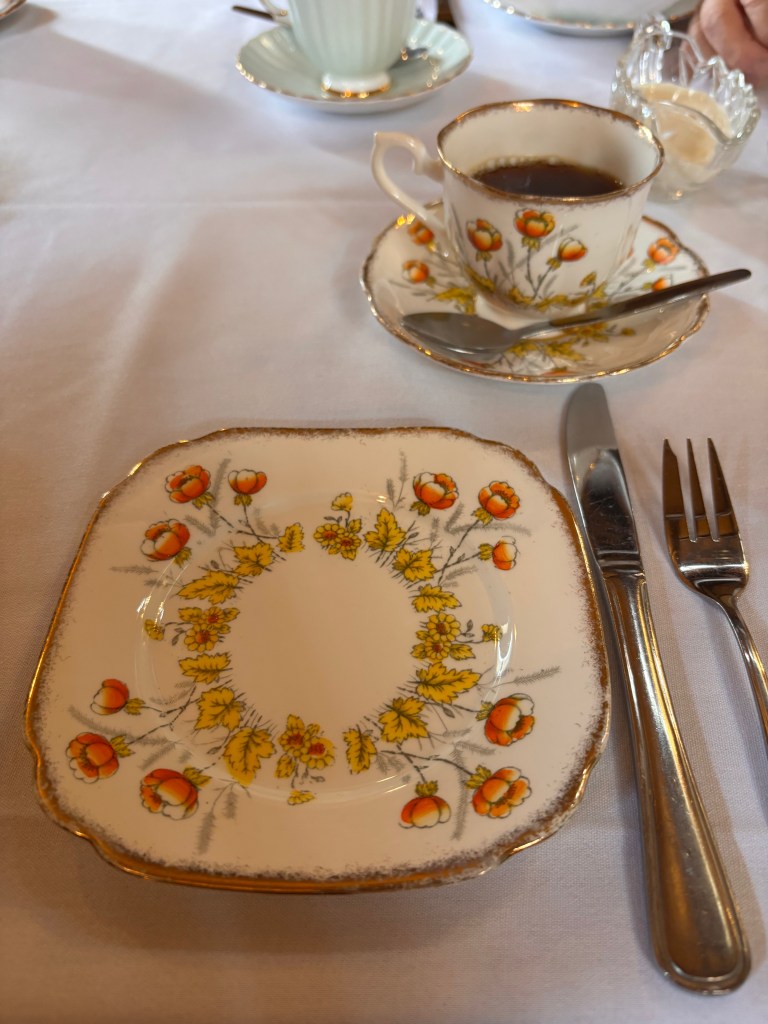
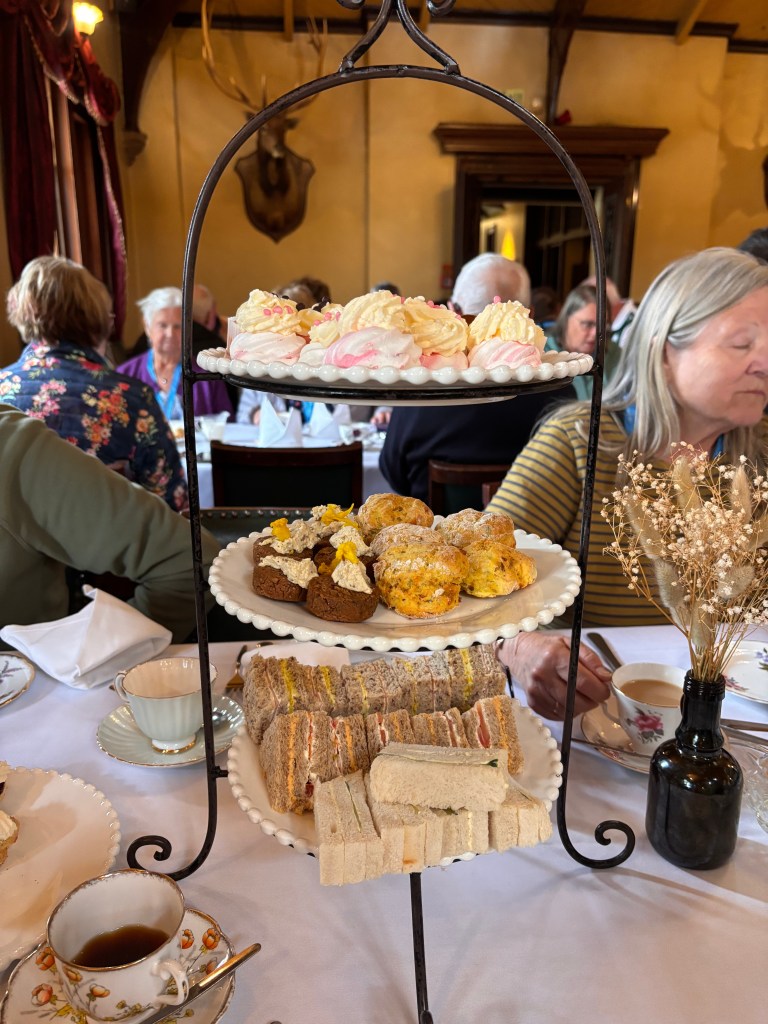
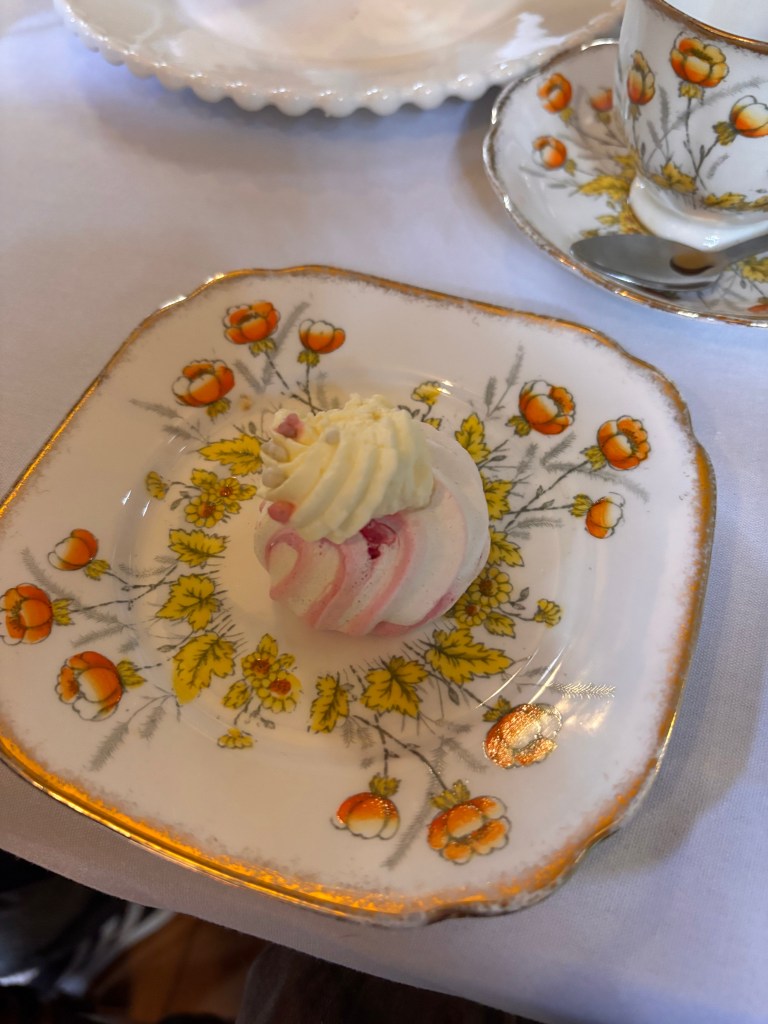
After tea, we were met by our guide for a personally narrated tour of the house — a highlight in its own right. As we moved from room to room, she wove together the castle’s history from its ambitious beginnings under William Larnach to its decades of decline and, finally, to the remarkable restoration undertaken by the Barker family. Her knowledge was impressive, delivered with the kind of ease and detail that made the stories feel alive rather than recited.
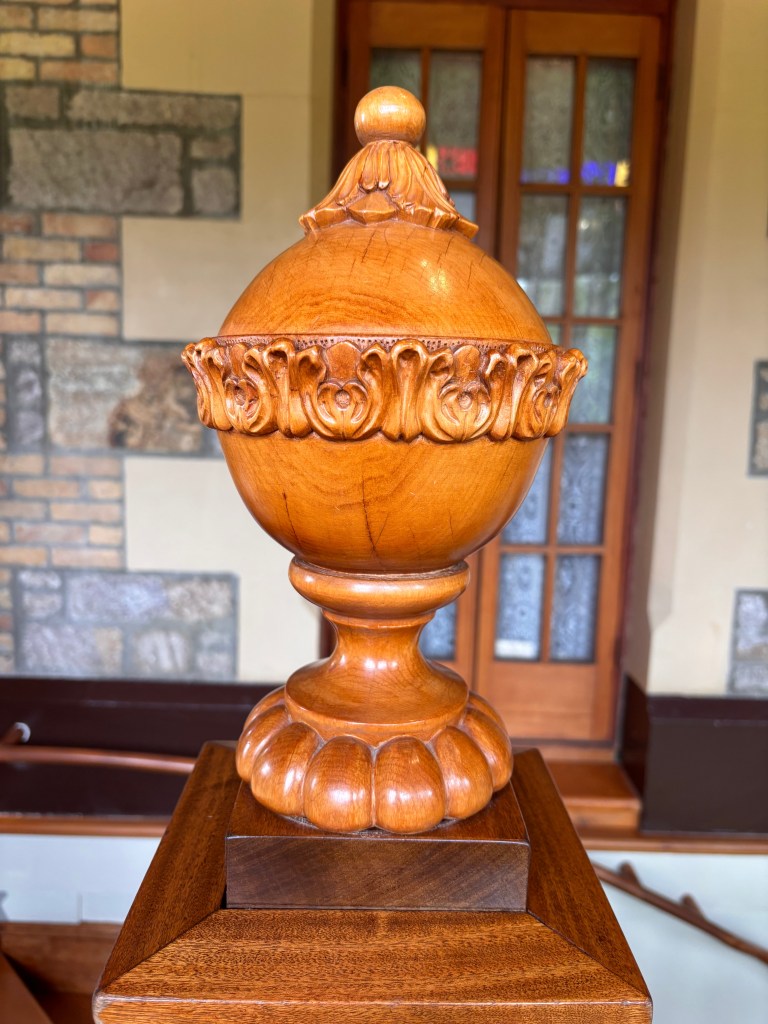
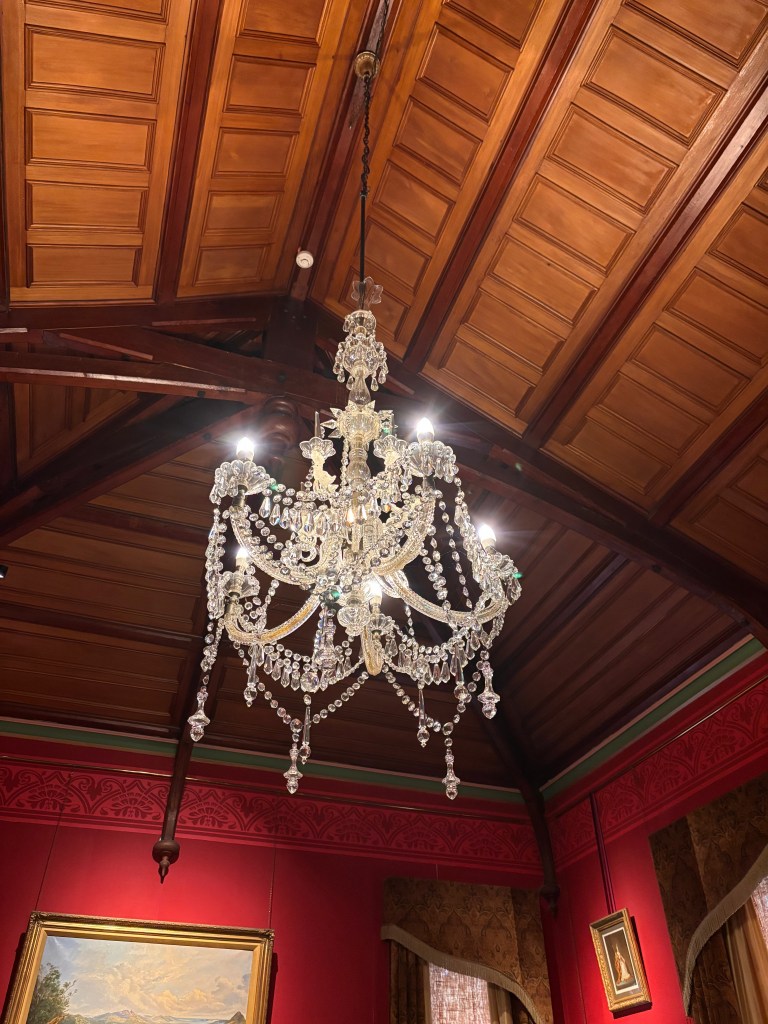
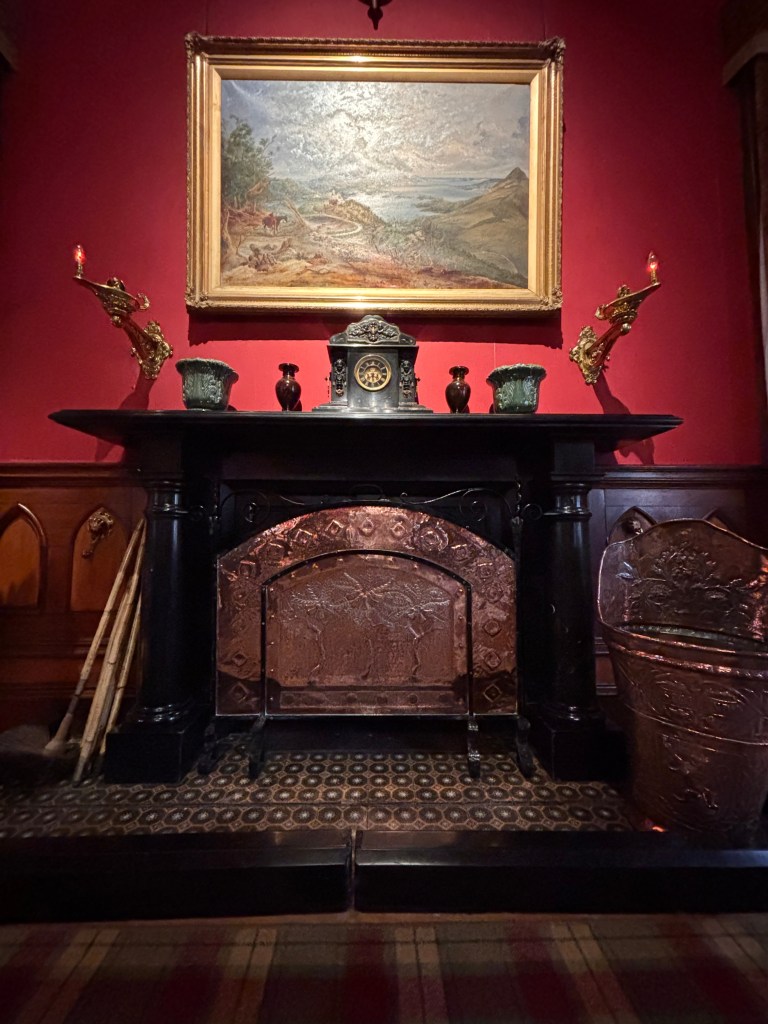
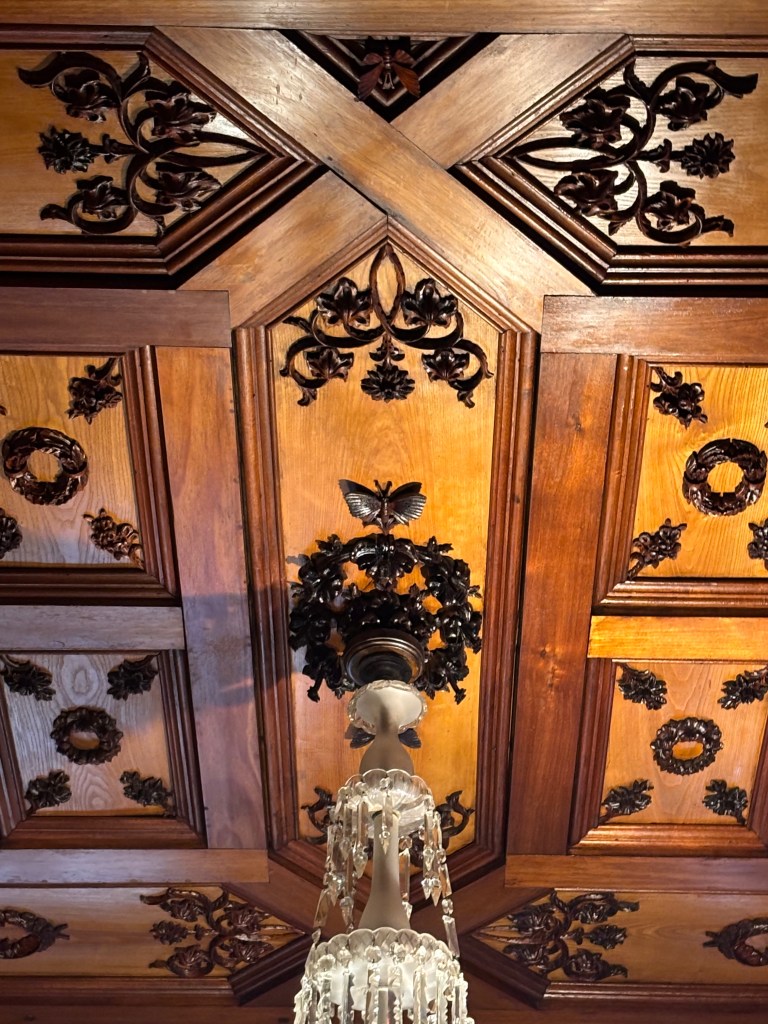
The castle itself was exquisite: richly carved woodwork, imported tiles, sweeping staircases, and windows that opened onto views as dramatic as any painting. Each space carried its own sense of time and place, and with our guide’s commentary, it was easy to imagine the life that once unfolded within those walls — elegant, turbulent, and full of the unexpected twists that shaped the Larnach legacy.
By the end of the tour, we felt as though we’d stepped not just into a historic home, but into the layered story of a family and a landmark that has become an enduring part of New Zealand’s heritage.
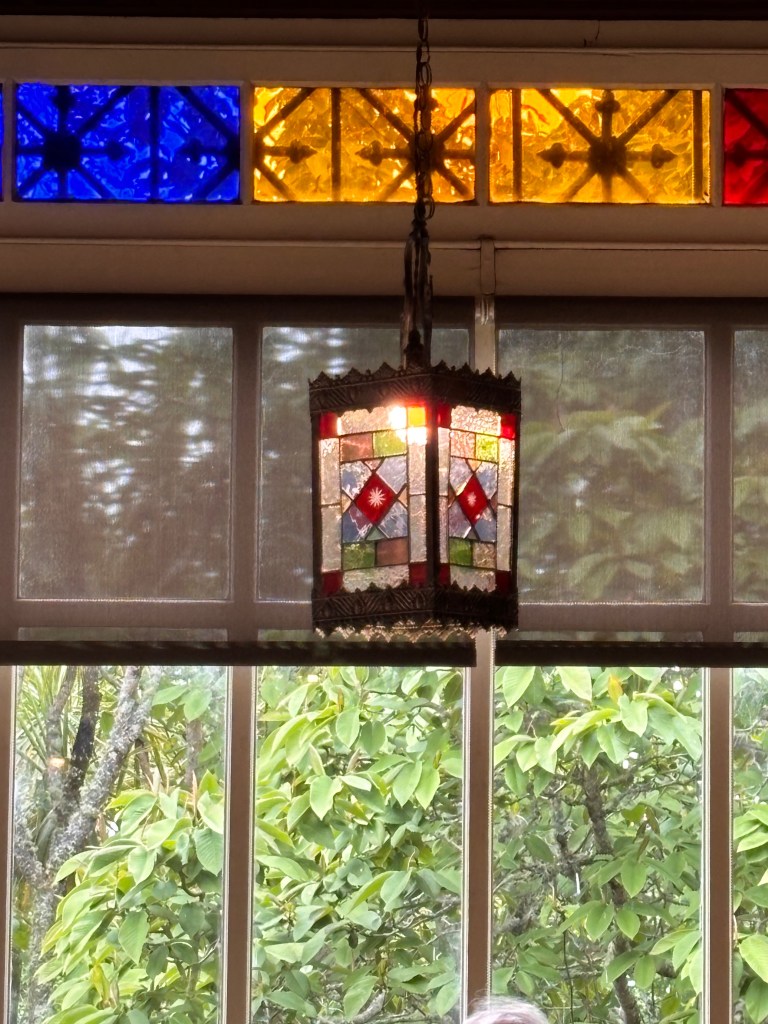
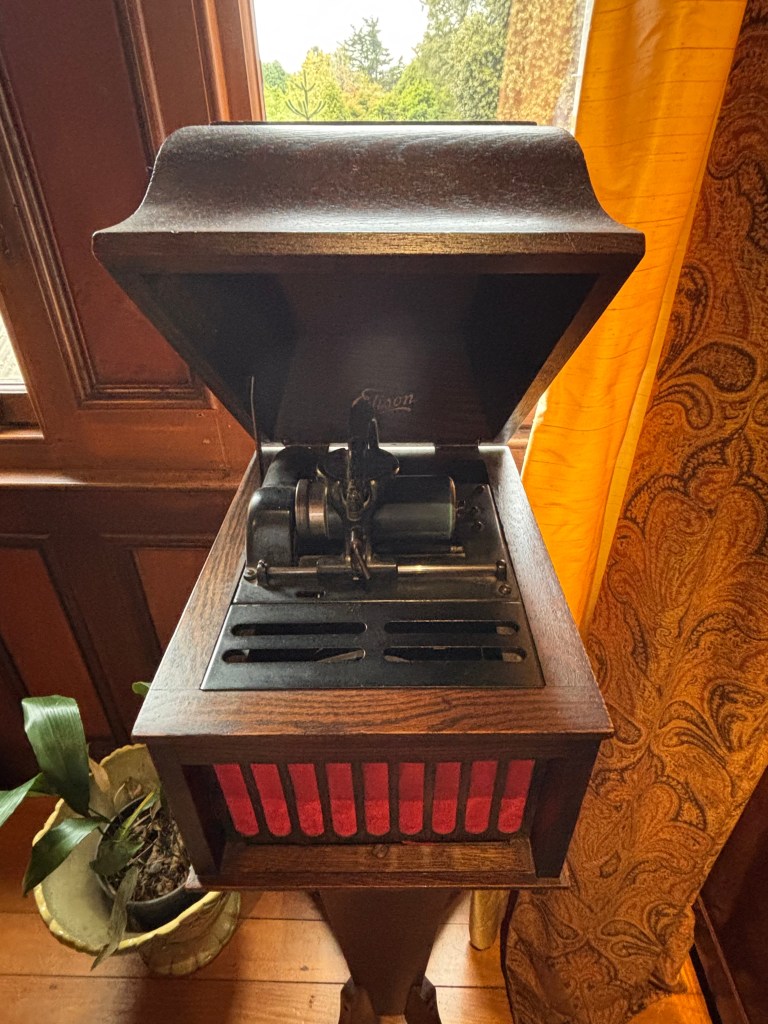
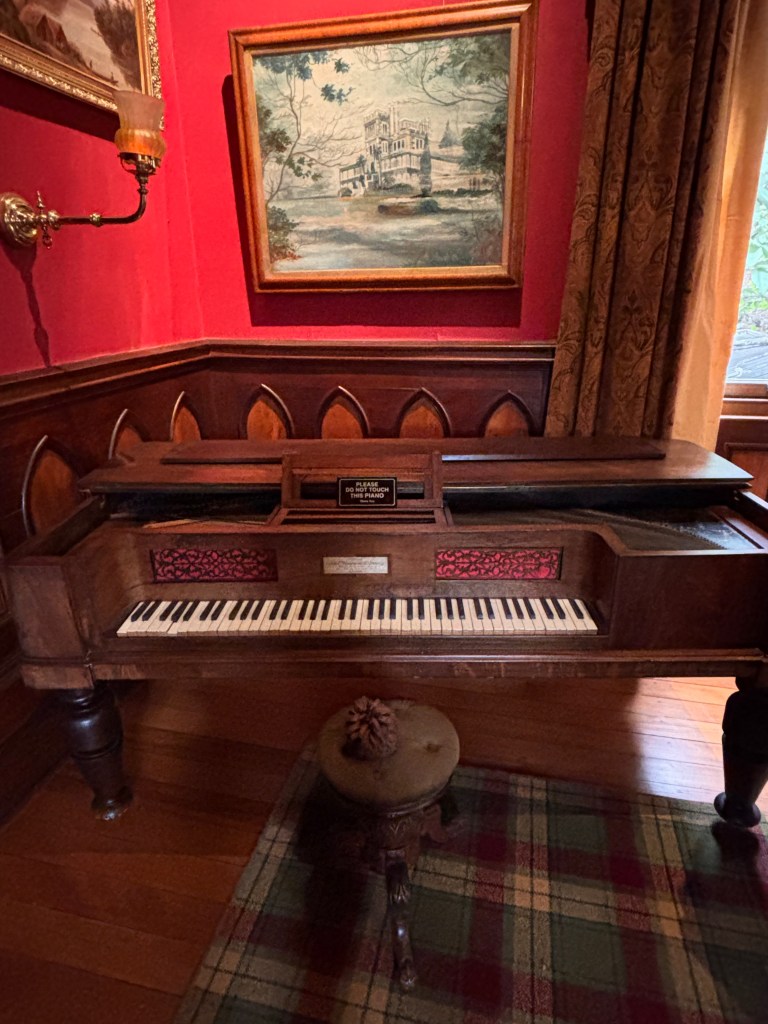
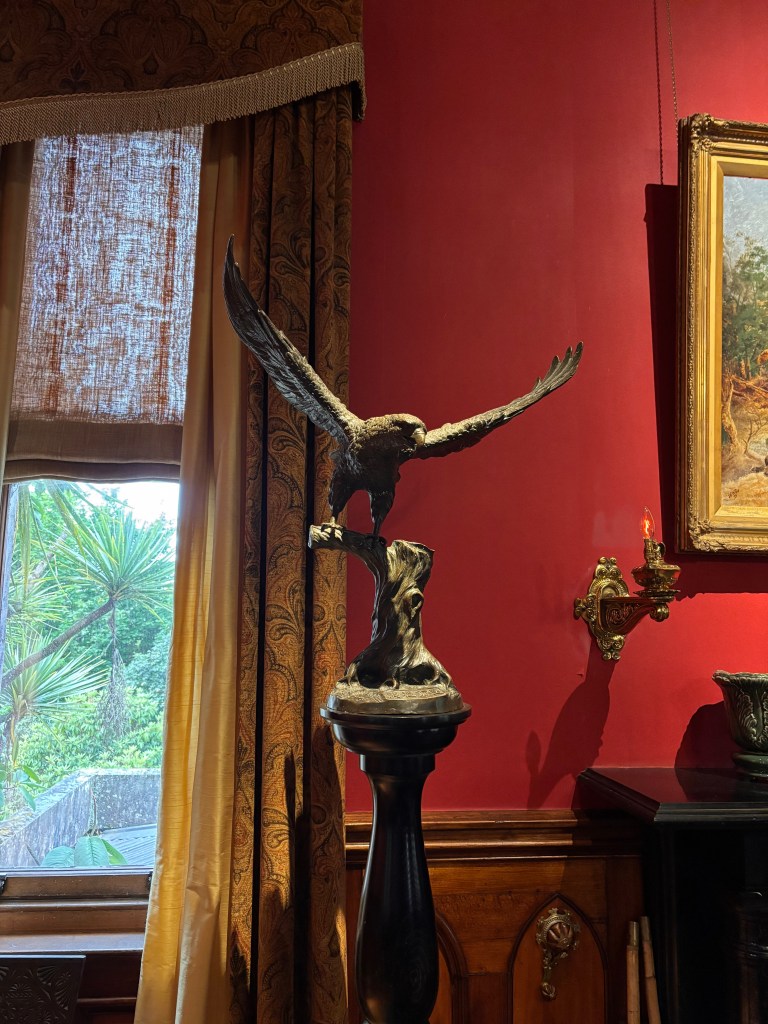
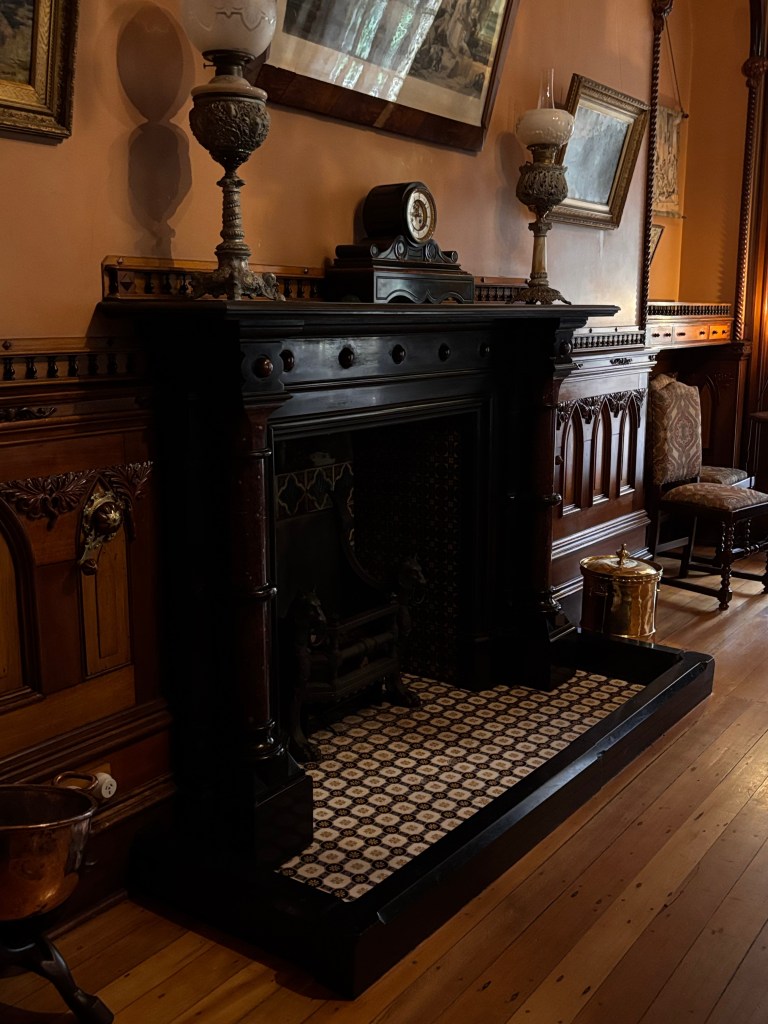
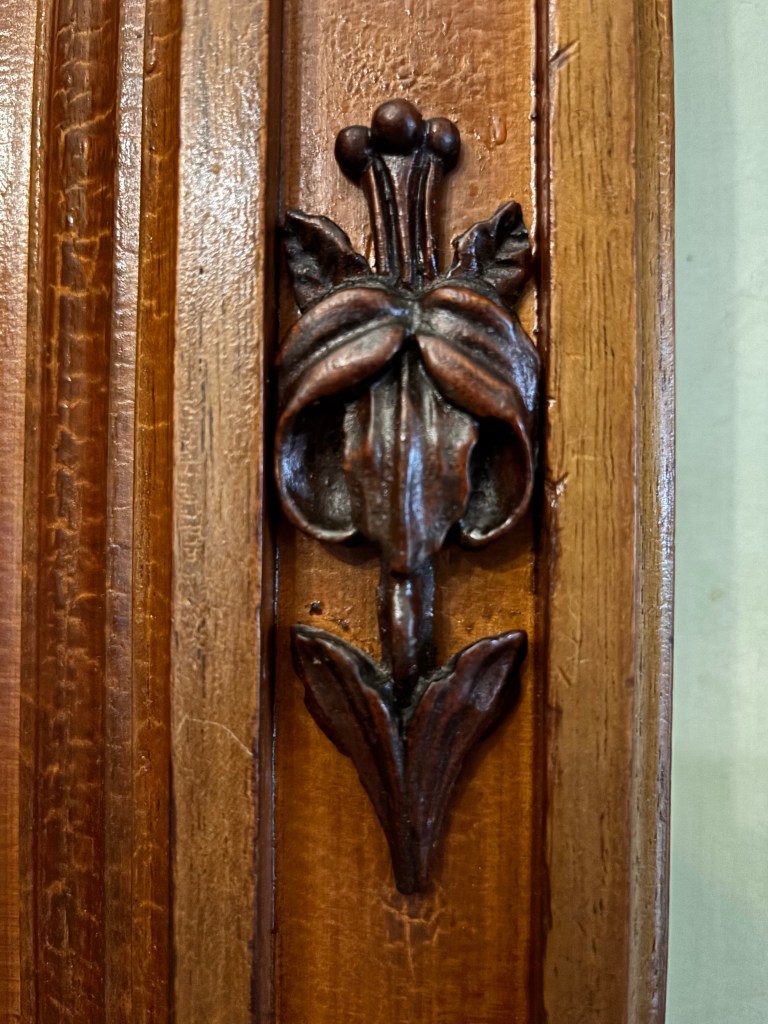
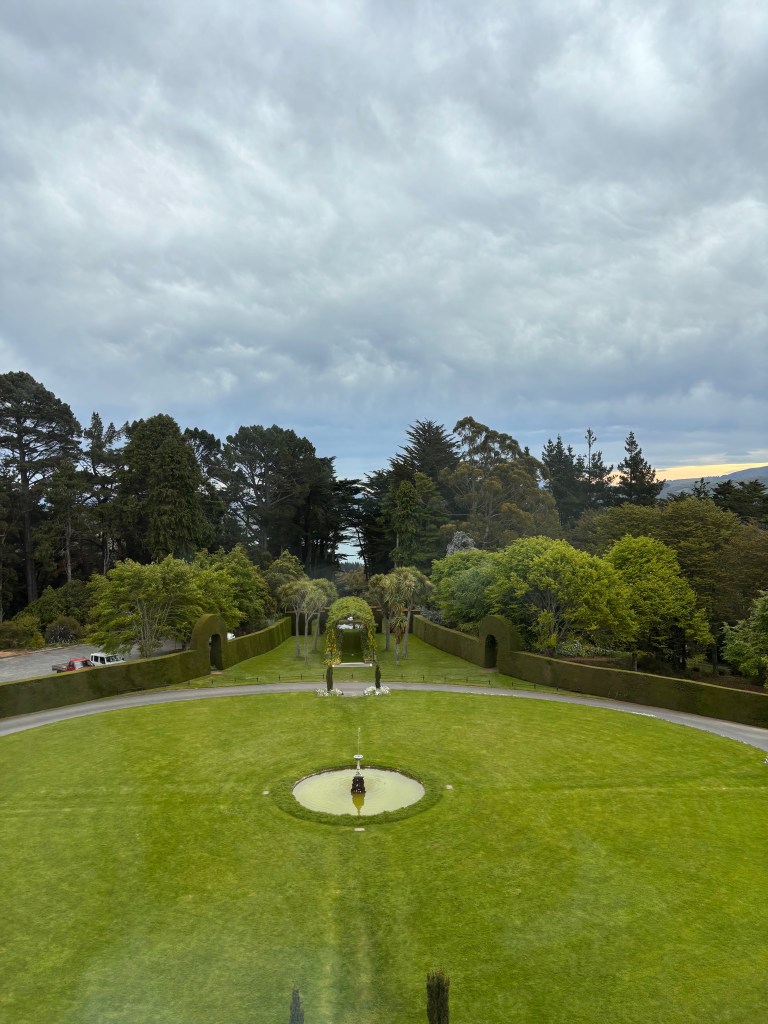
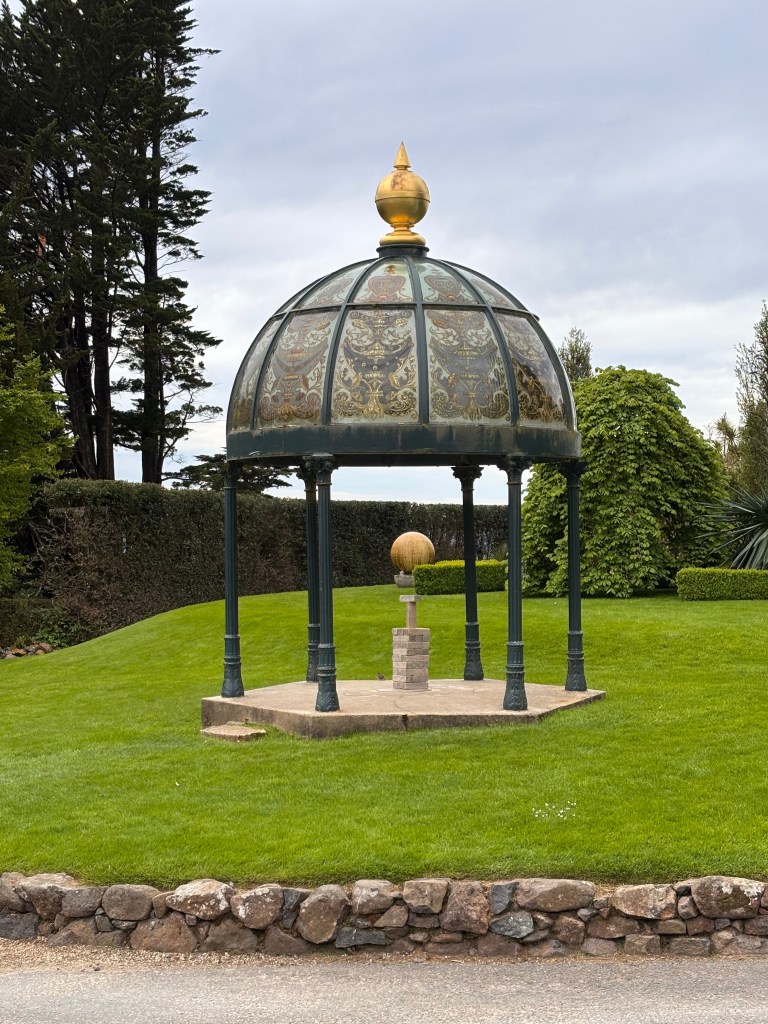
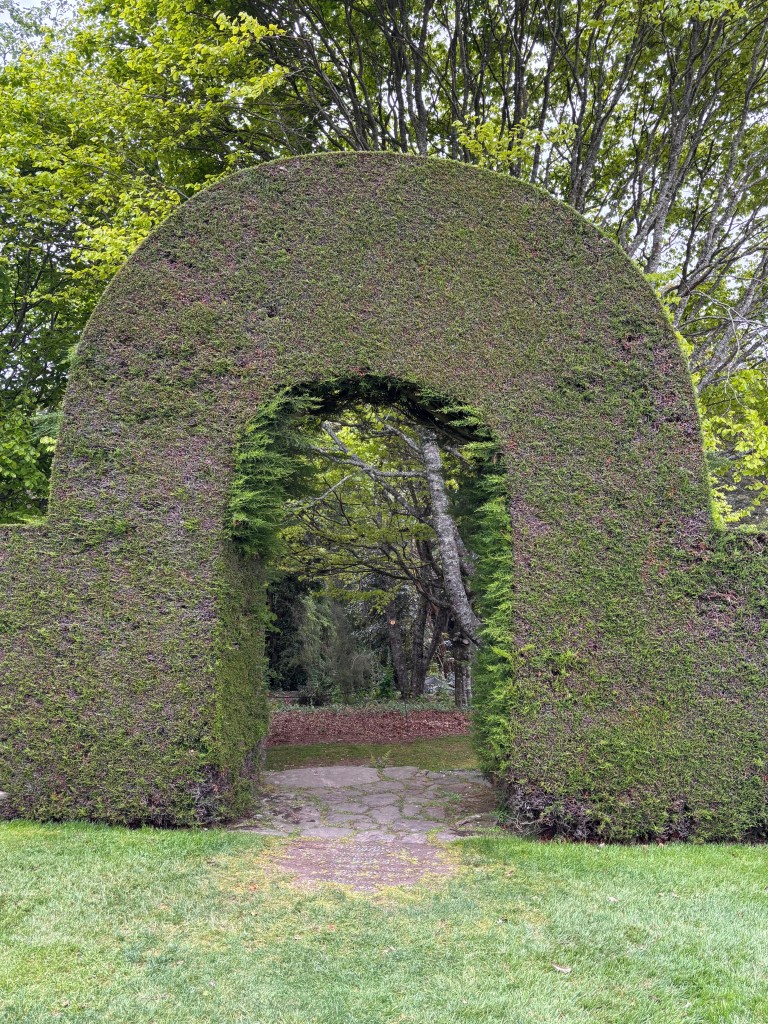
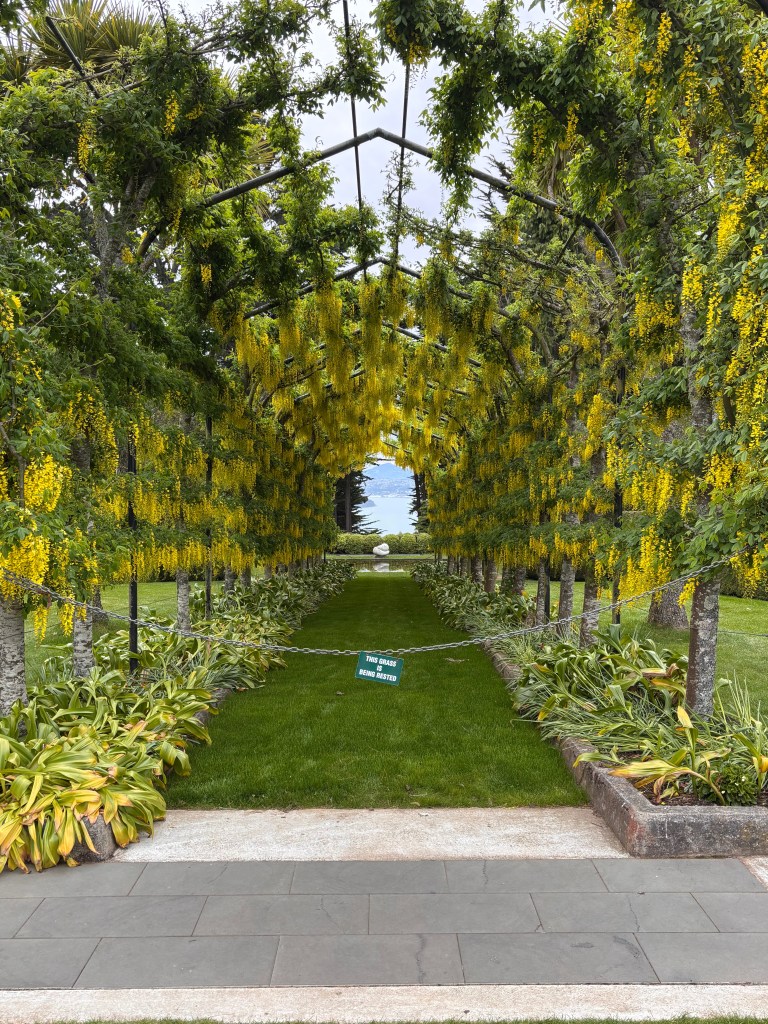
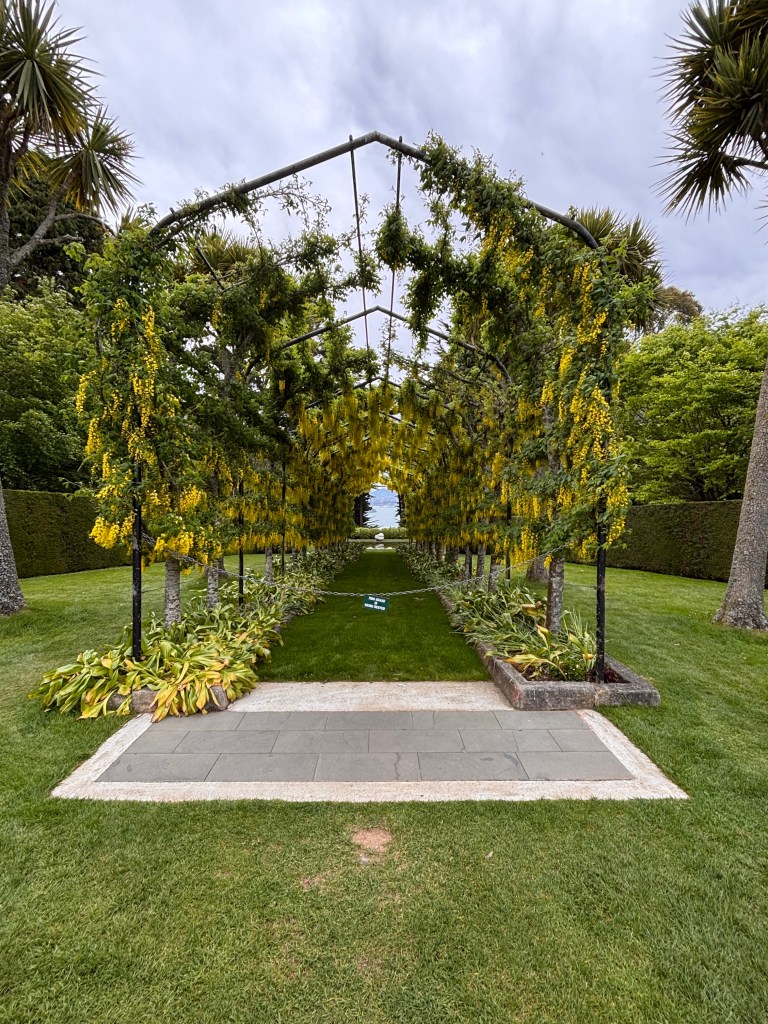
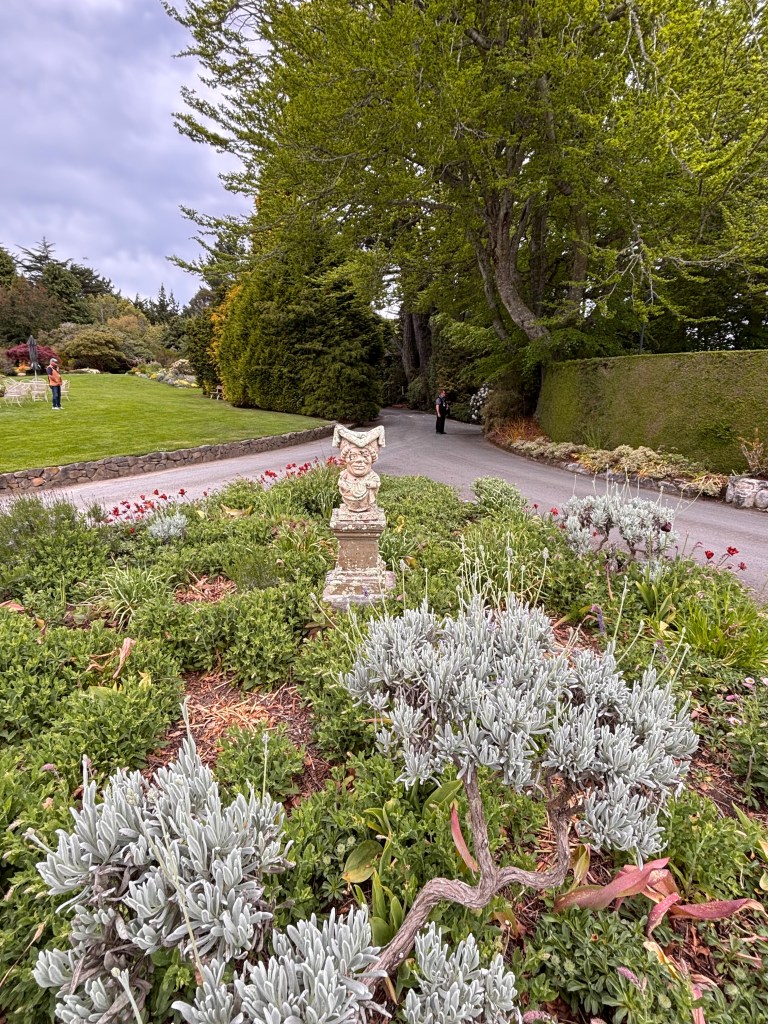
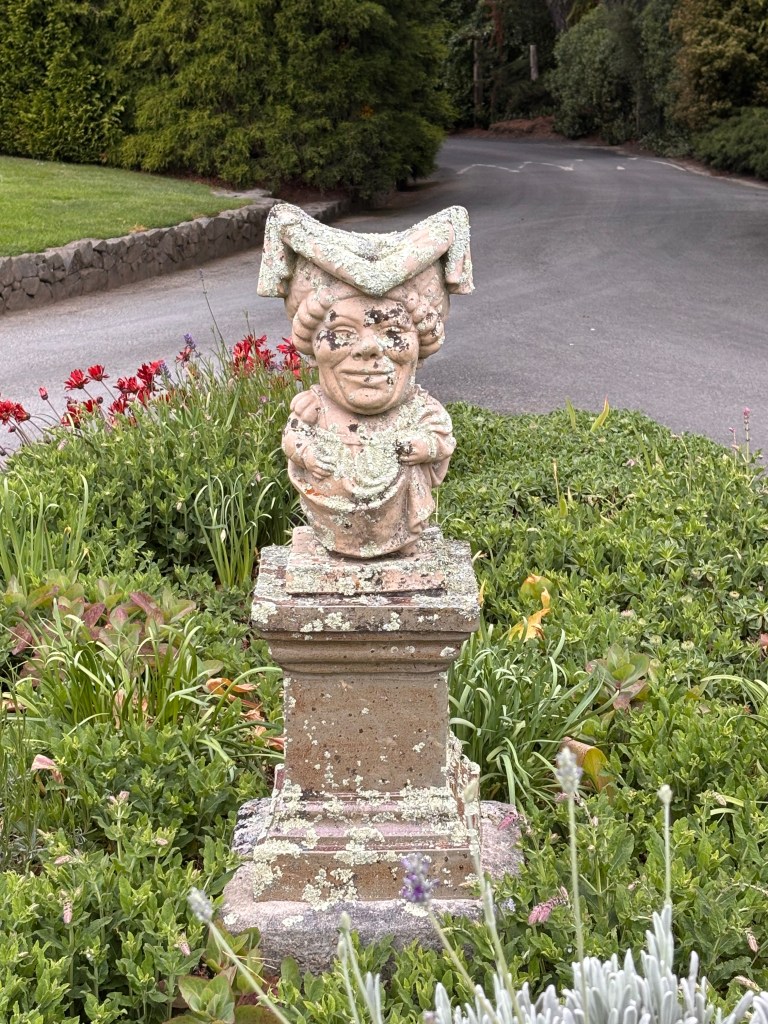
By the time we stepped outside again, the late-day light had settled softly over the gardens, casting a gentle glow over the terraces. It was easy to imagine the place as it once was: a remote, extravagant estate at the edge of the world.
After the tour we reboarded our coach back to the hotel where we would have dinner on our own.
 Anthony's Travel Adventures