DAY 8 – DUNEDIN – OAMARU – AORAKI MT COOK
We left early that morning, breakfast over at the hotel before climbing back on the coach to head toward Oamaru. The plan was simple but charming: a train ride into town, then a bus to the Victorian Precinct — a piece of history frozen in stone.
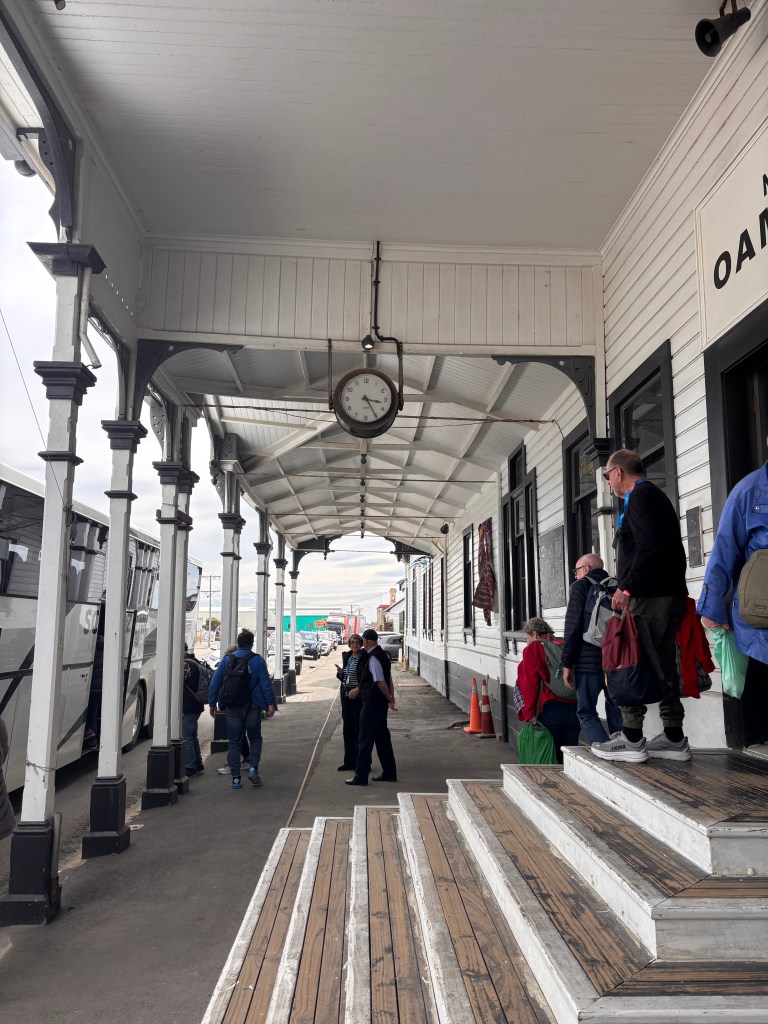
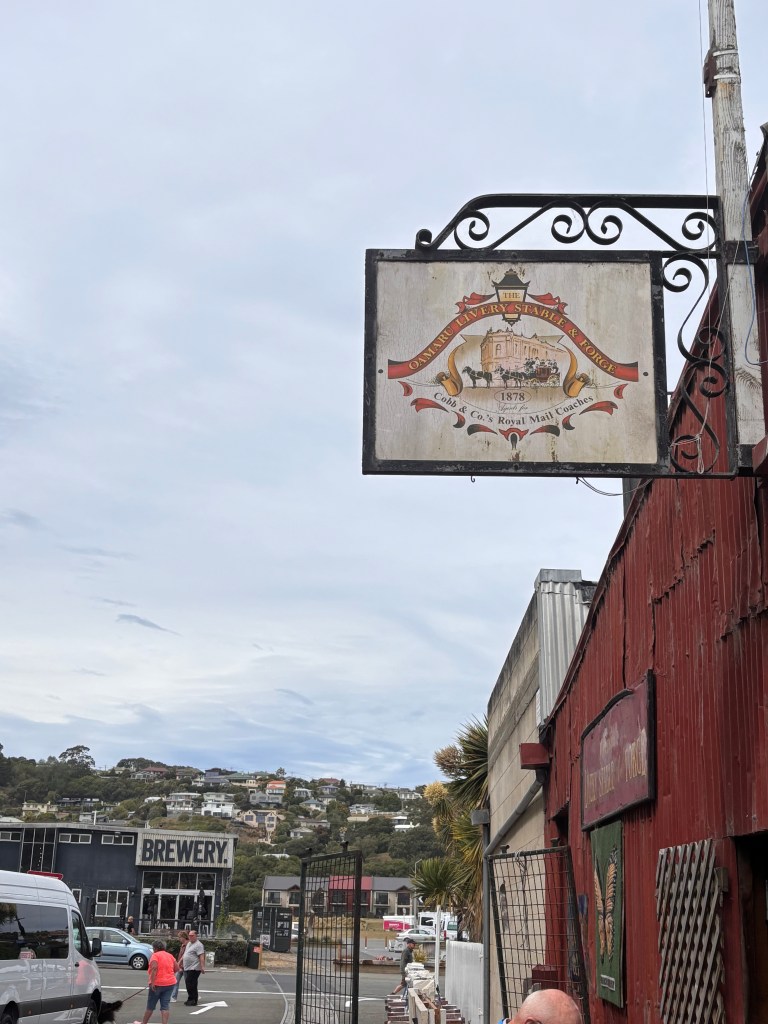
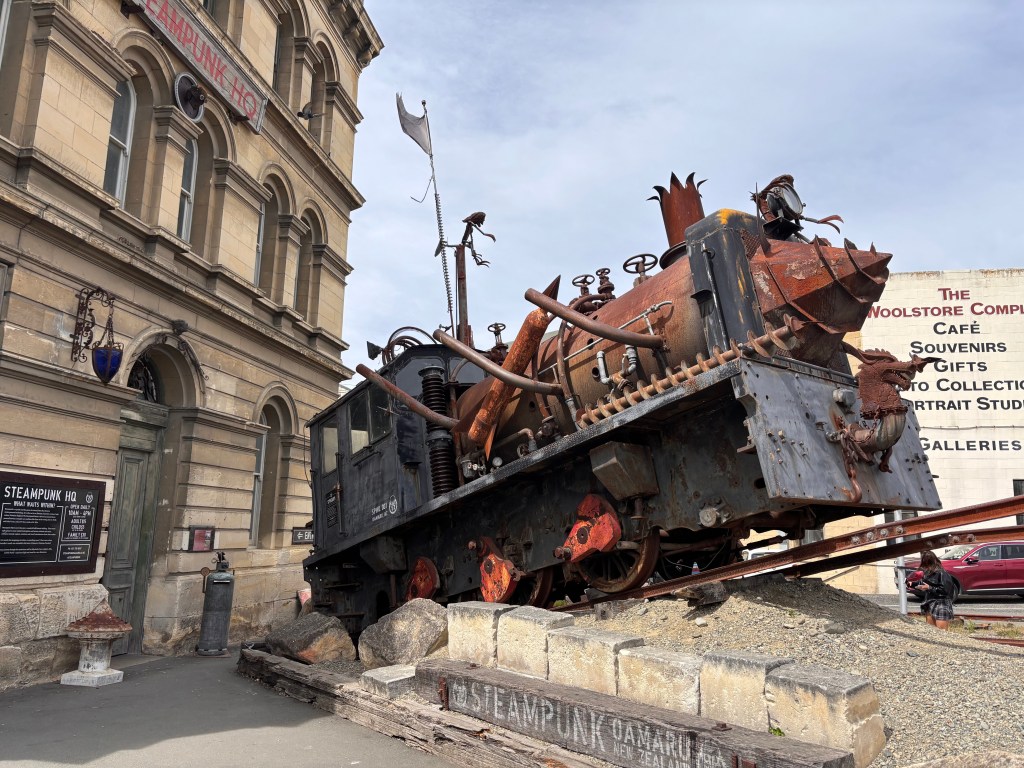
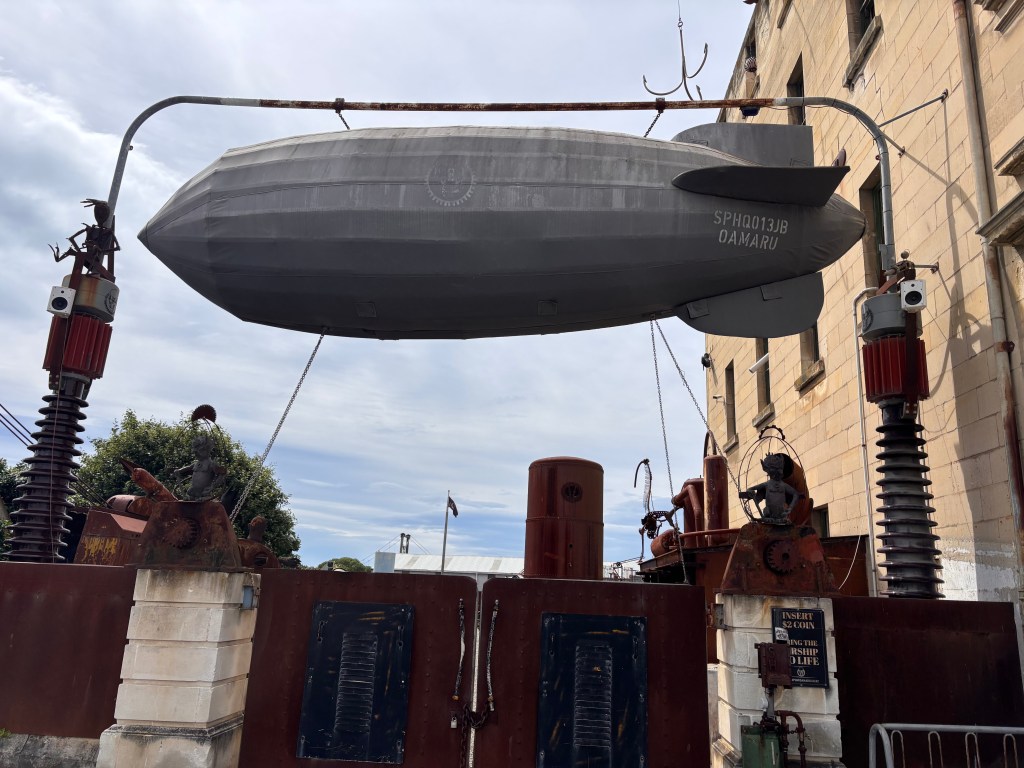
Arriving in Oamaru felt like stepping back into another century. The town is flush with grand commercial buildings made from Oamaru stone, a creamy-white local limestone that was quarried nearby. The Victorian Precinct — centered around Harbour Street, Tyne Street, and lower Thames Street — is one of New Zealand’s most complete and beautifully preserved Victorian-era streetscapes.
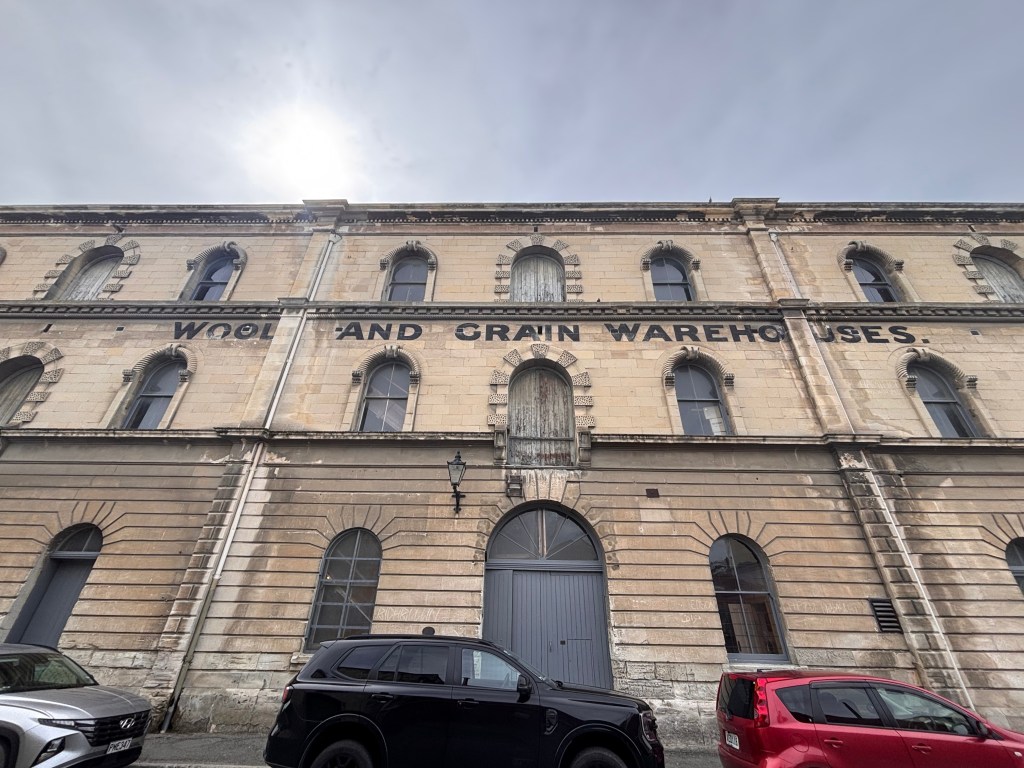
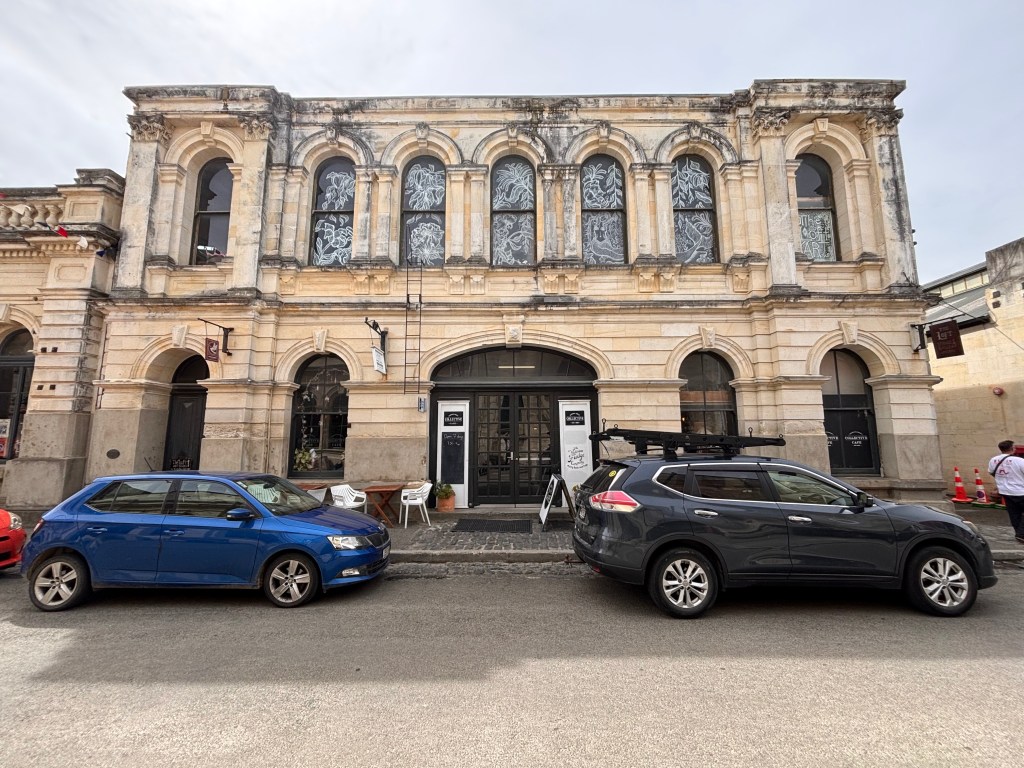
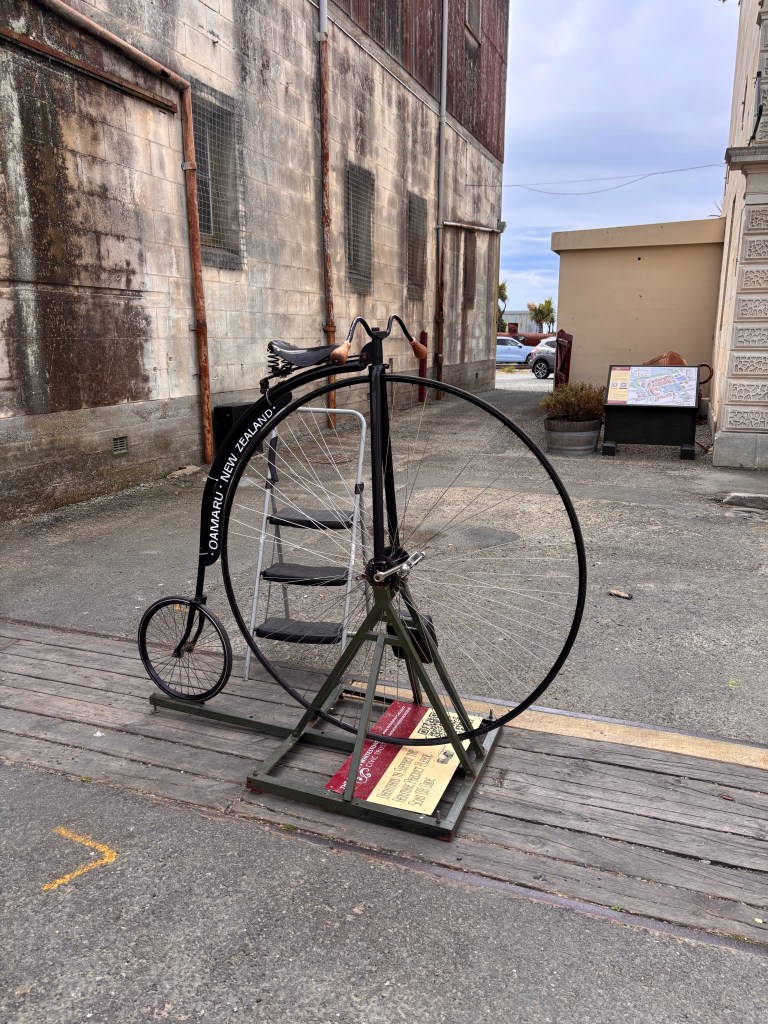
Originally, many of these buildings were warehouses for grain and wool, reflecting Oamaru’s booming agricultural economy in the late 1800s. Today, they’ve been lovingly restored by the Oamaru Whitestone Civic Trust, who maintain sixteen historic limestone buildings. Walking through the Precinct feels like walking through a Victorian time capsule, with ornate Neo-Classical façades, carved stone details, and the kind of architectural craftsmanship that gives the place real gravitas.
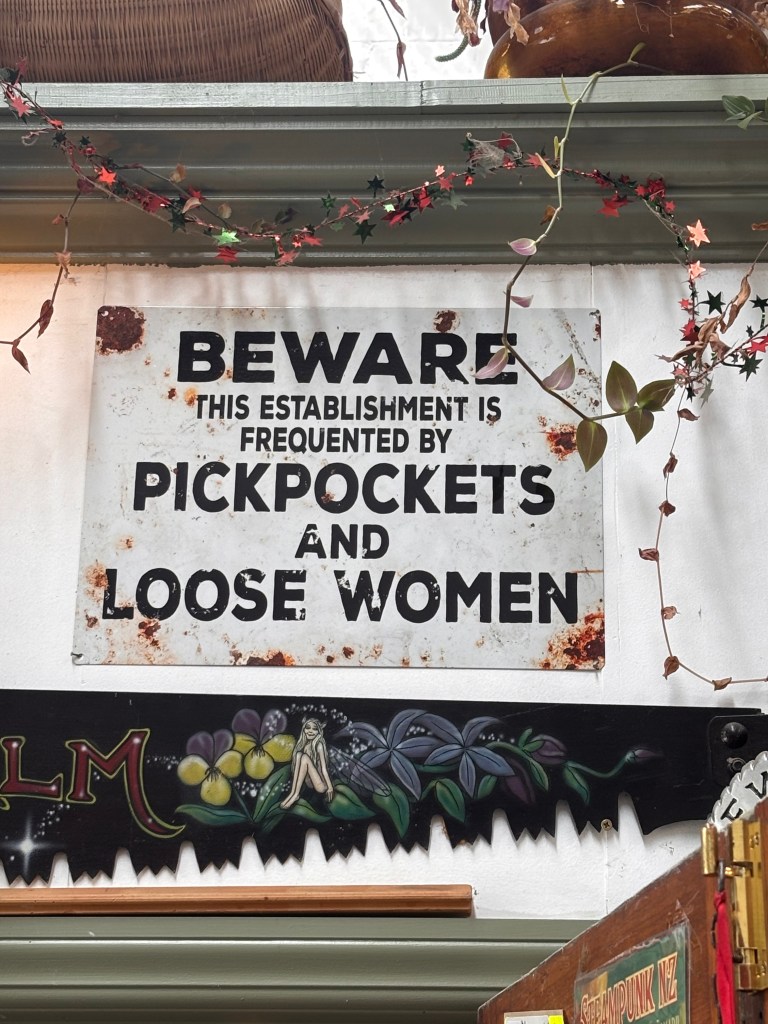
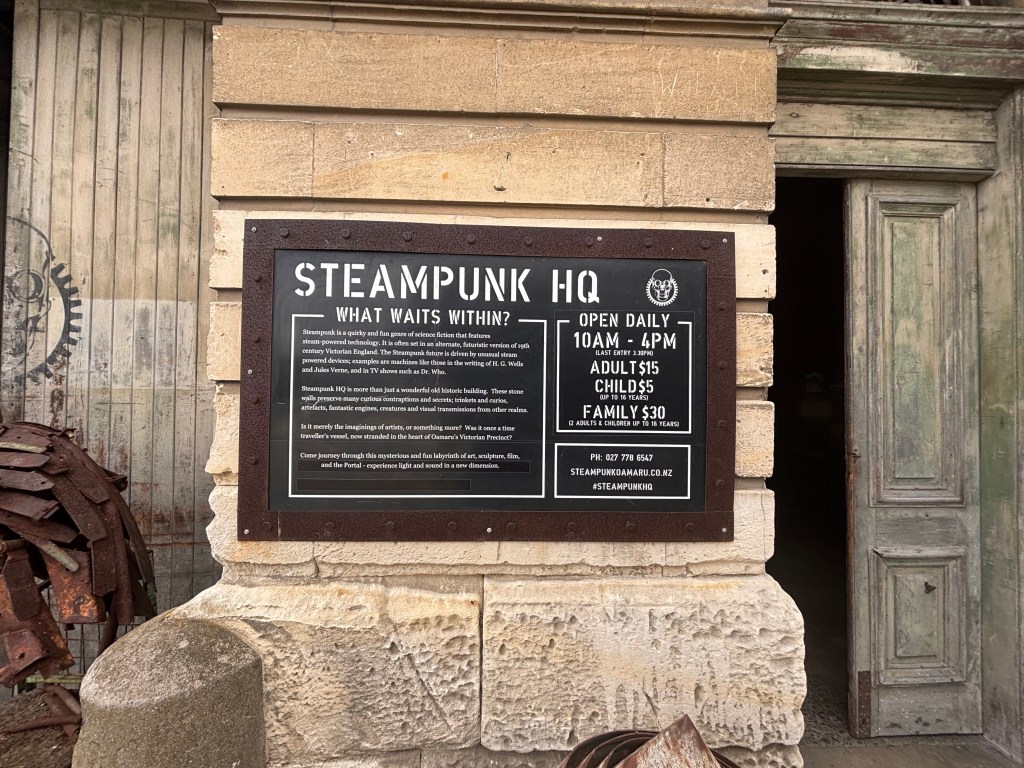
The precinct is alive with character: antique bookshops, vintage clothing stores, artisan galleries, and even a traditional bookbinder. Lonely Planet One of the most delightfully quirky spots is Steampunk HQ, housed in an old granary — here, retro-futuristic sculptures mix with industrial relics, and it feels like Victoriana as imagined by sci-fi dreamers. There’s even a penny-farthing carousel at Whitestone City, harking back to Victorian-era playfulness.
Our group had time to wander the streets, pop into galleries, and browse the shops — some of them staffed by locals dressed in period costume, leaning fully into the heritage charm. We stopped for lunch in one of the precinct’s cafes, feeling very much like guests in a gilded age world where craftsmanship and community celebrated their past without ever feeling dusty or museum-like.
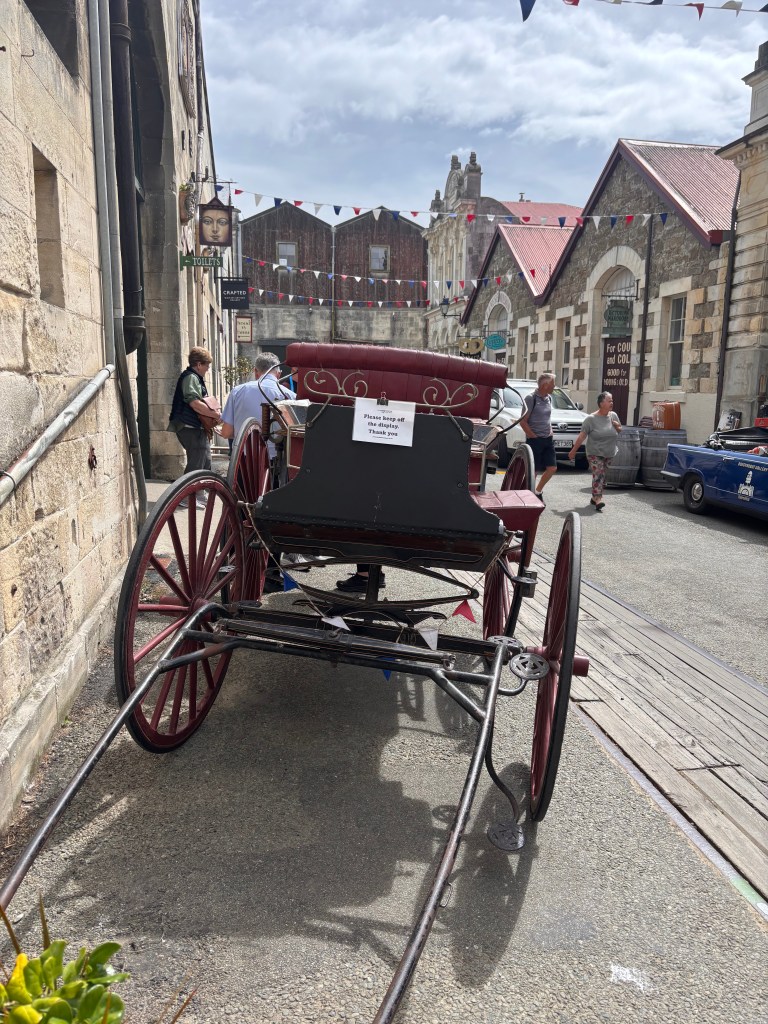

After our meal, and just as we were reluctantly tearing ourselves away, we watched the bus roll in to take us onward to our next adventure: Aoraki / Mt Cook. But I carried Oamaru in my mind as we left — its stately stone buildings, its living history, and that unmistakable feeling that we’d stumbled into something both timeless and wildly creative.
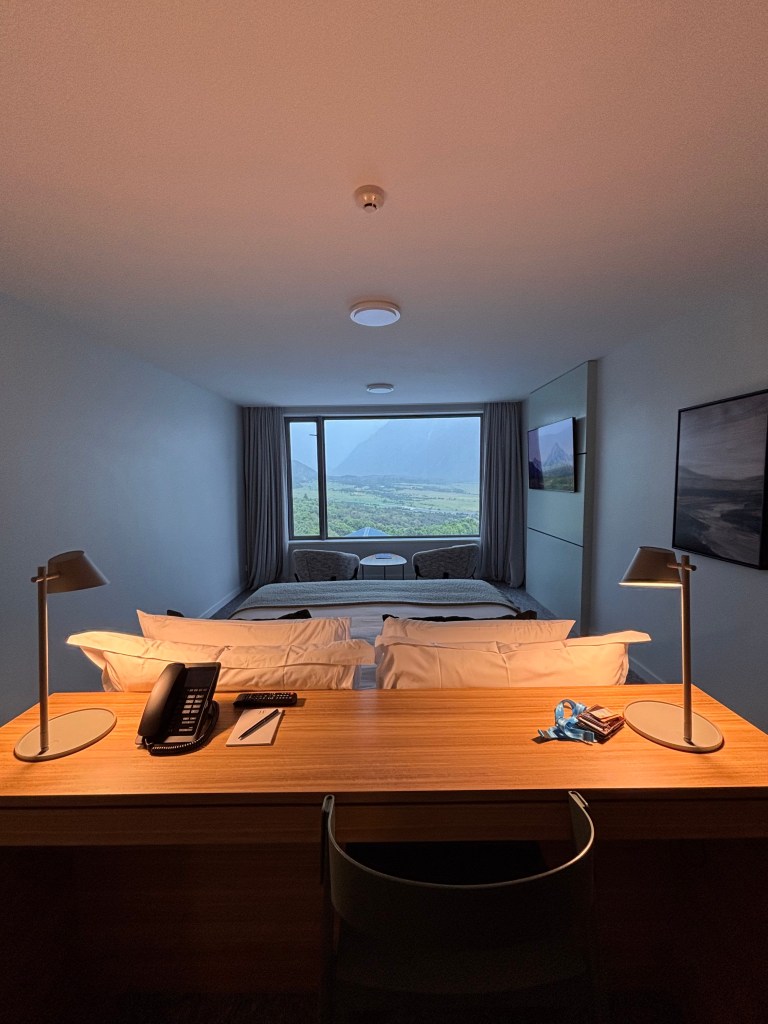
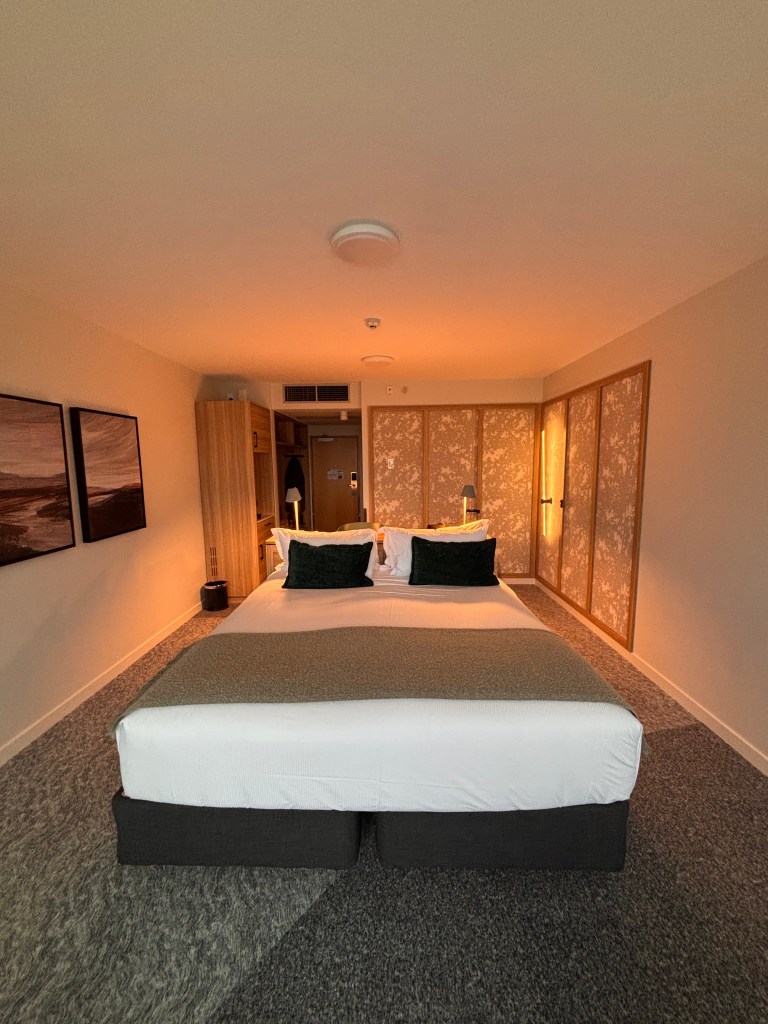
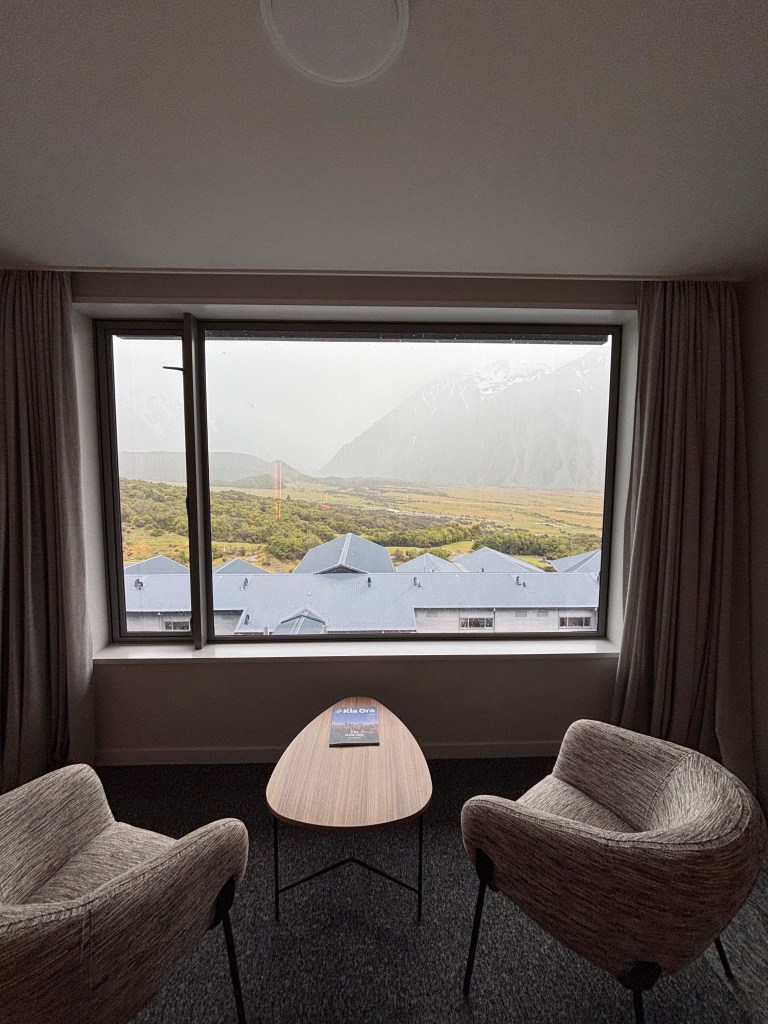
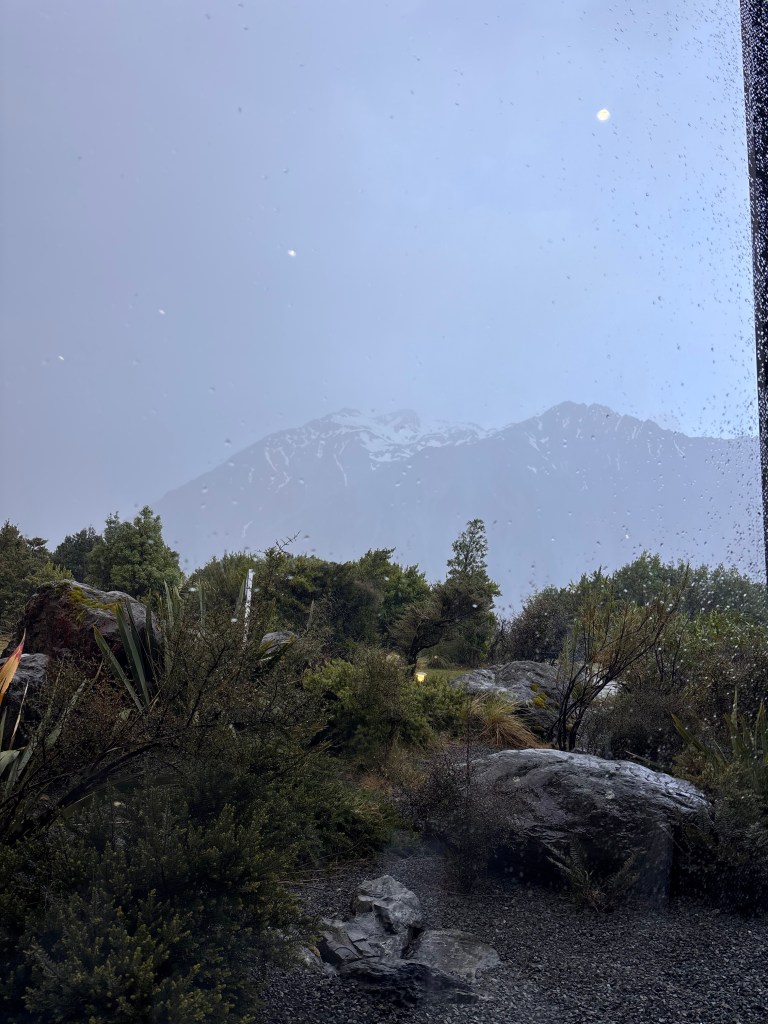
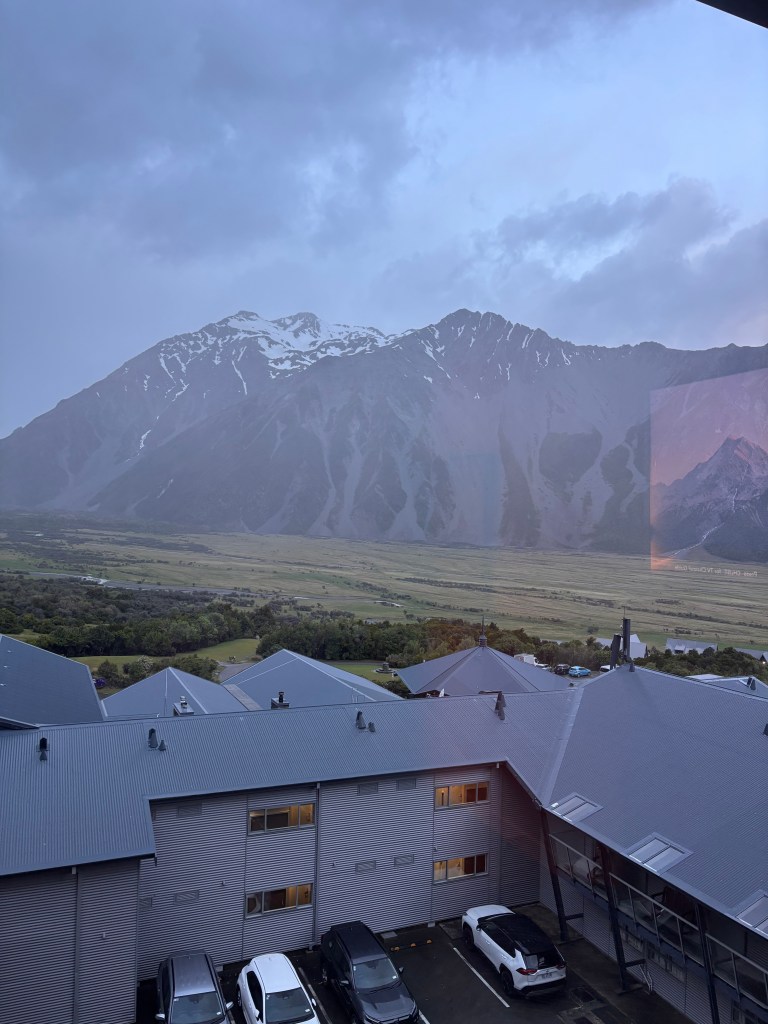
By the time we arrived at the Hermitage Hotel, night was beginning to fall, and the jagged peaks around us — including Aoraki/Mount Cook — seemed to glow in the fading light. The Hermitage sits deep in the heart of the Aoraki / Mount Cook National Park. It’s not just a hotel. It’s a base camp for adventure, framed by glaciers, alpine terrain, and some of New Zealand’s most breathtaking scenery.
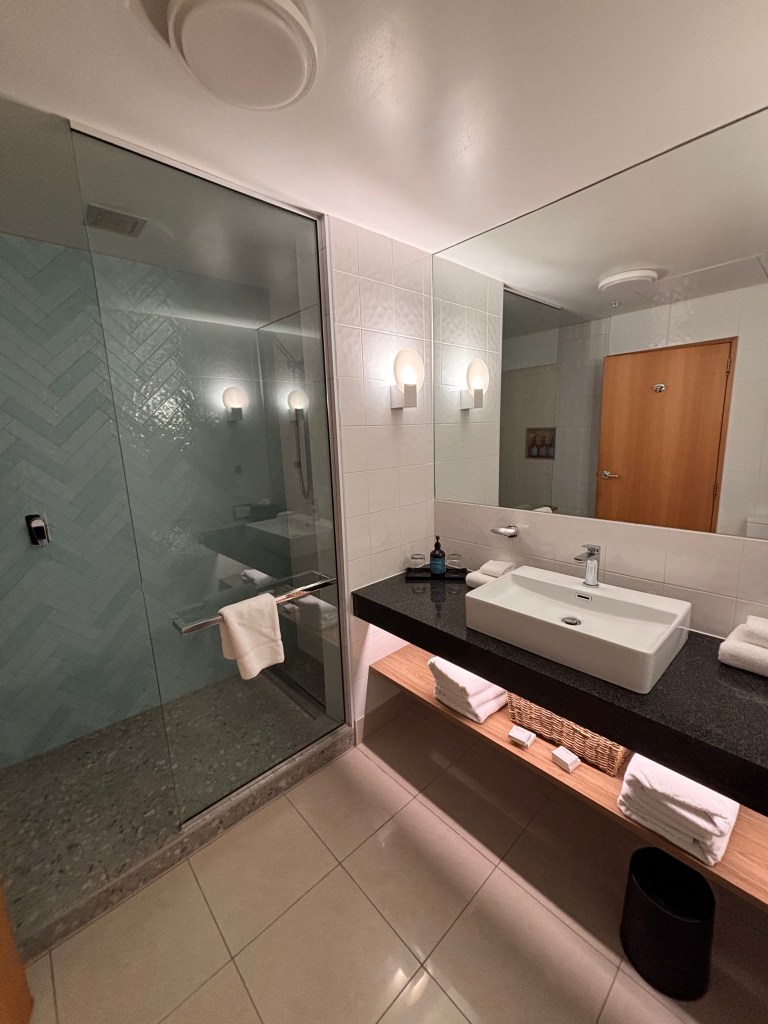
The Hermitage itself has a fascinating history. The very first building of the Hermitage was erected back in the 1880s. Over time, it was rebuilt more than once: a fire destroyed an earlier version in the 1950s, and the current building — designed by architects Hall and MacKenzie — opened in 1958. The hotel has around 164 rooms, many of which face north and offer direct views of Aoraki/Mt Cook.
 Anthony's Travel Adventures